Support

Nuqui

About

Nuqui is a captivating destination tucked away in the lush Chocó Department, offering a raw and authentic experience where the dense rainforest spills directly onto pristine dark-sand beaches. This hidden gem is a sanctuary for nature lovers, defined by its incredible biodiversity and the dramatic scenery where the jungle meets the ocean.

Located on the remote Pacific coast of Colombia, the town is accessible primarily by air or sea, which has helped preserve its tranquil atmosphere. With a modest population of approximately 9,000 inhabitants, Nuqui feels intimate and secluded. The climate is tropical and humid, characteristic of one of the wettest regions on Earth, ensuring that the surrounding landscapes remain vibrantly green year-round.
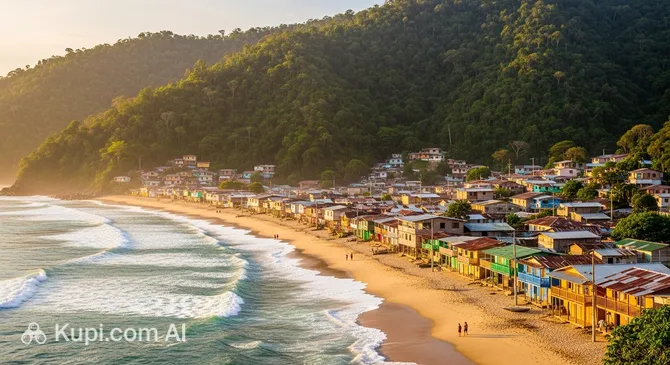
Nuqui. Source: Kupi.Binoculars

While it is now celebrated as a top ecotourism spot, the history of Nuqui is deeply rooted in the heritage of its Afro-Colombian and indigenous communities. This rich cultural background influences the local cuisine, music, and the warm hospitality that greets every visitor, adding a layer of depth to the stunning natural surroundings.

Travelers are drawn to this unique location for its spectacular wildlife and outdoor activities. The region is world-famous for whale watching, as humpback whales migrate to these warm waters between July and October to give birth and raise their calves. Visitors can also relax in natural thermal springs, surf the powerful Pacific waves, or explore the breathtaking Guachalito Beach, known for its waterfalls cascading near the sea.

If you are looking to disconnect from the bustle of modern life and immerse yourself in pure nature, Nuqui is an ideal choice. Its enchanting mix of wild jungle adventures and serene oceanic beauty promises an unforgettable journey for any adventurer.

Weather Overview

Nuqui experiences a tropical climate characterized by consistent warmth and high humidity year-round. When planning your trip and checking the weather in Nuqui, you will find that the region maintains a steady atmospheric rhythm without drastic seasonal changes.

Temperatures are remarkably stable, with the average hovering around 25°C to 26°C for every month. Daytime highs typically reach up to 27°C or 28°C, while the nights remain comfortable with minimums rarely dropping below 23°C. This creates a warm environment perfect for enjoying the beaches and jungle, though the high humidity is a constant factor.

Rainfall is a defining feature of this lush biodiversity hotspot. Expect warm days with very frequent showers, as the data indicates between 24 and 30 wet days per month throughout the year. While the recorded precipitation volume is moderate, the frequency of rain ensures the landscape remains vibrantly green, with the wettest periods extending from May through December.

Interesting Facts

Beyond the main attractions, Nuqui holds many fascinating secrets that reveal the deep connection between its people and the untamed nature surrounding them. Here are some intriguing details that make this Pacific enclave truly unique.
  • Ancestral Spirits: The region is famous for Viche, an artisanal alcoholic beverage made from raw sugar cane. Unlike commercial spirits, Viche has been produced by Afro-Colombian communities for centuries and was historically used for medicinal purposes and traditional celebrations before recently gaining recognition as cultural heritage in Colombia.

  • Glowing Waters: On certain moonless nights, the beaches near Nuqui come alive with bioluminescent plankton. This natural phenomenon causes the breaking waves to glow with an ethereal blue light, creating a magical swimming experience that turns the ocean into a starry mirror.

  • The Piangua Tradition: A staple of the local gastronomy is the piangua, a black clam found deep within the roots of the mangrove forests. Harvesting these mollusks is a skilled tradition passed down through generations of women, known as "piangueras," who expertly navigate the muddy tides to collect them by hand.

  • A Land Without Roads: Nuqui is one of the few municipalities that remains completely disconnected from the national road network. There are no highways leading to the town; the only way to arrive is by small aircraft or boat, a logistical quirk that has successfully shielded its ecosystem from mass tourism.

How to Get There

Reaching this remote Pacific paradise is an adventure in itself, as the region is separated from the interior of the country by dense rainforests and mountains. Since there are no roads connecting the town to the rest of Colombia, air travel is the most practical and common method for visitors. For a comprehensive guide on all transport options, including sea routes, you can read more about how to get to Nuqui.

The primary gateway is the local Nuquí Airport (IATA: NQU), which is conveniently located just 0.5 km from the town center. This small regional hub receives charter and commercial flights, mainly from Medellín and Quibdó. Upon arrival, getting to your accommodation is very quick; a taxi or tuk-tuk ride to the main area takes approximately 5 to 10 minutes, or you can even walk if your luggage permits.

Most travelers will first need to fly into a major city before connecting to Nuqui. The most significant transit point is Enrique Olaya Herrera Airport (IATA: EOH) in the city of Medellín, located about 194 km away. It is important to note that you cannot drive from Medellín to Nuqui; instead, this airport serves as the main departure point for small aircraft heading to the coast. Another option for connecting flights is El Carano Airport (IATA: UIB) in Quibdó, the capital of the department, situated roughly 69 km from Nuqui.

For clarity, here is a summary of the main airports in the vicinity and the region:
Airport Name City Passenger Traffic Km from City
Matecana International Airport Pereira Large 196.2
Enrique Olaya Herrera Airport Medellín Large 194.0
El Carano Airport Quibdo Medium 69.3
Nuquí Nuqui Small 0.5
Bahia Solano Bahia Solano Small 56.4

Nuqui does not have any railway infrastructure, and there are no train stations in the surrounding Chocó region. The challenging topography and dense jungle have prevented the development of rail lines, making air and sea transport the exclusive means of accessing this beautiful coastal destination.

Main Attractions

Nuqui is a destination defined by its raw, untouched beauty, where the attractions are not man-made structures but masterpieces of nature. From volcanic beaches to dense mangrove forests, the region offers a variety of spectacular sights that invite travelers to connect deeply with the environment.

Guachalito Beach is arguably the most iconic spot in the area, located about 30 minutes by boat from the town center. This long stretch of dark volcanic sand is bordered by towering palms and the dense Chocó rainforest. It is particularly famous for the "Love Waterfall" (Cascada del Amor) and other streams that tumble from the jungle directly onto the beach. Tourists love this area for its serenity, the stunning contrast of green and black, and the charming eco-lodges that line the shore.

A short boat ride away lies the Ensenada de Utría National Natural Park, a biodiversity hotspot that is essential for any visitor. This protected inlet is a sanctuary for marine life, including sea turtles and migratory birds. Its calm, warm waters make it the perfect nursery for humpback whales, offering some of the best whale-watching opportunities in the world during the season. The park also features a wooden boardwalk through the mangroves, allowing you to walk amidst the complex root systems and spot unique fauna.

For a relaxing experience, the village of Termales offers natural hot springs that are a favorite among travelers. Located near the coast, these thermal pools are rich in minerals and surrounded by lush vegetation. Visitors find it incredibly rejuvenating to soak in the warm, healing waters while listening to the sounds of the jungle, followed by a refreshing dip in the nearby cool river or the ocean.

Another cultural and natural gem is the small community of Coquí, known for having some of the best-preserved mangroves in Colombia. Here, you can take a guided canoe tour through the winding water channels, learning about the vital ecosystem that protects the coast. Coquí is also a culinary destination, celebrated for its gastronomic traditions where local women prepare authentic dishes using fresh ingredients from the sea and the forest.

Local Cuisine

The culinary scene in Nuqui is a vibrant reflection of its Pacific location, offering a rich tapestry of flavors defined by the ocean and the jungle. The local gastronomy is deeply rooted in Afro-Colombian traditions, where fresh seafood and coconut milk form the basis of almost every meal. Visitors can expect a true "sea-to-table" experience, as fishermen bring in the daily catch that is immediately prepared in local kitchens with aromatic herbs like cilantro, basil, and garlic.

One of the most emblematic dishes you must try is the encocado, a savory stew where fish, shrimp, or crab is simmered in a rich, spiced coconut sauce. It is traditionally served with arroz con coco (coconut rice) and crispy patacones (fried green plantains), creating a perfect balance of textures and sweet-savory flavors. For the adventurous eater, piangua is a local delicacy; these black clams harvested from the mangroves are often prepared in tamales or stewed with vegetables, offering a unique taste of the region's ecosystem.

When it comes to beverages, the Chocó region is famous for its exotic fruits. A glass of fresh borojó juice is essential; made from a fruit native to the rainforest, it is renowned for its high energy content and legendary aphrodisiac properties. For a stronger taste of local culture, try Viche, an artisanal spirit distilled from sugar cane. This ancestral drink holds significant cultural value and is often enjoyed during celebrations or as a traditional remedy.

Dining in Nuqui is less about fine dining establishments and more about authentic, home-cooked hospitality. Most meals are enjoyed in small, open-air family restaurants or guest houses where the atmosphere is relaxed and welcoming. The village of Coquí, in particular, has gained a reputation for its gastronomic initiatives, where travelers can learn about traditional cooking methods and taste dishes prepared by local women who are guardians of these culinary secrets.

Travel Tips

Visiting Nuqui is a true adventure into the heart of the Colombian Pacific, but its remote nature and unique ecosystem require a bit more preparation than a standard beach holiday. To help you navigate this wild paradise smoothly and respectfully, here are some essential practical tips for your journey.

  1. Clothing and Gear: In one of the wettest regions on Earth, keeping dry is a challenge, so pack quick-drying, lightweight clothing rather than heavy cotton. A high-quality waterproof poncho or rain jacket is indispensable, as are sturdy rubber boots for jungle treks (many lodges provide them, but check in advance). Don't forget a waterproof bag (dry bag) to protect your electronics during boat rides, and bring a universal adapter, though the sockets are Type A/B (standard US style).
  2. Transportation: Since there are no roads, the primary mode of transport between Nuqui and the surrounding beaches or eco-lodges is by boat (lancha). These rides can be bumpy and wet, so dress accordingly. Within the small town of Nuqui itself, you can walk or take a tuk-tuk (moto-taxi). Be aware that boat schedules are often dictated by the tides and daylight, so flexibility is key.
  3. Finances: Cash is absolute king in Nuqui. While some upscale lodges may accept credit cards or transfers, most local shops, restaurants, and boat operators deal strictly in Colombian Pesos (COP). There is only one ATM in the town (typically Banco Agrario), and it is frequently out of service or out of money. It is highly advisable to withdraw all the cash you will need in Medellín or Quibdó before you arrive.
  4. Health and Safety: Nuqui is generally safe, but medical facilities are basic and limited to a small local health center. Bring a personal first-aid kit containing painkillers, motion sickness medication for boat rides, and antihistamines. Insect repellent is mandatory to protect against mosquitoes and sandflies. Always drink bottled or purified water, and ensure your Yellow Fever vaccination is up to date, as it is often recommended for this region.
  5. Communication: Do not expect high-speed internet or constant connectivity. Wi-Fi is rare and slow, usually only available in the main town or specific lodges. The mobile signal is patchy, with Claro typically offering the best coverage in these remote areas. Spanish is the primary language, and English is not widely spoken, so downloading an offline translation app or learning basic phrases like "¿Cuánto cuesta?" (How much?) is very helpful.
  6. Local Etiquette: The people of Chocó are known for their warmth and relaxed pace of life. It is polite to greet everyone with a friendly "Buenos días" or "Buenas tardes" when entering a shop or passing on a trail. The culture is deeply rooted in community; always ask for explicit permission before taking photographs of locals, especially in indigenous or Afro-Colombian communities.
  7. What to Avoid: Avoid bringing single-use plastics. Nuqui is an eco-tourism destination struggling with waste management, so bringing a refillable water bottle is a responsible choice. Also, never touch or feed the wildlife, whether you are whale watching or hiking; maintaining a respectful distance ensures safety for both you and the animals.
  8. Additional Tip: Be prepared for limited electricity. Many eco-lodges run on generators or solar power and may only provide electricity during specific hours (e.g., 6:00 PM to 10:00 PM). Charge your cameras and phones whenever the power is on, and bring a fully charged power bank as a backup.

By packing the right gear and embracing the disconnected, slow-paced rhythm of the Pacific coast, you will be perfectly set to enjoy the magic of Nuqui. Come with an open mind and a spirit of adventure, and this lush corner of Colombia will reward you with memories that last a lifetime.

Entertainment & Nightlife

Nightlife in Nuqui is a world away from the pulsating clubs of big cities like Medellín or Bogotá. Instead of neon lights and electronic beats, the evening entertainment here is defined by authentic local rhythms, the sound of the ocean, and a relaxed, community-driven atmosphere. The nightlife scene is split between the small town center, where locals gather to socialize, and the remote eco-lodges along the beaches, where the "nightlife" consists of star-gazing and listening to the symphony of the jungle.

In the town of Nuqui itself, the action centers around the Malecón (boardwalk) and the main park. This is where the community comes alive after the sun sets. You won't find dress codes or cover charges here; the vibe is incredibly casual. Local bars, often referred to as cantinas, spill out onto the streets with plastic chairs and tables. The air is filled with the loud, infectious sounds of Vallenato, Salsa, and Champeta music. It is a place to drink a cold beer or a shot of Viche (the local artisanal sugar cane spirit) while mingling with friendly residents.

For a more settled dining experience or a quiet evening drink, the restaurant at the Hotel Obega Pacific is a standout option. Located on the top floor, it provides a fantastic view of the town and the river, making it a perfect setting for a relaxed dinner and cocktails. Alternatively, visitors can explore the various small eateries dotting the boardwalk, where you can enjoy fresh, locally caught seafood in a simple, open-air environment before heading out to explore the local street scene.

If you are staying in the beach areas like Guachalito, Termales, or Arusí, the experience is quite different. These areas are accessible only by boat, and since maritime transport typically stops around 6:00 PM due to tides and visibility, you are usually confined to your lodge or the immediate village. Nightlife here revolves around communal dinners at your eco-hotel, followed by bonfires on the beach. In the village of Termales, you might find a small local bar near the hot springs, but the primary attraction is the absolute tranquility and the incredibly bright starry skies.

Practical advice is essential for enjoying nights in Nuqui. Cash is king; most bars and small eateries do not accept cards, and the town's single ATM is often unreliable. Transport at night is limited to walking or taking a tuk-tuk (moto-taxi) within the town limits. If you are staying at a lodge, do not plan on coming into town for a party unless you have arranged a private boat charter for the return trip, which can be very expensive and dependent on sea conditions.

While Nuqui is generally safe for tourists, it is always wise to stay in well-lit areas around the Malecón and avoid wandering into unlit outskirts late at night. The town is small, and locals are protective of visitors, but standard travel precautions apply.

During the day, entertainment shifts entirely to nature and culture. Visitors spend their time whale watching (in season), hiking to hidden waterfalls, or relaxing in the thermal pools of Termales. For a cultural fix, you can visit the local markets or take a canoe tour through the mangroves in Coquí to learn about the traditional ways of life that have preserved this region of Colombia for centuries.

Parks & Museums

In Nuqui, the concept of parks and museums is redefined by the destination's wild and remote nature. Instead of manicured city gardens or expansive art galleries, the entire region serves as an open-air sanctuary where the dense rainforest acts as the park and the vibrant local traditions form a living museum. Visitors here do not step into buildings to see exhibits; they step into the jungle and the sea to witness the history and biodiversity of the Chocó region firsthand.

The most significant protected area is the Ensenada de Utría National Natural Park. While technically a short boat ride away, it functions as the primary ecological park for the entire zone. It is a majestic expanse of mangroves, coral reefs, and rainforest that invites exploration. The park features a visitor center with educational information about the ecosystem, including the skeletal remains of a sperm whale, which serves as a poignant centerpiece. Walking the wooden boardwalks (estibados) through the mangroves offers an immersive lesson in biology, allowing you to observe the complex root systems and the diverse fauna that inhabit this intersection of land and sea.

Within the town of Nuqui itself, the Parque Principal (Main Square) serves as the heart of urban life. Unlike the vast green parks of larger cities, this is a modest, paved social hub surrounded by small shops and the local church. It is the best place to engage in people-watching and experience the relaxed rhythm of the community. In the late afternoons, children play soccer, and elders gather to chat, offering a genuine glimpse into the daily life of this Pacific municipality.

Regarding museums, Nuqui does not possess formal institutions with curated collections. However, the nearby village of Coquí is frequently described by locals and guides as a "Museum of Mangroves." The community has organized itself to protect and showcase their natural heritage. Local guides lead tours through the intricate water channels, explaining the traditional uses of mangrove plants for medicine and construction, effectively turning the landscape into an interactive historical and botanical exhibit.

For those interested in art and culture, the "galleries" of Nuqui are the workshops of local artisans. The region is known for its skilled craftspeople who work with materials like wood, coconut shell, and natural fibers. You can often find small displays of these works in local lodgings or directly in the artisans' homes. These pieces, ranging from carved animal figures to woven accessories, reflect the deep spiritual connection the community has with the surrounding jungle and ocean.

For a truly authentic cultural experience, ask about visiting a traditional trapiche (sugar cane mill) if one is operating nearby. Watching the process of extracting cane juice to make panela or the local spirit Viche offers a historical perspective on the region's agricultural roots that no static museum display could replicate.

Getting Around

The public transport system in Nuqui is fundamentally different from what you might encounter in a typical modern city. Due to its remote location and lack of road infrastructure connecting it to the rest of the country, you will not find a metro, tram, trolleybus, or a conventional bus network here. Instead, the "transport system" is a mix of small-scale land vehicles for the town center and maritime vessels for reaching the surrounding areas.

Within the urban area of the town, the primary and most popular form of transport is the moto-taxi, often resembling a tuk-tuk or a simple motorcycle adapted to carry passengers. These vehicles serve as the local taxis and are readily available to take you from the airport to your hostel or to the main dock. The town is small enough that walking is also a very viable and pleasant option for getting around the central streets, shops, and restaurants.

For travel beyond the town center—specifically to reach the popular beaches, eco-lodges, and neighboring villages like Termales, Arusí, or Coquí—the public boat (lancha) acts as the region's main transit line. These speedboats depart from the main dock and operate on fixed routes or can be hired privately. Think of the river and ocean as the "highway" and the boats as the "buses" that connect the various communities along the coast.

Regarding payment, the system operates exclusively on cash. There are no travel passes, smart cards, or mobile apps for transport in Nuqui. For moto-taxis, prices are generally low and standard for short trips, but it is always wise to confirm the fare with the driver before hopping on. For public boats, there are set fares to specific destinations (e.g., Nuqui to Guachalito), and tickets are usually paid directly to the boat captain or at the tourist dock office prior to departure. Carrying small bills in the local currency is highly recommended, as drivers and captains often do not have change for large denominations.

A critical piece of advice for tourists is to be mindful of operating hours, which are dictated by nature rather than a clock. Maritime transport is heavily dependent on the tides and daylight. Public boats typically stop running by late afternoon, around 4:00 PM or 5:00 PM, due to visibility and safety concerns. It is essential to plan your arrival and transfers well within daylight hours. If you arrive late, you may be stuck in the town center until the next morning.

Alternatives like ride-sharing apps (Uber, Lyft) or car rentals do not exist here. The infrastructure simply does not support standard cars. If you need to move a large group or have a lot of luggage, you can arrange a "private express" boat, which functions like a private taxi service on the water. While significantly more expensive than the shared public boat, it offers flexibility regarding departure times, provided it is still safe to navigate.

When using maritime transport, always ensure you are provided with a life jacket, as safety regulations are strictly enforced for tourists. Additionally, since the "road" is the ocean, be prepared for a wet ride; waterproof bags for your luggage and electronics are not just accessories but necessities for keeping your belongings dry during the trip.

Accommodation

Accommodation in Nuqui is distinct from typical tourist destinations; rather than high-rise chains or all-inclusive mega-resorts, the region specializes in eco-tourism. The options range from modest, budget-friendly hostels in the town center to spectacular eco-lodges and boutique cabins tucked away in the jungle along the coast. Most of these lodgings are designed to blend seamlessly with the environment, offering a "barefoot luxury" experience where the focus is on nature and sustainability.

When choosing where to stay, location is the most critical factor. Visitors typically choose between two main areas: the town of Nuqui itself or the remote beaches to the south, such as Guachalito, Termales, and Arusí. Staying in the town is convenient for quick access to the airport and local shops, making it ideal for short layovers or budget travelers. However, the quintessential Nuqui experience is found on the beaches, accessible only by boat, where lodges offer direct access to the ocean and the rainforest.

For those who prefer the convenience of staying within the urban area, the Hotel Obega Pacific is a prominent option. Situated right in front of the sea, it offers comfortable rooms and easy access to the main dock, making it a strategic base for organizing day trips. It is one of the few buildings in town that provides a more traditional hotel structure compared to the rustic styles found elsewhere.

If you are looking to immerse yourself in the wild beauty of the region, properties like Piedra Piedra Lodge located on the beaches south of the town are excellent examples of the local eco-lodge style. These accommodations often feature wooden cabins with ocean views, allowing guests to wake up to the sound of waves and howler monkeys. Staying in these areas usually requires a boat transfer, which the lodge typically helps coordinate.

Booking Tip: Because Nuqui is a remote destination with limited infrastructure, it is highly recommended to book your accommodation well in advance, especially during the whale-watching season (July to October). During these months, the best lodges sell out quickly. Additionally, since restaurants are scarce outside the main town, many beach lodges offer "full board" plans that include all meals; this is often the most practical and stress-free option for travelers.

Price ranges vary significantly, with budget hostels in town starting at accessible rates, while exclusive eco-lodges on the beaches can command mid-range to luxury prices comparable to international boutique hotels. While some larger lodges appear on major online booking platforms, many smaller, family-run establishments rely on direct bookings via WhatsApp or their own websites. Be prepared to pay a deposit in advance, and remember that once you arrive, cash is often the only accepted payment method for extras.

Nearby Cities

For those looking to explore the surroundings, Nuqui serves as an excellent base for day trips or short visits to several interesting nearby locations. Although the region is known for its isolation and lack of roads, connecting flights or river expeditions allow adventurous travelers to discover the diverse municipalities that make up the Chocó and neighboring departments.

One of the most significant destinations is Quibdo, the vibrant capital of the department located on the banks of the Atrato River. It is a cultural powerhouse known for its lively San Pacho festival, chaotic markets, and deep Afro-Colombian musical traditions. For those willing to venture towards the Andean foothills, Urrao offers a dramatic change in scenery; situated in a valley with a cooler climate, it is a gateway to the stunning Páramo del Sol ecosystem, providing a stark contrast to the tropical coast.

City Population Distance (km)
Quibdo 130,825 68
Urrao 47,128 142
Andes 43,269 154
Pie de Pato 40,733 39
Istmina 25,981 89

These nearby destinations offer a glimpse into the diverse culture and landscapes of the region, ranging from river port towns to high-altitude mountain settlements.

Shopping & Souvenirs

Shopping in Nuqui is a modest and authentic experience, far removed from the commercialized retail scenes of major cities. Visitors should not expect luxury boutiques, brand-name stores, or sprawling commercial centers. Instead, the shopping opportunities here are focused on essential supplies for your trip and, most importantly, unique local handicrafts that reflect the rich cultural heritage of the Chocó region. The commerce is small-scale, personal, and directly supports the local families and artisans of the Pacific coast.

The main commercial activity is concentrated in the town center of Nuqui, specifically along the few streets surrounding the municipal dock and the airport. This area serves as the economic hub where you can find small grocery stores (tiendas), pharmacies, and hardware shops selling rubber boots and rain gear—essential items for the jungle climate. It is a compact area that can easily be explored on foot in less than an hour, offering a glimpse into the daily life of the residents.

It is important to note that there are no shopping malls in Nuqui. The infrastructure is rural and undeveloped in terms of modern retail. If you are accustomed to large department stores or air-conditioned plazas, you will not find them here. The charm of shopping in Nuqui lies in its simplicity and the absence of mass-market consumerism.

While there isn't a large centralized artisan market, the most interesting "market" experience is often found near the tourist dock or within the small communities like Coquí. Here, you can find fresh local produce and the catch of the day being sold directly by fishermen. For visitors, the true gems are the small stalls or workshops run by local women who sell handmade goods. These informal markets are the best places to interact with locals and learn about the materials they use.

When looking for souvenirs, the region offers some of the finest handicrafts in Colombia. The most prized items are Werregue baskets, intricately woven by the indigenous Wounaan people using palm fibers; these are considered high-quality art pieces and can be quite valuable. Other popular keepsakes include carvings made from Tagua (vegetable ivory), accessories made from coconut shells, and bottles of Viche, the traditional artisanal sugar cane spirit that captures the flavor of the Pacific.

Store opening hours are generally flexible but typically run from around 8:00 AM to 6:00 PM. Many smaller shops may close for a lunch break (siesta) between 12:00 PM and 2:00 PM. Regarding payment, cash is the absolute rule. Credit cards are rarely accepted in town shops, and with only one often-unreliable ATM available, it is critical to bring sufficient Colombian Pesos (COP) from a major city before you arrive.

Regarding tax-free shopping, the tourist VAT refund system found in major Colombian cities is not practically applicable in Nuqui. The local businesses operate on a simplified regime and generally do not issue the formal electronic invoices required for tax refunds at the airport. Travelers should view their purchases here as direct support to the local economy rather than a tax-free shopping opportunity.

Reached the end of the page?

That means the route is fully explored