Support

Bahia Solano

About

Nestled along the rugged Pacific coast, Bahia Solano is a destination that truly embodies the wild beauty of nature. Known as the place where the dense jungle meets the vast ocean, this municipality in the Chocó department offers an unforgettable experience for travelers seeking adventure and tranquility. As a part of Colombia, it stands out as a premier spot for ecotourism, boasting lush rainforests, pristine beaches, and incredible biodiversity that captivates visitors from the moment they arrive.

With a population of approximately 13,000 inhabitants, the town maintains a welcoming, small-community atmosphere that feels far removed from the hustle of major cities. While its primary allure lies in its natural wonders, visitors can also appreciate the history of Bahia Solano, which is deeply rooted in fishing traditions and the resilient spirit of the Pacific culture. The climate here is tropical and humid, typical of the Chocó region, creating the vibrant, evergreen landscapes that define the area.

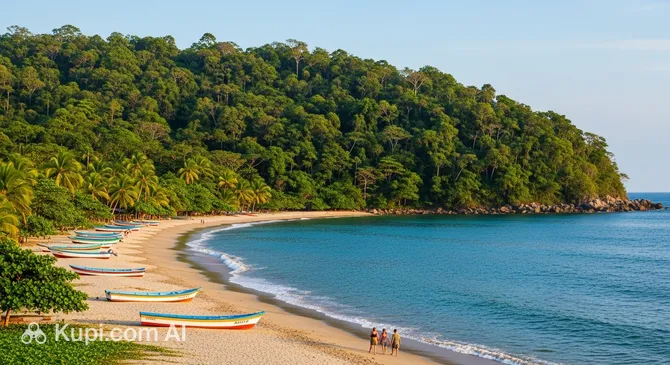
Bahia Solano. Source: Kupi.Binoculars

One of the most spectacular features of this region is the annual migration of humpback whales. Between July and October, these majestic creatures travel to the warm waters of the bay to give birth and raise their calves, offering a breathtaking natural spectacle. Beyond whale watching, the area is renowned for world-class sport fishing and serves as a convenient gateway to the magnificent Utría National Natural Park, a sanctuary teeming with diverse marine and terrestrial wildlife.

Whether you are hiking through the rainforest to discover hidden waterfalls or relaxing on the unique dark volcanic sands of the coast, Bahia Solano invites you to disconnect from the modern world and reconnect with nature. It is a must-visit destination for anyone looking to explore the untouched and magical corners of the Pacific.

Weather Overview

Travelers heading to this Pacific coastal region should prepare for a tropical, humid climate that sustains its lush rainforests. The weather in Bahia Solano remains warm and consistent throughout the year, creating a steady environment for exploration. Average temperatures hover comfortably around 25°C to 26°C, with daytime highs peaking at approximately 27.9°C in February and nighttime lows rarely dropping below 23.5°C.

Rainfall is a defining feature of the area, occurring frequently even during the "drier" months. The period from January to March typically sees the lowest volume of precipitation, with February recording just 6mm, though rain still occurs on about 22 to 26 days each month. From May through November, the region experiences its wettest phase, often recording up to 30 wet days per month and precipitation levels reaching 29mm. Visitors should expect warm conditions year-round with frequent showers, so packing waterproof gear is essential for enjoying the outdoors.

Interesting Facts

Beyond the main attractions, Bahia Solano holds many fascinating secrets that reveal the deep connection between its people and the untamed nature that surrounds them. From hidden natural wonders near the runway to vital conservation efforts on its shores, this destination is full of surprises for the curious traveler.

  • The Airport Waterfall: While most airports are surrounded by concrete, the local airport (José Celestino Mutis) hides a refreshing secret. Just a 10-minute walk from the runway, travelers can find the Salto del Aeropuerto, a crystal-clear natural pool and waterfall, allowing visitors to take a dip in the jungle almost immediately after landing.

  • Guardians of the Turtles: The dark volcanic sands of Almejal beach serve as a crucial sanctuary for marine life. A local conservation project works tirelessly here to protect the nesting sites of Olive Ridley sea turtles. Visitors during the hatching season can witness the magical release of baby turtles into the ocean, a testament to the region's commitment to preservation.

  • Named After a Botanist: The main urban center of the municipality is officially called Ciudad Mutis. It was named in honor of José Celestino Mutis, the director of the famous Royal Botanical Expedition to New Granada, serving as a fitting tribute to a region that is considered one of the most biodiverse places on Earth.

  • A Mangrove Sanctuary: The nearby Utría National Natural Park is not just a forest; it is a critical ecological haven that hosts four of the seven mangrove species found in Colombia (Red, Black, White, and Piñuelo). These mangroves create a unique "nursery" ecosystem that supports the area's immense marine life.

How to Get There

Reaching this remote paradise on the Pacific coast is an adventure in itself, as the region is isolated from the country's interior by dense rainforests and has no connecting roads. The most practical and common way to arrive is by air. You can find more about how to get to Bahia Solano and detailed travel options to help plan your journey.

The primary entry point is Bahia Solano Airport (IATA: BSC), also known as José Celestino Mutis Airport. It is conveniently located just 2.3 km from the town center. Once you land, the journey to the main urban area is quick, taking approximately 5-10 minutes by taxi or local transport. This small regional hub is the lifeline for tourists and locals alike, offering a scenic descent over the jungle and ocean.

Since there are no direct international flights to the municipality, most travelers connect through Enrique Olaya Herrera Airport (IATA: EOH) in Medellín. Located about 200 km away, this airport is a key hub for regional flights to the Chocó department. Another significant connection point is El Carano Airport (IATA: UIB) in the city of Quibdó, roughly 102 km from Bahia Solano. It is important to note that you cannot drive from Medellín or Quibdó to Bahia Solano; catching a connecting flight from these airports is the standard route.

For clarity, here is a summary of the main airports:

Airport Name City Passenger Traffic Km from City
Enrique Olaya Herrera Airport Medellín Large 200.4
El Carano Airport Quibdo Medium 102.7
Apartado Airport Apartado Medium 191.4
Nuquí Nuqui Small 58.8
Bahia Solano Bahia Solano Small 2.3

The city of Bahia Solano does not have a railway station, and there are no train services operating in this part of Colombia. The rugged terrain and lack of infrastructure make rail travel impossible in the region. Visitors rely almost exclusively on air travel or maritime transport to reach this destination.

Main Attractions

Utría National Natural Park is undoubtedly the crown jewel of the region and a must-visit for any nature enthusiast. Located a short boat ride away, this protected area is centered around the Ensenada de Utría, a calm inlet that serves as a natural maternity ward for humpback whales. Beyond the marine giants, the park features boardwalks that wind through majestic mangrove forests, allowing visitors to observe a rich variety of birds, crustaceans, and orchids. The contrast between the emerald jungle and the turquoise waters creates a serene atmosphere perfect for eco-hiking and kayaking.

For those seeking a mix of relaxation and activity, Playa El Almejal offers one of the most iconic landscapes in the area. Situated in the nearby town of El Valle, this expansive beach is famous for its dark volcanic sand and powerful waves, making it a top destination for surfing. It is also home to an important conservation project for sea turtles. Visitors can spend their days walking along the shore where the jungle spills onto the sand, or visiting the turtle reserve to learn about the efforts to protect these endangered species.

If you prefer calmer waters and golden sands, Playa Huina is an excellent alternative to the region's typical dark-sand beaches. Located about 20 minutes by boat from the main town, this beach is known for its crystal-clear water, making it one of the best spots for snorkeling. At low tide, the receding water reveals fascinating rock formations and marine life. It is a fantastic place to swim, enjoy a fresh seafood lunch at a local kiosk, and simply unwind in a more secluded setting.

Adventure seekers should not miss the trek to the Cascada de Nabugá. Hidden within the dense rainforest, this stunning waterfall cascades down a rocky cliff into a natural pool, offering a refreshing reward after a hike through the jungle. The journey to the falls is an attraction in itself, providing opportunities to spot exotic frogs, colorful butterflies, and howler monkeys. It is a magical spot that perfectly encapsulates the wild, freshwater beauty of the Chocó coast.

Local Cuisine

The cuisine of Bahia Solano is a vibrant reflection of its geography, offering a delicious blend of fresh Pacific seafood and tropical jungle flavors. Gastronomy here is simple yet incredibly flavorful, relying heavily on the catch of the day and locally grown ingredients like coconut, plantain, and exotic fruits. For food lovers, this is a chance to taste authentic Afro-Colombian dishes prepared with traditional recipes passed down through generations.

Seafood is the undisputed star of the local table. A must-try dish is the classic Fried Red Snapper (Pargo Rojo), typically served with a side of sweet coconut rice and crispy patacones (fried green plantains). For a more unique local flavor, adventurous eaters should seek out dishes made with piangua, a black clam harvested from the nearby mangroves. Whether served in a rich stew or as a tamal, piangua offers an intense, briny taste that defines the culinary identity of the Colombian Pacific.

To quench your thirst, the region offers an array of juices made from exotic jungle fruits. The most famous is Borojó, a fruit native to the Chocó rainforest, often blended into a thick, energy-boosting juice or milkshake that locals jokingly refer to as a "love potion." On the spirited side, you cannot leave without trying Viche, an ancestral artisanal liquor made from raw sugar cane. This drink holds deep cultural significance in the Pacific region and is often used as a base for other cocktails or consumed neat during celebrations.

The dining scene in Bahia Solano is laid-back and unpretentious. You won't find large commercial chains here; instead, the best meals are found in small, family-run restaurants and open-air kiosks near the beaches or in the town center of Ciudad Mutis. Many hotels and eco-lodges also take great pride in their kitchens, serving "sea-to-table" meals where the fish was likely caught just hours before being served. It is a culinary experience deeply connected to the rhythm of the ocean and the warmth of the local hospitality.

Travel Tips

Visiting Bahia Solano is a true adventure into the wild, and a little preparation goes a long way in ensuring your trip to this remote Pacific paradise is smooth and enjoyable. To help you navigate the unique logistics of the Chocó region, here are some essential practical tips for your journey.

  1. Pack for Humidity and Rain: This region is one of the wettest places on Earth, so rain is almost guaranteed regardless of the season. Bring lightweight, quick-drying clothing that won't weigh you down when wet. A good quality rain poncho is more practical than an umbrella. For jungle hikes, rubber boots (botas pantaneras) are far superior to standard hiking boots, which can get stuck in the deep mud; you can often rent or buy them cheaply in town.

  2. Mastering Local Transport: There are no roads connecting Bahia Solano to the rest of Colombia, and within the municipality, cars are rare. In the main town of Ciudad Mutis, the primary way to get around is by tuk-tuk (moto-carro). To reach beaches like Playa El Almejal or remote lodges, you will likely need to take a boat (lancha). Always agree on the fare before starting your journey.

  3. Cash is King: Banking infrastructure is very limited. There is typically only one ATM in Ciudad Mutis, and it can run out of money or be out of service due to connection issues. It is crucial to bring enough Colombian Pesos (COP) in cash to cover your entire stay, including boat transfers, meals, and tips. While some larger eco-lodges accept credit cards, most small shops and local restaurants do not.

  4. Health and Safety Essentials: A yellow fever vaccination is highly recommended (and sometimes required) for travelers visiting Chocó. Bring a well-stocked personal medical kit, as pharmacies in Ciudad Mutis may have limited supplies. Most importantly, pack plenty of strong insect repellent to protect against mosquitoes and sandflies (jejenes), especially at dawn and dusk.

  5. Disconnect to Reconnect: Wi-Fi is available in many hotels but can be slow and unreliable, especially during storms. Mobile signal is decent in the main town (Claro and Movistar usually have the best coverage) but often disappears in remote beach areas or deep in the jungle. Download offline maps and translation apps before you arrive, as English is not widely spoken.

  6. Respect Local Etiquette: The people of the Pacific coast are known for their warmth and relaxed pace of life. It is customary to greet everyone with a friendly "Buenos días" or "Buenas" when entering a shop or passing someone on the street. Be patient with service; things happen on "Pacific time," so relax and go with the flow rather than rushing.

  7. Environmental Awareness: Avoid using single-use plastics. Bahia Solano is an eco-tourism destination with a fragile ecosystem. Trash disposal is a challenge in remote areas, so the best practice is to carry your own reusable water bottle and take any non-biodegradable trash back with you to a major city if possible. Never touch or harass marine wildlife, including starfish and turtles.

  8. Airport Entry Tax: Be prepared to pay a mandatory tourism tax upon arrival at the José Celestino Mutis Airport. This fee must be paid in cash immediately after landing. Keep small bills handy to make this process quicker so you can grab your bags and head straight to paradise.

By keeping these practicalities in mind, you can focus entirely on the breathtaking scenery and the magic of the Pacific coast. Embrace the rain, the mud, and the vibrant culture, and you will find that Bahia Solano offers an experience unlike anywhere else in the world.

Entertainment & Nightlife

Nightlife in Bahia Solano is a world away from the polished clubs of big cities. Here, the evening entertainment is raw, authentic, and deeply connected to the rhythms of the Pacific. After the sun sets over the ocean, the town doesn't go to sleep immediately; instead, it shifts into a relaxed, communal vibe where the sound of crashing waves competes with the beats of Salsa, Vallenato, and Champeta. For travelers, the nightlife experience is less about exclusivity and more about sharing a cold beer or a local drink with the friendly residents in open-air settings.

The main hub for evening activity is the administrative center, Ciudad Mutis. The action is concentrated along the Malecón (waterfront promenade) and the main street. On weekends, this area comes alive as locals gather at "estanquillos"—liquor stores that double as open-air bars with plastic tables and powerful sound systems. It is a high-energy, unpretentious atmosphere where dancing often spills out onto the street. Dress codes are non-existent; shorts, t-shirts, and sandals are the standard attire for everyone.

For a different vibe, the smaller town of El Valle, located near the popular Almejal beach, offers a more rustic and traveler-focused scene. Here, the nightlife revolves around the hostels and eco-lodges. Places like the bar at The Humpback Turtle or the lounge areas of El Almejal Lodge are popular meeting points where tourists and locals mingle. These venues often host impromptu bonfires on the beach or relaxed evenings with acoustic music, providing a perfect setting to swap travel stories under the stars.

No night out in Chocó is complete without trying Viche, the region's ancestral alcoholic beverage derived from sugar cane. You can find it in almost every bar or local shop, often infused with herbs (making variations like "Arrechón" or "Tumbacatre"). Prices are incredibly affordable compared to major cities, with a beer costing just a dollar or two. However, remember that most places accept cash only, so bring enough Colombian Pesos for the night.

Regarding safety and logistics, the main streets of Ciudad Mutis are generally safe for walking in the early evening, but the lighting is dim. Transport at night can be tricky; the local tuk-tuks (moto-carros) usually stop running around 9:00 PM or 10:00 PM. If you are staying in a remote lodge or outside the town center, you must arrange your return transport in advance or rely on your hotel's guidance. Walking between Ciudad Mutis and El Valle at night is not recommended due to the distance and lack of lighting.

During the daylight hours, entertainment is more low-key and cultural. While there are no large amusement parks or theaters, visitors can explore the small local markets in Ciudad Mutis to see the daily catch or visit the community centers where local artisans weave crafts from palm fibers. The true "theater" of Bahia Solano remains its nature, where the daily show involves watching pelicans dive or observing the tide reveal hidden treasures along the coast.

Parks & Museums

In Bahia Solano, the concept of a "green space" expands to encompass the entire horizon. Unlike cities with manicured lawns and fenced gardens, this municipality is a living sanctuary where the rainforest spills directly onto the beaches. The region's parks are not urban playgrounds but vast, protected reserves of global ecological importance, while its cultural venues are deeply rooted in the community, celebrating the Afro-Colombian and Indigenous heritage of the Pacific coast.

Utría National Natural Park is the most significant natural area in the region and arguably one of the most stunning national parks in Colombia. Located just a short boat ride from the town, this protected area covers thousands of hectares of land and sea. It is famous for the Ensenada de Utría, a calm inlet that serves as a nursery for newborn humpback whales between July and October. Visitors can walk along the park's elevated wooden boardwalks, which wind through one of the few mangrove forests in the world that grows on a coral reef, offering a unique chance to observe orchids, bromeliads, and diverse bird species in their natural habitat.

For a more intimate connection with the local flora, the Jardín Botánico del Pacífico offers a remarkable experience. Situated near Playa Mecana, this is not a traditional garden but a 170-hectare nature reserve dedicated to conservation and education. Founded to protect the Chocó biogeographic region's biodiversity, it features trails that lead through tropical rainforests and mangroves. It is an excellent place for tourists to learn about native plant species, including towering trees and medicinal plants used by local communities, while supporting vital reforestation efforts.

While Bahia Solano does not have large traditional museums, the Casa de la Cultura 'Ofelia Ballestero' in Ciudad Mutis stands as the heart of the town's artistic and historical expression. Inaugurated to preserve and promote the region's identity, this modern facility features spaces for dance, music, and reading. It serves as a vibrant hub where visitors can witness the rehearsals of traditional folk groups practicing currulao and other Pacific rhythms. The building itself, with its terrace overlooking the sea, is a testament to the community's resilience and commitment to keeping their ancestral traditions alive.

Another cultural focal point is the town's Catholic Church, located in the main square of Ciudad Mutis. Serving as the spiritual center of the community, this building is a modest yet important symbol of local faith and daily life. The surrounding square acts as a social gathering point where residents meet and socialize, offering visitors a quiet space to observe the relaxed pace of the town and appreciate the close-knit atmosphere of the municipality.

For an authentic "insider" experience, seek out the Salto del Aeropuerto (Airport Waterfall). Located surprisingly close to the José Celestino Mutis Airport, this freshwater cascade falls into a crystal-clear natural pool surrounded by dense jungle. It is a favorite spot for locals to cool off and offers a perfect, accessible introduction to the region's hydrography without requiring a long trek. It is a hidden jewel that proves nature in Bahia Solano is everywhere, even right next to the runway.

Getting Around

Navigating Bahia Solano requires a shift in perspective, as the public transport system here is far removed from the complex networks of metros or large bus fleets found in major metropolises. Due to the region's remote location and limited road infrastructure, there are no trains, trams, or city buses. Instead, the transport "system" is informal, adventurous, and reliant on small, versatile vehicles suited to the local terrain.

The most common and practical way to get around on land is by moto-carro, a type of motorized tricycle or tuk-tuk. These three-wheeled vehicles serve as the primary taxis within the main urban center of Ciudad Mutis and for the journey to the nearby town of El Valle. They are nimble, open-air, and capable of navigating the unpaved sections of the road that connects the airport to the beaches. While there are a few standard car taxis and trucks, the moto-carro is the undisputed king of the road here.

Given the geography of the coast, the ocean often acts as the main highway. For many destinations, such as remote eco-lodges, pristine beaches like Playa Huina, or the national park, boats (lanchas) are the only mode of transport. These water taxis operate from the docks in Ciudad Mutis. They function somewhat like a bus service for coastal communities, but they do not have a fixed minute-by-minute schedule. Trips are usually arranged on demand or follow the rhythm of the tides and local needs.

Payment for all transport is strictly cash only. There are no travel cards, mobile apps, or digital ticketing systems. Visitors must carry Colombian Pesos in small denominations, as drivers often do not have change for large bills. Fares are generally fixed for standard routes (like Airport to Center or Center to El Valle), but it is essential to agree on the price with the driver or boat captain before you begin your journey to avoid misunderstandings.

For tourists, planning is key. Transport services are most active during daylight hours. Moto-carros generally stop running around 9:00 PM or 10:00 PM, and finding a ride late at night can be difficult without a prior arrangement. If you have an early morning flight or a late dinner plan, it is highly recommended to book your pick-up in advance through your hotel or by getting the personal phone number of a reliable driver. Walking is a viable alternative within the small footprint of Ciudad Mutis, but moving between towns or beaches on foot is not practical due to the distances and lack of lighting.

Accommodation

Accommodation in Bahia Solano is defined by its connection to nature rather than traditional luxury. Unlike other popular destinations in Colombia, visitors will not find high-rise hotel chains or all-inclusive concrete resorts here. Instead, the region specializes in eco-lodges, rustic cabins, and charming guesthouses that blend seamlessly into the surrounding jungle. These options range from basic, budget-friendly hostels favored by backpackers to comfortable, mid-range eco-hotels that offer full-board meal plans and guided excursions.

When choosing where to stay, location is the most critical factor. Ciudad Mutis, the main town, is the most convenient area for travelers who want quick access to the airport, shops, and the main dock for boat trips. The hotels here are generally simple and practical. However, most tourists prefer the area of El Valle, located about 30 minutes away by road. El Valle is the gateway to the famous Playa El Almejal, where the best eco-lodges are situated right on the beachfront, offering stunning views of the ocean and immediate access to turtle conservation sites and surfing spots.

For those seeking complete isolation, there are several lodges located on remote beaches like Playa Huina or Mecana, which are accessible only by boat from Ciudad Mutis. These accommodations offer a "Robinson Crusoe" experience, often operating with limited electricity and relying on solar power, allowing guests to fully disconnect. Because dining options are non-existent in these secluded spots, these lodges typically include all meals in the price of the stay, serving fresh, locally sourced seafood.

Booking Tips and Prices: Prices in Bahia Solano can be higher than in other parts of the country due to the logistics of transporting goods to this remote region. Budget options in El Valle can start around $15–$20 USD per night, while all-inclusive packages at top-rated eco-lodges can range from $80 to over $150 USD per person per night. It is highly recommended to book months in advance if you plan to visit during the whale-watching season (July to October), as the best lodges fill up quickly. While some larger hotels accept bank transfers or credit cards, many smaller establishments and hostels require payment in cash, so come prepared.

Nearby Cities

Bahia Solano is situated in a remote enclave of the Colombian Pacific, geographically separated from the interior of the country by the Serranía de Baudó mountains and dense rainforests. Consequently, the concept of "nearby cities" here is measured in linear distance rather than road accessibility. Most neighboring settlements are other riverine or coastal towns in the Chocó department, or municipalities across the mountains in Antioquia, none of which are connected to Bahia Solano by highway.

The closest significant urban center by straight-line distance is Pie de Pato (the head of the Alto Baudó municipality), located approximately 91 km away. It is followed closely by the departmental capital, Quibdo, which sits about 102 km to the east. Quibdó is the administrative heart of the region and serves as a crucial transit hub for flights entering the Pacific coast. Further inland, across the rugged mountain ranges, lie towns such as Urrao and Dabeiba, as well as the commercial center of Istmina.

Travelers should be aware that despite the relatively short distances shown on a map, moving between these locations is not a simple drive. Due to the lack of connecting roads, travel is almost exclusively conducted by small aircraft or, in some cases, long journeys via river and sea. Below is a list of the nearest cities, their populations, and their linear distance from Bahia Solano:

City Name Population Distance (km)
Pie de Pato 40,733 91
Quibdo 130,825 102
Urrao 47,128 141
Istmina 25,981 142
Dabeiba 22,954 153

Shopping & Souvenirs

Shopping in Bahia Solano is a modest and authentic experience, reflecting the simple lifestyle of the Colombian Pacific coast. Travelers should not expect luxury boutiques, designer brands, or sprawling commercial centers. Instead, the retail scene here is focused on practical necessities, groceries, and unique local handicrafts. The charm of shopping in this municipality lies in supporting small, family-run businesses and purchasing goods that are directly connected to the region's culture and biodiversity.

The main commercial activity is concentrated in the administrative center, Ciudad Mutis. The streets surrounding the main town square and the areas near the waterfront (Malecón) serve as the primary shopping district. Here, visitors can find a variety of "variedades" (general stores), pharmacies, and small supermarkets stocked with essential supplies. This is the best place to purchase snacks, toiletries, and any gear you might have forgotten, such as hats or sandals, before heading out to the more remote beaches or jungle lodges.

It is important to note that there are no shopping malls in Bahia Solano. The retail infrastructure is traditional and small-scale. Travelers looking for a modern shopping experience with international chains or food courts will not find it here. The absence of large commercial developments preserves the town's rustic atmosphere and encourages visitors to engage with local vendors directly.

For a glimpse into daily life, the local market areas in Ciudad Mutis are worth a visit, particularly in the mornings. While there isn't a massive central market complex, the spots where fishermen land their daily catch offer a vibrant spectacle. You can see an impressive array of fresh Pacific fish, such as red snapper, tuna, and mahi-mahi, being sold directly from the boats or small stalls. Alongside the seafood, you may find vendors selling tropical fruits like borojó, chontaduro, and coconuts, which are staples of the Chocó diet.

When it comes to souvenirs, the region offers distinct cultural treasures that make for meaningful gifts. The most prized items are handicrafts made by the indigenous Emberá and Wounaan communities. Look for exquisite baskets and vases woven from the werregue palm fiber, known for their tight weave and geometric black-and-white patterns. Another popular local product is Viche, the ancestral artisanal liquor made from sugar cane, which is often sold in repurposed bottles by local families. Wooden carvings of whales and marine life are also common, serving as a reminder of the area's natural wonders.

Store opening hours in Bahia Solano generally follow the rhythm of daylight. Most shops open early, around 7:00 AM or 8:00 AM, and typically close by 6:00 PM or 7:00 PM. Some smaller businesses may close for a couple of hours during lunch (noon to 2:00 PM). On Sundays and holidays, many stores may operate with reduced hours or remain closed entirely.

Regarding payment, cash is essential. The vast majority of shops, markets, and artisans do not accept credit or debit cards. While there is an ATM in Ciudad Mutis, it can be unreliable or run out of cash, so it is highly recommended to bring sufficient Colombian Pesos (COP) from a major city before arriving. Digital payment apps are not widely used, so physical currency is the only guaranteed way to complete a purchase.

Tax-free shopping (VAT refund) is generally not available or practical in Bahia Solano. The tax refund system in Colombia is typically designed for large purchases made in major international retailers in big cities. Given the informal nature of most commerce in this remote region, tourists should not expect to process tax refunds for goods bought here.
Reached the end of the page?

That means the route is fully explored