Support

Pizarro

About

Welcome to Pizarro, a captivating destination hidden within the lush landscapes of the Chocó Department. Serving as the municipal seat of Bajo Baudó, this town offers an authentic glimpse into life on the Pacific coast of Colombia. It is a place where the rhythm of the river meets the vastness of the ocean, creating a unique atmosphere defined by nature and local traditions.

Geographically, Pizarro is situated near the mouth of the Baudó River, surrounded by dense tropical rainforests and intricate mangrove systems. With a population of approximately 18,500 inhabitants, it serves as a vital hub for the surrounding river communities. The climate here is typically tropical and humid, contributing to the region's incredible biodiversity and vibrant, ever-green scenery.
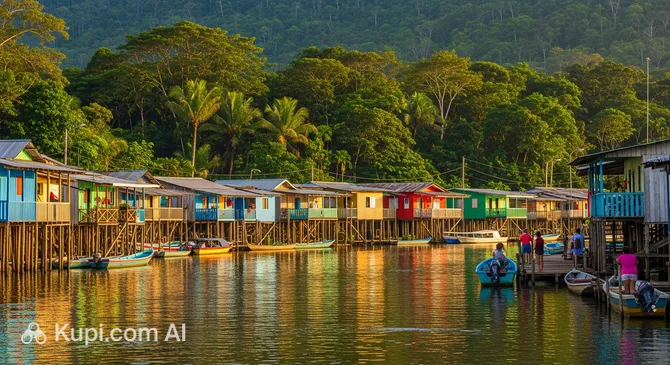
Pizarro. Source: Kupi.Binoculars

To truly understand the spirit of this community, one should explore the history of Pizarro, which is deeply intertwined with the heritage of Afro-Colombian and indigenous peoples. The town has evolved from a remote settlement into a center of commerce and culture for the area, preserving customs and a way of life that have been passed down through generations.

Travelers venturing to Pizarro are often drawn by the pristine natural environment. The area is a gateway to exploring the majestic Baudó River and the nearby beaches of the Pacific, which are perfect for those seeking solitude and a profound connection with nature. Visitors can also immerse themselves in the local fishing culture and sample delicious traditional cuisine, often prepared with fresh seafood, coconut, and locally grown ingredients.

If you are looking for an off-the-beaten-path adventure far from the bustling tourist crowds, Pizarro awaits with open arms. It is a destination that promises a genuine encounter with the warmth of its people and the raw, unpolished beauty of the Colombian Pacific coast.

Weather Overview

Pizarro experiences a consistent tropical climate characterized by steady warmth throughout the year. Whether you visit in January or July, you can expect average temperatures to hover comfortably around 26°C. For a more detailed breakdown of what to expect during your specific travel dates, you can check the weather in Pizarro page.

The temperature range is remarkably stable, with daily highs typically reaching between 27°C and 29°C, and nightly lows rarely dropping below 24°C. This creates a warm and humid environment that supports the region's lush vegetation and biodiversity.

Rainfall is a defining feature of the local climate. The region sees a very high frequency of wet days, ranging from approximately 26 days in February to 31 days in December. Visitors should expect warm conditions accompanied by frequent rain showers throughout the year, ensuring the surrounding rainforests remain vibrant and verdant.

Interesting Facts

Beyond the lush mangroves and river tides, Pizarro holds several fascinating details that define its unique character within the Chocó region. Here are a few intriguing facts about this remote Pacific town:

  • The Capital of the Lower River: Although the town is widely known as Pizarro, it serves as the administrative capital (cabecera municipal) of the municipality officially called Bajo Baudó. This distinction highlights the town's role as the central hub for the vast network of communities living along the lower reaches of the river.

  • Distinct Geological Origins: Pizarro is situated near the Serranía del Baudó, a mountain range that is geologically separate from the famous Andes system that dominates much of Colombia. This isolation has allowed for the evolution of unique ecosystems and species found nowhere else in the country.

  • A Highway of Water: In a modern world connected by asphalt, Pizarro remains an enclave where the river is the road. There are no land routes connecting the town to the interior of the country; instead, the Baudó River and the Pacific Ocean serve as the primary thoroughfares, making boat travel a mandatory skill for locals and visitors alike.

How to Get There

Reaching Pizarro is an adventure in itself, requiring some planning due to its secluded location on the Colombian Pacific coast. Since the town is not connected to the country's interior by road, the journey typically involves a combination of air and maritime or river travel. For a detailed guide on planning this expedition, you can read more about how to get to Pizarro and the logistics involved.

The closest commercial airfield is Nuquí (NQU), located approximately 84.4 km away in the town of Nuqui. This airport serves as a primary entry point for travelers visiting the coast. From Nuquí, the final leg of the journey to Pizarro is generally undertaken by boat, navigating south along the Pacific coastline to reach the river mouth where the municipality is situated.

Another key regional hub is El Carano Airport (UIB) in the departmental capital, Quibdo, situated roughly 114.5 km from Pizarro. This airport offers frequent connections from major cities. Accessing Pizarro from Quibdó typically involves arranging river transport through the vast network of waterways that define the Chocó region, or in some cases, utilizing charter flights to smaller local airstrips.

For international travelers or those coming from distant parts of the country, Matecana International Airport (PEI) in Pereira is a significant gateway, located approximately 181.1 km away. While it is not a direct access point to the coast, it serves as a major hub where visitors can transfer to flights heading into the Chocó department to begin their approach to the Pacific.

For clarity, here is a summary of the main airports serving the wider region:

Airport Name City Passenger Traffic Km from City
Matecana International Airport Pereira Large 181.1
El Eden Airport Armenia Medium 185.9
El Carano Airport Quibdo Medium 114.5
Nuquí Nuqui Small 84.4
Bahia Solano Bahia Solano Small 138.2

Main Attractions

The attractions of Pizarro are deeply connected to its privileged location where the majestic Baudó River meets the Pacific Ocean. Unlike traditional tourist cities filled with monuments, the highlights here are the raw natural landscapes and the vibrant culture of the Afro-Colombian and Indigenous communities. Visitors come here to disconnect from the modern world and immerse themselves in an environment dominated by water, jungle, and biodiversity.

One of the most accessible and beloved spots is Playa Pizarro. Located directly within the municipality, this extensive stretch of soft, golden sand offers a convenient escape for both locals and travelers. It is an ideal place for leisurely walks, especially during low tide when the beach widens significantly. The atmosphere is tranquil, making it perfect for watching the sunset over the Pacific while observing the daily life of local fishermen preparing their boats.

For those willing to venture just a short distance from the town center, Playa de Mico is a hidden gem that rewards the journey. Situated approximately 1.5 miles from Pizarro, this beach is more secluded and pristine, backed by dense tropical rainforests. As its name suggests, it is often possible to spot monkeys in the trees lining the coast. The area is a haven for eco-tourists seeking silence and a closer connection with the region's rich fauna, including various bird species and sea turtles.

The Bocana del Río Baudó (Baudó River Mouth) is another focal point for exploration. This is where the powerful river currents merge with the ocean tides, creating a dynamic ecosystem teeming with life. Travelers can arrange boat tours to navigate through the nearby mangrove forests, which are among the most well-preserved in the Chocó department. These mangroves serve as vital nurseries for marine life and offer excellent opportunities for birdwatching and photography.

Finally, a visit to Pizarro would not be complete without experiencing the Riverfront and Pier area. This is the heartbeat of the town, serving as the primary entry point for all goods and visitors. It is a bustling hub of activity where you can witness the arrival of traditional canoes and speedboats. The riverfront is also the center of social life, particularly during local festivities like the Virgin of Carmen celebrations, where the river becomes a stage for colorful boat processions.

Local Cuisine

The local cuisine of Pizarro is a vibrant reflection of the Pacific coast's rich biodiversity and the cultural heritage of its Afro-Colombian communities. Food here is deeply connected to the daily rhythm of fishing in the Baudó River and the Pacific Ocean. The gastronomy is characterized by the extensive use of coconut milk, exotic fruits, and fresh herbs like cilantro cimarrón, creating flavors that are robust, savory, and undeniably tropical.

When visiting Pizarro, the absolute must-try dish is the Encocado. This traditional preparation involves stewing fresh fish, shrimp, or shellfish (such as piangua) in a rich, creamy sauce made from fresh coconut milk and local spices. It is typically served with Arroz con Coco (coconut rice) and crispy patacones (fried green plantains), offering a perfect balance of sweet and savory notes that define the region's palate.

Another staple of the local diet is the hearty Sancocho de Pescado. Unlike the meat-based versions found in the Colombian interior, this soup features the catch of the day cooked with plantains, yuca, and sometimes a splash of coconut milk for added depth. For a simpler meal, you can never go wrong with a whole Pargo Frito (fried red snapper), served fresh from the sea with a side of lime and salad.

To quench your thirst, the region offers unique beverages derived from local fruits. Jugo de Borojó is the most famous non-alcoholic drink; made from a fruit native to the Chocó rainforest, it is thick, tangy, and renowned for its supposed energizing and aphrodisiac properties. On the stronger side, visitors might encounter Viche, an ancestral alcoholic spirit distilled from sugar cane by local families. It holds significant cultural value in the Pacific region and is often used in traditional celebrations.

The food culture in Pizarro is informal and welcoming. You won't find high-end dining establishments here; instead, the best meals are found in small, family-run restaurants and open-air eateries near the riverfront. These spots offer a "home-cooked" feel where the menu often depends on what the fishermen brought in that morning. Eating here is a communal experience, allowing travelers to taste the genuine warmth of the locals alongside the fresh flavors of the coast.

Travel Tips

Visiting Pizarro is a journey into the heart of Colombia's Pacific coast, an adventure that rewards the prepared traveler with unforgettable experiences. Because this remote municipality operates on a different rhythm than the country's major cities, a little foresight goes a long way in ensuring your trip is comfortable and enjoyable.

  1. Clothing and Gear: The climate in Chocó is notoriously humid and rainy, so waterproof gear is non-negotiable. Pack a sturdy, lightweight rain poncho or jacket and quick-drying clothes. Since the streets can get muddy and you will likely be getting in and out of boats, durable sandals or water shoes are essential. Don't forget a waterproof bag (dry bag) to protect your electronics and documents during river travel.

  2. Transportation: Inside the town of Pizarro, walking is the primary mode of getting around. There are no taxis or buses here. For travel to neighboring communities or beaches, the lancha (speedboat) or canoe is the standard vehicle. Always negotiate the price beforehand if it's not a fixed-route service, and ensure there is a life vest available for every passenger.

  3. Finances: Cash is absolute king in Pizarro. Banking infrastructure is very limited, and ATMs may be scarce, unreliable, or out of service. It is crucial to withdraw sufficient Colombian Pesos (COP) in larger cities like Quibdó or Nuquí before you arrive. Bring small denominations, as breaking large bills can be difficult for local vendors.

  4. Health and Safety: As this is a tropical rainforest region, protecting yourself against insects is vital. Bring a high-strength insect repellent and consider taking anti-malarial medication after consulting your doctor. Pharmacies here carry only basic supplies, so pack a personal first-aid kit with any specific medications you need. Drink only bottled or purified water to avoid stomach issues.

  5. Communication: Spanish is the sole language used in daily life; English is not widely spoken. Learning a few basic phrases will be immensely helpful and appreciated by locals. Mobile signal can be intermittent and is often limited to specific carriers (usually Claro or Movistar), so don't rely on having constant 4G access. It is wise to download offline maps and translation apps before arrival.

  6. Local Etiquette: The people of Chocó are known for their warmth and hospitality. It is polite to greet passersby with a friendly "Buenas" or "Hola". The community is tight-knit, and showing respect for their customs—especially regarding permission to take photos of people—is important. Always ask first.

  7. What to Avoid: Avoid wandering into the dense jungle or isolated mangrove areas without a local guide. The terrain can be treacherous, and it is easy to get lost. Additionally, avoid displaying expensive jewelry or large amounts of cash in public; keeping a low profile is the best policy for safety.

  8. Electricity Management: In many remote Pacific towns, electricity may not be available 24 hours a day or can be subject to outages. Bring a high-capacity power bank to keep your phone and camera charged, and consider packing a small flashlight or headlamp for navigating at night.

By keeping these practical tips in mind, you can focus less on logistics and more on the magic of Pizarro. Embrace the slower pace of life, the sound of the rain, and the incredible hospitality of the Bajo Baudó community for a truly authentic travel experience.

Entertainment & Nightlife

Entertainment in Pizarro is defined not by high-tech nightclubs or sprawling entertainment complexes, but by the authentic warmth of its people and the vibrant culture of the Colombian Pacific. The nightlife here is intimate, community-focused, and deeply connected to the rhythms of Afro-Colombian music. Instead of searching for exclusive clubs, visitors should prepare to immerse themselves in open-air gatherings where the sound of the marimba and the ocean waves set the tempo for the evening.

The center of social life after dark is undoubtedly the Riverfront (Malecón). As the sun sets, this area transforms into a bustling meeting point where locals and visitors alike gather to enjoy the cool breeze coming off the Baudó River. Here, you will find small, informal kiosks and cantinas serving cold beer and playing a mix of Salsa, Reggaeton, and the traditional Chirimía music. It is the perfect spot to sit on a plastic chair, watch the river flow, and engage in conversation with the friendly residents.

Another key area for evening activity is the Main Park (Parque Principal). On weekends, this central square often becomes an impromptu dance floor. It is common to see families and groups of friends sharing a bottle of Viche, an ancestral sugarcane spirit that is the pride of the region. The atmosphere is casual and welcoming; there is no strict dress code, and comfortable summer clothing or sandals are the norm. For a more serene experience, a walk along Playa Pizarro under the moonlight offers a chance to see the coast from a different perspective, often accompanied by small bonfires organized by the community.

When it comes to practical advice, nightlife in Pizarro tends to start early, around 7:00 PM, and winds down by midnight, although celebrations can last longer on holidays. Prices are very affordable compared to major cities, but remember that establishments only accept cash. Since there are no formal taxis in the town, getting around is done entirely on foot. The town is small enough that you can walk from the riverfront to your accommodation in minutes.

Safety in Pizarro is largely based on community trust, but standard precautions apply. It is best to stick to the lit areas around the Riverfront and the main streets where people are congregating. Avoid walking alone in unlit outskirts or along the beach far from the town center late at night. Always travel in groups if possible, and if you are unsure about where to go, ask your host or a local guide for recommendations on the best spots for that specific evening.

While the nights are for socializing, daytime entertainment in Pizarro is an adventure into the "living museum" of nature. There are no conventional theaters or amusement parks; instead, the Baudó River and the surrounding mangroves offer a stage for eco-tourism. Visitors can spend their days exploring the intricate waterways by canoe, birdwatching in the dense rainforest, or simply enjoying the tranquility of the Pacific beaches, which serve as the town's natural playground.

Parks & Museums

In Pizarro, the concept of parks and museums is redefined by the region's raw geography and vibrant heritage. Instead of manicured gardens and glass-walled galleries, visitors will find that the town's green spaces are vast, untamed ecosystems, and its cultural history is etched into the architecture and daily life of the community. Here, nature and tradition are not exhibits to be viewed from a distance but immersive experiences that surround you at every turn.

The most significant "park" in the area is undoubtedly the surrounding Mangrove Ecosystem of Bajo Baudó. This vast natural reserve serves as the lungs of the region and a critical sanctuary for biodiversity. Unlike a traditional city park with paved paths, this is a water-based wonderland best explored by canoe. It is a place of profound silence and beauty, where the intricate root systems of the mangrove trees create a cathedral-like atmosphere, hosting everything from colorful crabs to migratory birds.

For a more social outdoor experience, the Parque Principal (Main Park) acts as the town's communal living room. Situated in the heart of Pizarro, this modest plaza is where the pulse of the municipality beats strongest. It is not defined by elaborate landscaping but by its role as a gathering place where children play, elders converse, and impromptu markets spring up. In the evenings, the park transforms into a lively venue for social interaction, reflecting the close-knit nature of the community.

While Pizarro does not boast formal museums in the traditional sense, the town itself operates as a Living Museum of Afro-Colombian Culture. The streets lined with traditional wooden stilt houses (palafitos) offer a window into the architectural ingenuity required to live in harmony with the tides. Walking through the neighborhoods provides an educational journey into a way of life that has preserved its African roots and adapted them to the Pacific rainforest environment.

The local Catholic Church stands as another key cultural landmark. More than just a place of worship, it serves as a repository of local history and a center for community organization. The structure is often the focal point for religious festivals and processions, which are the truest expressions of the town's artistic and spiritual heritage. Inside, the simplicity of the design directs focus to the vibrant faith of the congregation, offering a peaceful retreat for reflection.

For a truly authentic cultural encounter, seek out the community spaces often referred to as Casas de la Cultura or community halls. While these may not hold permanent artifact collections, they are the active guardians of intangible heritage. Here is where the sounds of the marimba de chonta and the rhythm of the currulao are kept alive. Visitors lucky enough to witness a rehearsal or performance will understand that the history of Colombia's Pacific coast is recorded not in books, but in the songs and dances passed down through generations.

Insider Tip: Ask a local boatman to take you slightly upriver to the smaller indigenous settlements of the Emberá people. While not a "museum," these communities offer a respectful glimpse into an ancient culture that coexists with the Afro-Colombian population, offering a deeper understanding of the region's diverse human history.

Getting Around

The public transport system in Pizarro is unique and fundamentally different from what travelers might expect in a typical city. There are no metros, trams, trolleybuses, or formal city bus networks operating here. Due to the town's small size and remote location, the paved road infrastructure is minimal, meaning standard urban public transportation does not exist. The town is compact enough that walking is the primary and most efficient way to navigate the streets and reach local landmarks, shops, or accommodations.

For travel beyond the immediate town center—to reach neighboring communities, beaches, or agricultural areas—the "public transport" consists almost entirely of waterway vessels. The river and the ocean serve as the highways of the region. The main modes of transport are lanchas (fiberglass speedboats) and traditional wooden canoes equipped with outboard motors. These act as water taxis or buses, connecting Pizarro with the scattered settlements along the Baudó River and the Pacific coast.

Regarding payment, the system is exclusively cash-based. There are no travel cards, mobile apps, or electronic ticketing machines. Travelers must carry Colombian Pesos (COP) in small denominations to pay for their journeys. Fares are generally fixed for established routes to popular nearby locations, but for custom trips or private charters, the price must be negotiated with the boat captain (lanchero) before boarding. It is advisable to ask a local or your host about the standard rates to ensure you are paying a fair price.

For tourists planning to use this maritime transport network, the main hub of activity is the Riverfront (Malecón). This is where boats dock, and where you can find transport services. There is no formal ticket office; arrangements are made directly at the pier. Operating hours are strictly dictated by daylight and tide conditions. Most boats depart early in the morning, often between 6:00 AM and 9:00 AM, to take advantage of calmer waters. It is rare to find regular transport services operating after 4:00 PM or after sunset due to safety concerns.

Alternatives like ride-sharing apps (Uber, Cabify) or car rentals are non-existent in Pizarro. You may occasionally see motorcycles or small motorized carts used for hauling cargo, but they do not function as a formal taxi service for tourists. If you need to move heavy luggage from the pier to your lodging, you can often hire a local porter with a pushcart for a small fee.

A special feature of transport here is the journey itself, which offers a scenic immersion into the Chocó region. While there are no historic cable cars or vintage trams, the boat rides provide spectacular views of the mangrove forests and the jungle. Safety is paramount: always ensure that the boat provides a life jacket for every passenger before you depart, as this is a mandatory requirement for navigating the river and ocean currents.

Accommodation

Accommodation in Pizarro reflects the town's remote and authentic character. Travelers should not expect international hotel chains, all-inclusive luxury resorts, or high-end boutique properties. Instead, the lodging landscape is dominated by small, family-run establishments, often referred to locally as residencias or simple hotels. These places offer a genuine experience of local hospitality, providing clean and functional bases for exploring the Chocó region.

The typical accommodation options are budget-friendly and modest. Rooms usually come equipped with the essentials: a bed, a fan to combat the tropical humidity, and a private or shared bathroom. Given the climate, air conditioning is considered a luxury and is not available in every establishment. Travelers should also be prepared for cold-water showers, which are actually quite refreshing in the warm, humid weather. Mosquito nets are a common and necessary feature in most rooms.

Due to the compact size of the town, location is rarely an issue. Most accommodations are clustered around the Riverfront (Malecón) and the Main Park. Staying in this central zone is highly convenient, as it places you within walking distance of the boat docks, local eateries, and the few shops available. Being near the river also offers the benefit of a slightly cooler breeze in the evenings and easy access to transport for day trips.

Booking accommodation in Pizarro requires a different approach than in major tourist hubs. Most local establishments are not listed on major international booking platforms. Reservations are typically made via direct phone calls, WhatsApp, or simply by asking around upon arrival. If you are traveling with a tour operator or a guide from Nuquí or Quibdó, they can usually arrange lodging for you in advance.

Prices are generally very affordable, falling squarely into the budget category. However, it is critical to remember that Pizarro is a cash-based economy. Credit card terminals are virtually non-existent in hotels here. Ensure you bring enough Colombian Pesos (COP) to cover your entire stay, as relying on local ATMs is risky due to frequent service interruptions.

Nearby Cities

For those looking to explore the surroundings, Pizarro serves as an excellent base for day trips to several interesting nearby locations:

City Population Distance (km)
Buenaventura 423,927 124
Quibdo 130,825 114
Roldanillo 46,788 147
Pie de Pato 40,733 76
La Union 40,339 147

While the dense rainforest and river networks make travel in the Chocó region an adventure in itself, a few notable destinations are within reach for those willing to navigate the waterways. Pie de Pato, located upriver in the Alto Baudó municipality, is the closest significant settlement. It offers travelers a deeper insight into the riverine lifestyle and the indigenous cultures that thrive along the upper reaches of the Baudó River.

For a more urban experience, the departmental capital, Quibdo, is a vibrant hub of Afro-Colombian culture situated on the banks of the mighty Atrato River. Known for its bustling markets and the iconic San Francisco de Asís Cathedral, it provides a stark contrast to the quiet coast. Further south lies Buenaventura, the country's most important Pacific port, renowned for its incredible seafood, marimba music, and as a jumping-off point for whale watching excursions.

These nearby destinations offer a glimpse into the diverse culture and landscapes of the region, allowing visitors to experience the full spectrum of life on the Colombian Pacific.

Shopping & Souvenirs

Shopping in Pizarro is a modest and authentic experience, far removed from the commercial bustle of large cities. Visitors will not find luxury boutiques or expansive retail centers here. Instead, the commercial scene is driven by necessity and local tradition, offering a fascinating look at how a remote river community operates. The available goods primarily cater to the daily needs of the inhabitants, ranging from basic groceries and hardware to fishing supplies, though diligent travelers can find unique local treasures hidden among the general stores.

The main commercial activity is concentrated along the Riverfront (Malecón) and the streets immediately surrounding the Parque Principal. This area serves as the town's open-air marketplace where the majority of trade occurs. Small, family-owned shops known as tiendas and graneros line these streets, selling everything from rubber boots—essential for the muddy terrain—to non-perishable food items brought in by boat. Walking through this district offers a genuine connection with the locals as they go about their daily errands.

Travelers should be aware that there are no shopping malls or large department stores in Pizarro. The retail infrastructure is entirely composed of independent vendors and small kiosks. If you are looking for branded clothing, electronics, or specialized travel gear, it is highly recommended to purchase these items in major cities like Colombia's capital or regional hubs like Quibdó before traveling to the coast.

While there is no formal, enclosed market building, the arrival of the boats at the pier creates a spontaneous and lively market atmosphere every morning. This is the best place to witness the region's agricultural and marine bounty. Fishermen sell their fresh catch of the day directly from their canoes, including red snapper, shrimp, and piangua. Farmers from upriver bring tropical fruits like borojó, chontaduro, and plantains. It is a raw, colorful, and aromatic experience that defines the shopping culture of the Chocó region.

For souvenirs, the best items to bring back are those that reflect the cultural heritage of the Pacific. Handicrafts made by the local indigenous communities are highly prized. You may find intricate baskets or jewelry woven from natural fibers like werregue or palm leaves. Another authentic keepsake is a bottle of Viche, the ancestral sugarcane spirit of the Pacific coast. Buying these items directly supports local artisans and families, making your purchase a meaningful contribution to the community.

Regarding logistics, cash is the only accepted payment method in virtually every establishment in Pizarro. Credit and debit cards are not used, and digital payment apps are rarely supported due to connectivity issues. Store hours are generally dictated by daylight and the rhythm of the town; most shops open early, around 7:00 AM, and close by 6:00 PM or 7:00 PM. Some small kiosks selling drinks and snacks may stay open later, but for general shopping, it is best to go during the day.

Tourists should not expect tax-free shopping or VAT refund services in Pizarro. The informal nature of most businesses means that tax-free forms are not available. Prices are typically fixed for manufactured goods, but friendly negotiation is common when buying fresh produce or handicrafts directly from the maker at the riverfront.

Reached the end of the page?

That means the route is fully explored