Support

Popayán

About

Known affectionately as the "White City" due to its stunning chalk-white facades, Popayán is one of the most well-preserved colonial settlements in Colombia. Nestled in the verdant Pubenza Valley within the Cauca Department, this city stands as a beacon of architectural beauty and cultural heritage. With a population of approximately 300,000 inhabitants, it offers a vibrant yet relaxed atmosphere, distinct from the country's bustling metropolises.
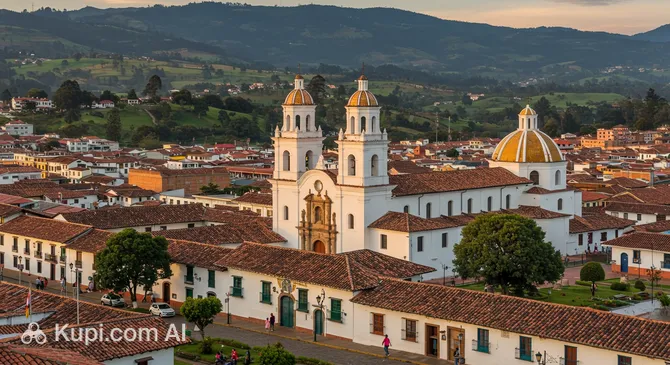
Popayán. Source: Kupi.Binoculars

The city enjoys a temperate, spring-like climate year-round, making it a comfortable destination for exploration. Walking through its historic center feels like stepping back in time, where every street corner reveals a piece of the fascinating history of Popayán. The city is renowned for its religious traditions, particularly its Holy Week processions, which have been declared a Masterpiece of the Oral and Intangible Heritage of Humanity by UNESCO.

Beyond its spiritual and architectural allure, Popayán is a paradise for food lovers. It was the first city in Latin America to be designated a UNESCO City of Gastronomy, celebrated for its unique culinary traditions that blend Spanish, Indigenous, and African influences. Whether you are admiring the colonial churches or tasting local delicacies like empanadas de pipián, Popayán promises an unforgettable travel experience full of charm and flavor.
Weather Overview

Travelers visiting this region can expect a consistent, mild climate that remains pleasant throughout the year. The average temperature hovers comfortably around 17°C to 18°C, with daily highs typically reaching 21°C and lows dipping to approximately 13°C or 14°C at night. This stability creates a comfortable atmosphere, making the city suitable for walking tours and outdoor activities regardless of the season.

While the temperatures are inviting, it is wise to pack an umbrella or a light rain jacket. The weather in Popayán is characterized by frequent precipitation, with data indicating that rain occurs on most days of the month year-round. Despite the high frequency of wet days, the total monthly rainfall remains relatively moderate, often manifesting as light showers rather than heavy downpours.

Interesting Facts

Beyond the main attractions, Popayán holds many fascinating secrets and historical curiosities that surprise even the most seasoned travelers.
  • The city is widely known as the "Mother of Presidents" because it has been the birthplace of more Colombian heads of state than any other city in the country, reflecting its significant role in the nation's political history.

  • What appears to be a natural hill overlooking the urban landscape is actually El Morro de Tulcán, an ancient truncated pyramid built by indigenous cultures long before the Spanish conquest, serving as a reminder of the region's pre-Hispanic past.

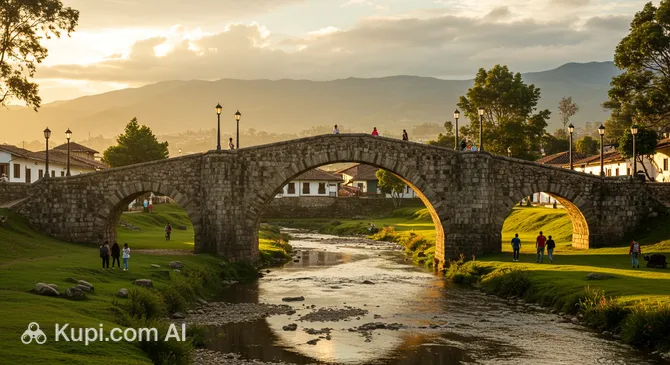
  • The iconic Humilladero Bridge was constructed to solve a difficult geographical challenge; local legends suggest its name comes from the fact that before the bridge existed, the incline was so steep that people had to climb it almost on their knees, appearing "humiliated" by the effort.

  • Science enthusiasts might be surprised to learn that the Natural History Museum of the University of Cauca houses one of the most extensive ornithological collections in Latin America, featuring thousands of bird specimens.

Humilladero Bridge. Source: Kupi.Binoculars

How to Get There

Reaching the "White City" is a straightforward journey, with options to fly directly into the city or arrive via major neighboring hubs. For a complete overview of all travel methods, including bus routes and driving directions, you can read more about how to get to Popayán on our detailed page.

The most convenient option for travelers is to fly directly to Guillermo Leon Valencia Airport (PPN), located right within Popayán. Situated just 1.2 km from the city center, this regional airport handles daily domestic flights, primarily connecting from Bogotá. Because of its immediate proximity, a taxi ride to the historic center is incredibly quick, typically taking only 5 to 10 minutes, making it an extremely efficient arrival point.

Alternatively, many international visitors choose to fly into Alfonso B. Aragon Airport (CLO) in the city of Cali, which serves as a major gateway to southwestern Colombia. This airport is located approximately 124 km from Popayán. From Cali, you can take a bus or a taxi to reach Popayán; the journey usually takes around 3.5 hours depending on traffic conditions. This airport handles significantly more traffic and offers a wider range of international connections compared to the local airstrip.

For clarity, here is a summary of the main airports serving the region:

Airport Name City Passenger Traffic Distance to City
Alfonso B. Aragon Airport Cali High 124.2 km
Guillermo Leon Valencia Airport Popayán Low 1.2 km
Cano Airport Pasto Medium 138.2 km
Benito Salas Airport Neiva Low 157.1 km
San Luis Airport Ipiales Very Low 210.9 km

Regarding rail travel, it is important to note that Popayán, like much of the country, does not have an active passenger railway service connecting it to other major cities. Visitors relying on ground transportation typically use the extensive intercity bus network. The local bus terminal connects the city with destinations such as Cali, Bogotá, and Pasto, offering a scenic way to traverse the Andean landscapes.

Main Attractions

Exploring Popayán is a journey through colonial history and architectural elegance. The city's historic center is compact and walkable, allowing visitors to easily navigate between its most significant landmarks. From imposing religious structures to charming plazas, the attractions here reflect the city's status as a religious and cultural capital.

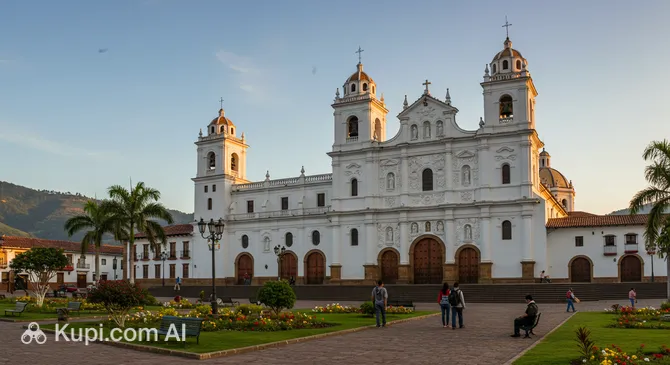
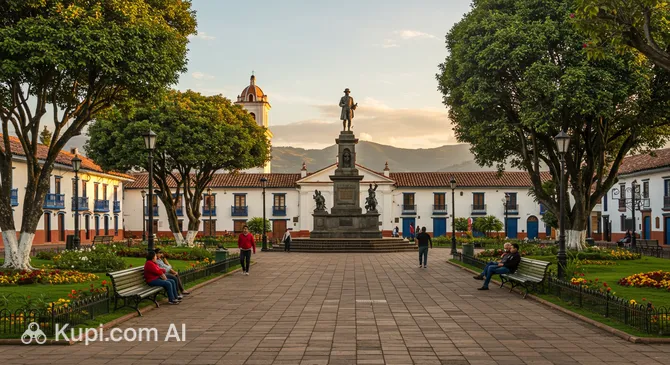
At the very heart of the city lies Caldas Park, a lush green space that serves as the main meeting point for locals and tourists alike. Surrounded by the Mayor's Office and the Cathedral, this square is shaded by towering trees and features a statue of the wise Francisco José de Caldas. It is the perfect spot to sit on a bench, enjoy the cool climate, and admire the pristine white colonial buildings that frame the plaza.

Caldas Park. Source: Kupi.Binoculars

Dominating the skyline near the main square is the magnificent Cathedral Basilica of Our Lady of the Assumption. This neoclassical masterpiece is renowned for its beautiful dome and imposing façade. Originally built in the colonial era and reconstructed after earthquakes, it stands as a symbol of the city's resilience. Inside, visitors can appreciate its spacious nave and the peaceful atmosphere that offers a respite from the bustling streets outside.

Cathedral Basilica of Our Lady of the Assumption. Source: Kupi.Binoculars

For the best panoramic views of the "White City," a visit to El Morro de Tulcán is essential. This archaeological site is an indigenous truncated pyramid located just a short walk from the historic center. It is a popular spot to watch the sunset, as the elevated position provides a breathtaking vantage point over the red-tiled roofs and the surrounding mountains. The site connects the modern city with its pre-Hispanic heritage.

El Morro de Tulcán. Source: Kupi.Binoculars

Those interested in local culture without walking long distances should visit El Pueblito Patojo. This attraction is a charming miniature replica of Popayán's most iconic architectural styles and monuments. It serves as a cultural complex where visitors can sample traditional regional cuisine, browse for handicrafts, and see copies of landmarks like the Humilladero Bridge and the Clock Tower all in one place. It is an excellent stop for families and those looking to buy souvenirs.

Another religious gem is the Church of San Francisco, widely considered one of the most beautiful baroque temples in Colombia. Famous for its ornate pulpit and the bell known as "La Patoja," this church holds a special place in the city's history. It is also known for housing mummified remains in its crypt, adding a layer of mystery to its architectural splendor.

Local Cuisine

Popayán holds the distinguished title of being the first city in Latin America appointed as a UNESCO City of Gastronomy. The local cuisine is a rich tapestry woven from pre-Columbian, Spanish, and African influences, characterized by the extensive use of corn and locally grown ingredients. Dining here is not just about sustenance; it is a cultural immersion into centuries-old traditions that have been carefully preserved by local cooks.

The most iconic dish you must try is the empanada de pipián. These small, crispy corn pastries are filled with a savory stew made from potatoes and peanuts known as pipián. They are invariably served with ají de maní, a spicy peanut sauce that perfectly complements the flavor. Another delicacy featuring this unique filling is the tamal de pipián, which is wrapped in banana leaves and steamed to perfection. For a crunchy snack, look for carantanta, a fried corn dough treat often eaten alone or added to soups.

MoraCastilla. Source: Kupi.Binoculars

When it comes to beverages, the city offers refreshing options that are deeply rooted in tradition. Champús is a thick, cold drink made with corn, lulo, pineapple, and aromatic herbs like orange leaves and cinnamon; it is a staple accompaniment to the local snacks. Another favorite is the salpicón payanés, a slushy drink typically made with blackberries (mora) and lulo, which is quite distinct from the fruit salad version found elsewhere in Colombia.

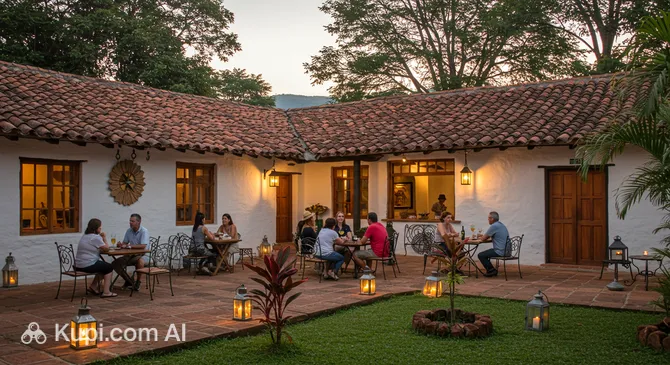
To experience these authentic flavors, travelers often head to traditional establishments known as "picanterías." A legendary spot is MoraCastilla, a restaurant renowned for serving the best of Popayán's culinary heritage in a casual setting. Here, you can sample a platter of empanadas, tamales, and carantanta all in one go, making it an essential stop for any food lover visiting the city.

Popayán is also situated in the Cauca Department, a region famous for its high-quality coffee production. Coffee enthusiasts should not miss the chance to taste locally sourced beans. Specialty cafes like Monk Coffee offer a modern atmosphere where you can appreciate the distinct notes of Cauca coffee, making it a perfect stop for a relaxing afternoon break after exploring the historic center.

Travel Tips

Visiting Popayán is a delightful experience, but a little local knowledge goes a long way in navigating its colonial streets and unique culture. These practical tips are designed to help you settle in quickly, allowing you to focus on the stunning architecture and world-class gastronomy of the "White City."

  1. Dress for "Eternal Spring." The climate in Popayán is mild and spring-like year-round, but weather can be changeable. It is best to pack layers, such as light sweaters and long pants. Since rain is frequent, especially in the afternoons, carrying a compact umbrella or a waterproof jacket is essential. Also, bring comfortable walking shoes for the cobblestone streets and dress modestly if you plan to enter the many religious sites.

  2. Walk or Hail a Taxi. The historic center is compact and best explored on foot, which allows you to appreciate the details of the colonial facades. for distances outside the center, yellow taxis are the most convenient and safe option; they are inexpensive and plentiful. Ride-hailing apps operate but are less common than in Bogotá or Medellín, so flagging down a taxi or asking your hotel to call one is often easier.

  3. Keep Cash Handy. While larger hotels and modern restaurants accept credit cards, the local economy relies heavily on cash. You will definitely need Colombian Pesos (COP) to buy the famous empanadas de pipián from street vendors, pay for small souvenirs, or cover taxi fares. ATMs are widely available, particularly near Caldas Park.

  4. Prioritize Health and Safety. Popayán is generally safer and more relaxed than Colombia's larger cities, but you should still exercise common sense. Keep an eye on your belongings in crowded areas and avoid walking alone on deserted streets late at night. Pharmacies, known as "Droguerías," are easy to find for basic medical supplies, and tap water is generally treated, though bottled water is recommended for short-term visitors to avoid stomach issues.

  5. Brush Up on Your Spanish. English is not widely spoken outside of the tourism industry and high-end establishments. Locals ("Payaneses") are very friendly and patient, but knowing basic Spanish phrases for greetings, ordering food, and asking for directions will significantly enhance your experience. Buying a local SIM card (Claro or Movistar have good coverage) is highly recommended for using translation apps and maps.

  6. Embrace Formal Politeness. The culture in Popayán is traditional and polite. It is customary to greet people with a "Buenos días" or "Buenas tardes" when entering a shop or boarding a vehicle. Locals often use the formal "usted" rather than "tú" when addressing strangers, reflecting the city's respectful and somewhat conservative nature.

  7. Respect Religious Customs. Avoid wearing hats or taking flash photography inside churches, especially during mass. Popayán is a deeply religious city, famous for its Holy Week processions, and locals take their faith seriously. disruptive behavior in sacred spaces is frowned upon.

  8. Adjust to Local Timing. Be aware that many smaller shops and businesses may close for a lunch break between 12:30 PM and 2:00 PM. This is the perfect excuse for you to do the same; take a long lunch to enjoy the local cuisine and wait out the midday sun (or rain) before continuing your exploration.

Armed with these practical insights, you are well-prepared to enjoy the relaxed pace and historical charm of Popayán. Whether you are wandering through the white-washed streets or tasting the unique local flavors, you will find the city to be a welcoming and unforgettable destination.

Entertainment & Nightlife

Entertainment:

While Popayán is celebrated for its history and quiet charm, it also offers a variety of entertainment options that cater to both locals and visitors. The city's youthful energy, driven by its large university population, ensures that there are plenty of places to unwind after the sun sets. A popular choice for a night out is Bodega Bulevar Popayan. This bar provides a spirited atmosphere perfect for socializing, enjoying local drinks, and immersing yourself in the contemporary vibe of the city.

For those seeking a more energetic experience, Land Disco stands out as a key destination for nightlife. It is a favorite spot for dancing and enjoying music, offering a lively contrast to the solemnity of the city's religious landmarks. Whether you want to enjoy a cocktail or hit the dance floor to Latin rhythms, this venue welcomes travelers looking to experience the local "rumba."

Travelers looking for a modern shopping experience or a break from the colonial streets should head to the Campanario Shopping Center. As the city's premier mall, it features a wide range of clothing stores, a food court, and cinema screens. It serves as a convenient hub for entertainment and leisure, located within easy reach of the historic center.

If you prefer a casual dining experience to end your day, Dom Burger is an excellent option for food enthusiasts. Known for its delicious gourmet burgers and relaxed environment, it is a great place to gather with friends or family. This restaurant offers a satisfying alternative to traditional local cuisine, providing a cozy setting to relax and recharge.

Parks & Museums

Beyond its stunning colonial facades, Popayán offers a wealth of cultural and natural treasures that allow visitors to delve deeper into the region's heritage. The city is home to prestigious museums that preserve centuries of history, while its surroundings provide lush green spaces where nature and tradition meet. Whether you are a history buff or an outdoor enthusiast, these sites offer a perfect complement to a walk through the historic center.

For those looking to understand the immense biodiversity of the Colombian Andes, the Natural History Museum of the University of Cauca is an essential stop. Regarded as one of the best of its kind in the country, it boasts an impressive collection of specimens, including a renowned ornithological exhibit with thousands of birds. It is a fascinating place for families and science lovers to learn about the fauna that inhabits this diverse region.

Given Popayán's status as a religious capital, the Archdiocesan Museum of Religious Art is another cultural highlight. Housed in an elegant colonial mansion, this museum displays a dazzling collection of sacred art, including oil paintings, wood carvings, and ornate gold and silver custodians (monstrances) encrusted with emeralds. It offers a quiet and respectful environment to appreciate the artistic devotion that has shaped the city's identity for centuries.

On the recreational side, Rincón Payanés offers a delightful mix of culture and leisure. Often visited in conjunction with the replica village nearby, this area serves as a relaxing spot where visitors can enjoy the local atmosphere. It is designed to showcase the traditional architectural style of the region within a pleasant setting, making it a good place to take a break and soak in the local vibe away from the busier main squares.

While not located within the city limits, the Puracé National Natural Park is the most significant natural area nearby and deserves a mention for any nature lover visiting Popayán. Located a short drive away, this vast protected area is dominated by the active Puracé Volcano. It is one of the few places where you can experience the unique ecosystem of the Andean páramo (moorland) and potentially spot the majestic Andean condor soaring above the mist.

Another historical gem is the Casa Museo Mosquera, the former residence of General Tomás Cipriano de Mosquera, who was president of Colombia four times. The house itself is a beautiful example of colonial architecture and contains original furniture, personal belongings, and documents that narrate the turbulent and fascinating political history of the 19th century. It provides an intimate look into the life of one of the city's most influential figures.

Getting Around

Navigating Popayán is remarkably straightforward compared to larger metropolises. The city does not have a metro, tram, or train system; instead, public transportation relies primarily on a network of buses and minibuses, locally known as busetas or colectivos. These vehicles cover the majority of the urban area, connecting residential neighborhoods with the historic center, the university areas, and the transport terminal. For most visitors, the system is informal but efficient enough for short trips across town.

The payment system for public transport is entirely cash-based. There are no travel cards, digital passes, or mobile apps for paying bus fares in Popayán. When you board a bus, you simply pay the driver directly. It is highly recommended to carry small denominations of the local currency, as drivers may not have change for large bills. The fares are very affordable, making this an economical way to get around if you wish to venture outside the walkable downtown area.

Using the buses requires a bit of local know-how. Stops are not always clearly marked with signs or schedules. Instead, you can typically flag down a bus anywhere along its route by waving your hand. To get off, you simply alert the driver as you approach your destination. The buses usually display placards in their front windows listing the main neighborhoods or landmarks they pass, such as "Centro," "Terminal," or "Campanario." Operating hours generally run from early morning until around 8:00 PM or 9:00 PM, after which frequency drops significantly.

For many tourists, the most convenient alternative to buses is the fleet of yellow taxis. Taxis in Popayán are plentiful, safe, and inexpensive due to the short distances involved. You can easily hail one on the street or ask your hotel or restaurant to call one for you. While some ride-sharing apps may operate in the city, traditional taxis remain the dominant and most reliable option. Most taxis use taximeters, but it is always wise to confirm the approximate fare with the driver before starting your journey, especially at night.

Finally, it is worth noting that the best way to explore the famous "White City" historic center is on foot. The core of Popayán is compact, and its grid layout makes it easy to navigate without a vehicle. Most major attractions, museums, and colonial churches are located within a few blocks of each other. However, if you plan to visit the nearby hot springs or the airport, a taxi is your best bet for a hassle-free transfer.

Accommodation

Finding the perfect place to stay in Popayán is often a highlight of the trip, as the city offers a unique range of accommodation options that reflect its colonial heritage. Visitors can choose from charming boutique hotels housed in restored centuries-old mansions, comfortable mid-range hostels favored by backpackers, and standard business hotels. The experience of sleeping in a room with high ceilings, whitewashed walls, and an inner courtyard is a signature aspect of hospitality in the "White City."

The most popular and convenient area for tourists is undoubtedly the Historic Center. Staying within the grid of the old town places you within walking distance of the main plaza, museums, and restaurants. This area is safe, atmospheric, and beautifully illuminated at night. Many travelers prefer to base themselves near iconic landmarks such as the Church of San Francisco, allowing them to easily step out and explore the cobblestone streets early in the morning before the crowds arrive.

For those seeking more modern amenities or a quieter environment away from the narrow colonial streets, the northern part of the city offers excellent alternatives. The area surrounding the Campanario Shopping Center features contemporary hotels with spacious parking and easier access to the highway, making it a practical choice for those traveling by car or on business.

Booking Tip: While finding a room is usually easy throughout the year, the situation changes drastically during Holy Week (Semana Santa). As Popayán hosts one of the most important religious celebrations in the world, the city fills to capacity. If you plan to visit during this period, it is imperative to book your accommodation several months in advance, as prices rise significantly and availability disappears quickly.

In terms of cost, Popayán is generally very affordable compared to other major Colombian tourist destinations. You can find excellent value for money, with budget hostels and guesthouses offering very reasonable rates, and even the more luxurious boutique hotels being accessible to mid-range travelers. Most established hotels and hostels accept online bookings, but many smaller, family-run guesthouses may prefer direct contact or payment in cash upon arrival.

Nearby Cities

For those looking to explore the surroundings, Popayán serves as an excellent base for day trips to several interesting nearby locations. The region offers a mix of indigenous culture, thermal relaxation, and bustling commercial towns.

One of the most culturally significant destinations is Silvia, located approximately an hour and a half from Popayán. This mountain town is the heart of the Guambiano (Misak) indigenous territory. It is particularly famous for its vibrant Tuesday market, where locals dressed in traditional blue and violet shawls gather to trade produce and goods. The scenery here, often compared to the Swiss Alps due to its green rolling hills and cool climate, offers a stunning backdrop for cultural immersion.

For travelers seeking relaxation, the town of Coconuco is a favorite getaway. Situated to the southeast, it is renowned for its natural thermal springs. Visitors can choose between the sulfurous "Agua Hirviendo" (Boiling Water) or the gentler "Agua Tibia" (Warm Water) pools. These hot springs provide a therapeutic experience surrounded by the rugged beauty of the Central Andean range, making it a perfect spot to unwind after hiking or sightseeing.

Another notable location is Santander de Quilichao, a bustling commercial hub to the north. Known for its rich Afro-Colombian heritage and the majestic Saman trees that shade its main plaza, this city offers a different cultural perspective of the Cauca Department. It is a lively place to experience the everyday rhythm of the region and serves as a gateway to other northern attractions.

City Population Distance (km)
Timbio - 13
Santander de Quilichao 116,535 64
Piendamo 44,535 24
Cajibio 38,703 20
Patia 37,781 64

These nearby destinations offer a glimpse into the diverse culture and landscapes of the region, ranging from indigenous traditions to relaxing natural spas.

Shopping & Souvenirs

Shopping in Popayán offers a delightful balance between modern convenience and traditional charm. While the city may not have the massive commercial districts found in Colombia's largest metropolises, it provides a unique retail experience where visitors can find everything from high-street fashion to authentic local handicrafts.

For those interested in artisanal goods and souvenirs, El Pueblito Patojo is the ideal destination. This cultural complex is not only a tourist attraction but also a vibrant marketplace. Here, you can browse through various stalls offering handmade jewelry, leather goods, and wood carvings that reflect the region's artistic heritage. It is the perfect spot to pick up a keepsake that captures the spirit of the "White City."

Given Popayán's status as a UNESCO City of Gastronomy, edible souvenirs are a must-buy. Visitors often leave with bags of carantanta (crispy fried corn dough) or jars of manjar blanco (a traditional milk-based sweet). These local delicacies make for excellent gifts and can be found in small shops around the historic center, allowing you to take a piece of the city's flavor home with you.

For a more contemporary retail experience, the Campanario Shopping Center is the city's premier commercial hub. Uniquely designed to mirror the colonial architecture of the historic center, this mall features open-air corridors and a wide selection of national and international brands. It serves as the main destination for travelers looking to purchase clothing, electronics, or personal items in a modern and comfortable setting.

Reached the end of the page?

That means the route is fully explored