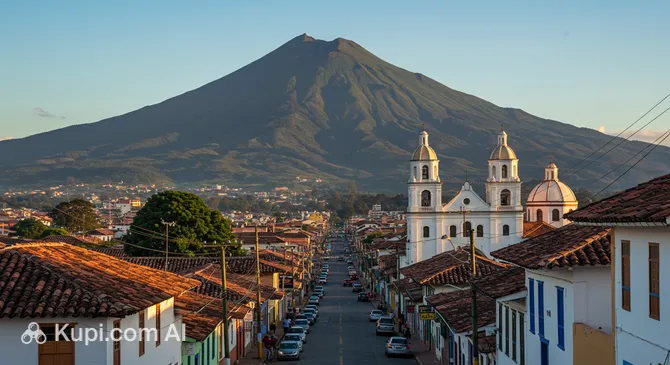
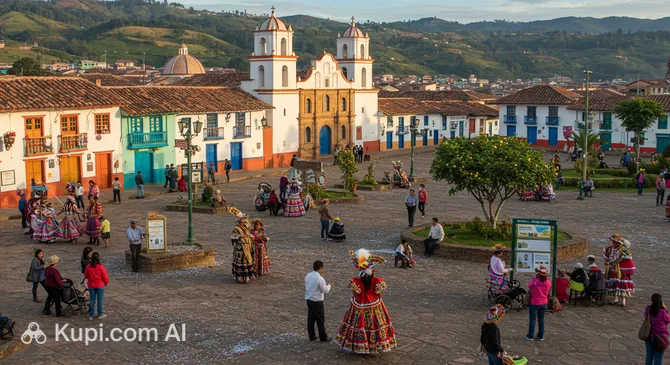
Pasto, officially known as San Juan de Pasto, is a captivating destination located in the southwestern region of Colombia. Often referred to as the "Surprise City," it serves as the capital of the Nariño Department and is renowned for its rich cultural tapestry and stunning Andean backdrop.
Nestled at the foot of the majestic Galeras Volcano, the city sits at a high altitude, resulting in a cool climate that contrasts with the tropical heat found elsewhere in the country. Home to approximately 390,000 residents, it is a bustling hub that maintains a welcoming, small-town atmosphere.
Pasto. Illustration.
Source: Kupi.com AI
The city's heritage is deeply rooted in both indigenous traditions and Spanish colonial influence. Travelers can delve deeper into the history of Pasto by visiting its historic center, which features beautiful temples and museums. One of the city's most significant claims to fame is the Carnaval de Negros y Blancos (Blacks and Whites' Carnival), a UNESCO-recognized festival that transforms the streets into a vibrant display of art, music, and joy every January.
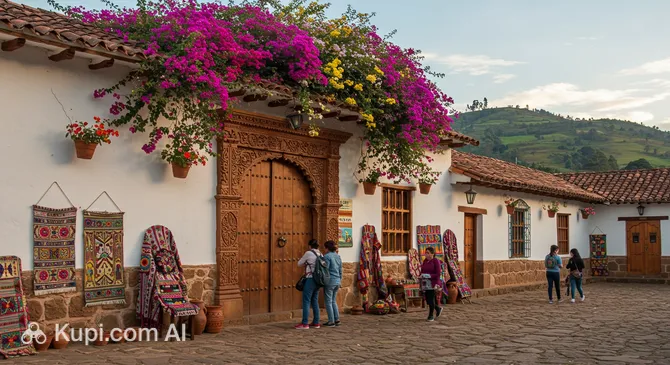
Beyond the festivities, Pasto is a gateway to natural wonders like the serene Laguna de la Cocha, one of the largest lakes in the Colombian Andes. Visitors are also enchanted by the unique local craftsmanship, particularly the Barniz de Pasto, a decorative technique using plant resin that is unique to this area.
Whether you are looking to explore dramatic volcanic landscapes or immerse yourself in colorful local traditions, Pasto invites you to discover its many surprises.
Weather Overview
Due to its high elevation in the Andes, Pasto enjoys a cool and stable climate year-round, often described as an eternal spring. Temperatures are remarkably consistent, with daily averages hovering between 14°C and 15°C regardless of the month. Visitors can typically expect daytime highs to reach around 18°C to 19°C, while nights are crisp and cooler, usually dropping to approximately 10°C or 11°C.
Rainfall is a frequent occurrence in the region, contributing to the lush green landscapes surrounding the city. While the volume of precipitation varies, the number of wet days is high, often exceeding 25 days per month, particularly from March to May and again towards the end of the year. The period from July to August tends to be slightly drier, with fewer rainy days compared to the rest of the year. To plan your activities and packing list, it is helpful to consult the detailed guide on the weather in Pasto before your journey.
Average monthly temperature
Average monthly precipitation
Interesting Facts
Beyond the main attractions and festivals, Pasto holds many fascinating secrets that offer a deeper glimpse into its unique Andean identity and colonial heritage. From ancient metallurgical mastery to distinctive culinary traditions, the city is full of cultural gems waiting to be discovered.
Taminango Museum of Arts and Popular Traditions. Illustration.
Source: Kupi.com AI
Traveler photos:
The city is home to the Taminango Museum of Arts and Popular Traditions, which is housed in a building dating back to the 17th century. This structure is widely considered the oldest two-story house in the region and serves as a perfectly preserved example of colonial architecture, constructed using traditional rammed earth and straw techniques.
Pasto boasts a unique culinary landscape where the guinea pig, locally known as Cuy, is a celebrated delicacy rather than a pet. Roasted to perfection and often served whole on special occasions, this dish is a symbol of the region's indigenous roots and is a must-try for adventurous foodies.
Inside the Gold Museum, visitors can marvel at the sophisticated legacy of the pre-Hispanic Nariño culture. The collection highlights their mastery of "rotating" gold discs, which were engineered to create hypnotic optical illusions when spun, showcasing a level of artistry and physics knowledge that was ahead of its time.
Unlike many other Colombian cities, Pasto sits in a volcanic valley known as the "Valley of Atriz." This location provides the region with incredibly fertile volcanic soil, which is why the surrounding landscapes are vividly green and agriculturally productive year-round.
How to Get There
Reaching this Andean gem is most convenient by air, as the city is nestled high in the mountains. While the winding roads offer spectacular views for those driving, flying saves significant time. For a comprehensive look at all travel options, including bus routes and driving directions, you can read more about how to get to Pasto in our detailed guide.
The primary air gateway is Cano Airport (IATA: PSO), which serves as the main hub for the city. Located approximately 21 km from the center of Pasto, the airport sits on a plateau that requires a scenic descent into the city. The transfer by taxi or shuttle bus generally takes about 50 minutes to an hour, depending on traffic conditions. With a passenger volume of over 800,000 annually, it is a busy regional facility connecting the department to the rest of Colombia.
An alternative option is San Luis Airport (IATA: IPI), situated in the city of Ipiales. This airport is about 57 km away from Pasto. It is particularly convenient for travelers coming from the Ecuadorian border or those wishing to visit the famous Las Lajas Sanctuary nearby before heading to Pasto. The ground journey from Ipiales to Pasto takes roughly 1.5 to 2 hours via the Pan-American Highway.
For clarity, here is a summary of the main airports in the region:
Pasto does not have a railway station, and there are no passenger train services operating in this part of the country. Travelers relying on ground transport typically use the extensive intercity bus network, which connects Pasto with major cities like Cali, Popayán, and Bogotá, as well as the border with Ecuador.
Main Attractions
Pasto is a city brimming with architectural gems and cultural landmarks that reflect its rich heritage. Visitors can explore the heart of the city at its central plaza, admire the grandeur of its religious sites, or immerse themselves in the vibrant history of its famous carnival.
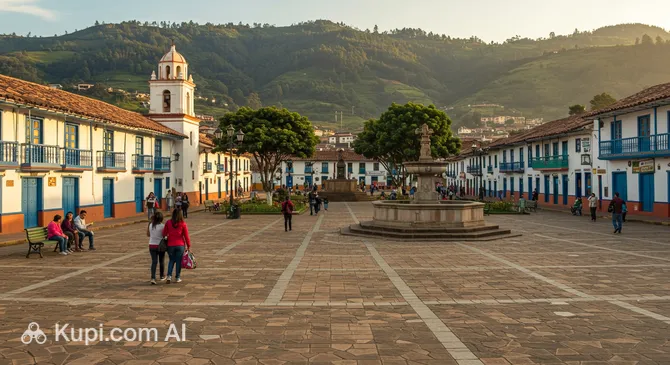
The heartbeat of the city is undoubtedly Nariño Square. Located in the very center of Pasto, this plaza is a popular meeting point for locals and a great starting place for tourists. Surrounded by important administrative buildings and colonial architecture, the square features a statue of Antonio Nariño, a key figure in Colombian independence. It is an excellent spot to sit, enjoy the cool Andean air, and watch daily life unfold in the city.
Nariño Square. Illustration.
Source: Kupi.com AI
Traveler photos:
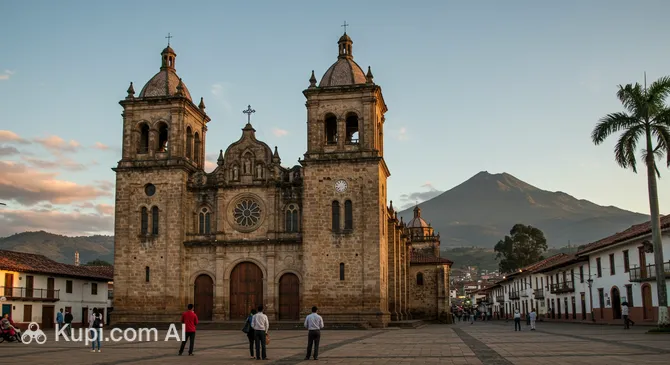
For those appreciating religious architecture, the Pasto Cathedral is a must-see. Also known as the Temple of the Sacred Heart of Jesus, this imposing structure stands out with its unique design that differs from traditional colonial churches. Its grand interior and solemn atmosphere make it a peaceful retreat from the bustling streets, offering visitors a chance to admire its artistic details and spiritual significance.
Pasto Cathedral. Illustration.
Source: Kupi.com AI
Traveler photos:
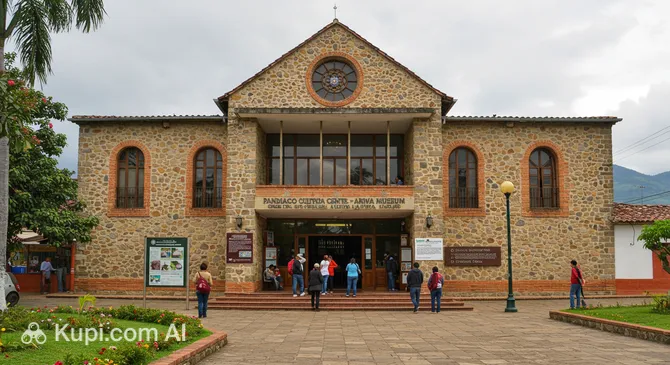
To truly understand the spirit of the region, a visit to the Pandiaco Cultural Center – Carnival Museum is essential. Since the Carnival of Blacks and Whites is the city's most famous event, this museum offers a year-round glimpse into its magic. Housed in a striking architectural landmark, the museum displays photographs, costumes, and elements of the massive floats that parade through the city every January, allowing tourists to appreciate the artistry and tradition behind this UNESCO-recognized masterpiece.
Pandiaco Cultural Center – Carnival Museum. Illustration.
Source: Kupi.com AI
Traveler photos:
Another key cultural space is the Carnival Plaza. This vast urban space was specifically designed to host the massive crowds and events of the annual carnival. During the rest of the year, it serves as a testament to the city's festive identity and often hosts various cultural and artistic events. Its modern layout and significance to the local identity make it an interesting stop for those wanting to see where the city's biggest celebrations come to life.
Local Cuisine
The culinary landscape of Pasto is a delicious reflection of its Andean geography and indigenous roots. Known for its hearty ingredients and traditional preparation methods, the local gastronomy relies heavily on the high-quality potatoes, corn, and pork produced in the fertile volcanic soil of the surrounding "Valley of Atriz." Food here is not just sustenance; it is a warm embrace against the cool mountain climate.
While the roasted guinea pig, locally known as Cuy, is the most famous regional specialty, the city offers a variety of other unique dishes. A must-try is the Frito Pastuso, a flavorful platter featuring fried pork, potatoes, and popcorn. Another staple is the Empanada de Añejo, made from fermented corn dough. This fermentation process gives the empanada a distinctive, slightly sour taste and a uniquely thin, crispy texture. These are typically served with a spicy peanut sauce known as aji de mani. For a comforting side dish, look for Lapingachos, which are pan-fried potato cakes often served with chorizo and salad.
To combat the chilly evenings, locals have perfected the art of hot beverages. The signature drink of the region is the Hervido, a hot cocktail made by boiling fresh fruit juices—usually blackberry or lulo (naranjilla)—with sugar and spices, then mixing it with the local anise-flavored liquor, Aguardiente Nariño. For those preferring non-alcoholic options, the region produces some of Colombia's finest high-altitude coffee, celebrated for its smooth sweetness and bright acidity. Another popular drink is Champús, a thick beverage made with corn, pineapple, lulo, and cinnamon.
The dining scene in Pasto ranges from traditional family-run eateries, known as picanterías, to modern food courts and restaurants. For a convenient dining experience with a variety of options, many visitors head to Unicentro Pasto. This shopping center offers a range of local and international food choices in a comfortable setting, making it a good spot for a casual lunch or dinner.
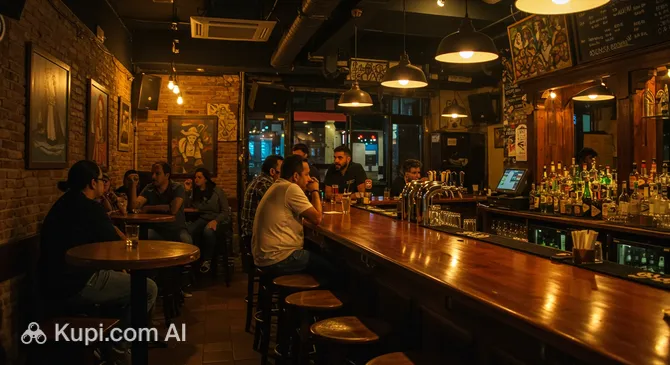
In the evenings, the city's social life often revolves around cozy bars and pubs where friends gather to share stories and drinks. Venues like the Black Sheep Pub provide a relaxed atmosphere for tourists to unwind after a day of exploration. Similarly, Capitán Nirvana is a popular spot to experience the local nightlife, offering a friendly environment to enjoy a cold beer or a traditional warm cocktail.
Black Sheep Pub. Illustration.
Source: Kupi.com AI
Traveler photos:
Travel Tips
Visiting Pasto is a unique experience that differs significantly from the tropical image many have of Colombia, so being well-prepared is the key to enjoying this high-altitude gem. To help you navigate the "Surprise City" with ease and confidence, here are some essential practical tips for your journey.
Clothing and Gear: Forget the tropical beachwear; Pasto is cool and often rainy. You will need warm layers, such as sweaters, a medium-weight jacket, and scarves, as temperatures can drop to 10°C at night. Since rain is frequent, a sturdy umbrella or a waterproof poncho is indispensable. Comfortable, closed-toe walking shoes are best for navigating the city's streets and the surrounding hilly terrain.
Transportation: The city does not have a metro or tram system. The most convenient way for tourists to get around is by taxi, which is generally safe, reliable, and affordable. Ride-hailing apps are less common here than in Bogotá or Medellín, so flagging down a yellow taxi or having your hotel call one is standard practice. Public buses exist but can be confusing for non-locals; if you choose to use them, ask for the destination clearly.
Finances: The local currency is the Colombian Peso (COP). While major supermarkets, hotels, and modern restaurants in places like Unicentro accept credit cards, cash is king in smaller shops, traditional picanterías, and artisan markets. ATMs are widely available in the city center and shopping malls. It is wise to carry small bills for taxi fares and street snacks.
Health and Safety: Pasto sits at an altitude of approximately 2,527 meters (8,290 feet). Some travelers may experience mild altitude sickness (soroche), so it is advisable to take it easy on your first day and stay hydrated. Pharmacies, known as droguerías, are common and can provide over-the-counter remedies. The city is generally safer than Colombia's larger metropolises, but you should still exercise standard precautions: avoid poorly lit areas at night and keep an eye on your belongings in crowded markets.
Communication: Spanish is the primary language, and English is not widely spoken outside of high-end hotels and tour agencies. Learning a few basic phrases or having a translation app downloaded on your phone will go a long way. You can easily purchase a prepaid SIM card from major providers like Claro, Movistar, or Tigo at local shops to stay connected.
Local Etiquette: People in Pasto are known for their kindness and formal courtesy. It is customary to greet people with a polite "Buenos días" or "Buenas tardes" when entering a shop or boarding a taxi. Locals often use the formal "usted" even with friends and family. When interacting with artisans or vendors, a friendly and respectful demeanor is highly valued and often reciprocated with warm hospitality.
What to Avoid: Do not make negative comments or jokes about the local custom of eating Cuy (guinea pig). It is a deeply rooted cultural tradition and a source of regional pride. Even if it is not to your taste, it is important to treat this culinary heritage with respect. Additionally, avoid assuming the weather will clear up later; if it looks like rain, it likely will rain, so don't leave your gear at the hotel.
Additional Tip: If you plan to buy souvenirs, look for authentic Barniz de Pasto (Mopa-Mopa) items. This is a unique craft found nowhere else in the world, where artisans decorate wood with a resin obtained from a jungle shrub. Buying these directly from local workshops supports the preservation of this UNESCO-recognized intangible cultural heritage.
By keeping these practicalities in mind, you will be free to focus on the magic of the Galeras Volcano, the warmth of the people, and the rich history that makes Pasto such a special destination. Enjoy your adventure in the heart of Nariño!
Entertainment & Nightlife
While Pasto is often recognized for its tranquil daytime atmosphere and historical charm, the city offers a surprisingly vibrant nightlife scene that comes alive as the sun sets. Due to the cool Andean climate, the nightlife culture here is less about open-air terraces and more about cozy, warm indoor venues where locals gather to socialize, listen to music, and enjoy the region's signature hot cocktails. The atmosphere is generally laid-back and bohemian, often fueled by the city's large university population.
The main hub for evening entertainment is typically found along the Avenida de los Estudiantes and the streets surrounding the major parks. Here, you will find a variety of establishments ranging from crossover clubs playing salsa and reggaeton to alternative rock bars. The dress code is almost exclusively casual but practical—since temperatures drop significantly at night, a stylish jacket or coat is essential. The nightlife usually kicks off later in the week, with Friday and Saturday being the busiest nights.
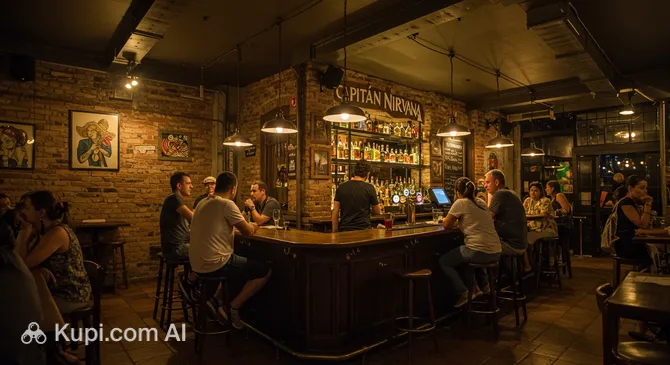
For those seeking a place with character and a great musical selection, Capitán Nirvana is a standout venue. Known for its eclectic decor and alternative vibe, it is a favorite among locals who appreciate rock and pop music. It is an excellent spot to experience the authentic "Pastuso" social scene, where the focus is on good conversation and a friendly environment rather than high-end exclusivity.
Capitán Nirvana. Illustration.
Source: Kupi.com AI
Traveler photos:
Another popular destination for both residents and visitors is the Black Sheep Pub. This venue offers a more traditional pub atmosphere, making it a comfortable place for tourists to unwind. It serves a wide selection of beers and spirits and often hosts a lively crowd. If you prefer a more relaxed evening walk before settling down for a drink, the area around Bomboná Park is pleasant in the early evening, often bustling with cultural activities and young people.
Safety is an important consideration when enjoying a night out in Pasto. While the main entertainment districts are generally safe, it is highly recommended to use taxis to move between locations, especially late at night. You can easily hail a yellow taxi or, for added security, ask the venue staff or your hotel to call one for you. Walking alone in unlit or quiet residential areas after dark should be avoided.
Beyond the nightlife, Pasto offers several entertainment options for the daytime. Families and nature lovers can visit Chapalito Park, a recreational space perfect for leisure and outdoor activities. For those interested in shopping or catching a movie, the Unico Outlet Mall provides a modern entertainment complex with cinemas and food courts, serving as a convenient break from sightseeing.
Parks & Museums
Pasto offers a delightful mix of urban green spaces and profound cultural institutions that allow visitors to connect with both the natural beauty of the Nariño Department and its ancestral heritage. Beyond the bustling streets, the city maintains several peaceful areas where nature and history converge, providing a perfect balance to a travel itinerary.
One of the most notable green spaces is La Pastusidad National Park. Located on the outskirts of the city, this park is more than just a recreational area; it is a cultural and environmental reserve designed to showcase the region's rural traditions and biodiversity. Visitors can enjoy walking trails, open meadows, and spaces often used for cultural events that highlight the identity of the "Pastuso" people. It serves as an excellent spot for a family outing or a quiet afternoon surrounded by the Andean landscape.
La Pastusidad National Park. Illustration.
Source: Kupi.com AI
Traveler photos:
For those staying in the city center, Bolívar Park offers a convenient urban retreat. While Nariño Square is the administrative heart, this park provides a leafier, more relaxed environment. It is a traditional meeting place for locals, featuring well-maintained gardens and a statue of Simon Bolívar. It is an ideal location to take a break from sightseeing, enjoy a local snack, and observe the daily rhythm of the city.
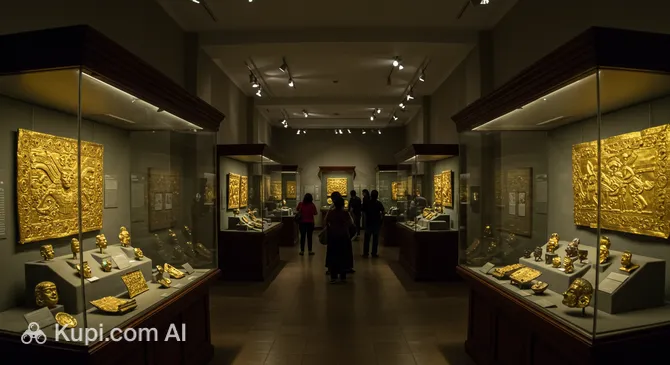
When it comes to museums, the city is a treasure trove of pre-Hispanic and colonial history. The Gold Museum, managed by the Bank of the Republic, is an essential stop for understanding the sophisticated artistry of the region's indigenous cultures. The collection goes beyond the famous rotating discs, displaying intricate pottery, textiles, and gold pieces that reveal the complex social structures and cosmological beliefs of the Pasto and Quillacinga people. The museum provides a fascinating narrative that predates the Spanish conquest.
Gold Museum. Illustration.
Source: Kupi.com AI
Traveler photos:
Another cultural landmark is the Taminango Museum of Arts and Popular Traditions. While the building itself is an architectural marvel, the exhibits inside are equally captivating. They focus on the folklore and daily life of the Nariño people, featuring traditional tools, costumes, and workshops dedicated to the unique Barniz de Pasto craft. Walking through its corridors and courtyards feels like stepping back in time to the colonial era.
Pasto is also renowned for its religious architecture, which serves as living museums of faith and art. The San Agustin Church is particularly noteworthy for its detailed interior and historical significance. Nearby, the San Felipe Church stands out with its distinct architectural style, offering another glimpse into the city's rich religious heritage. These temples are not only places of worship but also repositories of colonial art and sculpture.
For a truly authentic experience, try to visit the smaller churches in the late afternoon when the light filters through the stained glass, creating a serene atmosphere. Additionally, keep an eye out for temporary art exhibitions often held in the cultural centers around the main parks, where local artists display works inspired by the region's volcanoes and carnival traditions.
Getting Around
Navigating Pasto is relatively straightforward, as the city relies primarily on a network of buses and taxis rather than a complex metro or tram system. The public transport framework is organized under the Strategic Public Transport System (SETP), managed by an entity locally known as Avante. These buses cover the majority of the urban area, connecting residential neighborhoods with the historic center, commercial districts, and the main transport terminal.
The bus fleet consists of modern vehicles, typically recognizable by their distinctive orange and white or blue branding. For tourists, using the bus is an authentic and economical way to see the city. The routes are generally displayed on the front windshield of the vehicle, listing key landmarks and neighborhoods. While there isn't a unified digital app for real-time tracking, locals are very helpful if you ask for directions to a specific destination.
Regarding payment, simplicity is key. Unlike larger metropolises that require rechargeable travel cards, the bus system in this city largely operates on cash. You pay the driver or an assistant directly upon boarding. The fare is very affordable, typically costing around 2,200 to 2,500 COP per ride. It is highly recommended to carry small bills or coins, as drivers may not always have change for large denominations.
Operating hours for public buses generally run from approximately 5:30 AM to 9:00 PM or 10:00 PM. On Sundays and public holidays, the frequency of service may decrease, and routes might finish a bit earlier. If you plan to stay out late enjoying the local nightlife, you will need to rely on alternative modes of transport.
Taxis are the most popular and convenient alternative to buses, especially for travelers carrying luggage or those unfamiliar with the bus routes. You will see yellow taxis everywhere, and they can be easily hailed on the street or requested via telephone and messaging apps. Rates are generally reasonable; however, taxis here often operate on fixed rates for specific zones rather than taximeters. It is always a good practice to confirm the price with the driver before starting your journey, usually ranging from 5,000 to 7,000 COP for a standard trip within the city limits.
While ride-sharing apps do exist, they are not as dominant or strictly regulated as in bigger capital cities. The yellow taxis are safe, plentiful, and often the preferred choice for visitors. Additionally, the historic center is quite compact and walkable. Many of the main attractions, such as Nariño Square and the major churches, are within walking distance of each other, making your own two feet the best "vehicle" for exploring the heart of the city.
Accommodation
Finding the perfect place to stay in Pasto is relatively easy, as the city offers a welcoming variety of accommodation options that cater to different travel styles and budgets. The hospitality sector here has grown significantly, blending traditional charm with modern comfort. Travelers can choose from beautifully restored colonial houses turned into boutique hotels, reliable business hotels with modern amenities, and affordable hostels that provide a friendly atmosphere for backpackers.
For most tourists, the most convenient area to stay is the Historic Center (Centro Histórico). Staying here places you within walking distance of the main cultural landmarks, museums, and the vibrant Carnival Plaza. This zone is ideal for those who want to immerse themselves in the city's colonial atmosphere and have easy access to restaurants and shops. The streets around the central square are safe and bustling during the day, offering a true taste of local life.
Carnival Plaza. Illustration.
Source: Kupi.com AI
Traveler photos:
Another popular district, particularly for business travelers and those seeking a more modern vibe, is the area to the north, often centered around Avenida de los Estudiantes and near shopping hubs like Unicentro Pasto. This part of the city is known for its nightlife, upscale dining, and contemporary hotels. It offers a slightly quieter environment than the busy downtown core while still being just a short taxi ride away from the major historical attractions.
Booking Tip: While finding a room is usually straightforward throughout the year, the situation changes drastically during the Carnaval de Negros y Blancos in early January. This massive festival attracts thousands of visitors from around the world. If you plan to visit during this period, it is absolutely essential to book your accommodation several months in advance, as hotels and hostels are often fully booked by October or November, and prices can triple.
In terms of pricing, Pasto is generally very affordable compared to larger Colombian cities like Cartagena or Bogotá. You can find comfortable mid-range hotels for a fraction of the price you would pay elsewhere. Booking can be done easily through major online platforms for established hotels, though many smaller, family-run establishments and budget hostels may prefer direct contact via WhatsApp or phone. Cash payment is often appreciated in smaller guesthouses.
Nearby Cities
For those looking to explore the surroundings, Pasto serves as an excellent base for day trips to several interesting nearby locations:
One of the most notable destinations is Tuquerres, located high in the mountains. It serves as the gateway for hikers wishing to visit the breathtaking Laguna Verde, a green lake situated inside the crater of the Azufral Volcano. For travelers seeking a warmer climate, Buesaco is a perfect choice; this town is renowned for its high-quality coffee plantations and its significance in Colombia's independence history. Additionally, Samaniego attracts visitors with its stunning landscapes and rich cultural scene, often referred to as the "Landscape City" of the region.
City
Population
Distance
Nariño
8 603
12 km
Yacuanquer
10 579
16 km
Chachagui
12 419
17 km
La Florida
9 047
17 km
Consaca
9 099
20 km
These nearby destinations offer a glimpse into the diverse culture and landscapes of the region.
Shopping & Souvenirs
Shopping in Pasto offers a delightful mix of modern retail experiences and deep-rooted cultural traditions. While you can find contemporary fashion and technology, the city is most famous for its exquisite handicrafts, which are recognized globally for their quality and uniqueness. Visitors will find that shopping here is less about high-end luxury brands and more about discovering authentic treasures that reflect the artistic soul of the Nariño region.
For a traditional shopping experience, the heart of the city remains the most vibrant area. The streets surrounding the main square and extending towards Calle 18 and Calle 19 are lined with a variety of shops selling everything from clothing and shoes to electronics. However, for those seeking local crafts, the area around Bomboná Park is a focal point. Here, you can find specialized artisan centers where master craftsmen display their work, making it a convenient stop for finding high-quality gifts.
Travelers looking for a modern shopping environment with international brands, food courts, and entertainment should head to the city's major malls. Unicentro Pasto is the premier shopping destination in the city. It features a wide range of clothing stores, a supermarket, and a comfortable atmosphere, making it a popular meeting place for locals.
Unicentro Pasto. Illustration.
Source: Kupi.com AI
Traveler photos:
Another excellent option for bargain hunters is the Unico Outlet Mall. This complex focuses on offering discounted prices on well-known brands and often has a quieter atmosphere than the city center. It is a great place to pick up wardrobe staples or shoes at reduced prices while enjoying the safety and cleanliness of a structured mall.
Unico Outlet Mall. Illustration.
Source: Kupi.com AI
Traveler photos:
When it comes to markets, the local focus is heavily on fresh produce and artisanal goods. While the bustling Potrerillo Market is the center for food and agricultural products, it can be overwhelming for the average tourist. Instead, visitors are encouraged to explore the Bomboná Artisan Center or the shops near the museums, where the environment is more curated and conducive to browsing for souvenirs without the chaos of a wholesale market.
The most iconic souvenir to bring back from Pasto is undoubtedly Barniz de Pasto (Mopa-Mopa). This unique craft involves decorating wooden objects with a resin obtained from a jungle shrub, a technique that dates back to pre-Hispanic times and is exclusive to this region. You should also look for high-quality leather goods, as Nariño is known for its leather production, offering excellent bags, wallets, and belts at very reasonable prices. Additionally, a bag of locally grown Nariño coffee, prized for its high-altitude flavor profile, makes for a perfect gift.
Most shops in the city operate from Monday to Saturday, typically opening around 9:00 AM and closing by 7:00 PM or 8:00 PM. Shopping malls usually stay open later, until 8:00 PM or 9:00 PM, and operate on Sundays as well. While major malls and larger stores accept credit and debit cards, cash is essential when purchasing from street vendors, smaller artisan workshops, or in the local markets.
Foreign tourists visiting Colombia may be eligible for a VAT (IVA) refund on certain purchases of physical goods. To qualify, you must buy from participating stores that issue electronic invoices, and the purchase amount must meet a minimum threshold. It is advisable to ask the store explicitly if they participate in the tax refund scheme for tourists before making a significant purchase.