Support

Esmeraldas

About

Welcome to Esmeraldas, a vibrant coastal city that serves as the capital of the "Green Province" in the northwestern region of Ecuador. Known for its lush vegetation, lively atmosphere, and significant port, this city offers a unique blend of urban energy and tropical relaxation. Situated at the mouth of the Esmeraldas River where it meets the Pacific Ocean, the city enjoys a warm, tropical climate year-round and is home to a population of approximately 154,000 inhabitants.

Esmeraldas. Source: Kupi.Binoculars

The city is a cultural hub, particularly celebrated as the heart of Afro-Ecuadorian culture. Visitors interested in the history of Esmeraldas will discover a rich heritage deeply intertwined with traditional music and dance. The rhythmic beats of the marimba, which has been recognized by UNESCO as intangible cultural heritage, can often be heard echoing through the streets, offering a soulful soundtrack to your visit.

Travelers are drawn to Esmeraldas for its seaside charm and culinary delights. Las Palmas Beach is a favorite spot for both locals and tourists, featuring a modern boardwalk lined with restaurants and bars where you can enjoy the ocean breeze. Food enthusiasts should not miss the chance to taste the local gastronomy, especially the famous encocado, a delicious seafood dish cooked in coconut sauce. Whether you are looking to explore distinct cultural traditions or simply relax by the sea, Esmeraldas invites you to experience its warmth and hospitality.

Weather Overview

Esmeraldas experiences a warm, tropical climate with temperatures that remain remarkably consistent throughout the year. Visitors can expect a steady thermometer reading, with average temperatures hovering around 25°C to 26°C. Daytime highs typically reach up to 28°C, while nights remain pleasant with lows rarely dropping below 23°C, ensuring a comfortable atmosphere for beach activities at any time.

While the heat is constant, the rainfall patterns define the city's seasons. The first half of the year, spanning from January to May, is generally the wettest period, often featuring over 20 rainy days per month. In contrast, the weather in Esmeraldas dries out significantly later in the year; the months of September through November are particularly stable, with the number of wet days dropping to as few as nine, offering sunny skies for exploration.

Interesting Facts

Beyond the main attractions, Esmeraldas holds many fascinating secrets that enrich its identity as the "Green Province." This coastal city is not only a gateway to the Pacific but also a repository of unique history and legends waiting to be uncovered.
  • The Gemstone Legend: The city's name literally translates to "Emeralds." It was bestowed by the Spanish explorer Bartolomé Ruiz who, upon landing in 1526, observed the indigenous population adorned with emeralds and believed the region was rich in mines, although the stones likely originated from trade with other regions.

  • A Kingdom Born from a Shipwreck: The region's distinct Afro-Ecuadorian heritage traces back to a fortuitous 16th-century shipwreck. Enslaved Africans escaped to the shore, formed alliances with local indigenous groups, and established an autonomous territory often referred to as the "Republic of Sambos," which successfully resisted Spanish colonization for decades.

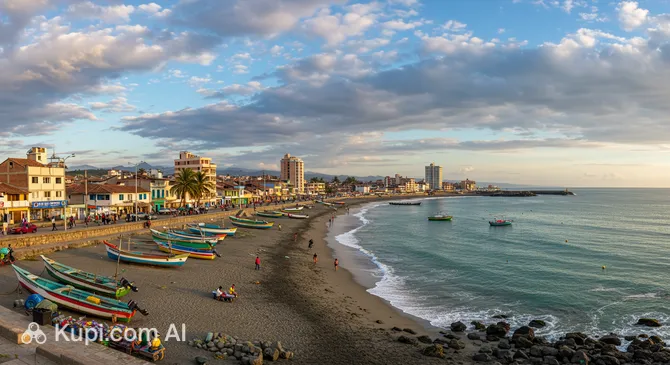
  • A Social Epicenter: The popular Las Palmas de Esmeraldas is much more than a swimming spot; its extensive, modernized boardwalk serves as the city's living room. It is a unique urban space where the vibrant nightlife, cultural events, and the soothing sound of the Pacific Ocean converge every evening.

Las Palmas de Esmeraldas. Source: Kupi.Binoculars

How to Get There

Reaching this coastal destination is relatively straightforward, with options to suit different travel preferences. Whether you prefer flying directly to the coast or enjoying a scenic overland journey from the capital, you can find more about how to get to Esmeraldas and plan the best route for your trip. The city is well-connected to the rest of the country, ensuring a smooth arrival for visitors.

The most convenient entry point is the local Esmeraldas Airport (IATA: ESM), also known as Colonel Carlos Concha Torres Airport. Located just 2.9 km from the city center, it serves as the primary hub for direct domestic flights. Due to its close proximity, a taxi ride to the downtown area is very quick, typically taking about 25 minutes depending on traffic. Although it is a smaller facility with a passenger volume of around 45,000 annually, it offers the fastest link to the beaches and city attractions.

For international travelers, the main gateway is usually Mariscal Sucre International Airport (IATA: UIO) in the capital city of Quito. Situated approximately 188 km from Esmeraldas, this is a major "international airport" handling over 5 million passengers a year. From Quito, you can take a connecting domestic flight or opt for ground transportation. The journey by bus or taxi from the capital to the coast is a popular choice, taking roughly 5 hours, allowing you to witness the dramatic transition from the Andes to the tropical lowlands.

For clarity, here is a summary of the main airports in the region:

Airport Name City Passenger Traffic Km from City
Mariscal Sucre International Airport Quito Large 188.2
Manta Airport Manta Medium 240.7
La Florida Airport Tumaco Small 137.2
San Luis Airport Ipiales Small 220.8
Esmeraldas Airport Esmeraldas Small 2.9

Main Attractions

Exploring the city offers a mix of coastal relaxation and urban discovery, with several key spots that highlight the local lifestyle. The most famous highlight is Las Palmas de Esmeraldas, a vibrant beach district that defines the local tourism scene. With its expansive sandy shore and a modern boardwalk, it is the center of social life where visitors can taste traditional Afro-Ecuadorian cuisine, enjoy refreshing cocktails, or simply walk along the oceanfront. The area comes alive particularly on weekends, offering a festive atmosphere that showcases the region's joyful spirit.

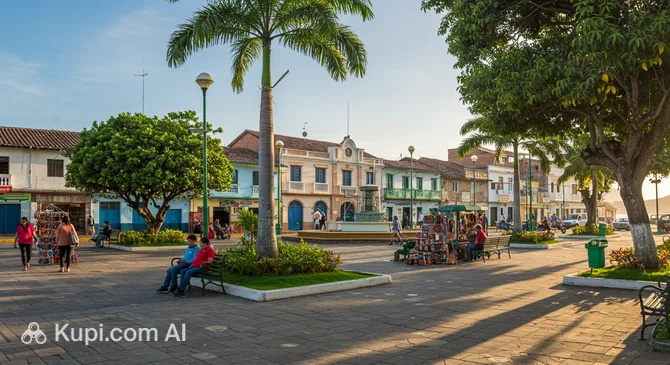
In the downtown area, the Central Park acts as the civic heart of the city. Also known as Parque Central 20 de Marzo, this plaza is a key gathering point for residents and a landmark for orientation. Surrounded by government buildings and the main cathedral, it features well-maintained gardens and monuments. It is a peaceful spot to sit and watch the world go by, offering a glimpse into the everyday routines of the "Green City."

Central Park (Esmeraldas). Source: Kupi.Binoculars

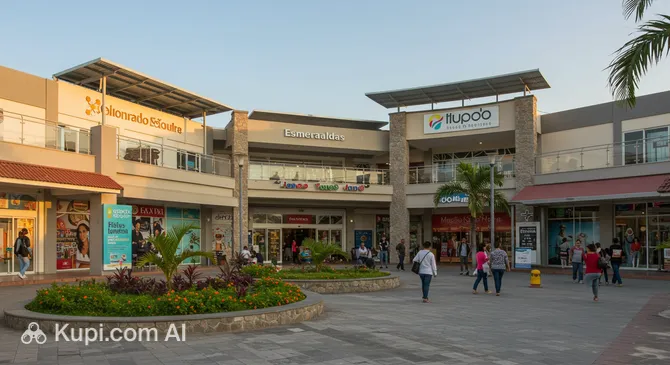
For a modern shopping and entertainment experience, the Multiplaza Shopping Center is the go-to destination. Whether you need to pick up travel essentials, catch a movie, or enjoy a meal in air-conditioned comfort, this mall provides a comprehensive range of services. It serves as a convenient stop for tourists, combining leisure with the practicality of a contemporary commercial center.

Multiplaza Shopping Center. Source: Kupi.Binoculars

Local Cuisine

To explore the local cuisine of Esmeraldas is to dive into the heart of Afro-Ecuadorian culture, where the flavors are as vibrant as the marimba music that fills the air. The region's gastronomy is famously distinct from the rest of the country, characterized by the abundant use of fresh seafood, green plantains, and, most importantly, coconut. Known as the "Green Province," Esmeraldas offers a culinary experience that is rich, savory, and deeply connected to the tropical abundance of the Pacific coast.

The undisputed star of the local table is the Encocado. This signature dish consists of fish, shrimp, crab, or other seafood simmered in a rich, spiced sauce made from fresh coconut milk. It is almost always served with a mound of white rice and patacones (thick, fried green plantains), which are perfect for soaking up the creamy sauce. Another traditional favorite is Tapao, a hearty steamed dish typically made with fish, plantains, and local herbs like chillangua, cooked together in a pot to fuse the flavors. For a lighter option, the local Ceviche—particularly the black shell (concha) or shrimp varieties—is a must-try, often garnished with lime and served with crunchy plantain chips called chifles.

To quench your thirst in the tropical heat, nothing beats the natural refreshment of fresh coconut water, often sold straight from the shell by street vendors. The abundance of exotic fruits also means that fresh juices and batidos (smoothies) made from passion fruit, blackberry, or guanabana are widely available. For those seeking an alcoholic beverage, beachside bars frequently serve tropical cocktails. The Coco Loco, a mix of coconut water and aguardiente (sugar cane spirit) served inside a coconut, is a popular choice for enjoying the sunset.

The dining scene in Esmeraldas ranges from humble street stalls to lively oceanfront restaurants. The most popular destination for a meal is undoubtedly the boardwalk at Las Palmas de Esmeraldas. Here, tourists and locals gather to enjoy fresh seafood in open-air establishments while listening to the sound of the waves. In the mornings, you can find vendors selling bolones (mashed plantain balls with cheese or pork) or bala, a traditional pounded plantain dumpling, ensuring that the culinary journey begins with the very first meal of the day.

Travel Tips

Visiting Esmeraldas offers a wonderful opportunity to immerse yourself in the warmth of the "Green Province," but like any tropical destination, a little preparation goes a long way. To help you make the most of your trip to this lively coastal city, we have compiled a set of practical tips covering everything from packing essentials to local customs.

  1. Clothing and Gear: Given the tropical climate, lightweight and breathable fabrics like cotton or linen are your best friends here. Pack comfortable walking shoes for the city and flip-flops for Las Palmas beach. Since the sun can be intense along the equator, a wide-brimmed hat, high-SPF sunscreen, and sunglasses are non-negotiable. Don't forget to bring a good insect repellent, as mosquitoes can be active, especially during the evening hours or the rainy season.

  2. Transportation: The most convenient way to get around the city is by taxi. They are plentiful and generally affordable; however, they often do not use meters, so it is customary to agree on the fare with the driver before getting in. For short distances within neighborhoods, you might see motorized rickshaws, but official yellow taxis are recommended for tourists. If you plan to explore the surrounding province, buses are available at the main terminal, but for city travel, a taxi is the most efficient option.

  3. Finances: Ecuador uses the United States Dollar (USD) as its official currency. While credit cards are accepted in major hotels, supermarkets like the Multiplaza, and upscale restaurants, cash is king for smaller shops, beach vendors, and transportation. It is highly advisable to carry small bills ($1, $5, $10, and $20), as many small businesses may not have change for $50 or $100 notes. ATMs are widely available in the city center and shopping malls.

  4. Health and Safety: Pharmacies (farmacias) are easy to find throughout the city, with major chains often open late. As a general health precaution, stick to drinking bottled water rather than tap water to avoid stomach issues. regarding safety, it is best to stay in well-lit, populated areas like the boardwalk at night and avoid wearing flashy jewelry or displaying expensive electronics openly in the street.

  5. Communication: The primary language is Spanish. English is not widely spoken outside of major tourist hotels or the airport, so learning a few basic phrases like "Buenos días" (Good morning) or "¿Cuánto cuesta?" (How much?) will be very helpful and appreciated. Wi-Fi is available in most hotels and cafes. If you need mobile data, you can easily purchase a prepaid SIM card from local providers like Claro or Movistar at the shopping center or convenience stores.

  6. Local Etiquette: The people of Esmeraldas are known for their friendliness and relaxed attitude. It is polite to greet shopkeepers and drivers with a "Buenos días" or "Buenas tardes" before conducting business. The pace of life here is slower than in the capital; service might take a little longer, so patience and a smile are key to positive interactions. Handshakes are the standard greeting for new acquaintances.

  7. What to Avoid: Avoid leaving your belongings unattended on the beach while swimming, as petty theft can happen. Also, try not to walk alone in deserted areas or along the beach after dark; stick to the vibrant and well-guarded areas where the locals gather, such as the main boardwalk.

  8. Sweet Treat Tip: Do not leave the city without trying a cocada. These are traditional sweets made from coconut and brown sugar (panela) or milk. You will see vendors selling trays of them in various colors (brown for panela, white for milk) throughout the city—they make for a delicious, energy-boosting snack or a perfect souvenir to take home.

By keeping these practical tips in mind, you will be well-equipped to navigate the city with confidence and ease. Esmeraldas is a place to relax, enjoy the rhythm of the marimba, and savor the coastal lifestyle, so pack your bags and get ready for a memorable tropical adventure.

Entertainment & Nightlife

Esmeraldas comes alive when the sun sets, transforming into a vibrant hub of music, dance, and social connection. The nightlife here is less about exclusive, high-end nightclubs and more about open-air enjoyment, rhythmic beats, and the warm tropical breeze. The atmosphere is distinctively Afro-Ecuadorian, with the sounds of salsa, bachata, reggaeton, and sometimes traditional marimba filling the air. For visitors, the experience is welcoming and informal, focusing on good company and refreshing drinks rather than strict dress codes or expensive cover charges.

The epicenter of evening entertainment is undoubtedly Las Palmas de Esmeraldas. This renovated boardwalk and beach area is where locals and tourists converge to celebrate the night. Lining the pedestrian-friendly strip, you will find numerous bars, karaoke spots, and open-air restaurants that stay open late, especially on weekends. It is the perfect place to sip on a signature "Coco Loco" or a cold beer while enjoying the ocean view. The vibe here is energetic yet safe, with families strolling in the early evening and the party crowd taking over as the night progresses.

For those seeking a different kind of evening, the city offers other diversions. If you prefer a more relaxed night out or want to catch the latest films, the Multiplaza Shopping Center features a modern cinema and a food court, providing a comfortable, air-conditioned environment. Alternatively, a walk through Central Park (Esmeraldas) in the early evening offers a glimpse into local life, where residents gather to chat and relax after the work day, often accompanied by street food vendors selling local snacks like chuzos (skewers).

While the nightlife is a major draw, daytime entertainment in Esmeraldas is equally engaging, primarily revolving around beach activities and cultural exploration. Before the sun goes down, visitors often spend their time swimming in the warm Pacific waters or visiting local museums to learn about the area's pre-Columbian history. The transition from a sunny beach day to a lively evening on the boardwalk is seamless, making it easy to enjoy the best of both worlds without traveling far.

Practical advice is essential for a smooth night out. The nightlife typically peaks on Friday and Saturday nights, with venues staying open until 2:00 AM or 3:00 AM. Prices are generally affordable; a cocktail might cost between $5 and $8, while beers are cheaper. Regarding safety, it is highly recommended to stick to the well-lit and populated areas like the Las Palmas boardwalk. When moving between the city center and the beach at night, always use an official yellow taxi rather than walking, even for short distances, to ensure a secure return to your accommodation.

Parks & Museums

While Esmeraldas is famous for its beaches, the city also offers distinct green spaces and cultural venues that provide a deeper look into its heritage and biodiversity. From protected mangrove forests located right within the urban area to museums that safeguard the region's ancestral treasures, exploring these sites allows visitors to connect with both the natural environment and the historical roots of the Afro-Ecuadorian community.

For nature lovers, the most significant natural area is the Esmeraldas River Estuary Wildlife Refuge (Refugio de Vida Silvestre Manglares Estuario del Río Esmeraldas). Situated at the mouth of the Esmeraldas River, this protected area is a sanctuary of biodiversity surrounded by the city. It protects extensive mangrove forests that are vital for the local ecosystem. Visitors can take boat tours through the winding channels to observe diverse bird species, crabs, and the unique flora of the mangroves. It offers a peaceful escape from the urban bustle and a chance to see the "Green City" from a different perspective.

In the heart of the downtown area, Central Park (Esmeraldas) serves as the city's primary urban gathering space. Also known as Parque 20 de Marzo, this plaza is shaded by tall trees and features well-kept gardens that offer respite from the tropical sun. It is a place where history meets daily life; monuments and a gazebo stand as focal points while locals meet to chat and relax. The park is surrounded by key architectural landmarks, including the city's cathedral and municipal buildings, making it an excellent starting point for a walking tour of the center.

To understand the profound history of the region, a visit to the Museo y Centro Cultural Esmeraldas is essential. Located near the main square, this museum is the guardian of the province's archaeological and ethnographic wealth. Its archaeological section is particularly renowned for its collection of artifacts from the Tolita Culture (La Tolita), an ancient pre-Columbian civilization known for its masterful gold and platinum work. The exhibits display intricate ceramics, figurines, and jewelry that reveal the artistic and technological sophistication of the region's early inhabitants.

The cultural experience continues in the museum's ethnographic halls, which are dedicated to the Afro-Esmeraldenian heritage. Here, visitors can explore the traditions that define the province's identity, including the history of the marimba, traditional clothing, and tools used in daily life. The displays explain the "Republic of Sambos" and the unique social history that makes Esmeraldas culturally distinct from the rest of the country. It is a vibrant tribute to the music, dance, and resilience of the local people.

For an authentic local experience, try to visit the Centro Cultural during one of its scheduled events or workshops. They often host live marimba performances or storytelling sessions that bring the exhibits to life. Additionally, a walk along the nearby Las Palmas de Esmeraldas boardwalk after a museum visit offers a perfect transition from history to modern local culture, where you can see the living legacy of the traditions you just learned about.

Getting Around

Navigating Esmeraldas is a relatively straightforward experience, as the city does not rely on complex rail or metro networks. Instead, the public transport system is entirely road-based, consisting primarily of urban buses, taxis, and motorized rickshaws. For tourists, getting around is affordable and authentic, though it is less formal than in larger metropolitan areas. The city layout is linear, stretching along the coast and the river, which makes understanding the main transit routes quite simple.

Urban buses are the backbone of local mobility and the most economical way to travel. These buses run along the main avenues, connecting the downtown area (El Centro) with the popular Las Palmas beach district and the southern neighborhoods. There are no designated bus cards or digital apps for payment; the system operates exclusively on cash. You simply board the bus and pay the fare directly to the driver or the assistant (known as the controlador). The cost is very low, typically around $0.30 to $0.40 USD per ride, so it is essential to carry small coins and one-dollar bills.

For visitors, official yellow taxis are often the most recommended option due to their convenience and safety. They are abundant throughout the city and can be easily hailed on the street or found at designated stands near parks and shopping centers. While taxis are equipped with meters, they are not always used, especially for short trips. It is standard practice to ask for the fare or negotiate a price with the driver before getting into the vehicle. A typical ride within the city limits usually costs between $1.50 and $3.00, making it a budget-friendly alternative for groups or those carrying luggage.

A distinctive feature of transport in coastal cities like this is the tricimoto. These are three-wheeled motorized rickshaws that serve as a bridge between a taxi and walking. They are particularly popular in residential neighborhoods and for short distances where buses might not stop. They offer a breezy, open-air ride that fits the tropical climate perfectly. Like taxis, the fare should be agreed upon in advance, and they are best used for short hops rather than cross-city travel.

Operating hours for public buses generally run from early morning, around 6:00 AM, until approximately 8:00 PM or 9:00 PM. After these hours, frequency drops significantly, and it is highly advisable to switch to taxis for transportation. Taxis are available 24 hours a day, but for late-night travel, it is safer to call a radio taxi service or ask your hotel to book one for you rather than flagging one down on a dark street.

Regarding alternatives, car-sharing apps are not widely established or reliable in the city compared to major global capitals. Walking is a viable and enjoyable option in specific areas, particularly along the Las Palmas boardwalk and within the central park district during the day. However, for moving between the city center and the beach, the distances are too long to walk comfortably in the heat, so combining walking with short taxi or bus rides is the best strategy for exploration.

Accommodation

Where to Stay:

Finding accommodation in Esmeraldas is relatively easy, with options designed to fit both vacationers seeking relaxation and travelers on a budget. The city offers a range of lodging choices, from comfortable beachfront hotels and mid-range establishments to modest, family-run hostels. While the city does not feature an extensive array of ultra-luxury international chains, visitors will find plenty of clean, welcoming, and affordable places that reflect the warm hospitality of the Ecuadorian coast.

The most popular area for tourists is undoubtedly the district surrounding Las Palmas de Esmeraldas. Staying here places you right next to the beach and the vibrant boardwalk, allowing for immediate access to the ocean, restaurants, and nightlife. Hotels in this zone often offer sea views, air conditioning, and pools, catering to those who want a resort-style experience. It is the ideal location for travelers who want to be in the center of the action and enjoy the ocean breeze day and night.

For those prioritizing practicality or budget, the downtown area (El Centro) offers a different atmosphere. Accommodation here is generally clustered near commercial hubs and landmarks like Central Park (Esmeraldas). These hotels are often geared towards business travelers and transit passengers, offering convenient access to banks, shops, and public transportation. While it is further from the beach, staying in the center provides a more authentic look at daily city life and is often friendlier to the wallet.

Booking Tips and Prices: Prices in Esmeraldas are generally very reasonable compared to larger cities like Quito. Budget hostels can start as low as $15 to $25 USD per night, while comfortable mid-range hotels typically range from $40 to $80 USD. It is highly recommended to book your accommodation in advance if you plan to visit during Ecuadorian holidays, particularly Carnival or Easter, as the city fills up with domestic tourists. While larger hotels appear on major online booking platforms, many smaller hostales operate via direct phone reservations or social media, and some may prefer cash payments.

Nearby Cities

For those looking to explore the surroundings, Esmeraldas serves as an excellent base for day trips to several interesting nearby locations. The coastline south of the city is dotted with charming towns and resorts that offer a quick escape from the urban center, allowing visitors to experience different facets of the "Green Province" within a short drive.

One of the most popular destinations is Atacames, located approximately 30 kilometers southwest of the city. Known as the region's primary party hub, it boasts a wide, sandy beach lined with thatched-roof bars and restaurants. It is the perfect spot for travelers seeking a lively atmosphere, delicious seafood, and vibrant nightlife. During the day, the beach is bustling with activity, while the evenings light up with music and dancing, making it a favorite getaway for both locals and tourists.

For a more tranquil experience, the nearby fishing village of Súa offers a peaceful contrast. Situated just a few minutes south of Atacames, it is often called the "Pool of the Pacific" due to its calm waters protected by impressive cliffs. This destination is ideal for families and nature lovers, offering opportunities to spot diverse seabirds such as frigates and pelicans. It serves as a relaxing retreat where you can enjoy a quiet lunch by the water and watch the traditional fishing boats return with the day's catch.

City Population Distance (km)
Quito 2,011,388 183
Santo Domingo 270,875 145
Eloy Alfaro Parish, Guayaquil 230,839 159
Ibarra 131,856 183
Sangolqui 75,080 196

These nearby destinations offer a glimpse into the diverse culture and landscapes of the region.

Shopping & Souvenirs

Shopping in Esmeraldas offers a relaxed and authentic experience that reflects the city's coastal lifestyle. While it is not known as a high-end fashion destination, the city provides a mix of modern conveniences and traditional commerce. Visitors can find everything from international brands in air-conditioned malls to unique local handicrafts sold by street vendors. The shopping scene here is less about luxury boutiques and more about discovering the vibrant culture through local products, fresh food, and beach essentials.

For a contemporary shopping experience, the city's premier destination is the Multiplaza Shopping Center. Located centrally, this is the go-to spot for both locals and tourists seeking a comfortable, modern environment. It houses a large supermarket, a variety of clothing and shoe stores, electronics shops, and a food court. It is the best place to purchase travel necessities, withdraw cash from ATMs, or simply enjoy a break from the tropical heat while browsing standard retail outlets.

In contrast to the mall, the downtown area (El Centro) offers a bustling street shopping atmosphere. The streets surrounding the main plaza and Bolivar Avenue are lined with small family-owned shops, pharmacies, and bazaars selling affordable clothing and household goods. For a more scenic shopping stroll, the boardwalk at Las Palmas de Esmeraldas is the ideal location. Here, you can find vendors selling beachwear, sunglasses, and handmade crafts, all while enjoying the ocean breeze. It is a pleasant area to hunt for casual souvenirs or gifts without the crowds of the city center.

The local markets are the heart of the city's commerce, particularly for food lovers. The Mercado Municipal is a vibrant hub where the region's agricultural and marine abundance is on display. It is the best place to see the immense variety of fresh seafood that defines the local cuisine, alongside piles of green plantains, coconuts, and exotic tropical fruits. While primarily a food market, it offers a colorful and sensory-rich experience that is essential for understanding the daily rhythm of life in the "Green Province."

When it comes to souvenirs, the most iconic item to bring back from Esmeraldas is undoubtedly the cocada. These traditional coconut sweets are sold in boxes or trays throughout the city and make for a delicious, shareable gift. In addition to edible treats, look for handicrafts made from local materials such as tagua nut (vegetable ivory), coconut shells, and wood. You may also find jewelry made from seashells and coral sold by artisans along the beach, capturing the spirit of the Pacific coast.

Store opening hours in Esmeraldas are generally consistent. The Multiplaza Shopping Center typically operates from 10:00 AM to 8:00 PM or 9:00 PM, including weekends. Smaller independent shops in the city center usually open around 9:00 AM and close by 6:00 PM or 7:00 PM, with some closing for a lunch break between 1:00 PM and 2:00 PM. Regarding payment, cash is the preferred method for street vendors, markets, and taxis. While the shopping mall and larger hotels accept credit cards, it is always wise to carry small denominations of the US Dollar for everyday purchases.

Tourists visiting Ecuador may be eligible for a VAT (Value Added Tax) refund on locally produced goods purchased in authorized establishments, provided the purchase amount meets a certain threshold. However, this system is more commonly found in major tourist hubs like Quito or Guayaquil. In Esmeraldas, it is best not to rely on tax-free shopping as a primary feature, but you can inquire at larger stores in the shopping center if they offer the necessary forms for a refund upon departure at the international airport.

Reached the end of the page?

That means the route is fully explored