Support

Tumaco

About

Welcome to Tumaco, a vibrant port city often celebrated as the "Pearl of the Pacific." Situated on the southwestern coast of Colombia, this destination offers a unique blend of breathtaking natural beauty and rich cultural heritage. As part of the Nariño Department, Tumaco is distinctively formed by a cluster of islands connected by bridges and causeways, creating a fascinating maritime atmosphere that captivates visitors the moment they arrive.

The city is home to a population of approximately 212,000 residents, serving as a bustling urban hub in the Pacific region. Its geography is characterized by lush mangroves, tropical rainforests, and the vast ocean horizon. The climate is tropical and humid, providing warm weather year-round that complements the coastal lifestyle. Exploring the history of Tumaco reveals the deep roots of its Afro-Colombian community, whose vibrant traditions, music, and folklore form the beating heart of the city's identity.
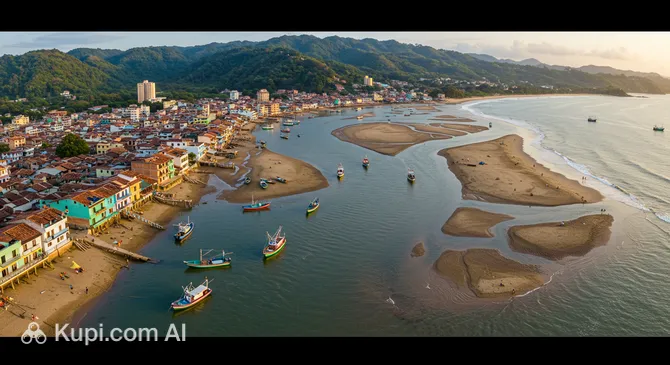
Tumaco. Source: Kupi.Binoculars

Travelers are drawn to Tumaco for its stunning landscapes and ecological diversity. One of the most iconic attractions is El Morro Beach, famous for its natural stone arch and expansive shoreline, which is a perfect spot for relaxation and sunset watching. The region is also a gateway for eco-tourism, offering opportunities to explore nearby natural reserves and, during the right season, observe majestic humpback whales off the coast. The local gastronomy, renowned for fresh seafood and coconut-based dishes, is another highlight that offers a true taste of the Pacific.

Whether you are looking to immerse yourself in the rhythmic sounds of the marimba, explore scenic beaches, or simply experience the genuine warmth of the local people, Tumaco invites you to discover a captivating side of the coast. It is a destination that promises authentic experiences and unforgettable memories for every adventurer.

Weather Overview

Travelers planning a trip to this Pacific coastal destination can expect a consistent tropical climate characterized by steady warmth and frequent cloud cover. To help you pack appropriately for your visit, it is helpful to review the detailed weather in Tumaco before you go. The city experiences very little seasonal variation in temperature, making it a warm destination year-round with average temperatures hovering comfortably around 26°C.

Expect warm days with frequent rain and mild, humid nights regardless of when you visit. Daytime maximum temperatures typically reach between 26.6°C and 27.6°C, while overnight lows rarely drop below 24.4°C. Precipitation is a constant companion here, with the number of wet days ranging from 20 to 29 days per month. Due to the high likelihood of rain throughout the year, packing waterproof gear is essential, as showers are a regular part of the daily rhythm in this lush coastal region.

Interesting Facts

Beyond the main attractions, Tumaco holds many fascinating secrets that reveal its importance on both a historical and global scale.
  • Ancient Artistic Legacy: Long before the modern city existed, this area was the heart of the Tumaco-La Tolita culture, which flourished between 600 BC and 200 AD. This civilization is renowned among archaeologists for crafting incredibly detailed ceramic figurines and intricate gold jewelry, considered some of the finest examples of pre-Columbian art in South America.

  • A Cradle of Football Stars: Despite its relatively small population compared to major capitals, the city is famous for producing an extraordinary number of professional athletes. It is widely known as a nursery for Colombian soccer talent, with many of the national team's most celebrated players hailing from this coastal region.

  • World-Class Cocoa: The region is gaining international acclaim for its premium agriculture, specifically its fine-flavor cocoa. Beans grown in the soils around Tumaco have won prestigious awards in global competitions, celebrated by chocolatiers worldwide for their distinct floral and fruity flavor notes.

How to Get There

Reaching this captivating destination on the Pacific coast is an adventure in itself, offering travelers a chance to witness the diverse landscapes of Colombia. Whether you prefer a quick flight or a scenic overland journey, there are several options available. For a comprehensive guide on planning your trip, you can read more about how to get to Tumaco, covering all the necessary details for a smooth arrival.

The most direct and convenient entry point is La Florida Airport (IATA: TCO), located on the island of El Morro, just a stone's throw from the main urban area. As a regional hub, it connects the city primarily with Cali and Bogotá. Since the airport is situated locally, the transfer to the city center is very quick, taking approximately 30 minutes by taxi or local transport. It handles a moderate volume of travelers annually, ensuring a relatively relaxed arrival experience compared to major international hubs.

For those who cannot find a direct flight, Cano Airport (IATA: PSO) serves as a significant alternative. It is located in the city of Pasto, the capital of the Nariño Department, approximately 172 km away from Tumaco. This airport sees a higher volume of passenger traffic and offers more frequent connections. However, travelers choosing this route should be prepared for a longer onward journey; the drive from Pasto to the coast winds through the Andes and takes about 4 to 5 hours by bus or taxi. Another option for international travelers is Mariscal Sucre International Airport (IATA: UIO) in Quito, Ecuador. While it is a major international airport with extensive connections, it is located about 216 km away in a neighboring country. Visitors considering this route should plan for a complex cross-border journey that is significantly longer than the straight-line distance suggests.

For clarity, here is a summary of the main airports serving the region:

Airport Name City Passenger Traffic Km from City
Mariscal Sucre International Airport Quito Very Large 216.4
Cano Airport Pasto Medium 172.4
La Florida Airport Tumaco Small 5.6
San Luis Airport Ipiales Small 161.2
Esmeraldas Airport Esmeraldas Small 129.4

Since there are no passenger railway services connecting to the Pacific coast of Nariño, road travel remains the primary alternative to flying. Buses and shared taxis (colectivos) frequently operate between Pasto and Tumaco, offering a visually stunning route that descends from the cool Andean highlands to the warm tropical coast.

Main Attractions

Playa del Morro is the city's most iconic destination and the heartbeat of local tourism. Located on the island of El Morro, this expansive beach is famous for its distinct dark volcanic sand and the natural stone arch known as "El Morrotico," which rises majestically from the water. It is the perfect spot to enjoy the warm Pacific ocean, watch breathtaking sunsets, and savor fresh seafood at the numerous rustic kiosks lining the shore. The lively atmosphere here, filled with music and the sound of waves, offers a true taste of the coastal culture.

For a touch of history and archaeology, the Casa de la Cultura is a fascinating stop for visitors. This cultural center houses an impressive collection of artifacts from the ancient Tumaco-La Tolita culture, which flourished in the region centuries ago. Tourists can admire intricate ceramic figurines and gold pieces that demonstrate the artistic mastery of these pre-Columbian people. It provides essential context to the area's heritage and is a quiet, educational contrast to the bustling streets outside.

Standing as a spiritual landmark in the city center, the San Andrés Cathedral is the main religious edifice in Tumaco. Its architecture is simple yet imposing, serving as a central gathering place for the community. Visitors are drawn to its peaceful interior and the role it plays in the daily lives of the locals. The cathedral is often the focal point for religious festivals and processions, making it a key site for understanding the deep-rooted traditions and faith of the population.

Nature lovers should not miss the opportunity to explore the Mangrove Forests that surround the city. Guided boat tours take you through the winding channels of this vital ecosystem, which acts as a nursery for marine life and a sanctuary for birds. These excursions offer a serene escape into nature, allowing you to observe the rich biodiversity of the Colombian Pacific up close. It is an excellent way to appreciate the unique geography that defines this coastal region.

Local Cuisine

Tumaco's gastronomy is a vibrant expression of its Afro-Colombian heritage, offering a flavorful journey that defines the Pacific coast's identity. The local cuisine is renowned for its masterful use of fresh seafood, coconut milk, and distinctive herbs like chillangua and poleo. Dining here is not just about sustenance; it is a cultural immersion into the rhythms and traditions of the region, where every dish tells a story of the sea and the mangroves.

The undisputed star of the table is the encocado, a rich and creamy stew that can be made with fish, shrimp, prawns, or crab, simmered slowly in spiced coconut milk. It is almost always served with a side of coconut rice and fried plantains. Another delicacy unique to this ecosystem is the piangua, a black shellfish harvested from the mangrove roots. Locals typically prepare it as a fresh ceviche marinated in lime juice or cook it in a savory stew, offering a taste that is earthy, briny, and completely unique to Tumaco.

No culinary experience here is complete without trying Viche, an ancestral alcoholic spirit distilled from sugar cane that holds deep significance for the Pacific communities. It serves as the base for other popular local drinks like arrechón and tumbacatre, which are mixed with condensed milk and spices and are often touted for their aphrodisiac properties. For a non-alcoholic option, try a refreshing glass of naidí juice (açaí) or borojó, a fruit native to the rainforest known for its high energy content.

The best place to enjoy these flavors is along the shores of Playa del Morro. Here, numerous open-air kiosks serve the catch of the day, fried to perfection and accompanied by patacones (fried green plantains), allowing you to dine with a view of the ocean. For a quick bite, the street food scene offers treats like empanadas de camarón (shrimp turnovers) and fish balls, which are widely available and perfect for a snack while exploring the city.

Travel Tips

To ensure your journey to the "Pearl of the Pacific" is as smooth and enjoyable as possible, it helps to be prepared for the unique rhythm of life in this coastal city. These practical tips will help you navigate local customs, climate, and logistics, allowing you to focus on the beauty of Tumaco.

  1. Clothing and Gear: Given the hot and humid tropical climate, pack lightweight, breathable fabrics like cotton or linen to stay cool. Since rain is frequent throughout the year, a durable raincoat or poncho is essential, along with waterproof sandals or shoes that dry quickly. If you plan to visit churches like the San Andrés Cathedral, dress modestly; otherwise, casual beachwear is the norm.

  2. Transportation: The most common way to get around the city is by mototaxi, which is fast and inexpensive for short distances. Standard yellow taxis are also available and are recommended for travel between the airport, the city center, and El Morro, especially if you have luggage. Public buses exist but can be slower and less predictable, so taxis are generally the best option for tourists.

  3. Finances: The local currency is the Colombian Peso (COP). While some larger hotels and restaurants in El Morro might accept credit cards, cash is king in Tumaco. Be sure to carry enough cash for small purchases, transport, and meals at beach kiosks. ATMs are available in the city center (Banco de Bogotá, Bancolombia), but they can occasionally be out of service, so it is wise to withdraw money upon arrival.

  4. Health and Safety: Insect repellent is absolutely necessary due to the surrounding mangroves and tropical environment; apply it regularly to avoid mosquito bites. Drink only bottled or purified water to prevent stomach issues. Regarding safety, stick to well-populated tourist areas like El Morro and the main commercial streets during the day, and use taxis rather than walking in unfamiliar neighborhoods at night.

  5. Communication: The primary language is Spanish, and English is not widely spoken outside of major hotels. Learning a few basic phrases will be very helpful for daily interactions. Mobile coverage is generally good in the urban area with major carriers like Claro, Tigo, or Movistar; buying a prepaid SIM card at a local shop is easy and affordable for staying connected.

  6. Local Etiquette: The people of Tumaco are known for their warmth and hospitality. It is polite to greet shopkeepers and locals with a friendly "Buenos días" or "Buenas tardes" before starting a conversation. If you wish to take photos of people, especially vendors or traditional performers, always ask for permission first as a sign of respect.

  7. What to Avoid: Avoid taking valuables, expensive jewelry, or large amounts of cash to the beach or crowded public places. Also, refrain from walking on empty stretches of beach after dark; it is safer to stay near the lit areas where restaurants and bars are active.

  8. Power Supply: Electrical outages can occur occasionally in the region. It is a good idea to bring a high-capacity power bank to keep your phone and camera charged, ensuring you don't miss capturing any moments if the power dips.

By keeping these practicalities in mind, you will be well-equipped to embrace the vibrant culture and stunning nature of Tumaco without worry. Prepare for a warm welcome and an unforgettable experience on the Colombian Pacific coast!

Entertainment & Nightlife

As the sun sets over the Pacific, Tumaco transforms into a lively hub of music and dance, reflecting the joyful spirit of its Afro-Colombian heritage. The nightlife here is less about polished exclusivity and more about authentic rhythm, with the sounds of salsa, reggaeton, and the traditional currulao filling the humid tropical air. For visitors, the evening offers a chance to mingle with locals in an atmosphere that is vibrant, loud, and incredibly welcoming.

The heart of the action is undoubtedly found on El Morro Island. This tourist district, connected to the main city by a bridge, is lined with open-air bars, kiosks, and dance halls that overlook the ocean. It is the perfect place to start the night with a cold drink while enjoying the sea breeze. Another active area is the city's Zona Rosa in the downtown sector, where you can find a concentration of nightclubs and late-night eateries. The vibe in these districts is casual and energetic; there is no strict dress code, so comfortable summer clothing is the norm.

For those looking to dance the night away, Living Disco Club is one of the most popular spots in town. It draws a spirited crowd ready to move to a mix of crossover hits and tropical beats until the early morning hours. If you prefer a place with a strong local reputation for good music and drinks, Samasa Disco Bar is another excellent choice where the party atmosphere is contagious. For a slightly more laid-back evening focused on refreshing beverages, La Isla Cocktails offers a great selection of drinks, including their signature frozen cocktails, perfect for cooling down after a hot day.

When planning a night out, it is best to head out around 9:00 PM when the venues start to fill up. Prices in Tumaco are generally affordable compared to larger Colombian cities, with beers and cocktails costing a fraction of what you might pay in Bogotá or Cartagena. However, cash is essential, as many smaller bars and kiosks do not accept cards. For safety, always travel by taxi between your hotel and the nightlife districts, especially late at night. It is advisable to stick to the well-lit, populated areas of El Morro and avoid walking alone on empty streets or the beach after dark.

While the nights are for dancing, the city offers modest but culturally rich entertainment during the day. Visitors can explore the Casa de la Cultura to see archaeological treasures or take a relaxing afternoon stroll through Parque Colón. This central park is a family-friendly gathering spot where you can often catch outdoor community events or simply enjoy the shade before the evening festivities begin.

Parks & Museums

While Tumaco is primarily known for its coastal allure and bustling port life, the city also offers distinct spaces where nature and history converge. The local green areas are not your typical manicured botanical gardens but rather vibrant social hubs or raw, immersive natural landscapes. Similarly, the cultural venues here are small but powerful custodians of a rich archaeological and ancestral legacy that dates back thousands of years.

Parque Colón serves as the urban heart of the city and is the most prominent public gathering space for locals. Located in the downtown area, this park is less about solitude and more about community connection. Shaded by tall trees, it offers a respite from the tropical heat and is a fantastic spot for tourists to observe daily life. Families, vendors, and friends congregate here, making it a lively venue to sit on a bench, enjoy a local snack, and soak in the authentic atmosphere of the town center.

For a truly immersive natural experience, the surrounding Mangrove Ecosystems act as a vast, living park that defines the region's geography. While not a park in the traditional urban sense, these protected waterways are the city's most significant natural asset. Accessible via boat tours, these green corridors are teeming with biodiversity, including crabs, mollusks, and diverse bird species. Exploring these "forests of the sea" offers visitors a unique perspective on how the local culture is intertwined with the amphibious landscape of the Pacific coast.

When it comes to museums, the Casa de la Cultura is the undisputed cultural jewel of Tumaco. It houses the Museo Arqueológico, which preserves the fascinating legacy of the Tumaco-La Tolita culture. This ancient civilization was renowned for its mastery of goldsmithing and ceramics. Inside, visitors can admire intricate clay figurines that depict daily life, illnesses, and spiritual beliefs of pre-Columbian people, as well as gold artifacts that highlight the region's historical wealth. It is an essential stop for anyone wanting to understand the deep roots of the Pacific population.

Another point of cultural interest is the Centro de Investigaciones Oceanográficas e Hidrográficas del Pacífico (CCCP). While primarily a scientific research facility, it occasionally opens its doors for educational purposes regarding the oceanography and maritime history of the Colombian Pacific. For those interested in the science behind the tides, tsunamis, and marine life that shape Tumaco, checking for available exhibitions or guided visits here can provide a fascinating, more technical layer to your trip.

For an insider experience, take a walk across the Puente del Morro during the late afternoon. While it is a functional bridge connecting the islands, the pedestrian path offers panoramic views of the bay and the mangroves that rival any scenic lookout. It is a favorite local spot for catching the breeze and watching the sunset paint the sky over the Pacific ocean.

Getting Around

The public transport system in Tumaco differs significantly from the organized networks found in larger metropolitan areas. There is no metro, tram, or large-scale bus rapid transit system here. Instead, the city relies on a mix of informal overland options and maritime transport, reflecting its unique geography as a cluster of islands and coastal areas. For tourists, getting around is generally affordable and straightforward, provided you are comfortable with less conventional modes of travel.

The most ubiquitous form of transport is the mototaxi. You will see these motorcycles everywhere; they are the quickest way to navigate the narrow streets and cross the bridges connecting the islands. They are extremely popular with locals due to their low cost and agility in traffic. However, for visitors carrying luggage or those who prefer more protection from the elements, standard yellow taxis are the recommended alternative. Taxis are plentiful, especially around the airport, the city center, and the tourist area of El Morro.

For those looking for a more traditional public transit experience, small buses and vans, known locally as colectivos or busetas, operate on fixed routes along the main avenues. These are the most economical way to travel, typically connecting the downtown area with residential neighborhoods and the beaches. While they do not have a published schedule or designated stops in the strict sense, you can usually flag them down along their route. They can be crowded and slower than taxis, but they offer an authentic glimpse into local daily life in Colombia.

Given the city's coastal nature, maritime transport is a vital part of the network. Small motorboats, or lanchas, serve as water taxis, ferrying passengers between the main islands and to nearby beaches or settlements that are inaccessible by road. The main docks are bustling hubs of activity where you can find boats heading to various destinations. If you plan to visit eco-tourism sites or secluded beaches, this will likely be your primary mode of travel.

Payment for all forms of transport is exclusively in cash. There are no travel cards, digital passes, or mobile apps for ticketing. When using mototaxis or taxis, it is customary and highly advisable to agree on the fare before starting your journey, as meters are rarely used or consulted. Prices are generally standardized by zones, but confirming the cost upfront avoids misunderstandings. Ensure you carry small denominations, as drivers often have limited change for large bills.

Regarding alternatives and availability, modern ride-sharing apps are not active in the city, so relying on official yellow taxis or hotel-arranged transport is the standard practice. Transport is available throughout the day, but frequency drops significantly late at night. While mototaxis operate nearly 24/7, tourists are advised to use yellow taxis during the evening hours for greater safety and comfort.

Accommodation

Accommodation in Tumaco reflects the city's character: authentic, unpretentious, and deeply connected to the coastal environment. Unlike major international resort destinations, you will not find sprawling all-inclusive luxury chains or high-rise five-star complexes here. Instead, the city offers a selection of comfortable mid-range hotels, family-run guesthouses, and rustic beach cabins that allow visitors to experience the genuine hospitality of the Pacific region.

The most popular and recommended area for tourists to stay is El Morro Island. Connected to the mainland by a bridge, this district serves as the tourism hub of Tumaco. Staying here places you within walking distance of the best beaches, the main concentration of seafood restaurants, and the vibrant nightlife. The atmosphere in El Morro is more relaxed and scenic compared to the bustling city center, making it the ideal base for a vacation focused on sun, sand, and relaxation.

For those traveling on business or looking for more economical options, the Downtown area (Centro) on the mainland offers several practical hotels. While this area provides easy access to banks, commerce, and the port, it is noisier and lacks the resort-style vibe of the island. Nature enthusiasts might also find eco-lodges or simple wooden cabins on the outskirts of the city or near the mangrove reserves, offering a more immersive experience with the local biodiversity.

Booking and Prices: Accommodation in Tumaco is generally very affordable compared to other coastal cities in Colombia like Cartagena or Santa Marta. Prices typically range from budget to mid-range.

  • Booking Tips: While some of the larger hotels on El Morro are listed on major online booking platforms, many smaller establishments still rely on direct phone reservations or walk-ins. It is highly recommended to book in advance if you are visiting during Semana Santa (Holy Week) or the Carnival of Fire, as the city fills up quickly with domestic tourists.
  • Payment: Always confirm if your chosen accommodation accepts credit cards before you arrive. Many smaller guesthouses and cabins accept cash only, so having sufficient Colombian Pesos on hand is essential for a smooth check-in.

Nearby Cities

For those looking to explore the surroundings, Tumaco serves as an excellent base for day trips to several interesting nearby locations:

City Population Distance (km)
Ipiales 166,079 166
Samaniego 49,178 143
El Charco 42,525 99
Cumbal 40,492 135
Tuquerres 40,159 152

Among these destinations, Ipiales stands out as a must-visit location, despite the longer travel time from the coast. It is world-renowned for the Las Lajas Sanctuary, a breathtaking neo-Gothic basilica built inside the canyon of the Guáitara River. The church bridges the gorge in a dramatic display of architecture and engineering, making it one of the most photographed and spiritually significant sites in Colombia.

For nature enthusiasts willing to venture into the cooler Andean highlands, Tuquerres offers a spectacular contrast to the tropical heat of Tumaco. It serves as the primary gateway to the Azufral Volcano and its crater lake, Laguna Verde. The lagoon is famous for its striking emerald-green waters, providing a rewarding experience for hikers and photographers seeking high-altitude landscapes.

Another captivating option is Cumbal, located at the foot of the imposing Cumbal Volcano, which is the highest peak in the Nariño region. Visitors here often head to the Laguna de la Bolsa, a serene lake that holds deep cultural significance for the indigenous Pasto people. It is a peaceful spot for trekking and connecting with the mystical atmosphere of the southern Andes.

These nearby destinations offer a glimpse into the diverse culture and landscapes of the region.

Shopping & Souvenirs

Shopping in Tumaco offers an authentic glimpse into the daily life and culture of the Pacific coast, rather than a traditional retail experience found in larger cities. Visitors will not find luxury boutiques or sprawling international department stores here. Instead, the city provides a vibrant selection of local goods, agricultural products, and artisanal crafts that reflect the region's Afro-Colombian heritage and its connection to the sea. It is an excellent destination for finding unique, handmade items and tasting exotic local flavors.

The commercial heartbeat of the city is located in the Downtown area (El Centro). The streets surrounding Parque Colón and extending towards the port are lined with small shops, pharmacies, and general stores selling everything from clothing to electronics. This district is bustling and noisy, offering a true immersion into local commerce. It is the best place to find everyday essentials and to observe the energetic trade that drives the local economy.

Travelers should be aware that Tumaco does not feature large, modern shopping malls or cinema complexes typical of major metropolitan areas. The retail landscape is dominated by street-side businesses and smaller commercial galleries. For grocery needs and standard supplies, there are supermarkets such as Éxito and local chains located in the city center, which offer a more familiar, air-conditioned shopping environment.

For the most genuine shopping experience, a visit to the Plaza de Mercado (Central Market) is essential. This is where the region's agricultural bounty is on full display. You can find a dazzling array of exotic tropical fruits native to the Pacific rainforest, such as borojó, naidí, and chontaduro. The market is also famous for its fresh seafood section, where fishermen bring in the daily catch of shrimp, piangua, and fish, providing a sensory-rich experience that is central to the city's culinary identity.

When looking for keepsakes, the best souvenirs are those that celebrate local craftsmanship and gastronomy. Artisans in Tumaco are skilled at creating beautiful objects from coconut shells, wood, and seashells, often fashioned into jewelry, bowls, or decorative figures. Another popular choice is traditional filigree jewelry, a craft with deep historical roots in the region. For edible souvenirs, bags of cocadas (coconut sweets) or bottles of artisan viche (a traditional sugar cane spirit) are perfect for sharing the flavors of the Pacific with friends back home.

Stores in Tumaco typically operate from Monday to Saturday, opening around 8:00 AM and closing between 6:00 PM and 7:00 PM. Many smaller businesses may close for a lunch break during the hottest part of the day, roughly from 12:30 PM to 2:00 PM. On Sundays and holidays, most shops in the city center are closed or have reduced hours, although supermarkets and some tourist-oriented stalls on El Morro may remain open.

Cash is the primary method of payment throughout the city. While major supermarkets and some hotels may accept credit cards, the vast majority of small shops, market vendors, and artisans deal exclusively in Colombian Pesos. It is highly recommended to carry sufficient cash in small denominations when shopping to ensure smooth transactions.

While Colombia offers a VAT refund system for foreign tourists on certain purchases, this is generally applicable only in large chain stores that are authorized to issue the necessary electronic forms. In Tumaco, finding participating retailers is very unlikely. Visitors should not expect to utilize tax-free shopping benefits here and should view their purchases as direct support to the local economy.

Reached the end of the page?

That means the route is fully explored