Support

Villagarzon

About

Nestled in the lush landscapes of the Putumayo Department, Villagarzon is a captivating destination that serves as a vital gateway between the Andean foothills and the vast Amazon rainforest. This municipality in Colombia offers travelers a unique blend of vibrant local culture and breathtaking natural beauty. With a population of approximately 21,500 inhabitants, it provides a welcoming atmosphere while acting as an important commercial and transportation hub for the region, notably hosting the airport that serves the departmental capital, Mocoa.
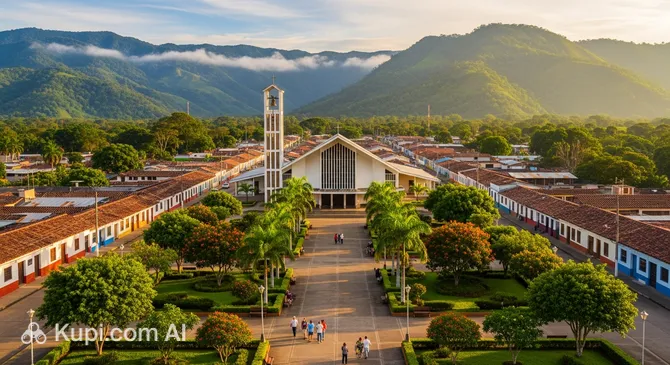
Villagarzon. Source: Kupi.Binoculars

The town is geographically significant due to its location near the Vides and Guineo rivers, creating a haven for eco-tourism enthusiasts. The climate is typically tropical and humid, fostering an incredible diversity of flora and fauna that defines the Amazonian piedmont. As you explore the area, you can delve into the history of Villagarzon, observing how it has evolved from a small settlement into a bustling center of trade and biodiversity.

Nature lovers will find plenty to admire here, particularly the stunning Salto del Indio, a majestic waterfall tucked into the forest that is a favorite spot for swimming and photography. The area is also renowned for its archaeological petroglyphs and opportunities for birdwatching along the riverbanks. Whether you are passing through to explore the wider Putumayo region or looking to immerse yourself in the tranquility of the jungle, Villagarzon invites you to experience its authentic charm and verdant surroundings.

Weather Overview

The climate in this region is characterized by consistent, mild temperatures year-round, making it a comfortable destination for outdoor activities regardless of the season. Visitors can generally expect average temperatures to hover between 18°C and 20°C. The days are typically warm, with maximums reaching up to 24.5°C in October, while nights can feel cooler, dropping to around 14°C to 16°C.

Rainfall is a frequent occurrence in the Amazonian piedmont, contributing to the area's lush greenery. Most months see a high number of wet days, particularly from March to May when rain is almost a daily event. However, there is a slightly drier period around August and September, where the number of wet days decreases significantly. To plan your trip with the best conditions in mind, you can view the detailed forecast for weather in Villagarzon before you pack.

Interesting Facts

Beyond the main attractions, Villagarzon holds many fascinating secrets that reveal its importance in the Putumayo region. From its humble beginnings to its strategic role today, there are several intriguing details that define this municipality.

  • A Name from the Past: Before it appeared on modern maps as Villagarzon, the settlement was originally known as Urcusique. It was established in the mid-20th century as a small hamlet, and its eventual renaming marked its transition from a rural outpost into a structured municipality.

  • The Capital’s Air Gateway: Villagarzon is home to the Cananguchal Airport, which serves as the primary air hub for the departmental capital, Mocoa. This arrangement exists due to a geographical quirk: Mocoa is surrounded by steep mountains that make constructing a safe runway impossible, while Villagarzon sits on a flat plateau perfectly suited for aviation.

  • Chontaduro Hub: The fertile soils of the area make it a significant producer of chontaduro (peach palm fruit). This fruit is not only a dietary staple rich in nutrients but also a cultural icon of the Amazonian piedmont, playing a vital role in the local agricultural economy.

How to Get There

Reaching Villagarzon involves traveling through the scenic landscapes of the Putumayo Department and its surroundings. For a detailed guide on all transport options, routes, and tips, you can read more about how to get to Villagarzon. While the town serves as a local hub, many visitors choose to arrive via larger airports in nearby cities to access a wider range of flights.

The closest regional air terminal is Cano Airport (PSO), located in the city of Pasto, approximately 85.3 km from Villagarzon. This airport handles a significant amount of regional traffic and is a common entry point for travelers. However, due to the challenging mountainous terrain, the road journey from Pasto takes significantly longer than the distance suggests, typically requiring 4 to 5 hours by taxi or bus. Another option for those coming from further afield is Mariscal Sucre International Airport (UIO) in Quito, Ecuador. Although it is located about 231 km away in a different country, it is a major international gateway. The overland trip from Quito involves a border crossing and a long drive, which generally takes over 10 hours.

For clarity, here is a summary of the main airports that can serve as a gateway to the region:

Airport Name City Passenger Traffic Km from City
Mariscal Sucre International Airport Quito Large 231.4
Cano Airport Pasto Medium 85.3
Guillermo Leon Valencia Airport Popayán Medium 157.7
Coca Airport Coca Small 170.0
San Luis Airport Ipiales Small 118.8

Main Attractions

Villagarzon is a treasure trove for nature enthusiasts, offering a variety of eco-tourism destinations that highlight the breathtaking biodiversity of the Amazonian piedmont. The municipality is surrounded by crystal-clear rivers, lush forests, and cascading waterfalls, making it an ideal spot for those seeking adventure and connection with nature.

One of the most famous sites is Salto del Indio, a spectacular double waterfall that plunges into a natural pool of emerald-green water. Located just a short distance from the town center, it is a favorite among locals and visitors alike for swimming and relaxing in a pristine jungle setting. The site is surrounded by dense vegetation, offering a perfect backdrop for photography and a refreshing escape from the tropical heat.

For those looking to explore the region's rivers, Rincón del Vides is a must-visit destination. This community-led tourism project protects a stretch of the Vides River known for its incredibly transparent waters, where you can see the riverbed and fish swimming by. It offers a peaceful atmosphere for bathing, hiking along nature trails, and observing the diverse flora and fauna of the area, all while supporting local conservation efforts.

Another captivating attraction is the Donde se Oculta el Sol nature reserve. This eco-park invites travelers to trek through the rainforest to discover hidden gems like the Mohano and Wakana waterfalls. The reserve is designed to immerse visitors in the magic of the Amazon, offering guided hikes that reveal the richness of the local ecosystem and the spiritual significance of the landscape to indigenous communities.

Adventure seekers should also consider a trip to Cascada La Honda, located near the inspection of Puerto Limón. Situated on the banks of the mighty Caquetá River, this waterfall is not only beautiful but also serves as a starting point for "tubing" activities. Floating down the river on an inner tube provides a thrilling perspective of the Amazonian scenery and is a popular activity for groups and families.

Local Cuisine

The culinary scene in Villagarzon is a delightful reflection of its geographical position, blending the hearty traditions of the Andes with the exotic flavors of the Amazon rainforest. Food here is characterized by fresh, locally sourced ingredients, with a strong emphasis on river fish, plantains, and an abundance of tropical fruits. Visitors will find that the cuisine is honest, filling, and deeply connected to the land, offering a genuine taste of the Putumayo culture.

One of the region's most emblematic dishes is Tacacho, a preparation made from smoked green plantains that are mashed and often mixed with pork cracklings (chicharron) and hogao (a tomato and onion sauce). It is a staple breakfast or dinner item that locals cherish. Given the abundance of rivers like the Putumayo and Caquetá nearby, freshwater fish is also a highlight. You should definitely try the bagre (catfish) or bocachico, which are typically served fried or in a savory stew known as sudado, accompanied by rice, salad, and fried plantains (patacones).

The drink selection in Villagarzon is as vibrant as its landscape, largely due to the variety of exotic fruits available in the Amazonian piedmont. Fresh juices made from arazá, copoazú, and cocona are incredibly refreshing and widely available. For something warm and comforting, look for chucula, a traditional beverage made from boiled plantains mixed with milk and spices. On the alcoholic side, while standard beers are common, you might encounter artisan wines or liqueurs made from local fruits like blackberries or the omnipresent chontaduro.

Dining in Villagarzon is a casual and community-focused affair. The best places to eat are often the small, family-run restaurants and the bustling marketplace, where you can enjoy a "corrientazo" (a set lunch menu) at a very affordable price. Street food is also popular, particularly in the late afternoon. Keep an eye out for vendors selling chontaduro (peach palm fruit) seasoned with honey or salt, a snack that is not only delicious but also considered a nutritional powerhouse by the locals.

Travel Tips

Preparing for a trip to Villagarzon requires a bit of foresight, especially given its unique location where the Andes meet the Amazon. To ensure your adventure into this lush, biodiverse region is as smooth and enjoyable as possible, here is a set of practical tips designed to help you navigate the local environment and culture with ease.

  1. Clothing and Gear: Since Villagarzon lies in a humid tropical zone with frequent rainfall, a lightweight, waterproof rain jacket or poncho is essential. Pack breathable, quick-drying clothing to handle the humidity. For excursions to waterfalls like Salto del Indio, bring sturdy hiking boots that can handle mud and slippery terrain, as well as water shoes or sandals. Don't forget a good insect repellent and a dry bag to protect your electronics from sudden downpours.

  2. Transportation: Within the town, the most common and convenient way to get around is by mototaxi (motorcycle taxi). They are affordable and can navigate the local roads easily. Standard taxis are also available, particularly for trips to and from the Cananguchal Airport. Public buses or colectivos are your best bet for traveling to nearby cities like Mocoa or Puerto Asís; car rental is generally not necessary for exploring the immediate town.

  3. Finances: The local currency is the Colombian Peso (COP). While there are a few ATMs in the town center, they can occasionally run out of cash or experience technical issues. It is highly advisable to carry sufficient cash, preferably in smaller denominations, as many small shops, restaurants, and local transport providers do not accept credit cards.

  4. Health and Safety: Pharmacies are available in the town center for basic needs, but for more serious medical issues, you may need to travel to Mocoa. Given the Amazonian climate, staying hydrated is crucial, but strictly stick to bottled or purified water; do not drink tap water. Ensure your yellow fever vaccination is up to date, as this is often recommended for travel in the Putumayo region.

  5. Communication: The primary language is Spanish, and English is not widely spoken. Learning basic phrases or having a translation app is very helpful. For mobile connectivity, purchasing a local SIM card (providers like Claro or Movistar usually have decent coverage) is recommended, as Wi-Fi may only be available in hotels or main cafes.

  6. Local Etiquette: People in Putumayo are generally warm and polite. It is customary to greet shopkeepers, drivers, and passersby with a friendly "Buenos días" or "Buenas tardes." When visiting natural reserves or indigenous territories, always show profound respect for the environment and ask for permission before taking photos of local residents.

  7. What to Avoid: Avoid wandering into remote jungle areas without a local guide. The terrain can be deceptive, and getting lost is a real risk. Additionally, avoid wearing expensive jewelry or flashing large amounts of cash in public to stay low-profile and safe.

  8. Early Bird Advantage: To get the most out of the nature reserves, start your days early—around 6:00 AM. This is when the weather is generally clearer, and the local birdlife is most active, offering the best opportunities for photography and observation before the midday heat sets in.

By keeping these practicalities in mind, you will be well-equipped to embrace the natural wonders and warm hospitality of Villagarzon. Whether you are trekking through the jungle or enjoying a fresh fruit juice in the town square, a little preparation goes a long way in making your visit truly memorable.

Entertainment & Nightlife

While Villagarzon is widely recognized for its eco-tourism and natural beauty, the town also offers a spirited nightlife scene that reflects the warm and festive culture of the Putumayo region. The entertainment here is not about massive nightclubs or exclusive districts but rather about authentic local "rumba." The atmosphere is typically casual and welcoming, where locals and visitors mingle to the rhythm of crossover music—a lively mix of salsa, merengue, vallenato, and reggaeton that keeps the energy high until the early morning hours.

The nightlife is generally concentrated near the town center and along the main thoroughfares, with some popular spots located in neighborhoods like Barrio Fatima. Venues here range from open-air cantinas where you can enjoy a cold beer and conversation to more enclosed discotheques designed for dancing. Most places open their doors in the late afternoon or early evening, around 6:00 PM, but the real party usually starts after 9:00 PM and can last until 2:00 AM or 3:00 AM on weekends.

For those looking to enjoy a variety of drinks and a vibrant atmosphere, Bar Blue Martini is a well-known establishment. Located in Barrio Fatima, it offers a wide selection of national and imported beers, cocktails, and spirits, making it a great spot to start the night or enjoy a "different experience" as their motto suggests. If you are in the mood for dancing, Bambaata VIP is another local favorite, often praised for its energetic music selection and party vibe. Another option for night owls is Dubai Royes Club, which frequently hosts themed nights and draws a crowd ready to hit the dance floor.

When planning a night out, it is practical to carry cash, specifically in Colombian Pesos (COP), as card payments may not be accepted at smaller venues. Prices are generally very affordable compared to larger cities, with beers and cocktails costing a fraction of what you might pay in Bogotá or Medellín. For transportation, the most common way to get around at night is by mototaxi. It is advisable to arrange your ride in advance or ask the venue staff to call a trusted driver for you, rather than walking alone in dimly lit areas on the outskirts of town.

During the day, entertainment in Villagarzon is more low-key and revolves around community spaces. The Parque Principal, the town's central square, is the heart of social life where you can relax, watch the world go by, or enjoy a local snack from nearby vendors. While the town itself is quiet, it serves as the perfect base for organizing daytime excursions to the surrounding rivers and reserves, balancing the nocturnal fun with daytime adventure.

Parks & Museums

Villagarzon redefines the concept of cultural exhibition, moving away from traditional enclosed buildings to offer open-air experiences where nature and history intertwine. Instead of conventional galleries, the municipality presents its heritage through lush reserves and archaeological sites scattered across the Amazonian piedmont. Exploring these spaces allows visitors to connect directly with the ancestral roots of the Putumayo region while enjoying its vibrant biodiversity.

For a relaxing urban experience, the Parque Principal de Villagarzón serves as the social heart of the town. It is a classic Colombian town square where locals gather to converse and enjoy the evening breeze. Surrounded by small shops and cafes, it offers a glimpse into the daily life of the community. Just beyond the urban perimeter, the Reserva Natural El Escondite provides a more immersive green escape. This protected area covers over 100 hectares of forest and is dedicated to conservation and regeneration. It is an excellent spot for walking through nature trails, observing native flora, and understanding local efforts to preserve the Amazonian ecosystem.

The region's history is best experienced at the Parque Arqueológico del Río Vides, which acts as a fascinating open-air museum. Often visited in conjunction with the river's swimming spots, this area protects ancient petroglyphs carved into large rocks along the riverbanks, known locally as "piedras marcadas" (marked stones). These carvings, believed to be the work of pre-Columbian indigenous groups, depict anthropomorphic figures and symbols that offer a window into the spiritual beliefs of the region's early inhabitants. It is a place where archaeology meets adventure, serving as a natural gallery where the sound of flowing water accompanies the discovery of centuries-old rock art.

Getting Around

Public transport in Villagarzon differs significantly from the complex systems found in large metropolitan areas. Due to its size and location in the Amazonian piedmont, the town does not utilize metros, trams, or large urban bus networks. Instead, the local transportation system is informal, flexible, and heavily reliant on smaller vehicles that are better suited to the local terrain and the short distances within the urban area.

The most popular and ubiquitous mode of transport is the mototaxi. These motorcycle taxis are the heartbeat of daily mobility for residents, offering a quick and economical way to navigate the streets. You will see them everywhere, often identified by drivers wearing vests or congregating at specific corners known as "paraderos." For travel to rural areas or neighboring municipalities like Mocoa, locals use colectivos or "busetas," which are small vans or Jeeps that depart once they are full. These vehicles are essential for reaching tourist spots located on the outskirts, such as the waterfalls or river reserves.

The payment system is entirely cash-based. There are no electronic travel cards, transport apps, or ticket machines in Villagarzon. Fares are generally very affordable and are paid directly to the driver at the end of the journey. For a standard ride within the town limits, the price is usually a fixed low amount, while trips to rural areas or the airport will cost more depending on the distance. It is crucial to carry Colombian Pesos (COP) in small denominations, such as 2,000 or 5,000 bills, as drivers rarely have change for large banknotes.

For tourists, the best practical advice is to always confirm the fare before hopping on a mototaxi or entering a vehicle. While prices are standard for locals, clarifying the cost upfront prevents misunderstandings. If you are traveling with significant luggage or during heavy rain, standard yellow taxis are a better alternative to motorcycles. These can usually be found at the main square or called by your hotel. In terms of operating hours, transport is most readily available from early morning until around 8:00 PM or 9:00 PM; finding a ride late at night can be more difficult and may require a pre-arranged pick-up.

Walking is a viable and pleasant alternative for getting around the town center, as most shops, restaurants, and the main park are within a few blocks of each other. Bicycle rentals are not a standard service in the city, so walking or hailing a mototaxi remains the primary choice. While the system may seem unstructured compared to big cities, it is efficient for the local lifestyle and offers visitors a genuine immersion into the rhythm of daily life in this part of the region.

Accommodation

Finding a place to stay in Villagarzon is a straightforward experience that reflects the town's modest and welcoming character. The accommodation landscape here is primarily composed of small, family-run hotels and guesthouses known as "residencias." These establishments offer clean, comfortable, and basic amenities, catering largely to business travelers and eco-tourists passing through the Putumayo region. You will not find large luxury hotel chains or all-inclusive resorts; instead, the focus is on practical hospitality and personalized service.

For those prioritizing convenience, the town center is the best area to base yourself. Staying here places you within walking distance of the main square, local restaurants, and the transport terminals where you can catch a mototaxi or bus. This area is bustling during the day but generally quiet at night. Alternatively, if you are visiting specifically for the natural attractions, you might look for rural lodgings or "fincas" on the outskirts of town. These options often provide a more serene atmosphere, closer to the rivers and the lush vegetation of the Amazonian piedmont.

Prices in Villagarzon are generally very affordable, fitting well within a budget to mid-range category. Most standard rooms are inexpensive compared to larger Colombian cities. When it comes to booking, it is important to note that many local establishments do not have a strong presence on major international booking platforms. While some may appear online, it is often more effective to book directly via phone or WhatsApp if you can find their contact information, or simply inquire upon arrival. Since credit card machines can be scarce or unreliable, it is highly recommended to have enough cash (COP) on hand to pay for your stay.

Booking Tip: Although Villagarzon is rarely overcrowded, accommodation can fill up during local festivities or peak travel seasons like Holy Week and December. If you plan to visit during these times, try to secure your room in advance. For the rest of the year, finding a room on arrival is usually quite easy.

Nearby Cities

For those looking to explore the surroundings, Villagarzon serves as an excellent base for day trips to several interesting nearby locations:

One of the most accessible and rewarding destinations is Mocoa, located just 14 km to the north. As the capital of the Putumayo Department, it is a hub for eco-tourism, serving as the gateway to the famous Fin del Mundo waterfalls. This stunning natural site involves a hike through the jungle leading to a massive waterfall that drops into the abyss, offering breathtaking views of the Amazonian canopy. Mocoa is also home to the Paway Nature Reserve, where visitors can observe Amazonian butterflies and wildlife in their natural habitat.

Another significant town nearby is Puerto Asis, situated approximately 60 km to the south. Known as the commercial capital of the department, it sits on the banks of the majestic Putumayo River. A visit here offers a different perspective of the region, focusing on the bustling river port atmosphere. Travelers can take boat trips along the river to appreciate the vastness of the Amazon waterways or enjoy the lively local commerce and cuisine that defines this border city.

City Population Distance (km)
Pasto 392,930 77
Puerto Asis 63,067 60
Orito 57,774 49
Mocoa 56,398 14
Valle del Guamuez 54,237 72

These nearby destinations offer a glimpse into the diverse culture and landscapes of the region, ranging from the cool Andean foothills to the deep humidity of the Amazon river basin.

Shopping & Souvenirs

Shopping in Villagarzon is a low-key, local affair centered on daily necessities and regional products rather than high-end fashion or luxury goods. As a gateway to the Amazon, the commercial scene reflects the agricultural and practical nature of the town. Visitors will find that trade is driven by small, independent businesses rather than large international chains, offering a genuine glimpse into the lifestyle of the Putumayo department.

The primary commercial activity is concentrated in the downtown area, specifically the blocks surrounding the Parque Principal. This central district is walkable and lined with a variety of small shops selling clothing, footwear, electronics, and household items. The main streets radiating from the square bustle with activity during the day, serving as the go-to spot for both locals and travelers stocking up on supplies before heading into the jungle.

Travelers should note that Villagarzon does not have large, modern shopping malls or extensive department stores found in Colombia's major cities. Retail here is characterized by small grocery stores, family-run boutiques, and street-side vendors. For a more extensive shopping spree involving branded goods, one would typically need to travel to the nearby capital city of Mocoa or further afield.

The heart of local commerce is undoubtedly the Plaza de Mercado (Marketplace). This is the most vibrant spot in town, where farmers from the surrounding countryside bring their fresh produce. It is an excellent place to discover exotic Amazonian fruits like arazá, copoazú, and the region's famous chontaduro. Besides fruits and vegetables, the market is the best place to buy fresh river fish caught in the nearby Putumayo and Caquetá rivers.

When looking for keepsakes, the best items to buy are those that reflect the indigenous and natural heritage of the region. You may find beautiful handicrafts made by local indigenous communities, such as colorful beaded jewelry (known as chaquira) or woven accessories. Additionally, food-based souvenirs are popular; jars of preserved exotic fruits, artisan honey, or products derived from chontaduro make for unique and tasty gifts to take home.

Stores in Villagarzon typically open early, around 8:00 AM, and close between 6:00 PM and 7:00 PM. It is common for smaller businesses to close for a lunch break between 12:00 PM and 2:00 PM. In terms of payment, cash is the absolute standard. While a few larger supermarkets or drugstores might accept credit cards, the vast majority of shops, market stalls, and artisans only trade in Colombian Pesos (COP). Ensure you have sufficient cash on hand before going shopping.

Tax-free shopping or VAT refund services for tourists are not available in Villagarzon. This system is generally reserved for large recognized international retailers in major Colombian tourist hubs and airports, so visitors should not expect to claim taxes back on purchases made within this municipality.

Reached the end of the page?

That means the route is fully explored