Support

Coca

About

Coca, officially known as Puerto Francisco de Orellana, serves as a vibrant gateway to the vast Amazon rainforest in Ecuador. Located in the Orellana Province at the confluence of the Coca and Napo rivers, this city acts as a vital hub for travelers seeking to explore the deep jungle. With a population of approximately 40,000 residents, it combines the energy of a growing commercial center with the raw beauty of the surrounding wilderness.

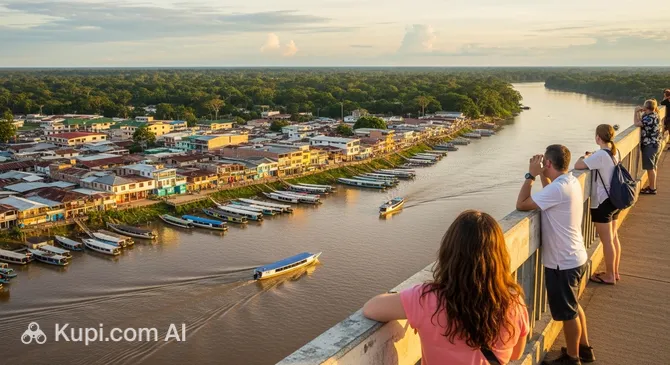
Coca. Source: Kupi.Binoculars

The city is named after the explorer Francisco de Orellana, who is famous for his legendary voyage down the Amazon River. To understand how this settlement evolved from a remote river outpost into a key logistical point for eco-tourism and trade, you can delve into the history of Coca. Today, the local atmosphere is defined by its tropical climate—warm and humid year-round—and the constant activity at the port, where motorized canoes whisk adventurers away to remote lodges and indigenous communities.

As a primary jumping-off point for Amazonian expeditions, Coca offers easy access to some of the most biodiverse regions on the planet. Visitors often use the city as a base to reach the world-renowned Yasuní National Park or the Limoncocha Biological Reserve, where exotic wildlife such as monkeys, toucans, and caimans thrive. Within the city itself, the MACCO (Museo Arqueológico Centro Cultural Orellana) stands out as a cultural highlight, providing fascinating insights into the indigenous heritage of the region.

Whether you are embarking on a river cruise or planning a stay at an eco-lodge, Coca is an essential stop for any nature enthusiast. Its unique blend of urban amenities and immediate proximity to untamed nature makes it the perfect place to begin your Amazon adventure.

Weather Overview

Coca experiences a consistent tropical climate typical of the Amazon basin, characterized by warmth and humidity throughout the year. When planning your trip, expect stable temperatures and regular precipitation, as the region remains lush regardless of the season. For a detailed forecast and monthly breakdowns, you can consult the guide to the weather in Coca.

Temperatures are generally steady, with monthly averages ranging from 24.4°C to 26.2°C. The warmest period typically occurs around September and October, where highs can reach 30.5°C. Rainfall is a defining feature of the local environment; precipitation occurs frequently year-round, with wet days ranging from 20 to 29 days per month. March is often the wettest month in terms of frequency, while August and September offer slightly fewer rainy days.

Interesting Facts

Beyond the main attractions, Coca holds many fascinating secrets that reveal its deep historical roots and unique geographic importance. Here are some intriguing facts about this Amazonian city that you might not know.

  • The Mystery of the Name: While the city is officially named Puerto Francisco de Orellana after the famous Spanish explorer, it is almost universally known as Coca. Historians believe this popular name does not come from the plant, but rather from the indigenous groups that originally inhabited the riverbanks long before European arrival.

  • A City Built on Ancient Urns: Modern Coca sits directly atop the remnants of the Omagua culture, a sophisticated river civilization that thrived between 1200 and 1600 AD. During the construction of city streets and buildings, workers accidentally unearthed hundreds of intricate funerary urns, which are now preserved as a testament to the area's pre-colonial density.

  • An Inland Ocean Port: Despite being located thousands of kilometers from the Atlantic Ocean, the city functions as a significant port. The Napo River is a major tributary navigable all the way to the Amazon River in Brazil, technically connecting this remote jungle hub in Ecuador to the distant Atlantic coast.

  • The Bridge of Contrasts: The city is home to the majestic Napo River Bridge, a modern cable-stayed architectural feat that stands out against the backdrop of the dense rainforest. It is one of the grandest bridges in the Amazon region, symbolizing the intersection of modern development and wild nature.

How to Get There

Reaching this Amazonian gateway is an adventure in itself, with air travel being the quickest and most popular method for tourists. For a complete overview of transportation options, you can read more about how to get to Coca. The city is well-connected to the rest of the country, particularly the capital, making the journey seamless for those eager to explore the rainforest.

The most convenient entry point is Coca Airport (IATA: OCC), also known as Francisco de Orellana Airport. Located just 0.7 km from the city center, this regional hub handles a moderate flow of travelers, primarily connecting the Amazon to the Andes. Upon arrival, the transfer to the downtown area is incredibly quick; a taxi ride takes approximately 5 minutes, making it one of the most accessible airports in the region.

For international arrivals, the primary gateway is Mariscal Sucre International Airport (IATA: UIO), located in the capital city of Quito. This large international airport serves millions of passengers annually and is situated about 156 km from Coca in a straight line. While most travelers choose a short connecting flight to cover this distance, those opting for ground transportation should note that the driving route winds through the mountains for approximately 300 km. A journey by taxi or private transfer typically takes between 5 to 7 hours depending on weather and traffic conditions.

For clarity, here is a summary of the main airports:

Airport Name City Passenger Traffic Km from City
Mariscal Sucre International Airport Quito Large 156.3
Cano Airport Pasto Medium 208.1
Coca Airport Coca Small 0.7
San Luis Airport Ipiales Small 164.7

The city of Coca does not have a railway station, and there are no train services connecting it to other parts of Ecuador. The primary alternative to flying is the road network; frequent buses and private shuttles connect Coca with Quito and other highland cities, offering a scenic but longer route down the eastern slopes of the Andes.

Main Attractions

Museo Arqueológico Centro Cultural Orellana (MACCO) is the cultural jewel of the city and a must-visit for anyone interested in the history of the Amazon. Located right on the banks of the Napo River, this modern facility houses an impressive collection of archaeological artifacts belonging to the Omagua culture, which inhabited the region between 1200 and 1600 AD. Tourists are particularly drawn to the intricate funerary urns and ceramics on display, which provide a rare glimpse into the sophisticated pre-Columbian civilizations that once thrived in the rainforest.

For a relaxing evening and scenic views, the Napo River Malecón is the perfect spot to unwind. This riverfront boardwalk offers a picturesque setting where visitors can watch the motorized canoes navigating the water and enjoy the tropical breeze. It is also the best vantage point to admire the majestic Napo River Bridge, an architectural landmark that connects the city to the wilder territories beyond. The area comes alive at sunset, offering a vibrant atmosphere with local vendors and a chance to observe the daily rhythm of life in this river port.

Although it requires a boat ride from the city's port, Yasuní National Park is the primary reason many travelers find themselves in Coca. As one of the most biologically diverse spots on Earth, this UNESCO Biosphere Reserve is home to an astonishing variety of wildlife, including jaguars, harpy eagles, and countless species of monkeys and amphibians. Tours departing from Coca allow visitors to immerse themselves in the deep jungle, visit indigenous communities, and experience the raw power of nature in its most pristine form.

Another accessible natural wonder is the Limoncocha Biological Reserve, located a short distance down the river. This protected area is centered around the Limoncocha Lagoon and is renowned for its incredible birdwatching opportunities and high concentration of black caimans. Night tours here are particularly thrilling, as guides use flashlights to spot the glowing eyes of caimans in the dark waters, providing an unforgettable adventure for wildlife enthusiasts.

Local Cuisine

Local Cuisine:

The culinary scene in Coca offers a fascinating deep dive into the flavors of the Amazon rainforest, distinct from the highland cuisine of Ecuador. The food culture here revolves around fresh ingredients sourced directly from the rivers and the jungle, with a heavy emphasis on fish, plantains, and cassava. The absolute must-try dish is Maito, a traditional preparation where river fish—typically Tilapia or Bocachico—is seasoned, wrapped in large *bijao* leaves, and roasted over charcoal. This method steams the fish in its own juices while imparting a unique smoky aroma, creating a healthy and delicious meal usually served with boiled yuca and *curtido* (onion and tomato salad).

For the more adventurous traveler, Chontacuro (often called Mayón) represents the ultimate jungle delicacy. These are the large, edible larvae of the palm weevil, harvested from fallen palm trees. While they can be eaten raw, they are most popular when grilled on skewers until crispy on the outside and creamy on the inside. Locals prize them not only for their bacon-like flavor but also for their high nutritional value and reputed respiratory health benefits.

To accompany your meal, you will find unique local beverages that have sustained indigenous communities for centuries. Guayusa is a staple energy drink made from the leaves of a native Amazonian holly tree; it is rich in caffeine and antioxidants, providing a smooth boost without the jitters. Another cultural icon is Chicha de Yuca, a fermented drink made from mashed cassava. While traditional preparation varies, it is a refreshing, tangy beverage that serves as a symbol of hospitality throughout the region.

Dining in Coca is often an informal and social affair, best experienced at the open-air eateries along the riverfront or near the port. In the evenings, the air fills with the scent of grilling plantains and fish as locals gather to eat. Whether you sit at a simple street stall or a restaurant overlooking the Napo River, the connection between the plate and the surrounding rainforest is palpable, offering an authentic taste of life in the Amazon.

Travel Tips

Preparing for a trip to Coca means getting ready for the humidity, heat, and adventure of the Amazon basin. To help you navigate this bustling river port and gateway to the rainforest with ease, here are some essential practical tips for your journey.

  1. Clothing and Gear: The climate here is tropical and humid year-round, so pack lightweight, breathable fabrics that dry quickly. Long sleeves and pants are highly recommended to protect against sun and insects, even if it feels hot. Don't forget a sturdy rain poncho and a pair of comfortable, waterproof shoes or sandals for the city streets; if you are heading deep into the jungle, rubber boots are often essential (many lodges provide them). A universal travel adapter is useful, though Ecuador uses the same Type A and B plugs as the US.
  2. Transportation: Getting around Coca is straightforward and affordable. The most common way to move within the city is by yellow taxis or tricimotos (motorized rickshaws), which are perfect for short distances and offer a breezy ride. Public buses exist but are less convenient for tourists carrying luggage. Ride-hailing apps are generally not reliable here, so it is best to flag down a taxi or have your hotel call one for you.
  3. Finances: Ecuador uses the US Dollar as its official currency. While credit cards are accepted at major hotels and some larger restaurants, cash is absolute king in Coca. Ensure you carry small bills ($1, $5, $10, and $20), as many local shops and taxi drivers will not have change for $50 or $100 notes. ATMs are available in the city center, but it is wise to withdraw cash before heading to remote lodges where card machines are non-existent.
  4. Health and Safety: Pharmacies are widely available in the downtown area, but for specific prescription medications, bring your own supply. It is crucial to drink only bottled or purified water to avoid stomach issues. regarding safety, Coca is generally welcoming, but like any transit hub, you should keep an eye on your belongings in crowded areas like the market or port. Stick to well-lit areas at night and ask your accommodation for advice on safe zones.
  5. Communication: Spanish is the primary language, and while guides at tourist lodges often speak excellent English, it is less common among taxi drivers and shopkeepers in town. Learning a few basic phrases like "¿Cuánto cuesta?" (How much is it?) or "Por favor" (Please) goes a long way. Buying a local SIM card (Claro usually offers the best coverage in this region) is recommended for staying connected, as Wi-Fi can be spotty outside of main hotels.
  6. Local Etiquette: People in the Amazon region are generally warm and hospitable. A simple greeting of "Buenos días" or "Buenas tardes" when entering a shop or boarding a boat is considered polite and helps establish a friendly rapport. If you plan to take photos of locals, especially members of indigenous communities, always ask for permission first as a sign of respect.
  7. What to Avoid: Never attempt to touch or feed wildlife you might encounter, even near the city outskirts; this can be dangerous for both you and the animal. Additionally, avoid booking jungle tours with unlicensed operators on the street; always choose reputable agencies or book through your lodge to ensure safety and environmental responsibility.
  8. Market Mornings: For an authentic glimpse of local life, visit the local market early in the morning. This is when the catch from the river arrives and the stalls are piled high with exotic Amazonian fruits like arazá and borojó. It’s a great place to grab a fresh, inexpensive breakfast and see the city wake up.

By keeping these tips in mind, you will be well-equipped to enjoy the unique rhythm of Coca. Embrace the tropical atmosphere, stay hydrated, and get ready for an unforgettable experience in the heart of the Ecuadorian Amazon.

Entertainment & Nightlife

While Coca is primarily known as a jumping-off point for jungle expeditions, the city surprises many visitors with its energetic and authentic nightlife. After the sun sets over the Napo River, the humidity lingers, and the streets come alive with music, particularly on weekends. The nightlife scene here is unpretentious and heavily influenced by local culture, where socializing often revolves around open-air terraces, cold drinks, and the incredibly popular pastime of karaoke.

The heart of the evening action is undoubtedly the Malecón, the riverfront boardwalk that stretches along the Napo. This area is perfect for starting your night with a relaxing stroll to enjoy the cooling river breeze. Here, you will find a variety of small bars and restobars where you can grab a beer or a cocktail while watching the lights reflect off the water. As the night progresses, the energy shifts from the riverfront to the city center, where louder clubs and discos attract a mix of locals, oil workers, and passing tourists.

For those looking to experience the local party vibe, La Farra Orellana is a well-known spot that combines a bar atmosphere with a dance floor and the inevitable karaoke stage. It is a great place to mingle with residents and witness the enthusiastic singing culture of the region. Another popular venue is Papa Dan’s, located right on the Malecón. It offers a more laid-back environment with excellent views of the river, making it an ideal choice for travelers who want to enjoy good music and conversation without the intense volume of a nightclub. If you are staying near the Hotel La Misión, you might also check out El Bunker, a disco known for keeping the party going late into the night.

The atmosphere in Coca is distinctly tropical and casual. There is no strict dress code; jeans and t-shirts are the norm, and the vibe is welcoming. Friday and Saturday nights are the busiest, with venues staying open until around 2:00 or 3:00 AM. Prices are generally very affordable compared to larger cities like Quito, with beers often costing just a few dollars.

Regarding safety and logistics, it is best to use yellow taxis to get around at night, even for short distances. Taxis are plentiful, safe, and inexpensive, with most rides within the city costing between $1.50 and $2.00. While the Malecón is generally safe for walking in the early evening, it is advisable to avoid wandering into poorly lit side streets late at night. Always keep an eye on your belongings in crowded bars.

Before the sun goes down, Coca offers several daytime entertainment options to fill your schedule. The Coca Zoo is a favorite for families and animal lovers, serving as a rescue center for Amazonian wildlife that cannot be released back into the wild. For a mix of nature and culture closer to town, the Yasuniland park provides trails and canopy towers that offer a gentle introduction to the rainforest environment without leaving the city limits.

Parks & Museums

While Coca is primarily recognized as a launchpad for deep Amazonian adventures, the city itself offers a selection of green spaces and cultural venues that provide a deeper understanding of life in the Orellana Province. Visitors who spend a day or two here before heading downriver will find that the local parks and the premier museum offer a fascinating introduction to the region's biodiversity and indigenous heritage.

Central Park (Parque Central) serves as the beating heart of the city's social life. Located near the municipal buildings, this plaza is a lush, landscaped area filled with tropical plants and shaded seating, offering a welcome respite from the equatorial sun. It features a prominent monument to Francisco de Orellana, the city's namesake. For tourists, it is an excellent spot to observe local daily life, enjoy a refreshing ice cream from a nearby vendor, and soak in the laid-back atmosphere of this river port town.

For a closer look at Amazonian wildlife without leaving the city limits, the Coca Zoo (Zoológico Municipal) is a significant destination. Functioning largely as a rescue and rehabilitation center, the zoo houses animals that have been saved from illegal trafficking or found injured. Visitors can see iconic species such as tapirs, monkeys, tortoises, and colorful macaws. It provides an educational experience regarding the threats facing the rainforest and offers a chance to see these animals up close in a protected environment.

Another notable green area is Yasuniland, a recreational park designed to blend tourism with nature conservation. It features walking trails that wind through secondary forest, allowing for birdwatching and short hikes. The park also includes a canopy tower, which gives visitors a bird’s-eye view of the surrounding vegetation and the city outskirts. It is a popular spot for families and those looking for a gentle introduction to the jungle environment before embarking on more rigorous expeditions.

In terms of culture, the Museo Arqueológico Centro Cultural Orellana (MACCO) is the undisputed highlight of the city. This striking modern building on the riverfront is not just a museum but a comprehensive cultural center. Its permanent archaeological exhibition showcases the rich history of the Omagua people, the "People of the River," who inhabited the area centuries ago. The collection includes beautifully preserved funerary urns, ceramics, and tools that challenge the notion that the Amazon was sparsely populated in ancient times. The museum also hosts temporary art galleries, a library, and an auditorium, making it the focal point of Coca's artistic activity.

While dedicated museums are few, the Cathedral of Our Lady of Mount Carmel (Catedral de Nuestra Señora del Carmen) stands as a significant architectural and cultural landmark. Its design is uniquely adapted to the tropical climate, featuring an open-air structure with a soaring, angular roof that allows for natural ventilation. The cathedral is not only a place of worship but also a symbol of the mission history in the region. Its stained glass and open design create a serene atmosphere that reflects the spiritual connection between the people and the surrounding nature.

For a truly authentic experience, take a walk across the Napo River Bridge on the pedestrian lane just before sunset. While not a park, this vantage point offers one of the most spectacular panoramic views of the river and the jungle canopy stretching endlessly to the horizon. It is a quiet, less-visited spot where you can watch the transition from day to night and see the river traffic slow down, offering a moment of reflection on the vastness of the Amazon.

Getting Around

Navigating Coca is remarkably straightforward, as the city's public transport system is designed for a compact urban environment rather than a sprawling metropolis. Unlike larger capitals, there are no metro systems, trams, or trains here. Instead, the local transportation network relies primarily on a mix of road vehicles and, uniquely, river vessels that serve as the lifeline for the region. For most visitors, moving around the city is a seamless experience that requires little planning.

The most popular and iconic form of transport for short distances is the tricimoto, a motorized rickshaw or tuk-tuk. These three-wheeled vehicles are nimble, open-air, and perfect for navigating the warm tropical climate. They are abundant throughout the city center and offer a cheap, breezy way to get from your hotel to the market or the riverfront. For longer distances, or if you are traveling with luggage or during a rain shower, official yellow taxis are the standard choice. They are plentiful, safe, and provide air-conditioned comfort, making them the preferred option for trips to and from the airport.

Urban buses do operate within the city limits, connecting the downtown area with outlying neighborhoods. These buses are easily recognizable, often painted in blue or green, and are the most economical way to travel. However, they can be slower due to frequent stops and are less commonly used by tourists compared to the convenience of taxis and tricimotos. The bus routes generally converge around the central market areas and the main avenues, but specific schedules can be somewhat flexible.

A distinctive feature of the local transport system is the "water taxi" or river transport network. Since the city sits at the confluence of major rivers, the port functions much like a bus terminal. From the main dock, motorized canoes and speedboats (known locally as lanchas) operate scheduled services to downstream communities and jungle lodges. For many locals living along the riverbanks, these boats are their only form of public commuting. Tourists can use them to reach specific attractions or cross the river, offering a scenic and essential Amazonian travel experience.

Regarding payment, cash is the absolute rule for all forms of public transport in the city. There are no travel cards, digital passes, or mobile apps for ticketing. You simply pay the driver or the conductor directly upon boarding or when you reach your destination. Fares are very affordable; a bus ride typically costs a fraction of a dollar, while tricimoto rides within the town center usually cost between $0.50 and $1.00. Taxi rides within the city limits generally range from $1.50 to $2.00, though trips to the airport or further outskirts will cost slightly more.

Practical advice for tourists involves carrying small change at all times. Drivers of tricimotos and buses rarely have change for bills larger than $5 or $10. While taxis are generally required to use meters, it is common practice in this region to agree on a fare before getting into the vehicle, especially for tricimotos where meters do not exist. If you are unsure of the standard rate, ask your hotel receptionist for the approximate price to your destination before you leave.

Ride-sharing apps like Uber or Cabify are generally not available or reliable in this area, so you should rely on flagging down vehicles or calling a local radio taxi dispatch. Transport services operate from early morning until late at night, but availability drops significantly after midnight. If you plan to be out late, it is wise to arrange a pickup in advance or have a restaurant call a trusted driver for you.

Accommodation

Accommodation in Coca generally falls into two distinct categories: urban hotels located within the city limits and eco-lodges situated deep in the surrounding rainforest. Since the city serves primarily as a logistical hub for the oil industry and tourism, the in-town lodging options are functional and varied, ranging from simple backpacker hostels to comfortable mid-range hotels suitable for business travelers and families.

For those choosing to stay in the city, the most popular and convenient area is near the Napo River Malecón. Staying here places you within walking distance of the best riverside restaurants, the refreshing breeze, and the main boat docks. This area offers a more scenic and relaxed atmosphere compared to the bustling commercial center, which can be noisy with traffic. While you will not find ultra-luxury international chains in the town center, there are several locally run establishments that offer excellent hospitality, air conditioning, and modern amenities.

Among the most well-known establishments is Hotel La Misión, which is widely considered the premier choice in the city. Located right on the riverbank, it acts as a local landmark featuring a swimming pool and extensive grounds, frequently hosting tour groups and business professionals. Other reliable options often found in the city center include Gran Hotel de Coca and Hotel El Auca, which provide standard comforts like Wi-Fi and private bathrooms, catering to travelers who need a restful night before or after a jungle expedition.

It is important to note that for many tourists, the "accommodation" is actually a jungle lodge located one to three hours away by boat. These eco-lodges are typically all-inclusive resorts nestled in the primary forest, such as those near Yasuní National Park or Limoncocha. They offer a completely different experience, ranging from rustic thatched-roof cabins to high-end luxury suites where gourmet food, guided tours, and equipment are all included in the package.

Regarding prices and booking, the difference between city hotels and jungle lodges is significant. City stays are generally affordable, with budget rooms starting around $15 to $25 per night and higher-end local hotels ranging from $60 to $120. These can often be booked via major online platforms or directly upon arrival, though reserving in advance is safer. In contrast, jungle lodges operate on multi-day packages that can cost hundreds of dollars per person. A crucial tip is to book these lodges weeks or months in advance, as their rates include boat transport from Coca, meals, and guides, requiring strict coordination with your flight schedule.

Nearby Cities

For those looking to explore the surroundings, Coca serves as an excellent base for day trips to several interesting nearby locations:

Travelers interested in continuing their Amazonian journey might consider a visit to Pastaza. Often associated with the city of Puyo, this region is renowned for its biodiversity and is a gateway to the famous "Route of the Waterfalls." It offers a perfect blend of culture and nature, featuring botanical gardens and opportunities to learn about indigenous traditions in a setting that complements the experience in Coca.

For a dramatic change of scenery, a trip towards the highlands leads to Latacunga. Situated in the Andean valley, this city is famous for its proximity to the majestic Cotopaxi Volcano. It serves as a strategic point for mountaineers and those wishing to explore the "Avenue of the Volcanoes," offering cool mountain air and colonial architecture that contrasts sharply with the tropical humidity of the Amazon basin.

Although it requires a longer journey up the mountains, the capital city of Quito is the primary cultural and transport hub connected to Coca. Known for having one of the best-preserved historic centers in the Americas, it offers visitors a chance to explore stunning colonial churches, vibrant plazas, and high-altitude viewpoints before or after their jungle adventures.

City Population Distance (km)
Quito 2,011,388 171
Ibarra 131,856 155
Sangolqui 75,080 163
Latacunga 63,842 188
Pastaza 60,000 160

These nearby destinations offer a glimpse into the diverse culture and landscapes of the region.

Shopping & Souvenirs

Shopping in Coca serves primarily practical needs and offers a delightful window into the local culture, rather than focusing on high-end fashion or luxury brands. As a logistical hub for the Amazon, the city is an excellent place to stock up on essential supplies, outdoor gear, and insect repellent before heading into the deep jungle. For tourists, the real treasure lies in the artisanal goods and indigenous crafts that reflect the rich heritage of the Amazonian communities living in the surrounding Orellana Province.

The commercial heartbeat of the city is centered around Avenida 9 de Octubre. This bustling main street is lined with a variety of small shops, pharmacies, hardware stores, and clothing boutiques. It is the best place to find general items, from hiking boots to batteries, and to experience the daily hustle of local life. Walking along this avenue and the adjacent streets, you will find almost everything a traveler might need for a comfortable stay in the rainforest.

Travelers expecting large, western-style shopping complexes should adjust their expectations, as Coca does not feature massive shopping malls. Instead, the retail scene is dominated by small commercial galleries and independent storefronts. There are a few modest shopping centers, such as the Centro Comercial Coca, which house a collection of smaller vendors selling electronics, clothing, and accessories, but the experience is far more intimate and local than the grand malls found in Quito or Guayaquil.

For a truly authentic experience, the Mercado Municipal (Municipal Market) is a must-visit destination. This is where the region's agricultural bounty comes to life. Under its roof, you can wander past stalls overflowing with exotic Amazonian fruits like arazá, borojó, and chonta. It is also a prime spot to see the fresh catch from the Napo River. While primarily a food market, it often features vendors selling local crafts and serves as a vibrant meeting point for residents.

When searching for souvenirs, the best items to bring back are those that support local indigenous communities. Look for intricate seed jewelry made from red and black huayruro seeds, which are believed to bring good luck. Balsa wood carvings depicting Amazonian animals like toucans and turtles are also popular and lightweight for packing. Additionally, bags of locally grown coffee or dried guayusa leaves—a native plant used to make an energizing tea—make for unique and consumable gifts that capture the flavor of the Amazon.

Most shops in Coca operate from approximately 9:00 AM to 7:00 PM Monday through Saturday, with many closing for a lunch break around midday. On Sundays, activity slows down significantly, and many stores may be closed or have reduced hours. Regarding payment, cash is king in Coca. While some larger hotels and supermarkets may accept credit cards, the vast majority of small shops, market stalls, and artisan vendors deal exclusively in US dollars. It is highly advisable to carry small bills ($1, $5, $10, and $20), as change for larger denominations can be difficult to find.

Tax-free shopping or VAT refunds are generally not a standard feature for tourists in small Amazonian cities like Coca. The prices displayed usually include the Value Added Tax (IVA), and the administrative infrastructure to process tax refunds for visitors is typically found only at major international airports or large authorized stores in the country's capital. Therefore, visitors should plan their budget assuming the listed price is the final cost.
Reached the end of the page?

That means the route is fully explored