Support

Nueva Loja

About

Welcome to **Nueva Loja**, also widely known as Lago Agrio, a bustling city that serves as the commercial and administrative heart of the Sucumbíos province. Located in the northeastern region of Ecuador, this city is often the first stop for adventurers heading into the depths of the Amazon rainforest. With a population of approximately 50,000 residents, it offers a lively atmosphere where urban energy meets the edge of the jungle.
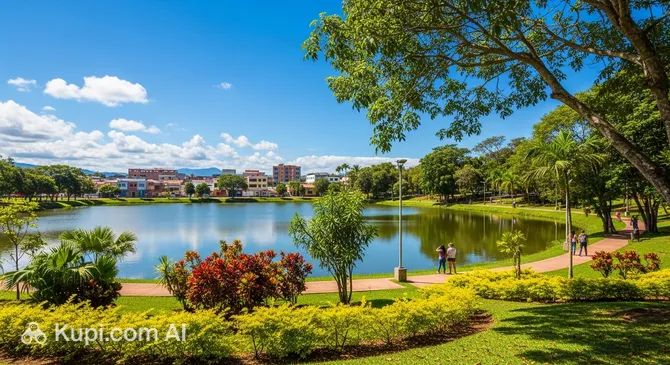
Nueva Loja. Source: Kupi.Binoculars

The city sits in a tropical climate zone, characterized by warm temperatures and high humidity throughout the year, which is typical for the Amazon basin. Although it was established relatively recently, the history of Nueva Loja has seen it transform into a crucial hub for travelers seeking to explore the incredible biodiversity of the region. Its strategic location makes it a vital connection point between the Andes and the Amazonian lowlands.

For nature enthusiasts, Nueva Loja is the primary gateway to the spectacular **Cuyabeno Wildlife Reserve**, one of the most biodiverse places on Earth featuring flooded forests and unique wildlife. Within the city itself, visitors can explore the Parque Turístico Nueva Loja, an expansive ecological park that offers a glimpse of the local flora and fauna without leaving the urban area. The city also features vibrant markets where you can experience the local culture and taste exotic fruits.

Whether you are passing through on your way to a remote jungle lodge or stopping to experience the local life, Nueva Loja provides a unique window into the Amazonian region. It is an inviting destination for anyone looking to begin their journey into the natural wonders of the rainforest.

Weather Overview

Travelers to Nueva Loja should prepare for a consistent tropical climate that remains warm and humid throughout the year. The city typically experiences average temperatures ranging from approximately 24.0°C to 26.1°C, ensuring a balmy atmosphere regardless of the season. Daytime highs often reach up to 30.6°C, particularly around September, while nights offer a mild cool-down with minimum temperatures hovering near 21°C.

Rainfall is a constant companion in this region, contributing to the lush greenery of the surrounding Amazon. Expect warm days with frequent showers, as wet days occur between 20 and 28 times per month. March is generally the month with the highest frequency of rain, while January, August, and September see slightly fewer rainy days. For a more detailed breakdown of the weather in Nueva Loja, checking the specific forecast for your travel dates is recommended.

Given the high probability of rain even during the drier periods, packing lightweight, breathable clothing and reliable waterproof gear is essential. This ensures you can comfortably explore the city and its natural surroundings without being hindered by the tropical showers.

Interesting Facts

Beyond the main attractions and its reputation as an industrial hub, Nueva Loja holds many fascinating secrets regarding its origins and daily life. Here are a few unique facts that define the character of this Amazonian city:

  • The Texan Connection: The city is widely known by its nickname, Lago Agrio, which translates to "Sour Lake." This name was given by American oil workers in the 1960s who named the base camp after their hometown of Sour Lake, Texas. The official name, Nueva Loja, was chosen by settlers who arrived from the Loja province in southern Ecuador.

  • A City Born from Industry: Unlike many other cities in the region that evolved from ancient indigenous settlements or colonial outposts, Nueva Loja is a relatively young city. It was established specifically to support the oil boom in the 1970s, transforming rapidly from a remote camp into the bustling provincial capital it is today.

  • Jungle in the Concrete: The Parque Turístico Nueva Loja is not your average city park. Spanning 30 hectares within the urban area, it serves as a sanctuary for rescued Amazonian wildlife. It is one of the few places where you can observe species like tapirs, monkeys, and boas in a natural setting without leaving the city limits.

  • Indigenous Heritage: Before the modern city existed, the region was the ancestral territory of the Cofán indigenous people. Despite the rapid urbanization, the Cofán culture remains a vital part of the region's identity, with communities living in the surrounding rainforests protecting their traditions.

How to Get There

Reaching Nueva Loja, the gateway to the Ecuadorian Amazon, involves a journey through some of the country's most diverse landscapes. While the city is a major hub for the region, international travelers typically arrive via larger transport centers before connecting by road. For a detailed breakdown of all available routes and transport modes, you can check our guide on how to get to Nueva Loja.

Since the airports listed below are located in other cities, your journey will likely involve a combination of air and ground travel. The most significant gateway for international visitors is Mariscal Sucre International Airport (UIO), located in the capital city of Quito. It is approximately 164 km away from Nueva Loja. From Quito, the overland trip involves a scenic descent from the Andes into the Amazon basin; a taxi or private transfer usually takes around 4.5 hours, though bus journeys may take longer due to the mountainous terrain. This airport handles a large volume of passengers annually, making it the primary entry point for most tourists.

Another option closer to the Amazon region is Coca Airport (OCC), situated in the city of Coca (Francisco de Orellana). This airport is about 61.5 km from Nueva Loja. It is a smaller regional hub, but its proximity makes it a convenient alternative for those already within Ecuador or looking to minimize travel time on mountain roads. The drive from Coca to Nueva Loja typically takes just under 2 hours by taxi or bus.

For clarity, here is a summary of the main airports in the vicinity:

Airport Name City Passenger Traffic Km from City
Mariscal Sucre International Airport Quito Large 164.2
Cano Airport Pasto Medium 151.6
Guillermo Leon Valencia Airport Popayán Medium 263.9
Coca Airport Coca Small 61.5
San Luis Airport Ipiales Small 122.0

Main Attractions

While many travelers view the city primarily as a gateway to the deep Amazon, Nueva Loja boasts several worthwhile attractions within and around its urban limits. These sites offer visitors a chance to experience the region's incredible biodiversity and local culture before venturing further into the rainforest.

Parque Turístico Nueva Loja is undoubtedly the city's ecological crown jewel. Spanning approximately 30 hectares, this sprawling park acts as a sanctuary and rescue center for Amazonian wildlife. It allows visitors to observe animals such as tapirs, monkeys, boas, and colorful macaws in a protected, semi-natural environment. The park features well-marked trails and an interpretation center, making it an excellent educational stop for families and nature enthusiasts who want to learn about the local fauna without leaving the city.

For a relaxing afternoon, Laguna Julio Marín offers a peaceful urban oasis right in the heart of the city. This recreational park is centered around a picturesque lagoon where visitors can rent paddle boats to glide across the calm waters. Surrounding the lake are paved walking paths shaded by lush trees, providing a perfect setting for a morning jog or a leisurely stroll. It is a favorite spot for locals to unwind, offering a glimpse into the community's daily life amidst a natural backdrop.

Just a short distance from the city center lies Parque Perla, a destination that offers a more immersive adventure. This park is renowned for its impressive canopy walkway and a high observation tower that rewards climbers with panoramic views of the surrounding forest and wetlands. Visitors can engage in various activities here, including canoeing on the lagoon and hiking through nature trails teeming with birds and insects. It serves as a fantastic introduction to the Amazonian ecosystem.

In the town center, the Catedral de Nuestra Señora del Cisne stands as a significant architectural and cultural landmark. With its distinctive modern design, the cathedral is the spiritual heart of Nueva Loja. The plaza in front of the church is a bustling gathering place, ideal for travelers who wish to observe the local culture and the vibrant atmosphere of this busy commercial hub.

Local Cuisine

The culinary scene in **Nueva Loja** offers a vibrant introduction to the flavors of the Ecuadorian Amazon. As the gateway to the rainforest, the city's gastronomy is heavily defined by fresh, locally sourced ingredients, including river fish, exotic fruits, and staples like plantains and yuca (cassava). The food here is not just sustenance; it is a reflection of the indigenous heritage blended with the traditions of settlers from other parts of Ecuador.

One of the most iconic dishes you must try is the Maito. This traditional preparation involves wrapping fresh river fish, such as tilapia or cachama, in large bijao leaves and grilling it over an open fire. The leaves seal in the moisture and impart a subtle, smoky herbal flavor to the fish, which is typically served with boiled yuca and curtido (a tangy onion and tomato salad). Another local favorite, though perhaps for the more adventurous eater, is Chontacuro. These are palm weevil larvae, rich in protein, which can be eaten raw but are most commonly served grilled on skewers until crispy.

When it comes to beverages, the region is famous for Guayusa, a tea made from the leaves of a native holly tree. Known for its energizing properties, it is often consumed early in the morning to start the day. For something refreshing to combat the tropical heat, look for juices made from exotic Amazonian fruits like arazá, cocona, and borojó. You might also encounter Chicha de Yuca, a traditional fermented drink made from chewed or mashed cassava that holds significant cultural value among indigenous communities.

The food culture in Nueva Loja is best experienced in its bustling markets and open-air eateries known as "huecas." The central market areas are hives of activity where locals gather to buy fresh produce and enjoy affordable, hearty meals. In the evenings, the streets often come alive with vendors selling grilled skewers (pinchos) and roasted corn/plantains. Dining here is generally casual and unpretentious, focusing on the freshness of the ingredients and the warmth of the hospitality rather than formal presentation.

Travel Tips

Planning a trip to Nueva Loja requires some specific preparation to ensure you can fully enjoy the gateway to the Ecuadorian Amazon without any hassles. These practical tips will help you pack the right gear, navigate the city safely, and connect respectfully with the local culture.

  1. Clothing and Gear: Since the climate is tropical and humid year-round, pack lightweight, breathable fabrics that dry quickly. Long-sleeved shirts and long trousers are highly recommended to protect against sun and insect bites. A high-quality rain poncho or waterproof jacket is essential, as sudden downpours are common. Comfortable, waterproof walking shoes or rubber boots are best for exploring parks and muddy trails. Don't forget a universal power adapter (Type A or B) if your devices don't fit US-style sockets.

  2. Transportation: The most convenient way to get around Nueva Loja is by using official yellow taxis. They are plentiful, affordable, and generally safe; however, it is always a good idea to confirm the fare before starting your journey if the meter is not used. While there are local buses, they can be crowded and confusing for first-time visitors. Ride-hailing apps are not widely used here compared to larger cities like Quito, so relying on flagged taxis or hotel transfers is your best bet.

  3. Finances: Ecuador uses the United States Dollar (USD) as its official currency. While larger hotels and supermarkets in Nueva Loja accept credit cards, cash is king for smaller shops, taxis, and local markets. It is crucial to carry small bills ($1, $5, $10, and $20), as many vendors cannot make change for $50 or $100 notes. ATMs are available in the city center, but it is wise to withdraw money during daylight hours.

  4. Health and Safety: As this is a tropical region, insect repellent containing DEET is mandatory to prevent bites. Drink only bottled or purified water to avoid stomach issues; never drink from the tap. Pharmacies (farmacias) are common in the city center, and some operate 24/7 for emergencies. regarding safety, stick to well-lit, populated areas, especially at night, and keep an eye on your belongings in busy market areas.

  5. Communication: Spanish is the primary language spoken in Nueva Loja. English is not widely spoken outside of major tourist agencies or high-end hotels, so learning a few basic phrases like "Buenos días" (Good morning) and "¿Cuánto cuesta?" (How much?) will be very helpful. Buying a local SIM card (Claro or Movistar) is recommended for connectivity, as Wi-Fi can be intermittent in some areas.

  6. Local Etiquette: Ecuadorians are generally polite and value formal greetings. A handshake and a friendly "Buenas" are appropriate when entering a shop or meeting someone. If you plan to take photos of locals, especially members of indigenous communities who may be in the city for market days, always ask for permission first out of respect.

  7. What to Avoid: Avoid swimming in local rivers unless a guide confirms it is safe, as currents can be strong and wildlife unpredictable. Additionally, do not wear expensive jewelry or flash large amounts of cash in public, as this can attract unwanted attention in busy commercial zones.

  8. Additional Tip: Wake up early to experience the city at its most vibrant. The local markets are bustling in the morning hours, offering the freshest exotic fruits like chontaduro and guaba. This is also the best time for birdwatching in nearby spots like Parque Turístico Nueva Loja before the midday heat sets in.

By keeping these practical tips in mind, you will be well-equipped to handle the tropical environment and vibrant pace of Nueva Loja. Embrace the adventure, stay hydrated, and enjoy your journey into the heart of the Amazon region.

Entertainment & Nightlife

As a bustling commercial hub and the capital of the Sucumbíos province, Nueva Loja (Lago Agrio) offers a surprisingly energetic nightlife scene. Unlike the quiet Amazonian lodges deep in the rainforest, the city itself stays awake well into the night, fueled by a mix of locals, oil industry workers, and travelers passing through. The atmosphere is distinctly Latin, characterized by loud music, cold drinks, and a casual, unpretentious vibe where the primary goal is to unwind and socialize.

The heart of the action is undoubtedly found along the main thoroughfares, particularly on Avenida Quito and the surrounding streets often referred to as the city's Zona Rosa. This district comes alive after sunset, with neon lights guiding visitors to various entertainment venues. Here, you can find everything from open-air bars playing vallenato and cumbia to enclosed nightclubs pumping out the latest reggaeton and electronic hits. The crowds are generally friendly, and the dress code is relaxed—jeans and a nice shirt are perfectly acceptable for almost any venue in town.

For those looking to enjoy a drink in a vibrant setting, Nativa Lago Agrio is a popular choice. It is well-regarded for its cocktail menu and inviting atmosphere, making it a great spot to start the evening or enjoy a conversation before the music gets too loud. If you are in the mood for dancing until the early hours, Zona Elíptica Discotec is one of the local favorites, known for its energetic parties and spacious dance floor. These venues capture the essence of the city's nightlife, offering a mix of tropical rhythms and modern beats.

When planning a night out, keep in mind that the party starts relatively late, with most clubs filling up after 10:00 PM. Prices are generally affordable compared to larger cities, with beer and basic cocktails being quite budget-friendly. However, it is essential to carry cash, specifically smaller denominations of US dollars, as many smaller bars and late-night vendors may not accept credit cards.

Safety is an important consideration when exploring Nueva Loja at night. While the main entertainment districts are busy, it is advisable to avoid walking alone on poorly lit side streets. The best way to get around is by using official yellow taxis, which are plentiful and cheap. You can easily hail one on the main avenues or ask your hotel or the venue security to call one for you. This ensures a safe return to your accommodation after a night of fun.

Before the sun goes down, Nueva Loja offers different forms of entertainment. The Parque Turístico Nueva Loja is a fantastic place to spend the day, offering nature trails and wildlife viewing right within the city limits. For a taste of local culture, the central markets provide a sensory experience with their array of exotic fruits and local dishes, acting as a lively prelude to the city's evening energy.

Parks & Museums

While Nueva Loja is primarily known as a commercial hub and a jumping-off point for the Amazon, the city itself preserves important pockets of biodiversity and cultural heritage. Visitors can explore lush green spaces that serve as wildlife sanctuaries and discover venues dedicated to the region's rich indigenous history and archaeological past.

Parque Turístico Nueva Loja is the city's most significant ecological treasure. Spanning over 30 hectares, this park functions not only as a recreational space but as a vital rescue center for Amazonian fauna. Beyond its wildlife trails, the park houses "Malocas," traditional communal structures that serve as cultural interpretation centers. Here, visitors can interact with representatives from local indigenous nationalities, such as the Kichwa and Shuar, viewing their crafts and learning about their ancestral traditions in a living gallery format.

Another major natural attraction is Parque Perla, located just minutes from the city center. This extensive reserve covers around 110 hectares of primary rainforest, offering a more immersive jungle experience. It is renowned for its adventure facilities, including a high canopy walkway and an observation tower that provides sweeping views of the forest canopy. It is an ideal spot for birdwatching, canoeing, and seeing the rainforest ecosystem up close without traveling deep into the reserve.

For a glimpse into the region's history, the Centro de Interpretación Cultural, managed by the Casa de la Cultura Ecuatoriana Núcleo de Sucumbíos, is the city's premier museum facility. Located in the Julio Marín neighborhood, this museum offers a fascinating journey through time. Its archaeological section displays ancient ceramics and fossils, including the jaw of a mastodon found in the region, proving the area's prehistoric significance. The ethnographic exhibits feature life-size sculptures and artifacts representing the diverse indigenous cultures of Sucumbíos, such as the Cofán, Siona, and Secoya peoples.

In the heart of the city, Parque Central serves as the main social gathering point. Situated in front of the modern cathedral, it is a landscaped urban plaza where locals come to relax and socialize, especially in the cooler evening hours. It provides a stark but interesting contrast to the wilder parks, offering a space to observe contemporary daily life in this busy Amazonian capital.

Insider Tip: Don't miss the chance to visit the Casa de la Cultura's museum during the week, as it is often quieter and allows for a more personal tour of the exhibits. Also, ask about the "Malocas" schedule in Parque Turístico; on certain days, you can taste traditional beverages like chicha prepared fresh by the community members.

Getting Around

The public transport system in Nueva Loja is straightforward and functional, reflecting the city's size and its role as a commercial hub in the Amazon region. Unlike larger metropolises, there is no metro, tram, or train network here. Instead, the city relies primarily on a network of urban buses that cover the main avenues and connect residential neighborhoods with the commercial center and the bus terminal. These buses are the most economical way for locals and visitors to move around the city.

For tourists, navigating the bus system is relatively simple, as most routes run along the primary thoroughfares, such as Avenida Quito. Payment is almost exclusively made in cash. There are no electronic travel cards or mobile apps for ticketing on public buses. You simply pay the driver or the assistant (known as the "controlador") upon boarding. The fare is very affordable, typically costing just a few cents (USD coins), so it is essential to carry small change like quarters and dimes, as drivers often cannot change large bills.

Operating hours for public buses generally run from early morning, around 6:00 AM, until approximately 8:00 PM or 9:00 PM. While there are designated bus stops, in practice, buses can often be hailed by waving your hand from the side of the road in safe areas. To get off, you simply alert the driver as you approach your destination. If you are unsure of the route, locals are usually helpful, and you can ask the driver if they go to a specific landmark, such as the "Parque Central" or "Terminal."

A popular and convenient alternative to buses is the fleet of official yellow taxis. Taxis are abundant in Nueva Loja and are considered the safest and most comfortable way to travel, especially at night or when carrying luggage. Most rides within the city limits have a standard, low fare (often between $1.50 and $2.50), but since taximeters are not always used or strictly enforced in smaller cities, it is highly recommended to agree on the price with the driver before getting in. Taxis can be hailed on the street or found at designated ranks near parks and shopping areas.

The central hub of all transport activity is the Terminal Terrestre de Nueva Loja. While this is primarily for interprovincial buses connecting to cities like Quito or Guayaquil, it also serves as a key reference point for local transit. Many local bus routes start or end here, making it a reliable place to catch a ride. Additionally, for shorter distances within the energetic city center, walking is a viable option, allowing you to soak in the local atmosphere, though you should be mindful of the midday tropical heat.

Accommodation

Accommodation in Nueva Loja is designed primarily to serve the needs of travelers in transit, oil industry workers, and tourists preparing for their Amazonian expeditions. Consequently, the city does not typically feature ultra-luxury resorts; instead, it offers a solid selection of functional, budget-friendly hostels and comfortable mid-range hotels. Most establishments focus on providing essential amenities like air conditioning and private bathrooms, which are necessities in the tropical heat.

The majority of hotels are conveniently clustered along the city's main commercial arteries, particularly Avenida Quito. Staying in this area places you right in the center of the action, with easy access to restaurants, pharmacies, and banks. For those prioritizing a quick departure or arrival, there are several simple guesthouses located near the Terminal Terrestre, offering a practical solution for travelers with early morning bus connections to the capital or the jungle reserves.

While specific luxury chains are absent, you can find well-appointed business-style hotels that offer a higher standard of comfort. These establishments often feature swimming pools—a welcome relief after a day in the humid climate—as well as on-site restaurants and Wi-Fi. For backpackers and budget travelers, numerous "hostales" provide clean, basic rooms at very affordable rates, often run by friendly local families.

Booking Tip: Since Nueva Loja is a transit hub, room availability is generally good throughout the year. However, if you are looking for a hotel with a pool or specific amenities, it is advisable to book at least a few days in advance, especially during holidays or weekends.

Prices in the city are generally quite reasonable compared to larger Ecuadorian metropolises. Budget rooms can be found for very low prices, while the most comfortable hotels remain in the mid-range price bracket. While major booking platforms are gaining popularity for the larger hotels, many smaller, budget-friendly accommodations still operate largely on a walk-in basis or via direct phone reservations. It is highly recommended to carry cash, as smaller establishments may not accept credit cards.

Nearby Cities

For those looking to explore the surroundings, Nueva Loja serves as an excellent base for day trips or onward travel to several interesting nearby locations:

Although reaching the capital requires a journey up the mountains, Quito is a compelling destination for a short visit. As the country's political and cultural heart, it offers a dramatic contrast to the Amazonian lowlands with its UNESCO-listed historic center, colonial churches, and cooler Andean climate. It is the perfect place to experience the urban history of Ecuador before or after your jungle adventure.

Another noteworthy option is Ibarra, often referred to as the "White City" due to its whitewashed colonial buildings. Situated at the foot of the Imbabura Volcano, it offers a charming atmosphere with cobbled streets and nearby attractions like Yahuarcocha Lake. The city provides a peaceful retreat with a temperate climate, distinct from the humidity of the rainforest.

For those who wish to see a different side of the Amazon region, Pastaza (centered around the city of Puyo) is a fantastic choice. Known for its lush landscapes and impressive waterfalls, this area focuses heavily on adventure tourism and ethno-botanical parks. It allows travelers to compare the northern Amazon of Nueva Loja with the central Amazonian ecosystem.

City Population Distance (km)
Quito 2,011,388 184
Ibarra 131,856 141
Sangolqui 75,080 179
Latacunga 63,842 222
Pastaza 60,000 213

These nearby destinations offer a glimpse into the diverse culture and landscapes of the region.

Shopping & Souvenirs

As the commercial heartbeat of the Sucumbíos province, Nueva Loja offers a practical and vibrant shopping experience. The city serves as the primary trade hub for the surrounding oil fields and agricultural communities, meaning you will find a bustling mix of hardware stores, clothing boutiques, and well-stocked supermarkets. For tourists, the appeal lies in discovering local Amazonian products and experiencing the energetic commerce of a frontier city.

The main artery of commerce in the city is Avenida Quito. This long, busy avenue cuts through the center of town and is lined with a diverse array of shops selling everything from electronics and shoes to outdoor gear suitable for jungle excursions. It is also where you will find major supermarkets, such as Gran Akí, alongside pharmacies and banks, making it the most convenient place to stock up on general supplies before heading deeper into the rainforest reserves.

For a different shopping atmosphere, you can visit smaller commercial centers like **Paseo de Lago** or the **Centro Comercial Popular**. These venues serve as hubs for small businesses and vendors, offering a variety of clothing, accessories, and affordable everyday items. Unlike large international malls, these centers provide a more localized retail experience where you can find good deals and interact with local merchants.

To truly connect with the local culture, a visit to the Mercado Central is essential. This traditional market is a sensory explosion of colors and smells, overflowing with exotic fruits native to the Amazon, such as chontaduro, guaba, and arazá. It is not just a place to buy food; it is where the community comes together. You can also find stalls selling medicinal plants and local staples like plantains and yuca, offering a glimpse into the region's culinary habits.

When looking for souvenirs to take home, focus on items that reflect the indigenous heritage of the region. Nueva Loja is a great place to purchase handicrafts made by the Cofán, Siona, and Secoya communities. Look for intricate beadwork necklaces, bracelets made from seeds, and woven shigras (bags). Additionally, locally produced chocolate and coffee from the Amazon region make for excellent, consumable gifts that support local farmers.

Most shops in Nueva Loja operate from approximately 9:00 AM to 7:00 PM, Monday through Saturday, with reduced hours on Sundays. While larger supermarkets accept credit cards, cash is king in smaller boutiques and market stalls. Since Ecuador uses the US Dollar, ensure you carry smaller denominations (bills of $1, $5, $10, and $20), as getting change for larger notes can be difficult in small shops.

Reached the end of the page?

That means the route is fully explored