Support

Pitalito

About

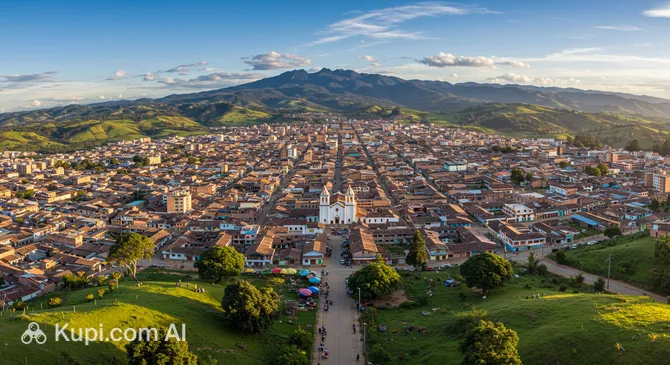
Welcome to Pitalito, a vibrant city nestled in the heart of the Huila department. Known affectionately as the "Valley of Laboyos," this destination offers a perfect blend of urban energy and rural charm. Located in the southern region of Colombia, Pitalito serves as a crucial commercial and agricultural hub for the surrounding area.

Pitalito. Source: Kupi.Binoculars

With a population of approximately 133,000 inhabitants, the city enjoys a pleasant climate thanks to its location near the Macizo Colombiano, where the Andes mountain range splits. The surrounding landscape is defined by lush green mountains and fertile valleys, creating a picturesque backdrop for travelers exploring the region.

Coffee lovers will find themselves in paradise here, as Pitalito is renowned worldwide for producing some of the country's finest specialty coffee, often winning international quality awards. Beyond its agricultural fame, the history of Pitalito reveals a rich cultural tapestry dating back to its founding in the early 19th century, with traditions that are still celebrated by the friendly locals today.

The city acts as the primary gateway to the famous San Agustín Archaeological Park, a UNESCO World Heritage site located just a short drive away. Nature enthusiasts can also explore the nearby Cueva de los Guácharos National Natural Park, which is the oldest national park in the country. Whether you are here to taste world-class coffee or to embark on an adventure into the Andes, Pitalito invites you to discover its unique warmth and beauty.

Weather Overview

Visitors to Pitalito can expect a consistent and mild climate year-round, characterized by comfortable temperatures and regular rainfall. The city typically experiences average temperatures ranging from 15°C to 17°C, with daytime highs peaking around 21°C and cooler nights dropping to approximately 12°C. This stable weather pattern creates a spring-like feel that is ideal for outdoor activities.

Rainfall is a constant companion in this region, with a high number of wet days recorded throughout the year, often exceeding 25 days per month. While the precipitation volume is generally low, the frequency suggests that carrying an umbrella is always a good idea. For more specific details to help plan your trip, you can view the full report on the weather in Pitalito. September tends to be the driest month in terms of rainfall volume, though cloudy days remain common.

Interesting Facts

Beyond its scenic landscapes and agricultural fame, Pitalito holds fascinating cultural and historical distinctions that surprise many visitors. Here are a few unique insights into this dynamic Colombian city:

  • Birthplace of the Ceramic Chiva: The colorful ceramic bus known as the "Chiva de Pitalito" originated here. Created by local artisan Cecilia Vargas Muñoz, this clay handicraft has become one of the most iconic symbols of Colombian folklore and a beloved souvenir nationwide.

  • A Name Rooted in Nature: The name "Pitalito" is a diminutive of "Pital," which refers to a field of pita plants. Historically, the valley was covered with these fibrous plants, leading early settlers to name the growing town after the abundant local flora.

  • The Star of the South: Locals frequently refer to the city as the "Estrella Vial del Sur" (Road Star of the South). This nickname highlights its strategic importance as a connecting point between the departments of Huila, Cauca, Caquetá, and Putumayo, making it a vital crossroads for trade and travel.

  • A Record-Breaking Coffee Hub: While the region is generally known for coffee, Pitalito specifically holds the record for producing the highest number of "Cup of Excellence" winners in Colombia. This specific achievement cements its reputation not just as a producer, but as the absolute leader in quality for the entire country.

How to Get There

Reaching the "Valley of Laboyos" is an adventure that takes you through some of Colombia's most scenic landscapes. While the city is tucked away in the southern Andes, it is accessible via several regional hubs. You can find detailed information on all transport methods in our guide on how to get to Pitalito.

Pitalito does not have a major commercial airport within its immediate city limits, so most travelers arrive by flying into neighboring cities and completing the journey by road. The geographically closest option is Guillermo Leon Valencia Airport (PPN) located in Popayán, roughly 91 km away. However, due to the winding mountainous roads, the drive typically takes between 4 and 5 hours. Another common gateway, especially for those exploring the Huila department, is Benito Salas Airport (NVA) in Neiva. Situated approximately 147 km from Pitalito, the ground transfer from Neiva usually takes around 4 to 5 hours.

For international travelers, the most significant hub in the wider region is Alfonso B. Aragon Airport (CLO) in Cali. Although it is located about 190 km away, it offers a wider range of flight connections. The journey from Cali to Pitalito by road is longer, taking approximately 7 to 8 hours, but it allows you to see a diverse cross-section of the Colombian countryside.

For clarity, here is a summary of the main airports:

Airport Name City Passenger Traffic Km from City
Alfonso B. Aragon Airport Cali Large 190.2
Cano Airport Pasto Medium 147.6
Benito Salas Airport Neiva Medium 147.1
Guillermo Leon Valencia Airport Popayán Medium 91.1
San Luis Airport Ipiales Small 211.7

Pitalito is not currently connected to the national railway network, as passenger train services are not a common mode of transport in this part of Colombia. Visitors typically rely on the extensive bus network or private transfers to navigate between cities. The road infrastructure connecting Pitalito to major capitals like Neiva and Bogotá is well-traveled, offering regular bus services that are both affordable and convenient for tourists.

Main Attractions

While often recognized as a strategic gateway to southern Colombia, Pitalito boasts its own array of inviting attractions that reflect its cultural richness and natural beauty. From architectural landmarks to immersive agricultural experiences, the city offers travelers a chance to connect deeply with the local lifestyle known as the "Laboyano" spirit.

San Antonio de Padua Church stands as the most iconic structure in the city center. Located at the heart of the main square, this church is not only a place of worship but also a central meeting point for the community. Its impressive tower and modern design overlook the bustling plaza, making it a perfect spot for photography and for observing the daily rhythm of the city. In the evenings, the surrounding area comes alive with locals enjoying street food and conversation.

For nature lovers, the Laguna de Guaitipan offers a tranquil escape just a short distance from the urban area. This beautiful body of water is surrounded by native vegetation and is steeped in local folklore, with legends often linking it to the indigenous history of the region. Visitors can enjoy peaceful boat rides, observe diverse bird species, or simply relax by the water's edge, soaking in the serenity of the Huila landscape.

Given Pitalito's reputation as a premier coffee producer, exploring its Coffee Farms is an essential experience. Many local "fincas" have opened their doors to agrotourism, allowing visitors to walk through lush plantations and learn about the meticulous process of cultivating specialty coffee. These tours typically end with a tasting session, where you can savor the complex flavors that have won this region numerous international awards.

Local Cuisine

The culinary scene in Pitalito is a delicious reflection of the Huila department's agricultural abundance, offering travelers a taste of authentic Andean traditions. The local gastronomy is characterized by hearty, slow-cooked meals and unique ingredients that are difficult to find elsewhere in Colombia. Food here is not just sustenance; it is a celebration of the fertile land that surrounds the "Valley of Laboyos."

The undisputed king of the local table is the Asado Huilense. Unlike typical grilled meats, this dish features pork marinated for hours in a mixture of beer, sour orange, and local herbs, then slow-roasted in a clay oven until tender and flavorful. It is traditionally served with insulsos—sweet baked corn dough wrapped in leaves—and an arepa, creating a perfect balance of savory and sweet notes. Another must-try is the Tamal Huilense, which distinguishes itself from other Colombian tamales by using rice instead of corn dough as the base, mixed with marinated chicken, pork, and vegetables, all steamed within plantain leaves.

For snacking, Pitalito offers the famous Bizcocho de Achira. These crunchy, cheesy biscuits made from achira flour and fresh curd are the region's most iconic snack and make for an excellent souvenir. When it comes to beverages, the star is the Cholupa. Known as the "fruit of passion," this exotic fruit is native to Huila and has a Protected Designation of Origin. Locals prepare it as a refreshing juice that perfectly combats the midday warmth. Of course, as a premier coffee-growing region, no meal is complete without a cup of world-class specialty coffee, brewed fresh in one of the city's many dedicated cafes.

The food culture in Pitalito is welcoming and unpretentious. Locals often gather at the central market, known as the Galería, to enjoy generous breakfasts of broth or tamales. In the evenings, the city center and main avenues come alive with restaurants serving everything from traditional roasts to modern fusion dishes. Whether you are sipping an aromatic coffee in a quiet shop or enjoying a festive pork roast with a local family, the flavors of Pitalito leave a lasting impression.

Travel Tips

Traveling to Pitalito is a rewarding experience, but like any destination in the Andes, a little preparation goes a long way. Here are some practical tips to help you navigate the "Valley of Laboyos" with ease and confidence.

  1. Clothing and Gear: The weather here is mild and spring-like, but it can be unpredictable. Pack layers—light t-shirts for sunny mornings and a warm sweater or jacket for the cooler evenings (around 12°C). Since rain is frequent throughout the year, a compact umbrella or a waterproof poncho is essential. Comfortable, closed-toe shoes are best for walking the city streets and visiting muddy coffee farms.

  2. Transportation: Pitalito is relatively compact, and the city center is easily walkable. For longer distances, yellow taxis are the safest and most convenient option; they are generally affordable, but it is wise to confirm the fare before starting your ride, as meters are not always used. While motorcycle taxis are common, they are less regulated, so traditional taxis are recommended for tourists.

  3. Finances: The local currency is the Colombian Peso (COP). While major hotels and some modern restaurants accept credit cards, cash is essential for taxis, street food, and smaller shops. ATMs are widely available around the main plaza. In sit-down restaurants, a voluntary tip (propina) of approximately 10% is appreciated if the service was good.

  4. Health and Safety: Pitalito is generally safe for visitors, but standard precautions apply. Avoid walking alone in poorly lit areas late at night and keep an eye on your belongings in crowded places like the market. Pharmacies (droguerías) are widespread and helpful for minor ailments. It is recommended to drink bottled or purified water to avoid stomach issues.

  5. Communication: Spanish is the primary language, and English is not widely spoken outside of specific tour agencies or high-end hotels. Downloading a translation app or learning basic phrases like "Buenos días" (Good morning) and "¿Cuánto cuesta?" (How much?) will be very helpful. A local SIM card (e.g., Claro or Movistar) is cheap and easy to buy for reliable data access.

  6. Local Etiquette: The people of Huila are known for their warmth and hospitality. It is polite to greet shopkeepers, drivers, and hotel staff with a friendly "Buenas" upon entering. When interacting with locals, patience and a smile go a long way; rushing people or being overly demanding is considered rude in this relaxed culture.

  7. What to Avoid: Avoid bringing up sensitive topics such as Colombia's violent past or drug trafficking stereotypes, as this can be offensive to locals who are proud of their region's progress and culture. Also, do not photograph people, especially in rural areas, without asking for permission first.

  8. Coffee Souvenirs: As you are in the country's premier coffee-growing region, the best souvenir you can buy is a bag of locally roasted specialty coffee. Purchase it directly from a farm or a specialized shop in town rather than a supermarket to ensure authenticity and directly support the local growers.

Pitalito offers a genuine slice of Andean culture that is well worth the visit. By keeping these tips in mind, you will be well-prepared to enjoy the stunning landscapes, delicious cuisine, and welcoming spirit of this charming city.

Entertainment & Nightlife

As the sun sets over the Valley of Laboyos, Pitalito transforms from a busy commercial hub into a lively destination for evening entertainment. While it may not have the sprawling nightlife of a metropolis, the city offers a vibrant and authentic experience characterized by the warmth of its people and the rhythm of Latin music. The nightlife scene here is concentrated and accessible, making it easy for visitors to hop between venues and enjoy a fun night out without the hassle of long commutes.

The heart of the action is undoubtedly the Zona Rosa. Historically located near the city center between Carreras 3 and 4, this area—and the expanding entertainment districts towards the south of the city—is where locals gather to unwind. The atmosphere is energetic but unpretentious, with music ranging from traditional Vallenato and Salsa to modern Reggaeton and electronic beats. On weekends, particularly Friday and Saturday nights, the streets buzz with activity as groups of friends move from open-air pubs to dance clubs.

For those looking to experience the local vibe, Mandala Terraza Bar is a popular choice. It offers a more relaxed setting where you can enjoy cocktails and conversation with a view of the city's evening lights. If you prefer a night of dancing, Safari Disco Club is a well-known venue where the party often continues late into the night, featuring DJs spinning a mix of crossover hits. Another excellent spot for a casual drink is Laboyana Beer, which is perfect for travelers who appreciate a good beer in a friendly, pub-style environment.

Practicality and safety are key to enjoying your night in Pitalito. The dress code is generally smart-casual; while you don't need formal wear, locals tend to dress up a bit for clubs. Prices are quite affordable compared to larger Colombian cities, with beers and cocktails costing a fraction of what you might pay in Bogotá or Medellín. For transportation, it is highly recommended to use yellow taxis rather than walking long distances at night. You can easily hail one on the street in busy areas or ask your venue to call one for you. Carrying small denominations of cash is also advisable, as some smaller bars may not accept cards.

If you prefer daytime or early evening entertainment, Pitalito has plenty to offer before the clubs open. The Gran Plaza San Antonio is a modern shopping mall that serves as a family-friendly entertainment hub, featuring a cinema, food court, and various shops. For a more cultural experience, you can visit local cafes to taste the region's world-famous specialty coffee or stroll through the main square to admire the local architecture and soak in the daily life of this charming Andean city.

Parks & Museums

Pitalito is not only the capital of the Macizo Colombiano but also a city where nature and artistic expression seamlessly intertwine. Visitors will find that the city's green spaces are often canvases for local creativity, and its cultural venues are deeply rooted in the traditions that have put this region on the map. From open-air art galleries to lush ecological parks, the "Valley of Laboyos" offers a refreshing variety of places to explore.

Ecoparque El Edén is one of the most beloved natural attractions within the municipality's vicinity. This ecological park is unique because it combines hiking trails and lush vegetation with an impressive collection of stone sculptures depicting giant animals. It is an excellent spot for families and nature lovers, offering a peaceful lake for boat rides, fishing areas, and a restaurant serving local cuisine. The blend of art and nature here provides a perfect backdrop for photography and relaxation.

Another central green space is the Parque Principal José Hilario López. Located in the very heart of the city, this square is the social living room of Pitalito. Shaded by tall trees and surrounded by key buildings, it is where the daily rhythm of the city is most palpable. It serves as a great starting point for a walking tour, allowing visitors to enjoy an ice cream while watching the world go by or to admire the seasonal decorations that often adorn the plaza.

For a cultural experience that defies the traditional four-walled structure, the Museo de Arte Vial (Road Art Museum) is a must-see. This innovative "open-air museum" project has transformed the city's streets and roundabouts into a sprawling gallery. As you travel through Pitalito, you will encounter large-scale sculptures and colorful billboards featuring works by local and national artists. This initiative aims to democratize art, making it accessible to everyone who passes through the city's main avenues.

To truly understand the artistic soul of the region, a visit to the Centro Artesanal or the local ceramic workshops is essential. Pitalito is the birthplace of the famous "Chiva de Pitalito," a colorful clay bus that symbolizes Colombian rural life. While not a traditional museum, these workshops function as living galleries where you can watch master artisans mold and paint these intricate figures. It offers an intimate look at a craft that has been designated as a Denomination of Origin.

In terms of architectural landmarks, the San Antonio de Padua Church remains the city's most prominent historical structure. Its modern tower dominates the skyline, and its interior features beautiful stained glass and religious art that reflect the deep faith of the community. Nearby, the various monuments scattered across the city's roundabouts—often depicting coffee growers or local fauna—serve as important cultural markers that tell the story of the region's agricultural heritage.

For an authentic insider experience, try to arrange a visit to the Parque Ecoturístico Pueblito Huilense. This theme park recreates the traditional architecture of the Huila department, featuring replicas of colonial chapels, houses, and town squares. It is a fantastic way to immerse yourself in the architectural history of the region in a single afternoon, offering a charming atmosphere that feels like stepping back in time.

Getting Around

The public transport system in Pitalito is straightforward and relies entirely on road-based vehicles, reflecting the city's size and layout. Unlike larger metropolitan areas, there is no metro, tram, or extensive rapid transit network. Instead, the city operates with a mix of small buses, collective vans, and a robust fleet of taxis that keep the urban area and its surroundings connected.

The most common form of public transportation is the collective bus (often referred to as a "buseta" or "colectivo"). These small buses run along fixed routes covering major avenues, the city center, and residential neighborhoods. They do not operate on a strict timetable; instead, they pass frequently during the day. Stops are not always clearly marked, so it is common practice to simply wave your hand to signal the driver to stop as the vehicle approaches.

Regarding payment, the system is exclusively cash-based. There are no travel cards, digital passes, or mobile apps for paying bus fares in Pitalito. You pay the driver or their assistant directly upon boarding or exiting. The fares are very affordable, typically costing a few thousand pesos. It is highly recommended to carry small bills and coins, as drivers often have difficulty changing large denomination notes.

Operating hours for buses generally run from early morning, around 6:00 AM, until approximately 8:00 PM or 9:00 PM. Service frequency drops significantly in the evenings and on Sundays. For tourists, the routes can sometimes be confusing as they are usually indicated by placards in the front window listing key landmarks. If you are unsure, simply ask the driver if they are going to your destination before you board.

Yellow taxis are a popular and convenient alternative, especially for travelers carrying luggage or moving around at night. They can be hailed on the street or booked via telephone dispatch, which is often safer and more reliable. While some taxis may have taximeters, it is not uncommon for fares to be negotiated or based on fixed rates for specific zones. It is always a good idea to confirm the price with the driver before starting your journey.

A unique feature of transport in this region, though more focused on rural connectivity than city commuting, is the Chiva. These colorful, open-sided buses are a cultural icon of the area. While you won't use them for short trips across town, they are the primary mode of transport for reaching the coffee farms and rural villages (veredas) surrounding the city. Riding one offers a bumpy but authentic experience of local life.

For short distances within the city center, walking is often the most efficient option. However, you will also notice a high number of motorcycle taxis (mototaxis). While these are a very popular and cheap way for locals to get around, they are generally informal and unregulated. For safety and comfort, tourists are usually advised to stick to official yellow taxis or walking.

Accommodation

Finding a place to stay in Pitalito is generally a straightforward and affordable experience, catering largely to travelers passing through to the Amazon or San Agustín, as well as those visiting for business or coffee tourism. The city offers a diverse range of accommodation options, shifting from practical, modern hotels in the urban core to charming, rustic lodgings on the outskirts. While you will not find ultra-luxury international resort chains here, the local hospitality is warm, and the standards of comfort in mid-range establishments are surprisingly high.

For those prioritizing convenience and accessibility, the City Center is the most popular area to stay. Hotels located near the Parque Principal or along the main commercial avenues offer immediate access to restaurants, banks, and shops. Staying here places you within walking distance of the bustling nightlife and local markets, making it an excellent choice for travelers who want to feel the pulse of the city. This area is also practical for those relying on public transport, as it is well-connected to the bus terminals.

Travelers seeking a quieter and more immersive experience should consider the accommodation options on the outskirts of the city. As the heart of Colombia's coffee region, Pitalito has seen a rise in agrotourism. Many local coffee farms (fincas) and country houses have converted into eco-lodges or boutique guesthouses. These options often provide stunning views of the Laboyos Valley and offer a peaceful retreat surrounded by nature, often with the added bonus of fresh, farm-to-table breakfast and coffee tours right on the property.

In terms of pricing, Pitalito is a very budget-friendly destination. The majority of accommodations fall into the budget to mid-range categories. Backpackers and solo travelers can find clean, basic hostels and guesthouses for very reasonable rates, while business travelers can enjoy modern amenities like air conditioning and Wi-Fi in the city's rated hotels without breaking the bank. "Luxury" here is defined more by the exclusivity of the rural setting and personalized service rather than opulent facilities.

Booking Tip: While it is usually easy to find a room upon arrival, booking in advance is highly recommended during major local events, such as the National Orchid Festival or the Coffee Fairs, which typically occur in November. During these peak times, occupancy rates soar. While major booking platforms list the larger hotels, many smaller, family-run establishments and rural fincas operate primarily through direct contact via phone or social media apps.

Nearby Cities

For those looking to explore the surroundings, Pitalito serves as an excellent base for day trips to several interesting nearby locations:

Located just a short distance away, Acevedo is a prime destination for nature enthusiasts and coffee lovers. It is widely recognized for producing award-winning specialty coffee and serves as a gateway to the stunning Cueva de los Guácharos National Natural Park. Further north, the town of Gigante has become a major attraction due to the "Mano del Gigante," a mountain viewpoint with a large sculpture that offers breathtaking panoramic views of the Huila landscape. For those interested in history and architecture, Garzón is known as the "Diocesan Capital" of the department, featuring beautiful religious buildings and a peaceful, traditional atmosphere.

City Population Distance (km)
Florencia 191867 56
Garzon 69823 60
La Plata 57381 46
Acevedo 39877 18
Gigante 35498 81

These nearby destinations offer a glimpse into the diverse culture and landscapes of the region.

Shopping & Souvenirs

Shopping in Pitalito offers a delightful mix of modern convenience and traditional Andean charm. As the commercial hub of southern Huila, the city serves as a gathering point for merchants and artisans from the entire region. While you will not find high-end luxury fashion avenues, the shopping scene is vibrant and authentic, focusing heavily on agricultural products, local handicrafts, and the daily needs of a bustling growing city.

The heartbeat of local commerce is found in the City Center, particularly along the streets surrounding the Parque Principal. The area buzzes with activity, featuring a variety of small boutiques, shoe stores, and technology shops. Walking down the main "Carreras," visitors can find everything from affordable clothing to household goods. This district offers a genuine look at local life, where street vendors selling fresh fruits often set up shop right next to established storefronts.

For a more contemporary shopping experience, Gran Plaza San Antonio is the premier destination in the city. As the largest modern shopping mall in Pitalito, it provides a comfortable, air-conditioned environment where you can find recognized national clothing brands, a food court, and a cinema. It is a popular spot for families and teenagers, especially on weekends, offering a standardized retail experience that contrasts with the traditional street markets.

To truly immerse yourself in the flavors of the region, a visit to the Galería Municipal (Central Market) is essential. This is not just a place to buy food; it is a cultural institution where the agricultural abundance of the Laboyos Valley is on full display. Here, you can wander through stalls piled high with exotic fruits, fresh vegetables, and local meats. It is also the best place to find traditional cookware and utilitarian items used by the local "campesinos."

When it comes to souvenirs, Pitalito is famous for two things: coffee and clay. You simply cannot leave without a bag of specialty coffee. As Colombia's top coffee-producing municipality, you can buy high-quality beans directly from specialized shops or cafes in town, often at a fraction of the export price. The other must-have item is the Chiva de Pitalito. These colorful ceramic buses, often filled with clay chickens and sacks of produce, are a national symbol of Colombian folklore and originated right here. You can buy them at the artisan workshops or souvenir stands throughout the city.

Most shops in Pitalito generally open from 9:00 AM to 7:00 PM, Monday through Saturday. Sunday hours are often reduced, although the shopping mall and the market remain active. While the mall and larger supermarkets accept credit and debit cards, cash is essential for smaller boutiques, souvenir stalls, and the central market. It is advisable to carry small denominations of Colombian Pesos (COP) for smoother transactions.

Regarding taxes, Colombia offers a VAT (IVA) refund system for foreign tourists on certain physical goods like clothing, crafts, and jewelry. To qualify, you must purchase from a store that issues electronic invoices and specifically participates in the tax-free program. While this is less common in smaller towns like Pitalito compared to major cities like Bogotá, it is worth asking at larger chain stores in the mall if they provide the necessary documentation for a refund at the airport upon your departure.
Reached the end of the page?

That means the route is fully explored