Support

Armenia

About

Armenia is the vibrant capital of the Quindío department and a central hub within the famous Coffee Cultural Landscape of Colombia. Often referred to as the "Miracle City" (Ciudad Milagro), it is celebrated for its rapid urban development and the spirited resilience of its inhabitants. The city offers a compelling blend of modern infrastructure and the relaxed, welcoming atmosphere typical of the country's coffee region.

Geographically, the city is nestled in the Central Andes range, enjoying a pleasant tropical climate that remains moderate and spring-like throughout the year. With a population of approximately 300,000 people, Armenia serves as a bustling commercial center while maintaining a manageable size for visitors. Its strategic location makes it an ideal starting point for exploring the lush green hills and fertile valleys that define this picturesque part of the world.
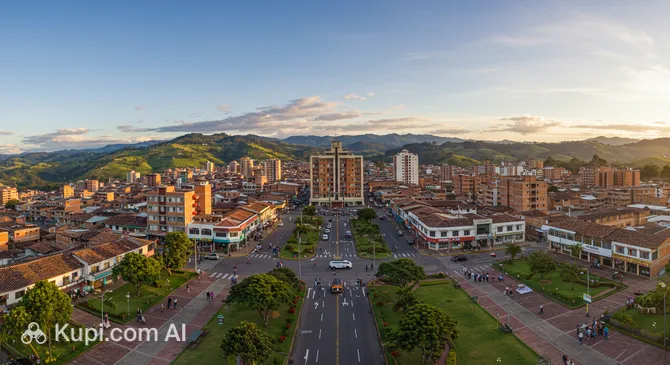
Armenia. Source: Kupi.Binoculars

The history of Armenia is a testament to the determination of its people, marked by significant transformation and reconstruction over the decades. Today, it stands as a modern city that honors its past while embracing progress. Cultural enthusiasts will find the Quimbaya Gold Museum to be a highlight; designed by the renowned architect Rogelio Salmona, it houses an impressive collection of pre-Columbian gold and ceramic artifacts.

Nature lovers should not miss the Parque de la Vida, a large urban oasis featuring waterfalls, walking trails, and native vegetation right in the city. As a gateway to the UNESCO-listed Coffee Cultural Landscape, Armenia is also surrounded by traditional haciendas where travelers can taste some of the finest coffee in the world. Whether you are interested in culture, nature, or simply relaxing, this inviting city is a destination well worth visiting.
Weather Overview

Armenia enjoys a moderate, spring-like climate year-round, which is typical for the Andean coffee region. Temperatures are remarkably consistent, with average highs generally reaching around 22°C and lows dipping to a comfortable 14°C. This stability makes the city a pleasant destination at any time of the year, avoiding the extremes of sweltering heat or freezing cold.

Travelers should be prepared for frequent precipitation, as the region experiences rainfall throughout all twelve months. While the weather in Armenia often includes daily showers or mist that contribute to the area's lush greenery, the rain is typically spread out rather than torrential. Whether visiting in the slightly drier month of February or during the wetter period in May, packing a light rain jacket and layers is highly recommended.

Interesting Facts

Beyond the main attractions, Armenia holds many fascinating secrets and cultural quirks that surprise many visitors. From its unique architectural evolution to its deep-rooted traditions, the city offers stories that go far beyond the typical guidebook descriptions.
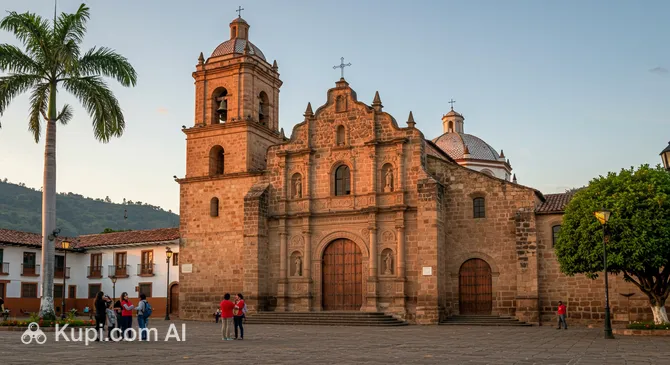
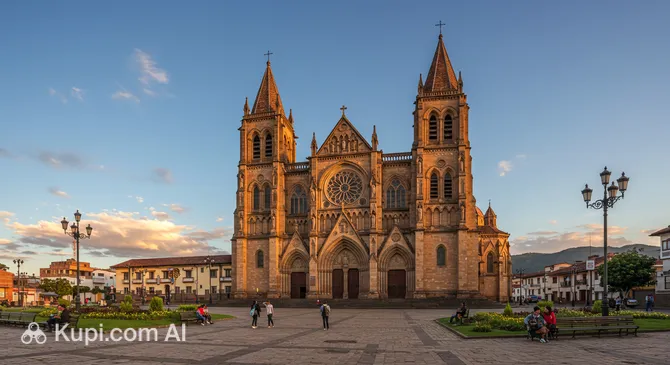
Cathedral of the Immaculate Conception. Source: Kupi.Binoculars
  • The city's origins date back to its founding in 1889, a process marked by a decisive choice regarding its identity. The initial proposal to name the settlement "Villa Holguín" in honor of the then-president was firmly rejected by the founders. Instead, they adopted the name Armenia, which is believed to have come from a nearby estate, establishing a distinct local character from the very start.

  • Armenia is the heart of the "Yipao" culture, a tribute to the legendary Jeep Willys that are vital to the coffee region. The city hosts a parade where these vehicles are piled high with furniture, coffee bags, and farm produce, often performing acrobatic stunts by balancing on their rear wheels.

  • Unlike the colonial architecture found in many nearby towns, the Cathedral of the Immaculate Conception features a striking, modern design resembling a tent. This unique structure symbolizes the biblical tabernacle and stands as a monument to the city's resilience and reconstruction following the 1999 earthquake.

  • The city integrates nature directly into its urban layout at the La Secreta Viewpoint. This spot is not just a scenic lookout over the river canyon but part of a protected environmental reserve that acts as a "green lung," preserving local biodiversity right at the edge of the city streets.

How to Get There

Reaching the heart of Colombia's Coffee Region is a straightforward experience, with several convenient options depending on your starting point. Whether you prefer landing directly in the city or arriving at a nearby major hub and taking a scenic drive, the journey is part of the adventure. You can find more about how to get to Armenia and the specific transport details to help plan your trip effectively.

The most direct way to arrive is via El Eden Airport (AXM), which serves the city of Armenia directly. Located just 13.6 km from the city center, it is a modern facility that handles both domestic and some international connections. A taxi or shuttle from this airport typically takes around 20 to 30 minutes to reach downtown. For travelers looking for more flight frequencies, Matecana International Airport (PEI) in the neighboring city of Pereira is an excellent alternative. Situated about 31.5 km away, it is a busier hub; the transfer by road to Armenia usually takes about one hour.

For those arriving on long-haul international flights, Alfonso B. Aragon Airport (CLO) in Cali is a significant option. Although it is located in the city of Cali, approximately 135 km from Armenia, it offers extensive global connections. The journey from Cali to Armenia by bus or private transfer takes approximately 3 hours, offering beautiful views of the Valle del Cauca landscape along the way.

For clarity, here is a summary of the main airports:

Airport Name City Passenger Traffic Km from City
Alfonso B. Aragon Airport Cali High 134.8
Matecana International Airport Pereira Medium 31.5
El Eden Airport Armenia Medium 13.6
La Nubia Airport Manizales Small 59.5
Ibague Airport Ibague Small 61.5

The city of Armenia does not have a railway station for passenger trains, as rail travel is not a common mode of public transport in this part of Colombia. Visitors typically rely on the robust intercity bus network or car rentals. The city's bus terminal is well-connected to major destinations like Bogotá, Medellín, and Cali, making road travel a reliable and scenic alternative for reaching the Quindío department.

Main Attractions

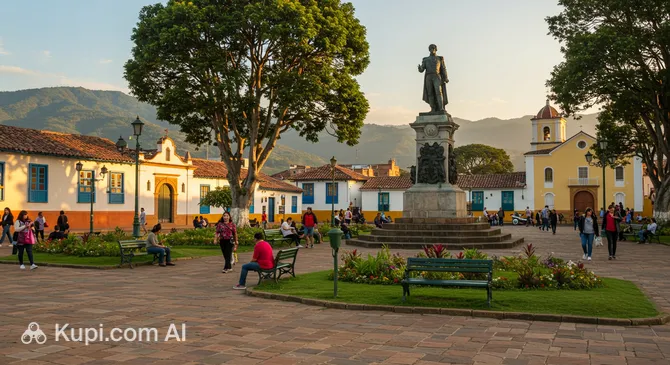
The urban landscape of Armenia is defined by its inviting plazas and green spaces, which serve as the center of social life in the Quindío capital. A tour of the city often begins at Bolívar Square, the main civic hub. Located in the heart of the downtown area, this plaza is surrounded by key administrative buildings and the striking modern cathedral. It is a vibrant place where residents gather to socialize, making it an excellent spot for tourists to soak in the local atmosphere and observe the daily rhythm of the city.

Bolívar Square. Source: Kupi.Binoculars

For those seeking tranquility within the city limits, Vida Park offers a lush, expansive retreat. This large urban park is beautifully landscaped with terraced gardens, walking paths, and artificial waterfalls that create a serene environment. It is a favorite destination for families and nature lovers, providing a perfect setting for a relaxing stroll or birdwatching amidst the native vegetation that characterizes the Coffee Region.

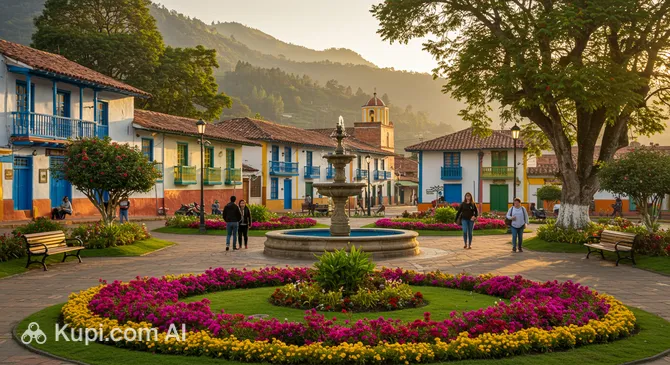
Another culturally significant spot is Sucre Park, known for its bohemian vibe and the majestic Ceiba tree that stands at its center. This plaza attracts a younger crowd and is often the site of artistic expressions and casual meetings. Nearby, history enthusiasts will appreciate Founders' Park (Parque de los Fundadores). This area pays homage to the city's settlers with a large monument and a symbolic representation of the trenches used by the colonizers, offering a glimpse into the determined spirit that built Armenia.

Founders' Park. Source: Kupi.Binoculars

Local Cuisine

The gastronomy of Armenia is a delightful reflection of the Coffee Cultural Landscape, characterized by generous portions, bold flavors, and fresh ingredients sourced from the surrounding fertile lands. As the capital of Quindío, the city offers the best of traditional "Paisa" cuisine, which was originally designed to fuel farmers for long days in the mountains. The most iconic dish to try is the Bandeja Paisa, a massive platter featuring red beans, white rice, ground meat, chicharrón (crispy pork belly), a fried egg, chorizo, avocado, and a corn arepa. It is a hearty culinary experience that every visitor should attempt at least once.

Another regional staple, heavily influenced by the river valleys and nearby mountains, is Trucha (trout). It is typically served fried, grilled, or smothered in a rich garlic and mushroom sauce ("al ajillo"). This dish is almost always accompanied by a huge Patacón, a flattened disk of twice-fried green plantain that serves as a crunchy and savory side. For a lighter snack or breakfast, look for the sweet and soft Arepa de Choclo, made from sweet corn dough and usually served warm with a thick slice of fresh white cheese (queso cuajada) on top.

When it comes to beverages, coffee is naturally the protagonist in this region. In Armenia, you can enjoy everything from a simple, traditional "tinto" (black coffee) sold by street vendors to sophisticated brews in specialty shops. For a unique blend of this coffee culture with a social vibe, you might visit Mariajuana Ale House Coffee, which offers a relaxed setting to enjoy local flavors. On the alcoholic side, the traditional spirit is Aguardiente, an anise-flavored liquor that is often enjoyed straight or mixed into a hot coffee drink known as a "Carajillo" to warm up on cooler evenings.

Container City. Source: Kupi.Binoculars

The dining scene in Armenia is diverse, ranging from humble street stalls selling empanadas and fruit salads to innovative gastronomic hubs. A perfect example of the city's modern evolution is Container City, a trendy complex constructed from shipping containers that houses a variety of restaurants and bars. It is a popular spot for both locals and tourists to gather, offering diverse food options in a vibrant, open-air setting. For those craving high-quality grilled meats and an Argentine-style feast, Boludo Parrilla is another excellent choice that highlights the local appreciation for good barbecue.

Travel Tips

Visiting Armenia offers a delightful immersion into the heart of Colombia's coffee culture, but a little preparation goes a long way in ensuring a smooth journey. To help you navigate the "Miracle City" like a pro, here are some practical tips covering everything from what to wear to how to interact with the friendly locals.

  1. Clothing and Gear: The weather in Armenia is pleasant but can be unpredictable. Pack lightweight, breathable clothing suitable for temperatures around 22°C, but always carry a waterproof jacket or umbrella, as rain showers are frequent. Comfortable walking shoes are essential, especially if you plan to explore the hilly streets or visit nearby coffee farms (fincas). If you plan to visit churches like the Cathedral, modest attire is respectful, though strict dress codes are rarely enforced.

  2. Transportation: The city is relatively compact, and many travelers find taxis to be the most convenient and affordable way to get around; always ensure the meter is running or agree on a price beforehand. Public buses are widely available and very cheap, marked with their destination on the windshield. Ride-hailing apps are operational but operate in a legal grey area, so sitting in the front seat is often recommended to avoid drawing attention.

  3. Finances: The local currency is the Colombian Peso (COP). While major supermarkets, hotels, and malls accept credit cards, cash is absolute king in smaller shops, public transport, and street food stalls. ATMs are plentiful in the city center and shopping malls. Tipping is generally voluntary, but in restaurants, a service charge of 10% (propina) may be included in the bill—it is polite to pay it if the service was good.

  4. Health and Safety: Armenia is generally safe for tourists, but standard precautions apply. Avoid walking alone in poorly lit areas at night and keep an eye on your belongings in crowded places like the city center. Pharmacies (droguerías) are common and easily identified by a blue cross; many pharmacists can offer advice for minor ailments. It is highly recommended to drink bottled or filtered water rather than tap water to avoid stomach issues.

  5. Communication: Spanish is the primary language, and English proficiency is not widespread outside of high-end tourism establishments. Learning a few basic phrases like "Buenos días" (Good morning) and "¿Cuánto cuesta?" (How much does it cost?) will be greatly appreciated. Buying a local SIM card from providers like Claro or Tigo is easy and affordable, ensuring you have data for maps and translation apps.

  6. Local Etiquette: The people of this region, known as Cuyabros, are incredibly warm and polite. It is customary to greet people when entering a shop or elevator with a simple "Buenas." When addressing people you don't know well, using the formal "Usted" instead of "Tú" is considered respectful. If you are offered coffee, accept it graciously; it is a symbol of hospitality in this region.

  7. What to Avoid: Do not "give papaya" (no dar papaya)—a local expression meaning don't make yourself an easy target by flashing expensive jewelry, cameras, or phones in public. Also, avoid slamming taxi or car doors; locals treat their vehicles with great care, and slamming a door is often perceived as rude or aggressive.

  8. Coffee Experience: When ordering coffee, remember that a standard black coffee is called a "tinto." If you want a higher quality brew, look for specialty coffee shops and ask for a "café especial" or a specific preparation method like Chemex or V60. In this region, drinking coffee is a ritual to be savored, not just a caffeine fix.

By keeping these practical tips in mind, you will be well-equipped to enjoy the relaxed pace and vibrant culture of Armenia. Whether you are sipping world-class coffee or exploring the lush green landscapes, a respectful and prepared approach will open doors to authentic and memorable experiences in this charming Andean city.

Entertainment & Nightlife

Entertainment in Armenia transforms as the sun sets, shifting from the relaxed atmosphere of coffee shops to a lively, authentic nightlife scene. While it may not have the massive scale of Colombia's largest metropolises, the city offers a vibrant "Zona Rosa" concentrated mainly in the north, particularly along Avenida Bolívar and the streets surrounding Parque Sucre. The nightlife here is characterized by "Crossover" clubs—venues that play a mix of salsa, merengue, reggaeton, and vallenato—ensuring there is something for everyone to dance to.

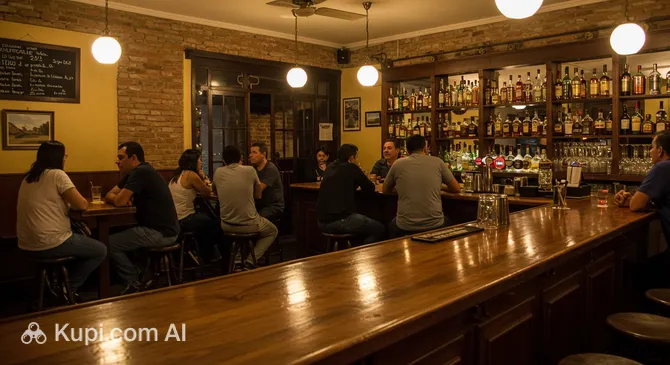
For those who appreciate high-quality craft beer and a pub-style environment, BBC Armenia is a standout choice. Located in a popular commercial area, it brings the famous Bogota Beer Company experience to the Coffee Region. It is an excellent spot to start the evening with friends, enjoying artisanal brews in a setting that feels both modern and cozy, perfect for conversation before the music gets louder elsewhere.

BBC Armenia. Source: Kupi.Binoculars

If you prefer a more sophisticated evening involving fine dining followed by cocktails, Ceron offers a refined atmosphere. This venue is well-regarded for its cuisine and ambiance, making it suitable for couples or travelers looking for a chic night out without the intensity of a crowded dance floor. Meanwhile, for a more family-friendly or low-key evening, the Portal del Quindío shopping mall provides movie theaters and a variety of dining options that stay open late, serving as a safe and bustling hub for evening activity.

The atmosphere in Armenia's nightlife districts is generally casual but neat. Locals tend to dress up slightly for a night out—think jeans and a nice shirt rather than shorts and flip-flops. Bars and pubs usually stay open until around 1:00 AM, while nightclubs often keep the party going until 3:00 AM. Prices are quite affordable compared to larger cities like Medellín or Cartagena, with beers and cocktails reasonably priced, allowing for an enjoyable night without breaking the bank.

Regarding safety and logistics, the main nightlife areas in the north are considered safe for walking between venues, but it is always wise to stay in well-lit, populated streets. When it's time to return to your accommodation, the best advice is to use a ride-hailing app or ask the venue to call a taxi for you. Avoid hailing cabs on the street late at night if possible. Taxis are plentiful and inexpensive, making them the preferred mode of transport for night owls.

During the daytime, entertainment in Armenia takes a more cultural and leisurely turn. The city is home to several museums and cultural centers that celebrate the region's pre-Columbian history and artistic heritage. While there are no massive amusement parks directly within the city limits, the surrounding department of Quindío is famous for them, and Armenia serves as the perfect base for these excursions. Within the city, shopping centers and local theaters offer matinee performances and recreational spaces for a relaxing afternoon.

Parks & Museums

Beyond its bustling commercial streets and coffee culture, Armenia offers a wealth of cultural and natural treasures that provide a deeper understanding of the region's heritage. The city and its surroundings are dotted with green sanctuaries and educational spaces where visitors can admire pre-Columbian history, contemporary art, and the stunning biodiversity of the Andean rainforest.

For a profound dive into the region's past, the Quimbaya Gold Museum (Museo del Oro Quimbaya) is an essential stop. Located just on the northern edge of the city, this cultural gem is housed in a building designed by the celebrated architect Rogelio Salmona, known for his masterful use of brick and water channels. Inside, the museum displays an exquisite collection of gold and ceramic artifacts from the Quimbaya civilization, renowned for their intricate goldsmithing skills. The exhibits not only showcase beautiful objects but also tell the story of the indigenous people who inhabited this land long before the Spanish arrival.

Another key cultural institution is the Museo de Arte de Armenia y del Quindío (MAQUI). Situated within the historic Old Railway Station, the museum serves a dual purpose: it preserves a vital piece of the city's architectural heritage while providing a platform for local and national artists. The collection focuses on contemporary Colombian art, offering a modern contrast to the ancient history found at the Gold Museum. The setting itself, with its republican-style architecture, evokes the era when the railway was the lifeline of the coffee economy.

While the city center has its popular plazas, nature enthusiasts often head to the Quindío Botanical Garden (Jardín Botánico del Quindío). Although technically located just minutes away in the neighboring municipality of Calarcá, it is widely considered a part of the Armenia visitor experience. This expansive natural reserve is famous for its "Mariposario," a butterfly house shaped like a giant flower that is home to over 1,500 butterflies. Walking through its trails offers an immersive lesson in the region's flora, including towering palms and diverse fern species.

Within the city limits, Parque Los Aborígenes offers a quieter, more contemplative green space compared to the larger downtown parks. Located in the northern sector of the city, this park pays tribute to the indigenous ancestors of the region. It is a small but well-maintained area featuring statues representing the Quimbaya people, surrounded by native trees. It serves as a peaceful spot for a break while exploring the more modern neighborhoods of Armenia.

Gethsemane Baptist Church. Source: Kupi.Binoculars

In terms of religious architecture, the Gethsemane Baptist Church stands out as a notable landmark. Unlike the traditional Catholic colonial churches found in many Colombian towns, this structure reflects the religious diversity of the modern city. Its architecture and presence in the community make it a point of interest for those exploring the different facets of Armenia's spiritual and social life.

For a truly local experience, take a walk around the Old Railway Station complex after visiting MAQUI. The area has been revitalized and often hosts cultural events, artisan markets, and small library spaces. It is a place where history meets the present, allowing you to see how the city is repurposing its historical infrastructure for new generations.

Getting Around

Navigating Armenia is relatively straightforward compared to larger metropolises. The city does not have a metro, tram, or cable car system. Instead, the public transport network relies entirely on a unified bus system known locally as Tinto (Transporte Integrado Operativo). These buses and smaller minibuses (busetas) cover the vast majority of the city, connecting residential neighborhoods with the downtown area, the bus terminal, and key tourist spots.

The payment system for public buses is traditional and low-tech, which makes it easy for visitors to understand without needing to purchase special cards or download apps. You simply pay the driver in cash (Colombian Pesos) upon boarding. The fare is affordable, generally costing around 2,600 to 2,800 COP per ride. It is highly recommended to carry small bills or coins, as drivers may not have change for large denominations like 50,000 or 100,000 peso notes.

For tourists, using the bus system is an authentic way to experience the city. To catch a bus, you can wait at designated bus stops (paraderos), though in many areas, simply waving your hand from the curb is enough to flag one down. The destination is usually displayed on a signboard in the front window. Buses typically operate from approximately 5:30 AM until 10:00 PM. Be aware that service frequency drops significantly after 8:00 PM and on Sundays.

Taxis are a very popular and safe alternative for getting around, especially at night or when carrying luggage. The city's fleet consists of yellow taxis that are legally required to use a taximeter (taxímetro). The minimum fare is quite low, making it a budget-friendly option for short trips across town. While ride-sharing apps are used in the city, they operate in a legal grey area; if you choose to use one, drivers may ask you to sit in the front seat to avoid attracting attention from authorities.

Given the city's manageable size, walking is often the best way to explore the central downtown area, particularly around Bolívar Square and the pedestrian shopping streets. While there is no public bike-share scheme, the terrain in some parts of the city is suitable for cycling, and you may find private rentals for recreational use. However, for most point-to-point travel within the urban area, the yellow taxis and colorful Tinto buses remain the most reliable choices.

Accommodation

Accommodation in Armenia caters to a wide spectrum of travelers, ranging from backpackers seeking social environments to families looking for the tranquility of nature. As the capital of the Quindío department, the city serves as an excellent base for exploring the region. Visitors can choose from modern business hotels in the city center, cozy hostels with a bohemian vibe, or the region's signature accommodation: traditional coffee farms known as fincas that have been converted into charming guest houses.

For those who prefer to stay within the urban area, location is key. The northern sector of the city, particularly along Avenida Bolívar and near the Vida Park, is considered the most exclusive and modern area. Here, you will find higher-end hotels offering amenities like pools and gyms, close to shopping malls and fine dining. In contrast, the downtown area (El Centro) offers more budget-friendly hotels and is convenient for business travelers or those who want to be close to civic institutions, though it can be quite bustling and noisy during the day.

A favorite neighborhood for many tourists is the area surrounding Sucre Park. This district strikes a perfect balance, offering a safe, walkable environment filled with cafes, restaurants, and bars. It is a hub for mid-range boutique hotels and high-quality hostels, making it an ideal spot for travelers who want to be near the nightlife and social scene without being in the chaotic commercial center.

Sucre Park. Source: Kupi.Binoculars

One of the most authentic experiences in Armenia is staying on the outskirts of the city in a "Finca Hotel." These rural accommodations are often set within working coffee plantations, featuring traditional colorful architecture with wide verandas and hammocks. They offer a peaceful retreat with stunning views of the Andean landscape while still being just a short taxi ride away from the city's urban attractions and dining options.

Booking accommodation in Armenia is generally straightforward, with prices that are very competitive compared to larger Colombian cities. Budget travelers can find hostel dorms or simple rooms for very low rates, while mid-range and luxury options remain affordable by international standards. Most properties are listed on major online booking platforms, which is the recommended method for securing a room. However, it is advisable to book well in advance if you plan to visit during peak seasons such as Holy Week (Semana Santa), the Christmas holidays, or during the city's festivities in October, as the best locations tend to fill up quickly.

Nearby Cities

For those looking to explore the surroundings, Armenia serves as an excellent base for day trips to several interesting nearby locations:

One of the most popular nearby destinations is Santa Rosa de Cabal, located in the neighboring Risaralda department. This charming town is famous throughout Colombia for two things: its spectacular thermal hot springs (termales), which cascade down mountainsides into relaxing natural pools, and its delicious chorizo, considered among the best in the country. It offers a perfect mix of relaxation and gastronomy just a short drive away.

For a more urban experience, travelers can visit Pereira, the capital of the Risaralda department and the largest city in the Coffee Axis. It is a bustling commercial hub known for its vibrant nightlife, extensive shopping centers, and the impressive Ukumarí Biopark, which focuses on wildlife conservation. Pereira offers a lively contrast to the more laid-back atmosphere of Armenia and is easily accessible via a scenic highway.

Closer to home, Calarca sits just minutes from Armenia and is often considered part of the city's metropolitan area. It is historically significant as one of the oldest towns in Quindío and hosts the renowned National Coffee Festival. Nature lovers flock here to visit the Quindío Botanical Garden and its massive butterfly house, making it an essential stop for anyone interested in the region's biodiversity.

City Population Distance (km)
Pereira 590554 30
Dosquebradas 179301 33
Cartago 134972 35
Calarca 79569 4
Santa Rosa de Cabal 73028 38

These nearby destinations offer a glimpse into the diverse culture and landscapes of the region, ranging from relaxing natural spas to vibrant city life.

Shopping & Souvenirs

Shopping in Armenia offers a delightful mix of modern convenience and traditional charm, reflecting its status as a commercial hub in the Coffee Region. While it may not have the vast luxury districts of Colombia's largest metropolises, the city provides a genuine experience where visitors can find high-quality local products alongside international brands. The shopping scene is particularly strong when it comes to regional handicrafts, leather goods, and, of course, some of the world's finest coffee.

The heart of the city's commercial life is undoubtedly the Centro Comercial de Cielos Abiertos (Open Skies Shopping Center). This is not a mall but a vibrant pedestrian corridor located along Carrera 14, stretching from the north of the city down to Bolívar Square. It is lined with boutiques, shoe stores, cafes, and ice cream parlors, making it the perfect place to enjoy a pleasant walk while browsing for clothes or gifts. The atmosphere here is lively and safe, often animated by street performers and local vendors selling small trinkets.

For a more conventional shopping experience with all amenities under one roof, the city boasts several modern shopping centers. The most prominent is Portal del Quindío, located in the northern part of the city. This large mall features a wide array of clothing stores, a supermarket, a food court, and entertainment options. It is a favorite gathering spot for locals and a convenient place for tourists to find everything from electronics to fashion.

Portal del Quindío. Source: Kupi.Binoculars

If you are looking for authentic local flavor, visiting the local markets is a must. While there isn't a single massive artisan market, you will often find stalls near the main plazas selling handicrafts. The city is also home to the Plaza de Mercado Minorista, where the agricultural bounty of the region is on full display. Here, adventurous travelers can explore aisles filled with exotic tropical fruits, fresh vegetables, and traditional herbs, offering a sensory explosion of colors and scents.

When it comes to souvenirs, coffee is the undisputed king. Instead of buying generic brands, look for specialty bags from local fincas (farms) that are often sold in cafes or specialized shops around the city. Beyond coffee, items made from guadua (a type of bamboo native to the region) are very popular; artisans craft everything from jewelry to household items from this sustainable material. You might also find beautiful leather goods and woven bags that reflect the Andean heritage.

Most shops in Armenia typically open around 9:00 AM or 10:00 AM and close between 7:00 PM and 8:00 PM. Shopping malls usually stay open later, often until 9:00 PM. Regarding payment, major stores, supermarkets, and malls readily accept credit and debit cards. However, if you are shopping in smaller boutiques, street stalls, or local markets, carrying cash (Colombian Pesos) is essential, as many small vendors do not have card terminals.

Foreign tourists should also be aware of the VAT refund (Devolución del IVA) system in Colombia. If you purchase physical goods such as clothing, footwear, or crafts at participating stores that issue electronic invoices, you may be eligible for a sales tax refund upon departure at the international airport. Look for the "Tax Free" signage in store windows and be sure to keep all your receipts and ask for the specific tax-free forms at the time of purchase.

Reached the end of the page?

That means the route is fully explored