Support

Cartago

About

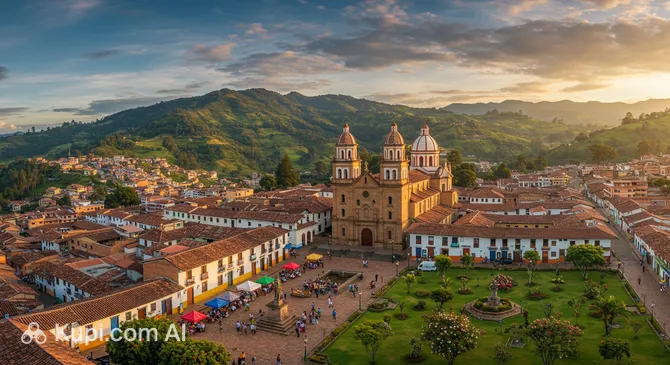
Welcome to Cartago, affectionately known as "The City of the Brightest Sun." Located in the northern part of the Valle del Cauca department in Colombia, this spirited city offers a perfect blend of colonial charm and modern vitality. With its warm, tropical climate and a population of approximately 135,000 residents, Cartago serves as an important commercial hub and a welcoming gateway between the coffee region and the valley.

Cartago. Source: Kupi.Binoculars

As one of the oldest European settlements in the region, the history of Cartago is rich and deeply ingrained in its streets. Visitors can admire well-preserved examples of colonial architecture, such as the famous Casa del Virrey, which stands as a testament to the city's heritage. The city is also renowned for its beautiful religious structures, including the imposing Cathedral of Our Lady of Mount Carmel, which draws admirers of architecture and history alike.

Beyond its buildings, Cartago is celebrated globally as the Capital of Embroidery. The local artisans are masters of intricate hand-stitching, creating exquisite garments and textiles that are a source of local pride. Whether you are exploring its historic landmarks, shopping for unique handcrafted goods, or simply enjoying the year-round sunshine, Cartago invites you to experience its unique warmth and culture.

Weather Overview

Travelers planning a trip to this region will find a remarkably consistent climate year-round. The weather in Cartago is characterized by comfortable temperatures that show very little variation from month to month. You can expect average temperatures to hover steadily around 21°C, with daytime highs typically reaching 25°C and nights remaining mild with lows near 17°C.

Rainfall is a constant feature of the local atmosphere, so it is wise to come prepared. While the monthly precipitation volume is relatively moderate, ranging between 13mm and 22mm, the frequency of rain is significant. Data indicates that wet days occur almost daily throughout the year, often between 28 and 31 days per month. This pattern suggests that while showers may be light, they are a regular occurrence, contributing to the lush landscapes of the Valle del Cauca.

Interesting Facts

Beyond its well-known colonial charm, Cartago holds several fascinating historical secrets and cultural distinctions that surprise many visitors.

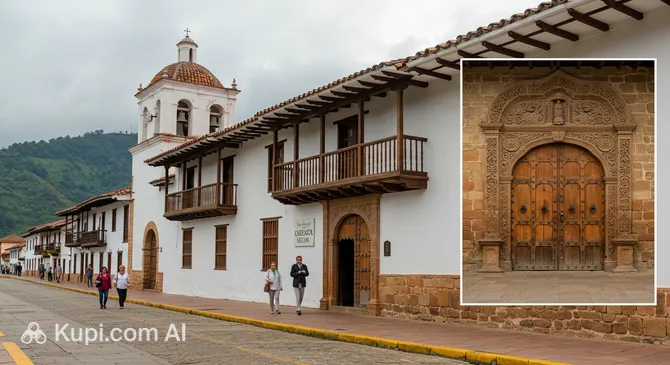
House of the Viceroy. Source: Kupi.Binoculars
  • One of the most intriguing aspects of the city is that it was not originally located where it stands today. Cartago was first founded in 1540 at the site of modern-day Pereira but was moved to its current location in 1691, a massive undertaking driven by the need for better trade routes and defense against indigenous groups.

  • The magnificent House of the Viceroy is an architectural highlight, yet its name carries a touch of irony. Local accounts suggest that despite being built with the grandeur suitable for a Spanish Viceroy, no such official ever actually lived there, leaving the building as a beautiful monument to an unfulfilled purpose.

  • While the city is famous for embroidery, the specific technique known as "calado" is a unique local heritage. This intricate art form involves pulling threads from fabric to create delicate, lace-like patterns, a skill passed down through generations that has cemented Cartago's reputation as the embroidery capital of the country.

How to Get There

Reaching this destination is quite straightforward, primarily due to its proximity to major transport hubs in the Coffee Triangle. While the city is best accessed via nearby airports rather than direct commercial flights, travelers have excellent options close by. You can find out more about how to get to Cartago on our detailed page, but the most common route involves arriving at one of the regional airports and taking a short ground transfer.

The most convenient gateway is Matecana International Airport (PEI), located in the city of Pereira, approximately 20.4 km away. It is a significant hub with frequent connections, and a taxi or bus ride from there to Cartago typically takes around 50 minutes. Alternatively, you can choose El Eden Airport (AXM) in Armenia, which is about 36.3 km from the city. The journey from Armenia by road generally takes roughly 1 hour and 15 minutes, offering scenic views of the surrounding valley.

For clarity, here is a summary of the main airports:

Airport Name City Passenger Traffic Km from City
Matecana International Airport Pereira High 20.4
El Eden Airport Armenia Medium 36.3
El Carano Airport Quibdo Medium 132.0
La Nubia Airport Manizales Small 58.6
Ibague Airport Ibague Small 93.6

Main Attractions

Exploring Cartago offers a delightful mix of historical discovery and modern leisure. The city preserves its colonial roots with pride while embracing contemporary growth, giving visitors a chance to walk through centuries of history before enjoying modern amenities.

A visit to the city would be incomplete without seeing the House of the Viceroy. This architectural gem is one of the most important colonial buildings in the region, characterized by its intricate stone and wood construction. It is fascinating for tourists because it captures the essence of the Spanish colonial era, serving as a museum and cultural center where you can admire the craftsmanship of the past and learn about the city's aristocratic history.

For those interested in local gastronomy and atmosphere, the Casa Vieja Restaurant is a charming stop. Located in a setting that reflects the region's traditional architecture, this establishment is more than just a place to eat; it is a cultural experience. Visitors enjoy it for its authentic ambiance and the opportunity to taste classic Valle del Cauca dishes prepared with time-honored recipes.

Casa Vieja Restaurant. Source: Kupi.Binoculars

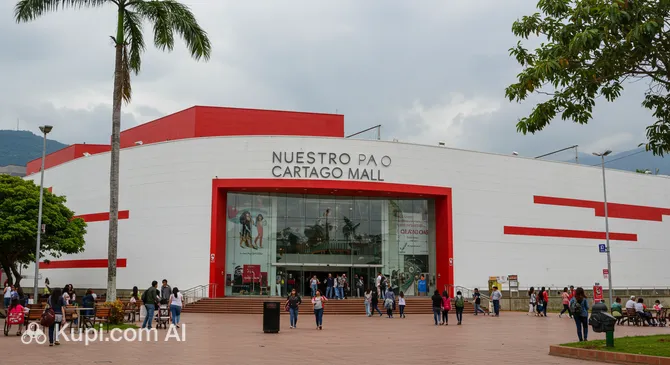
Travelers looking for a modern shopping experience often head to Nuestro Cartago Mall. As a large commercial hub, it provides a stark contrast to the colonial streets, offering a wide variety of national and international brands. It is a popular destination for families and tourists seeking entertainment, a food court with diverse options, or simply a comfortable place to relax during a day of sightseeing.

Nuestro Cartago Mall. Source: Kupi.Binoculars

Another key spot for leisure is Santiago Plaza. This shopping center serves as a vibrant meeting point for locals and visitors alike. It is an interesting place to observe daily life in Cartago while enjoying convenient access to shops, cafes, and services, making it a practical and lively stop on your tour of the city.

Santiago Plaza. Source: Kupi.Binoculars

Local Cuisine

The culinary landscape of Cartago is a vibrant reflection of the Valle del Cauca region, offering a rich array of flavors that range from hearty traditional soups to irresistible savory snacks. Visitors will quickly discover that the city runs on "mecato," a local term for the delicious fried treats and baked goods found on nearly every corner. Among the most iconic is the pandebono, a soft, cheese-infused bread that is perfect for breakfast or a late-afternoon snack, often accompanied by a cup of hot chocolate or coffee.

For a substantial meal, the undisputed king of the table is the Sancocho de Gallina. This thick, flavorful chicken soup is traditionally cooked over a wood fire, which imparts a distinct smoky taste. It is typically served with a side of rice, avocado, and a large piece of chicken, making it a comforting and filling lunch that locals cherish. Another savory favorite is the marranita, a ball of green plantain filled with crispy pork cracklings, offering a satisfying crunch with every bite.

To quench your thirst in the tropical heat, you must try the region's signature beverages. Lulada is a refreshing, icy drink made from the lulo fruit, distinct for its tangy flavor and chunks of fruit pulp. For something more unique, try Champús, a complex drink made with corn, pineapple, lulo, cinnamon, and cloves. It serves as both a drink and a snack due to its hearty consistency. Those with a sweet tooth should not miss Manjar Blanco, a creamy milk-based dessert often served in a traditional gourd shell known as a totuma.

The dining scene in the city offers a mix of casual street food stalls and established traditional venues. For an authentic experience where you can sample many of these regional classics in a historic setting, the Casa Vieja Restaurant is an excellent choice. If you prefer a more modern atmosphere with a variety of dining options in one place, the food court at Santiago Plaza provides a convenient spot to enjoy both local and international fast food.

Travel Tips

To ensure your visit to the "City of the Brightest Sun" is as enjoyable and hassle-free as possible, we have compiled a set of essential travel recommendations. Whether you are here to admire the colonial architecture or shop for exquisite embroidery, these practical tips will help you navigate Cartago with confidence and ease.

  1. Clothing and Gear: Given the warm tropical climate, pack lightweight, breathable clothing made of cotton or linen to stay cool. Since rain is a frequent occurrence despite the heat, carrying a compact umbrella or a light rain jacket is highly recommended. Comfortable walking shoes are a must for exploring the historic center. If you plan to visit religious sites like the Cathedral of Our Lady of Mount Carmel, remember to dress modestly, covering your shoulders and knees.

  2. Transportation: The most convenient way to get around Cartago is by using local taxis, which are affordable and plentiful. While there is a local bus system, it can be somewhat confusing for first-time visitors. For trips to nearby cities like Pereira, frequent buses depart from the transport terminal. Ride-hailing apps operate in the region, but traditional yellow taxis remain the most reliable option for short distances within the city.

  3. Finances: The official currency is the Colombian Peso (COP). While major shopping centers like Nuestro Cartago Mall and upscale restaurants accept credit cards, cash is essential for smaller purchases, street food, and taxi fares. ATMs are widely available in the city center and malls. It is wise to carry smaller bills, as vendors often struggle to make change for large denominations.

  4. Health and Safety: Cartago is generally safe for tourists, but standard precautions apply. Avoid walking alone in poorly lit areas late at night and keep an eye on your belongings in crowded places. Pharmacies, known as "droguerías," are easy to find and can provide over-the-counter remedies for minor ailments. It is advisable to drink bottled water rather than tap water to avoid any stomach issues.

  5. Communication: Spanish is the primary language, and English is not widely spoken outside of major hotels or tourist agencies. Learning a few basic phrases—such as greetings and numbers—will go a long way in your daily interactions. We recommend downloading a translation app for easier communication. You can purchase a local SIM card at mobile provider stores in Santiago Plaza to stay connected.

  6. Local Etiquette: Colombians are known for their politeness and warmth. Always greet people with a friendly "Buenos días" (Good morning) or "Buenas tardes" (Good afternoon) when entering a shop or boarding a taxi. It is customary to be patient and polite in service interactions; rushing or showing impatience is considered rude.

  7. What to Avoid: Do not hail taxis on the street late at night if you are in an unfamiliar area; instead, ask your hotel or restaurant to call a reputable service for you. Also, avoid discussing sensitive political topics or the country's turbulent past with casual acquaintances, as locals prefer to focus on the positive aspects of their culture and future.

  8. Shopping Tip: Cartago is famous for its hand-embroidered textiles. When looking for souvenirs, visit the local workshops or specialized boutiques rather than buying mass-produced items at the airport. You will find higher quality linen shirts ("guayaberas") and tablecloths at better prices, and you will be directly supporting the local artisans who keep this tradition alive.

By keeping these simple tips in mind, you will be well-prepared to embrace the vibrant culture and relaxed pace of life in Cartago. We hope your journey is filled with wonderful discoveries, delicious local flavors, and the warm hospitality that this sunny city is famous for.

Entertainment & Nightlife

While Cartago is deeply rooted in tradition, its nightlife offers a spirited and authentic glimpse into the local "rumba" culture. As the sun sets, the city transitions from a bustling commercial hub to a lively destination where locals gather to unwind. The atmosphere is distinctly Latin, with the rhythmic beats of salsa, vallenato, and reggaeton spilling out from various venues. Unlike the massive nightclubs found in larger metropolitan areas, the scene here is more intimate and focused on socializing, dancing, and enjoying good company in a friendly, unpretentious setting.

For those seeking a memorable evening, the city offers a variety of options ranging from traditional "fondas"—colorful bars often decorated with rustic elements—to modern lounges. A great way to start your night is with a hearty meal at Casa Vieja Restaurant. This establishment is perfect for an evening dinner, allowing you to savor traditional flavors in a setting that evokes the region's history before you head out to explore the bars. The nightlife is generally concentrated around the central parks and the "Zona Rosa," where you can find places open until around 2:00 or 3:00 AM on weekends.

If you prefer a more low-key evening or are traveling with family, the city's modern commercial centers provide excellent entertainment alternatives. Nuestro Cartago Mall is a popular spot for night owls looking to catch a late movie at the cinema or enjoy a drink at one of the terrace bars. Similarly, Santiago Plaza serves as a social hub well into the evening, offering a safe and comfortable environment where you can enjoy coffee, desserts, or casual dining while soaking in the local vibe.

Practicality is key when enjoying a night out in Cartago. The dress code is typically casual but neat; locals tend to dress up slightly for dancing, so long pants and nice shirts are recommended for men. Prices are quite affordable compared to major tourist cities, with beers and cocktails costing a fraction of what you might pay in Bogotá or Cartagena. The best nights to go out are Friday and Saturday, as Sunday evenings tend to be much quieter.

Regarding safety, it is important to stay vigilant, as in any city. The areas around the malls and major restaurants are generally safe for evening strolls, but it is advisable to avoid walking alone in dimly lit residential streets late at night. When you are ready to return to your accommodation, always use a registered taxi service. You can easily hail one at the taxi stands outside the shopping malls or ask the venue staff to call one for you; avoid flagging down random cars on the street after dark.

Before the night begins, there is plenty to do during the daylight hours to round out your entertainment experience. The city offers a range of cultural activities, from admiring the colonial architecture of the House of the Viceroy to relaxing in the lush green spaces like Parque La Isleta. Whether you are interested in history, shopping, or simply watching the world go by, Cartago provides a balanced mix of daytime leisure and evening excitement.

Parks & Museums

Cartago offers a delightful balance between urban energy and serene retreats, with a variety of green spaces and cultural venues that showcase its rich heritage. Visitors will find that the city preserves its history not only in its architecture but also in its public squares and institutions, making it a fascinating destination for those who enjoy exploring the past while surrounded by nature.

Parque La Isleta is the city's most prominent natural escape, situated beautifully along the banks of the La Vieja River. This extensive park serves as the "green lung" of Cartago and is a favorite spot for both locals and tourists seeking relaxation. It features paved walking paths, sports facilities, and playgrounds, making it perfect for a family outing or a morning jog. The park also hosts an acoustic shell that frequently serves as a venue for local concerts and cultural events, adding a lively rhythm to the tranquil surroundings.

Another essential stop is Parque de Bolívar, located in the heart of the city. Unlike the expansive nature of La Isleta, this central square offers a more traditional urban park experience. It is the perfect place to sit on a bench under the shade of tall trees, enjoy a local coffee, and observe the daily life of the residents. The park is surrounded by some of the city's most important buildings, providing a scenic backdrop that blends nature with colonial charm.

For those interested in history and culture, the House of the Viceroy is the undisputed cultural jewel of Cartago. As a museum and cultural center, it offers visitors a unique glimpse into the colonial era. The building itself is an exhibit, famous for its elaborate stone patios and wooden balconies. Inside, it frequently hosts art exhibitions, historical displays, and the city's Conservatory of Music, making it a vibrant hub where the past and present artistic expressions meet.

While the city does not have a multitude of large formal museums, its religious edifices serve as impressive galleries of art and history. The Cathedral of Our Lady of Mount Carmel is a must-visit architectural landmark. Its neoclassic style and separated tower make it unique in the region. Inside, visitors can admire beautiful religious art and intricate woodwork that reflect the deep spiritual devotion of the area. Similarly, the Church of San Francisco stands as a testament to the city's colonial roots, offering a quiet atmosphere to appreciate centuries-old religious iconography.

For a truly authentic experience, take a moment to look up into the trees while relaxing in the city's parks, particularly near the river or the central plazas. It is not preserving a secret that Cartago is home to many iguanas, which can often be seen sunning themselves on branches or slowly wandering across the grass, a delightful natural spectacle that surprises many visitors.

Getting Around

Navigating Cartago is a straightforward and relatively stress-free experience, primarily because the city is compact and lacks the complex, multi-layered transport networks found in larger metropolises. There is no metro, tram, or light rail system here. Instead, public transportation relies entirely on a network of road-based options, specifically buses, minibuses, and a vast fleet of taxis that serve the local population and visitors alike.

The most common form of public transit is the local bus, often referred to as a "buseta" or "colectivo." These are typically smaller than standard city buses and can be identified by colorful signboards in the front windshield listing their major stops and destination neighborhoods. Unlike in cities with strict schedules and designated stops, the bus system here operates somewhat informally. While there are specific routes, it is common practice to flag down a bus anywhere along its path by simply waving your hand, and drivers will usually stop to let you off upon request.

Regarding payment, the system is strictly cash-based. There are no electronic travel cards, passes, or mobile payment apps for the local bus network. You pay the driver or an assistant directly upon boarding. Fares are very affordable, generally a fixed flat rate regardless of the distance traveled within the urban area. It is essential to carry small bills or coins, as drivers may not have change for large denominations.

For most tourists, the most convenient and comfortable alternative is the yellow taxi. Taxis are ubiquitous in the city and are generally considered safe and reliable. They are an excellent choice for moving between the historic center, shopping malls, and hotels, especially given the warm weather. While many taxis are equipped with taximeters, it is not uncommon for drivers to quote a flat rate for specific zones. It is always a good practice to confirm the approximate fare with the driver before starting your journey or ensure the meter is turned on.

In terms of operating hours, public buses typically run from early morning, around 5:00 or 6:00 AM, until approximately 8:00 or 9:00 PM. Service frequency drops significantly after dark and on Sundays. Taxis, on the other hand, operate 24 hours a day. If you need transport late at night, it is highly recommended to request a taxi by phone or through a hotel reception rather than hailing one on the street for added safety.

Ride-sharing apps do operate in the region, but their availability can be lower compared to major capitals, and wait times may vary. Given the abundance and low cost of yellow taxis, most visitors find the traditional taxi service to be the most efficient option. Additionally, the city's relatively flat terrain and concentrated historic center make walking a viable and pleasant way to explore short distances, allowing you to take in the colonial architecture at your own pace.

Accommodation

Finding the perfect place to stay in Cartago is relatively easy, as the city offers a welcoming range of accommodation options that cater to various travel styles and budgets. Visitors will not typically find massive international luxury resort chains here; instead, the hospitality scene is characterized by comfortable mid-range hotels, budget-friendly hostels, and charming family-run guesthouses. For a more authentic experience of the Valle del Cauca region, there are also numerous "fincas" (country estates) located on the outskirts, offering a relaxing stay surrounded by nature and green landscapes.

When choosing a location, most tourists prefer to stay in the city center, particularly near the main squares like Parque de Bolívar. This area places you within walking distance of historical landmarks such as the House of the Viceroy and the cathedral, allowing you to soak up the colonial atmosphere. Alternatively, travelers interested in modern conveniences might opt for hotels situated closer to major commercial hubs like Santiago Plaza or Nuestro Cartago Mall. Staying in these areas provides quick access to shopping, cinemas, and a wider variety of dining options, making it a practical choice for families and business travelers.

In terms of pricing, accommodation in Cartago is generally very affordable compared to Colombia's larger tourist capitals. You can expect to find excellent value for money, with prices ranging from budget to moderate. While major booking platforms are widely used by the larger hotels, many smaller establishments and country fincas may prefer direct bookings via phone or WhatsApp. It is also worth noting that while credit cards are accepted at established hotels, carrying cash is advisable for smaller inns or when paying for incidental services.

A helpful tip for planning your stay is to book well in advance if you intend to visit during major holidays. The city can become quite busy during Holy Week (Semana Santa) and the Christmas season, as well as during local embroidery fairs. During these peak times, the best rooms fill up quickly, so securing your reservation early ensures you get the most comfortable lodging at the best price.

Nearby Cities

For those looking to explore the surroundings, Cartago serves as an excellent base for day trips to several interesting nearby locations. One of the most popular options is Pereira, the capital of the Risaralda department. Located just a short drive away, this bustling city offers a vibrant commercial scene, modern shopping malls, and a lively nightlife, making it a perfect contrast to the quieter pace of Cartago. Another charming destination is Montenegro in the Quindío department. This town is a key hub for the region's coffee culture and serves as the gateway to the famous National Coffee Park, attracting visitors with its traditional architecture and lush green landscapes.

For travelers interested in breathtaking views, Belalcazar is a must-visit. It is renowned for the towering Monument to Christ the King, which allows visitors to climb to the top for a spectacular panoramic view of the Cauca River valley and the surrounding coffee plantations.

City Population Distance (km)
Pereira 590554 25
Dosquebradas 179301 27
Montenegro 41857 27
La Union 40339 33
Belalcazar 36628 30

These nearby destinations offer a glimpse into the diverse culture and landscapes of the region, allowing visitors to easily expand their itinerary beyond the city limits.

Shopping & Souvenirs

Shopping in Cartago offers a unique blend of modern convenience and deep-rooted cultural tradition. As the renowned "Capital of Embroidery," the city is not just a place to buy goods but a destination where you can witness a living artistic heritage. Visitors will find everything from contemporary retail centers to humble workshops where artisans have been perfecting their craft for generations. Whether you are looking for high-quality textiles or fresh local produce, the shopping scene here is vibrant, accessible, and distinctively Colombian.

The heart of the city's commercial activity is located in the downtown area, known simply as El Centro. Here, the streets are lined with a mix of shoe stores, clothing boutiques, and electronics shops. However, for the quintessential Cartago experience, you should explore the numerous embroidery shops scattered throughout this district. Many of these specialized stores, often family-owned, showcase the exquisite "calado" technique—a style of openwork embroidery that has made the city famous. Walking through these streets allows you to admire intricate window displays filled with white linens and colorful garments that define the local aesthetic.

For a more modern retail experience, Nuestro Cartago Mall is the premier destination. This open-air shopping complex is designed to take advantage of the region's warm climate, offering a pleasant atmosphere for strolling. It features a wide range of national and international brands, a cinema, and a diverse food court. It is an excellent spot to cool off and enjoy a relaxed afternoon of window shopping. Another key location is Santiago Plaza, which serves as a popular meeting point for locals. Smaller than a mega-mall but equally lively, it offers essential services, fashion outlets, and cafes where you can enjoy a break from the heat.

To truly connect with the local culture, a visit to the Plaza de Mercado (Central Market) is essential. This bustling market is where the city's agricultural abundance comes to life. It is a sensory explosion of colors and smells, with stalls piled high with fresh tropical fruits like lulo, papaya, and guanábana. Beyond produce, it is also a great place to find traditional baskets and utilitarian items used by local families. The market offers an authentic glimpse into the daily lives of the residents and is the best place to buy ingredients if you are self-catering.

When it comes to souvenirs, the undisputed choice is hand-embroidered textiles. The most iconic item to bring home is a "Guayabera," a traditional linen shirt known for its elegance and comfort in tropical weather. Ladies can find beautifully stitched blouses, while intricate tablecloths and napkins make for timeless gifts. For those with a sweet tooth, do not leave without buying Manjar Blanco, a traditional milk-based sweet often sold in dried gourd shells (totumas), or local coffee beans grown in the nearby mountains.

Most shops in the city center operate from Monday to Saturday, typically opening around 9:00 AM and closing by 7:00 PM. Shopping malls have extended hours, usually staying open until 8:00 PM or later on weekends. While major malls and larger stores readily accept credit and debit cards, cash is still the preferred method of payment in smaller embroidery workshops and the market. It is advisable to carry smaller denominations of Colombian Pesos (COP) for easier transactions.

Foreign tourists should be aware that Colombia offers a VAT refund (Devolución de IVA) system for certain purchases made with international credit cards in affiliated stores. If you plan on buying expensive items like high-end embroidery or electronics at major retailers, ask the merchant if they participate in this program and request the necessary electronic invoice to claim your refund at the airport before departure.
Reached the end of the page?

That means the route is fully explored