Support

Buenaventura

About

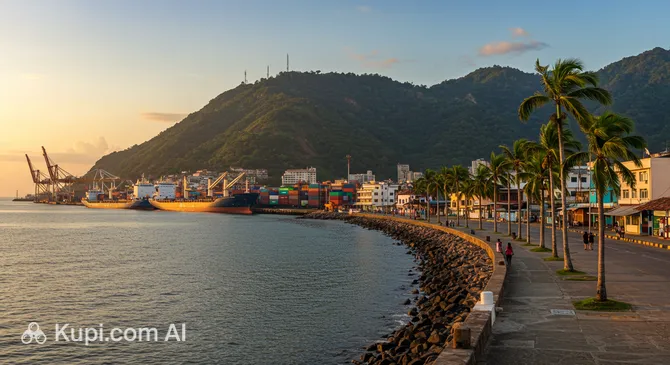
Buenaventura stands as a vibrant gateway to the Pacific, serving as the most significant port city in Colombia. Beyond its industrial importance, the city pulses with the rhythmic beats of Afro-Colombian culture and offers access to some of the country's most biodiverse landscapes. It is a place where the dense tropical rainforest meets the ocean, creating a unique atmosphere filled with warmth and energy.

Located in the Valle del Cauca department, the city is home to approximately 420,000 residents. The region is characterized by a humid tropical rainforest climate, ensuring lush greenery year-round. While the history of Buenaventura is deeply rooted in maritime trade and colonial development, today it is increasingly recognized by travelers as a jumping-off point for eco-tourism adventures along the Pacific coast.

Buenaventura. Source: Kupi.Binoculars

Visitors are often drawn to the nearby beaches of Juanchaco and Ladrilleros, which are famous for their dramatic cliffs and dark sands. One of the most spectacular natural events here is the annual migration of humpback whales, which arrive between July and October to give birth in the warm waters. Additionally, the San Cipriano nature reserve offers a magical experience with its crystal-clear rivers and the unique "brujitas"—motorcycle-powered wooden carts that run along the train tracks.

If you are looking to experience the authentic spirit of the Colombian Pacific, Buenaventura is the place to start. From its delicious seafood cuisine to the breathtaking natural surroundings, this coastal hub invites you to discover a side of the country that is truly wild and enchanting.

Weather Overview

The climate in this coastal city is characterized by consistent warmth and high humidity typical of a tropical rainforest environment. Temperatures remain remarkably stable throughout the year, with averages hovering around 25°C. Daytime highs typically reach up to 28°C, while nights are mild, rarely dropping below 23°C, making light and breathable clothing essential for any visit.

Rainfall is a defining feature of the region, so travelers should be prepared for wet conditions regardless of when they visit. The data indicates that rain occurs on almost every day of the month, with 28 to 31 wet days recorded monthly throughout the year. While precipitation amounts vary slightly, with the early months of January through March seeing somewhat lower totals compared to the wetter period from May to December, the frequency of rain remains constant.

Because the weather can impact outdoor activities and boat trips, it is wise to check the forecast before heading out. For a comprehensive overview of what to expect during your specific travel dates, you can consult the detailed guide to the weather in Buenaventura.

Interesting Facts

Beyond the bustling port and the main tourist trails, Buenaventura holds fascinating secrets that reveal the true depth of its cultural and geographic identity. Here are some unique insights into this vibrant Pacific hub.

  • A City on an Island: Many visitors are surprised to learn that the commercial and historic heart of Buenaventura is actually located on Cascajal Island. This bustling center is separated from the mainland by the El Piñal estuary and is connected to the rest of Colombia by a single bridge, giving the downtown area a distinct, water-surrounded geography.

  • A Global Rainfall Record: While it is known for being rainy, Buenaventura is meteorologically significant as one of the wettest inhabited places on Earth. The city receives an astonishing amount of precipitation annually, often exceeding 6,000 millimeters, which fuels the incredibly dense and biodiverse rainforests that surround it.

  • Ancestral Spirits: The region is the home of Viche, an ancestral alcoholic drink made from raw sugar cane. For generations, this beverage was produced by Afro-Colombian communities for medicinal and ritual purposes; today, it is celebrated as a protected cultural heritage product of the Colombian Pacific.

  • UNESCO Musical Heritage: The city is a custodian of the traditional Marimba de Chonta music and chants. This unique musical expression, deeply rooted in African traditions, has been recognized by UNESCO as Intangible Cultural Heritage of Humanity, serving as a powerful symbol of resistance and celebration for the local community.

How to Get There

Reaching this bustling port city typically involves a journey through the Valle del Cauca department, as the city itself is primarily accessed via ground transport from nearby major hubs. For travelers planning their trip, you can find all ways to reach the city and detailed logistics on our dedicated page.

The most significant and convenient gateway is Alfonso B. Aragon Airport (CLO), located in the city of Cali. Since Buenaventura does not have its own major commercial airport, most visitors fly into Cali, which is approximately 80 km away. From there, the journey continues by road through the scenic Andes mountains. You should expect the transfer by taxi or bus to take around 2 hours and 20 minutes, depending on traffic conditions on this busy route. As a major international hub with large passenger traffic, this airport offers the best connectivity for international and domestic travelers.

Alternative options exist but involve significantly longer travel times. Matecana International Airport (PEI) in Pereira is another entry point, though it is located about 175 km from Buenaventura. A ground transfer from Pereira would take approximately 4 hours and 45 minutes. Similarly, El Eden Airport (AXM) in Armenia is situated roughly 153 km away, requiring a drive of about 4 hours and 10 minutes. These airports are generally considered secondary options due to the distance.

For clarity, here is a summary of the main airports:

Airport Name City Passenger Traffic Km from City
Alfonso B. Aragon Airport Cali Large 80.2
Matecana International Airport Pereira Medium 175.4
El Eden Airport Armenia Medium 152.7
Guillermo Leon Valencia Airport Popayán Small 164.4
Nuquí Nuqui Small 203.8

Main Attractions

While Buenaventura is primarily known as a bustling port, it serves as the perfect launchpad for some of Colombia's most stunning natural wonders. The city and its surroundings offer a mix of cultural gastronomy and breathtaking eco-tourism experiences that attract adventurers from around the globe.

One of the most unique experiences in the region can be found at the San Cipriano Natural Reserve. Located just a short distance from the city, this protected area is famous for its crystal-clear rivers and lush rainforest trails. What makes the visit truly unforgettable is the mode of transport: to reach the village, visitors ride on "brujitas," wooden pallets powered by motorcycles that run along abandoned railway tracks. It is an idyllic spot for tubing, swimming, and immersing yourself in nature.

For those looking to explore the immense biodiversity of the Pacific, Uramba Bahía Málaga National Natural Park is an essential destination. This vast marine and coastal park is renowned worldwide as a prime spot for whale watching between July and October, when humpback whales arrive to give birth. Beyond the whales, the park features impressive waterfalls that crash directly into the sea, such as La Sierpe, and extensive mangrove forests perfect for kayaking.

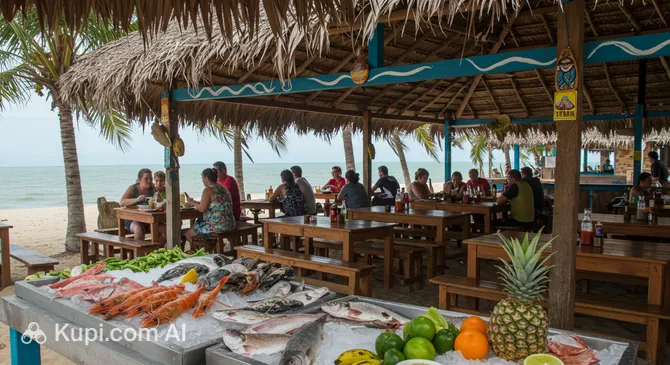
Sabrosuras Del Mar Restaurant. Source: Kupi.Binoculars

To truly understand the local culture, you must taste it. The city is celebrated for its exceptional seafood, and places like Sabrosuras Del Mar Restaurant offer an authentic culinary experience. Here, visitors can indulge in traditional Pacific dishes, such as encocados (seafood in coconut sauce) and fresh fish, prepared with the rich seasonings that define Afro-Colombian cuisine.

Finally, within the city limits, the Tourist Pier (Muelle Turístico) is a landmark worth visiting. As a floating structure, it offers panoramic views of the bay and serves as the main departure point for boats heading to nearby beaches like Juanchaco and Ladrilleros. It is a lively spot to watch the sunset and feel the sea breeze before setting off on your next adventure.

Local Cuisine

The culinary scene in Buenaventura is a flavorful reflection of its Afro-Colombian roots and its privileged location on the Pacific coast. The local gastronomy is defined by the abundant use of fresh seafood, coconut milk, and aromatic herbs like cimarrón (wild coriander) and poleo. Dining here is not just about sustenance; it is a cultural immersion into traditions that have been preserved for centuries, offering tastes that are distinct from the rest of the country.

When it comes to main dishes, the undisputed king of the table is the encocado. This rich stew features fish, shrimp, crabs, or prawns simmered slowly in a spiced coconut milk sauce, typically served with coconut rice and fried plantains. Another must-try is the sancocho de pescado, a hearty fish soup that sustains locals and travelers alike. For a quick bite, empanadas de camarón (shrimp turnovers) are a popular street snack, boasting a crispy corn dough filled with savory seafood stew.

The beverage culture is equally fascinating, ranging from refreshing fruit juices to potent ancestral spirits. Visitors should try fresh juice made from borojó, a fruit native to the rainforest that is reputed to have aphrodisiac properties. On the spirited side, Viche is the signature drink of the region. Distilled from sugar cane, it serves as the base for other popular artisanal liqueurs like arrechón and tumbacatre, which are mixed with condensed milk and spices, often described by locals as "love potions."

To experience the most authentic food culture, adventurous eaters should head to the Galería de Pueblo Nuevo. This bustling market is where the city wakes up, serving massive portions of seafood soup and fried fish for breakfast and lunch in a lively, unpretentious setting. For those walking the streets, look out for vendors selling chontaduro, a bright orange palm fruit usually eaten with salt and honey, which is a staple snack in the Valle del Cauca region.

Travel Tips

Visiting Buenaventura is an immersion into the vibrant soul of the Colombian Pacific, where the jungle meets the sea. To help you navigate this bustling port city and its surrounding natural wonders with ease, here are some practical tips to ensure a smooth and memorable adventure.

  1. Clothing and Gear: Given that this is one of the rainiest cities on the planet, high-quality rain gear is non-negotiable. Pack a durable rain poncho and a waterproof cover for your backpack. Since you will likely be hopping on and off speedboats to reach nearby beaches, wear quick-drying clothes and water shoes or sandals with a good grip. A waterproof dry bag is essential to protect your phone and camera from sea spray and sudden downpours.

  2. Transportation: Within the city proper, yellow taxis are the safest and most convenient way to get around; it is best to call one or ask your hotel to book it rather than hailing one on the street. For exploring the main attractions like Juanchaco, Ladrilleros, or La Barra, your primary mode of transport will be lanchas (speedboats) departing from the Muelle Turístico (Tourist Pier). Be prepared for a bumpy but scenic ride.

  3. Finances: The local currency is the Colombian Peso (COP). While some larger hotels in the city center may accept credit cards, cash is absolute king here. You will need small denominations for boat tickets, mototaxis, entrance fees to nature reserves, and meals at local kiosks. There are ATMs in the city center, but they are non-existent in the remote beach areas, so withdraw enough cash before you leave the mainland.

  4. Health and Safety: As a tropical region, mosquitoes are common, so bring a strong insect repellent and consider a yellow fever vaccination if you plan to trek deep into the jungle. In terms of safety, stick to the main tourist zones, such as the boardwalk and the pier. Avoid wandering into residential neighborhoods on the outskirts or walking alone at night. It is always safer to take a taxi door-to-door, even for short distances after dark.

  5. Communication: Spanish is the primary language, and English is not widely spoken outside of major tour agencies. Learning a few basic phrases will go a long way. The local dialect is fast and rhythmic, often filled with distinct slang from the Pacific region. For connectivity, purchase a SIM card (Claro or Tigo usually have good coverage) in the city center, as Wi-Fi can be spotty or slow in remote accommodations.

  6. Local Etiquette: The people of Buenaventura are incredibly warm and expressive. It is polite to greet everyone with a friendly "Buenos días" or "Buenas" when entering a shop or boarding a boat. The culture here is deeply musical and relaxed; patience is a virtue, especially when waiting for boats to fill up or food to be prepared. Embrace the slower "Pacific time" pace.

  7. What to Avoid: Do not display expensive jewelry, cameras, or large amounts of cash openly while walking in the city center. It is also best to avoid taking photos of locals without asking for permission first, as this can be seen as disrespectful. Keep your valuables close to your body in crowded areas like the market or the pier.

  8. Tides Matter: This is a crucial tip for this specific region: boat schedules and beach accessibility are heavily dependent on the tides. Some destinations, like the route to San Cipriano or certain mangrove tours, function best (or only) at high tide. Always check the tide schedule with the boat captains at the pier to avoid getting stranded or having to wade through long stretches of mud.

By keeping these practicalities in mind, you can focus on what really matters: the breathtaking humpback whales, the delicious seafood, and the infectious joy of the Afro-Colombian culture. Buenaventura is a destination that rewards the prepared traveler with authentic and unforgettable experiences.

Entertainment & Nightlife

To experience the nightlife in Buenaventura is to immerse yourself in the energetic rhythms of the Colombian Pacific. The city comes alive after dark, not with the polished gloss of high-end metropolitan clubs, but with the raw, infectious beats of Salsa, Reggaeton, and the locally born "Salsa Choke." The atmosphere is loud, vibrant, and incredibly welcoming, centered largely on music and dance.

The heart of the evening action is undoubtedly the Malecon Bahía de la Cruz (The Boardwalk). This waterfront promenade is where locals and visitors gather to enjoy the cool sea breeze, drink cold beer, and listen to music blasting from open-air kiosks and nearby bars. It is the safest and most accessible area for tourists to experience the local vibe. For a more relaxed evening, the terrace at the historic Hotel Estación offers a classic setting to enjoy a cocktail while overlooking the bay, providing a stark contrast to the thumping bass of the street-level dance halls.

Dining often merges into nightlife here. A great place to start your evening is Sabrosuras Del Mar Restaurant. While primarily a dining spot, it captures the essence of the local culture and serves as a perfect warm-up location before heading out to the dance floors. Many visitors choose to linger over dinner and drinks here, soaking in the spirited ambiance before moving on to the bustling bars in the city center.

When planning a night out, keep in mind that the party typically peaks on Friday and Saturday nights. The dress code is universally casual due to the tropical heat; light, breathable fabrics are standard, and you will rarely see formal wear. Prices are generally very affordable compared to larger Colombian cities, but it is essential to carry cash (Colombian Pesos), as very few night spots accept credit cards.

Safety is a priority when exploring Buenaventura at night. It is highly recommended to stay within the well-lit tourist zones like the Malecon and the immediate downtown area. Avoid walking into unknown neighborhoods or wandering away from the main crowds. When you are ready to return to your accommodation, always ask the venue to call a taxi for you or use a trusted taxi service; do not hail cabs on the street late at night.

While the nights are for dancing, daytime entertainment in Buenaventura offers a different cultural perspective. The city is not known for large amusement parks, but it does offer cultural insights at places like the Banco de la República Cultural Center, which often hosts art exhibitions and historical displays. For a relaxing afternoon, a walk along the Tourist Pier allows you to watch the boats and absorb the daily life of this major maritime hub before the sun sets and the music begins.

Parks & Museums

Buenaventura is a destination where nature itself serves as the grandest gallery, and the city's green spaces are often wild, sprawling extensions of the Pacific rainforest. While it may not be filled with traditional indoor museums, the region offers a profound cultural immersion through its protected natural reserves and historical landmarks that narrate the story of this vital port city.

Uramba Bahía Málaga National Natural Park is undoubtedly the most significant natural area in the region. While famous for marine life, its value as a botanical sanctuary is equally impressive. The park protects one of the most extensive and well-preserved mangrove ecosystems in the Colombian Pacific, serving as a cradle for immense biodiversity. Visitors can explore a maze of estuaries and jungle trails that showcase thousands of plant species, offering a vivid example of the Chocó biogeographic region's ecological richness.

In the heart of the urban area, Parque Néstor Urbano Tenorio acts as the city's primary gathering space. Located along the waterfront, this park is easily recognized by its towering lighthouse, which stands as a symbol of the city. It offers paved walkways, green areas, and uninterrupted views of the bay, making it a favorite spot for families to enjoy the sea breeze and watch ships navigate the harbor. It serves as a peaceful urban respite amidst the bustling activity of the port.

For a dose of culture and history, the Cultural Agency of the Banco de la República is the city's intellectual hub. This center plays a crucial role in preserving the region's heritage, often hosting rotating art exhibitions, archaeological displays, and workshops focused on Afro-Colombian traditions. It also houses a comprehensive library and music center that safeguards the oral and musical history of the Pacific, making it an essential stop for those wishing to understand the local identity beyond the streets.

Architecturally, the Cathedral of San Buenaventura dominates the city center. This imposing structure serves as the spiritual heart of the community and is a key landmark for orientation. Just a short distance away lies the historic Hotel Estación. Built in a Neoclassical style during the early 20th century, this architectural gem is a reminder of the city's golden era of railway expansion. Its elegant façade and restored interiors offer a glimpse into the colonial and republican history of the Valle del Cauca region.

For an authentic cultural experience, keep an eye out for the vibrant street art and murals scattered throughout the downtown area. These large-scale paintings often depict scenes of fishing, ancestral music, and local legends, effectively turning the city's walls into an open-air gallery that celebrates the resilience and joy of the Buenaventura people.

Getting Around

Navigating Buenaventura offers a raw and authentic experience, as the city does not rely on modern mass transit systems like metros, trams, or organized municipal bus networks found in larger capitals. Instead, the public transport system is informal, road-based, and heavily dependent on maritime routes due to the region's geography. For most travelers, getting around involves a mix of colorful minibuses, taxis, and speedboats.

The most common form of urban transport is the colectivo or buseta. These are small buses or vans that cover specific routes throughout the city. There are no fixed timetables or designated stops in the traditional sense; you simply wave one down from the side of the road and shout "Parada!" when you wish to get off. These vehicles are often vibrant, decorated with religious icons or neon lights, and play loud music, making the journey a cultural experience in itself.

For more direct and comfortable travel, yellow taxis are widely available and are generally considered the safest option for tourists. While they are supposed to use meters, it is common practice to negotiate the fare before getting into the vehicle, especially for longer distances or trips to the airport. In addition to cars, mototaxis (motorcycle taxis) are extremely popular for short trips through traffic. They are faster and cheaper than regular taxis, but they lack safety features, so riders should proceed with caution and always ask for a helmet.

Given the city's location on the Pacific coast, water transport is just as important as road travel. The Muelle Turístico (Tourist Pier) acts as the central station for maritime transit. From here, passengers board lanchas (speedboats) that serve as the primary link to nearby beaches and island communities like Juanchaco, Ladrilleros, and La Bocana. These boats operate somewhat like buses on water, with scheduled departures usually in the mornings and early afternoons.

A truly unique feature of the region's transport network is the brujitas, found in the nearby San Cipriano reserve. These are wooden pallets equipped with benches and powered by a motorcycle wheel, which run along abandoned railway tracks. While not part of the city center's grid, they are an essential and famous mode of transport for accessing the rainforest rivers, offering an exhilarating ride through the jungle tunnels.

Regarding payment, the system operates exclusively on cash. There are no travel cards, apps, or digital passes. You pay the driver or the assistant (known as the "ayudante") directly upon boarding or exiting buses. For boat trips, tickets must be purchased at the ticket booths at the pier before boarding. Prices are generally very affordable, but it is crucial to carry small denominations of the local currency, as drivers often struggle to change large bills.

Tourists should be aware that public transport generally slows down significantly after sunset. Buses and boats operate mainly during daylight hours. If you are moving around at night, it is strongly advised to book a taxi through your hotel or a reputable dispatch service rather than hailing vehicles on the street.

Accommodation

Accommodation in Buenaventura generally falls into two distinct categories depending on the nature of your visit: urban stays within the city center and rustic eco-lodges located on the nearby beaches. Unlike other major Colombian tourist destinations, you will not find an abundance of all-inclusive luxury resorts here. Instead, the options range from functional business hotels and budget hostels in the downtown area to simple, nature-focused cabins in the coastal surroundings.

For travelers who need to be close to transport links, the City Center (near the Malecon and the Tourist Pier) is the most convenient area. Staying here offers easy access to restaurants, shops, and the boats departing for the islands. The hotels in this zone are typically mid-range or budget-friendly, catering largely to business travelers and those in transit. They provide essential amenities like air conditioning and Wi-Fi, which are crucial in the humid tropical climate.

If your trip is focused on nature and relaxation, it is highly recommended to stay outside the city proper, in the beach areas of Juanchaco, Ladrilleros, or La Barra. Accommodation here consists primarily of wooden cabins, eco-hostels, and guesthouses. These lodgings offer a more authentic Pacific experience, often nestled right between the jungle and the ocean. Be aware that amenities in these remote areas can be basic; electricity might be intermittent, and cold-water showers are the norm, which is often refreshing given the heat.

Booking Tip: If you are visiting during the whale-watching season (July to October), accommodation can fill up quickly, especially the better-rated eco-lodges on the beaches. It is advisable to book your stay several weeks in advance during these months. Conversely, during the low season, you can often find availability upon arrival, though booking ahead is still safer.

In terms of pricing, Buenaventura is generally affordable. Most options fall into the budget to mid-range price brackets. While city hotels can often be booked through major online platforms, many of the smaller cabins and lodges on the beaches are family-run and may not be listed online. For these, it is often necessary to contact owners directly via phone or WhatsApp to secure a reservation. Additionally, keep in mind that remote beach lodgings usually require cash payment, so plan your withdrawals before leaving the mainland.

Nearby Cities

For those looking to explore the surroundings, Buenaventura serves as an excellent base for day trips to several interesting nearby locations:

City Population Distance (km)
Cali 2,471,474 72
Palmira 349,294 89
Tulua 219,138 95
Buga 116,893 79
Jamundi 96,993 87

While Buenaventura offers a coastal escape, the interior of the Valle del Cauca department is rich with culture and history. A trip to Cali, the departmental capital, is highly recommended for those seeking urban excitement. Known worldwide as the "Salsa Capital," it offers a vibrant atmosphere with historic neighborhoods like San Antonio, an impressive zoo, and countless venues to experience authentic salsa dancing.

Another fascinating destination nearby is Buga (Guadalajara de Buga), one of Colombia's designated Heritage Towns. It is famous for the monumental Basilica of the Lord of Miracles, a stunning pink church that attracts pilgrims from all over the world. Beyond its religious significance, the town features beautifully preserved colonial architecture and a relaxed atmosphere perfect for a cultural stroll.

These nearby destinations offer a glimpse into the diverse culture and landscapes of the region.

Shopping & Souvenirs

General Overview: Shopping in Buenaventura is less about high-end fashion or luxury boutiques and more about discovering the authentic commercial rhythm of the Colombian Pacific. As a major port city, it is a bustling hub of trade where visitors can find everything from practical daily necessities to unique cultural artifacts. The shopping scene here offers a genuine glimpse into local life, blending modern retail spaces with vibrant, traditional street commerce that reflects the region's Afro-Colombian heritage.

Main Shopping Areas: The commercial heartbeat of the city is located on Cascajal Island, particularly in the downtown area (El Centro). Here, the streets are lined with a dense mix of small shops, street vendors, and electronics stores. A walk through the bustling avenues near the cathedral and the waterfront reveals a chaotic but energetic atmosphere where you can buy clothing, footwear, and local goods at very affordable prices. It is the best place to witness the daily hustle of the city.

Shopping Malls: For a more modern and relaxed shopping experience, Centro Comercial Viva Buenaventura is the primary destination. This is the largest and most comprehensive shopping mall in the city, housing a variety of national clothing brands, a large supermarket, a food court, and a cinema. It serves as a comfortable, air-conditioned retreat from the tropical heat and is the go-to spot for travelers looking for familiar products, banking services, or travel gear.

Markets: To truly connect with the local culture, a visit to the Galería de Pueblo Nuevo is essential. While famous for its food stands, this market is also a fascinating place to shop for exotic local ingredients. Here, you can find a dazzling array of Pacific fruits like borojó and chontaduro, as well as fresh medicinal herbs and spices used in traditional cuisine. Another notable spot is the Galería José Hilario López, recently renovated, which specializes in fresh seafood but also offers a vibrant atmosphere where traders sell various local commodities.

Souvenirs: The best souvenirs from Buenaventura are those that carry the essence of the Pacific coast. Look for handicrafts made from coconut shells or wood, which are often carved into jewelry or decorative items. Bottles of Viche, the ancestral sugar cane spirit, make for a unique and culturally significant gift. Additionally, you can find traditional musical instruments, such as miniature marimbas or shakers, which celebrate the region's UNESCO-recognized musical heritage.

Opening Hours and Payment: Most shops in the city center operate from approximately 9:00 AM to 7:00 PM, Monday through Saturday. On Sundays and holidays, smaller businesses may close or have reduced hours, though the Viva Buenaventura mall remains open. While the shopping mall and larger supermarkets accept credit and debit cards, cash is essential for street vendors, traditional markets, and smaller independent shops. It is advisable to carry smaller denominations of Colombian Pesos for smoother transactions.

Tax-Free: Colombia offers a VAT (IVA) refund system for foreign tourists on purchases of specific goods, such as clothing, footwear, perfumes, and handicrafts, acquired in authorized stores. To qualify, you must pay with a credit or debit card and request an electronic invoice. While this is common in major cities like Bogota or Cartagena, finding affiliated stores in Buenaventura may be more difficult outside of the main shopping mall. If you make significant purchases at national chain stores, it is worth asking if they participate in the tax refund program.
Reached the end of the page?

That means the route is fully explored