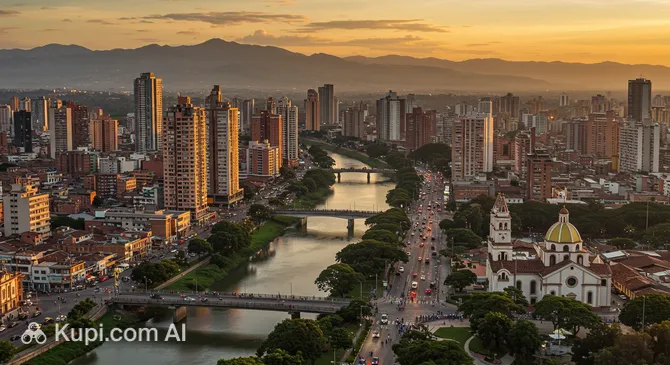
Welcome to Cali, a vibrant metropolis pulsating with energy and rhythm. Often recognized as the "Salsa Capital of the World," this spirited city offers a unique blend of indigenous, African, and Spanish heritage that permeates its music, cuisine, and daily life. As the capital of the Valle del Cauca department, it serves as the economic and industrial hub of southwest Colombia, boasting a warm and festive atmosphere that captivates visitors from the moment they arrive.
Cali. Illustration.
Source: Kupi.com AI
Geographically, the city is situated in the Cauca Valley, framed by the majestic Farallones de Cali mountains to the west. With a population of over 2.4 million inhabitants, it is one of the country's most populous and important urban centers. The climate here is tropical and warm year-round, earning it the nickname "La Sucursal del Cielo" (The Branch of Heaven), where the afternoon breeze, known as the brisa caleña, provides a refreshing respite from the heat.
The city's rich past is evident in its architecture and cultural landmarks. Visitors interested in the colonial era and the city's evolution can delve deeper into the history of Cali to appreciate how it transformed from a small settlement into a bustling modern capital. One of the most charming areas to witness this heritage is the historic neighborhood of San Antonio, famous for its whitewashed colonial houses, artisan shops, and the iconic hilltop chapel offering panoramic views of the city.
Beyond its historical streets, the city is renowned for its lively nightlife and landmarks. Travelers should not miss a visit to the towering Cristo Rey statue, which stands guard over the valley, or a stroll along the tree-lined banks of the Cali River. Whether you are looking to master the steps of salsa in a local discoteca or simply wish to enjoy the warmth of its people, this Colombian gem promises an unforgettable experience full of passion and flavor.
Weather Overview
Travelers generally find the climate in this part of the Valle del Cauca to be remarkably consistent and comfortable. The weather in Cali is characterized by steady temperatures and regular moisture, creating a mild environment that avoids the extremes of heat or cold found in other tropical regions.
Based on typical patterns, you can expect average temperatures to hover around 20°C throughout the year. Daytime highs usually peak between 22.7°C and 23.6°C, while the nights cool down to a refreshing range of 16.6°C to 17.7°C. This stability means that whether you visit in January or July, the thermal experience remains largely the same.
Rainfall is a very frequent feature of the local climate, with data indicating that wet days are recorded almost daily, ranging from 28 to 31 days per month. However, the total precipitation volume is relatively low, typically between 9mm and 16mm monthly, suggesting that while rain is common, it often manifests as light showers or mist rather than heavy storms.
Average monthly temperature
Average monthly precipitation
Interesting Facts
Beyond the famous rhythms of salsa that echo through the streets, Cali holds a treasure trove of cultural nuances and curious details that often escape the average visitor. This city is defined not just by its music, but by its unique artistic expressions, refreshing climatic phenomena, and fascinating urban legends.
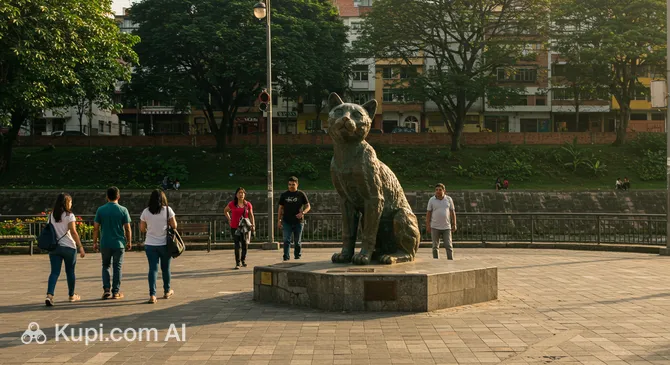
The Cat and His Entourage: The riverbank is home to a whimsical artistic phenomenon centered around the Cat of the River. This massive bronze sculpture by Hernando Tejada was eventually joined by a collection of "cat girlfriends" (Las Gatas), each uniquely painted by different renowned artists, effectively turning the riverside walkway into a colorful open-air museum.
The Devil in the Hill: Local folklore speaks of "Buziraco," a demon said to inhabit the Hill of the Three Crosses (Cerro de las Tres Cruces). Tradition holds that the three large crosses were constructed specifically to trap the entity and protect the city from pestilence and disaster, adding a mystical layer to one of the most popular hiking spots in the region.
The Clockwork Breeze: The city enjoys a famous meteorological phenomenon known as the Brisa Caleña. Every afternoon around 4:00 PM, refreshing winds descend from the Farallones mountains, cooling the streets so reliably that locals set their daily rhythms by it, welcoming the fresh air that signals the transition from work to evening leisure.
A Capital of Sport: While globally renowned for dance, the city is also acclaimed as the "Sports Capital of America." Having hosted major events like the Pan American Games, it features impressive venues such as the Coliseo El Pueblo and the Monument to Sport, reflecting a deep-seated passion for athletics that rivals its love for music.
Sweet Culinary Icons: The region's sugar cane heritage gave birth to the Cholado, a dessert that is much more than a snow cone. This iconic treat is a vibrant mix of shaved ice, exotic fruit chunks, condensed milk, and wafer cookies, often enjoyed socially on hot afternoons as a testament to the city's sweet tooth.
Cat of the River. Illustration.
Source: Kupi.com AI
Traveler photos:
How to Get There
Reaching the vibrant capital of Valle del Cauca is straightforward, thanks to its well-connected transport infrastructure. Whether you are arriving from international destinations or other parts of Colombia, you have several options to consider. For a comprehensive overview of routes and travel advice, you can check all ways to reach the city in our detailed guide.
The primary entry point for most travelers is Alfonso B. Aragon Airport (CLO). Located approximately 19.5 km from the city center, it serves as a major international hub connecting the region with key destinations in the Americas and Europe. The airport handles a large volume of passengers annually, ensuring modern facilities and frequent connections. A taxi or shuttle transfer from the terminal to downtown typically takes around 50 minutes, depending on traffic conditions.
For those exploring the wider region, Guillermo Leon Valencia Airport (PPN) is another option, though it is located in the city of Popayán, about 110.6 km from Cali. While smaller, it offers an alternative for travelers planning a multi-stop itinerary in southern Colombia. The journey by road from Popayán to Cali takes approximately 3 hours. Similarly, the El Eden Airport (AXM) in Armenia is situated roughly 139.6 km away, serving the Coffee Cultural Landscape, and requires a ground transfer of nearly 3.5 hours to reach Cali.
For clarity, here is a summary of the main airports:
Regarding rail travel, it is important to note that Cali, like much of the country, does not have an active intercity passenger railway system for tourists. Visitors wishing to travel overland typically rely on the extensive bus network. The city is home to a central bus terminal, the Terminal de Transportes, which connects to major cities like Bogotá, Medellín, and Quito. The road infrastructure is generally good, making bus travel a viable and scenic alternative for getting to the city.
Main Attractions
The city offers a diverse array of landmarks that blend history, nature, and architectural beauty. One of the most iconic sights is the Christ the King Monument, a colossal statue standing atop the Crystal Hill. Rising 26 meters into the sky, it serves as a guardian over the valley and provides visitors with spectacular panoramic views of the metropolis below. It is a popular destination for those wishing to capture the perfect photo of the city against the backdrop of the Andes mountains.
For a glimpse into the colonial past, the San Antonio Church is an essential stop. Located on a hill within the city's oldest neighborhood, this 18th-century chapel is renowned for its whitewashed baroque facade and historic charm. The surrounding park is a vibrant cultural hub where locals gather to watch the sunset, enjoy street performances, and soak in the bohemian atmosphere of the district.
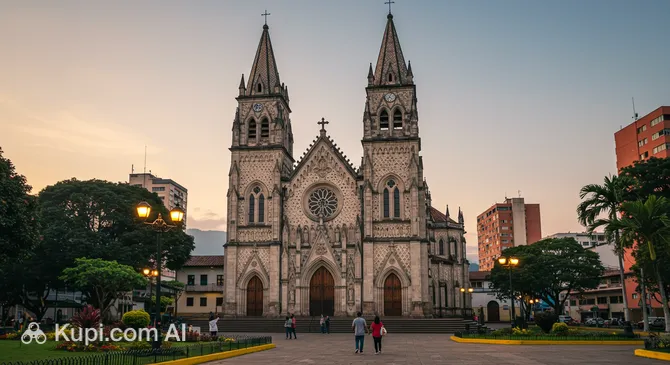
La Ermita Church. Illustration.
Source: Kupi.com AI
Traveler photos:
In the heart of the downtown area, the striking Gothic architecture of La Ermita Church creates a captivating contrast with the modern cityscape. Inspired by the Ulm Minster in Germany, this church is famous for its intricate spires and an ancient musical clock. It stands as a testament to the city's resilience and faith, drawing admirers of religious art and history.
Nature enthusiasts will find a haven at the Cali Zoo, widely considered one of the finest zoological parks in South America. Situated along the river, it immerses visitors in lush, naturalistic habitats that house a vast collection of species, including the majestic Andean bear. The zoo's focus on conservation and education makes it a fascinating and meaningful experience for travelers of all ages.
To experience the modern pulse of the city, a walk along the Cali River Boulevard is highly recommended. This pedestrian promenade runs alongside the riverbank, lined with sculptures, landscaped gardens, and trendy eateries. It is the perfect place to enjoy the famous afternoon breeze, offering a refreshing and scenic escape right in the middle of the urban bustle.
Local Cuisine
The gastronomy of Cali is a delightful reflection of the region's cultural diversity, blending Spanish, Indigenous, and African influences into dishes bursting with flavor. As the capital of the Valle del Cauca, the city offers a culinary landscape dominated by savory fried treats, hearty soups, and sweet delights that are unique to this part of Colombia. Food here is not just sustenance; it is a celebration of local ingredients and tradition.
A must-try dish for any visitor is the Sancocho de Gallina, a rich and rustic chicken soup typically cooked over a wood fire to enhance its smoky flavor. It is packed with plantains, cassava, and potatoes, and is usually served with a side of rice, avocado, and spicy aji sauce. Another main course staple is the Chuleta Valluna, a breaded and fried pork cutlet that is marinated to perfection and is often large enough to cover the entire plate.
For those who enjoy snacking, the local "mecato" is legendary. You cannot leave the city without tasting a fresh Pandebono, a soft cheese bread made with corn flour and cassava starch, perfect for breakfast or an afternoon treat. Other savory favorites include Aborrajado, a deep-fried ripe plantain filled with cheese and guava paste, and Marranitas, which are green plantain balls stuffed with crispy pork rinds.
To quench your thirst in the tropical heat, locals turn to refreshing fruit-based beverages. The Lulada is the city's signature drink, made from the tangy lulo fruit, lime juice, water, and sugar, served with crushed ice and unblended fruit chunks for texture. Another traditional option is Champús, a unique and hearty concoction containing maize, pineapple, lulo, and cinnamon. In the evenings, the social drink of choice is often Aguardiente, an anise-flavored spirit that is a staple at gatherings and dinners.
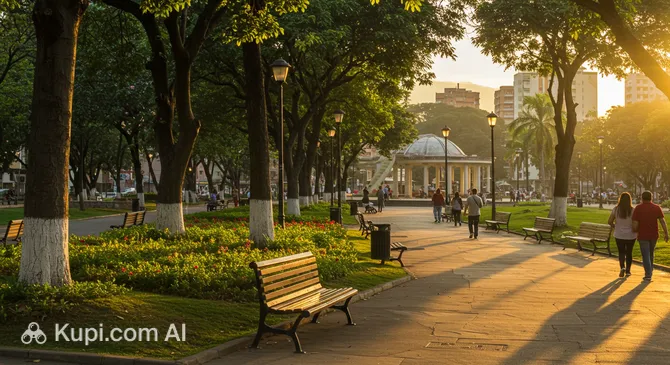
The dining scene in the city is vibrant and varied, ranging from bustling market stalls to upscale dining establishments. The Granada and San Antonio neighborhoods are particularly famous for their gastronomic offers, hosting a mix of traditional eateries and modern fusion kitchens. A favorite spot for both locals and tourists is Parque del Perro, a lively park surrounded by a high concentration of restaurants and bars, making it an ideal destination for an evening out.
Parque del Perro. Illustration.
Source: Kupi.com AI
Traveler photos:
For travelers seeking to experience traditional flavors with a contemporary twist, Platillos Voladores is a celebrated institution. This restaurant is renowned for elevating local ingredients and recipes into gourmet experiences. Alternatively, if you are exploring the Granada district, you might visit Storia D'Amore Granada to enjoy the romantic ambiance and excellent cuisine that characterizes this trendy area.
Travel Tips
Visiting the "Salsa Capital" is an exciting adventure, but like any bustling Latin American metropolis, it requires a bit of local know-how to navigate smoothly. To help you enjoy the rhythm of the city without missing a beat, here are some essential practical tips for your journey.
Clothing and Essentials: Due to the warm tropical climate, pack lightweight, breathable fabrics like cotton or linen to stay comfortable. Good walking shoes are a must, especially for exploring hilly neighborhoods like San Antonio. Since rain showers can occur unexpectedly, carrying a compact umbrella is wise. Note that power outlets typically use Type A and B plugs (similar to the US), so bring an adapter if your devices differ. If you plan to enter churches, remember to dress modestly by covering your shoulders and knees.
Getting Around: The city's integrated public transport system, MIO (Masivo Integrado de Occidente), is an affordable way to travel via buses and cable cars; you will need to purchase a rechargeable card at any station. For greater convenience and safety, especially at night, use official yellow taxis booked through mobile apps or your hotel, or rely on ride-hailing services. It is generally advised to avoid hailing cabs directly on the street after dark.
Money Matters: The local currency is the Colombian Peso (COP). While credit cards are widely accepted in malls, hotels, and larger restaurants, carrying cash is essential for street food, taxis, and smaller shops. ATMs are plentiful, but for security, use those located inside shopping centers or supermarkets. Tipping is customary; a voluntary 10% charge for "servicio" is often included in restaurant bills.
Health and Safety: Pharmacies, known as droguerías, are easy to find, with major chains like La Rebaja or Cruz Verde often open late or 24/7. Regarding safety, follow the local golden rule: "No dar papaya" (don't give papaya). This means you should not flash valuables like phones, cameras, or jewelry in public. Stick to well-populated areas and avoid walking alone on quiet streets at night.
Communication: Spanish is the primary language, and English is not widely spoken outside of major tourist hubs, so learning a few basic phrases or using a translation app is highly recommended. To stay connected, buy a prepaid SIM card from providers like Claro, Tigo, or Movistar at the airport or local malls. WhatsApp is the standard tool for communication, used for everything from chatting with locals to contacting businesses.
Local Etiquette:Caleños are known for their warmth and politeness. Always greet people with a friendly "Buenos días" or "Buenas tardes" when entering a shop or elevator. It is important to be polite, frequently using "por favor" (please) and "gracias" (thank you). When interacting with locals, a handshake is a standard greeting, though friends often greet with a cheek kiss.
What to Avoid: Avoid bringing up sensitive topics related to the country's turbulent past regarding drug cartels; locals prefer to focus on their present and future. Additionally, never leave your drinks unattended in bars or clubs, and try to avoid walking with your phone in your hand while navigating the streets.
Embrace the Rhythm: You cannot visit this city without experiencing salsa. It is more than a dance; it is a lifestyle here. Do not be afraid to try a few steps at a local salsoteca or take a beginner's class. Locals appreciate the effort, and it is the absolute best way to connect with the authentic culture of the city.
By keeping these practical suggestions in mind, you will be well-prepared to embrace the vibrant energy and hospitality of this Valle del Cauca gem. Relax, enjoy the famous afternoon breeze, and let the city's charm sweep you off your feet.
Entertainment & Nightlife
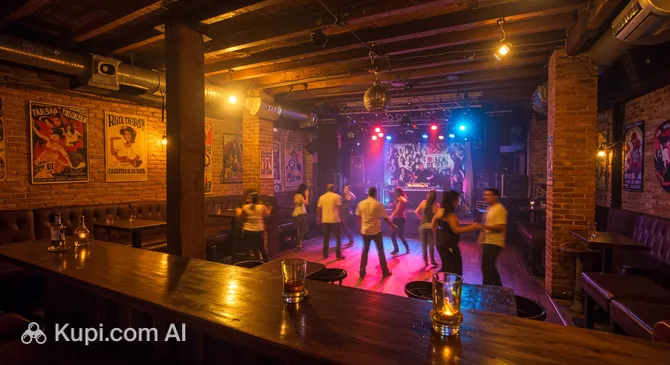
When the sun sets over the Valle del Cauca, Cali transforms into a vibrant stage where music and dance take center stage. As the undisputed "Salsa Capital of the World," the city's nightlife is legendary, offering an electric atmosphere that invites everyone to join the rhythm. The party culture here, known locally as rumba, is intense and passionate, typically starting late in the evening and continuing well into the early morning hours.
The epicenter of authentic salsa culture is undoubtedly the San Antonio and Alameda neighborhoods, where traditional dance halls and "viejotecas" preserve the classic sounds of the genre. For a truly iconic experience, travelers must visit La Topa Tolondra Nightclub. Famous across the globe, this venue welcomes dancers of all skill levels, from beginners to professionals, in a space that celebrates the pure joy of salsa without pretension. Thursdays are particularly popular for their cultural exchanges, making it a perfect spot to meet locals and fellow travelers.
La Topa Tolondra Nightclub. Illustration.
Source: Kupi.com AI
Traveler photos:
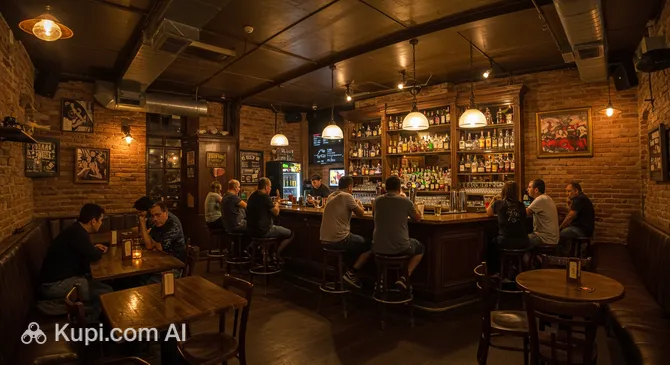
If you prefer a more upscale environment, the Granada and El Peñón districts are home to trendy bars, gastro-pubs, and chic lounges. These areas are ideal for starting the night with cocktails and conversation before heading to the dance floor. For those seeking a different beat, the city offers variety beyond salsa. Rock and blues enthusiasts will feel right at home at Bourbon Street Pub, a lively venue inspired by New Orleans that features live bands and a spirited crowd, offering a refreshing contrast to the tropical rhythms found elsewhere.
Bourbon Street Pub. Illustration.
Source: Kupi.com AI
Traveler photos:
For the most intense partying, locals often head to the Menga district on the northern outskirts of the city. This area is packed with large "superclubs" that stay open until dawn, playing a mix of crossover music, reggaeton, and electronic beats. When planning a night out, it is best to go out between Thursday and Saturday. Most clubs charge a cover fee (cover), and while the dress code is generally smart-casual, some upscale venues in Menga may require more formal attire.
Safety is a key consideration for enjoying the nightlife. While the main entertainment districts are generally safe and bustling with police presence, it is important to stay in groups and avoid walking on empty streets at night. Always use mobile apps or ask the venue to call a taxi for you rather than hailing one on the street. Transportation is readily available, and ride-sharing services are a reliable way to get back to your accommodation safely.
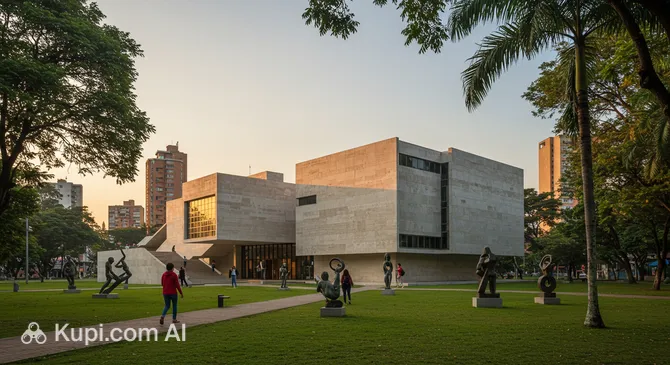
Before the night begins, the city offers plenty of daytime diversions to fill your itinerary. You can explore the modern art collections at La Tertulia Museum, which sits beautifully within a park setting, or spend a family-friendly afternoon at an amusement center like Granjalandia Interactive. Whether day or night, the city's energy is contagious, ensuring that every moment of your visit is filled with excitement.
Parks & Museums
Beyond its reputation for salsa and nightlife, Cali offers a wealth of cultural and natural attractions that provide a deeper understanding of the region's heritage and biodiversity. The city is dotted with refreshing green spaces and world-class museums that showcase everything from pre-Columbian gold to modern cinematography, making it a well-rounded destination for curious travelers.
For those seeking a connection with nature, the Cali Botanical Garden is a magnificent sanctuary located in the western part of the city. Spanning approximately 10 hectares, it is dedicated to the conservation of the dry tropical forest ecosystem. Visitors can walk along interpretive nature trails, observe a variety of native bird species, and enjoy the tranquility of lush vegetation, offering a perfect escape from the urban hustle.
Another vibrant outdoor space is the Loma de la Cruz Handicrafts Park. Situated on a hill, this park is not just a place to relax but a cultural hub where local artisans display intricate jewelry, leather goods, and traditional crafts. It is particularly lively in the evenings, offering beautiful views of the city and frequently hosting live music and dance performances that reflect the bohemian spirit of the area.
For a glimpse into the local lifestyle, Ingenio Park is a favorite among residents. This extensive linear park is the heart of outdoor recreation in the southern part of the city, filled with jogging paths, exercise equipment, and food stands selling fresh juices and cholados. It provides an authentic look at how Caleños enjoy their leisure time, exercising and socializing under the shade of large trees.
Culturally, the city boasts impressive institutions, starting with the La Tertulia Museum. As the first museum of modern art founded in Colombia, it is an architectural gem nestled near the Cali River. The complex features a collection of American graphic art, an open-air theater, and a cinematheque. Its beautiful gardens and neoclassical setting make it a culturally enriching stop for art lovers.
La Tertulia Museum. Illustration.
Source: Kupi.com AI
Traveler photos:
History enthusiasts should not miss the Calima Gold Museum, located within the Banco de la República cultural center. This museum houses a fascinating collection of gold, pottery, and stone artifacts from the Calima culture, one of the oldest pre-Hispanic societies in the region. The exhibits offer profound insight into the craftsmanship and daily life of the indigenous peoples who inhabited the Valle del Cauca centuries ago.
A unique addition to the city's museum scene is the Caliwood Museum, the first cinematography museum in the country. It celebrates Colombia's film history with a vast collection of antique cameras, projectors, and movie posters. It is a tribute to "Caliwood," a movement that revolutionized national cinema in the 1970s, making it a must-visit for film buffs.
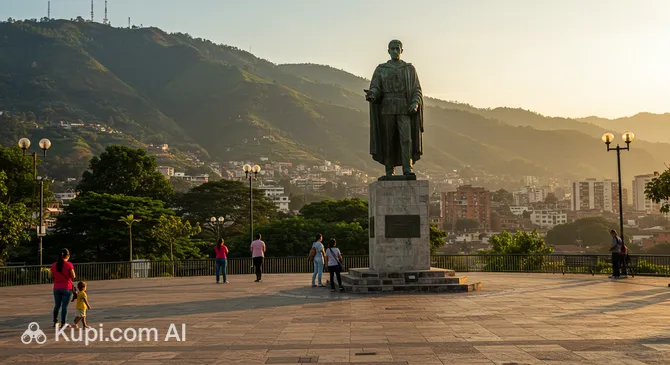
Among the city's most significant historical landmarks is the Sebastián de Belalcázar Statue. Standing tall in the hills of the Arboleda neighborhood, this bronze monument honors the Spanish conquistador who founded the city in 1536. The site serves as one of the best viewpoints in the city, offering a sweeping panorama that stretches across the valley, perfect for sunset photography.
Sebastián de Belalcázar Statue. Illustration.
Source: Kupi.com AI
Traveler photos:
For a quirky and memorable experience, travelers can visit the Airplane Park, where a real aircraft is permanently grounded and integrated into the recreational space. It is a fun spot, especially for families, and stands as a curious local landmark. Additionally, while exploring the city's cultural offerings, remember that the renowned Cali Zoo remains one of the top places to witness the country's diverse wildlife in a responsible and educational setting.
Getting Around
The backbone of public transportation in Cali is the Masivo Integrado de Occidente, commonly known as the MIO. This modern Bus Rapid Transit (BRT) system is the most efficient way to navigate the city, connecting major neighborhoods, tourist attractions, and universities. The system consists of large blue articulated buses that run on dedicated lanes along the city's main arteries, ensuring faster travel times than regular traffic. These are complemented by smaller green feeder buses (alimentadores) and orange pre-trunk buses that serve residential areas and connect passengers to the main terminals.
A unique feature of the city's transport network is the MIO Cable, an aerial cable car system fully integrated with the bus network. Departing from the Cañaveralejo Terminal, this system was designed to serve the hillside community of Siloé. For tourists, a ride on the MIO Cable offers a fascinating perspective of the city's topography and urban layout from above. Since it is part of the integrated system, you do not need to pay an extra fare to transfer from the bus to the cable car, provided you do so within the transfer window at the terminal.
To use the MIO system, cash payments are not accepted directly on the buses. You must purchase a rechargeable smart card, known as the Tarjeta MIO. These cards can be bought for a nominal fee at ticket windows in any main station or terminal, as well as at authorized sales points across the city. The fare is very affordable, typically costing less than a dollar per ride. You simply tap your card on the turnstile reader to enter the station or upon boarding a feeder bus. It is advisable to top up enough credit for your planned journeys to avoid queuing during peak hours.
The system generally operates from approximately 5:00 AM to 11:00 PM Monday through Saturday, with slightly reduced hours on Sundays and holidays. When using the MIO, it is recommended to use the official mobile app or map tools to plan your route, as the network is extensive. During rush hours (early morning and late afternoon), buses can become extremely crowded, so travelers with luggage or those who prefer more personal space might want to travel during off-peak times. As with any major city transport, always keep an eye on your personal belongings.
For those seeking a more direct or private alternative, yellow taxis are abundant and relatively inexpensive compared to North American or European standards. All official taxis should be equipped with a taximeter; ensure the driver turns it on at the start of the ride. For added safety and convenience, especially at night, it is highly recommended to order a taxi via a mobile app or by asking your hotel/restaurant to call one, rather than hailing it on the street. Ride-sharing apps are also popular and widely used in the city, offering a familiar interface for international visitors, though it is often polite to sit in the front seat to help the driver maintain a low profile.
Accommodation
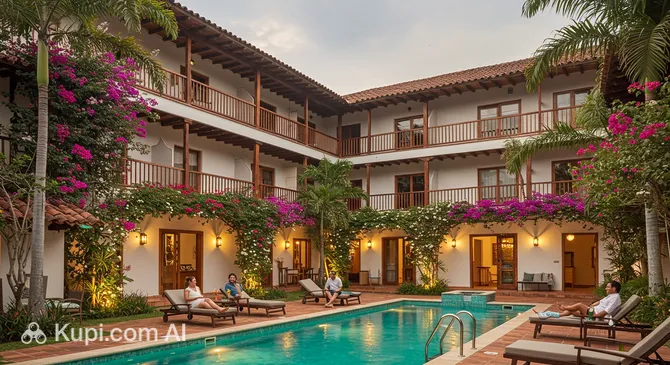
Finding the perfect place to stay in Cali is part of the adventure, as the city offers a wide spectrum of accommodation options to suit every travel style and budget. Visitors can choose from vibrant backpacker hostels that double as salsa schools, charming boutique hotels set in colonial mansions, and modern luxury accommodations with all the amenities expected of a major metropolis. Whether you prefer the social atmosphere of a shared dormitory or the privacy of a high-end suite, the city's hospitality sector is well-equipped to welcome you.
The choice of neighborhood significantly shapes the experience. For those seeking a bohemian vibe and proximity to history, the San Antonio district is the most popular choice. Its cobblestone streets are lined with hostels and small guesthouses, placing travelers right in the heart of the artistic and culinary scene. Alternatively, travelers looking for more upscale comfort, modern facilities, and access to fine dining often prefer the Granada and El Peñón neighborhoods. These areas are known for their safety, walkability, and high concentration of stylish hotels and trendy boutiques.
Among the notable options for a comfortable stay, the Plaza Norte Boutique Hotel stands out as an excellent example of local hospitality. Located strategically to offer easy access to the city's commercial and tourist zones, it provides a blend of modern convenience and personalized service. Establishments like this are perfect for travelers who appreciate a quieter, more intimate atmosphere while remaining connected to the urban energy.
Plaza Norte Boutique Hotel. Illustration.
Source: Kupi.com AI
Traveler photos:
When planning your trip, it is important to consider the timing of your booking. Cali is a festive city, and accommodation can fill up rapidly during major events, particularly during the famous Feria de Cali in late December. It is highly recommended to book your room several months in advance if you plan to visit during this peak season. For the rest of the year, reserving a few weeks ahead is usually sufficient to secure your preferred spot.
Prices in the city are generally very competitive compared to other major South American destinations. Budget travelers can find hostel beds for as little as $10-$15 USD per night, while mid-range private rooms typically range from $30 to $60 USD. Luxury stays are also surprisingly affordable, often starting around $80-$100 USD. Most accommodations can be easily booked through major international online platforms, though contacting smaller guesthouses directly can sometimes yield better rates or special offers.
Nearby Cities
For those looking to explore the surroundings, Cali serves as an excellent base for day trips to several interesting nearby locations:
Among these destinations, Palmira is a standout choice for culture and history enthusiasts. Known as the "Agricultural Capital of Colombia," it offers visitors the chance to explore the Malagana Archaeological Museum and the nearby Hacienda El Paraíso, a stunning colonial estate famous for its literary significance. For travelers seeking a culinary delight, Jamundí is the place to be. Located just a short drive south, it is celebrated for its cholados, a refreshing traditional dessert made with shaved ice and fruit, best enjoyed in the town's lively parks. These nearby destinations offer a glimpse into the diverse culture and landscapes of the region.
Shopping & Souvenirs
Shopping in Cali is a vibrant experience that mirrors the city's diverse culture, offering everything from sprawling modern complexes to charming open-air markets. Whether you are looking for high-end fashion, outlet bargains, or unique artisanal souvenirs, the capital of Valle del Cauca provides plenty of options to satisfy your retail cravings.
One of the most iconic shopping destinations is the Chipichape Mall. Located in the northern part of the city, this center is built on the grounds of the former Pacific Railway workshops, blending industrial heritage with modern architecture. It features an open-air design that takes advantage of the warm climate, housing a vast array of national and international brands, cinemas, and a lively food court. It is not just a place to shop but a social hub where locals gather to enjoy the atmosphere.
Chipichape Mall. Illustration.
Source: Kupi.com AI
Traveler photos:
For travelers seeking excellent deals and discounts, the Unico Outlet Mall is the premier choice. As the first outlet center in the country, it specializes in offering clothing, footwear, and accessories at reduced prices year-round. It is particularly known for its wide selection of Colombian fashion brands, making it an ideal spot to pick up high-quality local apparel without breaking the bank.
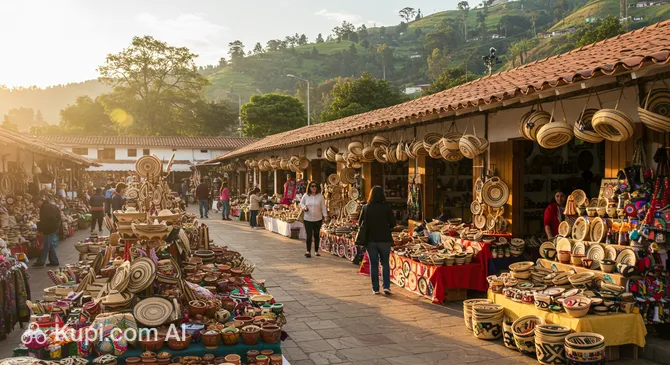
If you are interested in traditional crafts and bohemian vibes, a visit to the Loma de la Cruz Handicrafts Park is essential. This tiered park is lined with small stalls where artisans sell handmade jewelry, leather goods, musical instruments, and intricate woodwork. It is the perfect place to find authentic souvenirs that reflect the artistic spirit of the region. In the evenings, the shopping experience is often accompanied by live music and cultural performances, adding a festive rhythm to your visit.
Loma de la Cruz Handicrafts Park. Illustration.
Source: Kupi.com AI
Traveler photos:
Beyond the major malls and markets, the neighborhoods of Granada and El Peñón offer a more boutique shopping experience. These districts are home to independent designers and upscale shops showcasing the best of "Caleño" fashion, which is renowned for its vibrant colors and summer-ready styles. Whether you are searching for the perfect salsa outfit or contemporary swimwear, exploring the tree-lined streets of these areas reveals the city's stylish side.