Support

Pereira

About

Welcome to Pereira, a vibrant and bustling metropolis nestled in the heart of the "Coffee Axis" of Colombia. As the capital of the Risaralda Department, this urban center is affectionately known as "The City Without Doors" due to the renowned warmth and hospitality of its locals. It serves as a strategic hub for commerce and tourism, offering a perfect blend of modern urban infrastructure and breathtaking natural surroundings.

Geographically, the city is situated in a valley within the central Andes mountain range, which grants it a pleasant, spring-like climate throughout the year. With a population of approximately 590,000 inhabitants, it is the most populous city in the coffee region. Its privileged location makes it an ideal base for exploring the lush green mountains and endless coffee plantations that define the area's cultural landscape.
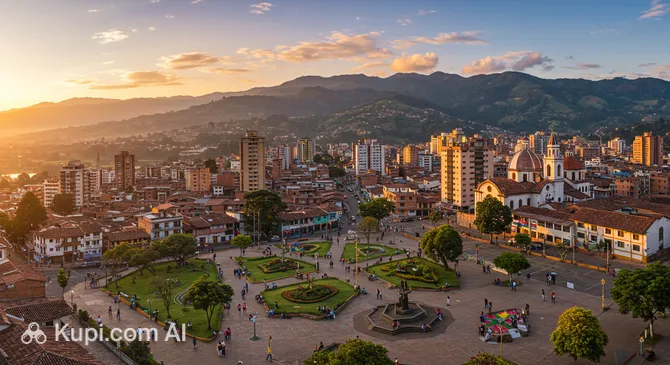
Pereira. Source: Kupi.Binoculars

To truly appreciate the local culture, it is worth exploring the history of Pereira, which is deeply intertwined with the colonization of the region and the boom of the coffee industry. This heritage is visible in the city's dynamic spirit and its landmarks. One of the most striking features is the César Gaviria Trujillo Viaduct, an architectural marvel that connects Pereira with the neighboring municipality of Dosquebradas and offers stunning views of the river valley.

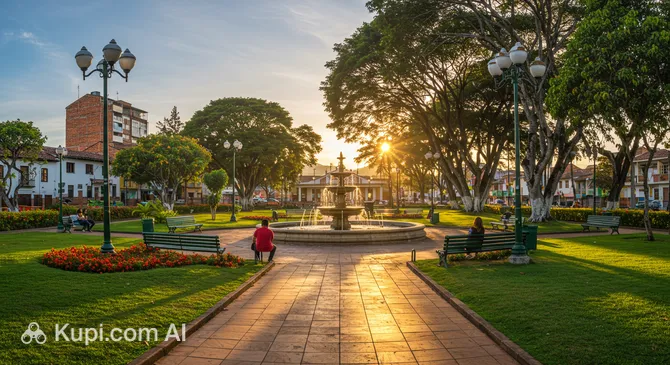
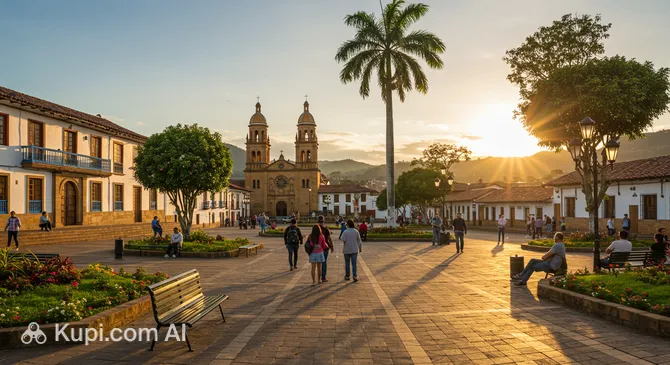
Visitors are spoiled for choice with attractions ranging from the lively Plaza de Bolívar, featuring the famous statue of the Liberator naked on horseback, to the impressive Bioparque Ukumarí, a massive wildlife park dedicated to conservation and education. Whether you are looking to immerse yourself in the UNESCO-recognized Coffee Cultural Landscape or enjoy the city's vibrant nightlife and dining scene, Pereira invites you to discover its many charms.
Weather Overview

Pereira enjoys a pleasant, temperate climate year-round, often described as an "eternal spring." The temperature remains incredibly stable across all seasons, with daily highs typically reaching 22°C and nights cooling down to around 14°C. This consistency makes the city a comfortable destination for outdoor activities regardless of when you choose to visit.

However, visitors should be prepared for the region's humidity and frequent precipitation. The weather in Pereira is characterized by regular rainfall, with showers occurring frequently throughout the year. While the period from May to July generally sees slightly higher precipitation levels compared to the drier start of the year, it is always advisable to carry an umbrella or a light rain jacket to handle the frequent, though often short-lived, rain showers.

Interesting Facts

Beyond the main attractions and the coffee culture, Pereira holds fascinating secrets that often surprise visitors. This dynamic city is full of unique stories, architectural curiosities, and historical layers waiting to be discovered by those who look a little closer.

  • One of the most provocative landmarks in the city is the "Bolívar Desnudo" monument located in Bolívar Square (Pereira). Unlike the traditional military depictions found across South America, this massive bronze statue portrays the Liberator Simón Bolívar completely naked on horseback, symbolizing his raw spirit and freedom, a daring artistic choice by sculptor Rodrigo Arenas Betancourt.

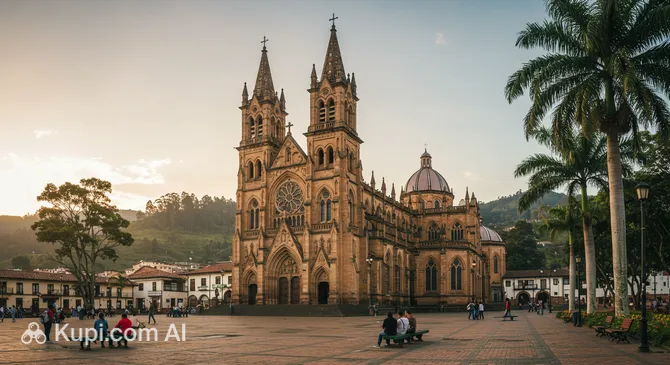
  • The Cathedral of Our Lady of Poverty is an architectural marvel hidden in plain sight. While its exterior might seem modest, the interior features a stunning, intricate roof structure made from over 13,000 pieces of cumin wood. The complex lattice design, which resembles a spiderweb, supports the dome without the use of metal nails, showcasing exceptional craftsmanship.

  • Pereira sits on a site with a double history, often referred to as the location of "Old Cartago." The city was founded in 1863 on the exact ruins of the original colonial settlement of Cartago, which had been moved to its current location in the Valle del Cauca department nearly 170 years earlier due to indigenous resistance.

  • Nature thrives within the urban sprawl at the Botanical Garden of the Technological University of Pereira. This green lung is not just a park but a protected forest reserve dedicated to conservation and research, hosting a diverse array of bird species and native flora right on a university campus.

Bolívar Square (Pereira). Source: Kupi.Binoculars

How to Get There

Reaching the heart of Colombia's Coffee Axis is straightforward thanks to its well-connected infrastructure. Whether you are arriving from within the country or from abroad, there are several convenient options to suit your itinerary. You can read more about how to get to Pereira and the various transport modes available for a smooth journey.

The primary gateway for most travelers is Matecana International Airport (PEI), which is conveniently located within the city limits, just 5.4 km from the center. As the most important air terminal in the region, it handles a large volume of passengers and offers modern facilities. A taxi or transfer from here to the downtown area is quick and efficient, typically taking less than 30 minutes.

If your travel plans involve exploring the wider region, you might also consider airports in neighboring cities. El Eden Airport (AXM) is located in Armenia, approximately 40.3 km away; a trip from there to Pereira takes about 1 hour and 20 minutes by road. Another viable option is La Nubia Airport (MZL) in Manizales, situated about 35.0 km from Pereira, with a transfer time of roughly 1 hour and 12 minutes.

For clarity, here is a summary of the main airports serving the area:

Airport Name City Passenger Traffic Km from City
Matecana International Airport Pereira Large 5.4
El Eden Airport Armenia Medium 40.3
El Carano Airport Quibdo Medium 143.6
La Nubia Airport Manizales Small 35.0
Ibague Airport Ibague Small 75.2

Main Attractions

Pereira offers a compelling mix of architectural heritage, cultural spaces, and natural beauty, making it a delightful destination for travelers. The city's layout invites exploration, with many key sites located within easy reach of the downtown area, while others provide a perfect excuse to enjoy the surrounding green landscapes.

A visit to the city center is incomplete without stepping inside the Cathedral of Our Lady of Poverty. Located on the west side of Bolívar Square, this religious landmark is the heart of the city's spiritual life. While its exterior is somewhat understated, the interior is a masterpiece of carpentry, featuring an intricate wooden lattice structure that supports the roof. It is a peaceful sanctuary amidst the urban bustle and a testament to the region's history and craftsmanship.

Cathedral of Our Lady of Poverty. Source: Kupi.Binoculars

For those seeking panoramic views and a connection with nature, Cerro Canceles has become one of the city's most popular viewpoints. This hill offers a stunning 360-degree perspective of Pereira and the neighboring municipalities, making it an ideal spot for photography, especially during sunset. The area has been revitalized to welcome tourists, providing a safe and scenic environment to appreciate the vastness of the Coffee Axis landscape from above.

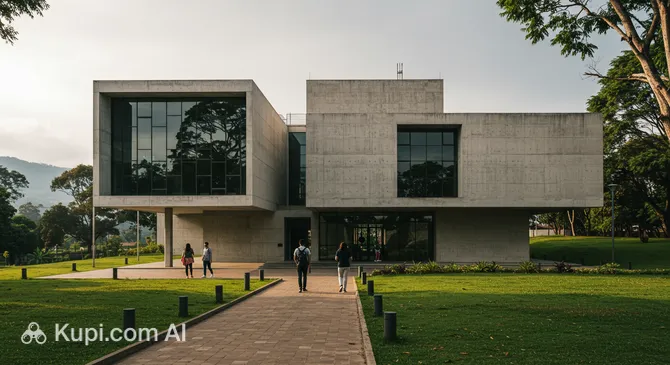
Art enthusiasts will find a hub of creativity at the Pereira Art Museum. This institution plays a vital role in the local cultural scene, hosting a variety of temporary exhibitions that range from contemporary modern art to historical retrospectives. The museum also organizes cinema clubs, workshops, and events that engage the community, offering visitors a deeper look into the artistic expressions of the region.

Pereira Art Museum. Source: Kupi.Binoculars

Families and outdoor lovers should not miss the Metropolitan Park Café Pereira. This extensive recreational area is perfect for a day of leisure, offering facilities for sports, walking trails, and green spaces for picnics. It serves as a green lung for the city, providing a relaxing atmosphere where locals and tourists alike can unwind and enjoy the pleasant climate that the region is famous for.

Another excellent spot for recreation is La Pradera Lake, located in the nearby Dosquebradas area but deeply integrated into the metropolitan dynamic. It is a favorite among families for its artificial lakes where you can rent paddle boats, as well as its skate park and ample walking paths. The park is a lively gathering place on weekends, filled with food vendors and a joyful local atmosphere.

Local Cuisine

The culinary landscape of Pereira is a delightful reflection of the "Paisa" culture, characterized by generous portions, hearty ingredients, and bold flavors. As a key city in Colombia's Coffee Axis, the food here is designed to comfort and satisfy. The local gastronomy relies heavily on staples like beans, plantains, corn, and pork, creating dishes that are as warm and welcoming as the people themselves.

No visit to Pereira is complete without trying the iconic Bandeja Paisa. This massive platter is the region's signature dish and a true feast for the senses. It typically includes savory red beans, white rice, ground meat, chicharrón (fried pork belly), a fried egg, plantain, chorizo, arepa, and a slice of avocado. It is a meal best enjoyed with a big appetite, often served in traditional restaurants known as "fondas." Another comfort food staple is Sancocho, a thick, flavorful soup made with hen, beef, or pork, simmered with potatoes, yuca, and plantains, usually accompanied by rice and salad.

For a lighter taste of local tradition, the Arepa is ubiquitous. In Pereira, you will often find the sweet and savory Arepa de Choclo, made from sweet corn and filled with fresh local cheese, or the large, flat white corn arepas served with butter and salt. These are perfect for breakfast or a mid-afternoon snack, often paired with a steaming cup of hot chocolate or Agua de Panela (sugar cane water), sometimes with cheese dipped inside the hot drink—a unique local custom.

Given its location, the coffee in Pereira is world-class. Locals drink tinto (black coffee) throughout the day. For adult beverages, the traditional spirit is Aguardiente, an anise-flavored liquor often referred to as "guaro." It is deeply embedded in the social culture and is typically consumed in small shots accompanied by water or mango biche (unripe mango with salt and lime).

The city's dining scene has evolved significantly, offering modern gastronomic hubs that blend local ingredients with international techniques. A prime example is the Sonoma Gastronomic Center, a vibrant complex where visitors can explore a variety of restaurants and cuisines in a sophisticated atmosphere. It is an excellent spot to experience the contemporary side of Pereira's food culture.

Sonoma Gastronomic Center. Source: Kupi.Binoculars

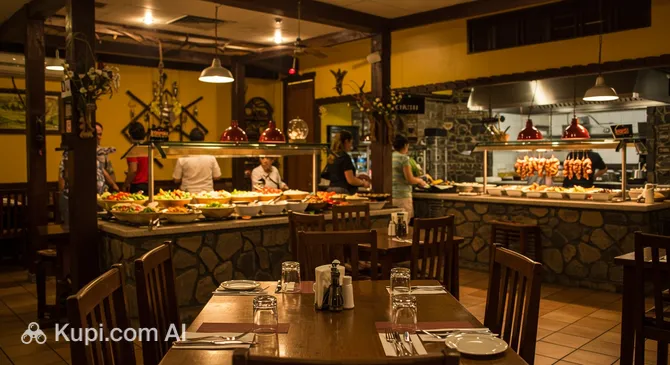
For those who appreciate high-quality meats and a hearty dining experience, the city offers excellent options influenced by global styles. The O'Brasileiro Rodizio Restaurant is a popular choice for lovers of grilled meats, offering a rodizio-style service that complements the local love for carnivorous feasts. Meanwhile, if you are looking to enjoy a drink in a lively setting, La Cantina Legre provides a spirited atmosphere to enjoy music and local beverages.

O'Brasileiro Rodizio Restaurant. Source: Kupi.Binoculars

Travel Tips

To ensure your visit to the heart of Colombia's Coffee Axis is as smooth and enjoyable as possible, it helps to know a few local logistics beforehand. Here are some practical tips to help you navigate Pereira with confidence, from packing the right layers to understanding the local way of life.

  1. Dress for the "Eternal Spring": Although the climate is mild and pleasant, weather in the Andes can be unpredictable. Pack in layers—t-shirts combined with light sweaters or cardigans are ideal. Since rain can occur at any time of year, a waterproof jacket or a sturdy umbrella is essential. Comfortable walking shoes are also a must, as the city's terrain is hilly and best explored on foot.
  2. Getting Around Efficiently: The city features a reliable mass transit system called Megabús (distinctive green buses), which is an affordable way to travel between main districts. For a scenic and practical journey, try the Megacable, an aerial cable car integrated into the transport system that offers fantastic views of the city for the price of a standard ticket. Taxis are yellow and generally safe; always ensure the driver uses the meter (taxímetro). Ride-hailing apps are available, but it is often recommended to sit in the front seat to keep a low profile.
  3. Currency and Payments: The local currency is the Colombian Peso (COP). While credit and debit cards are widely accepted in shopping malls, supermarkets, and established restaurants, cash is king for smaller vendors, street food, and public transport. ATMs are plentiful in commercial areas. In restaurants, a voluntary tip (propina) of 10% is often included in the bill; it is polite to pay it unless the service was poor.
  4. Health and Safety Precautions: Pereira is generally safe, but travelers should practice the local rule of "no dar papaya" (don't give opportunity)—meaning keep your phone and valuables out of sight in crowded areas. Pharmacies (droguerías) are common and pharmacists can often recommend over-the-counter remedies. While Pereira boasts some of the best tap water in the country and it is officially potable, visitors with sensitive stomachs may prefer bottled water for the first few days.
  5. Communication Essentials: Spanish is the primary language, and English is not widely spoken outside of major hotels and tourist agencies. Downloading a translation app or learning basic phrases like "Buenos días" and "Gracias" will go a long way. To stay connected, purchase a prepaid SIM card from major providers like Claro or Tigo at a local mall. WhatsApp is the standard tool for communication, used by everything from tour guides to delivery services.
  6. Local Etiquette: People in the region, known as Pereiranos, are famous for their kindness and politeness. It is customary to greet shopkeepers and drivers with a friendly "Buenos días" or "Buenas tardes." Handshakes are standard for introductions. When addressing people, the formal "Usted" is frequently used as a sign of respect, even in casual interactions.
  7. What to Avoid: Refrain from making jokes or asking casual questions about the country's history with drug cartels or specific infamous figures. This is a sensitive and painful topic for many locals who are proud of their nation's progress. Additionally, avoid slamming taxi or car doors; drivers take great pride in their vehicles and often perceive this as rude or aggressive.
  8. Experience the Coffee Culture Properly: Since you are in a major coffee-producing region, skip the generic chains and visit a specialized independent café. Unlike in some other cultures, coffee shops here often remain open late into the evening and serve as vibrant social hubs. It is the perfect opportunity to taste a professionally prepared "tinto" or cappuccino made from beans grown just miles away.

With these practical insights, you are well-prepared to embrace the vibrant culture and stunning landscapes of Pereira. Whether you are navigating the bustling streets or relaxing with a world-class cup of coffee, these tips will help you connect with the city and its welcoming people.

Entertainment & Nightlife

Pereira lives up to its nickname "La Trasnochadora" (The Night Owl), offering a vibrant and energetic nightlife scene that rivals larger Colombian cities. As the sun sets over the Coffee Axis, the city transforms into a lively hub of music, dancing, and socializing. The atmosphere is generally warm and welcoming, with locals known for their friendliness and love for a good party, whether it's a relaxed evening of cocktails or a night of dancing until dawn.

The epicenter of nightlife in Pereira is undoubtedly the Circunvalar Avenue (Avenida Circunvalar). This upscale district, often referred to as the "Zona Rosa," is lined with trendy bars, gastropubs, and restaurants. It attracts a stylish crowd, ranging from young professionals to tourists, and is the perfect place to start the evening. Here, you can find everything from sophisticated rooftop terraces to lively sports bars. Another key area is the city center, where traditional taverns play classic tango and bolero music, offering a more nostalgic glimpse into the local culture.

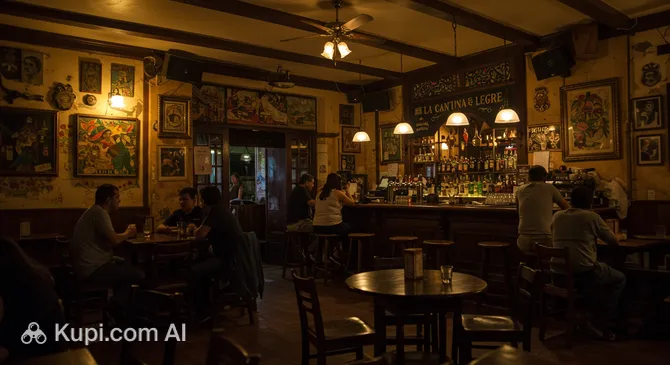
For those looking to experience the local party spirit, La Cantina Legre is a popular choice. It captures the essence of a traditional Colombian cantina but with a modern twist, offering a spirited atmosphere where people gather to drink aguardiente and sing along to popular ranchera and vallenato hits. It is a fantastic spot to immerse yourself in the authentic social fabric of the city.

La Cantina Legre. Source: Kupi.Binoculars

If you prefer live music and a more alternative vibe, Unplugged Café is a must-visit venue. Known for its eclectic mix of rock, pop, and retro tunes, this night club and bar offers a great escape from the typical crossover and reggaeton scenes found elsewhere. It is an excellent venue for enjoying live bands and a laid-back yet energetic environment with friends.

Unplugged Café. Source: Kupi.Binoculars

Beyond the bars and clubs, Pereira offers diverse entertainment options for the late afternoon and early evening. Before heading out for the night, many visitors enjoy a stroll through the Parque Arboleda Shopping Mall. This modern complex is not just for shopping; it features a cinema and a food court with terraces that offer lovely views of the city, making it a relaxed starting point for a night out.

Parque Arboleda Shopping Mall. Source: Kupi.Binoculars

When planning a night out, keep in mind that the party usually starts late, with clubs filling up around midnight. The dress code is generally "casual chic"—avoid beachwear, but there is no need for overly formal attire unless you are visiting a very exclusive venue. Prices are reasonable compared to Bogotá or Medellín, with beers and cocktails being quite affordable.

Safety is an important consideration. While the main nightlife districts like Circunvalar are well-policed and safe for walking, it is always advisable to use official taxis or ride-hailing apps when moving between venues late at night. Avoid walking alone in dimly lit or residential areas away from the main strips. Taxis are plentiful and can be easily hailed or called by restaurant staff to ensure a safe journey back to your accommodation.

Parks & Museums

Pereira offers a refreshing balance of urban development and lush greenery, providing visitors with numerous spaces to relax and connect with the local culture. The city is dotted with charming parks and historical landmarks that tell the story of its transformation from a small settlement to the capital of the Risaralda department.

One of the most emblematic green spaces in the city center is Olaya Herrera Park. Also known as the "Park of the Founders," it serves as a historical reference point and a tranquil escape from the surrounding busy streets. The park is historically significant as it marks the location where the city began its expansion in the early 20th century. It is a favorite spot for locals to read, chat, or simply enjoy the shade of the tall trees that characterize the area.

Olaya Herrera Park. Source: Kupi.Binoculars

Another beloved urban oasis is La Rebeca Park. This small but iconic park is famous for its statue of "La Rebeca," a symbol of the city that has watched over the neighborhood for decades. It is located in the Circunvalar area, surrounded by cafes and restaurants, making it a perfect stop during a walking tour. The park provides a romantic and intimate atmosphere, contrasting with the larger, more bustling plazas of the downtown area.

For those interested in the cultural and architectural heritage of Pereira, the Risaralda Government Palace is a must-see. This imposing building is not only the administrative heart of the department but also an architectural landmark that reflects the region's growth and importance. Its design and presence on the cityscape offer a glimpse into the civic pride of the "Pereiranos" and often serves as a backdrop for cultural events and official ceremonies.

Immersing yourself further in the city's history, a visit to the San José Church offers a look at the religious traditions that have shaped the community. Built in a striking Neo-Gothic style, this church is a testament to the architectural ambition of the early 20th century. Its intricate details and peaceful interior make it a significant cultural gallery in its own right, preserving the spiritual heritage of the city.

In addition to these sites, art lovers should seek out the Lucy Tejada Cultural Center. Although it functions as a dynamic hub rather than a traditional museum, it is the beating heart of the city's artistic scene. Located on the site of the old central gallery, it houses the municipal library, exhibition halls, and spaces for performing arts, named after the renowned local artist Lucy Tejada. It is an excellent place to witness the contemporary cultural pulse of Pereira.

Insider Tip: For a truly authentic experience, take a walk along the pedestrian bridges and pathways connecting the different parks in the city center. You will often find small vendors selling "obleas" (wafer snacks) or fresh fruit, allowing you to enjoy a local treat while moving between these green and cultural landmarks.

Getting Around

Navigating Pereira is relatively easy and efficient, thanks to a well-structured integrated transport network that connects the city with its metropolitan area, including the neighboring municipalities of Dosquebradas and La Virginia. The backbone of the system is the Megabús, a Bus Rapid Transit (BRT) service characterized by its distinctive green articulated buses. These buses run on dedicated lanes along the city's main avenues, avoiding regular traffic and ensuring faster travel times. It is the most popular choice for tourists and locals alike to move between key districts and the city center.

A unique and scenic component of the network is the Megacable, an aerial cable car system fully integrated with the bus network. Departing from the Olaya Herrera Park station, this cable car soars over the city's hills to the Villa Santana district. While primarily designed for commuters living in steeper areas, it has become a tourist attraction in its own right, offering spectacular panoramic views of the urban landscape and the surrounding mountains for the price of a standard bus ticket.

To use the Megabús and Megacable, you must purchase a rechargeable smart card known as the Megatarjeta. These cards can be bought and topped up at ticket booths located at the entrance of any BRT station and at authorized shops throughout the city. The fare is deducted automatically when you tap the card at the turnstiles. One of the best features of this system is that transfers between the green buses and the cable car are included within a specific time window, allowing for seamless travel across different modes without paying extra.

For destinations not covered by the main Megabús routes, the city relies on a fleet of traditional collective buses, often referred to as busetas. These are typically orange or mixed-color vehicles that weave through residential neighborhoods and narrower streets. Unlike the BRT, these buses do not use the smart card system; passengers pay the fare in cash directly to the driver upon boarding. It is advisable to carry small bills or coins, as drivers may not always have change for large denominations.

The public transport system generally operates from early morning, around 5:00 AM, until late evening, typically closing between 10:00 PM and 11:00 PM, though hours may vary slightly on Sundays and holidays. When using the Megabús, remember to validate your card at the station entrance, not inside the bus. During peak hours (morning and evening rush), the buses can get quite crowded, so plan accordingly if you prefer a more comfortable journey.

If you prefer a more direct and private option, taxis are abundant and easy to hail on the street. They are painted yellow and are generally considered safe and reliable. All legal taxis in Pereira are equipped with a taximeter (taxímetro), so make sure the driver turns it on at the start of the ride to ensure a fair price. For added convenience, mobile applications for ride-hailing services are also widely used and offer an alternative for those who prefer booking a ride from their smartphone, although standard taxis remain the most regulated option.

Accommodation

Where to Stay:

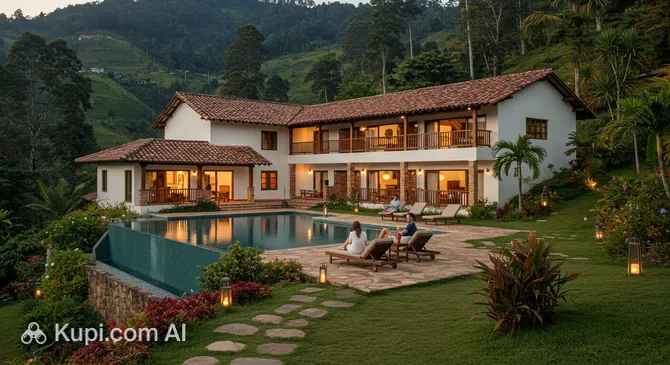
Accommodation in Pereira caters to a diverse array of travelers, ranging from budget-conscious backpackers to those seeking luxury and relaxation. The city and its surroundings offer everything from modern urban hotels and economical hostels to traditional coffee farms (fincas) converted into charming guest houses. Whether you prefer the convenience of the city center or the tranquility of the lush green mountains, there is a perfect spot for every type of itinerary.

For those who prefer to be in the heart of the action, the downtown area (El Centro) and the Circunvalar district are the most convenient locations. Staying here places you within walking distance of key landmarks, shopping malls, and the vibrant nightlife. A prominent example in the city center is the Soratama Hotel Pereira. Known for its strategic location near Bolívar Square and its commanding views of the city, it is a favorite choice for travelers who want immediate access to the urban hustle and bustle.

Soratama Hotel Pereira. Source: Kupi.Binoculars

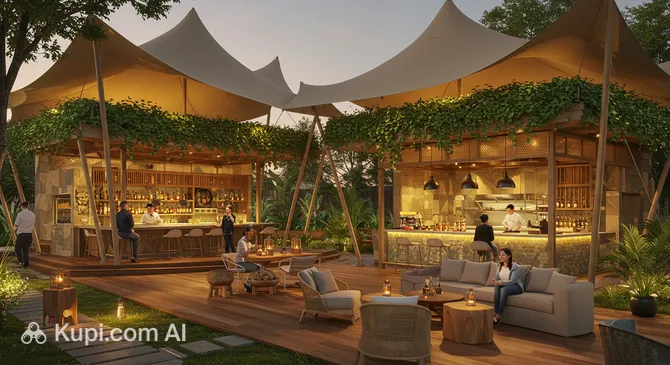
If you are looking for a deeper connection with nature without sacrificing comfort, the outskirts of the city offer incredible options. The trend of "glamping" has taken hold in the Coffee Axis, providing unique stays nestled in the Andean hills. Abu Dabi Glamping Pereira is one such destination where guests can enjoy a luxurious camping experience surrounded by spectacular scenery, making it perfect for a romantic getaway or a peaceful retreat away from the noise.

Regarding costs, prices in Pereira are generally quite competitive. Budget travelers can find comfortable hostels for very affordable rates, while mid-range hotels and luxury resorts offer excellent value for money compared to international standards. Most properties are listed on major online booking platforms, which is the easiest way to secure a room. However, for smaller rural fincas, contacting the owners directly can sometimes yield better rates or personalized service.

Booking Tip: While accommodation is available year-round, the city can get very busy during Colombian holidays, especially during Holy Week (Semana Santa) and the Harvest Festival (Fiestas de la Cosecha) in August. It is highly recommended to book your stay well in advance if you plan to visit during these peak periods to ensure availability and the best prices.

Nearby Cities

For those looking to explore the surroundings, Pereira serves as an excellent base for day trips to several interesting nearby locations. The city's strategic position in the Coffee Axis allows travelers to easily reach other capitals and charming towns that offer distinct cultural and natural experiences.

One of the most popular destinations is Manizales, the capital of the Caldas department. Known for its steep streets and cooler mountain climate, it offers a different atmosphere from Pereira. Visitors can explore the imposing Cathedral Basilica of Our Lady of the Rosary, enjoy panoramic views from the Chipre neighborhood, or use the city as a starting point for expeditions to the nearby snowy peaks of the Los Nevados National Natural Park.

Heading south, Armenia invites travelers to discover the heart of the Quindío department. It is famous for its proximity to major thematic attractions like the National Coffee Park and PANACA, which are perfect for family outings. The city itself features lush botanical gardens and museums that delve deep into the region's indigenous Gold Quimbaya history.

For those interested in heritage and crafts, Cartago is a fascinating stop located in the Valle del Cauca department. Known as the "Capital of Embroidery," it is renowned for its exquisite hand-stitched textiles. The town also boasts a warmer climate and beautiful colonial churches, offering a glimpse into the historical architecture of the region.

City Population Distance (km)
Manizales 434,403 35
Armenia 301,226 30
Dosquebradas 179,301 3
Cartago 134,972 25
Calarca 79,569 32

These nearby destinations offer a glimpse into the diverse culture and landscapes of the region.

Shopping & Souvenirs

Shopping in Pereira is a delightful experience that reflects the city's status as the commercial capital of the Coffee Axis. Known for its robust textile industry and vibrant trade, the city offers a diverse range of options, from bustling street markets to sophisticated modern centers. Whether you are looking for high-quality fashion, local handicrafts, or the world's finest coffee beans, Pereira provides a shopping environment that caters to all tastes and budgets.

The heart of the city's commercial life beats in El Centro (Downtown), particularly along the lively Carrera 7 and Carrera 8. These pedestrian-friendly streets are lined with hundreds of stores selling everything from shoes and clothing to electronics and accessories. It is a chaotic but fascinating place to witness the local hustle and bustle. For a more upscale and relaxed atmosphere, the Circunvalar Avenue district offers boutique shops, designer stores, and charming cafes, perfect for a leisurely afternoon of window shopping.

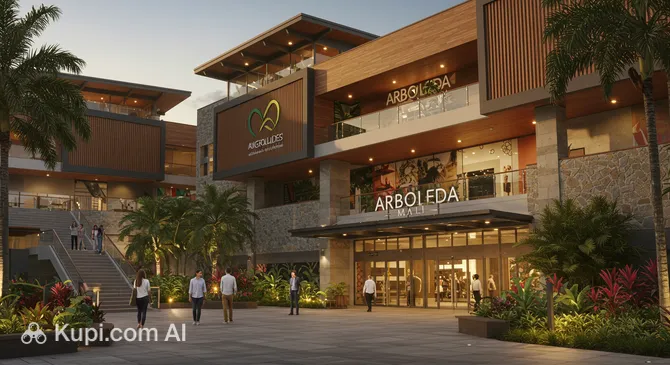
For those who prefer the comfort of modern facilities, the city boasts several impressive shopping complexes. Arboleda Mall is widely considered the premier shopping destination in the region. Located in the exclusive Circunvalar area, it houses renowned international brands, a large food court, and entertainment facilities. Another significant spot is the Victoria Centro Comercial, situated right in the downtown area, which blends historical architecture with modern retail spaces, offering a unique setting for shoppers.

Arboleda Mall. Source: Kupi.Binoculars

While Pereira does not have a single massive artisan market, you can find authentic local goods scattered throughout the city. Visitors should look for shops specializing in goods made from Guadua (a type of bamboo native to the region), which is crafted into beautiful home decor and utensils. Additionally, the city is a hub for leather goods and footwear, often available at very competitive prices in the downtown specialized districts.

When it comes to souvenirs, coffee is the undisputed king. Instead of buying generic brands at the supermarket, visit a specialized coffee shop where you can purchase export-quality beans grown in the surrounding mountains. Other popular items include the traditional Ruana (a poncho-like garment) and replicas of pre-Columbian gold jewelry, paying homage to the Quimbaya culture that once inhabited the area.

Most shops in Pereira typically open from 9:00 AM to 8:00 PM, Monday through Saturday. Shopping malls usually extend their hours until 9:00 PM or later, especially on weekends and holidays. While major stores, malls, and restaurants widely accept credit and debit cards, it is advisable to carry cash (Colombian Pesos) when exploring the downtown street shops or buying from smaller vendors.

International tourists should be aware of the Tax-Free (VAT refund) system available in Colombia. If you purchase certain physical goods with a credit card at participating stores, you may be eligible for a refund of the Value Added Tax (IVA) upon departure at the airport. Look for the "Tax Free" signage in store windows and be sure to ask for the necessary electronic invoice to present at the customs office before leaving the country.

Reached the end of the page?

That means the route is fully explored