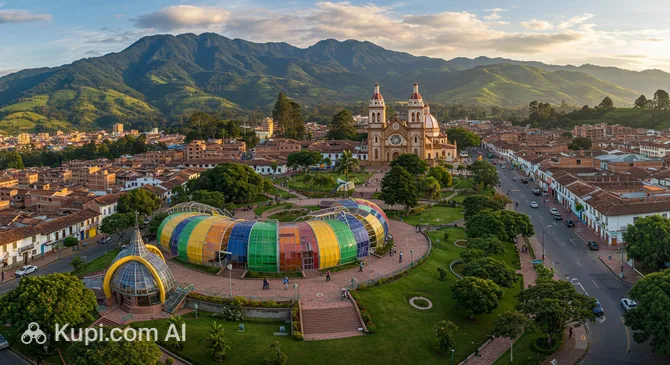
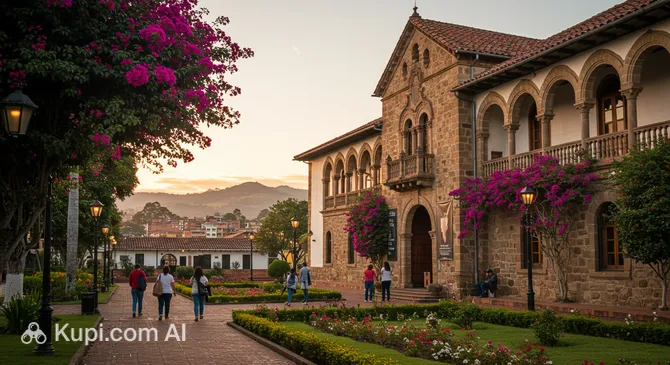
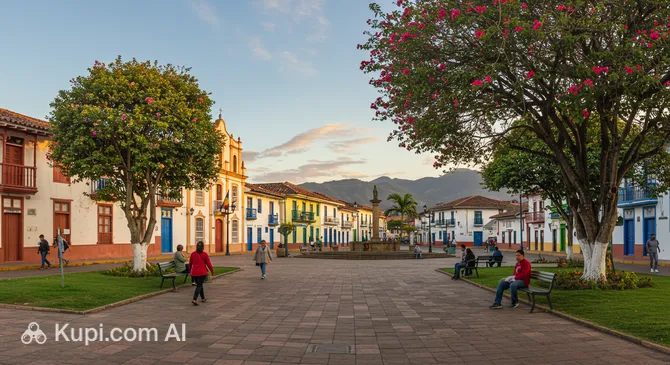
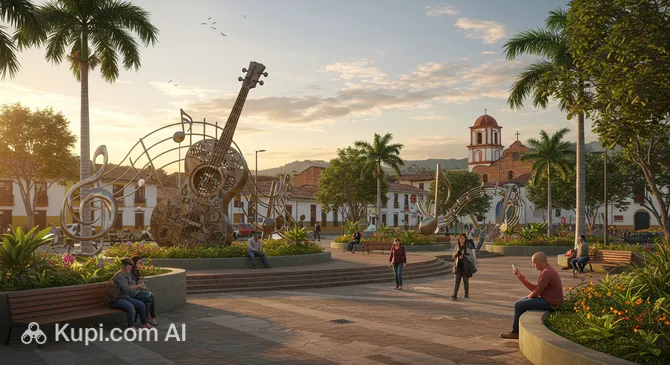
Welcome to Ibague, a vibrant city often celebrated as the "Musical Capital" of the nation due to its rich conservatory tradition and lively folklore festivals. Nestled in the central mountain range of the Andes, this captivating destination serves as the capital of the Tolima department and offers a perfect blend of urban energy and breathtaking natural landscapes.
Located in the heart of Colombia, Ibague enjoys a strategic position connecting the center of the country with the western regions. The city sits at an altitude that provides a pleasant, spring-like climate year-round, making it comfortable for exploration. With a population of over 540,000 inhabitants, it is a bustling commercial and cultural hub that maintains a welcoming and friendly atmosphere for visitors.
Ibague. Illustration.
Source: Kupi.com AI
The history of Ibague is deeply intertwined with the colonial era and the indigenous Pijao culture, creating a unique heritage that is reflected in its architecture and local traditions. Beyond its historical streets, the city is a gateway to stunning natural wonders. Nature enthusiasts should not miss the majestic Combeima Canyon, a spectacular valley that offers hiking trails and breathtaking views of the Tolima volcano.
Another highlight is the San Jorge Botanical Garden, a serene sanctuary that showcases the region's diverse flora and fauna. Whether you are strolling through the Plaza de Bolívar to soak in the local ambiance or embarking on an eco-tourism adventure in the nearby mountains, Ibague promises an unforgettable experience filled with rhythm, nature, and warmth.
Weather Overview
Ibague is renowned for its consistent, spring-like climate, which remains pleasant and mild year-round. This stability makes it an inviting destination for outdoor activities and exploration, regardless of the season.
Temperatures typically hover around an average of 17°C to 19°C. During the day, you can expect highs to reach approximately 21°C to 23°C, while nights are cooler, often dipping to around 13°C to 14°C. September is generally the warmest month, though the variation across the calendar is minimal.
Rainfall is a common occurrence, with precipitation recorded on many days of the year. The months of April, May, and October see the highest frequency of wet days, whereas January and August tend to be slightly drier. For more specific forecasts and seasonal trends, you can view the weather in Ibague to help plan your visit.
Average monthly temperature
Average monthly precipitation
Interesting Facts
Beyond its well-known reputation as a center for folklore and festivals, Ibague holds fascinating historical and cultural secrets that often surprise travelers. From unique architectural heritage to strict culinary traditions, the city offers deeper layers to explore.
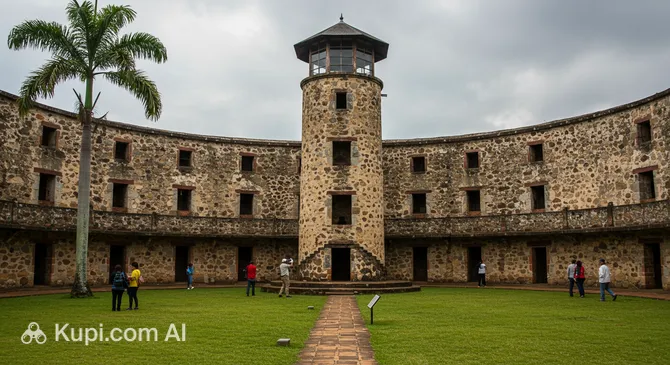
One of the city's most historically significant structures is the Ibagué Panopticon Museum. Originally built in the 19th century as a prison, it was designed in the shape of a Greek cross to allow guards to observe all inmates from a central tower. Today, it stands as one of the few remaining buildings of this specific architectural style in Latin America, having been transformed from a place of confinement into a vibrant cultural space preserving the region's memory.
The city takes its title as the "Musical Capital" literally, which is evident in the Music Park. This public space is not just a green area but a tribute to the region's artistic soul, featuring large-scale sculptures of musical instruments and colorful musical notes that decorate the pathways, creating a whimsical atmosphere for an afternoon stroll.
Ibague is the heartland of Lechona Tolimense, one of Colombia's most famous dishes, but locals strictly adhere to a specific recipe. Unlike versions found in other parts of the country, the authentic dish prepared here consists solely of pork meat and peas, with absolutely no rice included. Serving it with rice is often considered a culinary faux pas by traditionalists in the region.
Ibagué Panopticon Museum. Illustration.
Source: Kupi.com AI
Traveler photos:
How to Get There
Reaching this destination is straightforward, with options ranging from direct regional flights to scenic road trips through the Andes. You can find more details and specific routes on how to get to Ibague to help plan your journey.
The most convenient option for domestic travelers is to fly directly into Ibague Airport (IBE), also known as Perales Airport. Located approximately 12 km from the city center, it primarily handles connections from major Colombian cities. Once you land, a taxi or shuttle can take you to the downtown area in about 40 minutes.
For international visitors, the primary gateway is El Dorado International Airport (BOG) in Bogota, which is about 125 km away. As the country's main hub, it offers extensive global connections. Since Ibague does not have its own major international airport, many travelers fly here and then continue by ground transport. The road trip from Bogota to Ibague takes approximately 3.5 hours by bus or taxi, offering beautiful views of the mountainous landscape.
Another viable alternative is El Eden Airport (AXM) in the city of Armenia, situated roughly 58 km from Ibague. While smaller than Bogota's hub, it serves the coffee region and can be a strategic entry point. The transfer by road from Armenia to Ibague typically takes around 1 hour and 50 minutes.
For clarity, here is a summary of the main airports:
Currently, there are no passenger railway services directly connecting to Ibague. Travelers relying on public transport typically use the extensive intercity bus network, which offers frequent and reliable connections from major cities like Bogota, Medellin, and Cali. The bus terminal in Ibague is well-organized and serves as the main hub for ground arrivals.
Main Attractions
Ibague offers a delightful mix of natural beauty, historical architecture, and cultural depth. While the city is famous for its musical heritage, its physical landmarks provide equally compelling reasons to visit. From lush green spaces to colonial plazas, there is plenty to explore beyond the concert halls.
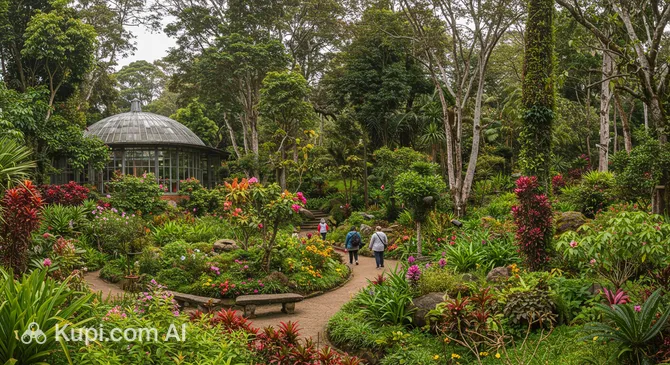
One of the most refreshing stops is the San Jorge Botanical Garden. Spanning a significant area of protected land, this natural reserve is a treasure trove of biodiversity. Visitors can walk along well-maintained nature trails to observe hundreds of plant species, colorful orchids, and a variety of birds. It is an ideal spot for those looking to escape the urban bustle and immerse themselves in the region's lush Andean flora.
San Jorge Botanical Garden. Illustration.
Source: Kupi.com AI
Traveler photos:
In the heart of the city lies Bolívar Square, a central hub that pulses with local life. Unlike many concrete plazas, this square is characterized by its magnificent, century-old trees that provide ample shade, making it a favorite gathering place for locals. It is surrounded by key administrative buildings and offers a perfect setting for a leisurely stroll or simply sitting on a bench to watch the world go by.
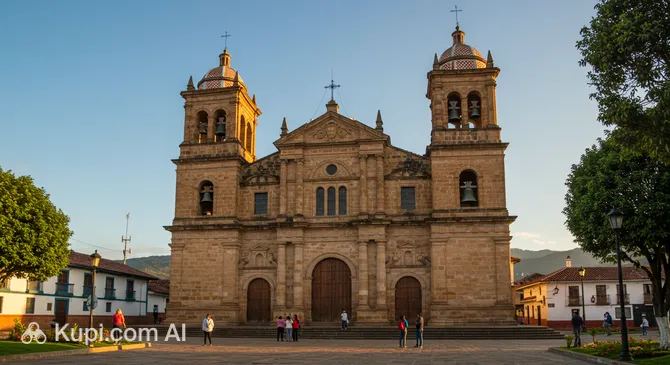
Overlooking the main square is the striking Cathedral of the Immaculate Conception. This religious landmark is a cornerstone of the city's architectural heritage. With its well-preserved façade and peaceful interior, it stands as a testament to the city's colonial history. Tourists often visit to admire its design and enjoy the sense of tranquility it offers amidst the busy downtown area.
Cathedral of the Immaculate Conception. Illustration.
Source: Kupi.com AI
Traveler photos:
For those interested in the artistic side of the region, the Tolima Art Museum is a must-visit cultural institution. The museum hosts a diverse collection of works, focusing largely on regional artists and contemporary Colombian art. It serves as a vibrant platform for visual arts, offering rotating exhibitions that provide deep insight into the creative spirit of the Tolima department.
Local Cuisine
The culinary landscape of Ibague is a source of immense pride for its residents and a true delight for visitors. As the capital of the Tolima department, the city serves as the epicenter for some of Colombia's most cherished traditional recipes. The star of the local table is undoubtedly the Lechona Tolimense. This roasted pork dish, stuffed with peas and seasoned meat (and notably served without rice in this region), is famous for its crispy skin and savory flavor. It is a celebratory dish found at family gatherings and specialized restaurants throughout the city.
Another heavyweight in the local gastronomy is the Tamal Tolimense. Often enjoyed as a hearty breakfast, especially on weekends, this delicacy consists of a corn dough filled with chicken, pork, beef, boiled egg, carrots, and peas. It is wrapped in fresh plantain leaves and slow-cooked to infuse the ingredients with a distinct, earthy aroma. Locals typically pair it with a cup of hot chocolate and a piece of bread or arepa, creating a comforting start to the day.
For lunch, seafood lovers should look for the Viudo de Capaz, a traditional river fish dish. The fish is usually cooked with plantains, yuca, and potatoes in a hogao sauce (tomato and onion), often steamed in a way that preserves the delicate flavors of the river catch. To accompany these meals, you might find Achiras, small cheesy biscuits that are perfect for snacking and are widely available in local markets and bakeries.
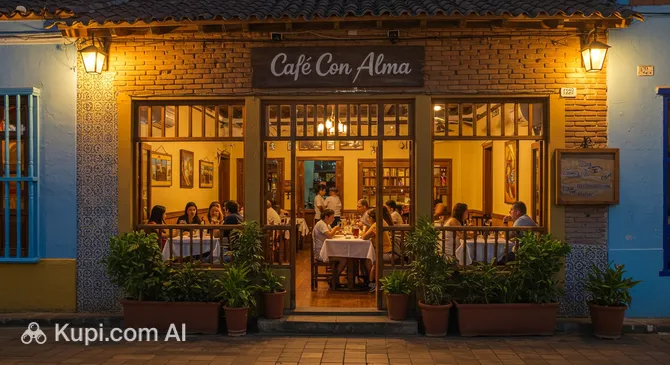
When it comes to beverages, the region has a strong coffee culture, as Tolima is one of Colombia's premier coffee-growing areas. Visitors can enjoy high-quality, locally sourced beans prepared by skilled baristas. A great place to experience this is Café Con Alma, a spot that celebrates the rich aromas and flavors of the local harvest in a cozy setting.
Café Con Alma. Illustration.
Source: Kupi.com AI
Traveler photos:
On the stronger side, the quintessential local spirit is Aguardiente Tapa Roja. This anise-flavored liquor is deeply rooted in the culture of Tolima and is the drink of choice for toasts and festivities. For non-alcoholic options, try a refreshing glass of Avena (a creamy oat-based drink) or Masato, a fermented rice drink that offers a sweet and tangy kick.
The dining scene in Ibague ranges from rustic eateries serving traditional fare to modern establishments offering contemporary cuisine. For a lively evening atmosphere, you might visit Nativo FR Restaurant & Bar, where good food meets a vibrant social setting. Alternatively, for those who prefer a variety of options in one place, the La Quinta Shopping Center offers a range of dining choices that cater to different tastes, making it easy to sample both local and international flavors.
Travel Tips
To ensure your visit to the "Musical Capital" is as harmonious as its symphonies, a little preparation goes a long way. Here are some practical tips to help you navigate local customs, logistics, and daily life in this welcoming city in the Andes.
Clothing and Gear: Ibague is known for its "eternal spring" weather, but conditions can change quickly. Pack light, breathable layers for the warm days, but always carry a waterproof jacket or an umbrella, especially if you visit in April, May, or October. Comfortable walking shoes are essential, as the terrain can be uneven, particularly if you plan to hike in the nearby Combeima Canyon.
Transportation: The most convenient way to get around is by yellow taxi. They are generally affordable and plentiful; just ensure the driver uses the taximeter (taxímetro) or agrees on a fare before starting. For a more local experience, you can use the brightly colored public buses known as busetas, which cover most of the city for a low fixed price. There is no metro system, and renting a car is usually unnecessary unless you plan to explore remote areas of Colombia on your own.
Finances: The local currency is the Colombian Peso (COP). While major shopping centers like La Quinta and upscale restaurants accept credit cards, cash is king for smaller establishments, taxis, and street food vendors. It is advisable to withdraw money from ATMs located inside malls or banks rather than on the street. Tipping is voluntary, but leaving 10% for good service in restaurants is customary.
Health and Safety: Pharmacies (droguerías) are easy to find and can provide advice for minor ailments; many large chains operate 24/7. As a general precaution, drink bottled or filtered water rather than tap water. In terms of safety, stick to the "don't give papaya" (no dar papaya) rule: do not flash expensive jewelry, cameras, or phones in public, and avoid walking alone in poorly lit areas at night.
Communication: Spanish is the primary language, and English is not widely spoken outside of major hotels or tourist agencies. Learning a few basic phrases like "¿Cuánto cuesta?" (How much?) or "Por favor" (Please) will be very helpful. Buying a local SIM card from providers like Claro or Tigo is easy at authorized shops and will give you access to maps and translation apps.
Local Etiquette: People in Ibague are known for their warmth and hospitality. It is polite to greet shopkeepers and drivers with a "Buenos días" or "Buenas tardes". When referring to people you don't know well, using the formal "usted" is common and respectful. If you are invited to a local's home, a small gift like pastries is a nice gesture.
What to Avoid: Avoid discussing sensitive topics related to the country's violent past or drug trafficking history, as these subjects can be offensive to locals who are proud of their nation's progress. Also, do not hail taxis on the street late at night if you are alone; it is safer to ask your hotel or restaurant to call one for you.
Musical Timing: If you love culture, try to time your visit during June. This is when the city truly lives up to its nickname, hosting the famous Festival Folclórico Colombiano. During this time, the streets come alive with parades, traditional dances, and concerts, offering a unique insight into the region's soul.
By keeping these simple tips in mind, you will be well-equipped to enjoy everything Ibague has to offer. Embrace the local rhythm, savor the unique flavors, and enjoy the stunning natural backdrop of this charming Andean city.
Entertainment & Nightlife
Entertainment and Nightlife:
As the sun sets over the Andes, Ibague transforms from a bustling commercial hub into a lively center of entertainment. True to its title as the "Musical Capital," the city’s nightlife is infused with rhythm, ranging from traditional Colombian beats like salsa and vallenato to contemporary electronic and crossover music. The atmosphere is generally warm and welcoming, reflecting the friendly nature of the locals who love to socialize and dance until the early hours.
The epicenter of the city's nightlife is undoubtedly Avenida Mirolindo. This district, often referred to as the Zona Rosa, is lined with numerous nightclubs and discos where the party starts late and continues well into the morning. It is the go-to destination for those looking to experience the authentic Colombian "rumba." For a slightly more upscale and relaxed vibe, the area around Calle 60, known as the "Golden Mile" (Milla de Oro), offers trendy gastropubs, rooftop bars, and sophisticated lounges perfect for cocktails and conversation.
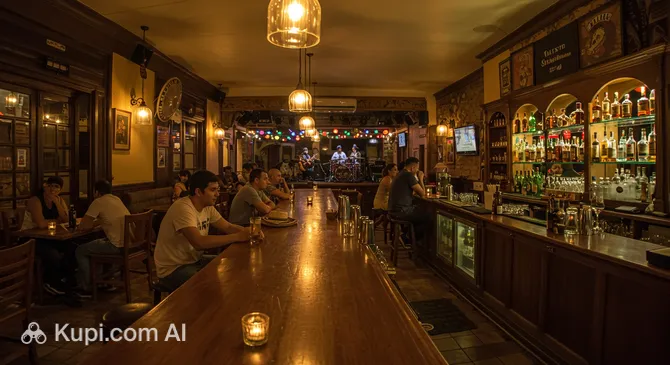
For visitors looking to enjoy a drink in a stylish setting, Palmeto Café - Restaurant is a noteworthy venue. It offers a pleasant ambiance that bridges the gap between a relaxed café and a lively evening spot, making it ideal for starting the night. Another popular establishment that draws a vibrant crowd is Nativo FR Restaurant & Bar. Known for its engaging atmosphere, it is a great place to experience the local social scene and enjoy well-crafted drinks.
Palmeto Café - Restaurant. Illustration.
Source: Kupi.com AI
Traveler photos:
When planning a night out, it is helpful to know that most clubs typically begin to fill up after 10:00 PM. The dress code is generally casual-chic; while you don't need formal wear, locals tend to dress up a bit for a night on the town, especially in the Calle 60 district. Prices are quite reasonable compared to larger cities like Bogota or Medellin. For transportation, it is highly recommended to use yellow taxis or ride-hailing apps rather than walking long distances at night. Always call a taxi or use an app rather than hailing one on the street for safety.
Beyond the bars and clubs, Ibague offers other forms of entertainment. During the day and early evening, the city's shopping centers serve as major recreational hubs. Combeima Mall, located centrally near the main square, is a traditional meeting point that offers cinema screens and dining options for a more laid-back outing. Additionally, the city boasts several theaters and cultural centers that frequently host concerts and plays, keeping the region's artistic legacy alive around the clock.
Combeima Mall. Illustration.
Source: Kupi.com AI
Traveler photos:
Parks & Museums
Beyond its musical heritage, Ibague invites travelers to explore a variety of cultural institutions and green urban spaces that reflect the city's identity. From artistic venues to revitalizing parks, these locations offer a deeper understanding of the local lifestyle and history.
A key destination for culture lovers is the Tolima Art Museum. This institution plays a pivotal role in promoting the visual arts within the region. It houses a comprehensive collection comprising hundreds of works, including paintings, sculptures, and photography by renowned departmental and national artists. The museum frequently organizes temporary exhibitions and educational workshops, making it a dynamic space for artistic dialogue.
Tolima Art Museum. Illustration.
Source: Kupi.com AI
Traveler photos:
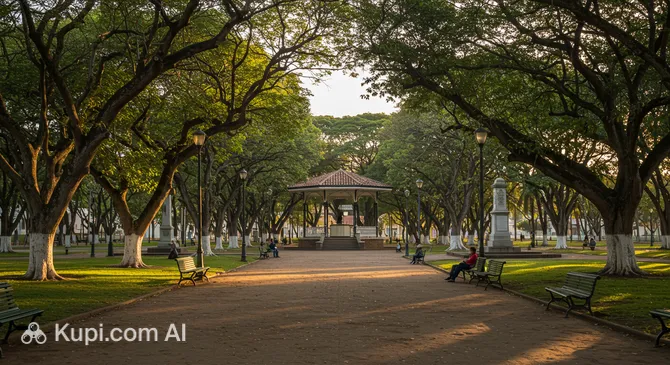
For those seeking a breath of fresh air in the city center, Centenario Park is often referred to as the "green lung" of Ibague. This sprawling park is an oasis of tranquility, featuring paved walkways shaded by massive, ancient trees. It is an excellent spot for a morning jog or a peaceful afternoon reading a book. The park also features a small acoustic shell often used for cultural events, blending the city's love for nature and the arts.
Centenario Park. Illustration.
Source: Kupi.com AI
Traveler photos:
Another significant public space is Murillo Toro Square. Located in front of the Government Palace, this plaza is the political and civic heart of the department. It is a broad, open space often used for major concerts, political gatherings, and festivals. The square's modern design and central location make it a common meeting point for locals and a convenient starting point for exploring the surrounding government buildings.
Murillo Toro Square. Illustration.
Source: Kupi.com AI
Traveler photos:
Continuing the city's thematic tribute to its nickname, the Music Park is a beautifully landscaped area designed to honor the region's musical legacy. While it serves as a recreational space, it is also an open-air gallery featuring sculptures of instruments and musical notes. It is located near the Conservatory of Tolima, reinforcing the area's cultural significance and providing a picturesque backdrop for photos.
Music Park. Illustration.
Source: Kupi.com AI
Traveler photos:
Finally, Belén Park offers a more traditional and family-oriented atmosphere. Situated on a hill, it provides a lovely view of the city and is home to a charming chapel. The park is a favorite among families for its playgrounds and the peaceful environment it offers, serving as a quiet retreat away from the busier commercial districts.
Getting Around
Navigating the "Musical Capital" is relatively straightforward, as the city relies primarily on a road-based public transport network. Unlike larger metropolises, Ibague does not have a metro, tram, or train system. Instead, the public transportation infrastructure is built around a comprehensive network of buses and a large fleet of taxis, which together cover the entire urban area and its outskirts.
The most popular and economical way to get around is by using the local buses, commonly referred to as busetas. These vehicles are easily recognizable by their vibrant colors and the placards on their windshields listing the main neighborhoods and landmarks along their route. There are no fixed stops in many residential areas; you simply wave your hand to hail a bus and press a button or notify the driver when you wish to get off. In the city center, however, it is best to wait at designated bus stops to ensure safety and traffic flow.
Payment for the bus system is traditional and cash-based. There are no travel cards, digital passes, or complex zone systems to worry about. You pay the driver directly upon boarding. The fare is fixed regardless of the distance traveled, making it a very affordable option for traversing the city. It is highly recommended to carry small bills or coins, as drivers may not always have enough change for large denominations.
For those seeking more comfort or traveling with luggage, yellow taxis are a ubiquitous and reliable alternative. Taxis in Ibague are generally safe and are required to use a taximeter (taxímetro) to calculate the fare based on distance and time. While you can easily hail one on the street during the day, it is advisable to use telephone dispatch services or mobile apps to request a ride at night or from remote locations. This ensures a registered vehicle is sent to your location.
In recent years, the city has also made efforts to promote sustainable mobility through a public bicycle sharing system. This initiative allows locals and visitors to rent bicycles for short trips, taking advantage of the city's relatively compact central districts. While not as extensive as the bus network, it offers a pleasant way to explore the parks and tree-lined avenues at a slower pace.
Public transport typically operates from the early morning hours, around 5:00 AM, until approximately 10:00 PM. If you plan to stay out late enjoying the local nightlife, taxis are the only viable option for getting back to your accommodation. Ride-sharing apps are also present in the city, but yellow taxis remain the primary and most regulated form of private transport for tourists.
Accommodation
Travelers visiting Ibague will find a welcoming array of accommodation choices that cater to diverse preferences and budgets. As a growing tourist and business destination, the city offers everything from modern chain hotels and charming colonial guesthouses to backpacker hostels. For those seeking a closer connection to nature, the outskirts of the city provide excellent options for eco-tourism, including glamping sites and rustic cabins nestled in the Andean foothills.
The most convenient area for first-time visitors is typically the city center (Centro). Staying here places you within walking distance of historical landmarks, government buildings, and key cultural sites like the cathedral. For a more modern and upscale atmosphere, the neighborhoods of La Pola and Interlaken are highly recommended. These districts are known for their safety, tree-lined streets, and proximity to the city's best dining and nightlife zones.
For nature enthusiasts, staying near the Combeima Canyon is a fantastic alternative. Located just a short drive from the urban core, this area offers rural lodgings that provide breathtaking views of the mountains and the Tolima volcano. These accommodations range from simple country homes to sophisticated eco-lodges, allowing guests to wake up to the sounds of nature while still being accessible to the city.
Booking Tip: While finding a room is generally easy throughout most of the year, the city fills up rapidly during the annual Festival Folclórico Colombiano in June. If you plan to visit during this vibrant celebration of music and dance, it is essential to book your accommodation several months in advance to secure a spot.
In terms of pricing, Ibague is generally more affordable than major Colombian cities like Bogota or Cartagena. Budget travelers can find economical hostels and small hotels, while mid-range options offer excellent value with modern amenities. Booking can be easily done through major online platforms for established hotels, though smaller guesthouses and rural cabins often accept reservations via direct messaging or phone calls.
Nearby Cities
For those looking to explore the surroundings, Ibague serves as an excellent base for day trips to several interesting nearby locations. The region's geography allows travelers to experience diverse climates and landscapes within a short distance, ranging from the coffee-rich mountains of Quindío to the warm, tropical banks of the Magdalena River.
One of the most attractive destinations nearby is Armenia, the capital of the Quindío department. Located just across the central mountain range, it is a gateway to the UNESCO-listed Coffee Cultural Landscape. Visitors here can immerse themselves in the world of Colombian coffee, exploring nearby haciendas or visiting the famous Gold Museum in the city center. It offers a distinct cultural vibe compared to Tolima and is surrounded by lush green scenery.
For those seeking a warmer climate and riverside atmosphere, Girardot is a popular choice. Situated on the banks of the majestic Magdalena River, this city is a favorite vacation spot known for its energetic ambiance and tropical heat. Tourists often visit to enjoy boat trips on the river, stroll along the waterfront, or simply relax in one of the many recreational centers. It provides a stark and refreshing contrast to the cooler mountain air of Ibague.
Another noteworthy stop is Espinal, known for its deep-rooted traditions and gastronomy. It is famous for producing one of the best versions of the Tamal Tolimense and hosts vibrant festivals that celebrate the local cowboy and agricultural culture. It is a great place to experience the authentic rural heritage of the department.
City
Population
Distance
Anzoategui
18 849
19 km
Cajamarca
17 309
20 km
Rovira
20 255
23 km
Alvarado
8 873
35 km
El Colegio
22 247
36 km
These nearby destinations offer a glimpse into the diverse culture and landscapes of the region, making them perfect for short excursions to complement your stay in the Musical Capital.
Shopping & Souvenirs
Shopping in Ibague offers a delightful mix of traditional charm and modern convenience. While the city may not be a massive retail metropolis, it provides a genuine commercial experience where visitors can find everything from high-end fashion to unique local handicrafts. The shopping scene is characterized by a blend of bustling pedestrian streets, colorful local markets, and contemporary shopping centers that serve as social hubs for the community.
For a truly authentic local experience, the main pedestrian artery is Carrera Tercera (Third Avenue). This vibrant walkway stretches through the heart of the downtown area, connecting the Plaza de Bolívar with other key districts. It is lined with a multitude of shops selling shoes, clothing, and electronics, alongside street vendors offering snacks and trinkets. Walking down this street is not just about buying goods; it is an immersion into the daily life of the city, surrounded by the sounds of street musicians and the buzz of local commerce.
Travelers looking for a more modern retail environment will find excellent options in the city's malls. La Quinta Shopping Center is one of the most prominent destinations. Located in a more upscale part of the city, it features a wide range of national and international brands, a food court, and entertainment facilities. It is a perfect place to find quality clothing or enjoy a comfortable afternoon of window shopping.
La Quinta Shopping Center. Illustration.
Source: Kupi.com AI
Traveler photos:
Another key spot, particularly for those staying near the city center, is Combeima Mall. Situated in a traditional building that has been modernized, it combines commercial spaces with business offices. Its central location makes it a convenient stop for tourists exploring the historic downtown who need to pick up essentials or withdraw cash from an ATM.
To experience the agricultural richness of the region, a visit to Plaza de la 21 is highly recommended. This traditional market is a sensory explosion of colors and scents, where farmers from the Tolima department sell fresh produce. It is the best place to see the variety of tropical fruits available in Colombia and perhaps try some local snacks. While it can be chaotic, it offers a glimpse into the culinary soul of the city.
When searching for souvenirs, visitors should remember Ibague's title as the "Musical Capital." Musical instruments, particularly traditional string instruments like the tiple or guitar, are excellent keepsakes and can often be found in specialized workshops or music stores downtown. Additionally, since Tolima is a major coffee-producing region, buying bags of local specialty coffee is a must. For a tasty edible souvenir, look for Achiras, the delicious cheesy biscuits that are famous in this part of the country.
Most shopping malls in Ibague operate from 10:00 AM to 8:00 PM or 9:00 PM, seven days a week. Street shops and smaller businesses in the downtown area typically open around 9:00 AM and may close earlier, around 7:00 PM, often taking a break for lunch between 12:30 PM and 2:00 PM. While credit and debit cards are widely accepted in malls and larger restaurants, it is essential to carry cash (Colombian Pesos) when shopping at markets like Plaza de la 21 or buying from street vendors.
International tourists should also be aware of the VAT refund (Tax-Free) system. If you make significant purchases of physical goods in authorized stores (often marked with "Tax Free" signage), you may be eligible for a refund of the Value Added Tax upon departure from the country. Be sure to ask for the electronic invoice and check the current requirements to claim this benefit at the airport.