Support

La Macarena

About

La Macarena is a captivating destination tucked away in the southern part of the Meta Department. Often described as an ecological treasure, this municipality serves as the primary gateway to some of the most stunning natural landscapes in Colombia. With a population of approximately 36,781 inhabitants, it offers a blend of small-town charm and immense biodiversity, geographically situated where the ecosystems of the Amazon rainforest, the Andes mountain range, and the Orinoquía plains converge.
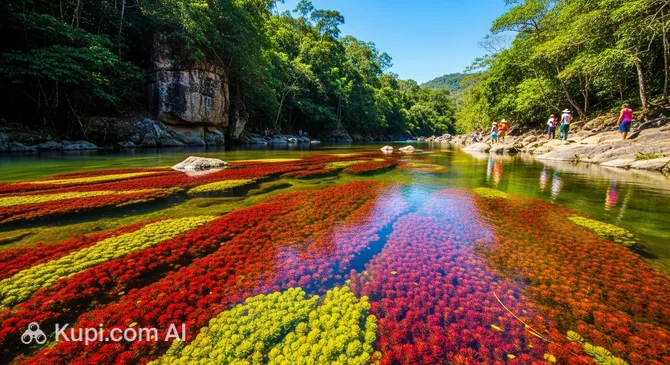
La Macarena. Source: Kupi.Binoculars

The town is globally renowned for its proximity to Caño Cristales, frequently referred to as the "River of Five Colors" or the "Liquid Rainbow." This natural wonder captivates visitors with its vibrant aquatic plants that turn the riverbed into a kaleidoscope of red, yellow, green, blue, and black during the specific months of the wet season. Beyond the river, the surrounding Serranía de la Macarena offers incredible opportunities for hiking and wildlife observation, hosting a unique array of flora and fauna found nowhere else on Earth.

While the breathtaking nature is the main draw, the development of the town is also noteworthy. Visitors can learn more about the history of La Macarena to understand how this remote outpost transformed into a premier ecotourism hub. The local climate is tropical and humid, creating the perfect environment for the lush vegetation that defines the region. Another key feature is the Guayabero River, which provides essential transport and scenic boat tours for travelers.

Travelers looking for an unforgettable adventure into the heart of nature will find La Macarena to be a perfect choice. Whether you are navigating the waters of the Guayabero or marveling at the colors of Caño Cristales, this destination promises a truly unique experience. It is a must-visit spot for nature lovers seeking to explore the wild beauty of South America.

Weather Overview

The climate in this region is characteristically tropical, offering warm temperatures year-round that are perfect for outdoor activities. Visitors can generally expect daily averages to range between 24°C and 28°C, with February typically being the hottest month, seeing highs around 32.4°C. The coolest period usually occurs in July, where temperatures dip slightly to an average of 24.6°C, providing a comfortable atmosphere for exploration.

Rainfall patterns play a significant role in the local ecosystem, with a distinct variation between the drier and wetter months. The beginning of the year, specifically January and February, is drier with roughly 10 wet days per month, whereas the middle of the year sees frequent rainfall; May, for instance, records up to 28 wet days. To choose the best time for your visit, it is helpful to review the current weather in La Macarena, especially since the vibrant colors of the local rivers rely heavily on these seasonal rains.

Interesting Facts

Beyond the main attractions, La Macarena holds many fascinating secrets that reveal the deep geological and biological uniqueness of this region. While most visitors come for the colors of the river, few realize the ancient history and ecological quirks that define this remote destination.

  • One of the Oldest Formations on Earth: The mountain range here, Serranía de la Macarena, is not part of the Andes as one might assume. It is actually an isolated extension of the Guiana Shield, a geological formation that is over 1.2 billion years old, making it significantly older than the surrounding Andean peaks.

  • A River Without Fish: The crystal-clear waters of Caño Cristales are surprisingly devoid of fish. Due to the lack of sediment and nutrients in the rocky riverbed, there is no food source to support a fish population, which helps keep the water pristine and the aquatic plants undisturbed.

  • Ancient Rock Art: The area is home to archaeological treasures, including the Angosturas I sector, where visitors can find ancient petroglyphs carved into the rock. These mysterious figures depict animals and human forms, offering a glimpse into the indigenous cultures that inhabited the region long before modern settlements.

  • It’s Not Algae: A common misconception is that the vibrant colors of the river come from algae. In reality, the "Liquid Rainbow" is created by an endemic aquatic plant called Macarenia clavigera. This delicate species requires specific water levels and sunlight to bloom in its spectacular shades of red and pink.

How to Get There

Reaching this remote ecological treasure requires some planning, as it is located in a somewhat isolated region of Colombia. The most convenient and common way to travel is by air, connecting through major hubs to the local airstrip. For a detailed overview of all transport options and routes, you can read more about how to get to La Macarena.

The primary point of arrival is Lamacarena (LMC), a small regional airport located just 1.1 km from the town center. It is the only direct gateway for visitors wishing to explore Caño Cristales. Upon landing, the transfer to the main hotel area is extremely short, taking just a few minutes by taxi or local transport, allowing you to start your adventure almost immediately.

Since the local airport mainly serves domestic charters and regional flights, most international travelers will first touch down at El Dorado International Airport (BOG) in Bogota. Situated about 281 km from La Macarena, this is the country's busiest hub (IATA: BOG). From Bogota, visitors typically board a smaller aircraft for a direct flight to La Macarena. Another key connection point is La Vanguardia Airport (VVC) in Villavicencio, roughly 220 km away, which frequently operates flights to the municipality.

For clarity, here is a summary of the main airports:

Airport Name City Passenger Traffic Km from City
El Dorado International Airport Bogota High 281.4
La Vanguardia Airport Villavicencio Medium 220.3
Benito Salas Airport Neiva Medium 188.1
Ibague Airport Ibague Small 289.4
Lamacarena La Macarena Small 1.1

There is no railway infrastructure serving La Macarena or the surrounding Meta Department. The region's geography and the town's remote location mean that train travel is not an option. Visitors should rely entirely on air travel or specific river and overland routes where available.

Main Attractions

Caño Cristales is undoubtedly the crown jewel of the region and the primary reason travelers venture to this remote corner of Colombia. Often called the "River of Five Colors," it features a stunning display of vibrant reds, yellows, greens, and blues caused by the aquatic plant Macarenia clavigera. Visitors can explore various trails along the riverbank, discovering unique rock formations and natural swimming pools such as the "Piscina del Turista" and "Los Ochos," where the water has carved perfectly circular pits into the bedrock.

For a serene and contrasting experience, Laguna del Silencio offers a peaceful retreat into the heart of the jungle. As its name suggests, this lagoon is a place of absolute quiet, accessible only by horse and then by traditional wooden canoes known as "potrillos," which are paddled without motors to preserve the tranquility. It is an exceptional spot for birdwatching, where you can spot hoatzins, herons, and other exotic species in their undisturbed natural habitat.

Caño Cristalitos serves as a perfect introduction to the area's wonders, often visited as a warm-up hike before heading to the main river. Although smaller than its famous neighbor, it boasts the same colorful algae and crystal-clear waters, offering a more intimate atmosphere. The hike to reach it provides panoramic views of the surrounding savannah and the Serranía de la Macarena, making the journey as rewarding as the destination.

Adventure and history merge at Raudal de Angosturas I, a dramatic section of the Guayabero River where the water rushes through a narrow rock canyon. Beyond the thrill of navigating the river, this site is culturally significant due to the ancient petroglyphs carved into the massive stone walls. These pre-Columbian artworks depict anthropomorphic figures and animals, offering a fascinating glimpse into the indigenous civilizations that once thrived in this lush landscape.

Local Cuisine

The culinary scene in La Macarena is deeply rooted in the traditions of the Llanos Orientales (Eastern Plains), offering a hearty and flavorful experience that perfectly complements the region's adventurous spirit. The undisputed star of the local table is Ternera a la Llanera, also known as mamona. This signature dish consists of tender cuts of veal slow-roasted over a wood fire on vertical metal skewers, resulting in a smoky, succulent meat that is typically served with boiled cassava (yuca) and potatoes. It is a communal feast that reflects the cowboy culture of the area.

Given the town's location on the banks of the Guayabero River, fresh river fish is another staple of the local diet. Travelers should not miss the opportunity to try Amarillo a la Monseñor or fried Cachama, often accompanied by patacones (fried green plantains) and fresh salad. For those venturing out on daily excursions to Caño Cristales, the "fiambre" is a quintessential part of the experience. This traditional traveler's lunch consists of rice, chicken or beef, and plantain slices, all tightly wrapped in banana/bija leaves. This eco-friendly packaging not only preserves the flavor but also aligns with the strict environmental regulations of the national park.

To beat the tropical heat, locals and visitors alike turn to refreshing beverages. Fresh fruit juices made from exotic local produce like passion fruit, mango, and lulo are widely available and provide a natural energy boost. For a more social drink, Refajo—a mix of beer and Colombian soda (Cola & Pola)—is a popular choice to accompany heavy meals. In the evenings, you might find locals enjoying a cold beer or a shot of aguardiente in the small bars around the main square, sharing stories of the day's adventures.

Dining in La Macarena is a casual and welcoming affair. You won't find high-end luxury dining, but rather charming open-air restaurants and "fondas" that offer generous portions and genuine hospitality. The main square and the streets surrounding the central park are the hubs of activity, where the aroma of grilled meats fills the air. Many hotels and lodges also have their own kitchens serving homemade meals that blend local ingredients with international touches to comfort travelers after a long day of hiking.

Travel Tips

Visiting La Macarena is a unique adventure that requires a bit more preparation than the average destination, given its remote location and strict environmental focus. To ensure your trip to this ecological sanctuary is smooth and enjoyable, here are some essential practical tips to help you pack the right gear and navigate the local customs.

  1. Clothing and Gear: Since the climate is tropical and humid, pack lightweight, quick-drying clothes. Long-sleeved shirts and long pants are highly recommended, not just for sun protection but also to ward off insects, as chemical repellents are strictly prohibited at the river sites. Sturdy, waterproof hiking boots or walking shoes with good grip are essential for the rocky and sometimes slippery terrain. Don't forget a reusable water bottle, a hat, and sunglasses.
  2. Transportation: Inside the town of La Macarena, everything is within walking distance, but "mototaxis" (three-wheeled motorized rickshaws) are available for short trips within the urban area. For visiting attractions like Caño Cristales, you cannot rent a car or go alone; you must travel in authorized 4x4 vehicles and boats arranged by certified tour operators.
  3. Finances: Cash is king in La Macarena. While some hotels may accept transfers, card terminals are unreliable due to poor internet connectivity. There is only one ATM in town (usually Bancolombia), and it frequently runs out of money or is out of service. It is crucial to bring enough Colombian Pesos (COP) from Colombia's major cities like Bogota or Villavicencio to cover your entire stay, including tips, souvenirs, and meals.
  4. Health and Safety: A Yellow Fever vaccination certificate is often required to board the plane to La Macarena, so ensure you have it handy. The local hospital offers basic services, and there are a few drugstores, but they are not open 24/7; bring a personal medical kit with essentials. The town is safe for tourists, but always follow your guide's instructions and stay on marked paths.
  5. Communication: Spanish is the primary language, and English is not widely spoken by locals or even some guides. downloading a translation app that works offline is very useful. Mobile signal can be spotty; the Claro network tends to have the best coverage in this region. Wi-Fi is available in most hotels but is often slow and unstable, so be prepared for a digital detox.
  6. Local Etiquette: The people of La Macarena are warm and welcoming. A simple "Buenos días" (Good morning) or "Buenas tardes" (Good afternoon) to passersby is customary and polite. When interacting with your guides, show interest in their stories; many are locals who have transitioned from other livelihoods to ecotourism and take great pride in protecting their land.
  7. What to Avoid: Never apply sunscreen or insect repellent before entering the water at Caño Cristales or other natural pools. The oils and chemicals in these products can kill the delicate Macarenia clavigera plants that give the river its colors. If you must use sun protection, wear UV-protective clothing instead.
  8. Additional Tip: Single-use plastics are heavily restricted in the national park areas. You cannot bring plastic water bottles (like the disposable store-bought ones) into the park. You must bring a durable, refillable canteen or camelback. Also, be ready for early mornings; most tours start at dawn to maximize the daylight and beat the midday heat.

By keeping these practical tips in mind, you will be well-equipped to fully immerse yourself in the natural magic of La Macarena without any logistical hiccups. Respecting the local rules not only ensures a hassle-free journey but also contributes to the preservation of this breathtaking ecosystem for future travelers.

Entertainment & Nightlife

Nightlife in La Macarena offers a distinct contrast to the bustling party scenes of Colombia's larger metropolises. Here, the evening entertainment is authentic, rustic, and deeply rooted in the Llanero culture (plains culture). Instead of high-end nightclubs or exclusive lounges, visitors will find a relaxed atmosphere where the focus is on socializing, listening to local music, and unwinding after a long day of hiking. The vibe is incredibly casual, so there is no need to dress up; your clean hiking gear is perfectly acceptable attire for a night out.

The center of activity is undoubtedly the area surrounding the Parque Principal (Main Square). As the sun sets, the streets around the plaza come alive with music pouring from open-air bars and "discotecas." The soundtrack to the night is typically a mix of Vallenato, Salsa, and the fast-paced rhythms of Joropo, the traditional music of the Eastern Plains. These venues are welcoming to tourists, often serving cold beers and local spirits like aguardiente at very affordable prices.

For a specific local experience, seek out the town's billiard halls. Billiards is a beloved pastime in this region, and these halls serve as major social hubs where locals gather to compete and chat. Another unique evening activity is visiting a Tejo court. Tejo is Colombia's national sport, involving throwing metal discs at clay targets laced with gunpowder packets. It is a loud, explosive, and fun game that is best enjoyed with a group of friends and a crate of beer, offering a memorable glimpse into Colombian leisure culture.

Practicalities are important when planning your evening. The town is small, and "nightlife" usually winds down relatively early, often around midnight or 1:00 AM. Cash is essential, as very few, if any, bars accept credit cards. Walking is the primary way to get around, and the town center is compact enough to navigate on foot. If you are staying on the outskirts, it is advisable to arrange a "mototaxi" (three-wheeled rickshaw) for your return journey, as street lighting can be sparse.

In terms of safety, the main areas around the square are generally safe for tourists, thanks to the strong military and police presence in the town. However, common sense should still apply: avoid wandering into unlit, remote streets late at night and try to stay with your group. The community is tight-knit and friendly, but staying within the illuminated, populated zones is the best practice.

Regarding daytime entertainment, travelers should manage their expectations regarding urban amenities. La Macarena does not have movie theaters, large shopping malls, or conventional museums. The "museums" here are the open-air rock art sites, and the "theaters" are the jungle landscapes. Daytime activities are almost exclusively focused on nature excursions, river trips, and cultural immersion, leaving the urban concept of indoor entertainment behind.

Parks & Museums

In La Macarena, the concepts of parks and museums are redefined by the destination's overwhelming natural beauty and deep indigenous roots. Rather than manicured city gardens or enclosed exhibition halls, the "parks" here are vast protected reserves of global importance, and the "museums" are often open-air archaeological sites carved into ancient rock faces. Visitors come here to step inside a living gallery of biodiversity where the exhibits are vibrant rivers, exotic birds, and pre-Columbian history.

Serranía de la Macarena National Natural Park is the region's most significant natural area and the primary reason for the town's tourism boom. This immense protected zone covers a unique convergence point of Amazonian, Andean, and Orinoquía ecosystems. It is not just a park for recreation but a scientific treasure trove, home to the world-famous Caño Cristales. For tourists, this park offers an unparalleled opportunity to hike through diverse landscapes, ranging from humid rainforests to rocky savannahs, while observing fauna such as monkeys, guans, and the endemic plants that paint the rivers in kaleidoscopic colors.

Closer to the urban center, the Parque Principal (Main Square) serves as the social heart of the municipality. Unlike the wild expanse of the national park, this urban green space is where the community's daily life unfolds. It is a modest but charming spot shaded by trees, where locals gather in the evenings to cool off and socialize. For visitors, it is an excellent place to sit with a fresh fruit juice, observe the laid-back rhythm of the town, and perhaps catch an impromptu performance of Joropo music, which reflects the vibrant Llanero culture of the plains.

While La Macarena does not boast traditional indoor museums with glass cases, the Angosturas I Petroglyphs serve as a spectacular open-air gallery that reflects the area's ancient history. Located along the banks of the Guayabero River, this archaeological site features massive rocks adorned with carvings that are believed to be thousands of years old. These petroglyphs depict anthropomorphic figures and local wildlife, offering a fascinating glimpse into the spiritual and daily lives of the indigenous tribes that inhabited this region long before modern settlement. It is a "museum" where the walls are the geological formations themselves.

Another cultural touchpoint is the town's Casa de la Cultura (House of Culture). While small and often functioning more as a community hub than a tourist exhibit, it is the center for preserving local traditions. Here, the youth learn to play the harp, cuatro, and maracas—the instruments of Llanero music—and practice traditional dance. Visitors lucky enough to stop by during rehearsals or special events can witness the living heritage of the Meta Department, which is as integral to the town's identity as its natural wonders.

For a truly authentic experience away from the main tourist trails, ask a local guide about a visit to Caño Piedra. Located just a short drive from town, this crystal-clear stream flows over a smooth rocky bed and is a favorite weekend hang-out for local families. It offers a refreshing, natural swimming pool experience without the strict regulations of the national park, making it a perfect spot for a relaxing afternoon dip.

Getting Around

The public transport system in La Macarena is vastly different from that of a modern metropolis. There is no metro, tram, or conventional bus network here. Instead, the town relies on an informal yet efficient system adapted to its rural geography and small size. Within the urban area, the primary mode of motorized transport is the mototaxi, often referred to locally as a "moto-carro." These three-wheeled, covered vehicles operate similarly to tuk-tuks and are perfect for navigating the town's unpaved streets or carrying luggage from the airport to your hotel.

For travel beyond the town center, particularly to visit the famous natural attractions, transportation transforms into a specialized service. The Guayabero River acts as a major aquatic highway. Long, motorized canoes and boats are the standard way to reach the trailheads for Caño Cristales and other sites. These boat trips are typically coordinated as part of tour packages rather than functioning as a scheduled public ferry service. Additionally, robust 4x4 trucks are used to transport groups of tourists from the river landings to the park entrances, traversing the rugged terrain that standard vehicles cannot handle.

Regarding payment, the system operates exclusively on cash. There are no travel cards, digital passes, or mobile transport apps available in La Macarena. Fares for mototaxis within the town are generally fixed at a low rate for short hops, but it is always wise to confirm the price with the driver before boarding. For the boats and 4x4s used during excursions, the cost is almost always included in the overall fee paid to your tour agency, so you rarely need to pay for these individual legs of the journey out of pocket.

Walking is a highly practical alternative for getting around the town itself. La Macarena is compact, and most hotels, restaurants, and the main square are within a 10 to 15-minute walk of each other. Since the terrain is flat, exploring the urban area on foot is easy and safe. Bicycle rentals are not a standard commercial offering, but some lodgings might provide them for guests who wish to pedal around the local streets.

Tourists should keep a few practical tips in mind to navigate this system smoothly. Mototaxis generally operate from early morning until around 10:00 PM; finding a ride late at night can be difficult, so plan your return to your accommodation accordingly. Always carry small denominations of the local currency, as drivers often do not have change for large bills. Finally, remember that transport to the national parks is strictly regulated; you cannot simply hire a private taxi to take you to Caño Cristales—you must utilize the authorized transport provided through certified operators.

Accommodation

Hotels:

Accommodation in La Macarena is characterized by its rustic charm and deep connection to nature, rather than high-end luxury. Visitors will not find international hotel chains or sprawling five-star resorts here. Instead, the town offers a selection of small, independent hotels, family-run guesthouses, and eco-lodges. These establishments are generally clean, comfortable, and designed to serve as a practical base for the days spent exploring the rivers and jungles. The hospitality is warm and personalized, reflecting the friendly culture of the Llanos Orientales.

Most lodging options are concentrated in the urban center of the municipality, often just a few minutes' walk from the airport and the main square. Staying in town provides convenient access to local restaurants, supermarkets, and the port where boats depart for excursions. These hotels typically offer essential amenities such as private bathrooms and television. While infrastructure has improved, travelers should be aware that hot water is not a standard feature in every hotel, although the tropical heat often makes a cool shower quite refreshing.

For those seeking a more immersive experience, there are several eco-lodges and cabins located on the outskirts of town or along the banks of the Guayabero River. These accommodations prioritize sustainability and offer a serene environment surrounded by lush vegetation. Staying in these lodges allows guests to fall asleep to the sounds of the jungle and wake up to bird calls. They often feature architecture that blends with the landscape, using local materials like wood and palm thatch, providing a unique alternative to the concrete buildings in the town center.

Amenities in La Macarena can vary significantly between establishments. Air conditioning is available in better-equipped hotels, which is a welcome relief given the region's humidity, while budget options may rely on wall or ceiling fans. Wi-Fi is becoming more common but can be slow or intermittent due to the remote location. It is also worth noting that many accommodations work closely with tour operators, and it is common for visitors to book their stay as part of an all-inclusive package that covers meals, lodging, and guided tours.

Due to the seasonal nature of tourism in Colombia's La Macarena, availability can be tight during the peak months for visiting Caño Cristales (June to November). During this period, the town operates at full capacity, and finding a room on arrival is risky. It is highly recommended to reserve accommodation well in advance. Prices are generally affordable compared to major cities, but they can rise during holiday weekends and the height of the season.

Nearby Cities

For those looking to explore the surroundings, La Macarena serves as an excellent base for day trips to several interesting nearby locations:

City Population Distance (km)
San Vicente del Caguán 72,949 110
San Jose del Guaviare 68,878 134
Cartagena del Chaira 35,473 151
Puerto Rico 33,701 156
San Martin 25,902 168

San Jose del Guaviare is a fascinating destination that shares the unique geographical transition between the Amazon rainforest and the Orinoquía plains. It is renowned for its incredible geological formations, such as the "Puerta de Orión" (Orion's Gate), and the ancient rock paintings found in the Serranía de la Lindosa. Like La Macarena, it also features rivers with aquatic plants, such as Caño Sabana, offering a similar but distinct ecological experience for nature enthusiasts.

Another culturally significant town in the region is San Martin, one of the oldest settlements in the Meta Department. It is celebrated for its deep-rooted "Llanero" traditions and colonial architecture. The town is famous for the "Cuadrillas de San Martín," a traditional equestrian festival that dates back centuries and showcases the skill and heritage of the local cowboys, making it a compelling stop for those interested in history and folklore.

These nearby destinations offer a glimpse into the diverse culture and landscapes of the region.

Shopping & Souvenirs

Shopping in La Macarena is a modest and authentic experience, reflecting the town's role as a remote ecotourism hub rather than a commercial center. Visitors should not expect high-end fashion boutiques or extensive retail chains. Instead, the shopping scene is focused on practical necessities for outdoor adventures, basic groceries, and charming local souvenirs that celebrate the region's natural beauty. It is the perfect place to support small, family-owned businesses and purchase unique items that directly benefit the local community.

The main commercial activity is concentrated around the Parque Principal (Main Square) and the few blocks immediately surrounding it. This area serves as the open-air "mall" of the town, where you can find small shops selling clothing, footwear suitable for hiking, and pharmacies. The streets connecting the square to the airport also feature several establishments catering to tourists, offering everything from sunscreen and hats to last-minute travel supplies.

There are no shopping malls or large department stores in La Macarena. The retail landscape is defined by small "tiendas" and independent vendors. If you need specialized trekking gear or specific electronic equipment, it is highly advisable to purchase these items in major cities like Bogota or Villavicencio before arriving, as the selection here is limited to the basics.

While there isn't a massive central market complex, the town has a vibrant local trade in fresh produce. Small grocery stores and stands sell exotic fruits grown in the region, such as pineapple, passion fruit, and plantains. These spots are excellent for picking up healthy snacks for your river trips. occasionally, "Mercados Campesinos" (Farmers' Markets) are organized in the main square, where local producers sell fresh food and handmade crafts directly to the public.

For souvenirs, the best items to bring back are those that reflect the identity of the Llanos Orientales and the Amazonian border. You can find t-shirts and caps embroidered with the famous Caño Cristales motifs, which make for great keepsakes. Additionally, look for handicrafts made from local seeds, wood, and fibers, often created by indigenous artisans or local women's collectives. "Ponchos" or light recreational versions of the traditional llanero attire can also be found in some shops.

Opening hours in La Macarena are generally from around 8:00 AM to 7:00 PM, though some smaller shops may close for a lunch break between 12:00 PM and 2:00 PM. Sunday hours can be reduced. Regarding payment, cash is absolutely essential. Most small shops, souvenir stands, and markets do not accept credit cards. While a few larger hotels or agencies might take cards, relying on them for shopping is risky due to frequent connectivity issues. Always carry enough Colombian Pesos in smaller denominations.

Tax-free shopping (VAT refund) is generally not available or practical in La Macarena. The "Tax Free" system in Colombia is typically found in large international airports and major shopping malls in big cities. In this remote municipality, simple direct purchases are the norm, and tourists should not expect to process tax refunds for goods bought here.

Reached the end of the page?

That means the route is fully explored