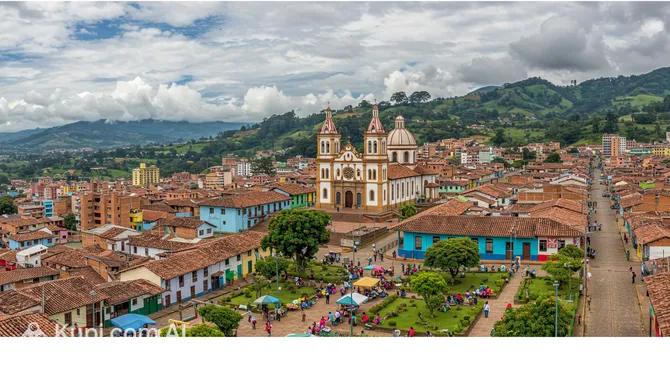
Welcome to Florencia, a vibrant city widely known as the "Golden Gate to the Amazon." As the capital of the Caquetá Department in southern Colombia, this bustling urban center serves as a vital bridge between the majestic Andes mountains and the vast Amazon rainforest. With a population of approximately 192,000 residents, Florencia offers a fascinating mix of commercial activity and unparalleled access to some of the country's most biodiverse regions.
Florencia. Illustration.
Source: Kupi.com AI
The city is situated in the piedmont region, characterized by a humid tropical climate that fuels the lush greenery surrounding the area. While the modern city is a hub for trade and transport, the history of Florencia reveals its origins as a rubber-tapping settlement and a missionary outpost, which have shaped its cultural identity over the years. Today, it stands as a testament to resilience and natural beauty, drawing travelers eager to explore the Amazonian frontier.
Nature enthusiasts will find plenty to admire here, as the region is renowned for its spectacular ecotourism opportunities. The landscape is dotted with crystal-clear rivers and magnificent waterfalls, such as those found in the nearby nature reserves. Visitors can immerse themselves in the sights and sounds of the jungle, spotting exotic wildlife and enjoying the tranquility of the natural pools. Whether you are passing through on your way to the deep Amazon or staying to enjoy the local hospitality, Florencia invites you to experience the warmth and wonder of the Colombian south.
Weather Overview
Due to its location in the Amazonian piedmont, Florencia experiences a humid tropical climate characterized by consistent warmth and significant cloud cover throughout the year. Visitors should be prepared for high humidity and regular showers, which sustain the region's lush, green environment. To help plan your activities and packing list, it is helpful to review the detailed forecast for the weather in Florencia.
Temperatures in the city remain remarkably stable year-round, with monthly averages generally hovering between 21°C and 23°C. You can expect daytime highs to reach approximately 24°C to 28°C, while nights are comfortably cooler, typically dipping to around 17°C to 19°C. Rainfall is frequent, with the number of rainy days ranging from about 17 to 28 days per month, making waterproof gear an essential item for any trip. Expect warm conditions with frequent precipitation regardless of when you visit.
Average monthly temperature
Average monthly precipitation
Interesting Facts
Beyond the main attractions, Florencia holds many fascinating secrets that reveal its deep connection to both history and nature. This Amazonian city offers unique glimpses into the past and local culture that go far beyond standard guidebooks.
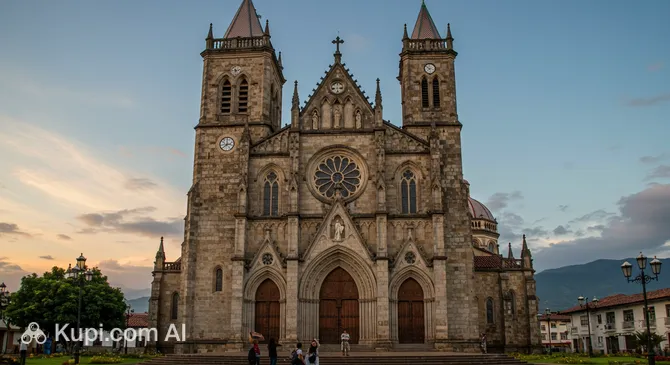
Our Lady of Lourdes Cathedral, Florencia. Illustration.
Source: Kupi.com AI
Traveler photos:
The city's name has a debated origin rooted in its founding by Capuchin friar Doroteo de Pupiales in 1902. While some historians believe he named it in honor of Florence, Italy, others suggest it was inspired by the abundance of colorful flowers found in the region, dedicating the settlement to the beauty of the local flora.
The historic Curiplaya Building is a designated National Monument of Colombia. Originally constructed in the mid-20th century, this architectural gem once served as a hotel and administrative center during the rubber boom era and now functions as the Palace of Culture and Fine Arts, preserving the region's artistic heritage.
The heart of the city is anchored by Our Lady of Lourdes Cathedral, which presides over the bustling Santander Park. This central square is not just a meeting place for residents but is also known for its local wildlife, where attentive visitors might spot iguanas or exotic birds resting in the trees above the benches.
Just outside the urban perimeter lies the mysterious "El Encanto" stone, a massive rock featuring ancient petroglyphs. These pre-Hispanic carvings span approximately 16 meters in length and depict figures and symbols, offering a rare window into the lives of the indigenous civilizations that inhabited the Amazonian piedmont centuries ago.
How to Get There
Reaching Florencia, the "Golden Gate to the Amazon," is an exciting journey that usually begins by air or road. The most direct option for most travelers is to fly into the city's own Gustavo Artunduaga Paredes Airport, which typically handles daily flights from Bogotá. However, for those exploring the wider region or arriving by land, there are several regional hubs to consider. For a comprehensive overview of all transport options, including driving directions and bus schedules, you can read more about how to get to Florencia.
When considering alternative airports, it is crucial to account for the Andean geography, which makes road travel significantly longer than straight-line distances suggest. The Benito Salas Airport in Neiva is the most practical regional alternative, as Neiva serves as the main road gateway to the south and offers the most accessible highway connection to Florencia. While Guillermo Leon Valencia Airport in Popayán and the major Alfonso B. Aragon Airport in Cali appear geographically close, they are separated from the Caquetá Department by rugged mountain ranges, making ground transfers from these cities difficult and time-consuming.
Below is a summary of regional airports that may serve as alternative entry points depending on your itinerary:
Currently, Florencia is not connected to a national railway network, so trains are not an option for reaching the city. Overland travel relies entirely on the road network. Frequent bus services operate primarily from Neiva and Bogotá, winding through the mountains before descending into the lush landscapes of the piedmont. These routes are well-established, serving as the main lifeline for ground transport into the region.
Main Attractions
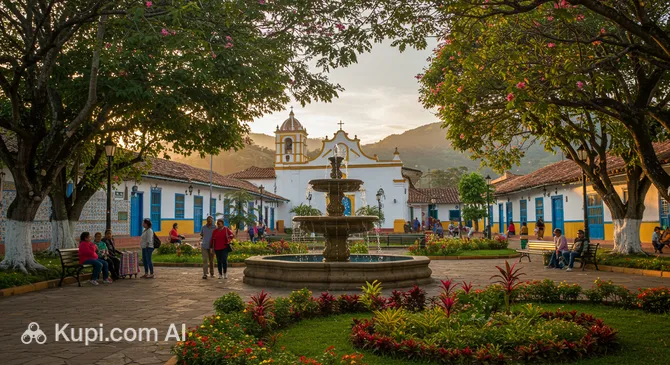
As the central hub of social life in the city, Santander Park (Florencia) is the perfect place to witness the daily rhythm of the locals. Surrounded by administrative buildings and bustling commerce, the plaza offers shaded areas that are ideal for people-watching and relaxing. It is widely recognized for its ecological value within an urban setting, often hosting various species of local fauna in its canopy.
Santander Park (Florencia). Illustration.
Source: Kupi.com AI
Traveler photos:
Standing as a symbol of faith and resilience, Our Lady of Lourdes Cathedral, Florencia is an essential stop for visitors interested in the city's architectural heritage. The structure features a simple yet dignified design that reflects the history of the region. Located right on the main square, it provides a serene atmosphere for contemplation and is beautifully illuminated in the evenings.
Travelers seeking modern amenities will find everything they need at Gran Plaza Florencia. This large shopping mall serves as a major commercial landmark in the Caquetá region, bringing together national brands, entertainment venues, and diverse dining options under one roof. It is a popular destination for families and tourists alike who wish to enjoy a comfortable shopping experience.
Gran Plaza Florencia. Illustration.
Source: Kupi.com AI
Traveler photos:
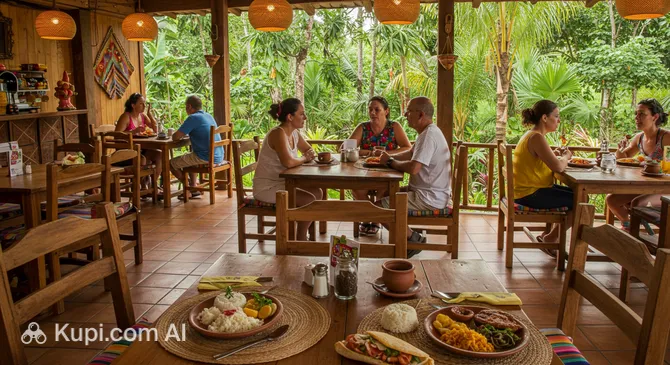
For a delightful culinary experience, the Andinos Plaza Hotel Restaurant stands out as a welcoming venue. It offers a menu that blends traditional Colombian tastes with international dishes, providing a sophisticated yet accessible atmosphere. It is a great spot to unwind and refuel while exploring the urban center.
Local Cuisine
The culinary scene in Florencia is a delightful reflection of its geography, blending the hearty traditions of the Colombian Andes with the exotic flavors of the Amazon rainforest. This unique fusion creates a gastronomy centered on fresh river fish, organic fruits, and the region's renowned dairy products. Visitors can expect a dining experience that is both rustic and flavorful, characterized by the use of ancestral cooking techniques and locally sourced ingredients.
Undoubtedly, the signature dish of the region is Pescado Moqueado. This traditional preparation, inherited from indigenous communities, involves wrapping fresh fish—typically catfish or bocachico—in banana leaves and burying it in the sand or earth. A fire is then lit on top, allowing the fish to smoke and steam slowly in its own juices. The result is a tender, smoky delicacy often served with boiled yuca (cassava) and plantains. Another staple is the rich Sancocho de Gallina, a hearty hen soup that is a favorite for family gatherings and weekend lunches.
No culinary tour of Florencia is complete without tasting the famous Quesillo Caqueteño. This semi-soft, double-cream cheese is a source of local pride and holds a designation of origin. It is commonly wrapped in plantain leaves and sold throughout the city, making it a perfect snack or souvenir. For those looking to explore local produce or pick up some authentic quesillo to go, the Éxito Store offers a convenient place to find high-quality regional products alongside standard groceries.
Andinos Plaza Hotel Restaurant. Illustration.
Source: Kupi.com AI
Traveler photos:
The beverage culture here is dominated by the incredible variety of Amazonian fruits. You must try juices made from Arazá, known for its acidic and refreshing taste, or Copoazú and Cocona, which offer unique tropical flavors found nowhere else. These drinks are the perfect accompaniment to the humid climate. For a stronger taste of local tradition, you might encounter chicha, a fermented corn drink, although fresh fruit juices are far more ubiquitous in daily life.
Dining in Florencia ranges from informal street stalls selling chontaduro (a starchy palm fruit eaten with salt and honey) to modern establishments. For a comfortable sit-down meal that combines local ingredients with international flair, the Andinos Plaza Hotel Restaurant is a widely recommended choice. Alternatively, if you prefer a variety of options in a modern setting, the food court at Gran Plaza Florencia provides a lively atmosphere where you can sample different styles of food in one location.
Travel Tips
Visiting Florencia offers a unique opportunity to experience the transition between the Andes and the Amazon, but this distinct environment requires a bit of specific preparation. To help you navigate the local customs, climate, and logistics with ease, we have compiled a set of practical recommendations for your journey.
Clothing and Gear: Due to the humid tropical climate, prioritize lightweight, breathable fabrics like cotton or moisture-wicking synthetics. It rains frequently in the Amazonian piedmont, so a sturdy umbrella or a waterproof rain poncho is essential. Pack comfortable, closed-toe walking shoes, especially if you plan to explore nature reserves where trails can be muddy. Don't forget a universal power adapter (Type A/B) and, most importantly, high-strength insect repellent to protect against mosquitoes.
Transportation: Within the city, taxis are the most convenient and safe way to get around for tourists; they are plentiful and generally affordable. You will also see many mototaxis (motorcycle taxis), which are a popular local mode of transport, though they are less recommended for visitors due to safety concerns. Public buses cover main routes but can be confusing for non-locals. Car rental is available but not strictly necessary unless you plan to drive to distant towns independently.
Finances: The official currency is the Colombian Peso (COP). While major hotels and the shopping mall, Gran Plaza, accept credit cards, cash is absolute king in Florencia. Small restaurants, local shops, and transport services often do not accept cards. ATMs are widely available in the city center and shopping areas, so it is wise to withdraw cash upon arrival. Tipping is not mandatory but appreciated; rounding up the bill or leaving 10% for good service is common.
Health and Safety: Pharmacies, known as droguerías, are easy to find, and some large chains operate late hours. Since Florencia is a gateway to the jungle, ensure your Yellow Fever vaccination is up to date, as it is often required for entering national parks. Always drink bottled water rather than tap water to avoid stomach issues. In terms of safety, stick to populated, well-lit areas at night and keep an eye on your belongings in crowded places like Santander Park.
Communication: Spanish is the primary language, and English is not widely spoken outside of high-end hotels or tour agencies. Learning a few basic phrases or having a translation app on your phone will be incredibly helpful. You can easily purchase a prepaid SIM card from providers like Claro, Tigo, or Movistar at local shops to stay connected. Wi-Fi is standard in hotels and many cafes, but mobile data is reliable for navigation.
Local Etiquette: People in Caquetá are known for their warmth and hospitality. It is polite to greet shopkeepers and drivers with a friendly "Buenos días" or "Buenas tardes." When visiting natural attractions or indigenous communities, always ask for permission before taking photos of people. Patience is a virtue here; the pace of life is often more relaxed than in Colombia's larger metropolises.
What to Avoid: Avoid "giving papaya" (dar papaya)—a local expression meaning don't make yourself an easy target by flashing expensive jewelry, cameras, or phones on the street. Also, avoid venturing into deep jungle areas or remote trails without a certified local guide, as the terrain can be challenging and easy to get lost in.
Additional Tip: Start your days early. The mornings are generally cooler and sunnier, making them the best time for outdoor activities and sightseeing before the afternoon heat and potential tropical showers set in.
By keeping these tips in mind, you will be well-equipped to embrace the adventure that awaits in Florencia. Whether you are exploring the bustling city center or heading out to the waterfalls, a little preparation goes a long way in ensuring a memorable and hassle-free experience in this beautiful corner of Colombia.
Entertainment & Nightlife
Nightlife in Florencia is vibrant and authentic, reflecting the joyful spirit of the Colombian people. While it may not have the massive club scene of larger metropolises, the city offers a lively atmosphere centered around music, dance, and socializing. The main hub for evening entertainment is the designated Zona Rosa, primarily located along the Avenida Circunvalar and near the city center. Here, you will find a concentration of "discotecas" (nightclubs), bars, and open-air liquor stores known as estanquillos, where locals gather to drink beer, listen to loud music, and enjoy the cool evening breeze.
For a more relaxed start to the evening, Santander Park (Florencia) is the beating heart of the city's social life. As the sun sets, the park fills with families, couples, and vendors selling street snacks, creating a safe and welcoming environment for a night walk. It is the perfect spot to experience the local culture and people-watch before heading out for dinner or drinks. If you prefer a modern setting with air conditioning, Gran Plaza Florencia offers a variety of evening entertainment options, including a cinema and a food court that stays open late, making it a popular destination for visitors seeking comfort and familiarity.
The musical atmosphere in Florencia is dominated by "Crossover" genres, meaning you will hear a mix of Salsa, Merengue, Vallenato, and Reggaeton. The dress code is generally casual; jeans and a nice shirt are perfectly acceptable for almost any venue. For those looking for a sophisticated dining experience before hitting the dance floor, the Andinos Plaza Hotel Restaurant provides an elegant atmosphere to enjoy a meal and a cocktail. Prices in the city are quite affordable compared to Bogotá or Medellín, with beers and covers for clubs being reasonably priced.
When enjoying the nightlife, safety should be a priority. It is highly recommended to use taxis to move between your hotel and the entertainment districts, especially late at night. You can easily hail a taxi on the street or ask your venue to call one for you. While the Zona Rosa and the areas around the main plaza are generally safe and bustling with activity, it is best to avoid walking alone on poorly lit peripheral streets after dark.
During the daytime, entertainment in Florencia shifts towards cultural and natural exploration. Before the sun goes down, visitors can explore local history at the Caquetá Museum (Museo del Caquetá), which houses artifacts from indigenous tribes and the rubber boom era. Additionally, the city serves as a launchpad for daytime excursions to nearby rivers and ecological parks, offering a perfect balance of adventure by day and "rumba" by night.
Parks & Museums
Florencia is a city where the urban landscape seamlessly merges with the lush biodiversity of the Amazonian piedmont, offering visitors a unique mix of green public spaces and cultural repositories. The city's parks are not just places for recreation but are vibrant ecosystems in their own right, while its museums and historical sites provide a deep dive into the indigenous heritage and the resilient spirit of the Caquetá region.
The most prominent green space in the city center is Santander Park (Florencia). Unlike typical city squares, this plaza serves as an urban sanctuary where nature thrives alongside daily life. Visitors sitting on the benches can often spot iguanas roaming the grounds or colorful parrots perched in the tall trees that shade the area. It is the primary meeting point for locals and a perfect spot to observe the relaxed pace of life in the "Golden Gate to the Amazon."
Beyond the paved streets, the true "parks" of Florencia are its surrounding natural reserves. Just a short distance from the city, places like Las Pailas offer a refreshing escape. This natural attraction features rock formations carved by crystal-clear waters, creating a series of natural pools and slides surrounded by thick jungle vegetation. It is a favorite weekend destination for families and ecotourists looking to swim in pristine river waters while listening to the sounds of the rainforest.
For those interested in the region's cultural history, the Curiplaya Building is an architectural jewel and a must-visit landmark. Designated as a National Monument, this imposing structure dates back to the 1950s and reflects the colonial-style architecture of the era. It currently houses the Caquetá Museum (Museo del Caquetá), which preserves a significant collection of artifacts. The museum offers fascinating insights into the indigenous tribes of the region, the history of the rubber boom, and the settlement of the department, making it an educational stop for anyone wanting to understand the local identity.
Another significant site that functions as an open-air museum is the archaeological park at El Encanto. Located on the outskirts of the city across the Hacha River, this site is famous for its massive rock petroglyphs. These ancient carvings, created by pre-Hispanic civilizations, depict animals and human figures, offering a mysterious window into the spiritual lives of the Amazon's early inhabitants. A suspension bridge leads to the site, adding a touch of adventure to the cultural experience.
Insider Tip: If you plan to visit the natural pools or the archaeological sites, try to go on a weekday morning. These popular spots can get quite crowded with locals on weekends and holidays, so an early mid-week visit ensures a more peaceful and intimate connection with nature and history.
Getting Around
The public transport system in Florencia is straightforward and relies entirely on road-based options, as there is no metro, tram, or train network in the city. For most tourists and locals, getting around involves using a mix of collective buses, known locally as busetas, and individual taxi services. The city is relatively compact, making it easy to navigate, but the humid climate often makes motorized transport a welcome alternative to walking long distances.
The most common form of mass transit consists of small buses and minibuses that cover various routes connecting the city center with residential neighborhoods and the outskirts. There are no designated bus stops in many areas; instead, passengers typically wave at the driver from the side of the road to board. To get off, you simply notify the driver as you approach your destination. These buses usually display their destination or route key points on a placard in the front window, so it is helpful to know the name of the neighborhood or landmark you are heading to.
Payment for public transport is almost exclusively in cash. There are no travel cards, digital passes, or mobile apps for the bus system. Passengers pay the fare directly to the driver or an assistant upon boarding. The cost is very affordable, typically requiring small change in the local currency. It is highly recommended to carry coins or small bills, as drivers may not have change for large denominations.
Taxis are a popular and safe alternative for tourists who prefer a more direct and comfortable mode of travel. Yellow taxis are abundant and can be hailed on the street or found at designated ranks near major plazas and the airport. While many taxis are equipped with meters, it is not uncommon for drivers to quote a fixed price for specific trips, especially to the airport or outlying tourist sites. It is advisable to confirm the fare with the driver before starting your journey to avoid misunderstandings.
A unique and ubiquitous feature of transport in this region is the widespread use of motorcycle taxis, often referred to as mototaxis. They are a fast and inexpensive way to weave through traffic and reach destinations that might be less accessible to cars. However, they are an informal means of transport. If you choose to use one, ensure that a helmet is provided for your safety, although for most tourists, sticking to official yellow taxis is the recommended option for security and comfort.
Public transport generally operates from the early morning, around 5:00 AM or 6:00 AM, until approximately 9:00 PM or 10:00 PM. After these hours, bus frequency drops significantly, and private taxis become the only reliable option. If you are planning late-night activities in the Zona Rosa or dining out, it is best to arrange your return transport in advance or have a hotel or restaurant call a taxi for you.
Accommodation
Accommodation in Florencia is primarily functional and welcoming, reflecting the city's role as a commercial hub and a gateway to the Amazon. The hospitality sector here is dominated by independent, family-run establishments rather than large international hotel chains. Visitors will mostly find budget-friendly hostels and comfortable mid-range hotels that cater to business travelers and eco-tourists. While luxury resorts are not a feature of the city's landscape, the available options are generally clean, safe, and offer good value for money, providing a restful base after a day of exploring the humid piedmont region.
The most convenient area for tourists to stay is the city center, particularly the blocks surrounding Santander Park (Florencia). Staying in this zone places you within walking distance of the main cathedral, banks, and a variety of dining options. It is also the safest and most illuminated part of the city at night. For those seeking a quieter experience closer to nature, there are a few eco-lodges and country hotels located on the outskirts of the city, offering lush garden settings and easy access to nearby rivers, though you will need a taxi to reach the urban center.
When selecting a place to stay, it is highly recommended to prioritize hotels that offer air conditioning. Given Florencia's tropical humidity and warm daytime temperatures, having a cool room is essential for a good night's sleep. Many standard hotels also provide Wi-Fi and private bathrooms, while budget "residencias" might offer fan-cooled rooms at a lower cost. If you are looking for modern conveniences, the newer establishments near the commercial districts are your best bet.
Price ranges in Florencia are quite affordable compared to Colombia's major tourist destinations. Budget accommodation can be found for as little as $15 to $25 USD per night, while more comfortable mid-range hotels typically range from $30 to $60 USD. While the larger hotels appear on major online booking platforms, many smaller, local establishments still rely on direct bookings via phone or WhatsApp. It is advisable to book in advance if you are visiting during local festivities, such as the Festival el Colono de Oro, as occupancy rates can spike during these cultural events.
Nearby Cities
For those looking to explore the surroundings, Florencia serves as an excellent base for day trips to several interesting nearby locations:
One of the most compelling destinations in the wider region is San Agustín. Although the journey involves crossing the mountains into the Huila Department, it is well worth the effort for history enthusiasts. This town is home to a renowned UNESCO World Heritage site featuring the largest collection of religious monuments and megalithic sculptures in South America. Visitors can explore the Archaeological Park to see mysterious ancient statues and tombs set amidst a stunning landscape of green hills and waterfalls.
Closer to the administrative border is Pitalito, known as the "Valley of Laboyos." As a major urban center in southern Colombia, it is famous for producing some of the country's most awarded specialty coffees. It is also the birthplace of the colorful ceramic "Chiva" buses, a quintessential Colombian souvenir. A visit here offers a chance to experience the coffee culture firsthand and explore a bustling market town that contrasts with the Amazonian vibe of Florencia.
For those interested in religious architecture and colonial history, Garzón offers a pleasant atmosphere. Known as the "Diocesan Capital of Huila," it features a beautiful cathedral and serves as a spiritual center for the region. The town is also a gateway to agrotourism, allowing travelers to see a different side of the Colombian countryside.
City
Population
Distance
La Montañita
24 323
31 km
El Paujil
21 462
31 km
El Doncello
22 306
36 km
Belen de los Andaquies
11 081
37 km
Acevedo
39 877
38 km
These nearby destinations offer a glimpse into the diverse culture and landscapes of the region.
Shopping & Souvenirs
Shopping in Florencia offers a distinct experience that blends the convenience of modern retail with the colorful, bustling atmosphere of an Amazonian trading hub. While it may not boast the high-end luxury boutiques of Colombia's capital, the city provides a wide array of goods ranging from practical necessities to unique regional specialties. Visitors can explore everything from air-conditioned shopping centers to lively street stalls where the vibrant culture of the Caquetá department is on full display.
The commercial heart of the city is located in the Downtown (El Centro) area, particularly the streets radiating from the central park. This district is a hive of activity where locals come to buy clothing, footwear, and electronics. Walking along these streets, you will find numerous small independent shops and "Sanandresitos"—shopping arcades known for selling imported goods at competitive prices. It is the best place to soak up the local energy and find affordable everyday items.
For a more contemporary shopping experience, Gran Plaza Florencia is the premier destination. As the largest shopping mall in the region, it houses national clothing brands, a food court, and entertainment facilities, offering a comfortable escape from the tropical heat. Another key commercial landmark is the Éxito Store, a large hypermarket where travelers can purchase groceries, toiletries, and even clothing. It is especially useful for stocking up on supplies if you are planning excursions into the nearby nature reserves.
Éxito Store. Illustration.
Source: Kupi.com AI
Traveler photos:
To truly understand the local flavor, a visit to the city's market places, such as the Galería La Concordia (often referred to as the Plaza de Mercado), is essential. These markets are vibrant centers of trade where farmers from the surrounding countryside bring fresh produce. Here, you can discover exotic Amazonian fruits like arazá, copoazú, and cocona, which are rarely found outside the region. It is also a great spot to see the variety of river fish that form the staple of the local diet.
When searching for souvenirs, the most iconic product to bring home is undoubtedly Quesillo Caqueteño. This delicious, double-cream cheese wrapped in plantain leaves is famous throughout Colombia and makes for a tasty gift. Additionally, look for indigenous handicrafts made by the local Huitoto and Coreguaje communities. These often include intricate beadwork necklaces, woven bags (mochilas), and wood carvings that reflect the spiritual connection between the people and the Amazon rainforest.
Most shops in Florencia operate from approximately 9:00 AM to 7:00 PM, Monday through Saturday, with reduced hours on Sundays. While the main shopping mall and large supermarkets like Éxito accept credit and debit cards, cash is the preferred method of payment in smaller stores, markets, and street stalls. If you make significant purchases at large chain stores, you may be eligible for a VAT (IVA) refund upon leaving the country, so be sure to ask for an electronic invoice (factura electrónica) if you plan to claim it.