Support

Puerto Asis

About

Puerto Asis is widely recognized as the commercial capital of the Putumayo department and serves as a vital gateway to the Amazon region. This bustling city offers a unique blend of cultural vibrancy and natural beauty, acting as a crucial connecting point for travelers exploring the southern part of Colombia. Known for its warm hospitality and lively trade, the city sits on the banks of the majestic Putumayo River, which plays a central role in the daily life and economy of the local inhabitants.

Geographically, the city is characterized by its tropical climate, with warm temperatures and high humidity typical of the Amazonian foothills. The lush surroundings and the vast river network define the landscape, making it a fascinating destination for those who appreciate raw nature. With a population of over 60,000 residents, it is the largest city in the department, bustling with activity and serving as a major port for river transportation toward the Amazon River.
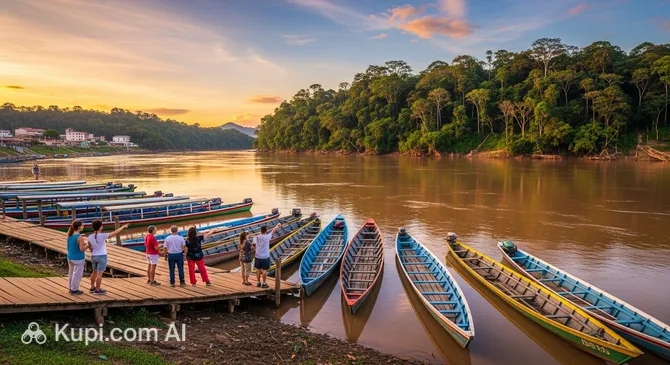
Puerto Asis. Source: Kupi.Binoculars

The origins of the settlement date back to the early 20th century. Visitors interested in the history of Puerto Asis will discover that it was founded in 1912 by Capuchin missionaries, who established the town as a strategic point for evangelization and connection with the indigenous communities. Over the decades, it has evolved from a small missionary outpost into a thriving urban center that celebrates its heritage through various local traditions and festivals.

Tourists are often drawn to the city for its ecological potential and river-based activities. The Putumayo River itself is a primary attraction, offering opportunities for boat tours where visitors can observe the diverse flora and fauna of the region. Another popular spot is the "Hong Kong" port area, a local hub for river transit and leisure. Additionally, the city enthusiastically celebrates the Carnival of Blacks and Whites in January, a colorful event that showcases the region's rich cultural tapestry.

Whether you are passing through on your way to the deep Amazon or planning to explore the unique ecosystems of Putumayo, Puerto Asis provides an authentic and engaging experience. Its combination of commercial energy, historical roots, and proximity to stunning natural landscapes makes it a noteworthy stop for any adventurer.

Weather Overview

Puerto Asis features a tropical climate characterized by consistent warmth and high humidity throughout the year. Temperatures remain stable across the seasons, with daily averages generally hovering between 24°C and 26°C. The days are typically warm, with maximum temperatures often reaching up to 30°C, while nights offer a mild cool-down to around 21°C or 22°C.

Expect warm, humid conditions year-round with frequent rainfall, particularly from March through June when rain can occur on most days of the month. While precipitation is a constant companion in this Amazonian region, the months of August and September tend to be slightly drier, offering a bit more reprieve with fewer rainy days. For a more detailed breakdown of the climate and the best times to visit, you can check the current weather in Puerto Asis.

Interesting Facts

Beyond the main attractions and bustling river trade, Puerto Asis holds fascinating secrets that reveal its unique character in the Amazonian foothills. From its curious demographic status to hidden natural sanctuaries, there is much more to this city than meets the eye.

  • A Capital in All But Name: Unlike most regions in Colombia, Puerto Asis is actually the largest city in the Putumayo department by population and commercial activity, surpassing the official capital, Mocoa. This unique status has earned it the nickname "The Commercial Capital of Putumayo," as it serves as the primary economic engine for the entire territory.

  • Italian Roots in the Amazon: While it was founded by Capuchin missionaries, few visitors realize that the city's name is a direct tribute to Assisi, Italy. The founders named it "Puerto de Asís" to honor the birthplace of Saint Francis of Assisi, the patron saint of their order, permanently linking this remote Amazonian port with the medieval Italian town.

  • A Sanctuary for Birdlife: The lush wetlands and riverbanks surrounding the city are a hidden gem for ornithologists and nature lovers. The rich ecosystem of the Putumayo River is one of the best places to spot the Hoatzin (Opisthocomus hoazin), a bizarre, pheasant-sized bird often called the "reptile bird" or "stinkbird," which features claws on its wings when young and links back to prehistoric avian species.

  • A River World Record Attempt: The traditional "Regata del Río Putumayo" held every January is not just a parade; it is an event of massive proportions where thousands of locals float down the river on large truck inner tubes. The event has grown so large that the city has previously aimed to set a Guinness World Record for the highest number of people simultaneously floating on a river.

How to Get There

Reaching this gateway to the Amazon is most conveniently achieved by air directly into the city. Puerto Asis is served by Tres de Mayo Airport (IATA: PUU), which acts as the primary local hub. The most common and efficient way to arrive is via direct flights from major cities like Bogota, allowing travelers to bypass the challenging terrain of the region. For those looking to plan their itinerary in detail, you can find more information about how to get to Puerto Asis and the various transport options available.

While direct flights are preferred, some visitors may fly into regional hubs in neighboring areas and complete the journey by land. One of the most significant alternatives is Cano Airport (IATA: PSO), located in the city of Pasto, approximately 133 km away. The drive from Pasto involves a descent from the Andes to the Amazon basin; while scenic, the journey takes several hours on winding mountain roads.

For international travelers, Mariscal Sucre International Airport (IATA: UIO) in Quito, Ecuador, is a major nearby hub. Located roughly 218 km away, this option offers extensive global connections but requires crossing the international border and a lengthy overland trip. Another closer option in Ecuador is Coca Airport (IATA: OCC), situated about 119 km away, though it is a smaller facility primarily serving domestic flights.

For clarity, here is a summary of the main airports in the vicinity that may serve as alternative entry points:

Airport Name City Passenger Traffic Km from City
Mariscal Sucre International Airport Quito Large 217.8
Cano Airport Pasto Medium 132.9
Guillermo Leon Valencia Airport Popayán Medium 216.6
Coca Airport Coca Small 119.4
San Luis Airport Ipiales Small 136.7

The city of Puerto Asis does not have a railway station, and train travel is not currently an option for reaching this part of the country. Visitors generally rely on the road network, utilizing buses, shared vans, or private taxis to navigate the distance between regional airports and the city center. The roads in this region can be mountainous and unpredictable, so it is advisable to check local transport schedules and allow for extra travel time.

Main Attractions

Puerto Asis is a destination where the vibrancy of the Amazonian frontier meets the warmth of its people. While it is primarily a commercial hub, the city offers several spots where visitors can immerse themselves in the local culture and the breathtaking nature that surrounds it. The attractions here are less about grand monuments and more about the river life, the lush landscapes, and the authentic daily rhythm of this gateway to the Amazon.

The Putumayo River is undoubtedly the heart and soul of the city. As a major tributary of the Amazon River, it serves not only as a vital transport route but also as a primary tourist attraction. Visitors can take boat tours to observe the dense vegetation lining the banks and spot local wildlife, including various bird species and river dolphins. For the adventurous, the river becomes the center of action in January during the famous tubing regatta, but year-round it offers a serene setting for fishing or simply watching the sunset over the water.

One of the most popular places to experience the river's energy is the Muelle Hong Kong (Hong Kong Port). This bustling waterfront area is a favorite among locals and tourists alike. It is the perfect spot to enjoy a meal at one of the riverside restaurants, which serve fresh fish and traditional dishes. In the evenings, the area comes alive with music and social activity, offering a glimpse into the cheerful nightlife of the region while overlooking the majestic river.

For a quick escape into nature, Playa Rica is a charming rural tourism spot located just a short boat ride away from the city center. Accessible via the Putumayo River, this area features sandy river beaches where families and groups gather to swim, relax, and enjoy the tropical climate. It is an excellent location for those looking to experience the "river beach" culture that is so characteristic of this part of the country.

In the center of town, Parque General Santander serves as the main meeting point for the community. This central square is surrounded by shops, cafes, and the local church, making it a convenient place to take a stroll and observe the daily life of the "Asisenses." It is a hub of activity where you can taste local street snacks, rest under the shade of trees, and feel the pulse of this busy commercial city.

Local Cuisine

The culinary scene in Puerto Asis is a vibrant reflection of its location at the gateway to the Amazon, offering a unique menu that differs significantly from the interior of the country. The most prominent feature of the local diet is the abundance of fresh river fish. Visitors should definitely try Cachama or Pirarucú, often prepared "ahumado" (smoked) to preserve the meat and enhance its flavor. This smoking technique is a local tradition that gives the fish a distinct, savory taste, usually served with boiled plantains or cassava (yuca).

For a truly authentic taste of the Putumayo region, you must try Tacacho. This hearty dish is prepared by mashing boiled green plantains and mixing them with crushed chicharrones (fried pork belly) and hogao (a tomato and onion sauce). It is a staple comfort food, often eaten for breakfast or lunch, providing plenty of energy for the day. For the more adventurous eaters, the Mojojoy—a palm weevil larva—is a famous exotic delicacy. It can be eaten raw, but it is most commonly served grilled or fried, offering a buttery texture that surprises many first-time tasters.

To cool down in the tropical heat, locals turn to refreshing beverages made from exotic Amazonian fruits. Juices made from Arazá, known for its acidic and citrusy flavor, or Copoazú, often described as a mix between chocolate and pineapple, are widely available and incredibly refreshing. On the traditional side, you might encounter Masato, a fermented drink made from rice or cassava that has been consumed by indigenous communities for generations.

The dining culture in Puerto Asis is casual and deeply connected to the river. One of the best places to experience local food is the Muelle Hong Kong area, where open-air restaurants overlook the water, allowing diners to enjoy fresh fish while watching the boats go by. The city also has a lively street food scene, particularly around the main park and market areas, where you can find grilled snacks, empanadas, and fresh fruit stands operating late into the warm evenings.

Travel Tips

Visiting Puerto Asis offers a genuine immersion into the Amazonian lifestyle, but the region's unique climate and remote location require a bit of extra preparation. To help you navigate this bustling river port with ease and enjoy its natural wonders safely, here are some practical tips to keep in mind before you pack your bags.

  1. Clothing and Gear: Due to the hot and humid tropical climate, lightweight and breathable fabrics like cotton or linen are essential. Pack light-colored long sleeves and trousers to protect yourself from both the sun and mosquitoes, especially during excursions. A sturdy raincoat or poncho is a must, as sudden downpours are common. Don't forget comfortable, waterproof shoes or boots if you plan to explore the riverbanks or jungle trails.

  2. Transportation: The most common way to get around the city is by mototaxi (motorcycle taxi). They are fast, affordable, and ubiquitous, but always make sure to wear the provided helmet. Regular taxis are available but less frequent. For travel to nearby communities or tourist spots like Playa Rica, river boats departing from the Hong Kong port are the primary mode of transport.

  3. Finances: Cash is king in Puerto Asis. While some larger hotels or supermarkets may accept credit cards, most small shops, restaurants, and transport providers only take cash. The local currency is the Colombian Peso (COP). There are ATMs available, mostly around the main square (Parque General Santander), but it is wise to withdraw enough cash in larger cities before arriving, as machines can occasionally run out of money.

  4. Health and Safety: As a gateway to the Amazon, it is highly recommended to have a Yellow Fever vaccination and carry your certificate. Insect repellent is non-negotiable here; buy a high-quality brand. Pharmacies, known as droguerías, are easy to find in the town center for basic supplies. In terms of safety, stick to well-lit, populated areas at night and always keep an eye on your belongings in busy market zones.

  5. Communication: Spanish is the primary language, and English is not widely spoken. Learning a few basic phrases or having an offline translation app will be extremely helpful. You can easily purchase a prepaid SIM card from major providers like Claro or Movistar at local shops to stay connected. Wi-Fi is generally available in hotels and some cafes, but speeds may vary.

  6. Local Etiquette: The people of Putumayo are known for their warmth. A simple greeting of "Buenos días" or "Buenas tardes" when entering a shop or boarding a boat goes a long way. Life here moves at a more relaxed pace than in big cities like Bogota, so patience is appreciated during service interactions. If you interact with indigenous community members, always ask for permission before taking photographs.

  7. What to Avoid: Never drink tap water; the local water supply is not suitable for consumption by tourists, so always opt for sealed bottled water. Additionally, avoid venturing into remote jungle areas or off the beaten path without a certified local guide, as the dense terrain can be disorienting and some areas may require specific permissions.

  8. Early Riser Advantage: Life in Puerto Asis starts early to beat the midday heat. Markets and river transport are most active in the morning hours. If you want to see the freshest produce or catch a boat for a day trip, try to start your day by 6:00 or 7:00 AM, just like the locals do.

By following these simple guidelines, you will be well-equipped to handle the tropical environment and connect with the friendly locals. Puerto Asis is a place that rewards the prepared traveler with unforgettable sunsets over the river and a deep connection to nature.

Entertainment & Nightlife

As the sun sets over the Amazonian foothills, Puerto Asis transforms from a busy commercial hub into a lively center of entertainment. The city is known for its "rumbero" spirit, a characteristic trait of Colombia where music and socializing take center stage. The nightlife here is vibrant, loud, and unpretentious, driven by the warm tropical evenings and the locals' love for dance and celebration.

The heart of the action can typically be found in the city center, particularly along the bustling streets surrounding Parque General Santander. This area, often referred to locally as the Zona Rosa, is packed with bars, discotheques, and liquor stores (licoreras) where people gather to drink cold beer and listen to music. For a different vibe, the Hong Kong Port area by the river offers a breezy atmosphere where you can enjoy drinks with a view of the dark waters of the Putumayo River, often accompanied by the sounds of vallenato or popular ranchera music.

For those looking to dance the night away, Discoteca Kimbara is a popular spot that draws a crowd eager to move to a mix of salsa, merengue, and reggaeton. Another lively venue is Decadas Disco Bar, which offers a high-energy environment focused on "crossover" music—a blend of all Latin genres that keeps the party going until the early morning hours. If you prefer a more alternative scene, Mapachos Video Rock Bar offers a distinct atmosphere dedicated to rock and pop classics, providing a welcome change of pace from the tropical rhythms found elsewhere.

The atmosphere in these venues is generally casual and welcoming. There is no strict dress code; jeans and t-shirts are the norm, though locals often dress up a bit for a night out at the bigger clubs. The party usually starts late, with venues filling up after 10:00 PM and staying open until 3:00 AM or 4:00 AM on weekends. Prices are quite affordable compared to larger Colombian cities, with beers and bottles of aguardiente—the local anise-flavored spirit—being the most common orders.

When enjoying the nightlife, safety should be a priority. While the main commercial streets and the Zona Rosa are bustling and generally safe to walk in groups during the early evening, it is advisable to avoid wandering into unlit or residential outskirts late at night. The best way to get around is by using official taxis. Although mototaxis are common during the day, a standard taxi is the safer and more comfortable choice for returning to your hotel after a night out. Always agree on the fare before starting your journey, as taximeters are rarely used.

Beyond the nightlife, Puerto Asis offers engaging daytime entertainment for nature lovers and culture enthusiasts. The Bioparque Arazá is a wonderful ecological spot where visitors can connect with the local flora and fauna, offering a peaceful contrast to the city's noisy streets. Additionally, taking a boat trip from the port to explore the nearby river communities or simply watching the day-to-day river commerce provides a fascinating insight into the life of this Amazonian gateway.

Parks & Museums

While Puerto Asis is primarily known as a commercial river port rather than a traditional cultural capital with vast museum collections, it offers distinct green spaces and landmarks that reflect its Amazonian identity. The city's charm lies in its open-air environments, where the lush vegetation of the Putumayo region meets the daily life of its inhabitants.

Parque General Santander is the beating heart of the city and the most significant urban green space. Located in the center of town, this square serves as the primary social hub where locals gather to chat, trade, and relax under the shade of trees. For tourists, it is an excellent spot for people-watching and soaking in the local atmosphere. The park often hosts small fairs and community events, making it a lively window into the culture of the "Asisenses."

For a more immersive nature experience within the city limits, the Bioparque Arazá is a highlight. This ecological park is designed to showcase the biodiversity of the region, offering visitors a chance to see native flora and learn about the local ecosystem without venturing deep into the jungle. It is a peaceful refuge ideal for a morning walk, providing a stark contrast to the bustling activity of the commercial port areas.

In terms of museums and galleries, Puerto Asis does not feature large, formal institutions. Instead, the city's history and culture are best appreciated through its architectural landmarks and religious heritage. The Catedral de San Francisco de Asís stands as the most prominent architectural and historical site. Named after the patron saint of the city (and the Italian town of Assisi), this church is a symbol of the Capuchin missionaries' influence in founding the settlement. Its structure is simple yet significant, serving as a spiritual anchor for the community.

Another site of cultural interest is the Muelle Hong Kong (Hong Kong Port). While not a museum in the traditional sense, it functions as a "living museum" of river trade and transport. Here, visitors can witness the traditional wooden boats and the daily exchange of goods that have defined the city's history for a century. It offers an authentic glimpse into the river-based lifestyle that characterizes the entire Putumayo department.

For an authentic insider experience, head to the riverbanks near the port at sunset. This is when the heat of the day subsides, and the river reflects the changing colors of the sky. It is a quiet, magical moment often missed by those who only focus on the commercial center. Additionally, ask locals about nearby balnearios (natural swimming spots) like Playa Rica, where you can cool off in the river waters just like a local resident.

Getting Around

The public transport system in Puerto Asis differs significantly from that of larger metropolitan areas. Due to its size and location in the Amazonian foothills, the city does not have a metro, tram, or extensive municipal bus network. Instead, the transport infrastructure is informal and adapted to the local terrain, relying heavily on motorcycles, taxis, and river vessels to move residents and visitors around.

The most ubiquitous form of transport is the mototaxi. These are motorcycle taxis that function as the primary way for locals to navigate the city streets quickly and affordably. You will see them everywhere, often identified by drivers wearing reflective vests or carrying an extra helmet for passengers. They are ideal for short trips within the urban area, offering a breezy way to beat the tropical heat, though they are strictly for one passenger at a time.

For those who prefer a car or are traveling with luggage, traditional yellow taxis are available, though they are less numerous than mototaxis. These are standard vehicles that can be hailed on the street or found at designated stands, particularly near the airport and the main square, Parque General Santander. Taxis offer a safer and more comfortable alternative, especially during the frequently occurring heavy rain showers or at night when visibility is lower.

A unique and essential part of the public transport system here is river transport. Given the city's role as a port, boats and speedboats (known as lanchas) effectively serve as "water buses" connecting the city center with rural communities and settlements along the Putumayo River. These depart principally from the Hong Kong Port. While they operate on schedules for longer distances, many shorter routes function on a fill-and-go basis, transporting people, goods, and even livestock.

Regarding payment, the system is entirely cash-based. There are no travel cards, electronic passes, or mobile apps for paying fares. You must pay the driver directly in local currency (Colombian Pesos) upon reaching your destination. Prices are generally low and fixed by custom rather than by taximeter. A typical mototaxi ride within the town limits costs a nominal amount, while taxi fares are slightly higher but still very reasonable compared to major cities. It is always wise to carry small bills and coins, as drivers often struggle to make change for large denominations.

Tourists should be aware that ride-hailing apps like Uber or Cabify do not operate in Puerto Asis. To secure a ride, you simply flag down a vehicle on the street or ask your hotel reception to call a trusted driver. Transport is most readily available during daylight hours, starting as early as 5:00 AM. After 9:00 PM, the frequency of mototaxis drops significantly, so it is advisable to arrange your return transport in advance if you plan to stay out late.

For a smooth experience, always confirm the fare with the driver before hopping on a mototaxi or entering a taxi to avoid misunderstandings later. If you choose to ride a mototaxi, prioritize your safety by insisting on a helmet, which the driver is required to provide. While the system may seem chaotic at first glance, it is efficient, deeply local, and offers a genuine slice of daily life in this river port city.

Accommodation

Accommodation in Puerto Asis reflects the city's character as a commercial hub and a transit point to the Amazon. The options here are generally practical and modest, catering largely to business travelers, merchants, and adventurous tourists. You will not find large international luxury chains or all-inclusive resorts; instead, the hospitality landscape is dominated by locally owned hotels and budget-friendly guesthouses known as residencias. The focus is on providing comfortable, functional lodging rather than high-end opulence.

The most convenient area to stay is undoubtedly the City Center (El Centro), particularly the blocks surrounding Parque General Santander. Staying here places you within walking distance of the main commercial streets, restaurants, banks, and the vibrant nightlife of the Zona Rosa. For travelers who prefer a view or a breeze, there are a few establishments located closer to the river near the Hong Kong Port, though this area can be busier and louder due to the port activity.

When choosing a place to stay, one critical amenity to look for is air conditioning. Given the high humidity and tropical heat of the Putumayo region, a room with A/C can make a significant difference in your comfort level compared to one with just a fan. Many mid-range hotels offer this feature along with Wi-Fi and private bathrooms, while budget options may offer simpler facilities with shared amenities.

Booking Tip: While Puerto Asis is not a mass tourism destination, accommodation can fill up quickly during major local events. If you plan to visit in January during the Carnival of Blacks and Whites or the Putumayo River Regatta, it is highly recommended to book your room several weeks in advance. For the rest of the year, it is often possible to find a room upon arrival, though booking online for the better-rated local hotels is advisable to secure the best rates.

Prices in Puerto Asis are generally very affordable compared to Colombia's major tourist cities. Travelers can expect to find budget rooms for a very low cost, while the "higher-end" local hotels fall into a mid-range price bracket that is still quite reasonable. While major booking platforms are beginning to list properties in the city, many smaller establishments still rely on direct contact or walk-ins, and payment is frequently expected in cash.

Nearby Cities

For those looking to explore the surroundings, Puerto Asis serves as an excellent base for day trips to several interesting nearby locations:

Mocoa: Located approximately 74 km to the north, Mocoa is the capital of the Putumayo department and a top destination for ecotourism. It is famous for the Fin del Mundo (End of the World) waterfalls, a spectacular natural site where visitors can hike through the jungle to find crystal-clear swimming holes and a massive waterfall dropping into the abyss. It is a perfect spot for nature lovers seeking adventure and breathtaking scenery.

Orito: Situated just 47 km away, Orito is known as the "Oil Capital of Putumayo," but it offers much more than industry. The town is surrounded by lush vegetation and rivers, making it a convenient stop for those wanting to see more of the Amazonian foothills without traveling too far. It provides an authentic look at the daily life and development of the region.

Valle del Guamuez: Often referred to by locals as "La Hormiga," this town lies about 33 km south of Puerto Asis. It is a vibrant commercial center with a busy market atmosphere, serving as a key trading point near the border with Ecuador. A visit here offers a chance to experience the agricultural heart of the lower Putumayo and its lively street culture.

City Population Distance (km)
Pasto 392,930 118
Orito 57,774 47
Mocoa 56,398 74
Valle del Guamuez 54,237 33
Albania, Caquetá 26,940 115

These nearby destinations offer a glimpse into the diverse culture and landscapes of the region.

Shopping & Souvenirs

As the commercial capital of the Putumayo department, Puerto Asis offers a shopping experience defined by its bustling trade rather than high-end luxury retail. The city serves as the primary supply hub for the surrounding Amazonian communities, meaning the shopping scene is practical, vibrant, and deeply local. Visitors will not find glitzy international boutiques here; instead, they will encounter a lively atmosphere where merchants sell everything from jungle survival gear and river supplies to clothing and fresh produce.

The main commercial activity is concentrated in the City Center, particularly along the streets radiating from Parque General Santander. This area functions as an open-air shopping district where small shops, known as locales, line the sidewalks. Here, tourists can find a variety of goods including footwear, electronics, and apparel. The atmosphere is energetic, with music often playing from storefronts and vendors displaying their wares directly on the street, creating a colorful chaotic charm typical of Colombian commercial towns.

Travelers looking for large, modern shopping complexes might be disappointed, as Puerto Asis does not feature massive shopping malls found in major cities like Bogota or Medellin. Instead, the city relies on smaller commercial galleries and arcades. These multi-story buildings house independent vendors selling specialized items, from mobile phones to fashion accessories, all under one roof. These galleries offer a cooler, shaded respite from the tropical heat while browsing.

For a truly authentic experience, the local markets are unmissable. The Plaza de Mercado is the epicenter of local flavor, where farmers from the countryside bring their harvest. It is the best place to discover exotic Amazonian fruits like copoazú, arazá, and chontaduro. Additionally, the area around the Hong Kong Port acts as a fluctuating market where goods arriving via the Putumayo River are traded. It is a fascinating spot to observe the commerce of the river, including fresh fish and products brought in from remote indigenous territories.

When it comes to souvenirs, the best items to bring back are those that reflect the region's indigenous and natural heritage. Look for indigenous handicrafts made by the local communities, such as intricate beadwork (chaquiras), woven bags, and wood carvings. Another unique purchase is natural products derived from Amazonian plants, such as oils, ointments, and local chili pastes, which make for distinct and practical gifts that capture the essence of the jungle.

Stores in Puerto Asis typically open early, around 8:00 AM, and close between 6:00 PM and 7:00 PM. Many smaller businesses may close for a lunch break between 12:00 PM and 2:00 PM, a common practice in the region to avoid the midday heat. regarding payment, cash is the primary method of transaction. While some larger supermarkets and hotels may accept credit cards, most market vendors, small shops, and artisans deal exclusively in Colombian Pesos. It is highly advisable to carry sufficient cash in small denominations.

Regarding tax-free shopping, the VAT refund system (Devolución del IVA) available to foreign tourists in Colombia is generally only applicable in large chain stores that are authorized to issue the specific electronic invoices required for the process. In Puerto Asis, where commerce is largely informal or conducted through small local businesses, finding participating stores is unlikely. Visitors should not expect to process tax refunds for purchases made within the city.

Reached the end of the page?

That means the route is fully explored