Support

Ipiales

About

Ipiales is a captivating destination located in the Nariño Department, widely recognized as the "City of Green Clouds." Sitting at a high altitude near the border with Ecuador, this bustling city serves as a major gateway to southern Colombia. Its unique position amidst the Andes Mountains grants it a cool climate and spectacular scenic backdrops that charm visitors from the moment they arrive.

Ipiales. Source: Kupi.Binoculars

While many travelers pass through on their way across the border, the city itself holds significant charm and cultural depth. Exploring the history of Ipiales reveals a rich tapestry of indigenous heritage and colonial influence that has shaped its current identity. The city is home to a population of approximately 166,000 residents and buzzes with commercial activity and local traditions.

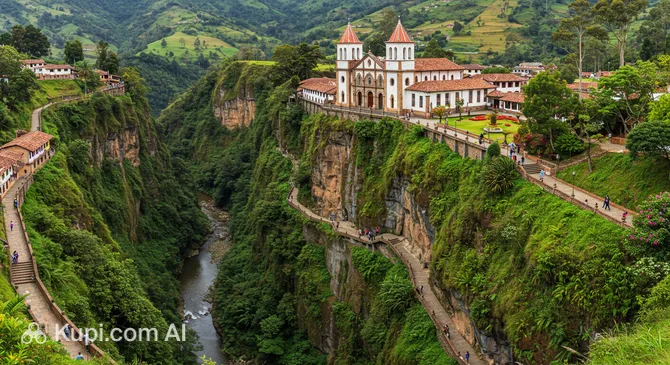
The crown jewel of the region is undoubtedly the Las Lajas Sanctuary. Often cited as one of the most beautiful churches in the world, this neo-Gothic basilica spans a deep canyon over the Guáitara River, creating a breathtaking architectural spectacle. Beyond the sanctuary, visitors can enjoy the vibrant local markets or explore the surrounding Andean landscapes. Whether you are a pilgrim, a history buff, or a nature lover, Ipiales offers a memorable stop on your South American journey.

Weather Overview

Due to its high altitude in the Andes, the city experiences a cool and consistent climate throughout the year. Visitors should be prepared for steady temperatures and frequent cloud cover, which gives the region its characteristic misty atmosphere. For a detailed forecast and monthly breakdown, you can consult the guide to the weather in Ipiales before your trip.

Temperatures remain remarkably stable, with daily averages hovering around 12°C. Daytime highs typically reach approximately 16°C, peaking slightly in months like February and October. Evenings and early mornings are generally chilly, with minimum temperatures dipping to around 8°C, so bringing warm layers and a good jacket is highly recommended.

Rainfall is a significant feature of the local weather pattern, with precipitation occurring on the majority of days in any given month. March and November are particularly wet, often recording up to 29 wet days. However, travelers might find slightly drier conditions around August, when the frequency of rain decreases to about 17 days per month.

Interesting Facts

Beyond the stunning Las Lajas Sanctuary, Ipiales holds a variety of cultural and geographical secrets that surprise many travelers. This high-altitude border city is rich in history and local traditions that define its unique character.
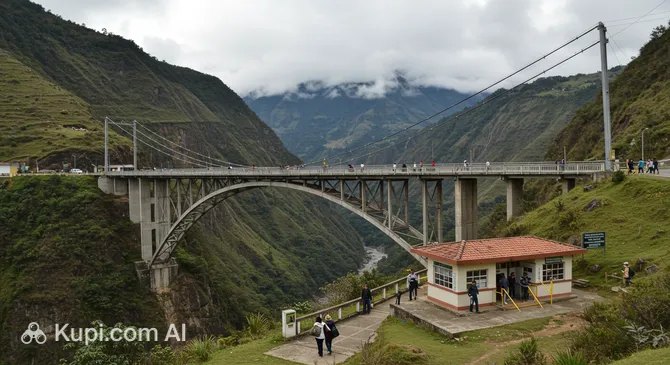
Rumichaca International Bridge. Source: Kupi.Binoculars
  • The border crossing between Colombia and Ecuador is a geological wonder known as the Rumichaca International Bridge. Unlike standard man-made crossings, this bridge sits upon a natural rock formation carved by the Guáitara River, and it was historically used as a passage by the Inca civilization.

  • The city's poetic nickname, the "City of Green Clouds," was coined by the famous Ecuadorian writer Juan Montalvo. He was inspired by the vivid green hue of the mountains reflecting against the misty sky during his stay in the region.

  • Ipiales is widely considered the culinary capital for "Cuy" (roasted guinea pig) in Colombia. This traditional Andean dish is a staple of local gastronomy and is often celebrated during festivals and family gatherings.

  • The name of the city itself is a tribute to its pre-Columbian roots. It is derived from the "Ipial" people, an indigenous group that belonged to the Pasto nation and inhabited these lands long before the Spanish colonial era.

How to Get There

Reaching this border city is an adventure in itself, offering travelers a chance to witness the dramatic landscapes of the Andes. While many visitors arrive by bus crossing from Ecuador or traveling south from other Colombian cities, air travel is also a convenient option. For a comprehensive breakdown of routes and transport tips, you can read more about how to get to Ipiales.

For those preferring to fly directly into the region, the most convenient option is the local San Luis Airport (IPI). Located just 4.9 km from the city center, it is a small regional hub that offers quick access to the area. The taxi ride from here typically takes around 30 minutes. However, flight options can be limited due to its size.

Alternatively, many international travelers choose to fly into Mariscal Sucre International Airport (UIO) in Quito, Ecuador. Although it is located in a different country, it is a major international gateway situated approximately 131.7 km from Ipiales. The journey from Quito involves a scenic drive and a border crossing, taking roughly 3 hours and 40 minutes by road. Another viable option within Colombia is Cano Airport (PSO) in the city of Pasto. It is about 73.7 km away, and the transfer by bus or taxi takes approximately 2 hours and 10 minutes through the mountains.

For clarity, here is a summary of the main airports serving the region:

Airport Name City Passenger Traffic Km from City
Mariscal Sucre International Airport Quito High 131.7
Cano Airport Pasto Medium 73.7
La Florida Airport Tumaco Low 164.4
Coca Airport Coca Low 160.5
San Luis Airport Ipiales Low 4.9

The mountainous terrain of the Nariño Department means that railway infrastructure is not available for passenger travel in this area. Visitors relying on public transport will find that an extensive network of buses and shared taxis ("colectivos") connects Ipiales with major cities like Pasto and Cali to the north, as well as Tulcán and Quito to the south across the border. The roads offer spectacular views, making the bus journey a popular choice for backpackers and sightseers.

Main Attractions

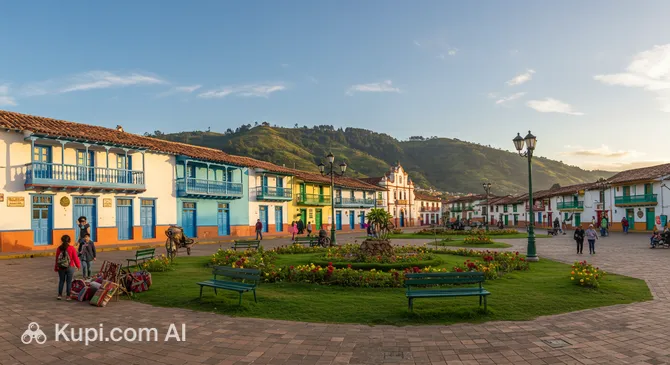
While the famous sanctuary in the canyon often steals the spotlight, the city center offers its own authentic charm. The 20th of July Square serves as the civic heart of Ipiales, providing a lively meeting place for locals and visitors alike. Surrounded by administrative buildings and the Cathedral of San Pedro Mártir, this plaza is an excellent spot to observe daily life in the Andes and enjoy the cool mountain air.

20th of July Square. Source: Kupi.Binoculars

Near the border crossing, there is more to see than just the famous natural bridge. The Rumichaca International Bridge area is home to the beautifully restored Old Customs House (Casa de Aduana). This republican-era architectural gem now functions as a cultural and tourism center, offering visitors a glimpse into the region's history and heritage without focusing solely on the geological formations below.

Travelers seeking modern amenities and retail therapy will find plenty of options within the city. Gran Plaza Ipiales is the largest commercial hub in town, featuring a variety of international brands, a cinema, and a food court. It is a convenient stop for stocking up on supplies before crossing the border. Nearby, Star Mall offers additional shopping and entertainment choices for those with more time to spare.

Gran Plaza Ipiales. Source: Kupi.Binoculars

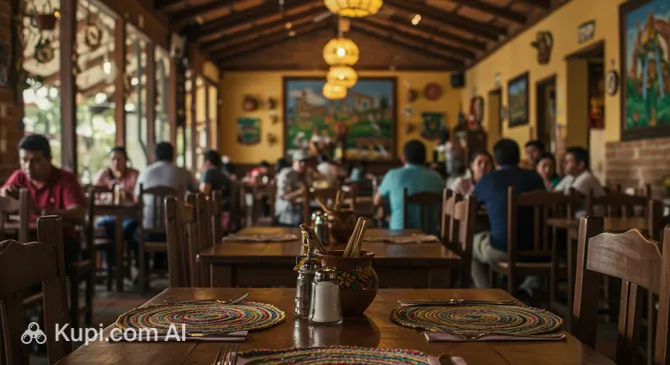
Exploring the local culinary scene is also a must for any visitor. For a taste of traditional flavors in a welcoming atmosphere, La Merced Restaurant is a popular choice among residents. Alternatively, those craving grilled specialties can visit B&Steak, which offers a robust menu perfect for refueling after a day of sightseeing.

Local Cuisine

The culinary landscape of Ipiales is deeply rooted in Andean traditions, offering a flavorful journey that reflects the region's agricultural abundance. Due to the high altitude and cool climate, the local diet is centered around hearty ingredients such as potatoes, corn, and wheat. The food here is designed to provide warmth and energy, making every meal a comforting experience for travelers exploring the mountains.

Without a doubt, the signature dish of the city is cuy asado (roasted guinea pig). Ipiales is renowned throughout Colombia for this preparation, where the meat is roasted over charcoal until the skin is perfectly crispy and golden. It is traditionally served with cooked corn, popcorn, and a side of spicy peanut sauce known as ají de maní. Another favorite is frito pastuso, a savory dish of fried pork chunks often accompanied by lapingachos, which are delicious pan-fried potato cakes.

La Merced Restaurant. Source: Kupi.Binoculars

To combat the chilly Andean evenings, the locals have perfected the art of hot beverages. A must-try drink is the hervido, a warm cocktail made from concentrated fruit juices—typically blackberry, passion fruit, or lulo—simmered with sugar and mixed with a splash of aguardiente, the local anise-flavored liquor. For a non-alcoholic alternative, hot chocolate served with a slice of cheese to melt inside the cup is a beloved classic, often enjoyed with fresh bread or corn pastries.

The dining scene in Ipiales ranges from bustling market stalls serving fresh soups to established eateries. For those seeking a reliable place to enjoy a meal, La Merced Restaurant provides a welcoming atmosphere to sample various dishes. Meat lovers can also find excellent cuts at B&Steak, a spot well-regarded for its grilled specialties. Whether eating at a traditional asadero or a modern restaurant, the hospitality of the Nariño people is always a key ingredient.

Travel Tips

Welcome to the "City of Green Clouds"! To help you navigate this high-altitude destination with ease and make the most of your visit to the Andean border, here are some essential practical tips to keep in mind.

  1. Dress for the Altitude. Ipiales sits at nearly 2,900 meters above sea level, meaning the weather is consistently cool and often misty. Pack warm layers, a sturdy jacket, and a scarf. Since rain is frequent, a waterproof layer or umbrella is essential. If you plan to enter the Las Lajas Sanctuary, remember to dress modestly out of respect for the religious site.

  2. Getting Around. The city is relatively compact, and yellow taxis are the most convenient way to travel within town; always ensure the driver uses the meter or agrees on a fare beforehand. To reach the famous Las Lajas Sanctuary, you don't need a private tour—shared taxis (colectivos) depart frequently from the transport terminal area and are a safe, affordable option.

  3. Cash is Essential. The local currency is the Colombian Peso (COP). While the Gran Plaza mall and larger hotels accept credit cards, most small restaurants, souvenir shops, and transport services operate solely on cash. ATMs are readily available in the city center and shopping malls, so it is wise to withdraw money upon arrival.

  4. Health and Safety. Due to the high elevation, some travelers may experience mild altitude sickness (soroche). It is advisable to walk slowly, drink plenty of water, and avoid heavy meals on your first day. Pharmacies, known locally as droguerías, are common throughout the city if you need over-the-counter remedies.

  5. Communication. Spanish is the primary language, and English is not widely spoken outside of major tourist hubs. downloading a translation app or learning a few basic phrases like "Buenos días" (Good morning) and "Gracias" (Thank you) will go a long way. Pre-paid SIM cards are easy to purchase at local corner stores for reliable internet access.

  6. Local Etiquette. The people of Nariño are known for their politeness and hospitality. It is customary to greet people when entering a shop or boarding a taxi. Referring to people formally as "Usted" rather than the informal "Tú" is common and appreciated as a sign of respect.

  7. What to Avoid. While Ipiales is generally welcoming, it is a busy border city. Avoid flashing expensive electronics or large amounts of cash in crowded areas like the bus terminal or open markets. It is also best to avoid walking alone in unlit areas on the outskirts of the city late at night.

  8. Border Crossing Tip. If you plan to visit the Rumichaca International Bridge or cross into Ecuador, try to go early in the morning or mid-week. The immigration lines can get quite long during weekends and holidays, so timing your visit can save you hours of waiting.

By keeping these practicalities in mind, you will be well-prepared to enjoy the stunning architecture and unique culture of Ipiales. Have a safe and wonderful trip exploring this Andean gem!

Entertainment & Nightlife

Entertainment in Ipiales offers a blend of modern leisure and deep-rooted cultural traditions. While the city is often seen as a transit point, travelers who stay overnight will find a variety of ways to enjoy their free time, from catching the latest movies to participating in vibrant local festivities.

For a modern entertainment experience, the city's shopping centers are the primary destination. Gran Plaza Ipiales is not just a place for shopping; it serves as a social hub featuring a cinema that screens current international and Latin American films. It is a perfect spot for families or solo travelers looking to relax indoors. Nearby, Star Mall provides another excellent venue for leisure, offering a range of stores and comfortable spaces to unwind away from the bustling streets.

When the sun sets, the atmosphere in Ipiales becomes quieter but remains welcoming. The local nightlife focuses more on dining and socializing than on loud clubs. A great way to spend the evening is by visiting B&Steak, where you can enjoy a hearty dinner in a cozy setting. The city is also known for its border-town energy, and for those feeling lucky, there are several casinos located in the central area offering slot machines and gaming tables.

If your visit coincides with early January, you are in for a treat. Ipiales actively participates in the famous Carnival of Blacks and Whites (Carnaval de Negros y Blancos). During this time, the streets come alive with colorful parades, music, and playful foam fights, reflecting the joyful spirit of the Nariño region. Another significant event is the feast of the Virgin of Las Lajas in September, which combines religious devotion with cultural performances and fireworks.

Parks & Museums

While Ipiales is often viewed as a bustling commercial hub, the city and its surroundings offer peaceful green spaces and cultural venues that preserve the region's rich heritage. Visitors taking the time to explore beyond the main streets will find well-kept plazas perfect for people-watching and museums that provide deep insight into the religious and historical significance of this Andean border town.

The most prominent urban green space is the 20th of July Square (Parque 20 de Julio). Situated in the heart of the city, this plaza serves as the primary social gathering point for locals. Lined with tall trees and benches, it offers a relaxing break from the busy commercial districts and provides a stunning view of the Cathedral of San Pedro Mártir. Another notable spot is Parque Santander, a smaller but equally charming square that hosts local events and offers a quieter atmosphere for a leisurely stroll.

For those interested in the region's history, the Museum of the Las Lajas Sanctuary is a must-visit cultural institution. Located within the sanctuary complex, this museum houses a fascinating collection of religious art, liturgical vestments, and historical documents detailing the construction of the famous basilica and the history of the miracle. It also features pre-Columbian artifacts found in the area, linking the indigenous past with the colonial religious present.

Near the border crossing, the Casa de Aduana (Old Customs House) stands as a significant cultural landmark. Located adjacent to the Rumichaca International Bridge, this restored republican-era building often hosts temporary art exhibitions and cultural displays. It serves as a testament to the importance of Ipiales as a historic gateway between nations, allowing visitors to appreciate the architectural beauty and administrative history of the border.

In terms of architectural heritage, the Cathedral of San Pedro Mártir on the main square is a key site to admire. Its imposing facade and intricate interior woodwork reflect the religious devotion of the community. For a more immersive experience with nature and history, an insider tip is to walk the pedestrian path (sendero peatonal) that leads from the city down to the Las Lajas Sanctuary. This route offers spectacular views of the canyon greenery and allows you to experience the landscape just as pilgrims have done for generations.

Getting Around

Navigating Ipiales is a straightforward and authentic experience, as the city relies primarily on a road-based public transport network rather than complex rail or metro systems. For visitors, the most common way to get around is by using the local buses and small vans known as "colectivos." These vehicles cover most neighborhoods and key points of interest, including the commercial center and the route toward the border. They are frequent, affordable, and offer a glimpse into the daily rhythm of local life.

There is no integrated travel card or digital payment app for public transport here; the system operates entirely on cash. When boarding a bus or colectivo, you simply pay the driver or the assistant directly. Fares are very low, typically costing just a few thousand Colombian pesos. It is highly recommended to carry small bills and coins, as drivers may not always have enough change for large denominations. Prices are fixed for local routes, so there is no need to haggle when taking the bus.

Taxis are a highly popular and convenient alternative, especially for tourists carrying luggage or those unfamiliar with bus routes. The official yellow taxis are ubiquitous and can be easily hailed on the street or found at designated ranks near the main plazas and shopping centers. While many taxis have meters, it is common practice to agree on a fare before starting the journey, particularly for trips to specific landmarks like the Rumichaca Bridge or the Las Lajas Sanctuary. Ride-sharing apps are not widely established here, so relying on official yellow taxis is the safest and most reliable option.

A unique feature of the local transport landscape is the Teleférico de Las Lajas (Cable Car). While primarily a tourist attraction, it serves as a functional and scenic mode of transport connecting the upper road access point down to the sanctuary in the canyon. This modern system offers a comfortable ride with spectacular aerial views of the Guáitara River gorge, sparing visitors the steep walk down. It operates during the day, and tickets are purchased at the station entrance.

For those planning to use public transport, the Terminal de Transportes is the central hub. While it mainly serves intercity connections, it is also a key reference point for finding local transport to the border or the sanctuary. Public transport generally operates from early morning until the evening. If you need to travel late at night, it is best to call a radio taxi or arrange transport through your hotel, as bus services become less frequent after dark.

Accommodation

Accommodation in Ipiales is primarily designed to cater to transit travelers crossing the Ecuador-Colombia border and pilgrims visiting the nearby sanctuary. As a result, the city offers a functional range of lodging options rather than high-end luxury resorts. Visitors will mostly find budget-friendly hostels, family-run guesthouses (residencias), and comfortable mid-range hotels that prioritize practicality and warmth against the chilly Andean weather.

When choosing where to stay, location is a key factor. The most popular area is the City Center, particularly the blocks surrounding the main plaza. Staying here places you within walking distance of restaurants, banks, and commercial activity. Alternatively, travelers focused solely on logistics often prefer the hotels clustered around the Bus Terminal. While less scenic, this area is extremely convenient for late-night arrivals or early-morning departures to the border. For a more scenic and quiet experience, there are also a few lodging options located further out near the Las Lajas Sanctuary, offering stunning views of the canyon.

Since Ipiales is a major pilgrimage destination, booking in advance is highly recommended during specific times of the year. If you plan to visit during Holy Week (Easter) or early January for the Carnival of Blacks and Whites, rooms can sell out weeks ahead due to the influx of visitors. During the rest of the year, availability is generally good, and last-minute bookings are often possible, though securing a reservation beforehand provides peace of mind after a long journey.

In terms of pricing, Ipiales is a very affordable destination. Most accommodations fall into the budget to lower-mid-range category. While major online booking platforms are gaining popularity and cover the larger hotels, many smaller, traditional guesthouses still operate offline or via direct phone contact. It is also worth noting that while established hotels accept credit cards, smaller hostels often require payment in cash, so having Colombian Pesos on hand upon check-in is advisable.

Nearby Cities

For those looking to explore the surroundings, Ipiales serves as an excellent base for day trips to several interesting nearby locations:

City Population Distance (km)
Pasto 392,930 57
Samaniego 49,178 56
Cumbal 40,492 35
Tuquerres 40,159 28
Buesaco 26,229 82

Pasto is the bustling capital of the Nariño Department and a cultural powerhouse in the region. Located less than two hours away, it offers visitors a chance to explore colonial architecture, visit fascinating museums, and purchase the unique "Barniz de Pasto" handicrafts. The city is also the gateway to the Galeras Volcano, providing a dramatic backdrop to its historic streets.

For nature enthusiasts, Tuquerres is a must-visit destination situated very close to Ipiales. As one of the highest municipalities in Colombia, it serves as the access point for the breathtaking Laguna Verde (Green Lagoon) located in the crater of the Azufral Volcano. The emerald waters of the lagoon create a stunning contrast with the volcanic landscape, making it a favorite spot for hikers.

Another captivating option is Cumbal, which sits at the foot of the imposing Cumbal Volcano. This town is deeply connected to indigenous heritage and offers a peaceful retreat at the Laguna de La Bolsa. The area is ideal for those seeking tranquility and a closer look at the traditional rural life of the Andes.

These nearby destinations offer a glimpse into the diverse culture and landscapes of the region.

Shopping & Souvenirs

Shopping in Ipiales is a vibrant and bustling activity, largely defined by its status as a key commercial hub on the border between Colombia and Ecuador. The city attracts thousands of visitors daily, many of whom cross the border to take advantage of the competitive prices and variety of goods available. From modern electronics and fashion to traditional handicrafts, the commercial landscape here is diverse, offering a mix of formal establishments and lively street trade that reflects the energetic spirit of the region.

The heart of the shopping scene is located in the City Center, particularly along Carrera 6 and the streets surrounding the main plazas. This area functions as an immense open-air bazaar where travelers can find almost anything. The sidewalks are lined with small boutiques, shoe stores, and textile shops offering high-quality Colombian leather and clothing at very affordable prices. It is a high-energy district where bargaining is common in smaller stalls, and the variety of merchandise keeps the streets busy until the evening.

For those seeking a more modern and relaxed retail experience, the city boasts excellent shopping centers. Gran Plaza Ipiales is the largest and most popular mall in the city. It features a wide range of national and international brands, a large supermarket, and a comfortable food court, making it a convenient one-stop destination for tourists. Another notable option is Star Mall, which offers a curated selection of fashion outlets and entertainment facilities, providing a perfect shelter from the often chilly Andean weather.

Travelers interested in local culture should explore the traditional markets, such as the Plaza de Mercado Los Mártires. This market is a sensory experience filled with the colors and scents of the Nariño region. Here, you can find fresh exotic fruits, local vegetables, and traditional food stalls. It is also a good place to look for affordable everyday items and observe the daily trade interactions of the local "Pastuso" community.

When it comes to souvenirs, Ipiales offers unique products that reflect its Andean heritage. The region is famous for its wool products, so buying a traditional ruana (poncho) or a warm scarf is both a practical purchase for the cold climate and a lovely keepsake. Leather goods, including bags, belts, and shoes, are also renowned for their quality and low cost. Additionally, in the shops near the Las Lajas Sanctuary, visitors can find religious handicrafts and artwork that commemorate the city's most famous landmark.

Store opening hours in Ipiales are generally tourist-friendly. Most street shops and independent businesses open around 9:00 AM and close between 7:00 PM and 8:00 PM. The shopping malls typically stay open later, often until 9:00 PM or 10:00 PM, especially on weekends. While the large malls and major supermarkets accept credit and debit cards, cash is essential for smaller shops, street vendors, and market stalls. It is advisable to carry Colombian Pesos (COP) in smaller denominations for easier transactions.

International tourists should also be aware of the Tax-Free (VAT refund) system known as the refund of IVA. While the process is typically finalized at international airports or seaports upon leaving Colombia, visitors should keep their electronic invoices for significant purchases of goods like clothing, leather, and crafts. Participating stores may display a "Tax-Free" sign, and asking for the proper documentation at the time of purchase is necessary if you intend to claim this benefit upon your departure from the country.
Reached the end of the page?

That means the route is fully explored