Support

Latacunga

About

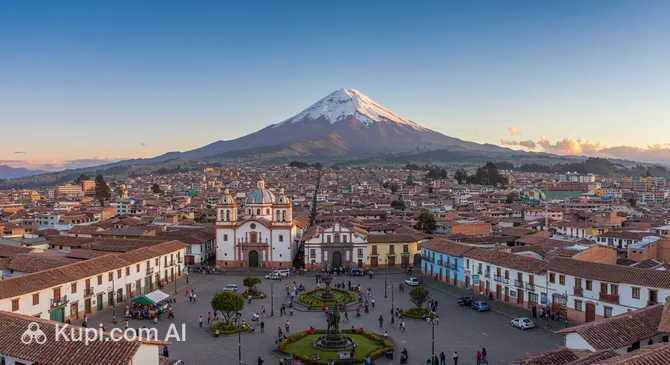
Latacunga is a captivating city located in the central highlands of Ecuador. As the capital of the Cotopaxi Province, it sits on a high Andean plateau, offering visitors a unique blend of colonial heritage and breathtaking natural scenery. With a population of approximately 63,800 residents, the city maintains a welcoming atmosphere while serving as a vital commercial hub for the surrounding region. Its climate is generally cool and spring-like, typical of the inter-Andean valley.

Latacunga. Source: Kupi.Binoculars

The city is renowned for its resilience and distinctive character. Visitors wandering through the center can admire architecture constructed from grey volcanic stone, which gives the streets a distinguished look. For those interested in the events that shaped this community, exploring the history of Latacunga reveals a fascinating narrative of survival and reconstruction following past volcanic activity.

Travelers are often drawn here by the majestic Cotopaxi Volcano, which dominates the skyline on clear days and provides a stunning backdrop for the city. Latacunga is also celebrated for its vibrant culture, most notably the Mama Negra festival, a colorful parade that beautifully blends indigenous, Spanish, and African traditions. Whether you use it as a base for hiking the Quilotoa Loop or simply wish to explore a traditional Andean city, Latacunga is a destination well worth visiting.

Weather Overview

Situated in the high Andes, Latacunga experiences a cool and stable climate throughout the year. Temperatures remain remarkably consistent, with average daily highs hovering around 14°C to 15°C and nighttime lows typically falling between 5°C and 7°C. Because of the altitude, the air often feels crisp, making warm clothing and layers essential for any visit regardless of the season.

Precipitation is a frequent occurrence, often manifesting as light rain or mist rather than heavy downpours. While wet days are common in almost every month, the actual volume of rainfall is generally low. Travelers might prefer July and August, which are historically the driest months with fewer rainy days compared to the wetter periods in March and December. For a more comprehensive breakdown of seasonal trends, you can view the detailed weather in Latacunga.

Interesting Facts

Beyond the visible beauty of its colonial streets, Latacunga holds several fascinating secrets and local traditions that surprise many visitors. From unique culinary inventions to a history defined by resilience, there is much to discover beneath the surface of this Andean city.
  • Latacunga is the birthplace of a famous Ecuadorian dish known as chugchucaras. This hearty platter consists of deep-fried pork, popcorn, potatoes, plantains, and empanadas, and its name is believed to come from a Kichwa word referring to the "trembling" pork skin.

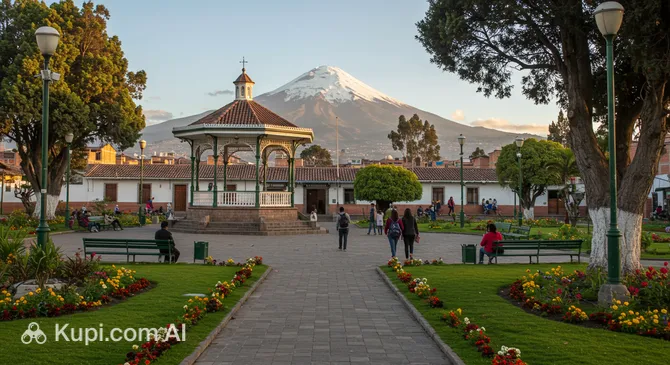
  • The city has been devastated by eruptions from the nearby Cotopaxi volcano on three separate occasions in history (1742, 1768, and 1877). Remarkably, the residents rebuilt the city on the exact same site each time, often using the lightweight pumice stone ejected by the volcano, which can be seen in the buildings around Vicente León Park.

  • Residents of Latacunga are affectionately nicknamed "Mashcas" by other Ecuadorians. This moniker comes from the traditional consumption of mashca, a flour made from toasted barley that has been a staple in the region for centuries.

  • Although the Mama Negra festival is famous, few visitors realize it is actually celebrated twice a year. The first celebration in September is a devout religious procession honoring the Virgin of Mercy, while the second in November is a more boisterous parade marking the city's political independence.

Vicente León Park. Source: Kupi.Binoculars

How to Get There

Reaching this Andean city is an adventure through the scenic "Avenue of the Volcanoes." While the city itself is well-connected by road, most international visitors arrive via major air hubs in neighboring cities and continue their journey by ground transport. For a comprehensive guide on all available transport methods, you can read more about how to get to Latacunga.

The most convenient gateway for international travelers is Mariscal Sucre International Airport (IATA: UIO), located in the capital city of Quito. It is situated approximately 95 km from Latacunga. Since this airport is a major hub with high passenger traffic, it offers numerous connections. From Quito, the journey to Latacunga typically takes about 2 hours and 45 minutes by road, depending on traffic and the chosen mode of transport, such as a bus or private transfer.

Another significant option is Jose Joaquin de Olmedo Airport (IATA: GYE) in the coastal city of Guayaquil. Although it is further away—about 196 km from Latacunga—it serves as a vital entry point with substantial annual passenger traffic. Travelers landing here can expect a longer ground transfer, taking approximately 5 to 6 hours to ascend into the Andes and reach the city.

For clarity, here is a summary of the main airports facilitating access to the region:

Airport Name City Passenger Traffic Km from City
Mariscal Sucre International Airport Quito Large 94.6
Jose Joaquin de Olmedo Airport Guayaquil Large 195.6
Mariscal Lamar International Airport Cuenca Medium 220.1
Coca Airport Coca Small 188.5
San Luis Airport Ipiales Small 224.6

Since there is no active railway service directly connecting to Latacunga listed here, the primary mode of travel from these airports is by road. Ecuador has an extensive bus network, and the Pan-American Highway runs directly through Latacunga, making it easily accessible from both the north (Quito) and the south (Cuenca or Guayaquil).

Main Attractions

Attractions:

Exploring Latacunga offers a delightful mix of colonial history, relaxing green spaces, and modern amenities. The city's compact historic center is perfect for walking, allowing visitors to easily admire the architectural heritage and vibrant local life that characterizes this Andean hub.

The heart of the city beats at Vicente León Park. This central plaza is not only a meeting point for locals but also a showcase of the city's colonial charm. Surrounded by significant buildings such as the Cathedral and the Municipal Palace, the park features well-kept gardens and a statue of its namesake, the philanthropist Vicente León. It is an excellent spot to sit, enjoy the cool Andean air, and admire the volcanic stone architecture that defines Latacunga.

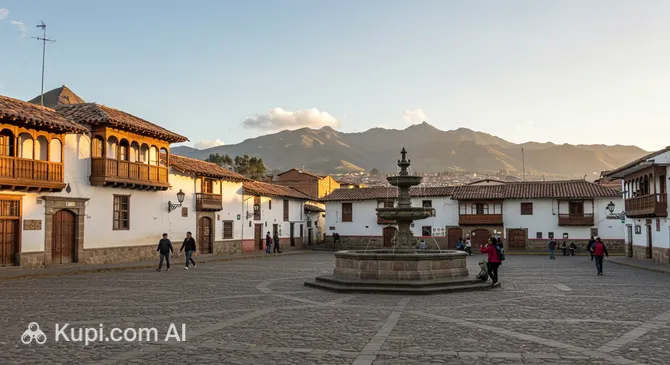
San Sebastián Square. Source: Kupi.Binoculars

For a dive into the city's historical roots, travelers should visit San Sebastián Square. This location holds deep historical significance as the place where the city's independence was proclaimed. Today, it offers a quieter, more traditional atmosphere compared to the main plaza. The square is anchored by a beautiful church and is often bustling with local vendors, making it a great place to observe daily life and purchase local crafts or goods.

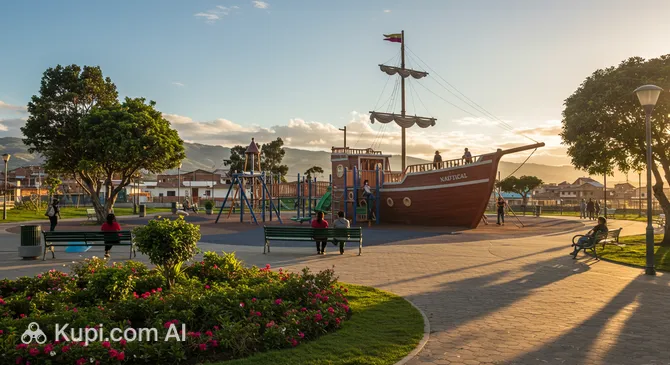
Those looking for recreation and outdoor leisure will enjoy the Ignacio Flores Nautical Park. Known locally as "La Laguna," this park features a large artificial lake where visitors can rent paddle boats and enjoy a peaceful afternoon on the water. It is a family-friendly destination with walking paths, green areas, and playgrounds, providing a refreshing break from the urban environment while still being within the city limits.

Ignacio Flores Nautical Park. Source: Kupi.Binoculars

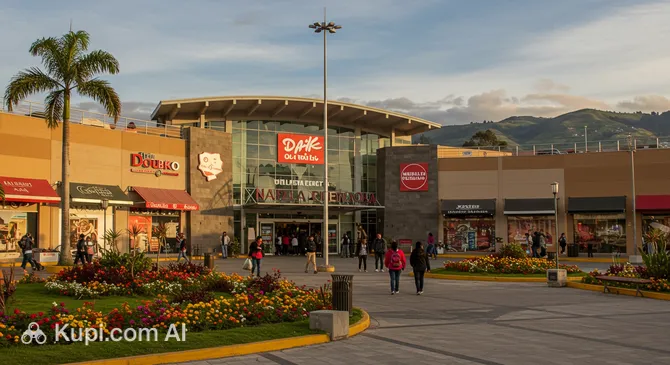
If you are in the mood for shopping or modern entertainment, Maltería Plaza is the place to go. As the city's primary shopping mall, it houses a variety of retail stores, a food court with diverse dining options, and a cinema. It serves as a modern contrast to the historic center, offering tourists a convenient spot to pick up supplies, enjoy a meal, or simply relax in a contemporary setting.

Local Cuisine

The culinary scene in Latacunga is a delightful reflection of its Andean heritage, offering hearty dishes designed to provide warmth and energy in the cool highland climate. Food here is not just sustenance but a cultural experience, deeply rooted in the agricultural abundance of the surrounding volcanic soil. Visitors will find that corn, pork, and potatoes are the cornerstones of the local gastronomy, prepared with traditional methods passed down through generations.

The absolute must-try dish in the city is Chugchucaras. This savory platter is the city's culinary signature and is so significant that it has become synonymous with Latacunga itself. A traditional serving consists of deep-fried pork (fritada), potatoes, fried plantains, empanadas, popcorn, and mote (hominy), all topped with crispy pork skin. It is a flavor-packed feast usually enjoyed with a side of spicy aji sauce, making it a favorite for both locals and tourists looking for an authentic taste of the region.

For a lighter snack or breakfast, you cannot miss the famous Allullas. These are savory, crispy biscuits made with wheat flour, yeast, and lard, giving them a unique texture. They are almost always served with queso de hoja, a fresh, soft cheese wrapped in achira leaves, and accompanied by a cup of sweet, hot coffee or aromatic herbal tea. This combination is a beloved afternoon tradition and can be found in numerous bakeries and cafes throughout the city.

When it comes to beverages, the locals prefer drinks that offer comfort against the chill. Morocho, a thick, spiced drink made from cracked corn, milk, cinnamon, and raisins, is a popular choice, often consumed in the evening. For something refreshing with lunch, fresh fruit juices like blackberry (mora) or naranjilla are standard. On colder nights, adults might enjoy a Canelazo, a hot alcoholic beverage made from sugar cane alcohol (aguardiente), sugar, and cinnamon boiled with water or fruit juice.

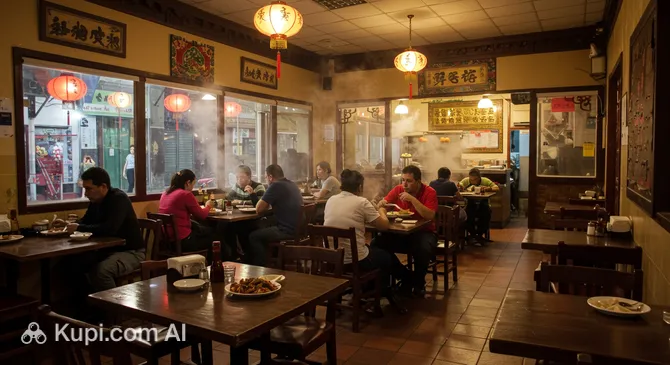
Kung Fu Panda Chifa. Source: Kupi.Binoculars

The food culture in Latacunga ranges from bustling traditional markets, where you can see meals being prepared fresh in open kitchens, to casual dining spots scattered across the city. While traditional Andean fare dominates, the locals also have a strong affinity for "Chifa"—Ecuadorian-Chinese fusion cuisine. It is common to see families gathering at places like Kung Fu Panda Chifa to enjoy generous portions of fried rice and stir-fried noodles, showcasing the diverse palate of the city's residents.

Travel Tips

Welcome to Latacunga! To ensure your adventure through the Avenue of the Volcanoes is as smooth and enjoyable as possible, we have compiled a list of essential practical tips. Whether you are here to summit mountains or explore colonial streets, keeping these suggestions in mind will help you navigate the city like a pro.

  1. Clothing and Gear: Due to the high altitude, the weather can change rapidly from sunny to chilly. It is best to dress in layers so you can adapt throughout the day. A waterproof jacket is essential, as afternoon showers are common. Comfortable walking shoes are a must for the cobblestone streets, and don't forget high-SPF sunscreen and sunglasses—the equatorial sun is much stronger here than it feels.
  2. Transportation: The historic center of Latacunga is compact and easily explored on foot. For longer distances within the city, official yellow taxis are plentiful and inexpensive, typically costing between $1.50 and $2.00 for short rides. If you plan to visit nearby attractions like the Quilotoa Loop or Cotopaxi National Park, head to the main bus terminal (Terminal Terrestre), where frequent buses depart for these destinations.
  3. Finances: Ecuador uses the US Dollar as its official currency. While credit cards are accepted in hotels, supermarkets, and larger restaurants (like those in Maltería Plaza), cash is king in smaller shops and local markets. It is crucial to carry small bills (denominations of $1, $5, and $10) and coins, as many vendors may not have change for $20 bills or higher.
  4. Health and Safety: Latacunga sits at over 2,700 meters (8,900 feet), so altitude sickness (soroche) can affect travelers. Stay hydrated, avoid heavy meals on your first day, and take it slow. Pharmacies are widely available and often marked with a green cross; chains like Fybeca are reliable. The city is generally safe, but stick to well-lit areas at night and keep an eye on your belongings in crowded markets.
  5. Communication: The primary language is Spanish. English is not widely spoken outside of tour agencies and high-end hotels, so learning a few basic phrases or having a translation app on your phone is highly recommended. You can easily purchase a local SIM card (Claro or Movistar) at many shops in the city center to stay connected.
  6. Local Etiquette: Ecuadorians are polite and value formal greetings. When entering a shop or meeting someone, a friendly "Buenos días" (good morning) or "Buenas tardes" (good afternoon) goes a long way. If you wish to take photos of locals, especially indigenous women in traditional dress, always ask for permission first (`¿Puedo tomar una foto?`) to show respect.
  7. What to Avoid: Do not drink tap water directly. It is safer to buy bottled water or use a filter bottle to avoid stomach issues. Also, avoid showing large amounts of cash in public or leaving your bags unattended in bus terminals.
  8. Additional Tip: Start your days early! The mornings in Latacunga are usually clear and sunny, offering the best visibility of the Cotopaxi Volcano. By the afternoon, clouds often roll in and obscure the view, so plan your sightseeing and photography for the first half of the day.

By following these simple guidelines, you will be well-prepared to embrace the charm and culture of Latacunga. Enjoy your journey through this historic Andean city and the magnificent landscapes that surround it!

Entertainment & Nightlife

Nightlife in Latacunga is generally relaxed and low-key, reflecting the city's tranquil Andean atmosphere rather than the bustling party scenes found in larger metropolises like Quito or Guayaquil. The evenings here are characterized by cool mountain air and a cozy vibe, where locals gather to socialize in small venues, enjoy hearty dinners, or simply stroll through the illuminated historic center. For visitors, the nightlife experience is less about high-energy clubbing and more about immersing oneself in the authentic, slow-paced culture of the Ecuadorian highlands.

The heart of the evening activity often starts around the main square. A walk around Vicente León Park after dark offers a different perspective of the city, with the colonial buildings and the cathedral beautifully lit against the night sky. While the streets in the historic center tend to quiet down relatively early during the week, Friday and Saturday nights see more activity as residents head out to local restaurants and bars. The dress code is almost exclusively casual, with warm clothing being a necessity due to the sharp drop in temperature at night.

For those seeking a more modern entertainment experience, Maltería Plaza is the primary hub. Located a short distance from the city center, this shopping complex is a popular gathering spot for families and young people in the evenings. It features a modern cinema showing the latest international films, which is a favorite pastime for locals. The plaza also offers a safe and lively environment for an evening meal or a casual drink in a contemporary setting.

Maltería Plaza. Source: Kupi.Binoculars

If you are looking for a place to start your night with a substantial meal, the city offers several dining spots that stay open into the evening. Kung Fu Panda Chifa is a well-known option for enjoying generous portions of local Chinese-Ecuadorian fusion cuisine, providing the fuel needed for a night out. Following dinner, the nightlife options typically consist of "Karaoke bars" and small "discotecas" scattered near the city center and along the Pan-American Highway. Karaoke is a beloved pastime in Ecuador, and you will often find venues packed with locals singing passionate Latin ballads.

Regarding safety and logistics, it is highly recommended to use taxis to get around at night rather than walking, especially if you venture outside the immediate vicinity of the main plaza or the mall. Official yellow taxis are affordable, with most rides within the city costing between $1.50 and $2.50. While the central areas are generally safe, some side streets can be poorly lit. The best time to experience local nightlife is on Friday and Saturday; on other nights, the city can be quite sleepy by 9:00 PM.

During the daylight hours, entertainment in Latacunga takes a more cultural turn. Visitors can explore the House of Culture (Casa de la Cultura), which occasionally hosts art exhibitions and theater performances, or visit the small museums dedicated to the region's volcanic history and the Mama Negra festival. Whether day or night, the entertainment here is humble but deeply rooted in the local community spirit.

Parks & Museums

To explore Latacunga is to walk through a city where colonial history and Andean nature coexist beautifully. The city offers a variety of well-maintained green spaces for relaxation, alongside cultural institutions that preserve the rich heritage of the Cotopaxi region. Whether you are looking for a quiet place to rest after a hike or a deep dive into local history, these parks and museums provide the perfect setting.

The social and historical heart of the city is undoubtedly Vicente León Park. Located in the center of town, this plaza is more than just a green space; it is a living room for locals. The park is framed by the city's most important buildings, including the Cathedral and the Municipal Palace, all constructed from the characteristic grey volcanic stone of the region. Visitors can admire the carefully manicured gardens and the central statue of philanthropist Vicente León, making it an ideal spot for people-watching and soaking in the colonial atmosphere.

For a more recreational experience, the Ignacio Flores Nautical Park offers a refreshing escape. Known affectionately by locals as "La Laguna," this park features a large man-made lake fed by the Cutuchi River. It is a favorite weekend destination for families who come to rent paddle boats and enjoy the peaceful water. The park also includes walking trails, playgrounds, and picnic areas, providing a lively yet relaxing environment away from the city's busy streets.

Another significant site is San Sebastián Square, which holds a special place in the city's memory. This was the site where Latacunga's independence was proclaimed, giving it immense historical weight. Today, it is a quieter alternative to the main plaza, surrounded by traditional architecture and the San Sebastián Church. It serves as a venue for various cultural events and offers a glimpse into the more traditional, neighborhood-focused side of the city.

The premier cultural venue in the city is the Molinos de Monserrat (Monserrat Mills). Housed in a beautifully restored 18th-century Jesuit mill built over the Yanayacu River, this complex is now the headquarters of the Casa de la Cultura. It features a fascinating Archaeological Museum displaying pre-Incan artifacts found in the province, as well as a Folklore Museum that highlights local clothing and traditions. The building itself is an attraction, with its old stone arches and the sound of the river running beneath, creating a unique atmosphere for viewing the art gallery inside.

For architecture enthusiasts and history buffs, the Casa de los Marqueses de Miraflores is a must-visit. This colonial mansion, built in the early 18th century using local pumice stone, is one of the few surviving examples of domestic architecture from that era. It has been converted into a museum complex that includes collections of religious art, numismatics (coins), and philately (stamps). The house also features exhibits on the textile industry, reflecting its past use, and allows visitors to walk through courtyards that whisper stories of the city's aristocratic past.

When visiting the Molinos de Monserrat, look closely at the mural of the Virgin of Monserrat near the entrance. You might notice a curious detail: the Virgin is depicted holding two children. Local lore suggests this was the result of a restoration error where an underlying painting was revealed, and the decision was made to keep both figures, making it a unique piece of religious art you won't see anywhere else.
Getting Around

Navigating Latacunga is relatively straightforward, as the city is compact and the historic center is best explored on foot. For most tourists, walking is the primary mode of getting around the main attractions, parks, and colonial buildings. However, for reaching destinations on the outskirts, such as the bus terminal or nearby neighborhoods, the city offers a functional and inexpensive public transport network consisting primarily of buses and taxis.

The public bus system is the backbone of local transportation. These urban buses are typically blue and serve various routes that crisscross the city. While there is no metro, tram, or trolleybus system in Latacunga, the bus network is extensive enough to get you where you need to go. Destinations are usually displayed on a placard in the front windshield. Buses are frequent during the day, but service tends to decrease significantly after 8:00 PM, so it is advisable to plan your evening travel accordingly.

Payment for public transport is done exclusively in cash; there are no electronic travel cards, passes, or mobile apps for bus fares. The cost of a single ride is very low, typically around $0.30 to $0.35 USD. You pay directly to the driver or the assistant (known as the "controlador" or "ayudante") upon boarding. It is essential to carry small change, such as coins or $1 bills, as drivers often cannot change bills larger than $5 or $10.

For a more comfortable and direct alternative, official yellow taxis are widely available and affordable. They can be easily hailed on the street or found at designated ranks (paradas) near plazas and the main bus terminal. Official taxis have orange license plates and are generally safe. While they are legally required to use a taximeter (taxímetro), some drivers may prefer to negotiate a flat rate, especially for longer trips or at night. A typical ride within the city limits usually costs between $1.50 and $2.00 USD. Always confirm the approximate price or ask the driver to turn on the meter before starting your journey.

A key hub for any traveler in Latacunga is the Terminal Terrestre, located on the western edge of the city near the Pan-American Highway. This is not only the arrival point for interprovincial buses from Quito or Cuenca but also the departure point for local buses heading to popular nearby attractions like Cotopaxi National Park, the Quilotoa Loop, and the Saquisilí market. If you are planning day trips outside the city center, familiarizing yourself with this terminal is highly recommended.

Accommodation

Accommodation in Latacunga caters primarily to adventurers and cultural travelers, offering a range of options that prioritize comfort and practicality over opulence. The city is well-stocked with affordable backpacker hostels, colonial-style guesthouses, and dependable mid-range hotels. While ultra-luxury resorts are scarce within the city limits, the surrounding countryside features several historic haciendas that have been converted into charming country inns, providing a unique stay for those willing to travel a bit further out.

When choosing where to stay, location is key depending on your itinerary. The most popular area for tourists is the historic center, particularly the blocks surrounding Vicente León Park. Staying here puts you within walking distance of colonial landmarks, restaurants, and museums, allowing you to soak up the city's atmosphere. Alternatively, if your priority is catching an early bus to the Quilotoa Loop or Cotopaxi National Park, finding a hotel near the Terminal Terrestre (bus terminal) on the outskirts might be more convenient, though this area lacks the charm of the old town.

Prices in Latacunga are generally very reasonable compared to larger Ecuadorian cities. Budget travelers can find comfortable hostel beds or simple private rooms for very low rates, while mid-range options offer modern amenities like private bathrooms and hot water—essential in the cool Andean climate—at moderate prices. Booking platforms are widely used, but for smaller, family-run establishments, it is often possible to book directly upon arrival. However, a crucial booking tip: if you plan to visit during the famous Mama Negra festivals in September or November, you must book your accommodation months in advance, as hotels fill up completely during these celebrations.

Nearby Cities

For those looking to explore the surroundings, Latacunga serves as an excellent base for day trips to several interesting nearby locations:

Just a short drive south of Latacunga lies Ambato, known as the "City of Flowers and Fruits." This vibrant city is famous for its colorful carnival in February, lush botanical gardens, and the historic Quinta de Juan León Mera. Its proximity makes it an effortless day trip for travelers who want to enjoy a milder climate and beautiful parks without venturing too far.

To the north is Quito, the nation's capital and a UNESCO World Heritage site. Visitors can wander through one of the best-preserved historic centers in the Americas, admiring gilded churches like La Compañía and the majestic Basilica del Voto Nacional. Although it is a large metropolis, its rich colonial heritage and stunning views from the Panecillo hill make it a must-see destination easily accessible from Latacunga.

Heading further south along the Avenue of the Volcanoes, you will reach Riobamba. Known as the "Sultan of the Andes," this city offers spectacular views of the Chimborazo volcano, the highest point on Earth measured from the center. It is a city steeped in history and serves as a gateway for those interested in Andean culture and high-altitude landscapes.

City Population Distance (km)
Quito 2011388 79
Santo Domingo 270875 98
Ambato 165185 35
Quevedo 150827 95
Riobamba 146324 81

These nearby destinations offer a glimpse into the diverse culture and landscapes of the region.

Shopping & Souvenirs

Shopping in Latacunga offers travelers a distinct choice between the convenience of modern retail and the vibrant chaos of traditional Andean commerce. While the city is not known as a high-fashion destination, it is an excellent place to purchase practical outdoor gear, local handicrafts, and fresh regional produce, providing a glimpse into the daily economic life of the Cotopaxi province.

For a contemporary shopping experience, Maltería Plaza is the undisputed center of activity. Located just south of the historic core, this mall is the largest in the region and serves as a modern oasis for locals and tourists alike. Here, visitors can find a variety of national and international clothing brands, electronics stores, and a well-stocked supermarket. It is the perfect place to pick up forgotten travel essentials, such as warm layers for hiking the nearby volcanoes, or to restock on supplies in a familiar retail environment.

However, the true spirit of commerce in Latacunga is found in its traditional markets. The Mercado Cerrado (Closed Market) is a massive, multi-story structure that serves as the city's pantry. Inside, you will find a labyrinth of stalls selling everything from mountains of fresh fruits and vegetables to clothing and household goods. It is a sensory experience where you can observe the daily lives of the locals and buy fresh exotic fruits like taxo or granadilla at very affordable prices.

For those interested in artisan crafts and souvenirs, the historic center has several small shops tucked away on the side streets. You can often find items made from volcanic stone, wood carvings, and warm woolen ponchos typical of the highlands. Additionally, many travelers use Latacunga as a strategic base to visit the nearby Saquisilí Market. Held every Thursday just a short distance from the city, it is one of the most authentic indigenous markets in Ecuador, famous for its colorful textiles, woven baskets (shigras), and livestock, making it a prime destination for serious souvenir hunters.

Reached the end of the page?

That means the route is fully explored