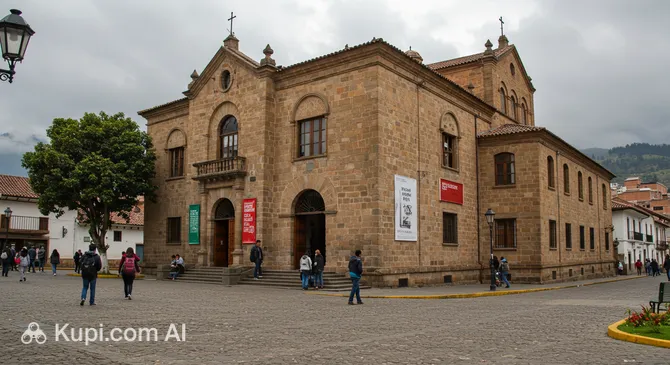
Support

Cuenca

About

Welcome to Cuenca, often celebrated as the most beautiful city in Ecuador. Nestled in the southern Andes mountains, this charming destination is renowned for its stunning colonial architecture, vibrant cultural scene, and relaxed atmosphere. Known locally as the "Athens of Ecuador" due to its significant contribution to the arts, sciences, and literature, Cuenca offers a perfect blend of historical tradition and modern comfort for travelers seeking an authentic Andean experience.
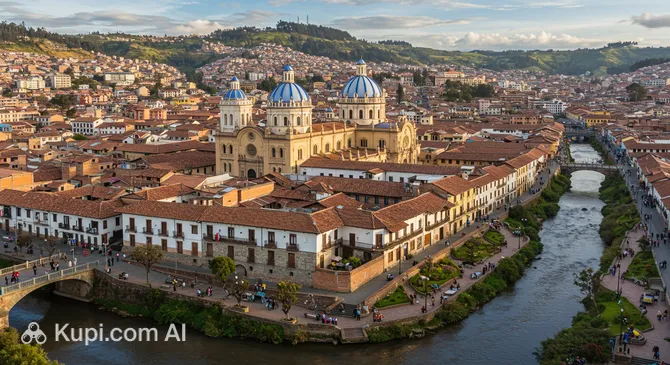
Cuenca. Source: Kupi.Binoculars

Geographically, the city sits at an elevation of approximately 2,500 meters (8,200 feet) above sea level in the Azuay Province. This high-altitude location blesses the area with a mild, spring-like climate year-round, making it pleasant to explore at any time. With a population of around 330,000 inhabitants, it maintains a cozy, walkable feel despite being the country's third-largest city. The history of Cuenca is deeply layered, with roots stretching back to the Cañari and Inca civilizations before the Spanish foundation, all of which have shaped the unique character of its UNESCO-listed historic center.

Visitors are often captivated by the iconic New Cathedral (Catedral de la Inmaculada Concepción), famous for its striking blue domes that define the city's skyline. A stroll along the grassy banks of the Tomebamba River provides a scenic escape right in the heart of the city, where historic colonial buildings overlook the rushing water. Additionally, Cuenca is the true birthplace of the famous Panama hat, and touring a local factory to see the intricate weaving process is a must-do activity for culture enthusiasts.

Whether you are wandering through cobblestone streets, enjoying the local cuisine, or exploring the nearby Cajas National Park, Cuenca promises an unforgettable journey. It is a destination that invites you to slow down, breathe the fresh mountain air, and savor the rich heritage of the Andes.
Weather Overview

Due to its high elevation in the Andes, the weather in Cuenca is often described as a perpetual spring, characterized by mild days and crisp, cool nights. The climate is remarkably stable year-round, with average monthly temperatures staying consistently between 11°C and 13°C. Whether you visit in January or July, you will find similar conditions, though the period from June to August tends to be slightly cooler, with average lows dipping to around 8°C.

While temperatures are pleasant, visitors should be prepared for frequent cloud cover and precipitation. The region experiences a high number of "wet days" throughout the year—often ranging from 23 to 31 days per month—though the rainfall is typically light. Expect comfortable daytime highs reaching up to 16°C accompanied by frequent misty conditions or light showers, making a warm jacket and an umbrella essential items for your packing list.

Interesting Facts

Beyond its stunning colonial facades and scenic riverbanks, Cuenca holds many fascinating secrets and historical quirks that surprise even seasoned travelers. Here are some intriguing details about this Andean gem that reveal the depth of its character.
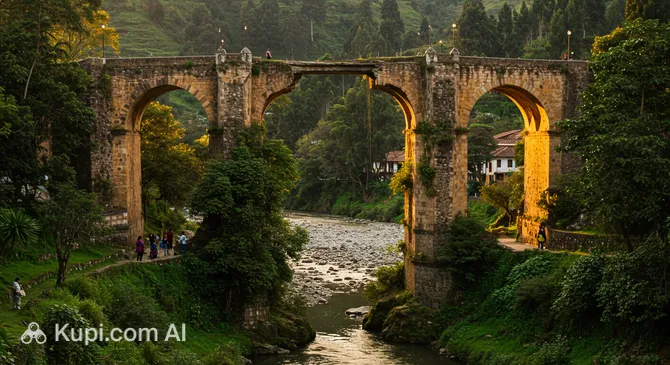
Broken Bridge. Source: Kupi.Binoculars
  • Despite their misleading name, the world-famous Panama hats are actually made in Ecuador, and Cuenca is the industry's primary production hub. You can witness the intricate weaving process and learn about this cultural heritage at the Panama Hat Museum.

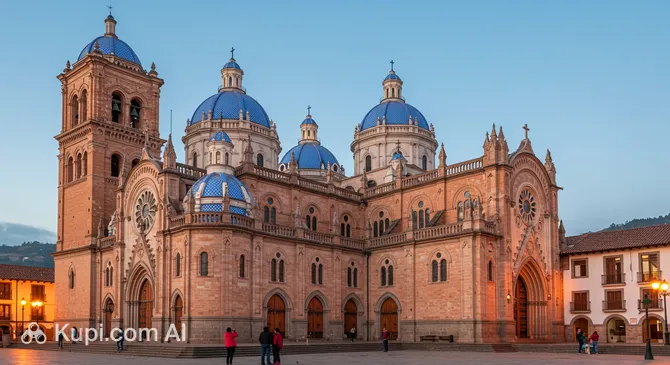
  • The majestic Cathedral of the Immaculate Conception (New Cathedral of Cuenca) has a noticeable architectural oddity: its front towers are truncated. They were originally designed to be much taller, but a calculation error revealed that the foundation could not support the weight of the planned spires, leaving them permanently unfinished.

  • Cuenca is built directly on top of the ancient Inca city of Tomebamba, which was intended to be a "second Cusco." Visitors can still explore the surviving archaeological ruins and terraced gardens at the Pumapungo Museum, located right in the city center.

  • The Broken Bridge (Puente Roto) is a unique landmark that ends abruptly over the Tomebamba River. It stands as a silent memorial to a devastating flood in 1950 that swept away nearly half of the structure, which the city decided to preserve rather than rebuild.

  • The Plaza de las Flores is often cited by international travel publications as one of the best outdoor flower markets in the world, offering a vibrant display of the region's botanical diversity daily in the shadow of the New Cathedral.

How to Get There

Reaching the historic heart of the southern Andes is relatively straightforward, with options to suit different itineraries and travel styles. Whether you prefer a direct flight or a scenic overland journey, you can find more about how to get to Cuenca and plan your arrival accordingly. The city is well-connected to the rest of the country, serving as a major hub for the region.

The most convenient entry point is Mariscal Lamar International Airport (CUE), located just 2.7 km from the city center. This airport is situated practically within the urban area, making the transfer to your hotel incredibly quick and easy. It handles a steady flow of traffic, primarily connecting Cuenca with Quito, and serves as the immediate gateway for hundreds of thousands of passengers annually.

For many international travelers, the city of Cuenca does not have the extensive long-haul connections found elsewhere, so you might fly into Jose Joaquin de Olmedo Airport (GYE) in the city of Guayaquil. This major international hub is located approximately 128 km from Cuenca. From Guayaquil, you can take a bus, private shuttle, or taxi to reach Cuenca. The drive typically takes around 3.5 to 4 hours, offering breathtaking views as you ascend from the coast into the Andean highlands.

For clarity, here is a summary of the main airports:

Airport Name City Passenger Traffic Km from City
Jose Joaquin de Olmedo Airport Guayaquil Large 127.6
Mariscal Lamar International Airport Cuenca Medium 2.7
Manta Airport Manta Medium 285.2
Capitan FAP Pedro Canga Rodriguez Airport Tumbes Small 169.0
Ciudad de Catamayo Airport Loja Small 128.1

Main Attractions

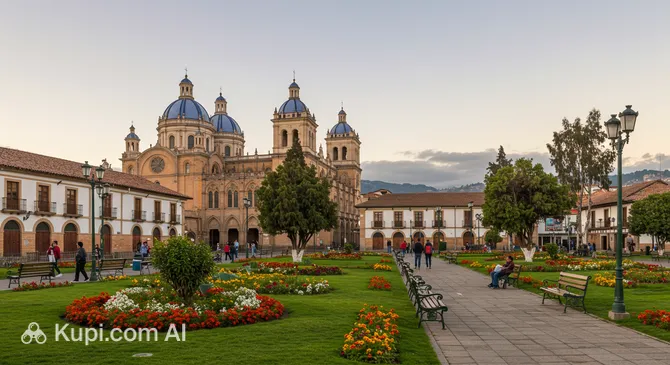
The heart of the city beats around Calderón Park, a central plaza that serves as the perfect starting point for exploring the historic district. Surrounded by monumental architecture, including the Old and New Cathedrals, the park is a lively gathering space filled with tall Araucaria trees and manicured gardens. It offers a wonderful opportunity to sit on a bench, enjoy the mild Andean weather, and observe the daily life of the locals in a setting that blends colonial charm with modern vitality.

Undoubtedly the most iconic symbol of the city is the Cathedral of the Immaculate Conception (New Cathedral of Cuenca). Famous for its colossal blue-tiled domes that dominate the skyline, this architectural masterpiece took nearly a century to complete. Visitors are drawn to its intricate facade and the vast, light-filled interior featuring gold-leaf altars and marble floors. For a small fee, you can climb the steep spiral stairs to the terrace for an up-close view of the domes and a spectacular panorama of the city streets below.

Cathedral of the Immaculate Conception (New Cathedral of Cuenca). Source: Kupi.Binoculars

For those interested in the region's deep historical roots, the Pumapungo Museum is an essential destination. This impressive complex combines an ethnographic museum with an expansive archaeological park located right in the city center. You can walk through the ruins of the Inca city of Tomebamba, explore terraced gardens filled with native crops, and see rescued birds and llamas. Inside, the exhibits offer a fascinating journey through Ecuador's diverse indigenous cultures, including rare artifacts and traditional costumes.

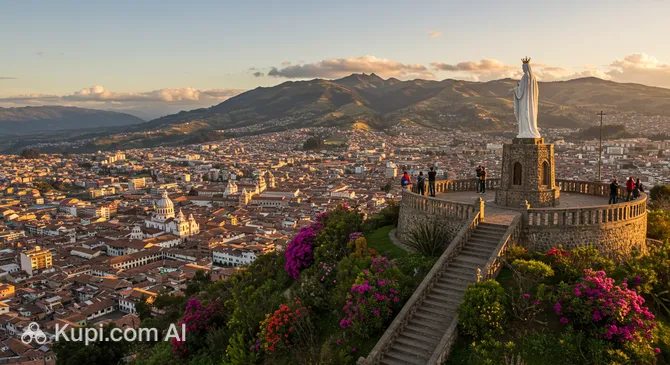
To truly appreciate the geography of the valley, a visit to the Turi Viewpoint is a must. Perched high on a hill at the southern edge of the city, this lookout provides the best panoramic views of Cuenca's red-tiled roofs and the surrounding mountains. It is a popular spot both day and night; in the evening, the city lights create a magical atmosphere. The area also features a small church and local craft shops, making it a pleasant excursion just a short taxi ride from the center.

Turi Viewpoint. Source: Kupi.Binoculars

Cuenca is also the global hub for the production of toquilla straw hats, and the Homero Ortega Panama Hat Museum offers a captivating look into this heritage. Despite their name, these hats are Ecuadorian in origin, and this museum allows you to witness the incredible skill involved in weaving them. The guided tours take you through the history and manufacturing process, showcasing how the straw is transformed into a world-renowned fashion accessory, and offering a chance to purchase a high-quality hat directly from the artisans.

Local Cuisine

The culinary scene in Cuenca is a delicious reflection of its Andean heritage, blending indigenous Cañari ingredients with Spanish influences. Corn, or mote, is the undisputed king of the table here. You will find it served with almost every meal, often in the form of mote pillo (hominy corn scrambled with eggs and onions) or mote sucio (hominy mixed with the savory drippings from roasted pork). These dishes are comforting staples that provide the energy needed to explore the high-altitude streets.

For a truly traditional experience, adventurous eaters should try cuy asado (roasted guinea pig). Considered a delicacy in the Andean highlands, it is typically roasted on a spit until the skin is crispy and served with potatoes, corn, and a spicy chili sauce called ají. If that sounds too exotic, the city is equally famous for its hornado, a whole roasted pig marinated in spices and slow-cooked in wood-fired ovens until the meat is tender and the skin crackles.

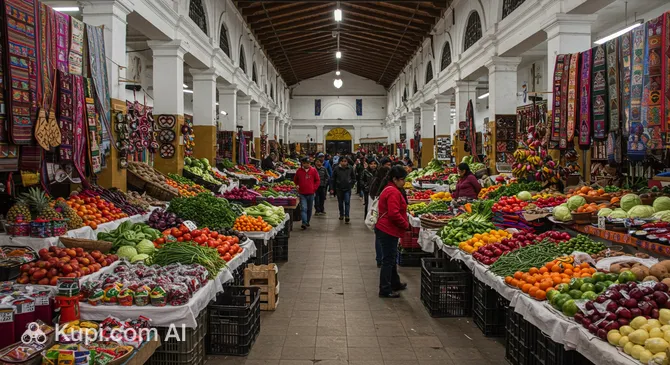
To taste the most authentic hornado, head straight to the local markets. The 10 de Agosto Market is a bustling gastronomic hub where vendors will often offer you a "pruebita" (a small sample) of their roast pork to entice you. It is a vibrant place to immerse yourself in the local culture, surrounded by mounds of fresh fruits, vegetables, and the aromas of traditional cooking. Another excellent spot for local snacks is the 9 de Octubre Market, known for its variety of traditional dishes.

10 de Agosto Market. Source: Kupi.Binoculars

When it comes to beverages, the chilly Andean nights are best combated with a warm cup of canelazo. This sweet, hot drink is made from water boiled with cinnamon (canela), sugar or panela, and a local sugarcane spirit known as Zhumir or aguardiente. For a non-alcoholic option unique to the city, seek out the refreshing Agua de Pitimas. This bright pink drink, made with rose water, carnations, and medicinal herbs, is famously sold by nuns through a small window near the Plaza de las Flores.

Cuenca also offers a sophisticated dining scene that elevates these rustic flavors. A prime example is Tiesto's Café Restaurant, where local ingredients are presented with artistic flair on hot ceramic plates. Whether you are eating street food or dining in a colonial mansion, the food in Cuenca is hearty, flavorful, and deeply connected to the land.

Travel Tips

To ensure your journey to this Andean gem is as smooth and enjoyable as possible, we have compiled a set of essential guidelines. These practical tips will help you navigate local customs, manage your budget, and stay comfortable while exploring Cuenca's historic streets.

  1. Clothing and Gear: The weather in Cuenca is often described as "eternal spring," but it can be unpredictable. Dress in layers so you can adapt to sunny mornings and chilly evenings. A waterproof jacket or umbrella is indispensable, as sudden showers are common. Since the historic center is paved with cobblestones, bring comfortable, sturdy walking shoes. If you plan to visit religious sites like the New Cathedral, dress modestly; men should remove their hats, and shorts or sleeveless tops are generally discouraged inside sanctuaries.

  2. Transportation: The historic center is very walkable, but for longer distances, the modern Tranvía (tram) is an excellent, clean, and efficient way to travel across the city. You will need to purchase a reloadable card or a single-use ticket at station machines. Yellow taxis are abundant, safe, and inexpensive; always ensure the driver uses the taxímetro (meter). Public buses are also available for a very low fare, but you will need exact change in coins.

  3. Finances: Ecuador uses the US Dollar as its official currency. While credit cards are accepted in hotels, supermarkets, and larger restaurants, cash is king in local markets, small shops, and taxis. It is crucial to carry small bills ($1, $5, $10, and $20), as many vendors cannot break $50 or $100 notes. ATMs are widely available throughout the city. Tipping around 10% is customary in sit-down restaurants if a service charge hasn't already been added.

  4. Health and Safety: Cuenca is situated at a high altitude (2,500 meters), so take it easy for the first day to avoid soroche (altitude sickness) and stay hydrated. While Cuenca has some of the best tap water in Latin America and locals drink it, tourists with sensitive stomachs should stick to bottled water. Pharmacies like Fybeca or Cruz Azul are common, and some are open 24/7. The city is generally very safe, but exercise standard precautions: keep an eye on your belongings in crowded markets and avoid poorly lit areas late at night.

  5. Communication: The official language is Spanish. While staff in high-end hotels and tour agencies often speak English, it is not widely spoken by taxi drivers or market vendors. Learning a few basic phrases like "Buenos días" (Good morning) and "¿Cuánto cuesta?" (How much?) will be greatly appreciated. You can easily buy a prepaid SIM card from providers like Claro or Movistar at local shops; you will need your passport to register it. Wi-Fi is readily available in most cafes and public parks.

  6. Local Etiquette: Cuencanos are known for their politeness and traditional manners. Always greet people with a "Buenos días" or "Buenas tardes" when entering a shop or boarding a taxi. A handshake is a standard greeting, though close acquaintances may greet with a kiss on the cheek. Being respectful and patient goes a long way here, as the pace of life is often more relaxed than in major metropolitan hubs.

  7. What to Avoid: Do not take photos of indigenous locals, especially in markets, without asking for permission first, as some may find it intrusive or offensive. Additionally, avoid relying solely on large denomination bills ($20 is often considered "big" money for small purchases), as this can cause delays while vendors search for change.

  8. Sunday Slowdown: Be aware that Sundays in Cuenca are very quiet. Most shops, businesses, and even many restaurants close for the day as locals spend time with their families. This is a perfect day to visit the parks, walk along the river, or explore the museums that remain open, but plan your dining options in advance.

By keeping these tips in mind, you will be well-prepared to embrace the relaxed rhythm and rich culture of Cuenca. We hope these insights help you feel less like a tourist and more like a welcome guest in this beautiful Andean city.

Entertainment & Nightlife

While Cuenca is often celebrated for its peaceful, historic charm, the city comes alive after dark with a vibrant and sophisticated nightlife scene. Unlike the frantic energy of larger metropolises, the evening atmosphere here is distinctly bohemian and relaxed, characterized by cozy bars, live music venues, and lively conversation. The epicenter of the action is undoubtedly Calle Larga, a historic street that runs along the cliff edge overlooking the Tomebamba River. Here, you can hop between various establishments, from salsa clubs to craft beer pubs, all within safe walking distance of the city center.

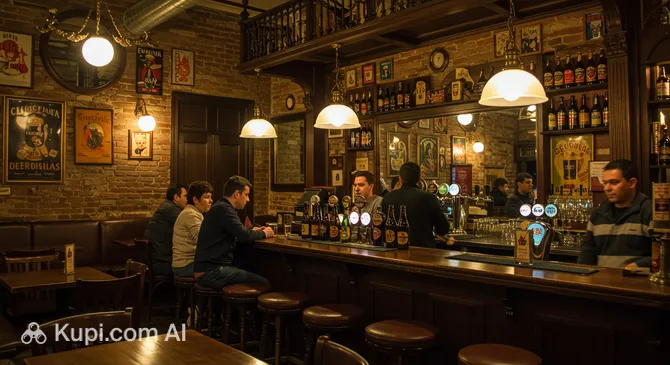
For a taste of the local social scene, head to Jodoco Belgian Bistro located on the picturesque San Sebastián plaza. It is a favorite among both expats and locals for its extensive selection of artisanal beers and relaxed outdoor seating, making it perfect for starting your night. If you are in the mood for music and dancing, Zoociedad Disco Bar offers a more energetic vibe with an eclectic mix of tunes that keeps the crowd moving. Another unique spot is Bistro Yaku, a venue that often features live jazz or acoustic performances in an intimate, artsy setting near the river.

Jodoco Belgian Bistro. Source: Kupi.Binoculars

The nightlife in Cuenca generally peaks from Thursday to Saturday. The dress code is almost universally casual; jeans and a nice shirt or sweater are perfectly acceptable everywhere. Prices are very reasonable compared to North American or European standards, with cocktails and beers often costing between $3 and $6. While the historic center is generally safe to walk around in the early evening, it is advisable to take a yellow taxi when returning to your accommodation late at night. Taxis are plentiful, cheap (usually $2–$3 for short trips), and can be easily hailed or requested via apps like Azutaxi.

Beyond the bars, the city offers plenty of other entertainment options. For a more modern experience, you can visit Mall del Río, the city's largest shopping center, which houses a multiplex cinema showing the latest international films. If you prefer a culturally rich evening stroll, San Sebastián Park is a beautiful place to visit at dusk. The area is often filled with families and couples enjoying the illuminated church facade, and it frequently hosts open-air concerts and artisan fairs, providing a wholesome and lively end to your day.

Parks & Museums

Cuenca is a city that effortlessly weaves nature and culture into its urban fabric, offering visitors a refreshing mix of verdant green spaces and world-class heritage sites. Beyond its famous cobblestone streets, the city boasts an impressive array of parks where two major rivers converge, alongside a collection of museums that safeguard the region's artistic and historical treasures.

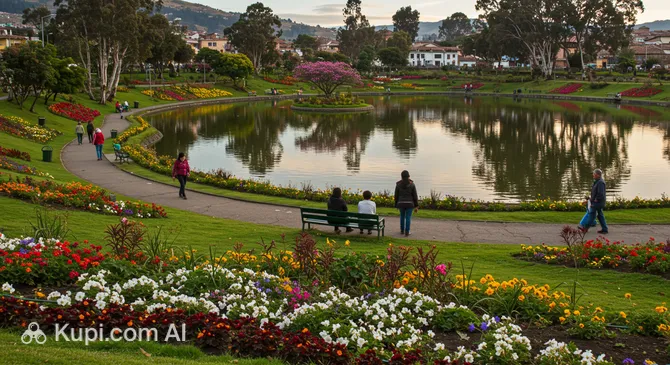
For a complete escape into nature without leaving the city limits, El Paraíso Park is the premier destination. As the largest urban park in Cuenca, it sits at the confluence of the Yanuncay and Tomebamba rivers, offering acres of walking trails, lakes, and forested areas. It is a favorite spot for locals to enjoy weekend picnics, jog, or simply relax by the water. The park's peaceful atmosphere makes it an ideal place to recharge after a day of sightseeing.

El Paraíso Park. Source: Kupi.Binoculars

Another gem for nature lovers is the Cuenca Botanical Garden. This beautifully designed space showcases the immense biodiversity of the southern Andes. Visitors can wander through themed gardens that represent different ecosystems of the region, from high-altitude páramo plants to lush orchids. It serves not only as a scenic retreat but also as an educational center dedicated to the conservation of native flora.

Cuenca's reputation as the "Athens of Ecuador" is well-supported by its museums. The Municipal Museum of Modern Art is a cultural highlight, housed in the historic "House of Temperance," a building that dates back to the colonial era. The museum presents a fascinating contrast between its traditional architecture—featuring varied courtyards and gardens—and the contemporary artworks displayed within. It hosts the prestigious Cuenca Biennial and offers a rotating schedule of cutting-edge exhibitions.

Municipal Museum of Modern Art. Source: Kupi.Binoculars

To delve deeper into the city's past, a visit to the Remigio Crespo Toral Municipal Museum is essential. Located in a stately mansion overlooking the Tomebamba River, this museum holds the city's historical archives and a vast collection of artifacts ranging from pre-Columbian pottery to colonial religious art. The building itself is a monument to the city's aristocratic past and offers stunning views of the river from its rear balconies.

Among the most significant historical sites is the Old Cathedral of Cuenca (Iglesia del Sagrario). Built in 1557, it stands across the park from the massive New Cathedral and now functions as a museum of religious art. Inside, you can admire the original organ, intricate life-size statues of the apostles, and beautiful frescoes that have been carefully restored. It provides a quiet, intimate look at the spiritual history of the city before the construction of its larger neighbor.

For a truly authentic experience, take a stroll through the San Blas Park. While smaller than the main plaza, it is anchored by the Church of San Blas, the only church in the historic center built in the shape of a Latin cross. This area marks the eastern edge of the historic district and offers a more local, neighborhood vibe, often bustling with residents rather than tourists.

Getting Around

Navigating Cuenca is a delightful experience, as the city offers a public transport system that is both modern and efficient, complementing its walkable historic center. While the heart of the city is best explored on foot to fully appreciate the colonial architecture, an integrated network of trams, buses, and taxis makes it easy to reach further destinations, such as the viewpoints or the thermal baths on the outskirts.

The crown jewel of the transport network is the Tranvía (Tram), a state-of-the-art light rail system that connects key points across the city. It is particularly useful for tourists because it links the Mariscal Lamar International Airport, the main bus terminal (Terminal Terrestre), and the historic downtown area. The trams are silent, clean, and run frequently from approximately 6:00 AM to 10:00 PM. Riding the tram is not only practical but also scenic, offering a smooth journey through the city's picturesque streets.

Payment for the Tranvía is straightforward. You must purchase a ticket before boarding using the automated vending machines located at every station. These machines accept coins and small bills ($1, $5, $10, $20) and provide instructions in English. You can buy a single-ride ticket (boleto sencillo), which is a printed paper slip with a QR code. It is essential to validate your ticket by scanning it on the sensors at the station platform before entering the tram car; failure to do so can result in a fine.

The city also boasts an extensive fleet of blue public buses that cover nearly every neighborhood. However, the payment system for buses differs from the tram. You generally cannot pay the driver with cash. Instead, you need a reloadable transit card, commonly known as the Movilízate card. These cards must be purchased and loaded with credit at authorized shops, pharmacies, or specific kiosks around the city. The fare is extremely affordable (typically around 30 cents), making it a budget-friendly option if you plan to stay for several days.

For a more direct and private option, yellow taxis are ubiquitous and very inexpensive compared to North American or European standards. They are the best choice for traveling late at night or visiting specific locations like the Turi viewpoint. Legal taxis are required to use a taxímetro (meter), so always ensure the driver turns it on when you start your trip. A typical ride within the city usually costs between $2 and $4. Ride-hailing apps like Azutaxi are also popular and provide a convenient way to request a ride without hailing one on the street.

While a public bicycle sharing system exists, it is primarily designed for residents. For most visitors, the combination of the modern Tranvía for cross-town journeys, walking for the city center, and affordable taxis for evening outings provides the perfect balance of convenience and flexibility.

Accommodation

Where to Stay:

Finding the perfect place to stay in Cuenca is often one of the highlights of the trip, as the city offers a wonderful array of accommodation options that blend historical charm with modern comfort. The most distinctive feature of the local hospitality scene is the abundance of boutique hotels housed in restored colonial mansions. These properties typically feature beautiful central courtyards, antique furnishings, and balconies that overlook the cobblestone streets, allowing guests to immerse themselves fully in the city's UNESCO World Heritage atmosphere.

For the vast majority of travelers, the Historic Center (Centro Histórico) is the best area to stay. Being based here puts you within easy walking distance of the city's top museums, restaurants, and architectural landmarks. The heart of this district is Calderón Park, and finding a hotel within a few blocks of this central plaza ensures you are never far from the action. Another popular and scenic option is the "Barranco" area along the Tomebamba River, where many hotels offer rooms with spectacular views of the rushing water and the grassy riverbanks.

Calderón Park. Source: Kupi.Binoculars

The range of accommodation is broad enough to suit every budget. Backpackers will find a high concentration of friendly, well-equipped hostels, particularly near the "Calle Larga" area, which is also the hub of the city's nightlife. Mid-range travelers can enjoy excellent value in family-run guesthouses and converted colonial homes that offer a cozy, personalized experience. For those seeking luxury, Cuenca boasts several high-end properties that provide spa services and gourmet dining, often set in historic buildings that date back centuries.

Prices in Cuenca are generally very reasonable compared to North American or European standards. Budget options like hostel dorms or simple private rooms typically range from $10 to $30 per night. Mid-range hotels, which offer private baths and breakfast, usually cost between $40 and $80. Luxury stays can range from $100 to over $200, depending on the level of exclusivity and amenities.

Booking Tip: While it is usually easy to find a room upon arrival, it is highly recommended to book in advance if you plan to visit during major holidays. The city fills up quickly during the Cuenca Independence holidays in early November and the Foundation of Cuenca festivities in April. Online booking platforms are widely used and reliable, but for smaller, family-run establishments, contacting them directly can sometimes secure a better rate.

Nearby Cities

For those looking to explore the surroundings, Cuenca serves as an excellent base for day trips to several interesting nearby locations:

City Population Distance (km)
Machala 231260 113
Sucua 181318 105
Milagro 133508 107
Pasaje 52673 101
La Troncal 35259 65

While the table lists larger administrative centers, the most popular day trips for visitors often focus on the charming artisan villages closer to the city. Gualaceo, located just a short drive away, is known as the "Garden of Azuay" for its lush landscapes and orchards. It offers a vibrant Sunday market where you can find traditional ikat-woven textiles (macanas) and fine leather shoes. The town retains a quaint colonial feel and serves as a gateway to exploring the region's rich craftsmanship.

Just a few kilometers uphill from Gualaceo lies the town of Chordeleg, famous nationwide for its jewelry production. The main plaza is surrounded by dozens of workshops and stores showcasing intricate silver and gold filigree work. Beyond jewelry, the town is also a hub for pottery and ceramic crafts, making it an ideal destination for souvenir hunting and watching artisans at work in their studios.

For nature enthusiasts, a trip to Cajas National Park is indispensable. Although it is a protected natural area rather than a city, it is one of the most significant attractions in the immediate vicinity. The park features a stunning landscape of cloud forests and hundreds of glacial lakes, offering hiking trails that range from easy walks to challenging treks, all within less than an hour's drive from the city center.

These nearby destinations offer a glimpse into the diverse culture and landscapes of the region.

Shopping & Souvenirs

Shopping in Cuenca is a delightful experience that reflects the city's unique balance of deep-rooted traditions and modern convenience. Visitors can easily spend hours wandering through vibrant artisan markets searching for handmade treasures, or enjoy the comfort of contemporary retail centers. Whether you are looking for authentic Andean crafts, high-quality textiles, or international brands, the city offers a diverse array of options to satisfy every shopper.

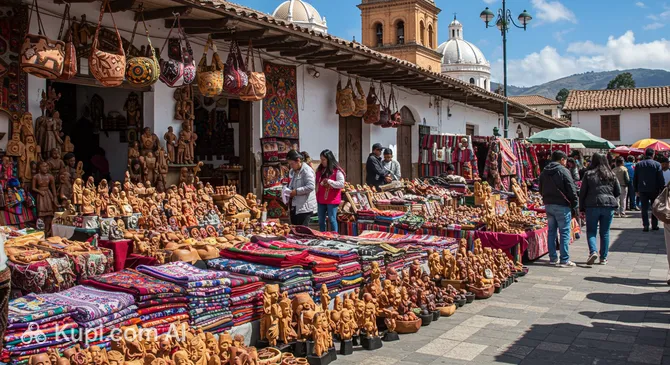
For a truly authentic local experience, the Rotary Craft Market (Plaza Rotary) is an essential stop. Located near the historic center, this bustling open-air square is the go-to place for traditional handicrafts. Here, artisans display rustic pottery, hand-woven baskets, and carved wooden kitchenware. It is also an excellent spot to find wrought ironworks and affordable ceramic souvenirs. Bargaining is a customary and friendly part of the transaction here, so do not hesitate to negotiate for a fair price.

Rotary Craft Market. Source: Kupi.Binoculars

Cuenca is globally renowned as the premier production hub for the famous Panama hat. Despite the name, these elegant straw hats are of Ecuadorian origin, and purchasing one here is a highlight for many travelers. You can visit prestigious workshops like the Homero Ortega Panama Hat Museum to see the finishing process and buy a hat directly from the source. These establishments offer a guarantee of quality and a wide selection of styles, ranging from the classic fedora to modern, colorful designs.

If you prefer a modern shopping environment, the city boasts several well-equipped commercial centers. Mall del Río is the largest and most comprehensive, located just off the highway in the southern part of the city. It features a vast array of clothing stores, a large supermarket, a food court, and a cinema. Closer to the downtown area, Millennium Plaza provides a convenient mix of shops and services, making it an easy option for those staying near the main hotel districts.

Beyond the markets and malls, the historic streets are lined with charming boutique shops. The area surrounding the Plaza de las Flores is particularly good for finding religious art, traditional sweets, and local embroidery. Additionally, the nearby town of Chordeleg is famous for its filigree jewelry, but you can also find excellent silver and gold pieces in the jewelry stores scattered throughout Cuenca's center. Most shops are open Monday through Saturday, with limited hours on Sundays, so plan your shopping excursions accordingly.

Reached the end of the page?

That means the route is fully explored