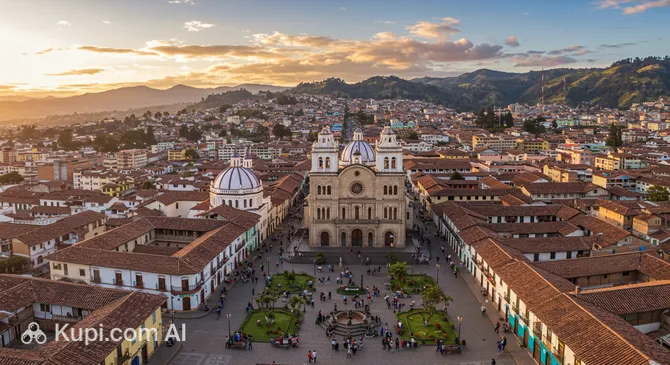
Loja is often celebrated as the "Music and Cultural Capital" of the nation, offering a unique blend of colonial charm and artistic vibrancy. Situated in the Cuxibamba Valley in the southern highlands of Ecuador, this city is surrounded by lush green mountains and framed by the Zamora and Malacatos rivers, creating a picturesque setting for travelers.
Loja. Illustration.
Source: Kupi.com AI
With a population of approximately 170,000 residents, the city maintains a friendly, welcoming atmosphere while serving as a significant regional hub. Visitors particularly appreciate the mild, spring-like climate that persists throughout the year, making it comfortable to explore the tidy streets and plazas on foot.
The city takes great pride in its heritage and intellectual contributions. Those interested in the history of Loja will discover a fascinating narrative dating back to its colonial foundation by Alonso de Mercadillo. It was one of the first cities in the country to declare independence from Spain, and this legacy is preserved in its well-maintained historic center.
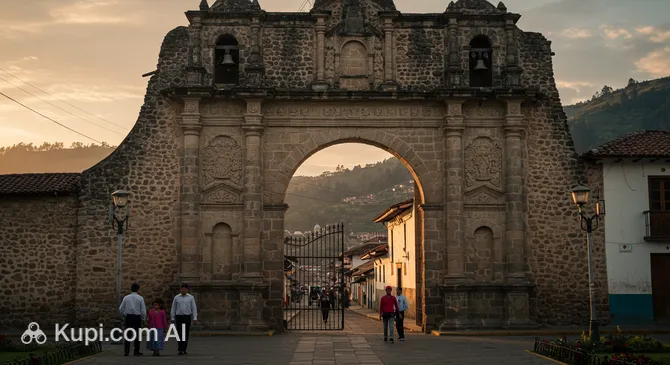
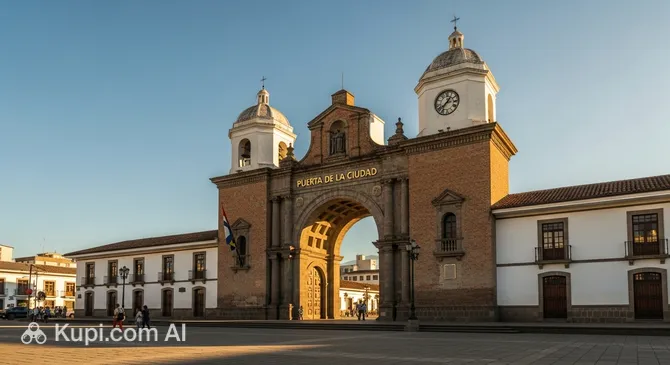
Key attractions include the iconic Puerta de la Ciudad, a castle-like city gate that features a museum and a lookout point with panoramic views. A walk down the colorful Calle Lourdes transports visitors back in time with its narrow cobblestone path and traditional architecture. Additionally, Loja serves as the perfect gateway to the stunning biodiversity of the nearby Podocarpus National Park.
Whether you are drawn by its renowned music festivals, its reputation for cleanliness and order, or its proximity to nature, Loja offers a refreshing and authentic Andean experience that is truly worth visiting.
Weather Overview
Visitors to this Andean city can expect a consistent, spring-like climate throughout the year, making it a comfortable destination for exploration at almost any time. The weather in Loja is characterized by mild temperatures and frequent cloud cover, with daily averages generally staying between 14°C and 16°C.
Daytime highs typically reach a pleasant 18°C to 20°C, while evenings can feel crisp, dropping to around 11°C or 13°C. September through November tends to be the warmest period, with maximum temperatures occasionally exceeding 20°C, while July is generally the coolest month.
Rainfall is a common occurrence, with a high number of wet days recorded throughout the year, particularly from December through March. However, a relatively drier season occurs around August and September, when the frequency of rain decreases to about 14 days per month. It is always advisable to pack layers and a waterproof jacket, as showers can be frequent even if they are often light.
Average monthly temperature
Average monthly precipitation
Interesting Facts
Beyond the main attractions, Loja holds many fascinating secrets and historical distinctions that often surprise visitors. This city is not just a cultural hub but a place of pioneering achievements and global contributions that have shaped its unique identity.
Gate of the City. Illustration.
Source: Kupi.com AI
Traveler photos:
Loja holds the prestigious title of being the first city in Ecuador to generate and use electric energy, having inaugurated its hydroelectric plant in 1897, years before the capital and major port cities.
The surrounding region played a critical role in world history as the native home of the Cinchona tree, the source of quinine; this bark provided the first effective treatment for malaria and saved countless lives globally.
The city's artistic reputation is so profound that a popular local saying claims, "The one who does not play the guitar can sing a song; the one who does not sing a song can write a verse," highlighting the innate talent of its residents.
The iconic Gate of the City is not merely a decorative entrance; its design is a physical architectural recreation of the castle depicted on the city's official coat of arms presented by King Philip II of Spain.
Every August, the city hosts one of the largest religious gatherings in South America, where a massive pilgrimage escorts the statue of the Virgin of El Cisne over 70 kilometers to the Cathedral of Loja.
How to Get There
Reaching this southern Andean destination involves a journey through some of Ecuador's most scenic landscapes. While the city is nestled in the mountains, it remains accessible via air and land connections. For a detailed breakdown of routes and transportation options, you can read more about how to get to Loja.
The most direct way to arrive is by flying into Ciudad de Catamayo Airport (LOH). Although it serves as the main air hub for Loja, it is physically located in the warm valley of Catamayo, approximately 18.3 km from the city center. The drive from the airport to downtown Loja typically takes around 50 minutes by taxi or shuttle bus, winding through picturesque mountain roads.
Alternatively, travelers often choose to fly into Mariscal Lamar International Airport (CUE) in the city of Cuenca. This airport is situated about 125 km north of Loja. While it is further away, Cuenca is a major regional hub, and the overland trip to Loja takes approximately 3.5 hours. This route is serviced by frequent buses and private transport services, offering a beautiful drive through the southern highlands.
For clarity, here is a summary of the main airports:
Loja is a city that prides itself on its orderly streets, rich culture, and beautiful public spaces. The city center is compact and walkable, allowing visitors to easily explore its most significant landmarks, which range from historic religious sites to unique recreational areas that showcase the region's creativity.
One of the most beloved spots for both locals and tourists is the Jipiro Recreational Park. This expansive green space is far more than just a park; it is a cultural theme park known as the "Park of Cultural Universality." Visitors can stroll among architectural replicas from around the world, including a Chinese pagoda, an Arab mosque, and a Slavic castle. It is an excellent place for a relaxing afternoon, offering a lagoon with paddle boats and plenty of space for picnics.
Jipiro Recreational Park. Illustration.
Source: Kupi.com AI
Traveler photos:
A defining symbol of the city is the Gate of the City. Modeled after the coat of arms granted by King Philip II of Spain, this imposing structure marks the entrance to the historic district. Inside, it houses temporary art galleries, a museum, and a cafeteria. Tourists are encouraged to climb the clock tower for a stunning panoramic view of the city and the surrounding mountains.
In the heart of the downtown area lies the San Sebastián Eucharistic Catholic Sanctuary, located on Independence Square. This plaza is historically significant as the site where Loja declared its independence. The square is dominated by a beautiful 32-meter high clock tower and surrounded by colorful colonial buildings, making it a favorite location for evening walks and cultural events.
San Sebastián Eucharistic Catholic Sanctuary. Illustration.
Source: Kupi.com AI
Traveler photos:
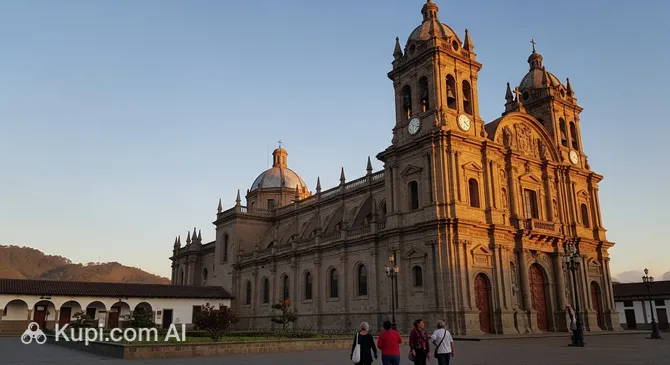
Another essential stop is the Cathedral of Loja, situated right on the main square. This cathedral is one of the largest in Ecuador and features a blend of architectural styles. It holds deep spiritual importance as the temporary home of the Virgin of El Cisne during her annual pilgrimage, attracting thousands of devotees and visitors who come to admire its gold-leaf interior and stained glass windows.
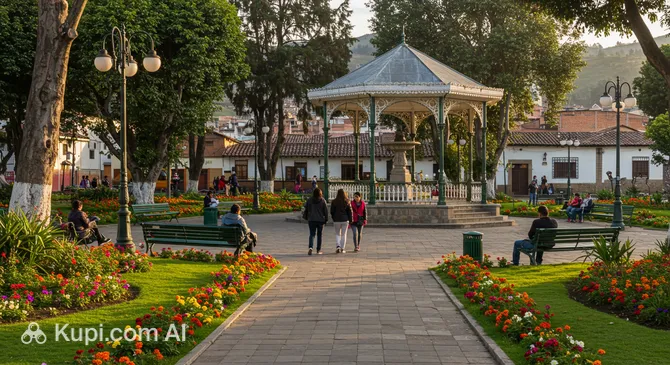
For a peaceful break in the city center, Central Park offers a lush, garden-like atmosphere. Surrounded by key government buildings and the cathedral, it serves as the city's main meeting point. The park is adorned with statues of historical figures and well-maintained gardens, providing a perfect setting to observe local life and enjoy the city's pleasant climate.
Local Cuisine
The gastronomy of Loja is one of the city's most cherished treasures, distinguished by its unique use of fresh Andean ingredients and traditional seasoning. Unlike other regions in Ecuador, the local cuisine here has a distinct character, often blending savory and mild flavors to create comforting dishes that reflect the mild mountain climate.
A trip to this city would be incomplete without trying Repe Lojano, the region's signature soup. This creamy delight is made from green bananas—specifically a variety known locally as guineo—cooked with milk, fresh cheese, and cilantro. It is often accompanied by avocado and is a staple in nearly every local household. Another "must-try" is Cecina, a savory dish featuring thinly sliced pork that has been seasoned, sun-dried, and then grilled. It is traditionally served with fluffy yuca (cassava) and pickled onions, offering a perfect balance of textures and smoky flavors.
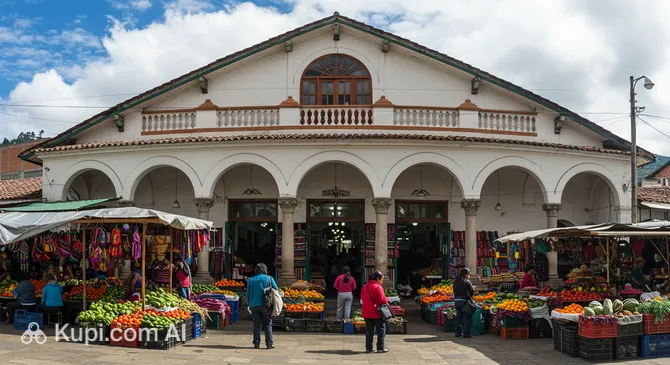
Central Market. Illustration.
Source: Kupi.com AI
Traveler photos:
For those with a lighter appetite, Tamales Lojanos are a popular choice for breakfast or an afternoon snack. Unlike other versions, these are filled with a seasoned mixture of chicken or pork and wrapped in distinct achira leaves, which impart a subtle, unique aroma to the corn dough.
When it comes to beverages, the most iconic drink is Horchata, a refreshing, bright pink herbal infusion. It is brewed from a mix of over 20 different medicinal flowers and aromatic herbs, including rose, geranium, and mint, often served with a splash of lemon and aloe vera. Coffee lovers will also be in heaven, as the province produces some of the finest high-altitude Arabica coffee in the country, celebrated for its smooth and aromatic profile.
To truly experience the local food culture, visitors should head to the Central Market. Here, you can find authentic stalls serving fresh juices, soups, and traditional snacks at affordable prices alongside locals. For a more formal dining experience, the city offers excellent restaurants such as Mama Lola, known for its traditional preparation of local classics, or Morelia Parrilla, which is a great spot for enjoying grilled meats in a welcoming atmosphere.
Travel Tips
Welcome to Loja! To help you make the most of your visit to this charming Andean city, we have compiled a list of essential practical advice. These tips will ensure your journey is smooth, safe, and culturally enriching, allowing you to focus on the music, history, and natural beauty that define this region.
Pack for all weather conditions. The climate in Loja is famously spring-like but changeable. It is best to bring layers—light shirts for sunny mornings and warm sweaters for cooler evenings. Since rain showers can occur unexpectedly year-round, a waterproof jacket or a sturdy umbrella is an absolute must. Comfortable walking shoes are also essential for navigating the city's cobblestone streets and hilly terrain.
Getting around the city. The historic center is compact and best explored on foot. For longer distances, the official yellow taxis are the most convenient and affordable option; they are abundant and generally safe. While ride-hailing apps are becoming known, they may not be as reliable here as in larger cities like Quito. Public buses are available and very cheap, but taxis offer much more comfort for a minimal price difference.
Manage your money wisely. Ecuador uses the US Dollar, which makes transactions easy for many travelers. However, it is crucial to carry small bills (specifically $1, $5, and $10 notes) and coins. Many small shops, taxi drivers, and market vendors will not have change for bills larger than $20. Credit cards are accepted in major hotels and supermarkets, but cash is king for daily expenses.
Health and safety precautions. Loja is situated at a moderate altitude (about 2,060 meters), so while altitude sickness is rare, staying hydrated is important. The equatorial sun is strong, so wear sunscreen and a hat even on cloudy days. Pharmacies are widely available and often marked with a green cross; look for chains like Fybeca or Cruz Azul for reliable service. As a general rule, stick to bottled or purified water instead of drinking from the tap.
Communication basics. Spanish is the primary language, and English is not widely spoken outside of high-end hotels and tour agencies. It is highly recommended to learn a few basic phrases or download an offline translation app to communicate with taxi drivers and shopkeepers. Local SIM cards from providers like Claro or Movistar are easy to purchase with your passport and offer good coverage.
Respect local etiquette. Lojanos are known for their politeness and culture. It is customary to greet people with a friendly "Buenos días" (good morning) or "Buenas tardes" (good afternoon) when entering a shop or boarding a taxi. If you visit religious sites like the Cathedral, ensure your shoulders and knees are covered as a sign of respect.
What to avoid. Avoid walking alone in poorly lit areas or parks late at night, particularly on the outskirts of the city. While Loja is one of the safer cities in the country, petty theft can happen, so keep an eye on your belongings in crowded places like the Central Market. Also, avoid taking photos of locals without asking for permission first.
Experience the coffee culture. As an extra tip, do not leave without visiting a local coffee shop. Loja produces some of the best high-altitude coffee in the region. Take the time to sit in a café near the central plaza and enjoy a cup of "café lojano" prepared by a barista—it is a quintessential part of the local lifestyle that you shouldn't miss.
By keeping these practical tips in mind, you will be well-prepared to embrace the relaxed pace and friendly atmosphere of Loja. Enjoy your stay in this beautiful corner of the southern Andes!
Entertainment & Nightlife
Entertainment and Nightlife:
As the acclaimed "Music and Cultural Capital" of Ecuador, Loja offers a nightlife scene that is distinctively bohemian, artistic, and welcoming. Unlike the intense clubbing scenes found in larger metropolises, the evening entertainment here revolves around socializing, live music, and enjoying the company of friends in relaxed settings. Being a university city, the atmosphere is youthful and vibrant, particularly from Thursday through Saturday nights.
The nightlife often centers around the historic district and the areas near the universities. Calle Lourdes is a particularly charming spot to begin an evening. This narrow, cobblestone street, lined with colorful colonial houses, transforms at night into a picturesque hub of cafes and small bars where locals gather for craft cocktails and conversation. Another buzzing area is the "Zona Rosa" located in the southern part of the city, where you can find a higher concentration of dance clubs and karaoke bars.
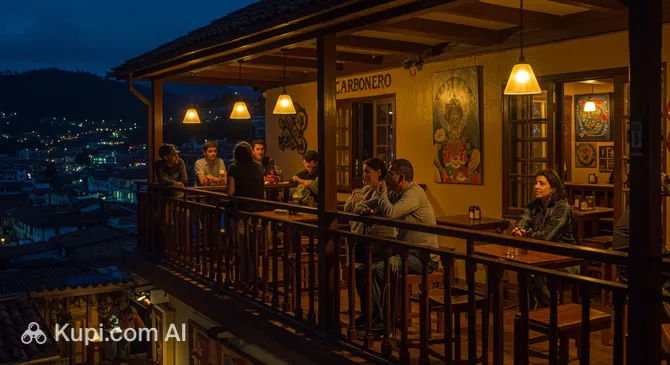
For those looking to experience the local vibe with a view, Carbonero Balcón Bar Restaurante is an excellent choice. This venue combines a rustic atmosphere with an open balcony, offering patrons a chance to enjoy grilled specialties and drinks while overlooking the city streets below. It is a popular spot for starting the night with a hearty meal and a few rounds of drinks in a lively environment.
Carbonero Balcón Bar Restaurante. Illustration.
Source: Kupi.com AI
Traveler photos:
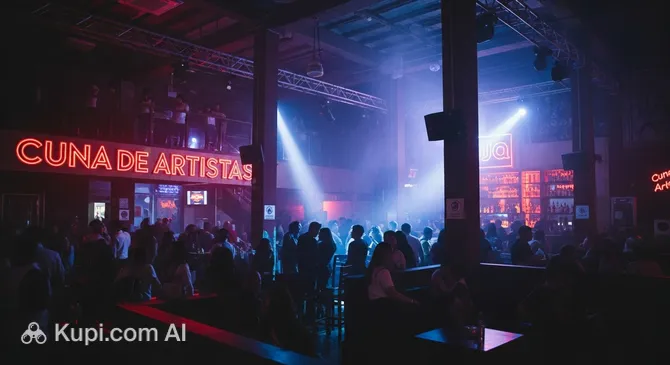
True to the city's artistic soul, many venues feature live performances. Cuna de Artistas is a standout location that embodies this spirit. Functioning as a night club and cultural space, it is the perfect place to immerse yourself in Loja's musical heritage, often hosting local bands and performers that keep the energy high late into the night. If you prefer a more traditional bar setting to unwind, La Huerta (White House) offers a cozy ambiance and a solid selection of beverages, making it a favorite among locals for a casual night out.
Cuna de Artistas. Illustration.
Source: Kupi.com AI
Traveler photos:
When planning a night out, keep in mind that the dress code in Loja is generally casual. Jeans and a nice shirt are perfectly acceptable in almost all venues. Prices are quite affordable compared to Quito or Guayaquil, with beers often costing between $2 and $4. In terms of safety, the city is considered one of the safest in the country, but it is always recommended to use official yellow taxis to get back to your accommodation late at night. Taxis are plentiful and inexpensive, usually costing around $1.50 to $2.00 for short trips within the city limits.
While the nights are for music and socializing, daytime entertainment in Loja offers a mix of culture and modern leisure. For shopping enthusiasts, Multiplaza La Pradera provides a modern mall experience with a cinema, food court, and various retail stores. Those seeking cultural enrichment can revisit the Puerta de la Ciudad Museum to explore its galleries by day. Alternatively, for panoramic views and outdoor activity, a trip to Pucará Park offers breathtaking vistas of the city nestled in the valley, serving as a peaceful retreat before the evening festivities begin.
Parks & Museums
Loja is a city that seamlessly integrates urban living with nature and artistic heritage, boasting a variety of green spaces and cultural institutions that reflect its identity as the "Music and Cultural Capital" of Ecuador. Visitors will find that the city's parks are not just places for relaxation but active centers of community life, while its museums offer deep insights into the region's rich history and creative spirit.
One of the most refreshing spots in the city is Simón Bolívar Park. Located centrally, this park is a favorite among families and students for its accessible open spaces and recreational facilities. It acts as a vibrant green lung for the neighborhood, featuring playgrounds and sports courts where locals gather for soccer and volleyball. It offers a peaceful environment to escape the city bustle while remaining close to the main commercial areas.
Simón Bolívar Park. Illustration.
Source: Kupi.com AI
Traveler photos:
For those who enjoy long walks surrounded by nature, La Tebaida Linear Park is an excellent choice. Stretching along the banks of the Malacatos River, this extensive park is designed for outdoor enthusiasts, featuring jogging trails, cycling paths, and well-maintained gardens. It is a perfect example of Loja's commitment to eco-friendly urban planning, providing a scenic route that connects different parts of the city while preserving the natural river ecosystem.
Another significant natural area is Pucará Park, situated on a hill overlooking the city. Known primarily as a stunning viewpoint, it rewards visitors with one of the best panoramic vistas of Loja and the surrounding Andes mountains. The park features a network of hiking paths and trails, making it a prime spot for photographers and nature lovers looking to enjoy a scenic trek and see the city from a different perspective.
In terms of culture, the Puerta de la Ciudad Museum is the most iconic cultural venue in Loja. Housed inside the majestic city gate, this museum features several galleries dedicated to temporary exhibitions of painting, sculpture, and photography by local and international artists. It also contains a permanent display of artifacts and historical documents that narrate the city's colonial past and its path to independence.
Puerta de la Ciudad Museum. Illustration.
Source: Kupi.com AI
Traveler photos:
Given Loja's reputation, a visit to the Music Museum (Museo de la Música) is highly recommended for cultural enthusiasts. Located in the historic center on Bernardo Valdivieso street, this museum celebrates the city's musical legacy. It houses a collection of instruments, scores, and personal belongings of Loja's most famous composers and musicians, explaining why the city has produced so many renowned artists over the centuries.
For a broader look at regional history, the Museum of Lojano Culture offers exhibitions ranging from archeological finds of pre-Columbian civilizations to colonial art and ethnography. It provides a comprehensive overview of the diverse cultures that have shaped the province, making it a valuable stop for history buffs.
Insider Tip: Many of Loja's museums, including the one at Puerta de la Ciudad, offer free admission. It is best to visit in the late morning when the light in the galleries is best, and you can combine your museum tour with a walk through the nearby historic streets.
Getting Around
Navigating Loja is remarkably straightforward compared to larger metropolitan areas, thanks to its well-organized and efficient public transport network. The backbone of the city's mobility is the SITU (Sistema Integrado de Transporte Urbano), an integrated bus system designed to connect the northern and southern parts of the city with the historic center. These buses are easily recognizable by their green color and run along dedicated main corridors with specific transfer stations, functioning somewhat like a surface-level metro system.
For most tourists, the bus is the most economical way to get around. The main lines operate on a north-south axis, which aligns with the city's geography. To use the system, passengers typically board at designated enclosed stops (paradas) rather than hailing buses on the street corner. Feeder buses, usually red, connect the outlying neighborhoods to these main terminals, allowing for seamless transfers without paying an additional fare if you stay within the transfer stations.
The payment system in Loja has modernized significantly. The standard fare is very affordable, generally costing $0.30 USD per ride, with reduced rates available for seniors and students. While residents use a rechargeable electronic smart card known as the Tarjeta SITU, visitors can often pay in cash at the turnstiles of the main bus stops or directly to the driver on feeder buses. If you plan to stay for a longer period, you can purchase and recharge a card at the main bus terminal (Terminal Terrestre) or authorized points near major stops.
Operating hours for public buses typically run from 6:00 AM to 9:00 PM, though frequency decreases later in the evening. During peak hours (7:00 AM to 9:00 AM and 5:00 PM to 7:00 PM), buses can get quite crowded. For a more comfortable experience, try to travel during mid-morning or mid-afternoon. Always validate your payment upon entering the station or boarding the bus to avoid any issues.
Taxis serve as the primary alternative to the bus system and are widely considered safe and inexpensive. Official taxis are yellow with license plates and video surveillance cameras inside. A typical ride within the city limits usually costs between $1.50 and $2.50 USD. While taxis are required to use taximeters, it is common practice to confirm the approximate fare or ask the driver to turn on the meter ("taxímetro") before starting your journey. They are available 24/7 and are the best option for late-night travel.
Given the compact nature of the city center, walking is often the best way to explore tourist attractions. Most museums, parks, and historical sites are located within a few blocks of each other. However, for trips to viewpoints like Pucará or the botanical gardens, using a taxi or the bus system is recommended due to the steep terrain.
Accommodation
Finding accommodation in Loja is generally a pleasant and affordable experience. The city offers a range of options that reflect its character, from restored colonial mansions turned into boutique hotels to modern establishments catering to business travelers. Unlike heavily commercialized tourist destinations, the hospitality here feels personal and authentic, with many family-run businesses taking pride in welcoming visitors to their city.
For most travelers, the best area to stay is the Historic Center (El Centro). Choosing a hotel near Central Park or Independence Square places you within walking distance of the main museums, the Cathedral of Loja, and the best restaurants. Staying in this zone often means sleeping in buildings with beautiful inner courtyards, wooden balconies, and traditional tile roofs, allowing you to immerse yourself in the city's history right from your room.
If you prefer a quieter environment or are traveling with family, the northern part of the city near Jipiro Recreational Park is an excellent alternative. This area is slightly removed from the hustle and bustle of the downtown commercial streets but remains easily accessible via a short taxi ride or the bus system. Hotels here tend to be more modern and spacious, often offering better views of the surrounding mountains.
Budget travelers and backpackers will find plenty of hostels and guesthouses, particularly around the university areas and the streets leading to the city gates. These accommodations are known for being clean, safe, and very reasonably priced. Standard amenities usually include Wi-Fi and hot water—which is essential given the cool Andean nights. Many places also offer breakfast featuring local coffee and fresh bread.
Important Booking Tip: While it is usually easy to find a room upon arrival, the city fills up completely during the month of August and early September. This is when the pilgrimage of the Virgin of El Cisne takes place, followed by the majestic Border Integration Fair. During these weeks, prices may rise, and it is absolutely necessary to book your accommodation months in advance to secure a spot.
Nearby Cities
For those looking to explore the surroundings, Loja serves as an excellent base for day trips to several interesting nearby locations. The region offers a fascinating mix of highland culture and coastal warmth within a manageable distance, allowing travelers to experience the diversity of southern Ecuador.
One of the most popular destinations for a short visit is Cuenca. Known as the cultural capital of the country, this UNESCO World Heritage city is famous for its stunning colonial architecture, the majestic New Cathedral with its blue domes, and the picturesque Tomebamba River. It offers a sophisticated urban experience with cobblestone streets, flower markets, and high-quality artisan crafts.
For a complete change of scenery and climate, travelers can head towards the coast to Machala. Recognized globally as the "Banana Capital of the World," this city offers a warmer, tropical atmosphere. It is an excellent place to enjoy fresh seafood, explore the busy port activity, or simply experience the vibrant coastal lifestyle that contrasts sharply with the Andean calm of Loja.
City
Population
Distance
Catamayo
22 697
17 km
Zamora
12 386
29 km
Cariamanga
13 311
54 km
Zaruma
22 222
57 km
Piñas
16 981
64 km
These nearby destinations offer a glimpse into the diverse culture and landscapes of the region, ranging from historic highland centers to bustling commercial hubs near the border.
Shopping & Souvenirs
Shopping in Loja offers a delightful mix of modern convenience and traditional Andean charm. While the city is not a massive retail metropolis, it serves as the commercial hub for the southern region of Ecuador. Visitors can find everything from contemporary fashion brands and electronics to unique artisanal crafts that reflect the area's rich cultural heritage. The experience is generally relaxed, with friendly shopkeepers who are often willing to chat about their products.
The heart of the city's commercial activity is found in the Historic Center, particularly along Calle Bolívar and the surrounding streets. This pedestrian-friendly area is lined with a variety of clothing boutiques, shoe stores, and pharmacies housed in colonial-style buildings. For a more artistic shopping experience, a walk down the picturesque Calle Lourdes is essential. This narrow, cobblestone street is famous for its colorful architecture and small shops selling handmade crafts, jewelry, and local art, making it a perfect spot to find unique gifts.
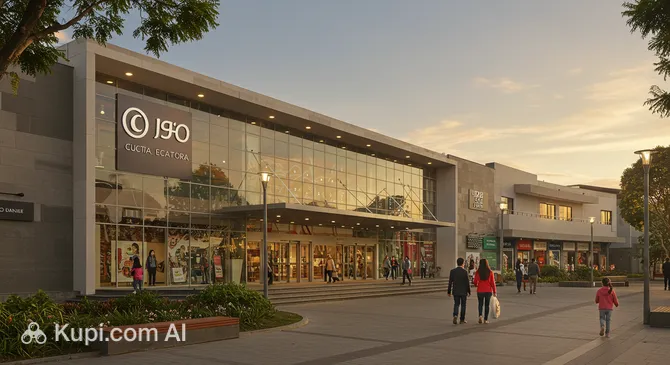
For those seeking a modern shopping experience, the city has several commercial centers. The largest and most popular is Multiplaza La Pradera, located a short distance from the city center. It features a large supermarket, a cinema, a food court, and numerous international and national retail chains. Another notable option is the Plaza del Valle Shopping Center, known locally as "Don Daniel," which offers a good selection of stores, cafes, and entertainment options in a comfortable, enclosed environment.
Multiplaza La Pradera. Illustration.
Source: Kupi.com AI
Traveler photos:
To truly immerse yourself in the local culture, a visit to the Central Market is a must. While primarily known for its fresh produce and food stalls, the market also has sections dedicated to household goods and traditional items. It is a vibrant place where you can see the daily life of the locals and purchase fresh fruits, spices, and sometimes woven baskets or simple textiles at very affordable prices.
When it comes to souvenirs, Loja is famous for its high-quality coffee. Buying a bag of locally roasted beans is one of the best things you can take home. Another regional specialty is "bocadillos," which are small, sweet treats made from peanuts and panela (unrefined cane sugar). You can also look for religious handicrafts related to the Virgin of El Cisne, or beautiful ceramics and wood carvings that are often sold in artisan shops near the main plazas.
Store hours in Loja typically run from 9:00 AM to 7:00 PM or 8:00 PM from Monday to Saturday. Many smaller, independent shops in the city center may close for a lunch break ("siesta") between 1:00 PM and 3:00 PM, although the main shopping malls and supermarkets remain open throughout the day. Sunday hours are usually reduced, with many smaller businesses remaining closed.
Cash is the preferred method of payment for small purchases, taxis, and market stalls, so it is advisable to carry small denominations of US dollars. Credit and debit cards are widely accepted in shopping malls, supermarkets, hotels, and larger restaurants. Regarding taxes, foreign tourists in Ecuador may be eligible for a VAT (IVA) refund on locally produced goods if purchased in authorized stores, so it is worth asking for an invoice ("factura") if you plan to apply for this benefit at the airport upon departure.