Support

Chachapoyas

About

Welcome to Chachapoyas, a captivating city often referred to as the "City of Clouds." Tucked away in the northern highlands of Peru, this charming destination serves as the capital of the Amazonas Region. Unlike the bustling tourist hubs in the south, Chachapoyas offers a tranquil atmosphere, characterized by its narrow streets, white-washed colonial buildings with traditional wooden balconies, and a distinct blend of Andean and Amazonian cultures.

Geographically, the city sits at an elevation of approximately 2,335 meters (7,661 feet), placing it in a lush transition zone between the high Andes mountains and the Amazon rainforest. This unique location provides a subtropical highland climate, often resulting in misty mornings and verdant landscapes. With a population of around 32,000 inhabitants, it maintains a friendly, small-town feel while providing all the necessary amenities for travelers venturing into the region.
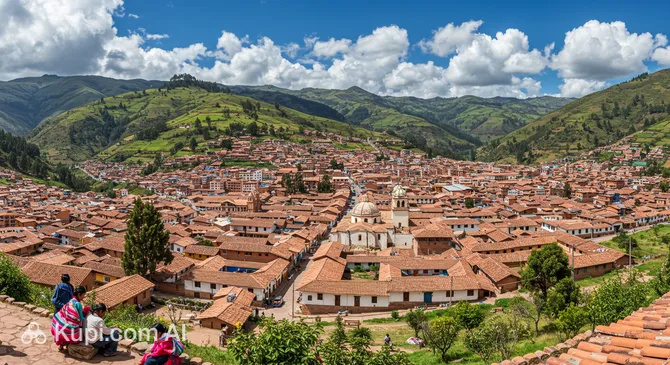
Chachapoyas. Source: Kupi.Binoculars

The city is not only a scenic retreat but also a place of significant heritage. It was founded by Spanish conquistadors in 1538, yet the area's roots go much deeper, connecting back to the indigenous Chachapoyas culture. Visitors interested in the past can delve into the fascinating history of Chachapoyas to learn about the "Warriors of the Clouds" who inhabited these mist-covered mountains long before the arrival of the Incas or the Spanish.

Chachapoyas is the perfect base for exploring some of the country's most spectacular archaeological and natural wonders. It is the primary gateway to the massive ancient fortress of Kuelap, often compared to Machu Picchu for its grandeur and historical importance. Nature lovers are also drawn here to hike to the breathtaking Gocta Waterfall, one of the tallest free-falling waterfalls in the world, located just a short distance from the city.

Whether you are seeking archaeological adventures, hiking trails through cloud forests, or simply a peaceful colonial town to relax in, Chachapoyas invites you to discover a side of the country that remains wonderfully authentic and unspoiled.
Weather Overview

Chachapoyas enjoys a moderate subtropical highland climate, typical of its location in the transition zone between the Andes and the Amazon. The weather in Chachapoyas is generally mild and spring-like throughout the year, though visitors should always be prepared for the region's characteristic mist and frequent cloud cover.

Temperatures remain remarkably consistent regardless of the season. You can expect average daytime highs to hover comfortably between 17°C and 19°C, creating ideal conditions for hiking and sightseeing. Evenings and early mornings are cooler, with minimum temperatures typically dropping to around 9°C to 11°C, so bringing warm layers for the night is highly recommended.

Precipitation is a defining feature of this lush "City of Clouds." Rainfall is frequent, with the data showing a high number of wet days ranging from 22 to 30 days per month. The wettest period generally spans from January through May. The relatively drier months occur from June to August, where the frequency of rain dips slightly, making it a popular time for trekking, though showers are still common.

Interesting Facts

Beyond the main attractions, Chachapoyas holds many fascinating secrets and legends that reveal the rich soul of this highland settlement. From romantic folklore to pivotal historical moments, the city offers curious travelers a deeper connection to its past.

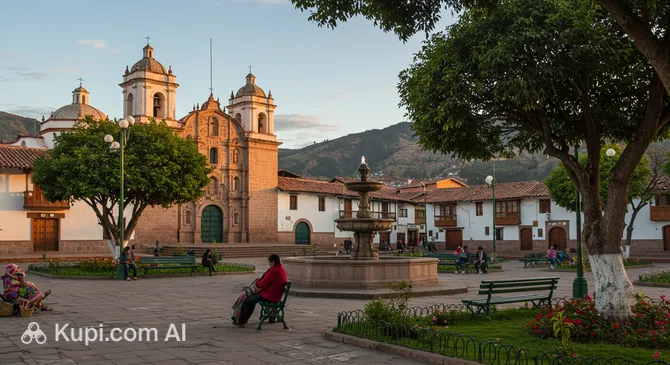
Plaza de Armas of Chachapoyas. Source: Kupi.Binoculars
  • The Legend of Yanayacu: A local urban legend surrounds the "Well of Yanayacu," located on the hill near the Luya Urco Viewpoint. It is said that the water here is a "source of love," and any single traveler who drinks from it will fall in love with a local resident and remain in Chachapoyas forever.

  • A Pivotal Independence Battle: While much of Peru's independence history focuses on the south, Chachapoyas was the site of the Battle of Higos Urco on June 6, 1821. In this lesser-known conflict, local patriots—including the courageous heroine Matiaza Rimachi—defeated royalist forces on the city's outskirts before independence was officially declared in Lima.

  • People of the Clouds: The name of the city is derived from the indigenous Quechua words Sacha (tree/forest) and Phuyu (cloud). This translates poetically to "People of the Clouds," a fitting title for the ancient civilization that built their settlements in the mist-shrouded peaks long before the Inca conquest.

  • Strict Colonial Preservation: Unlike many growing cities, the historic center around the Plaza de Armas of Chachapoyas has maintained a remarkably uniform appearance. Local regulations have preserved the traditional white facades and republican-style wooden balconies, creating a photogenic atmosphere that feels suspended in time.

How to Get There

Reaching the "City of Clouds" is an adventure that takes you through some of Peru's most stunning landscapes. While the city is tucked away in the northern highlands, there are several viable routes for travelers. For a detailed breakdown of all transport options and routes, you can read more about how to get to Chachapoyas.

The most direct way to arrive is by flying into Chachapoyas (IATA: CHH). This small regional airport is located just 3.5 km from the city center, making the transfer incredibly quick; a taxi ride typically takes about 25 minutes. However, flight frequencies can vary, so many travelers look for alternatives in nearby cities.

A common and reliable option is to fly into Shumba Airport (IATA: JAE) in the city of Jaen, which is approximately 122 km from Chachapoyas. From Jaen, you can take a bus or private transfer to reach your destination. The travel time by road is generally around 3 hours and 20 minutes. Another possibility for those exploring the Amazon region is the Cad. FAP Guillermo del Castillo Paredes Airport (IATA: TPP) in Tarapoto. It is located about 168 km away, with an estimated travel time of roughly 4.5 hours by road.

For clarity, here is a summary of the main airports:

Airport Name City Passenger Traffic Km from City
Cad. FAP Guillermo del Castillo Paredes AirportTarapotoLarge168.5
Cornel Ruiz AirportChiclayoMedium225.0
Cajamarca AirportCajamarcaMedium121.6
Shumba AirportJaenSmall122.1
ChachapoyasChachapoyasSmall3.5

Currently, there are no railway services connecting to Chachapoyas. The rugged terrain of the Andes and the Amazon transition zone makes train travel unavailable in this part of the country. Visitors who do not fly directly usually rely on Peru's extensive network of long-distance buses, which offer comfortable connections from major coastal cities and other highland destinations.

Main Attractions

Chachapoyas is a city best explored on foot, where the charm lies in its well-preserved colonial architecture and the peaceful atmosphere of its streets. While many travelers use it as a base for distant expeditions, the city itself offers several captivating spots that showcase its rich history and culture.

The heart of the city is the Plaza de Armas of Chachapoyas. Surrounded by elegant white buildings with traditional wooden balconies, this square is a perfect example of colonial urban planning in the Peruvian highlands. It serves as the social center of the town, where locals gather and visitors can admire the central bronze fountain and the vibrant gardens. It is an ideal starting point for a walking tour, offering a glimpse into the daily life of the region.

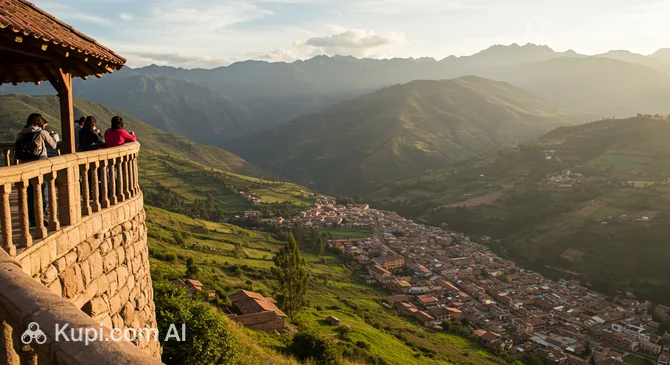
For those seeking panoramic vistas, a visit to the Luya Urco Viewpoint is a must. Located on a hill on the outskirts of the city, this lookout point offers breathtaking views of Chachapoyas and the surrounding green mountains. It is particularly beautiful at sunset when the city lights begin to twinkle against the backdrop of the Andes. The site is also home to a statue of the Virgin, adding a spiritual dimension to the scenic experience.

Luya Urco Viewpoint. Source: Kupi.Binoculars

Just a short walk from the viewpoint, you will find the historic Pozo de Yanayacu (Well of Yanayacu). This site is steeped in local legend and tradition. It was originally built to provide water to the city, and according to folklore, the well was blessed by Santo Toribio de Mogrovejo, who struck the rock with his staff to bring forth water during a drought. Today, it is a romantic symbol of the city, famous for the saying that those who drink its water will stay in Chachapoyas forever.

Connecting the main square to the rest of the historic center is the picturesque Jirón Amazonas. This pedestrian-only street is lined with beautifully restored colonial houses, boutique shops, and cafes. Strolling down this cobblestone path allows visitors to appreciate the distinctive architecture of the region, characterized by high roofs and intricate wood carvings, while enjoying a relaxed afternoon coffee or shopping for local handicrafts.

Local Cuisine

The local cuisine of Chachapoyas is a delicious reflection of its geographical location, blending the hearty ingredients of the Andes with the exotic flavors of the Amazon rainforest. This fusion creates a unique gastronomic identity where fresh produce, meats, and traditional cooking methods come together to offer visitors a memorable dining experience.

One of the most emblematic dishes you must try is Purtumute, a colorful and filling stew made from various types of beans and mote (boiled corn), seasoned with cilantro. It is a staple of the Amazonas region and a perfect comfort food for the cool highland evenings. For a taste of the jungle influence, look for Cecina con Tacacho, which consists of savory dried, smoked pork served with mashed bellaco plantains. Another favorite is the Juane, a seasoned rice and chicken dumpling wrapped in bijao leaves, traditionally enjoyed during local festivals but available year-round.

To accompany your meal, the region offers distinctive beverages. Guarapo, a drink made from fermented sugar cane juice, is widely consumed and deeply rooted in local tradition. For something sweeter and stronger, you can sample artisanal liqueurs made from milk or local fruits like blackberries (*mora*) and passion fruit. Non-alcoholic options include fresh fruit juices and, notably, the region's excellent organic coffee, which is grown in the high-altitude cloud forests surrounding the city.

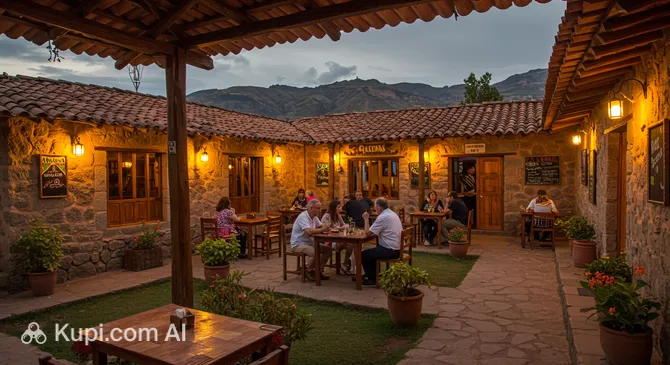
Amazonas 632. Source: Kupi.Binoculars

The food culture in Chachapoyas is relaxed and welcoming. You will find that many of the best dining spots are clustered around the main square and the pedestrian-friendly Jirón Amazonas. Here, you can find everything from humble eateries serving a "menú del día" (daily special) to cozy cafes perfect for people-watching. For a dining experience that combines good food with a pleasant atmosphere, you might visit Amazonas 632. This restaurant is a popular choice for travelers looking to enjoy a meal in a comfortable setting, offering a menu that often highlights both local ingredients and broader Peruvian classics.

Travel Tips

Preparing for a journey to Chachapoyas ensures you can fully enjoy its misty landscapes and colonial charm without worry. These practical insights will help you navigate the local customs and logistics of this fascinating destination in Peru.

  1. Clothing and Gear: Given the city's nickname, the "City of Clouds," the weather can be unpredictable. Pack layers to adapt to shifting temperatures and bring a reliable waterproof jacket or rain poncho, as showers are frequent. Sturdy, waterproof hiking boots are essential if you plan to trek to waterfalls or archaeological sites, where trails can become muddy.
  2. Transportation: The historic center is compact and pleasant to walk around. For longer distances within the city, the most popular and affordable option is the mototaxi (a motorized rickshaw). For day trips to Kuelap or Gocta, use the local colectivos (shared vans) that depart from specific terminals; they are a cost-effective and authentic way to travel.
  3. Finances: The local currency is the Sol (PEN). While larger hotels and tour agencies may accept cards, cash is essential for daily expenses, small restaurants, and transport. ATMs are available around the Plaza de Armas, but it is wise to carry small denominations for easier transactions in local markets.
  4. Health and Safety: Chachapoyas sits at a moderate altitude of about 2,335 meters. While altitude sickness is less common here than in the south, it is still smart to stay hydrated and take it easy on your first day. Pharmacies are readily available near the main square for basic supplies, sunblock, and insect repellent.
  5. Communication: Spanish is the primary language spoken. English proficiency is generally limited to tourism professionals, so learning a few basic phrases will be very helpful. Downloading an offline translation app and offline maps is highly recommended before you arrive.
  6. Local Etiquette: The locals are known for their warm hospitality. It is customary to greet people with a polite "Buenos días" or "Buenas tardes" when entering shops or boarding shared transport. Always ask for permission before taking photographs of local residents, particularly in rural markets.
  7. What to Avoid: Avoid drinking tap water; always opt for bottled or purified water to prevent stomach upsets. Additionally, do not rely exclusively on credit cards, as system outages can happen, and many smaller vendors only operate with cash.
  8. Additional Tip: Start your activities early in the morning. The weather in the Amazonas region tends to be clearer and sunnier in the first half of the day, with clouds and rain often rolling in during the afternoon. This strategy offers the best views for your hikes and photos.

By keeping these practicalities in mind, you will be well-equipped to embrace the mystery and beauty of this unique highland city. Enjoy the warmth of the locals and the breathtaking adventures that await you in the heart of the Amazonas region!

Entertainment & Nightlife

Entertainment and nightlife in Chachapoyas reflect the city's relaxed and welcoming character. Unlike the high-energy party scenes found in larger coastal cities, the evenings here are defined by a cozy, bohemian atmosphere perfect for unwinding after a day of trekking. The nightlife centers primarily on socializing in intimate bars, cafes, and restaurants where travelers and locals mingle to share stories over local drinks and music.

The hub of evening activity is undoubtedly the area surrounding the Plaza de Armas of Chachapoyas. As the sun sets, the square remains lively with families and groups of friends enjoying the cool night air. Branching off from the square, the pedestrian street Jirón Amazonas comes alive with warm lighting and open doors. This is the main artery for nightlife, lined with various establishments ranging from quiet coffee shops to lively restobars that play a mix of rock, pop, and Latin music.

For those looking to enjoy a drink and a good meal in a stylish setting, Amazonas 632 is a standout venue. Located on the bustling pedestrian strip, it offers a sophisticated yet relaxed environment where you can sample regional craft beers or classic cocktails. The venue often attracts a diverse crowd of international hikers and local residents, making it a great place to soak up the social vibe of the city without the intensity of a loud nightclub.

A perfect evening often begins a bit further from the center at the Luya Urco Viewpoint. While primarily a scenic spot, visiting during the "golden hour" or just after dusk offers a magical perspective of the city lights shimmering below. It is a peaceful way to transition from daytime exploration to nighttime relaxation before heading down to the town center for dinner.

Practical aspects of a night out in Chachapoyas are straightforward. The dress code is almost universally casual; hiking gear and warm layers are the norm, so there is no need to dress up. Most bars and restaurants are open until around 10:00 PM or 11:00 PM on weekdays, extending to perhaps 1:00 AM or 2:00 AM on weekends. Prices are generally very affordable compared to Lima or Cusco, with beers and cocktails costing a fraction of what you might pay in major tourist hubs.

Safety is one of the city's strong points, and the historic center is generally safe for walking at night. However, the streets can become quite empty late at night. If you are staying on the outskirts or feel tired, reliable mototaxis are abundant and inexpensive. It is always best to ask your restaurant or bar to call a trusted driver for you if you are unsure.

During the daylight hours, entertainment shifts towards cultural appreciation. Visitors can explore small local museums that house mummies and artifacts from the Chachapoyas culture, or visit the bustling central market to see the variety of exotic fruits and local produce. The city also occasionally hosts cultural festivals in the main square, featuring traditional dances and music that offer a vibrant glimpse into the region's heritage.

Parks & Museums

While Chachapoyas is primarily known as the gateway to distant archaeological sites, the city itself offers a modest but fascinating selection of cultural venues and green spaces. Visitors can spend a relaxing day exploring well-curated museums that house ancient secrets and enjoying the fresh highland air in the city's plazas and nearby natural viewpoints.

The most prominent green space in the heart of the city is the Plaza de Armas of Chachapoyas. This square is not just a historical center but a vibrant garden where locals and tourists converge. Surrounded by colonial mansions with their characteristic wooden balconies, the plaza features well-maintained flower beds and tall palm trees that provide shade for a leisurely afternoon stroll. It serves as the city's living room, perfect for observing local life and enjoying the peaceful atmosphere of this mountain town.

For those seeking a blend of nature and history, the Pampas de Higos Urco is a significant open area located on the outskirts of the city. This historic sanctuary commemorates the 1821 battle where local patriots fought for independence. Beyond its historical weight, it is a spacious natural area offering panoramic views of the surrounding valley. It is an excellent spot for a short hike, allowing visitors to breathe in the crisp Andean air while standing on ground that shaped the region's freedom.

To delve into the rich heritage of the "Cloud Warriors," a visit to the Sala de Exhibición Gilberto Tenorio Ruiz is essential. Conveniently located near the main square, this museum houses an impressive collection of artifacts recovered from the region. Its exhibits range from ancient ceramics and lithic tools to the fascinating mummies of the Chachapoyas culture. The museum provides a crucial context for understanding the civilization that built Kuelap, making it a perfect educational stop before venturing to the larger archaeological sites.

Another cultural gem is the Museo Etnohistórico-Religioso de Santa Ana. Housed in the first church built in Chachapoyas, this museum offers a unique window into the colonial and indigenous history of the area. The exhibits explore the collision of cultures following the Spanish arrival, featuring religious art, liturgical vestments, and ethnographic displays. The building itself is a historical monument, and its restoration has created a serene space to reflect on the city's past.

For a truly authentic experience nearby, take a short trip to the village of Huancas, located just a few kilometers from the city center. Known for its traditional pottery, this area is also home to the spectacular Sonche Canyon. While technically just outside the city limits, it is the premier natural attraction for those staying in Chachapoyas. The canyon offers a dramatic drop of nearly 1,000 meters, providing awe-inspiring views that rival some of the world's most famous gorges, all within a quick taxi ride from your hotel.

Getting Around

Navigating Chachapoyas is refreshingly simple and stress-free compared to larger metropolitan areas. Due to its relatively small size and compact historic center, the city does not have a complex heavy rail, metro, or large municipal bus system. Instead, the public transport network relies primarily on smaller, more agile vehicles that are well-suited to the narrow colonial streets and the hilly terrain of the region.

The most iconic and popular mode of transport within the city limits is the mototaxi. These three-wheeled motorized rickshaws are ubiquitous and serve as the primary way for locals to get around. They are colorful, open-air or semi-enclosed vehicles that can carry up to two or three passengers. Mototaxis are incredibly efficient for short hops across town, offering a breezy and authentic way to experience the local rhythm. You can hail them easily from almost any street corner.

For those who prefer a standard vehicle, regular taxis are also available. These are standard sedans or station wagons and are a better choice if you are traveling with heavy luggage, during heavy rain, or if you need a ride to the airport or bus terminal. While they are slightly more expensive than mototaxis, they offer more comfort and protection from the elements. Unlike in major capitals, ride-hailing apps are not widely used or reliable here, so it is best to flag down a taxi on the street or ask your hotel to call a trusted driver.

To reach the outskirts or nearby villages such as Huancas, colectivos (shared vans or minibuses) are the standard solution. These vehicles operate on fixed routes and depart from specific terminals or street corners once they are full. They provide an economical way to travel slightly longer distances where a mototaxi might not go. While they do not have the strict timetables of a subway system, they run frequently during daylight hours.

The payment system in Chachapoyas is entirely cash-based. There are no travel cards, digital passes, or tap-to-pay systems for public transport. Fares are generally very affordable. A ride within the city center in a mototaxi typically costs a few Soles, while taxis will charge a bit more. It is standard practice to pay the driver directly upon reaching your destination.

A crucial piece of advice for tourists is to always agree on the fare before entering the vehicle. Most taxis and mototaxis do not use meters. Simply state your destination and ask, "¿Cuánto cuesta?" (How much is it?). Drivers are generally honest, but clarifying the price beforehand avoids any misunderstandings. Additionally, it is essential to carry small change (coins and small bills), as drivers often do not have change for large banknotes.

Finally, do not underestimate the value of walking. The historic center of Chachapoyas is pedestrian-friendly, with many of the main hotels, restaurants, and attractions located within a few blocks of the main square. Walking allows you to admire the traditional architecture and mountain views at your own pace. For most visitors, a combination of walking for the center and mototaxis for slightly longer trips is the perfect way to explore the city.

Accommodation

Accommodation in Chachapoyas caters to a mix of adventurous backpackers and comfort-seeking travelers, reflecting the city's status as a growing eco-tourism hub. While you will not find massive international hotel chains here, the city charms visitors with a wide selection of independent, family-run establishments. Options range from budget-friendly hostels perfect for trekkers to charming mid-range hotels often housed in converted colonial mansions featuring beautiful internal courtyards and wooden balconies.

The most convenient area to stay is undoubtedly the historic center. Choosing a hotel within a few blocks of the main square or along the pedestrian street Jirón Amazonas places you in the heart of the action. Staying here ensures you are within walking distance of the best restaurants, cafes, and tour agencies, making early morning departures to Kuelap or Gocta much easier to manage. The area is safe and well-lit, offering a pleasant atmosphere for evening strolls.

For those planning a trip, it is highly recommended to book your accommodation in advance, especially if you intend to visit during the peak dry season (May to October) or during national holidays like Fiestas Patrias in July. During these busy periods, the best-rated hotels and private rooms fill up quickly, and arriving without a reservation might limit your choices to less desirable options.

In terms of cost, Chachapoyas is generally very affordable compared to Cusco or Lima. Budget travelers can find comfortable hostel beds for very low rates, while mid-range boutique hotels offer excellent value for money with amenities like hot showers and breakfast included. While major booking platforms are widely used by the larger hotels, some smaller guesthouses may prefer direct contact via WhatsApp or email. Additionally, while many established hotels accept credit cards, it is always wise to ask beforehand or carry cash, as connection issues can occur in the highlands.

Nearby Cities

For those looking to explore the surroundings, Chachapoyas serves as an excellent base for day trips to several interesting nearby locations:

One of the most accessible cities from Chachapoyas is Jaen. Often serving as the primary transit hub for travelers arriving by air, Jaen offers a drastically different climate and atmosphere. Located in a warmer valley, it is known as the "Land of the Brave Bracamoros" and is renowned for its high-quality coffee and cacao production. A visit here allows travelers to experience the bustling energy of a commercial center and explore nearby coffee plantations or the Gotas de Agua private conservation area.

For history enthusiasts willing to venture a bit further for a short visit, Cajamarca is a destination of immense significance. It is famous for being the place where the Inca Emperor Atahualpa was captured, marking a pivotal moment in South American history. The city boasts beautiful colonial architecture, the historic Ransom Room (Cuarto del Rescate), and the relaxing Inca Baths (Baños del Inca), making it a culturally rich counterpart to the archaeological wonders of Amazonas.

Heading towards the high jungle, Tarapoto offers a lush, tropical escape. Known as the "City of Palms," it sits at a lower altitude and provides a gateway to the Amazon rainforest. Visitors are drawn to its abundant waterfalls, such as Ahuashiyacu, and its vibrant biodiversity. While the journey involves navigating winding mountain roads, the transition from the misty highlands of Chachapoyas to the humid, green landscapes of Tarapoto highlights the incredible geographic diversity of Northern Peru.

City Population Distance (km)
Tarapoto 240453 168
Cajamarca 201329 125
San Ignacio 127523 173
Jaen 93631 118
Yurimaguas 62903 199

These nearby destinations offer a glimpse into the diverse culture and landscapes of the region.

Shopping & Souvenirs

Shopping in Chachapoyas offers a delightfully authentic experience that stands in stark contrast to the commercialized retail scenes of larger cities. Instead of sprawling malls and international luxury brands, you will find a collection of small, family-run businesses, independent boutiques, and traditional markets. The city is an excellent place to purchase locally produced goods, particularly those derived from the rich agricultural lands of the Amazonas region, such as coffee, cacao, and exotic fruits.

The primary commercial hub of the city is centered around the Plaza de Armas of Chachapoyas and the streets radiating from it. The most famous of these is the pedestrian-only Jirón Amazonas. This charming cobblestone street is lined with colonial buildings hosting a variety of shops selling everything from trekking gear and warm clothing to local handicrafts and souvenirs. It is the perfect place for a leisurely stroll, allowing you to window shop while admiring the traditional architecture.

Travelers looking for a modern shopping mall experience should be aware that Chachapoyas does not have large shopping centers or department stores. The retail landscape is defined by small, specialized storefronts ("tiendas") and minimarkets. This absence of big-box retail preserves the town's colonial charm and encourages interaction with local shopkeepers, who are often the owners themselves.

For a taste of daily local life, a visit to the Mercado Central (Central Market) is essential. Located just a few blocks from the main square, this bustling market is a sensory explosion of colors and scents. Here, vendors sell mounds of fresh tropical fruits, vegetables, meats, and spices. While it is primarily a food market, you can also find stalls selling household items and simple clothing. It is the best place to buy fresh supplies if you are planning a day hike or simply want to try fruits you have never seen before.

When it comes to souvenirs, Chachapoyas has several unique specialties. The region is renowned for its organic coffee and cacao, considered some of the best in Peru; buying a bag of local beans or artisanal chocolate is a must. Another popular gift is the region's fruit-based liqueurs, made from exotic flavors like blackberry (mora), passion fruit, or the traditional guarapo (fermented cane juice). Additionally, look for traditional pottery from the nearby village of Huancas, which is recognized as a National Cultural Heritage of Peru.

Store opening hours in Chachapoyas generally follow a split schedule. Most shops open around 9:00 AM and may close for a lunch break (siesta) between 1:00 PM and 3:00 PM, reopening until approximately 8:00 PM or 9:00 PM. Regarding payment, cash is king. While some tourist-oriented shops and larger minimarkets near the plaza may accept credit cards, the vast majority of smaller vendors, market stalls, and artisan shops deal exclusively in cash (Soles). It is advisable to carry small denominations to make transactions smoother.

Regarding tax-free shopping, while Peru does have a system allowing tourists to claim a refund on the General Sales Tax (IGV) at the airport, this typically applies only to purchases made at specific affiliated "authorized" stores, which are mostly found in Lima or Cusco. In the small local shops and markets of Chachapoyas, the tax-free refund process is generally not applicable or available, so visitors should not expect to use this benefit for their local purchases here.

Reached the end of the page?

That means the route is fully explored