Support

Jaen

About

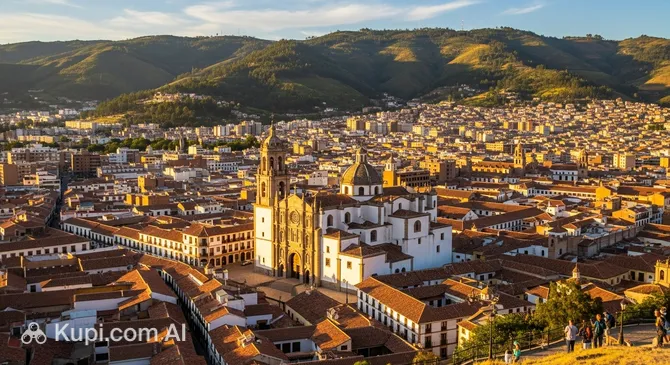
Welcome to Jaén, a vibrant city often referred to as the "Land of the Brave Bracamoros." Situated in the northern part of the Cajamarca Region, this bustling urban center serves as a crucial gateway between the Andes and the Amazon rainforest. With a warm, tropical climate and a population of over 90,000 residents, Jaén offers a unique blend of modern commerce and rich cultural traditions, making it a fascinating stop for travelers exploring Peru.

Jaen. Source: Kupi.Binoculars

The region is celebrated for producing some of the finest coffee in the country, thanks to its favorable high-jungle geography. Those interested in the past can explore the fascinating history of Jaén, which traces back to the fierce Bracamoros culture that famously resisted external conquest. The local Hermógenes Mejía Solf Regional Museum is a great place to see archaeological artifacts and learn more about this enduring heritage.

Nature enthusiasts will appreciate the Gotas de Agua Private Conservation Area, a beautiful spot for birdwatching and hiking through the dry tropical forest just outside the city. Whether you are stopping by to taste the exquisite local brew or using the city as a starting point for Amazonian adventures, Jaén promises a warm welcome and an authentic travel experience.

Weather Overview

Travelers visiting Jaén can generally expect a mild and comfortable climate year-round, which is well-suited for exploring the region's natural attractions. The average temperatures are quite stable, typically ranging from 18.4°C in the cooler month of July to around 21.3°C in November. For a more in-depth look at what to expect during your specific travel dates, you can consult the detailed guide to the weather in Jaén.

The area is characterized by a consistent pattern of "wet days," occurring between 17 and 29 days per month throughout the year, although the recorded precipitation volume remains relatively low, often between 2mm and 8mm. October and November are usually the warmest months, with maximum temperatures reaching up to 25.4°C, while the period from June to August sees slightly cooler evenings with minimums dropping to around 15°C. Given the frequency of wet days, packing a light rain jacket is recommended regardless of when you visit.

Interesting Facts

Beyond the main attractions, Jaén holds many fascinating secrets that reveal its importance in the history of Peru. From ancient architectural mysteries to unique ecological zones, this city offers several surprising details for the curious traveler.
  • The Spiral Temple Mystery: In recent years, archaeologists have excavated the Montegrande site located on the outskirts of the city. They discovered a temple with a unique spiral architecture dating back over 5,000 years, suggesting the existence of a sophisticated ancient civilization that connected the Amazon rainforest with the Andes long before the Inca Empire.

  • Defying the Incas: The local Bracamoros culture is legendary for its fierce independence. Historical accounts indicate that they were one of the few indigenous groups to successfully repel the expansion of the powerful Inca Empire, preventing the Incas from fully conquering this part of the high jungle.

  • A Biodiversity Hotspot: While often associated with the lush rainforest, Jaén sits near the Marañón Dry Forest, a rare ecosystem distinct from the Amazon. This area is considered a global hotspot for birdwatching, home to numerous endemic species that cannot be found anywhere else on the planet.

How to Get There

Reaching this northern Peruvian hub is relatively straightforward, with options to fly directly into the local airport or travel overland from neighboring cities. The region's growing popularity has improved connectivity, allowing visitors to choose the route that best fits their itinerary. For a complete guide on transportation options, routes, and tips, you can read more about how to get to Jaen.

The most direct way to arrive is by flying into Shumba Airport (IATA: JAE), which is conveniently located in Jaen itself, just 12.9 km from the city center. A taxi or shuttle from here typically takes around 40 minutes. While it is a smaller regional hub, it offers the fastest access to the city without the need for long overland transfers.

Travelers looking for more flight frequencies might consider Cornel Ruiz Airport (IATA: CIX) in the coastal city of Chiclayo. It is situated approximately 164.8 km away. Although it requires a longer ground transfer—taking roughly 4.5 hours by bus or taxi—it serves a larger volume of passengers and may offer more flexible scheduling. Another viable alternative is Cajamarca Airport (IATA: CJA) in Cajamarca, located about 161.8 km from Jaen. However, due to the winding and scenic Andean roads, the journey from there typically takes around 7 to 8 hours.

For clarity, here is a summary of the main airports:

Airport Name City Passenger Traffic Km from City
Cornel Ruiz Airport Chiclayo Medium 164.8
Cajamarca Airport Cajamarca Medium 161.8
Shumba Airport Jaen Small 12.9
Ciudad de Catamayo Airport Loja Small 199.3
Chachapoyas Chachapoyas Very Small 117.7

The city of Jaen does not have a railway station, and train travel is not currently an option for reaching this part of the Cajamarca region. Most visitors arriving from other parts of Peru rely on the extensive interprovincial bus network or private car services to navigate the scenic mountain highways.

Main Attractions

The heart of the city beats around the Plaza de Armas, a modern and spacious square that serves as the main gathering point for locals and visitors alike. It is dominated by the imposing Catedral de Jaén, a striking architectural landmark known for its contemporary design and beautiful stained-glass windows. Inside, the cathedral houses the revered image of the Lord of Huamantanga, the city's patron saint. The plaza itself, with its well-kept gardens and vibrant atmosphere, is an excellent spot to enjoy a leisurely evening walk and soak in the local culture.

For a closer look at the region's diverse flora, the Jardín Botánico (Botanical Garden) in the Fila Alta sector is a must-visit. This ecological center spans roughly one hectare and showcases over 600 varieties of plants, including a stunning collection of native orchids, ferns, and bromeliads. It serves as a green oasis where travelers can learn about the rich biodiversity of the high jungle without leaving the city limits.

Just a short distance from the urban center, the Montegrande Archaeological Site offers a fascinating glimpse into ancient history. While the site's historical significance is well-known, seeing the spiral temple architecture in person is a unique experience. Visitors can observe the ongoing excavations that have revealed evidence of a civilization dating back over 5,000 years, providing a tangible connection to the early cultures of the Amazon-Andes corridor.

Those seeking relaxation should head to the El Almendral Hot Springs, located near the confluence of the Chamaya and Marañón rivers. These natural thermal pools are rich in minerals and are a popular weekend destination for families. The site offers a refreshing break where you can swim in warm, medicinal waters surrounded by the scenic landscape of the Jaén valley.

To delve deeper into the local heritage, a visit to the Hermógenes Mejía Solf Regional Museum is highly recommended. Located just outside the city at the technological institute, this museum preserves a vast collection of pottery, fossils, and ethnographic items. It is particularly noted for its artifacts from the Bracamoros culture and the Chinchipe basin, offering valuable context to the region's long and spirited history.

Local Cuisine

The gastronomy of Jaén is a delicious reflection of its geographical location, serving as a culinary bridge between the Andean highlands and the Amazon rainforest. The food here is hearty, flavorful, and characterized by fresh, locally grown ingredients. The city's most iconic dish is undoubtedly Shurumbo, a thick and savory soup made with green bananas (plantains), pork, and a blend of local herbs. It is a comfort food staple that locals enjoy for lunch or dinner, and it perfectly encapsulates the fusion of jungle produce with mountain cooking traditions.

Due to its proximity to the Amazon, dishes featuring plantains and cured meats are very popular. Visitors should try Cecina con Tacacho, a classic jungle meal consisting of smoked pork (cecina) served alongside balls of mashed, roasted green plantains mixed with lard (tacacho). For those who prefer Andean flavors, Cuy Frito (fried guinea pig) is a celebrated delicacy in the wider Cajamarca region. In Jaén, it is often served crispy with a side of potatoes and a spicy salsa criolla, offering a crunchy and savory experience that is highly regarded by food enthusiasts.

When it comes to beverages, Jaén is famous for its high-quality coffee. As one of Peru's premier coffee-growing zones, the city boasts numerous cafeterias where you can taste exceptional aromatic brews made from locally harvested beans. For a more traditional and refreshing option, look for Masato, a fermented drink made from yuca that has deep roots in the indigenous cultures of the area. Fresh fruit juices made from tropical fruits like passion fruit, pineapple, and papaya are also widely available and incredibly refreshing in the warm climate.

The food culture in Jaén is laid-back and authentic, with the best culinary experiences often found in simple settings. The central market and smaller neighborhood markets are bustling hubs where locals gather to eat breakfast or a heavy lunch at affordable prices. Street food vendors are also common, particularly in the evenings around the main plazas, selling grilled meats and snacks. For a more formal dining experience, the city center offers a growing number of restaurants that specialize in regional "comida típica," allowing tourists to explore the full spectrum of Jaén's unique palate.

Travel Tips

Visiting Jaén is an immersion into the warmth and energy of Peru's high jungle, but navigating a new city always comes with its own set of rules. To ensure your trip is as smooth and enjoyable as a cup of the local coffee, here are some practical tips to help you travel like a pro.

  1. Clothing and Gear: Since Jaén enjoys a warm, tropical climate, pack lightweight, breathable clothing made of cotton or linen to handle the heat. However, sudden showers are common in the high jungle, so carrying a light rain poncho or waterproof jacket is essential. Don't forget comfortable walking shoes for exploring the nearby archaeological sites and a hat to protect against the strong equatorial sun.

  2. Transportation: The most common and convenient way to get around the city is by mototaxi (a motorized rickshaw). They are ubiquitous, affordable, and perfect for short distances within the urban area. Regular taxis are available for longer trips or airport transfers, but there is no metro or tram system. Always agree on the fare with the driver before starting your journey, as meters are rarely used.

  3. Finances: The local currency is the Peruvian Sol (PEN). While some larger hotels and restaurants in the city center accept credit cards, cash is king in Jaén, especially in markets, small eateries, and for transport. ATMs are available around the Plaza de Armas, but it is wise to carry small bills and coins, as breaking large denominations can be difficult in smaller shops.

  4. Health and Safety: Jaén is generally safe, but standard precautions apply; keep an eye on your belongings in crowded markets. Pharmacies are plentiful in the city center, usually identified by signs saying "Farmacia" or "Botica". Since this is a tropical area, carrying strong insect repellent is crucial to prevent bug bites, and you should strictly stick to drinking bottled or purified water to avoid stomach issues.

  5. Communication: Spanish is the primary language, and English is not widely spoken outside of major tourist services. Learning a few basic phrases like "Buenos días" (Good morning) and "¿Cuánto cuesta?" (How much?) will go a long way. It is highly recommended to buy a local SIM card (Claro and Movistar have good coverage) or download offline translation apps to help with daily interactions.

  6. Local Etiquette: People in Jaén are friendly and welcoming. A handshake is a standard greeting, though locals may greet friends with a kiss on the cheek. It is polite to greet shopkeepers or taxi drivers when you enter their space. Lunch is typically the main meal of the day, and taking your time to enjoy food is culturally expected.

  7. What to Avoid: Avoid taking photos of locals, especially in rural areas or markets, without asking for permission first, as some may find it intrusive. Also, refrain from drinking tap water or using ice cubes in drinks at street stalls, as the water quality may not suit international visitors.

  8. Additional Tip: Take advantage of the city's reputation as a coffee hub. Many local cafeterias sell bags of freshly roasted beans grown in the surrounding hills. Buying coffee directly from these local shops is not only a great souvenir but also supports the regional farmers and ensures you get the freshest product possible.

By keeping these practicalities in mind, you will be well-prepared to embrace the laid-back rhythm of Jaén. Whether you are navigating the bustling streets in a mototaxi or savoring the local cuisine, a little preparation ensures your adventure in the high jungle is memorable for all the right reasons.

Entertainment & Nightlife

As the sun sets over the high jungle, Jaén transitions from a bustling commercial hub into a lively city with a vibrant social scene. The nightlife here is distinctively tropical, characterized by warm evenings, open-air venues, and a rhythm that blends traditional Peruvian cumbia with modern reggaeton and salsa. While it may not have the extensive nightlife of a capital city, Jaén offers a genuine and energetic atmosphere where locals and visitors come together to unwind and dance until the early hours.

The main action is concentrated around the city center, particularly near the Plaza de Armas and along major thoroughfares like Avenida Mesones Muro. This area is safe for evening strolls and is lined with various establishments ranging from relaxed restobars to energetic nightclubs. For those looking to experience the local party spirit, Discoteca Amazon is a standout venue. Known for its pulsating music and friendly crowd, it is the perfect place to dance the night away to a mix of Latin beats. Another popular spot is Long Play Discoteca, which often features DJ sets and a high-energy vibe that attracts a younger crowd on weekends.

For a more laid-back evening that combines food with drinks, Don Bravo offers a versatile setting that functions as both a restaurant and a pub. It is an excellent choice for travelers who want to enjoy a cold beer or a pisco sour accompanied by hearty local snacks before heading out to a club. The atmosphere in most venues is casual, though people tend to dress up slightly ("sport elegant") for the bigger discos. Bars typically open around 8:00 PM, but the clubs don't truly fill up until after 11:00 PM.

If you prefer a quieter night out or daytime entertainment, the city is home to Movie Time Multicines, located on Avenida Mesones Muro. This modern cinema complex screens the latest international and national films, providing a comfortable escape from the jungle heat. During the day, the city's cafes and ice cream parlors (heladerías) around the main square are popular social hubs where you can enjoy local coffee and conversation.

When navigating Jaén at night, safety and convenience are key. The primary mode of transportation is the mototaxi. These three-wheeled vehicles are everywhere and are very affordable, but it is advisable to use trusted drivers or those associated with your hotel, especially late at night. While the city center is generally safe, avoid walking alone in poorly lit areas on the outskirts. Always carry cash in small denominations (Sol), as many smaller bars and transport providers do not accept credit cards.

Parks & Museums

While Jaén is often recognized for its bustling trade and coffee culture, the city and its surroundings offer surprising pockets of greenery and deep cultural reservoirs. Situated at the crossroads of the Andes and the Amazon in northern Peru, the area's parks highlight the unique biodiversity of the high jungle, while its museums provide a window into ancient civilizations that thrived here long before the Inca conquest.

Gotas de Agua Private Conservation Area is undoubtedly the premier destination for nature lovers in the region. Located just a few kilometers from the city center, this protected area preserves a vital fragment of the Marañón Dry Forest, a unique and threatened ecosystem. It is a haven for birdwatchers, offering the chance to spot endemic species that exist nowhere else on Earth. Trails wind through the dry tropical vegetation, providing a peaceful escape where visitors can connect with nature and enjoy panoramic views of the valley.

Within the city limits, the Jardín Botánico (Botanical Garden) in the Fila Alta sector serves as a living library of the region's flora. Far more than just a park, it functions as a conservation center for native species. Visitors can walk among an impressive collection of orchids, bromeliads, and ferns that typify the transition zone between the mountains and the jungle. It is a quiet, educational space perfect for a relaxing afternoon stroll surrounded by the vibrant colors and scents of the tropics.

For a dive into the region's rich heritage, the Hermógenes Mejía Solf Regional Museum is the most comprehensive cultural institution in Jaén. Housed within the Technological Institute, this museum curates a fascinating array of artifacts ranging from ancient fossils to intricate ceramics. Its primary focus is the Bracamoros and Pakamuros cultures, the fierce indigenous groups that inhabited this area. The collection offers valuable context to the archaeological sites found nearby, showcasing the artistic and social complexity of these pre-Hispanic societies.

Although it is an active archaeological site, Montegrande functions as an open-air museum that is redefining the history of the Amazon-Andes connection. Located conveniently near the urban area, it features the remains of a spiral temple believed to be over 5,000 years old. Walking around the perimeter allows tourists to appreciate the monumental architecture and the ongoing efforts to uncover a civilization that engaged in long-distance trade of cacao and spondylus shells millennia ago.

Getting Around

The public transport system in Jaen differs significantly from major metropolitan hubs; you will not find a metro, tram, or large municipal bus network here. Instead, the city's transportation is informal, agile, and dominated by the ubiquitous mototaxi. These three-wheeled motorized rickshaws are the heartbeat of local mobility, buzzing through the streets at all hours. They are the most convenient way to navigate the urban area, offering an open-air ride that is perfectly suited to the city's warm tropical climate.

For destinations further afield or for travelers carrying heavy luggage, standard taxis (often referred to as "autos") are available, though they are less numerous than mototaxis. You can also find combis or colectivos (shared vans or minivans) that typically run on fixed routes connecting the city center with outlying neighborhoods and nearby towns in the Cajamarca region. These shared vehicles wait at specific terminals or street corners until they are full before departing.

The payment system in Jaen is strictly cash-based. There are no travel passes, smart cards, or mobile ticketing apps for intra-city transport. Fares are generally very affordable, usually costing just a few Soles for a ride within the city limits. It is crucial to carry small change (coins and small bills), as drivers often do not have enough change for large banknotes. Prices for mototaxis and taxis are not metered; instead, they are based on a flat rate depending on the distance and zone.

Tourists should be aware of the "unwritten rules" of using local transport. The most important step is to agree on the fare with the driver before you get into the vehicle. You can hail mototaxis and taxis directly on the street by simply waving your hand. While transport is available throughout the day, the frequency drops late at night, so it is advisable to arrange a ride in advance or use a trusted service if you are out late. For safety, try to choose vehicles that look well-maintained and have visible identification numbers.

Alternatives to motorized transport are limited but viable for short distances. The city center, particularly around the Plaza de Armas, is compact and walkable, allowing you to explore key attractions on foot. Car sharing apps are generally not active or reliable in this part of the country. Similarly, while you might find bicycle rentals for recreational use near conservation areas, cycling is not a common mode of commuting within the chaotic city traffic.

A unique feature of Jaen's transport landscape is the sheer density and customization of the mototaxis. Many drivers decorate their vehicles with colorful stickers, slogans, and custom upholstery, turning a simple commute into a culturally immersive experience. Riding in one of these "choppers" provides an authentic perspective of local life that you simply cannot get from a bus or a standard car.

Accommodation

Accommodation in Jaén caters primarily to business travelers and tourists passing through the northern circuit, resulting in a selection that emphasizes practicality and comfort over opulent luxury. Visitors will find a solid range of options, from economical guesthouses (hostales) and backpacker-friendly lodgings to modern mid-range hotels that often feature air conditioning and swimming pools—essential amenities given the city's warm tropical climate.

For the most convenient stay, it is advisable to look for lodging near the Plaza de Armas or along the main commercial avenues such as Avenida Mesones Muro. Staying in the city center places you within walking distance of the cathedral, major restaurants, and banks. This area is the hub of activity, making it easy to catch a mototaxi to local attractions or find a coffee shop serving the region's famous brew in the morning.

Among the notable establishments in the city, El Bosque is a popular choice for those seeking a relaxing environment. It is often favored for its comfortable facilities and green spaces that provide a pleasant respite from the urban bustle. Another well-regarded option is Hotel Luna del Valle, which offers modern rooms and attentive service, making it suitable for both families and solo travelers looking for a reliable standard of quality.

Price points in Jaén are generally very reasonable compared to Peru's major tourist hotspots like Cusco or Lima. Most hotels fall into the budget to mid-range categories. While the larger and more modern hotels can be booked via major online platforms, many smaller, family-run establishments still operate primarily through direct phone bookings or walk-ins. However, if you plan to visit during the Festival of the Lord of Huamantanga in September, it is highly recommended to book your accommodation well in advance, as the city fills up quickly with pilgrims and visitors.

Nearby Cities

Jaén serves as an excellent strategic base for exploring the wider northern region of Peru, with several fascinating destinations located within a reasonable travel distance. Whether you are looking to delve deeper into the coffee culture of the high jungle, explore the arid coast, or climb higher into the Andes, the surrounding cities offer a diverse range of experiences that complement a visit to Jaén.

The closest neighbor is San Ignacio, located just 66 km to the north near the Ecuadorian border. Like Jaén, it is famous for its high-quality organic coffee and serves as a gateway to the Sanctuary of Tabaconas Namballe. It is a must-visit for nature lovers and those interested in agricultural tourism, offering a similar tropical climate but with a quieter, frontier-town atmosphere.

Heading towards the coast, travelers can reach Chiclayo, the vibrant capital of the Lambayeque region. Known as the "City of Friendship," this major commercial hub is situated approximately 165 km away. It is renowned for its archaeological museums and delicious northern cuisine. Just a short distance from Chiclayo lies the city of Lambayeque, famous for its colonial architecture and the Royal Tombs of Sipán Museum, making this coastal corridor a cultural treasure trove.

For those preferring the highlands, the historic city of Cajamarca awaits about 164 km to the south. It is steeped in history as the place where the Inca Empire met its fateful end. Visitors here can explore thermal baths, baroque colonial churches, and rolling Andean landscapes. Meanwhile, the city of Chulucanas, located roughly 165 km to the west in the Piura region, offers a different cultural flavor, celebrated worldwide for its unique pottery and ceramics.

Here is a summary of the nearby cities, their distances from Jaén, and their approximate populations:

City Population Distance (km)
San Ignacio 127,523 66
Cajamarca 201,329 164
Chiclayo 552,508 165
Chulucanas 82,521 165
Lambayeque 58,276 165

Shopping & Souvenirs

While Jaén is primarily known as a trade and agricultural hub rather than a high-end fashion destination, it offers a bustling commercial atmosphere that reflects its role as the economic heart of the northern high jungle. Shopping here is less about luxury brands and more about discovering local products, practical goods, and experiencing the vibrant daily life of the city. Visitors will find a mix of modern retail conveniences and traditional commerce that caters to the needs of the growing population and travelers alike.

The city's commercial activity is concentrated in the downtown area, particularly along the busy streets surrounding the Plaza de Armas. Calle Mariscal Castilla and Avenida Mesones Muro are two of the most important thoroughfares, lined with an array of small boutiques, shoe stores, pharmacies, and electronics shops. These streets are often crowded with locals and are the best places to find clothing, accessories, and general supplies while soaking in the energetic urban vibe.

For a modern shopping experience, the city boasts the Mega Plaza Jaén. This shopping mall marked a significant milestone in the city's development, bringing department stores, a supermarket, and a cinema complex under one roof. It is the go-to spot for travelers who need to purchase toiletries, electronics, or clothing in a comfortable, air-conditioned environment. The mall also features a food court and well-known retail chains, providing a familiar setting for international visitors.

To truly understand the local culture, a visit to the Mercado 28 de Julio (Central Market) is essential. This is where the region's agricultural bounty comes to life. The market is a sensory explosion of colors and smells, where vendors sell everything from fresh meats to exotic jungle fruits like pitahaya, granadilla, and chirimoya. It is an excellent place to observe local life and purchase inexpensive, fresh snacks to fuel your exploration of the city.

When it comes to souvenirs, the undisputed king in Jaén is coffee. As one of Peru's premier coffee-producing regions, the city offers high-quality beans that make for a perfect gift. Instead of generic souvenir trinkets, look for bags of locally roasted coffee (café tostado) sold in the specialized cafeterias around the city center or at the market. You might also find artisanal chocolate and cacao products, as well as honey produced in the nearby valleys.

Most shops in Jaén typically open around 9:00 AM and close between 8:00 PM and 9:00 PM, though the main market starts its day much earlier, often by 6:00 AM. While the Mega Plaza and larger hotels accept credit and debit cards (Visa and Mastercard being the most common), cash is essential for smaller shops, street vendors, and the central market. It is advisable to carry Peruvian Soles in smaller denominations to make transactions smoother.

Regarding tax-free shopping, Peru does have a system that allows foreign tourists to claim a refund on the General Sales Tax (IGV) for purchases made at authorized "Tax Free" stores. However, this is mostly found in major tourist hubs like Lima or Cusco and in high-end retailers. In a regional city like Jaén, finding affiliated stores is unlikely, so visitors should not rely on obtaining tax refunds for their local purchases here.
Reached the end of the page?

That means the route is fully explored