Support

Talara

About

Welcome to Talara, a vibrant port city located in the northwestern part of the Piura Region. Known primarily for its significant role in the oil industry, this coastal hub offers a unique blend of industrial heritage and seaside charm. While it serves as a crucial commercial center, it is also a popular gateway for travelers seeking the sun-drenched beaches of the Pacific coast.

Geographically, the city is situated in a desert zone, ensuring a warm and dry climate throughout most of the year. With a population of approximately 91,000 residents, it is a bustling urban area that connects visitors to the wider wonders of Peru. Its strategic location makes it an excellent starting point for exploring the renowned northern coastline, famous for its surfing spots and relaxing resorts.
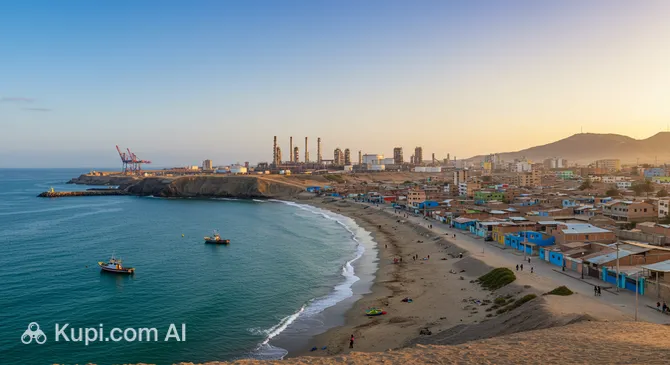
Talara. Source: Kupi.Binoculars

The development of the city has been closely tied to the energy sector, and you can learn more about this fascinating evolution by exploring the history of Talara. Despite its industrial roots, the city has cultivated a welcoming atmosphere for tourists. One of the notable local landmarks is the towering Cristo Petrolero, a statue that overlooks the city and offers panoramic views of the bay and the surrounding landscape.

For beach lovers, Talara is the perfect transit point to reach the world-class waves of Lobitos or the lively sands of Máncora nearby. Within the city itself, visitors can enjoy fresh seafood at local restaurants and witness the daily life of a working port. Whether you are passing through on your way to a surf adventure or stopping to appreciate the local culture, Talara invites you to discover a different side of the Peruvian coast.
Weather Overview

Talara benefits from a pleasant desert climate characterized by warm temperatures and very little rainfall throughout the year. Visitors can generally expect sunny days, making it an accessible destination for travel regardless of the season. The city experiences consistent warmth, with a distinct variation between the hotter start of the year and the milder middle months.

The warmest period typically occurs between January and March, where the average temperature hovers around 26.0°C and daily highs can reach nearly 29°C. As the year progresses, conditions cool down slightly; from July to September, average temperatures drop to about 20.5°C, with overnight lows dipping to around 17°C. For a more detailed breakdown of conditions by month to help plan your trip, you can check the weather in Talara.

Precipitation is remarkably low in this region, ensuring dry conditions for the vast majority of the year. Even during the months with the highest recorded moisture, such as March, rainfall is minimal, often averaging just 2mm. From May through December, rain is practically non-existent, so you can expect dry skies and comfortable weather for exploring the coast.

Interesting Facts

Beyond its reputation as an industrial oil hub, Talara holds several fascinating secrets and historical footnotes that are often overlooked by travelers passing through to the beaches.
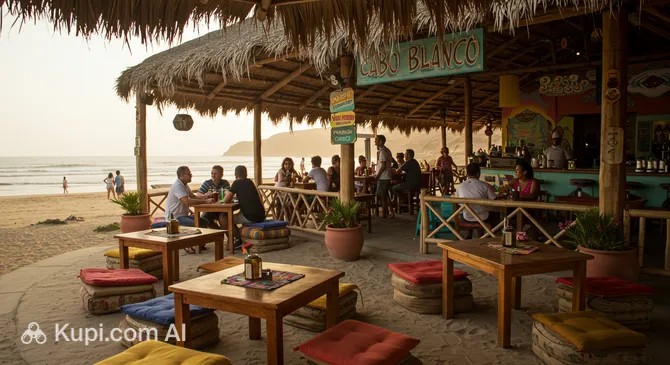
Cabo Blanco Restaurant. Source: Kupi.Binoculars
  • A Strategic WWII Base: During World War II, Talara was home to a significant United States airbase known as "El Pato." The base was established to protect the Pacific coastline and the vital local oil fields from potential attacks, and remnants of this American presence can still be observed in the architecture of certain residential areas.

  • Ancient Stone Forests: Just a short distance south of the city lies the "Bosque Petrificado" (Petrified Forest) in the district of Negritos. This geological curiosity contains fossilized tree trunks dating back to the Eocene epoch, roughly 50 million years ago, offering a silent testament to a time when this desert was a lush tropical forest.

  • The Hemingway Connection: The city serves as the gateway to the legendary fishing grounds of Cabo Blanco. This area became world-famous in the 1950s when Ernest Hemingway stayed there for over a month, fishing for black marlin and filming scenes for the movie adaptation of The Old Man and the Sea.

  • A Culinary Tribute: The region's maritime abundance is not just for sport; it defines the local culture. The city's gastronomy is celebrated for its freshness, with establishments like the Cabo Blanco Restaurant keeping the tradition alive by serving dishes prepared with the day's catch from the rich waters of the Humboldt Current.

How to Get There

Reaching this northern coastal city is relatively straightforward, thanks to its own airport and proximity to other major transport hubs in the region. Whether you are arriving for business or to explore the nearby beaches, you can find detailed information on all ways to reach the city to help plan your itinerary efficiently.

The most convenient entry point is the local Captain FAP Victor Montes Arias Airport (TYL), located just 1.1 km from the city center. This terminal allows travelers to fly directly into the city, with the downtown area being just minutes away. For those seeking more flight connections or international options, the Cap. FAP Guillermo Concha Iberico International Airport (PIU) is a significant alternative. It is located in the city of Piura, about 98.5 km away. Travelers landing in Piura can take a taxi or bus to Talara, a journey that typically takes approximately 2.5 to 3 hours by road.

For clarity, here is a summary of the main airports:

Airport Name City Passenger Traffic Km from City
Cap. FAP Guillermo Concha Iberico International Airport Piura Large 98.5
Cornel Ruiz Airport Chiclayo Medium 290.1
Captain FAP Victor Montes Arias Airport Talara Regional 1.1
Capitan FAP Pedro Canga Rodriguez Airport Tumbes Regional 149.9
Ciudad de Catamayo Airport Loja Small 219.4

Main Attractions

The heart of the city beats around Plaza Grau, the main square that serves as a central gathering point for locals and visitors alike. Named after the Peruvian naval hero Miguel Grau, this plaza is a perfect spot to observe daily life in Talara. With its well-maintained gardens and the iconic monument dedicated to the "Knight of the Seas," it offers a pleasant space to take a stroll, enjoy the evening breeze, or simply rest on a bench after a day of exploration.

Directly facing the plaza stands the Iglesia La Inmaculada (Church of the Immaculate), the most important religious landmark in the city. The original wooden structure was destroyed by a fire in the mid-20th century, leading to the construction of the current modern edifice. Its striking white façade and tall bell tower dominate the city center, making it a key architectural reference and a symbol of the community's resilience and faith.

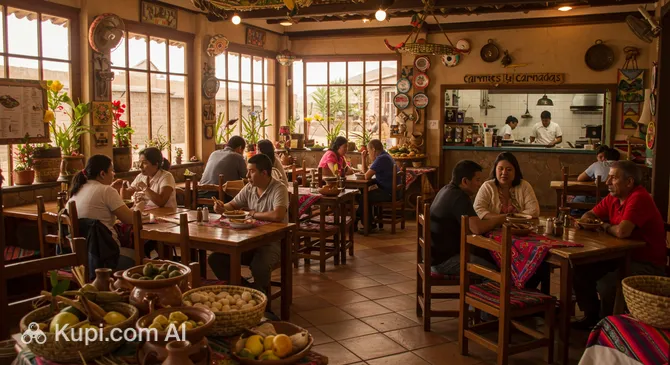
For those looking to experience the local culinary scene, the city offers excellent options that highlight regional flavors. A popular choice for meat lovers is the Carnes y Carnadas Restaurant. This establishment is well-regarded for its hearty grilled dishes and inviting atmosphere, making it a great place to enjoy a satisfying meal with family or friends.

Carnes y Carnadas Restaurant. Source: Kupi.Binoculars

Another culinary gem is the Cabo Blanco Restaurant, which pays homage to the region's rich fishing tradition. As its name suggests, it draws inspiration from the famous nearby fishing village, offering diners fresh seafood and traditional Peruvian coastal cuisine. It is an ideal spot to taste the "fruits of the sea" that make this part of the Pacific coast so renowned among food enthusiasts.

Just a short drive from the city center lies Lobitos, a destination that has transformed from an old oil camp into a world-class surfing paradise. Famous for its consistent waves and unique landscape dotted with Victorian-style wooden houses, it attracts surfers from around the globe. Even if you don't surf, the rugged beauty of its beaches and the peaceful atmosphere make it a fascinating day trip from Talara.

Local Cuisine

The culinary scene in Talara is deeply influenced by its coastal location and the rich gastronomic traditions of the Piura region. As a port city, the daily catch dictates the menu, offering visitors some of the freshest seafood in Peru. The food here is flavorful and hearty, often seasoned with local ingredients like lemon, chili peppers, and corn, creating a dining experience that is both authentic and memorable.

No visit to this part of the country is complete without trying Ceviche. In Talara, this national dish is typically prepared with the catch of the day, such as grouper or sea bass, marinated in strong lime juice and served with onions, corn, and sweet potato. Another must-try is Sudado de Pescado, a steamed fish stew cooked with tomatoes, onions, and spices, often accompanied by rice or cassava. For those looking to taste a regional specialty, Seco de Chavelo—a savory mixture of mashed green plantains and dried meat—is a staple of northern Peruvian cuisine that packs a punch of flavor.

To accompany these meals, locals often turn to traditional beverages. Chicha de Jora, a fermented corn beer with ancient roots, is widely consumed and pairs perfectly with spicy dishes. A lighter and sweeter alternative unique to the Piura region is Clarito, often served as an appetizer or a refreshing drink to beat the desert heat. Of course, non-alcoholic options like fresh coconut water or juices made from seasonal tropical fruits are always available and incredibly refreshing.

The food culture in Talara ranges from bustling local markets, where you can find affordable and fresh breakfasts, to established dining venues. "Picanterías" are traditional lunch spots that are popular among residents for their generous portions and home-cooked style. For a more formal dining experience, visitors can explore options like the Cabo Blanco Restaurant, which specializes in preparing the ocean's bounty with local flair. Alternatively, if you are in the mood for grilled meats rather than seafood, Carnes y Carnadas Restaurant is a well-known spot to enjoy a hearty steak dinner.

Travel Tips

Visiting Talara offers a unique opportunity to experience the industrial heartbeat of Northern Peru while serving as a gateway to some of the continent's best surf spots. To help you navigate this bustling port city with ease and confidence, we have compiled a list of essential practical advice for your journey.

  1. Clothing and Gear: Since Talara is located in a desert zone, the weather is predominantly hot and dry. Pack lightweight, breathable clothing such as cotton or linen to stay cool during the day. A wide-brimmed hat, high-quality sunglasses, and strong sunscreen are essential to protect against the intense equatorial sun. Although days are warm, evenings can get breezy, so bringing a light windbreaker is a smart idea.
  2. Transportation: The most common and affordable way to get around the city is by mototaxi (a motorized rickshaw). They are perfect for short distances, but be sure to agree on the fare before hopping in, as they do not use meters. Standard taxis are available for longer trips or airport transfers. If you plan to visit nearby beaches like Lobitos frequently, renting a car might be more convenient, though many surfers simply hire local drivers for the day.
  3. Finances: The local currency is the Peruvian Sol (PEN). While major hotels and some restaurants in the city center accept credit cards (Visa and Mastercard are most common), cash is king for smaller purchases, mototaxis, and local markets. ATMs are available around the main plaza and commercial areas, but it is wise to carry smaller bills and coins for daily transactions.
  4. Health and Safety: Pharmacies are widely available in the city center, with chains like Inkafarma often open late. As in many parts of Peru, do not drink tap water; always opt for sealed bottled water to avoid stomach issues. While the city center is generally safe during the day, exercise caution in the outskirts and near the port area at night, and keep an eye on your belongings in crowded places.
  5. Communication: The primary language is Spanish, and English is not widely spoken outside of the airport or tourist-specific services. Downloading an offline translation app or learning a few basic phrases like "¿Cuánto cuesta?" (How much does it cost?) and "¿Dónde está...?" (Where is...?) will be incredibly helpful. You can purchase a local SIM card from providers like Claro or Movistar in the downtown area for reliable internet access.
  6. Local Etiquette: Peruvians are generally polite and formal. It is customary to greet people with a "Buenos días" or "Buenas tardes" when entering a shop or boarding a taxi. If you are invited to a local's home or are interacting socially, a handshake is the standard greeting. Politeness goes a long way here, and locals appreciate visitors who show respect for their customs.
  7. What to Avoid: Avoid wearing swimwear or walking shirtless in the city center, shops, or churches; this is considered disrespectful and is reserved strictly for the beach. Additionally, since Talara is an oil city with industrial infrastructure, avoid taking photographs of restricted military or refinery areas, as this can lead to uncomfortable situations with security personnel.
  8. Wind Awareness: A specific tip for this region is to be prepared for the strong winds that often pick up in the afternoon. This is part of what makes the nearby coast so famous for kitesurfing, but in the city, it can kick up dust. Carrying a scarf or sunglasses can help protect your eyes and face if the wind gets gusty while you are walking around.

By keeping these practical tips in mind, you will be well-prepared to enjoy everything Talara has to offer, from its friendly locals to its delicious seafood. A little preparation will ensure your stopover or stay in this sun-drenched northern city is both safe and memorable.

Entertainment & Nightlife

While Talara is primarily known as an industrial port city rather than a nightlife capital like nearby Máncora, it still offers a lively and authentic evening atmosphere for visitors. The nightlife here is driven by the local community, creating a down-to-earth vibe where you can experience how residents unwind after a week of work. The action typically centers around the downtown area, particularly near Plaza Grau and the main commercial avenues such as Avenida B, where music spills out from open doorways and the streets remain bustling well into the night.

For many, a night out begins with a substantial meal. Since the city has a strong culinary tradition, "night restaurants" are a key part of the evening entertainment. A popular choice for a hearty dinner is the Carnes y Carnadas Restaurant. Known for its grilled meats and welcoming environment, it is an excellent spot to start the night with friends before heading to a bar. Another venue that captures the local flavor is the Cabo Blanco Restaurant; while famous for its seafood, it serves as a great reference point for the city's gastronomic culture, offering a relaxed setting to enjoy traditional dishes.

After dinner, the scene shifts to local bars, "restobars," and karaoke venues, which are incredibly popular in this region. The atmosphere is casual and unpretentious, with no strict dress codes—jeans and a t-shirt are perfectly acceptable. Musically, expect a mix of Latin rhythms; Salsa, Cumbia, and Reggaeton dominate the playlists, and it is not uncommon to see locals dancing spontaneously. The crowd is usually a mix of oil industry workers, locals, and travelers passing through to the surf beaches.

If you are planning a night out, the best time to experience the city's energy is on Friday and Saturday nights. Prices in Talara are generally moderate compared to larger tourist hubs, making it affordable to enjoy drinks and snacks. To get around safely, it is highly recommended to use official taxis rather than mototaxis late at night, especially if you are traveling between districts. While the city center is active, it is wise to avoid walking alone in poorly lit areas or on the outskirts of the city after dark.

Regarding daytime entertainment, options within the city limits are somewhat more modest compared to its nightlife. Talara does not have large amusement parks or extensive museum complexes. Instead, daytime leisure often revolves around social clubs, walking along the boardwalk, or visiting the main church. For most tourists, the primary "daytime entertainment" involves taking a short trip to the nearby beaches of Lobitos for surfing or relaxing by the ocean before returning to the city for the evening.

Parks & Museums

While Talara is primarily known as an industrial oil hub situated in a coastal desert, it offers a distinct selection of public spaces and natural wonders that serve as a respite from the arid surroundings. The city does not boast the lush botanical gardens found in wetter climates, but its central plazas and nearby geological formations provide fascinating opportunities for exploration and relaxation.

The heart of the city's social life is undoubtedly Plaza Grau. As the main urban park, it functions as a green oasis amidst the bustling streets, featuring well-tended gardens, shaded seating areas, and the iconic monument to Admiral Miguel Grau. It is a favorite spot for families and locals to gather in the evenings when the temperature drops, offering a genuine glimpse into the community's daily rhythm. Just a short distance away, the Plazuela Quiñones offers a quieter alternative, dedicated to the Peruvian aviation hero José Abelardo Quiñones, providing a respectful space for reflection and a pleasant walk.

For a truly unique natural experience, visitors should venture just south of the city to the Bosque Petrificado de Negritos (Petrified Forest of Negritos). This extensive area acts as a remarkable open-air reserve, showcasing fossilized tree trunks that date back nearly 50 million years to the Eocene epoch. It is a geological treasure that allows tourists to walk among the remnants of a prehistoric tropical forest, offering a stark and beautiful contrast to the current desert landscape.

In terms of museums and galleries, Talara's cultural offerings are woven into its landscape rather than confined within traditional exhibition halls. The city does not currently have a large dedicated history museum, so the Bosque Petrificado itself serves as the primary "paleontological museum," offering educational value about the region's ancient biological history. The site is increasingly recognized for its scientific importance and is a must-visit for anyone interested in natural history.

The city's history is best observed through its architectural landmarks. The towering Cristo Petrolero is a massive statue of Christ that stands atop a hill, symbolizing the city's faith and its economic foundation in the oil industry. Climbing to this viewpoint offers not only a closer look at the monument but also a panoramic vista of the refinery, the port, and the vast Pacific Ocean. Additionally, the Iglesia La Inmaculada stands out with its modern white architecture and soaring bell tower, serving as a key piece of religious heritage in the town center.

For an authentic local experience, take a walk through the neighborhoods that were once part of the "Campamento Americano." Here, you can still see the distinctive wooden houses built during the mid-20th century when foreign oil companies managed the area. These structures, with their porches and pitched roofs, serve as a living gallery of the city's industrial past, offering a unique architectural contrast to the modern Peruvian constructions surrounding them.

Getting Around

Public transport in Talara differs significantly from large metropolises; there is no subway, tram, or extensive municipal bus network. Instead, the city relies on a more informal and flexible system suited to its size and layout. For most visitors, getting around is straightforward, affordable, and often involves smaller vehicles that navigate the streets with agility.

The most ubiquitous and popular mode of transport within the urban area is the mototaxi. These three-wheeled, motorized rickshaws are the heartbeat of local mobility, perfect for short trips across town. They are abundant, easy to hail on almost any street corner, and their open-air design offers a breezy ride in the warm climate. For slightly longer distances or travel between specific districts, you will find combis (minivans) and colectivos (shared taxis). These vehicles typically follow fixed routes, such as the connection between the city center and the district of Negritos or the popular surf spot of Lobitos.

The payment system is exclusively cash-based. There are no travel cards, digital passes, or tap-to-pay systems for public transit here. Passengers pay the driver directly upon reaching their destination or, in the case of combis, to a conductor (known as a cobrador). Fares are generally very low, often costing just a few Soles depending on the distance. It is crucial to carry small change (coins and small bills), as drivers often struggle to break large banknotes.

Standard taxis are widely available and serve as a more comfortable alternative to mototaxis, especially if you are traveling with luggage or moving around at night. Unlike in some capital cities, taxis here do not use meters. You must negotiate and agree on the fare with the driver before getting into the car. While some global ride-sharing apps may have a limited presence, they are not reliable; it is far more common and effective to ask your hotel to call a trusted taxi service or to hail an official marked vehicle on the street.

For tourists, the best advice is to embrace the local rhythm. Mototaxis operate from early morning until late at night, but for safety and comfort, switch to standard taxis after dark. If you plan to visit the nearby beaches via colectivo, these usually depart from specific terminals or street corners in the city center; ask locals for the "paradero" (stop) corresponding to your destination. Since the downtown area around Plaza Grau is compact, walking is also a viable and pleasant option for exploring the main shops, restaurants, and the church.

Accommodation

Where to Stay:

Accommodation in Talara primarily caters to the oil industry and business travelers, resulting in a selection of functional and comfortable lodgings rather than expansive luxury resorts. Visitors will typically find a range of mid-range hotels and budget-friendly hostels. While the city itself is not a traditional resort destination, the standards are generally adequate for a short stay or a layover before heading to the nearby surf beaches.

The most convenient area to stay is the city center (Downtown), particularly around the main avenues and near Plaza Grau. Staying here places you within walking distance of essential services, restaurants, and the transport terminals needed to reach coastal destinations like Lobitos. For those with early flights or short stopovers, there are also practical options located relatively close to the airport, offering quick access for travelers in transit.

Regarding costs, prices in Talara are usually moderate compared to major Peruvian tourist hubs. You can expect reasonable rates for the most comfortable business hotels, while smaller local hostels offer very affordable budget options. It is advisable to book your accommodation in advance, especially during the work week when hotels may be fully occupied by industry professionals, or during the peak summer months (January to March). Most established hotels can be booked via major online platforms, which is recommended for securing the best rates and guaranteeing availability.

Nearby Cities

For those looking to explore the surroundings, Talara serves as an excellent base for day trips to several interesting nearby locations:

City Population Distance (km)
Chiclayo 552,508 288
Piura 473,025 93
Paita 179,346 59
Sullana 162,434 71
San Ignacio 127,523 257

One of the most accessible destinations is Paita, located less than an hour away. This historic port city is known for its colonial architecture and maritime tradition, serving as a gateway to the popular beach resort of Colán. It is an ideal spot for those wanting to combine history with a relaxing afternoon by the sea.

Just inland from the coast lies Sullana, often referred to as the "Pearl of the Chira." Situated in a fertile valley, it offers a lush, green contrast to the surrounding desert landscape. Visitors can enjoy the warmer climate and explore the vibrant local markets that showcase the agricultural abundance of the region.

For a more urban experience, the regional capital, Piura, is within easy reach for a day trip. Famous for its "eternal heat" and rich cultural heritage, the city invites travelers to visit the home of Admiral Miguel Grau and taste some of the best traditional cuisine in northern Peru.

These nearby destinations offer a glimpse into the diverse culture and landscapes of the region.

Shopping & Souvenirs

Shopping in Talara is a reflection of its character as a busy industrial port city rather than a dedicated tourist retail destination. Visitors will not find high-end luxury boutiques or sprawling fashion districts here. Instead, the commercial scene is practical, vibrant, and centered around meeting the daily needs of locals and workers. For travelers, it offers a genuine look at Peruvian commerce, with a mix of modern conveniences and traditional market life that provides everything from travel essentials to local curiosities.

The main commercial activity is concentrated in the downtown area, particularly along Avenida B and the streets radiating from Plaza Grau. This zone serves as the city's open-air shopping mall, lined with pharmacies, banks, clothing stores, and small electronics shops. It is a bustling strip where you can find beach gear, sunglasses, and summer clothing suitable for the desert climate, often at very affordable prices compared to larger tourist hubs.

For a more modern shopping experience, the city hosts the Plaza Vea supermarket and retail complex. This is the primary destination for those seeking air-conditioned comfort and familiar brands. It functions as a compact shopping center where you can purchase groceries, toiletries, and general merchandise in a standardized environment. It is also a reliable spot for finding ATMs and accepting card payments without hassle.

To experience the authentic local flavor, a visit to the Mercado Central (Central Market) is essential. This teeming marketplace is the heart of local trade, overflowing with fresh fruits from the nearby valleys and the day's catch from the Pacific Ocean. While it is primarily a food market, it is a fascinating place to wander through. You can find stalls selling affordable clothing, household items, and sometimes local handicrafts tucked away between the vendors.

When it comes to souvenirs, Talara is not a major artisan center, but you can still find unique keepsakes. Look for crafts made from marine shells, which are common given the coastal location. Additionally, you may find regional products from the wider Piura area, such as algarrobina (a syrup made from the black carob tree) or woven straw hats. These items are often sold in smaller independent shops or by vendors near the main plaza.

Opening hours generally follow a split schedule for smaller, independent shops, which often close for a "siesta" break between 1:00 PM and 4:00 PM, reopening until around 8:00 PM. However, the Plaza Vea supermarket and major chain stores typically operate continuously from morning until 10:00 PM. Regarding payment, cash is king in Talara. While the supermarket and larger establishments accept credit cards, small vendors, market stalls, and mototaxis deal exclusively in Peruvian Soles, so it is wise to carry small bills and coins.

Tourists should be aware that while Peru offers a tax-free shopping scheme for international visitors, it generally applies to specific affiliated stores that display the "Tax Free" signage. In a city like Talara, such stores are rare. Therefore, it is best to assume that the price you see is the final price, and tax refunds are unlikely to be an option for typical local purchases here.

Reached the end of the page?

That means the route is fully explored