Support

Salinas

About

Salinas is widely recognized as one of the most popular beach resort cities in Ecuador. Located on the westernmost tip of the Santa Elena Peninsula, this vibrant destination is often compared to Miami due to its impressive skyline of high-rise condominiums and bustling atmosphere. With a population of approximately 35,000 residents, the city offers a lively mix of modern amenities and coastal charm, making it a favorite getaway for both locals and international travelers.
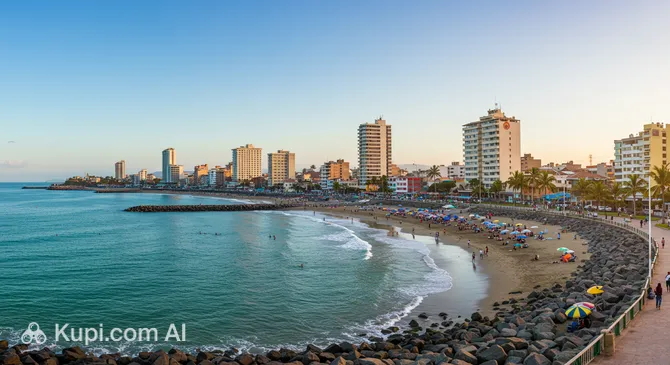
Salinas. Source: Kupi.Binoculars

While the city is famous for its contemporary resort vibe, the region possesses a rich cultural background. Those curious about the history of Salinas can explore the local heritage which dates back to ancient coastal civilizations. Today, the city serves as the capital of the Santa Elena Province and is blessed with a warm, dry climate year-round, perfect for enjoying its extensive sandy shores.

Travelers are drawn to Salinas for its diverse attractions. La Chocolatera, located within a naval reserve, is a must-visit spot representing the westernmost point of mainland Ecuador, where crashing waves create a spectacular natural show. The city’s main beaches, such as the lively San Lorenzo and the calmer Chipipe, cater to different preferences, whether you seek water sports or relaxation. Additionally, from June to October, the coastal waters become a prime location for whale watching, offering visitors a chance to see humpback whales migrating close to the shore.

Whether you are looking to relax by the ocean, enjoy fresh seafood, or experience vibrant nightlife, Salinas provides a welcoming environment for a memorable vacation. Its unique combination of urban energy and natural beauty makes it an essential stop on any tour of the Ecuadorian coast.
Weather Overview

Salinas enjoys a consistently warm and pleasant climate, making it an ideal destination for beachgoers throughout the year. The city typically experiences average temperatures ranging from approximately 22°C to 26°C. The warmest period generally occurs between January and April, where February sees average highs reaching around 27.6°C. The cooler months, such as August and September, offer milder conditions with averages hovering near 22°C.

Precipitation in the region is notably low, though patterns vary slightly across the seasons. The early months of the year, particularly February and March, tend to have a higher number of wet days, despite the overall rainfall volume remaining minimal. Conversely, the period from August to November is significantly drier, with very few wet days recorded. For those planning a visit and needing more specific details on climate trends, you can consult the guide to weather in Salinas.

Expect warm days perfect for seaside activities year-round, with occasional dampness in the early months and drier, slightly cooler weather later in the year.

Interesting Facts

Beyond the sun-soaked high-rises and popular beaches, Salinas holds several fascinating secrets and historical footnotes that many visitors overlook. Here are a few unique aspects of this coastal city that go beyond the typical tourist experience.

  • The city's name is quite literal; "Salinas" translates to "Salt Mines." For centuries, this area has been a major center for salt extraction. Just outside the urban center, you can still observe the vast salt evaporation ponds known as Ecuasal, where the water often turns a striking pink hue due to microscopic algae and brine shrimp.

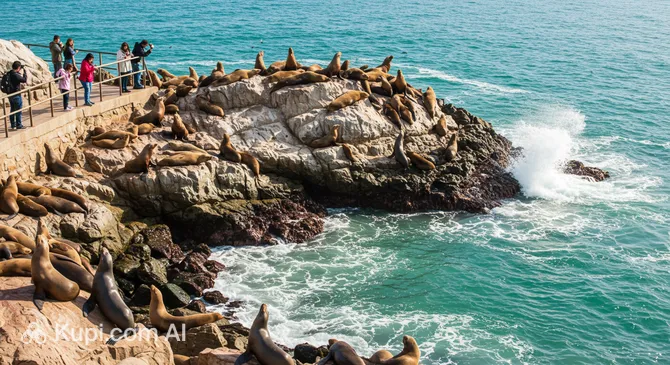
  • While many flock to the main beaches, nature enthusiasts should head to La Lobería. This secluded area, located within the coastal marine reserve, is home to a colony of South American sea lions. It offers a rare chance to observe these playful marine mammals resting on the rocks in their natural habitat, just a short distance from the city bustle.

  • Salinas played a surprising strategic role during World War II. The United States established a military outpost here known as "Beta Base" to patrol the Pacific and protect the Panama Canal. This military presence significantly accelerated the development of the local infrastructure, paving the way for the modern city seen today.

  • The famous point known as La Chocolatera gets its delicious-sounding name from a natural phenomenon rather than a sweet treat. The strong converging currents at this westernmost tip of Ecuador kick up the sandy ocean floor, turning the churning water a thick, brown color that resembles a pot of boiling chocolate.

La Lobería. Source: Kupi.Binoculars

How to Get There

Reaching this coastal paradise is relatively straightforward, primarily involving a connection through one of Ecuador's major cities. While the resort town itself is tucked away on the peninsula, the journey offers a scenic introduction to the region. For a complete guide on all available transport options and routes, you can read more about how to get to Salinas.

The city of Salinas does not have its own international airport, but you can fly into Jose Joaquin de Olmedo Airport (IATA: GYE) in the city of Guayaquil, which is about 121 km from Salinas. This is the primary hub for most international and domestic travelers heading to the coast. From Guayaquil, the journey to Salinas by taxi or bus takes approximately 3 hours and 20 minutes, traveling along a well-paved highway that cuts through the Santa Elena landscape.

Another option for regional connections is Manta Airport (IATA: MEC) in the city of Manta, located roughly 143 km away. While less common for international arrivals compared to Guayaquil, it serves as an alternative entry point. The drive from Manta to Salinas typically takes around 4 hours. Travelers arriving here can rent a car or arrange for private transfer services to reach their final destination.

For clarity, here is a summary of the main airports:

Airport Name City Passenger Traffic Km from City
Jose Joaquin de Olmedo Airport Guayaquil Large 120.9
Mariscal Lamar International Airport Cuenca Medium 233.3
Manta Airport Manta Medium 143.1
Captain FAP Victor Montes Arias Airport Talara Small 263.9
Capitan FAP Pedro Canga Rodriguez Airport Tumbes Small 162.5

Since there is no commercial railway service connecting directly to Salinas, the most common way to complete the journey from the airport is by road. Regular buses depart frequently from the terminal in Guayaquil, offering an affordable and reliable link to the Santa Elena Peninsula. Alternatively, private shuttles and car rentals provide more flexibility for those wishing to explore the coast at their own pace.

Main Attractions

Salinas is often called the capital of sun and beach in Ecuador, offering a variety of coastal experiences ranging from bustling, energetic shores to secluded nature reserves. The city's layout along the peninsula means that most major attractions are centered around the water, catering to sunbathers, sports enthusiasts, and nature lovers alike.

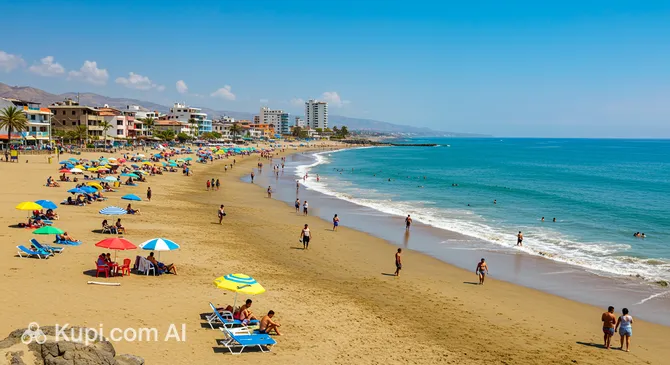
One of the most famous spots in the city is San Lorenzo Beach. Located in the heart of the modern resort area, this beach is known for its vibrant atmosphere and the impressive backdrop of high-rise white condominiums. It is the place to be for action and entertainment, offering excellent conditions for water sports such as jet skiing and wakeboarding. The beach is lined with a bustling malecón (boardwalk) filled with restaurants and craft stalls, making it lively day and night.

San Lorenzo Beach. Source: Kupi.Binoculars

For those seeking a more relaxed environment, Chipipe Beach is the perfect alternative. Situated just past the Salinas Yacht Club, this beach is wider and generally quieter than its neighbor, San Lorenzo. The waters here are typically calmer, making it an ideal location for families with children or swimmers looking for a gentle dip in the ocean. The atmosphere is laid-back, allowing visitors to enjoy the sun without the intense crowds often found in the city center.

Nature enthusiasts should not miss the opportunity to visit La Lobería. Located at the tip of the Santa Elena Peninsula within a marine reserve, this area is named after the colony of sea lions that inhabit the rocky coast. It offers a stark contrast to the sandy beaches of the city, featuring dramatic cliffs and crashing waves. A well-maintained path leads to a viewing platform where tourists can observe the sea lions basking in the sun and playing in the surf.

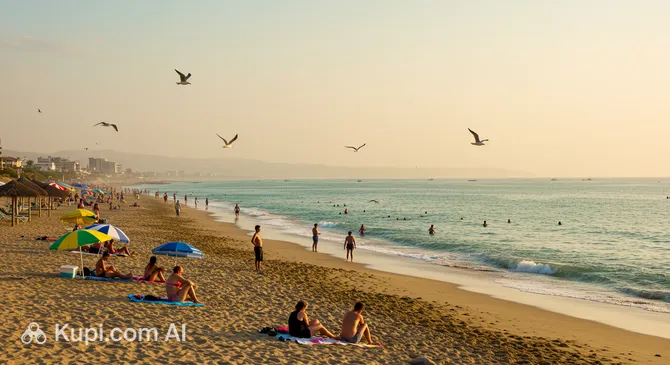
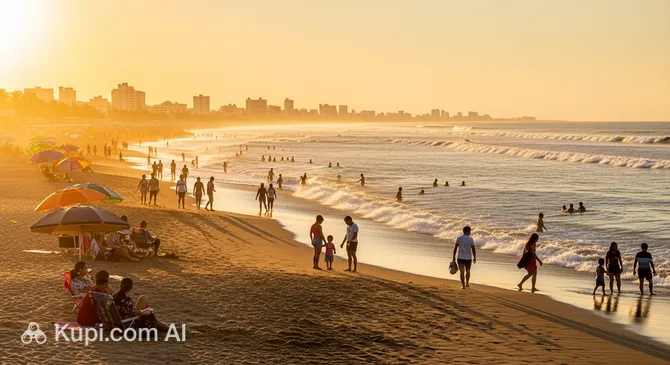
Finally, the broader area known simply as Salinas Beach encompasses the main stretch of sand that defines the city's character. This extensive coastline is perfect for long walks at sunset, beach volleyball, or simply renting a tent to spend the day by the sea. It serves as the primary gathering point for locals and tourists, hosting various events and festivals throughout the peak season.

Salinas Beach. Source: Kupi.Binoculars

Local Cuisine

Local Cuisine:

The culinary scene in Salinas is inextricably linked to the ocean, offering some of the freshest seafood in Ecuador. As a premier coastal destination, the city prides itself on "ocean-to-table" dining, where the catch of the day is often transformed into vibrant, flavorful dishes within hours. Visitors can expect a menu dominated by shrimp, lobster, octopus, and a variety of fish, all seasoned with local herbs and spices that define the coastal flavor profile.

One dish that every visitor must try is the Ecuadorian ceviche. Unlike versions found in other countries where the seafood is "cooked" solely in lime juice, the local shrimp ceviche is typically served in a tangy, tomato-based sauce, often accompanied by chifles (thin plantain chips) or popcorn. Another staple is arroz marinero, a hearty seafood rice similar to paella, packed with shellfish and colorful vegetables. For a classic side dish, look for patacones, which are thick, fried slices of green plantain that perfectly complement fried fish or grilled seafood platters.

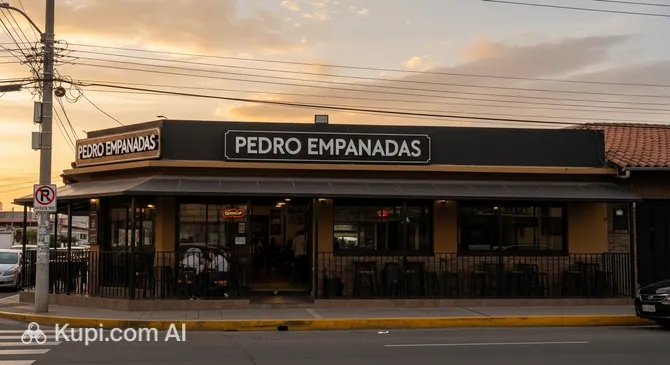
Pedro Empanadas. Source: Kupi.Binoculars

The dining culture in Salinas revolves largely around the bustling Malecón, where restaurants and open-air eateries line the boardwalk. Here, you can enjoy a casual meal with the sound of the waves in the background. For those looking for a quick and delicious bite, places like Pedro Empanadas offer a taste of local comfort food, perfect for a midday snack or a light dinner. The atmosphere is generally relaxed, with dress codes rarely exceeding "smart casual" even in the nicer establishments.

When it comes to drinks, nothing beats a cold local beer or a fresh fruit juice made from tropical favorites like maracuyá (passion fruit) or guanábana (soursop). As the sun sets, the city's nightlife wakes up, and many visitors head to spots like Café Jazz or Locals Point to enjoy cocktails and socialize. Whether you are sipping a caipirinha by the beach or enjoying a robust coffee, the beverage options are as refreshing as the sea breeze.

Travel Tips

Welcome to Salinas! To ensure your beach vacation on the Santa Elena Peninsula is as relaxing and hassle-free as possible, we have compiled a list of essential practical advice. These tips will help you navigate the local customs, stay safe, and make the most of your time in this sunny coastal city.

  1. Clothing and Gear: Since Salinas is a coastal destination, casual beachwear is the norm. Pack lightweight, breathable fabrics like cotton or linen to stay cool. However, the sun near the equator is exceptionally strong, so a high-SPF sunscreen, a wide-brimmed hat, and sunglasses are mandatory. Evenings can get breezy, especially from June to September, so bringing a light jacket or sweater is a smart move.
  2. Transportation: The most convenient way to get around the city is by taxi. Yellow taxis are abundant and relatively inexpensive. While some may use taximeters, it is more common to negotiate and agree on the fare before getting into the car. For short distances along the boardwalk (Malecón), walking is safe and enjoyable. Ride-hailing apps are less reliable here than in larger cities like Guayaquil.
  3. Finances: Ecuador uses the US Dollar (USD) as its official currency. While hotels and larger restaurants accept credit cards, cash is king for small vendors, taxis, and beach kiosks. It is crucial to carry small bills ($1, $5, $10, and $20); many local merchants cannot make change for $50 or $100 bills. ATMs are widely available in the city center and near the Malecón.
  4. Health and Safety: Always drink bottled water and avoid tap water, even for brushing your teeth, to prevent stomach issues. Pharmacies (farmacias) are easy to find along the main avenues; look for chains like Cruz Azul or Fybeca. generally, Salinas is safe for tourists, but exercise common sense: do not leave valuables unattended on the beach and avoid unlit areas away from the tourist zones late at night.
  5. Communication: The official language is Spanish. While staff at major hotels and tourist restaurants may speak English, it is not widely spoken by taxi drivers or shopkeepers. Learning a few basic phrases like "¿Cuánto cuesta?" (How much does it cost?) and "Gracias" (Thank you) goes a long way. You can buy a prepaid SIM card from providers like Claro or Movistar at local shops to stay connected.
  6. Local Etiquette: Ecuadorians are polite and value greetings. It is customary to say "Buenos días" (Good morning) or "Buenas tardes" (Good afternoon) when entering a shop or boarding a taxi. When interacting with locals, a friendly demeanor is appreciated. Dress codes are relaxed, but it is respectful to wear a shirt or cover-up when leaving the beach to enter shops or restaurants.
  7. What to Avoid: Avoid buying tours or renting jet skis from unauthorized vendors on the beach who do not have official identification or a physical booth. It is safer and often more reliable to book water sports and excursions through your hotel or established agencies located along the Malecón.
  8. Seasonal Tip: Be aware of the "temporada" (high season). From January to April, Salinas is bustling with vacationers, parties, and higher prices. If you prefer a quieter experience and want to see the humpback whales, plan your visit between June and September, when the town is calmer and nature takes center stage.

By keeping these practical tips in mind, you will be well-prepared to enjoy the sun, sand, and culture of Salinas. Have a wonderful trip and soak up the laid-back vibes of Ecuador’s premier coastal resort!

Entertainment & Nightlife

As the sun sets over the Pacific, Salinas transforms from a relaxed beach town into the vibrant nightlife capital of the Santa Elena Peninsula. The epicenter of this nocturnal energy is undoubtedly the Malecón of San Lorenzo. This bustling boardwalk is lined with an array of bars, discos, and open-air lounges where the music spills out onto the street, creating a festive atmosphere that often lasts until dawn, especially during the high season (January to April).

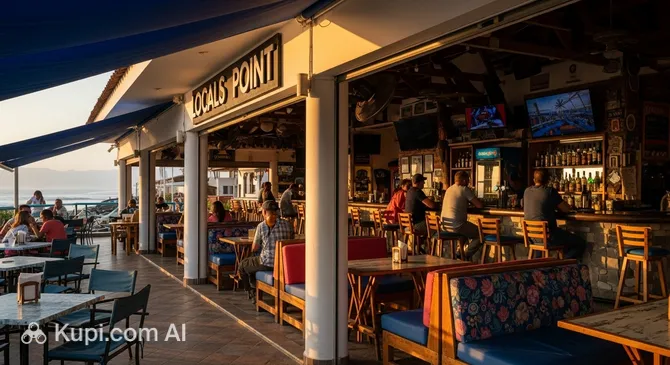
For those looking to dance the night away, RockaBar is a popular destination. Known for its energetic vibe and mix of Latin and international hits, it draws a lively crowd eager to enjoy the party scene. If you prefer a slightly more laid-back environment to start your evening, Locals Point offers a great setting for cocktails and conversation. It is an excellent spot to mingle with both residents and tourists while enjoying the cool ocean breeze.

Locals Point. Source: Kupi.Binoculars

Dining often merges seamlessly with nightlife here. Places like Los Helechos Bar & Restaurant provide a perfect transition from a delicious dinner to evening drinks. The atmosphere in Salinas is generally "beach chic"—while you might see people dressed up for the clubs, the dress code remains relatively casual compared to big cities like Guayaquil. Smart casual attire, such as jeans and a nice shirt, fits in perfectly almost everywhere.

Practicality is key to enjoying the night safely. Most action is concentrated along the main boardwalk, which is well-lit and patrolled, making it safe for walking. However, if you venture further inland or visit venues in the Chipipe area, it is best to take a yellow taxi. Fares are affordable, usually ranging between $2 and $5 for short trips within the city. Prices for drinks and cover charges can vary; expect higher costs during holidays and peak weekends.

While nightlife is a major draw, Salinas offers daytime entertainment beyond the beach as well. For a dose of culture, visitors can explore the Museo Amantes de Sumpa, which showcases the region's ancient history and archaeological finds. Additionally, the city features small cinemas and shopping centers like Paseo Shopping, providing family-friendly leisure options before the sun goes down and the music turns up.

Parks & Museums

While Salinas is predominantly known for its modern skyline and coastal energy, the city and its surroundings offer remarkable green spaces and cultural venues that provide a deeper understanding of the region. Beyond the sun loungers, visitors can discover ecological reserves teeming with wildlife and museums that safeguard the ancient history of the Santa Elena Peninsula.

The most significant natural area is undoubtedly the Reserva de Producción Faunística Marino Costera Puntilla de Santa Elena. This vast protected area encompasses the westernmost tip of Ecuador and offers a network of walking trails that wind through arid coastal vegetation. It is a haven for nature lovers, featuring designated viewpoints where you can observe colonies of sea lions and a variety of seabirds. The reserve is not just about wildlife; it also houses the iconic lighthouse, which provides panoramic views of the crashing Pacific Ocean.

For a more relaxed natural setting closer to the city center, Chipipe Beach serves as a tranquil escape. Unlike the bustling main strip, this area functions almost like a natural park by the sea, with its wide, sandy shores and calm waters protected by the bay. It is the perfect spot for a quiet afternoon walk or a picnic, offering a serene atmosphere where families can connect with nature without leaving the urban comfort.

Chipipe Beach. Source: Kupi.Binoculars

Culturally, the city offers fascinating insights into marine life and pre-Columbian history. The Museum of Whales (Museo de Ballenas) is a unique institution dedicated to the cetaceans that migrate off the coast. The museum displays an impressive collection of whale skeletons, fossils, and educational exhibits, making it an engaging stop for visitors of all ages interested in marine biology and conservation.

Another essential cultural landmark is the Museo Amantes de Sumpa, located just a short distance away in the neighboring town of Santa Elena. This archaeological site and museum is famous for the "Lovers of Sumpa," the skeletons of a man and woman found embracing in a grave dating back thousands of years. The museum offers a profound look into the Las Vegas culture, one of the oldest settlements in the Americas, showcasing their burial customs and daily life.

For those interested in maritime history, the Naval Archeological Museum provides a glimpse into the region's relationship with the sea, featuring artifacts recovered from shipwrecks and exhibits on navigation. To experience a lesser-known side of Salinas, take a trip to the Ecuasal Salt Mines at dusk. This industrial yet natural landscape often attracts flocks of pink flamingos and other migratory birds, offering a spectacular and authentic photography opportunity away from the typical tourist trail.

Getting Around

Navigating Salinas is relatively simple and straightforward, as the city is compact and does not rely on complex heavy rail systems like metros or trams. The public transport network primarily consists of a reliable bus system and an abundance of taxis, which together cover the entire urban area and connect it seamlessly with the neighboring towns of La Libertad and Santa Elena.

The local buses are the most economical way to get around. These buses typically run along the main avenues, including the Malecón and Avenue General Enríquez Gallo, making frequent stops near major hotels, beaches, and shopping areas. Destinations are usually displayed on a placard in the front window. There are no travel cards or digital passes; payment is made strictly in cash directly to the driver or the assistant (known as the "oficial") upon boarding. The fare is very low, typically costing just a few cents (around $0.30 to $0.40 USD), so it is essential to carry small coins or $1 bills.

For a more direct and private mode of transport, yellow taxis are ubiquitous and operate 24 hours a day. They are easy to hail on the street, especially along the boardwalk, or can be found at designated stands near supermarkets and plazas. While taxis are equipped with meters, they are rarely used for short trips within the city. It is standard practice to negotiate and agree on the fare with the driver before getting into the vehicle. A typical ride within the city limits usually costs between $2.00 and $4.00, depending on the distance and time of day.

Ride-sharing apps are not as dominant or reliable here as they are in larger metropolitan hubs. While you might find some availability, the local yellow taxis are generally faster to find and safer, provided you use registered vehicles. For short distances, particularly between San Lorenzo and Chipipe beaches, walking is often the most pleasant option, allowing you to enjoy the ocean breeze and coastal views along the Malecón.

Buses generally operate from early morning, around 6:00 AM, until approximately 9:00 PM or 10:00 PM. If you plan to travel late at night, taxis are your best and safest alternative. There is no central validation system for tickets; you simply pay for a single ride each time. Tourists should also be aware of the "chivas"—colorful, open-air buses that play loud music and tour the city at night. While they look like transport, they are actually mobile party venues and sightseeing attractions rather than practical public transit.

Accommodation

Accommodation in Salinas reflects its status as Ecuador's premier beach destination, offering a wide spectrum of choices to suit every budget and travel style. The city is famous for its impressive skyline of white high-rise buildings, meaning that vacation rentals and private apartments are extremely common and popular, especially for families or groups planning longer stays. Beyond condos, visitors can find everything from backpacker-friendly hostels and budget guesthouses to mid-range hotels and upscale resorts with full amenities.

When choosing where to stay, location is key to defining your experience. The neighborhood of San Lorenzo is the heart of the action, situated right along the bustling Malecón. staying here puts you within walking distance of the best nightlife, restaurants, and the main beach, though it can be noisier at night. For those seeking a quieter, more family-oriented atmosphere, the Chipipe area is an excellent alternative. It is located just a short distance away but offers a more residential feel with a calmer beach and less traffic.

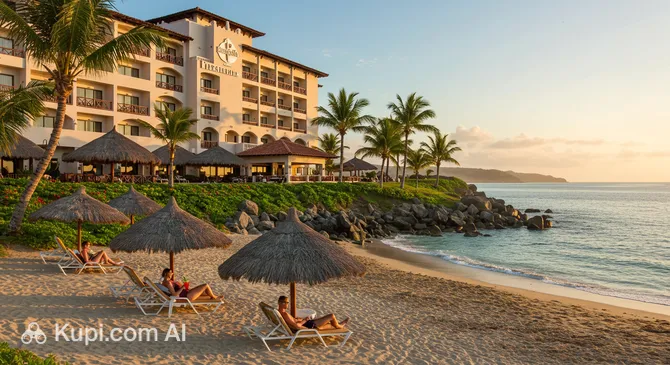
For travelers looking for established comfort and services, the city boasts several reputable hotels. A well-known option in the area is the Presidente Premium Hotel, which is recognized for its strategic location and range of guest facilities. Staying in a hotel like this often provides convenient access to the beach while offering a retreat from the midday sun.

Presidente Premium Hotel. Source: Kupi.Binoculars

Booking Tip: Salinas is a highly seasonal destination. During the peak "temporada" months from January to April, and especially during holidays like Carnival and Easter, occupancy rates skyrocket. It is highly recommended to book your accommodation several months in advance if you plan to visit during these times to secure your preferred spot and avoid inflated prices.

In terms of pricing, costs can vary significantly depending on the season. During the low season (June to November), you can find excellent deals on luxury rentals and hotels, making it a budget-friendly time to visit. While many established hotels and online booking platforms accept credit cards, smaller guesthouses and some vacation rentals may prefer cash or direct bank transfers. Using major international booking sites is generally the safest and most convenient way to secure your reservation.

Nearby Cities

For those looking to explore the surroundings, Salinas serves as an excellent base for day trips to several interesting nearby locations:

City Population Distance (km)
Guayaquil 2723665 120
Manta 217553 140
Portoviejo 206682 140
Milagro 133508 153
La Libertad 95942 8

La Libertad is the immediate neighbor of Salinas and offers a completely different atmosphere just minutes away. While Salinas is known for leisure and resorts, La Libertad is the commercial heartbeat of the peninsula. It is an excellent place to visit for a glimpse of authentic local life, featuring bustling markets where you can find everything from fresh seafood and exotic fruits to clothing and electronics at very affordable prices.

For a full day of urban exploration, Guayaquil is the most popular choice. Located about two hours away by car, it is Ecuador's largest city and main port. Visitors can stroll along the famous Malecón 2000, a scenic riverfront boardwalk, or climb the colorful steps of the historic Las Peñas neighborhood for a panoramic view. A unique stop is the Parque Seminario, also known as "Iguana Park," where dozens of green iguanas roam freely among the visitors.

These nearby destinations offer a glimpse into the diverse culture and landscapes of the region.

Shopping & Souvenirs

While Salinas is primarily known as a beach resort rather than a shopping destination, visitors will find a variety of options ranging from colorful artisan stalls to modern retail centers. The shopping experience here caters largely to vacationers, focusing on beach essentials, souvenirs, and local handicrafts that reflect the coastal culture.

The most popular place to browse for unique gifts is along the Malecón of San Lorenzo. As you walk down the boardwalk, you will find numerous vendors and small kiosks selling handmade jewelry, often crafted from the Spondylus shell. This reddish-orange shell was considered sacred by ancient pre-Columbian civilizations and remains a symbol of the region. In addition to jewelry, you can find vibrant beachwear, sunglasses, and the famous Ecuadorian toquilla straw hats (Panama hats), which are perfect for protection against the equatorial sun.

For a modern shopping experience with air conditioning and familiar brands, the Paseo Shopping Peninsula is the go-to location. Situated conveniently between Salinas and the neighboring town of La Libertad, this large mall serves as the commercial heart of the area. It features a well-stocked supermarket for those staying in apartments, a cinema, a food court, and a wide selection of stores offering clothing, shoes, and electronics. It is the best spot to buy groceries, forgotten travel items, or simply to take a break from the heat.

Travelers seeking a more authentic and bustling market atmosphere should head just a few minutes away to the city of La Libertad. This commercial hub hosts a lively public market where vendors sell everything from fresh tropical fruits and "catch of the day" seafood to affordable clothing and household goods. It offers a chaotic but fascinating contrast to the relaxed resort vibe of Salinas, providing a glimpse into the daily life of the local residents.

Reached the end of the page?

That means the route is fully explored