Support

Santa Rosa

About

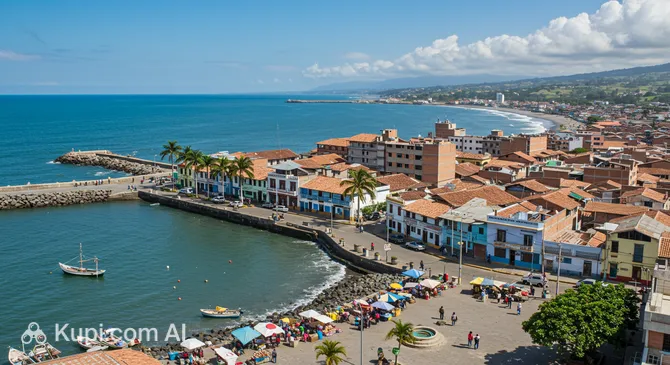
Welcome to Santa Rosa, a vibrant city located in the El Oro province known for its warm hospitality and rich agricultural heritage. Often referred to as "La Benemérita," this destination offers a unique glimpse into the coastal culture of Ecuador. It serves as a bustling commercial hub that perfectly balances its traditional roots with modern growth.

Santa Rosa. Source: Kupi.Binoculars

Geographically, the city is situated in the southern coastal region, enjoying a tropical climate that fosters lush vegetation and thriving aquaculture. With a population of approximately 49,000 residents, Santa Rosa maintains a lively community atmosphere while being large enough to offer essential amenities and services to travelers passing through the region.

The history of Santa Rosa is deeply connected to its status as a major producer of shrimp, which has earned it international recognition. This agricultural prominence shapes much of the local lifestyle and economy. Beyond its economic importance, the city is a gateway to the culinary delights of Puerto Jelí, a nearby port famous for serving some of the best seafood dishes in the country, particularly its fresh langostinos.

Visitors are also drawn to the city's strategic location near the Jambelí Archipelago, making it an excellent starting point for eco-tourism adventures and exploring the mangroves. Whether you are stopping by to savor the local gastronomy or using the city as a base for further exploration, Santa Rosa invites you to experience its authentic charm and friendly spirit.

Weather Overview

Santa Rosa generally experiences a warm and stable tropical climate throughout the year, making it a comfortable destination for visitors regardless of the season. The weather in Santa Rosa is characterized by consistent temperatures, with daily averages typically hovering between 22°C and 25°C. The warmest conditions are usually felt from February to April, where maximum temperatures can reach around 27.6°C, while the coolest period occurs in August, with lows occasionally dipping to 19.5°C.

Precipitation in the city follows a distinct pattern where rainfall volume is quite low, yet the frequency of wet days remains high. Although months like March and April see slightly higher accumulation, reaching about 10mm, the region experiences frequent but likely light showers or drizzle almost year-round. Travelers should expect many days with some form of precipitation, particularly in May, though the months from July to September tend to be the driest in terms of total rainfall.

Interesting Facts

Beyond the main attractions, Santa Rosa holds many fascinating secrets that showcase its cultural and historical depth. Here are some intriguing facts that highlight the unique character of this coastal city:

  • Santa Rosa is proudly known as the "Capital Camaronera del Mundo" (Shrimp Capital of the World). This is not just a nickname; the city celebrates this status annually in August with the Feria Nacional del Langostino, a vibrant festival featuring a gastronomic contest to find the best prawn dish and the election of a "Shrimp Queen."

  • Although Machala is the capital of the El Oro province, Santa Rosa serves as the region's primary air gateway. The Santa Rosa International Airport is a modern facility that handles the majority of commercial flights for the province, surprising many travelers who expect to fly directly into the provincial capital.

  • The city's origins date back to a settlement originally known as Pacoa in the 17th century. It was later renamed Santa Rosa in honor of Saint Rose of Lima (Santa Rosa de Lima), who is revered as the city's patron saint and whose legacy is deeply intertwined with local traditions.

How to Get There

Planning a trip to this charming destination in El Oro province requires some logistical preparation, as most visitors arrive via road connections from major transport hubs. Whether you are coming from within Ecuador or crossing the border from Peru, there are several convenient routes to consider. You can find more detailed information and plan your specific route on our dedicated page about how to get to Santa Rosa.

While Santa Rosa has a local airport, international travelers and those coming from distant regions often utilize larger hubs nearby. One of the most significant options is the Jose Joaquin de Olmedo Airport (GYE), located in the city of Guayaquil. This major international airport is situated approximately 144 km from Santa Rosa. The journey by road from Guayaquil typically takes around 4 hours by taxi or bus, offering a scenic drive through the coastal lowlands.

Another close option, particularly for those traveling near the southern border, is the Capitan FAP Pedro Canga Rodriguez Airport (TBP). It is important to note that this airport is located in Tumbes, Peru, about 47 km from Santa Rosa. The transfer from Tumbes generally takes about 1.5 hours, though travelers should account for potential additional time for border crossing procedures. For domestic travel within Ecuador, the Mariscal Lamar International Airport (CUE) in Cuenca is another alternative, located roughly 126 km away, with a travel time of approximately 3.5 hours through the mountains.

For clarity, here is a summary of the main airports in the vicinity:

Airport Name City Passenger Traffic Km from City
Jose Joaquin de Olmedo Airport Guayaquil Large 144.3
Mariscal Lamar International Airport Cuenca Medium 126.1
Captain FAP Victor Montes Arias Airport Talara Small 188.9
Capitan FAP Pedro Canga Rodriguez Airport Tumbes Small 47.2
Ciudad de Catamayo Airport Loja Small 89.5

Santa Rosa is not directly served by a railway station, and train travel is not a primary mode of transport in this specific region of Ecuador. Visitors typically rely on the extensive bus network or private transfers to reach the city. The road infrastructure connecting Santa Rosa to major cities like Machala, Guayaquil, and the Peruvian border is well-developed, making bus travel a reliable and popular choice for tourists.

Main Attractions

Santa Rosa offers a delightful mix of culinary experiences, natural wonders, and cultural landmarks. The city is strategically positioned to provide access to both coastal mangroves and inland wetlands, making it a diverse destination for travelers. Whether you are a food lover eager to taste the world's best shrimp or a nature enthusiast looking for serene landscapes, this city has something special to offer.

Puerto Jelí is arguably the most famous attraction in the area, widely renowned as a gastronomic paradise. Located just a few kilometers from the city center on the banks of the Santa Rosa River, this picturesque port is the heart of the region's seafood culture. It is the perfect place to savor the famous local langostinos (prawns) and crabs, prepared in a variety of exquisite dishes. Beyond the food, visitors can enjoy a relaxing walk along the boardwalk or take a boat tour through the surrounding estuary to observe the mangroves and local birdlife.

For those interested in ecotourism, Laguna La Tembladera is a hidden gem situated in the nearby parish of Jumón. This extensive wetland is a haven for birdwatchers, home to dozens of bird species including herons and wild ducks. The lagoon offers a peaceful environment for activities such as kayaking and artisanal fishing. It is also a place steeped in local folklore, with fascinating legends about its origins that add a layer of mystery to the scenic beauty.

In the heart of the city stands the Iglesia Matriz Santa Rosa de Lima, a significant religious and architectural landmark. Overlooking the central park, this church is dedicated to the city's patron saint and serves as the focal point for local culture and faith. It is an excellent spot to witness the daily life of the residents and admire the structure's design, especially during the vibrant festivities held in August in honor of the saint.

Travelers seeking sun and sand often head to Isla San Gregorio, a pristine island accessible via boat from the nearby ports. Unlike the more crowded beaches in the province, San Gregorio offers a tranquil escape with white sands and calm waters. It is an ideal location for camping, swimming, and disconnecting from the bustle of urban life while surrounded by the natural beauty of the Jambelí Archipelago.

Local Cuisine

The culinary identity of Santa Rosa is inextricably linked to its prestigious title as the "Shrimp Capital of the World." The local cuisine is dominated by the abundance of fresh seafood harvested from the surrounding estuaries and extensive shrimp farms. For any visitor, the gastronomic experience here centers on high-quality crustaceans that are exported globally but enjoyed freshest right at the source, defining the region's flavor profile.

The star ingredient on almost every menu is the langostino (prawn). Travelers should not miss the opportunity to try them prepared al ajillo (in a rich garlic sauce), grilled over charcoal, or simply steamed to highlight their natural sweetness. Another essential dish is the classic ceviche de camarón, typically served in a tangy tomato-based marinade with lime, onions, and cilantro, accompanied by crunchy chifles (fried plantain chips) or popcorn. Given the city's proximity to the southern border, you may also encounter hearty soups like parihuela, a spicy seafood stew loaded with crab, fish, and shellfish.

To complement these rich flavors, locals often prefer ice-cold domestic beers, which are considered the perfect pairing for a seafood feast on a warm coastal afternoon. For non-alcoholic options, the region offers an incredible variety of fresh fruit juices made from tropical staples such as passion fruit, tamarind, and citrus. In the mornings, breakfast often features plantain-based specialties like bolón or tigrillo, served alongside a cup of traditional filtered coffee.

The heart of Santa Rosa's food culture beats strongest in Puerto Jelí. Located just a short distance from the city center, this riverside gastronomic corridor is famous throughout the province. It is lined with numerous family-run restaurants and picanterías where the atmosphere is lively and unpretentious. Locals and tourists flock here particularly on weekends to enjoy communal platters of seafood while overlooking the calm waters of the estuary, making it the premier dining destination in the area.

Travel Tips

To help you make the most of your visit to "La Benemérita," we have compiled a set of essential guidelines that will ensure your trip is as smooth and enjoyable as possible. Whether you are here for the world-class seafood or the eco-tourism, these practical tips will help you navigate Santa Rosa with the confidence of a local.

  1. Clothing and Gear: Given the warm tropical climate, pack lightweight, breathable fabrics like cotton or linen to stay cool. A hat, sunglasses, and high-SPF sunscreen are essential for protection against the equatorial sun. Since the region is near mangroves and wetlands, carrying strong insect repellent is crucial to avoid mosquito bites. If you plan to visit the Iglesia Matriz, remember to dress modestly, covering your shoulders and knees out of respect.

  2. Transportation: Getting around the city is relatively easy and affordable. Yellow taxis are the standard and safest option for moving between the center and attractions like Puerto Jelí; always ask them to use the taximeter or agree on a fare beforehand. For shorter distances within neighborhoods, you may see tricimotos (motorized tricycles), which are a popular local way to travel. Car rental is generally not necessary unless you plan to explore the wider El Oro province independently.

  3. Finances: Ecuador uses the US Dollar as its official currency. While credit cards are accepted in larger hotels and supermarkets, cash is king in smaller shops, markets, and the seafood restaurants in Puerto Jelí. It is highly recommended to carry small bills ($1, $5, $10, and $20), as many vendors struggle to make change for $50 or $100 notes. ATMs are readily available in the city center for withdrawals.

  4. Health and Safety: Santa Rosa is generally a safe and welcoming city, but standard precautions apply; avoid walking alone in poorly lit areas at night and keep an eye on your belongings in crowded places. Pharmacies are widely available, and you can look for signs saying "de turno" to find one open late. To protect your stomach, always drink bottled or purified water rather than tap water, and avoid ice in drinks at street stalls.

  5. Communication: Spanish is the primary language, and English is not widely spoken outside of the airport or major tourist establishments. Learning a few basic phrases like "¿Cuánto cuesta?" (How much is it?) and "Muchas gracias" will be greatly appreciated by the locals. Buying a local SIM card from providers like Claro or Movistar is easy and affordable, ensuring you have data for maps and translation apps.

  6. Local Etiquette: Ecuadorians are polite and value proper greetings. A simple "Buenos días" or "Buenas tardes" when entering a shop or boarding a bus goes a long way. When dining, it is customary to say "Buen provecho" (enjoy your meal) to others at nearby tables when you leave or arrive. Tipping around 10% is standard practice in sit-down restaurants if the service charge isn't already included.

  7. What to Avoid: Avoid taking photos of locals, especially in rural areas or markets, without asking for permission first, as some may find it intrusive. Additionally, try not to get frustrated if service in restaurants is slower than what you are used to; the coastal lifestyle is laid-back, so embrace the slower pace and enjoy the atmosphere.

  8. Local Insight: If you plan to eat at Puerto Jelí, try to go for lunch rather than dinner. The seafood is freshest earlier in the day, and you will get to enjoy the beautiful view of the river and mangroves in daylight. Weekends can get very busy with local families, so arriving a bit earlier (around 12:30 PM) can help you secure a good table.

Armed with these tips, you are ready to immerse yourself in the authentic charm of Santa Rosa. We hope your stay is filled with delicious flavors, warm encounters, and unforgettable memories in this beautiful corner of Ecuador!

Entertainment & Nightlife

Entertainment in Santa Rosa reflects the city's warm, tropical character, offering a blend of lively social gatherings and relaxed culinary experiences. While it may not have the high-intensity club scene of a major metropolis, the nightlife here is vibrant and authentic, centered around enjoying good company, music, and the region's famous seafood. Evenings typically begin with a hearty meal and transition into casual drinking or dancing at local hotspots.

The most famous district for an evening out is undoubtedly Puerto Jelí. Although primarily known as a gastronomic destination, this riverside area transforms at night into a breezy, social hub. The boardwalk is perfect for a night walk, and the numerous restaurants lining the estuary stay open late, serving dinner accompanied by cold beers and often live music on weekends. It is the ideal spot for travelers who prefer a laid-back atmosphere where conversation and food take center stage.

For those seeking more energetic nightlife, the city center and its surrounding neighborhoods offer several bars and discos where the rhythm of salsa, merengue, and reggaeton fills the air. Karaoke is particularly popular among locals, with many venues providing a fun environment to sing and socialize. You can find modern spots like SharksClub Sport Gastro Bar, which offers a mix of sports entertainment, drinks, and a lively crowd. Beyond this, visitors can explore various local dance venues that capture the spirited party vibe of the province without the need for exclusivity.

The atmosphere in Santa Rosa's nightlife venues is generally casual and unpretentious. There is rarely a strict dress code; smart-casual attire is perfectly acceptable for clubs, while shorts and t-shirts are common in open-air bars and Puerto Jelí. The "party" usually picks up after 10:00 PM on Fridays and Saturdays. Prices are quite affordable compared to larger cities in Ecuador, with beers and cocktails costing significantly less than in Quito or Guayaquil.

When enjoying the nightlife, safety is straightforward but important. The central areas and Puerto Jelí are generally safe, but it is advisable to use official yellow taxis or trusted radio taxis to move between venues, especially late at night. Walking alone in dimly lit outskirts is not recommended. Taxis are plentiful and inexpensive, making them the best way to get back to your accommodation safely.

During the day, entertainment in Santa Rosa shifts towards nature and culture. Visitors can explore the lush mangroves on boat tours departing from the docks or visit the central Parque Simón Bolívar to relax and people-watch. The city also serves as a hub for visiting nearby ecological reserves, offering plenty of activities for nature enthusiasts before the sun goes down.

Parks & Museums

Santa Rosa is a destination where the beauty of nature and the vibrancy of daily life take precedence over static exhibits. While the city may not be known for grand museums, it offers a wealth of green spaces and cultural landmarks that allow visitors to experience the authentic rhythm of the Ecuadorian coast.

The heart of the city's social life is undoubtedly Parque Simón Bolívar, also known as the Central Park. Located directly in front of the main cathedral, this park serves as the primary meeting point for locals and a refreshing stop for travelers. Shaded by tall trees and dotted with well-maintained gardens, it is a perfect spot to observe the laid-back lifestyle of the "Santarroseños." In the evenings, the park comes alive with families enjoying the cool breeze, street vendors selling local snacks, and the gentle hum of conversation, making it a genuine showcase of the community's spirit.

For a more immersive natural experience, the Laguna La Tembladera serves as a spectacular open-air reserve just outside the urban center. This extensive wetland is a vital ecosystem in the El Oro province, offering a stark contrast to the city streets. It functions as a natural sanctuary where visitors can observe a diverse array of bird species in their native habitat. The lagoon is not just a scenic spot but a living classroom for understanding the region's biodiversity, featuring guided boat rides that allow you to navigate through calm waters surrounded by lush aquatic vegetation.

In terms of cultural institutions, Santa Rosa focuses less on traditional museums and more on architectural and religious heritage. The Iglesia Matriz Santa Rosa de Lima stands as the city's most significant cultural repository. Dominating the skyline near the central park, this imposing structure is not only a place of worship but also a monument to the city's history and resilience. Inside, visitors can admire religious art and iconography dedicated to Saint Rose of Lima, whose legacy is deeply woven into the local identity and celebrated with fervor during the annual festivals in August.

Reflecting the city's title as the "Shrimp Capital of the World," the urban landscape itself acts as a gallery of local pride. Monuments dedicated to the shrimp industry can be found in the city, symbolizing the economic engine that has shaped the region's culture for decades. These landmarks, along with the bustling activity at the nearby Puerto Jelí, offer a "living museum" experience where tourists can witness the traditions of aquaculture and fishing that define the province's heritage far better than any enclosed exhibit could.

For an authentic local experience, take a walk around the Mercado Central or the streets surrounding the main park on a Sunday morning. This is when the agricultural and cultural richness of the area is on full display, with farmers from the surrounding countryside selling fresh tropical fruits and artisanal products. It is a vibrant, sensory-rich environment that offers a true taste of life in El Oro.

Getting Around

Navigating Santa Rosa is relatively straightforward due to its compact size and the availability of affordable transport options. The public transport system here is not as complex as in larger metropolitan areas; there is no metro or tram network. Instead, the city relies on a combination of motorized tricycles, taxis, and buses to keep residents and visitors moving efficiently through the urban area and towards neighboring districts.

The most popular and distinctive way to get around the city center and nearby neighborhoods is by using tricimotos (motorized tricycles). These agile vehicles are ubiquitous in the coastal region and are perfect for short trips where a taxi might be unnecessary. They are open-air, allowing for a breezy ride in the tropical heat, and can navigate narrow streets with ease. Tricimotos are generally safe for short hops during the day and offer an authentic local experience.

For greater comfort, air-conditioning, or longer distances, yellow taxis are the standard alternative. They are readily available throughout the city, especially around the central park and commercial areas. While taxis are legally required to use taximeters, it is common practice in smaller cities to negotiate the fare before getting in. A typical ride within the city limits is quite inexpensive, usually costing between $1.50 and $2.50. For safety and reliability, it is advisable to use official taxi ranks or request a "radio taxi" from your hotel or restaurant, particularly at night.

The city is also served by a local bus network that connects the center with outlying parishes and the port area of Puerto Jelí. However, the most significant hub for travelers is the Terminal Terrestre Binacional. This modern bus terminal is a key facility, handling not only local routes but also interprovincial and international buses heading towards the border. If you plan to visit nearby towns or attractions outside the immediate city center, this terminal will likely be your starting point.

Regarding payment, the system in Santa Rosa is exclusively cash-based. There are no travel cards, digital passes, or mobile apps for paying fares on buses or tricimotos. The official currency is the US Dollar. It is essential to carry small change (coins and $1 or $5 bills) at all times. Bus drivers and tricimoto operators rarely have change for large denominations like $20 or $50. A local bus ride typically costs around $0.30 to $0.40, which is paid directly to the driver or the assistant upon boarding.

Tourists should keep in mind that while transport is plentiful during the day, the frequency of buses and tricimotos drops significantly after 8:00 PM or 9:00 PM. If you are out late dining in Puerto Jelí or enjoying the nightlife, arranging a taxi pickup in advance or using a trusted phone dispatch service is the best strategy. Walking is also a viable option within the very center of the city during the day, as many key landmarks are located within a few blocks of the main square.

Accommodation

Accommodation in Santa Rosa is primarily designed to cater to business travelers connected to the shrimp industry and tourists passing through the El Oro province. Instead of luxury resorts or sprawling vacation complexes, visitors will find a solid selection of mid-range hotels, practical business inns, and family-run hostels. These establishments focus on providing comfort and essential amenities, with air conditioning being a standard and necessary feature given the region's tropical climate.

The most popular area to stay is the city center, specifically the blocks surrounding the main square, Parque Simón Bolívar. Choosing a hotel in this district places you in the heart of the action, within easy walking distance of local restaurants, pharmacies, and banks. It also offers the best access to transportation, including taxis and the motorized tricycles that navigate the town. For those with early flights or short layovers, there are also convenient lodging options located near the Santa Rosa International Airport, ensuring a stress-free transit experience.

Travelers will find that accommodation prices in Santa Rosa are quite affordable compared to major Ecuadorian tourist destinations. Budget-friendly rooms can often be found for around $20 to $35 per night, while modern hotels with more extensive services typically range from $40 to $75. While you can usually find a room without a reservation during most of the year, it is strongly advised to book in advance if you plan to visit in August. During the annual Feria Nacional del Langostino (National Shrimp Festival), the city attracts thousands of visitors, and hotels reach full capacity very quickly.

Regarding booking methods, the larger and more modern hotels are listed on major international online platforms, making it easy to secure a room with a credit card. However, many smaller hostales and local inns may not have a strong online presence. For these, it is often best to contact them directly via phone or messaging apps, or simply inquire upon arrival. Keep in mind that while major hotels accept cards, smaller establishments often prefer or require payment in cash.

Nearby Cities

For those looking to explore the surroundings, Santa Rosa serves as an excellent base for day trips to several interesting nearby locations:

Just a short drive away lies Machala, the capital of the El Oro province and a vibrant urban center known globally as the "Banana Capital of the World." Located only about 20 minutes from Santa Rosa, it offers a mix of modern amenities and coastal charm. Visitors can explore the elegant Parque Juan Montalvo, admire the city's cathedral, or enjoy the bustling commercial atmosphere. It is also a primary gateway for boat trips to the Jambelí Archipelago, offering another access point to the region's beautiful beaches and mangroves.

Another fascinating destination is Huaquillas, situated directly on the border with Peru. This lively city is a hub of international commerce and cultural exchange. A visit here offers a unique glimpse into the dynamic life of a border town, where travelers can walk across the International Bridge that connects the two nations. It is a popular spot for shopping and experiencing the blend of Ecuadorian and Peruvian traditions that characterize this frontier zone.

For those seeking a more relaxed experience closer to nature, Pasaje is an excellent option. Known for its scenic landscapes and agricultural richness, this town is famous for its "balnearios" (freshwater swimming spots) along the Jubones River. It provides a refreshing escape where visitors can enjoy the cool river waters and lush surroundings, making it a favorite weekend getaway for locals.

City Population Distance (km)
Cuenca 329928 123
Machala 231260 22
Loja 170280 104
Pasaje 52673 23
Huaquillas 47706 28

These nearby destinations offer a glimpse into the diverse culture and landscapes of the region, ranging from bustling commercial hubs to serene natural retreats.

Shopping & Souvenirs

Shopping in Santa Rosa offers a practical and authentic experience that reflects the daily life of this bustling coastal city. Unlike major tourist destinations filled with luxury boutiques, the commercial scene here is driven by the needs of the local community and the thriving shrimp industry. Visitors will find a vibrant mix of small family-owned shops, well-stocked supermarkets, and lively street commerce that provides everything from travel essentials to local agricultural products.

The city does not have designated high-end shopping districts, but the downtown area surrounding the central park is the heart of commercial activity. The streets radiating from Parque Simón Bolívar are lined with a variety of stores selling clothing, footwear, electronics, and pharmacies. This walkable zone is where residents come to do their daily errands, offering tourists a chance to browse affordable fashion and local goods in a bustling, friendly atmosphere.

Travelers looking for large-scale modern shopping complexes should be aware that Santa Rosa primarily features smaller commercial galleries and standalone stores rather than massive malls. For a full retail experience with international brands, cinemas, and food courts, locals typically travel to the nearby city of Machala, which is just a short drive away. However, within Santa Rosa, you can find reliable supermarkets and smaller shopping centers that cater to immediate needs and offer a comfortable, air-conditioned environment.

For a true taste of local culture, a visit to the Mercado Central (Central Market) is essential. This traditional market is a sensory delight, overflowing with fresh tropical fruits, vegetables, and, of course, the region's famous seafood. It is an excellent place to see the agricultural richness of the El Oro province firsthand. While it is primarily a food market, you can often find stalls selling simple household items and local snacks that make for an interesting browse.

When it comes to souvenirs, Santa Rosa is less about trinkets and more about edible treasures. The best keepsakes are often the region's culinary specialties. Visitors should look for bags of high-quality coffee produced in the nearby highlands of the province, or traditional sweets. Given the city's reputation as the "Shrimp Capital," you might also find specialty food products related to seafood, though fresh items are best enjoyed on-site.

Opening hours in Santa Rosa generally follow a split schedule for smaller shops, opening around 9:00 AM, closing for a lunch break between 1:00 PM and 3:00 PM, and reopening until 7:00 PM or 8:00 PM. Larger supermarkets and chain stores typically operate continuously from morning until late evening. Payment is predominantly in cash (US Dollars). While major supermarkets and some hotels accept credit cards, smaller vendors, market stalls, and independent shops will almost always require cash, so it is wise to carry small bills.

Regarding tax-free shopping, Ecuador does have a VAT refund system for foreign tourists on certain goods, but this is generally applicable only in authorized establishments, which are mostly found in major cities like Quito or Guayaquil. In Santa Rosa, it is unlikely that you will encounter stores participating in the tax refund scheme, so visitors should not expect to claim VAT back on general local purchases.
Reached the end of the page?

That means the route is fully explored