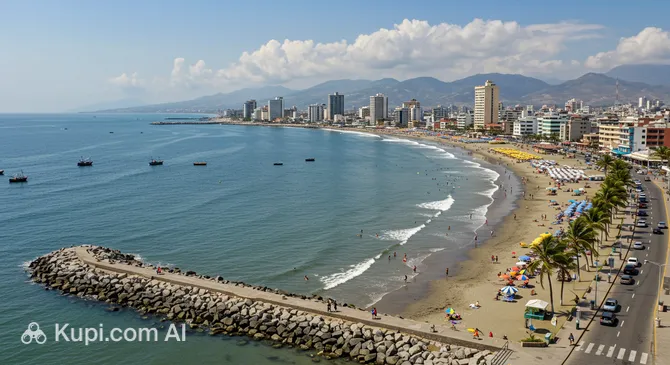
Manta is a thriving coastal metropolis and one of the most important economic hubs in Ecuador. Known globally as the "Tuna Capital of the World," this vibrant city in the Manabí province combines the dynamic energy of a busy international port with the relaxed charm of a seaside resort. With a population of over 217,000 residents, it serves as a major gateway for trade and tourism on the Pacific coast, offering visitors a modern urban experience backed by stunning ocean views.
Manta. Illustration.
Source: Kupi.com AI
The region possesses deep cultural roots that stretch back to pre-Columbian times, specifically the Manteño civilization which was known for its navigation skills. Visitors can explore the fascinating history of Manta to understand how it evolved from an ancient indigenous trading post into the industrial powerhouse it is today. This rich heritage adds a layer of depth to the city, distinguishing it from typical beach destinations.
Tourists are often drawn to Manta for its pleasant, dry tropical climate and its accessible coastline. The city's most famous beach, El Murciélago, features a scenic boardwalk known as the Malecón Escénico, which is lined with shops and restaurants serving exceptional local seafood. Beyond the city limits, nature lovers can visit the nearby Pacoche Coastal Marine Wildlife Refuge to see how the dry forest transitions into a lush tropical environment.
Whether you are looking to enjoy water sports, savor some of the freshest cuisine in the country, or simply relax by the sea, Manta offers a welcoming atmosphere for all travelers. Its strategic location and lively spirit make it an essential stop for anyone exploring the Ecuadorian coast.
Weather Overview
Manta benefits from a unique microclimate that keeps it comfortable throughout the year, distinguishing it from the hotter and more humid inland regions of Ecuador. The weather in Manta is characterized by consistent warmth and distinct seasonal variations in humidity and cloud cover, rather than extreme temperature shifts.
Temperatures remain remarkably stable, with average highs consistently reaching between 26°C and 27°C and lows rarely dropping below 21°C. The warmest period occurs from January to April, where the average temperature hovers around 26°C. This time of year coincides with the region's "wet season," particularly in February, which sees up to 20 wet days, although the showers are often short-lived.
In contrast, the months from June to November bring slightly cooler averages of around 24°C and significantly drier conditions. During this season, rainfall is exceptionally rare, with months like August and September experiencing only a single wet day on average. Visitors can generally expect consistent warmth year-round, with higher humidity early in the year and drier, breezier conditions in the second half.
Average monthly temperature
Average monthly precipitation
Interesting Facts
Beyond its reputation as a bustling port, Manta holds several fascinating secrets that connect its ancient past with its vibrant present. These unique aspects of the city offer a deeper understanding of its culture and global significance.
Tarqui Beach. Illustration.
Source: Kupi.com AI
Traveler photos:
Long before the Spanish arrival, the city was a major pre-Columbian settlement called Jocay, which translates to "House of the Fish." It was the center of the Manteño culture, whose people were master navigators and traded the sacred Spondylus shell as far north as Mexico using large balsa rafts.
While the famous Panama hats are named after the country they were shipped from, they are actually woven in the surrounding Manabí province. Manta has historically served as the crucial export hub that sent these intricate straw hats to the rest of the world, fueling the misnomer.
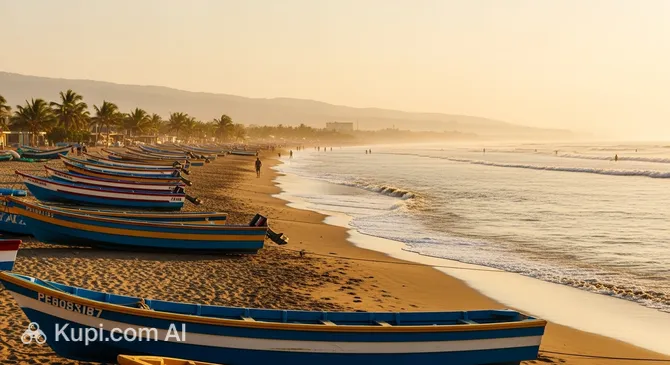
Visitors can witness a living tradition at Tarqui Beach, where local artisans often construct wooden fishing boats directly on the sand. This area also hosts a bustling fish market at dawn, offering an authentic glimpse into the daily life of the city's fishermen.
Manta is the proud host of the Ironman 70.3 competition in Ecuador. This prestigious sporting event draws athletes from all over the world to swim in the Pacific Ocean and cycle along the scenic coastal roads, cementing the city's status as a sports tourism destination.
How to Get There
Reaching this coastal gem is relatively convenient, with options ranging from direct regional flights to scenic overland drives from major hubs. For a comprehensive overview of routes and transport modes, you can read more about how to get to Manta to plan your journey effectively.
The most direct entry point is the city's own Manta Airport (IATA: MEC), also known as Eloy Alfaro International Airport. Located just 4.1 km from the city center, it is the most convenient option for travelers, with a transfer time of approximately 25 minutes by taxi. Although it handles a moderate volume of traffic compared to the capital's hubs, it is a vital link for domestic connections and offers immediate access to the city's beaches and business districts.
Many international visitors choose to fly into Jose Joaquin de Olmedo Airport (IATA: GYE) in the city of Guayaquil, which is situated about 160 km away. As one of the country's busiest airports, it receives flights from all over the world. From Guayaquil, you can take a bus or rent a car to reach Manta; the journey typically takes around 4 to 5 hours. Another major gateway is Mariscal Sucre International Airport (IATA: UIO) in Quito, located roughly 278 km away. Due to the distance, the overland trip from Quito can take approximately 7 hours, so many travelers prefer to catch a connecting domestic flight to Manta.
For clarity, here is a summary of the main airports:
Manta offers a delightful mix of coastal relaxation, urban energy, and cultural landmarks. While the famous El Murciélago beach often steals the spotlight, the city has several other fascinating spots that provide a deeper look into local life and leisure. From bustling commercial hubs to serene places of worship, exploring these attractions gives visitors a well-rounded experience of this port city.
One of the most traditional and lively areas to visit is Tarqui Beach. Unlike the more resort-focused beaches, Tarqui offers an authentic glimpse into Manta's fishing heritage. It is a fantastic place to watch local fishermen bring in their daily catch and to sample fresh seafood at the nearby rustic eateries. Tourists enjoy the vibrant atmosphere here, especially in the mornings when the "Playita Mía" fish market is in full swing, offering a sensory experience of sights, sounds, and local flavors.
Divine Child Church. Illustration.
Source: Kupi.com AI
Traveler photos:
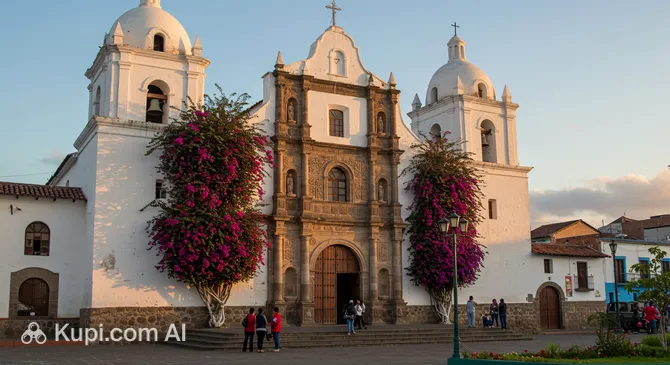
For those interested in religious architecture and local culture, the Divine Child Church is a significant landmark. Known locally as the Iglesia del Divino Niño, this church is not only a place of worship but also a center for community gatherings. Its peaceful ambiance and distinct architectural style make it a worthwhile stop for visitors looking to understand the spiritual side of the city's inhabitants. It provides a quiet retreat from the busy streets and a chance to admire the devotion of the local people.
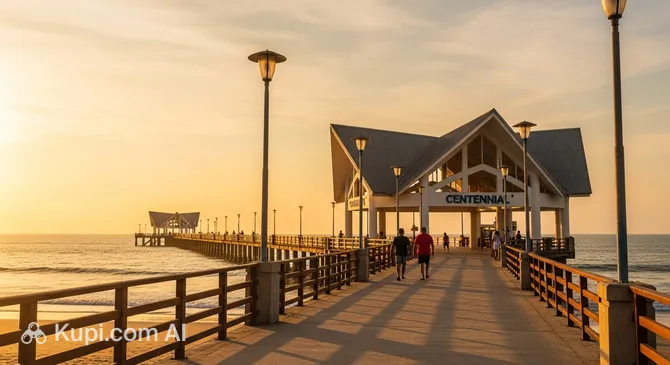
To enjoy sweeping views of the Pacific Ocean and the city skyline, a walk along the Manta Centennial Pier is a must. This scenic location is perfect for a leisurely stroll, particularly at sunset when the sky paints a dramatic backdrop over the water. It serves as a popular meeting point for families and friends, offering plenty of photo opportunities and a refreshing sea breeze. The pier is a testament to the city's connection with the ocean and provides a relaxing space to unwind.
Manta Centennial Pier. Illustration.
Source: Kupi.com AI
Traveler photos:
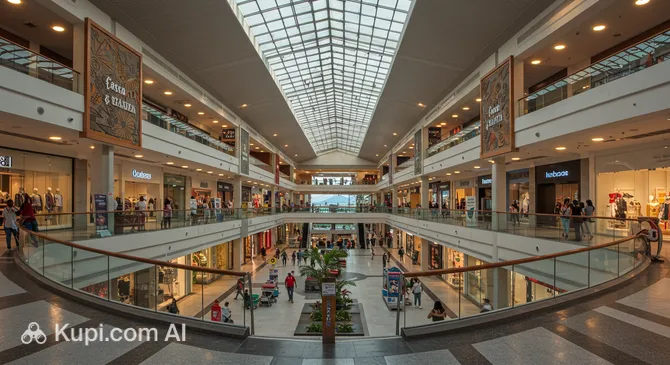
Travelers looking for a modern shopping and entertainment experience should head to Paseo Shopping Manta. As one of the main commercial centers in the city, it offers a wide variety of international and local brands, a food court, and cinema facilities. It is an excellent place to escape the midday heat, pick up souvenirs, or simply enjoy a comfortable afternoon of window shopping. The mall is a hub of activity and showcases the modern development of Manta.
Local Cuisine
As the "Tuna Capital of the World," Manta's culinary scene is heavily defined by the ocean. The city is a paradise for seafood lovers, offering some of the freshest catches in Ecuador. The local gastronomy is a proud reflection of the Manabí province's culinary traditions, which are widely considered among the best in the country. Here, the flavors are bold, often characterized by the use of plantains, peanuts, and an abundance of fresh herbs like cilantro and chillangua.
One of the most iconic dishes you must try is Encebollado. Often regarded as Ecuador's national fish soup, it is typically consumed for breakfast or as a mid-morning pick-me-up. In Manta, it is prepared with fresh albacore tuna, yuca (cassava), and red onion, served with a side of chifles (plantain chips) and bread. Another regional specialty is Viche de Pescado, a hearty and complex soup with a thick consistency achieved by adding peanut paste. It is packed with vegetables, fish, and sometimes shellfish, offering a true taste of the Manabí soul.
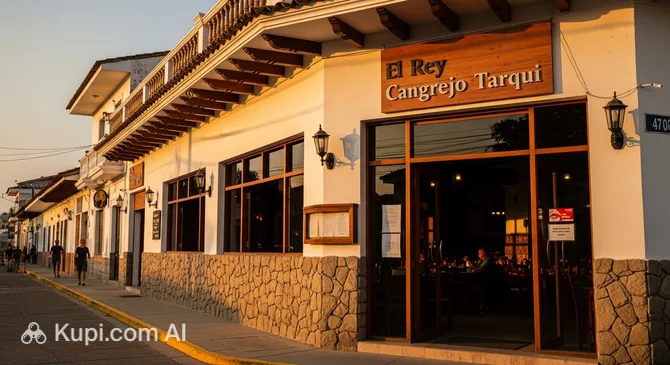
The dining culture in Manta ranges from upscale restaurants along the scenic Malecón to rustic, open-air eateries in traditional neighborhoods. For a truly authentic experience, many visitors head to the Tarqui area, where seafood is served generously and without pretension. Here, you can find places like El Rey Cangrejo Tarqui, which is popular for its crab dishes and other marine delicacies. It is a great spot to immerse yourself in the local atmosphere while enjoying a flavorful meal.
El Rey Cangrejo Tarqui. Illustration.
Source: Kupi.com AI
Traveler photos:
If you are looking for a break from seafood, the local food scene also includes popular casual spots. For instance, Anthony Burger Tarqui offers a taste of how locals enjoy comfort food in a relaxed setting. However, no meal in Manta is complete without trying the local beverages. Due to the tropical climate, fresh fruit juices are ubiquitous, with flavors like passion fruit (maracuyá) and blackberry (mora) being favorites. For something stronger, you might encounter Caña Manabita, a sugarcane spirit that is a trademark of the province, often enjoyed as a digestive or in cocktails.
Street food is also a vital part of the experience, especially in the evenings. You will find vendors selling corviche, a delicious fried oval-shaped dumpling made from green plantain dough filled with fish and peanut sauce. It is the perfect on-the-go snack that encapsulates the savory, earthy, and oceanic flavors that make Manta's cuisine so distinctive.
Travel Tips
Welcome to Manta! To help you make the most of your visit to this vibrant port city, we have compiled a list of essential travel tips. These practical insights will help you navigate the local customs, manage your logistics, and enjoy a stress-free vacation on the Ecuadorian coast.
Clothing and Gear: Since Manta enjoys a warm, tropical climate year-round, pack lightweight and breathable fabrics like cotton or linen. A wide-brimmed hat, high-SPF sunscreen, and sunglasses are non-negotiable, as the equatorial sun can be very strong even on cloudy days. While sandals are perfect for El Murciélago beach, bring comfortable walking shoes for exploring the city streets. If you plan to visit religious sites like the Divine Child Church, remember to dress modestly, covering your shoulders and knees. Ecuador uses Type A and B power outlets (the same as the US), so bring an adapter if your devices use a different plug type.
Transportation: The most convenient way to get around Manta is by yellow taxi. They are abundant, affordable, and generally safe; however, always ensure the meter is running or agree on a fare before starting your ride. Ride-hailing apps are available but may have fewer drivers than in larger capitals. Public buses are an option for the adventurous and cost very little, but routes can be confusing for first-time visitors. If you plan to explore the scenic Ruta del Spondylus along the coast, renting a car is highly recommended for the freedom it offers.
Finances: Ecuador uses the US Dollar as its official currency. While credit cards are accepted in malls like Paseo Shopping, hotels, and upscale restaurants, cash is king in smaller establishments. It is crucial to carry small bills ($1, $5, $10, and $20), as many small vendors, taxi drivers, and stalls at the Tarqui market will not have change for $50 or $100 bills. ATMs are widely available throughout the city. Tipping is customary; a 10% service charge is often added to bills in restaurants, but if not, leaving a 10% tip is appreciated.
Health and Safety: Manta is generally safer than Ecuador's larger metropolises, but standard precautions apply. Stick to well-lit, populated areas like the Malecón Escénico at night and avoid displaying expensive jewelry or electronics in crowded markets. Pharmacies, known as farmacias (chains like Fybeca or Cruz Azul), are easy to find, and some operate 24/7. Do not drink tap water; always opt for sealed bottled water to avoid stomach issues. During the wet season (January to April), mosquito repellent is advisable.
Communication: The official language is Spanish. While staff at major hotels and tourist attractions may speak English, it is not widely spoken by the general public. Learning a few basic phrases like "Buenos días" (Good morning), "¿Cuánto cuesta?" (How much is it?), and "Gracias" (Thank you) will go a long way. You can easily purchase a local SIM card from providers like Claro or Movistar at the airport or shopping centers to stay connected.
Local Etiquette: People in the Manabí province are known for their warmth and hospitality. It is polite to greet people with a handshake or a friendly "Hola" when entering a shop or taxi. If you are invited to a local's home or are meeting someone socially, a light kiss on the right cheek is a common greeting among acquaintances. When you see people eating, it is polite to say "Buen provecho" (Bon appétit).
What to Avoid: Avoid taking unauthorized taxis off the street, especially at night; stick to the yellow taxis or those arranged by your hotel. Also, try not to be impatient; the pace of life on the coast is more relaxed than in major cities. Rushing or showing frustration with service speed is often seen as rude. Finally, never swim at beaches with red flags, as the currents in the Pacific can be deceptively strong.
Early Bird Advantage: If you want to experience the true soul of Manta, wake up early—around 6:00 AM—and head to the fish market at Tarqui Beach. This is when the fishermen bring in the fresh catch of tuna, wahoo, and dorado. It is a chaotic, loud, and fascinating spectacle that you won't see later in the day, and it offers the best photo opportunities of local life.
With these tips in hand, you are ready to explore everything Manta has to offer, from its bustling fish markets to its serene sunsets. Embrace the laid-back coastal rhythm, indulge in the fresh seafood, and enjoy the warm hospitality of the Manabitas!
Entertainment & Nightlife
As the sun sets over the Pacific, Manta transforms from a busy port city into a vibrant hub of evening entertainment. The nightlife here is energetic and diverse, catering to both locals looking to unwind and tourists seeking a fun night out. The city's coastal breeze makes the evenings particularly pleasant for exploring the various entertainment districts that come alive after dark.
The epicenter of Manta's nightlife is undoubtedly Avenida Flavio Reyes. Known locally as the "Zona Rosa," this bustling avenue is lined with an array of bars, karaoke lounges, and nightclubs. It is the place to be if you are looking for loud music, dancing, and a high-energy atmosphere. The crowd here is a mix of young locals and visitors, and the venues range from casual sports bars to more upscale discos where you can dance to Latin beats like salsa, merengue, and reggaeton until the early hours of the morning.
For a more relaxed but equally enjoyable evening, head to the Malecón Escénico at El Murciélago beach. This area offers a sophisticated seaside vibe where you can enjoy cocktails and live music with the sound of the waves in the background. The bars and resto-lounges here are perfect for starting the night with a drink or enjoying a late dinner. The atmosphere is generally more laid-back compared to Flavio Reyes, making it ideal for couples or groups of friends who want to converse and soak in the ocean views.
When planning a night out, keep in mind that the action typically starts late, with most clubs filling up after 10:00 PM. The dress code is generally "tropical chic"—smart casual is the norm, so leave the beachwear for the day. Prices are reasonable, with cocktails often ranging from $5 to $10, and some clubs may charge a small cover fee on weekends. For safety, it is highly recommended to use official yellow taxis or ride-hailing apps when moving between districts, rather than walking long distances at night.
Play World. Illustration.
Source: Kupi.com AI
Traveler photos:
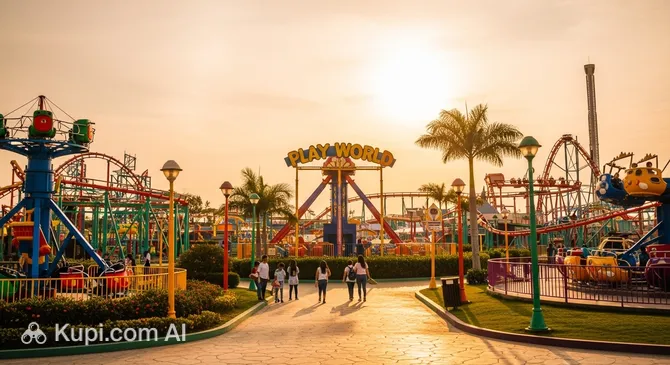
While Manta is famous for its nightlife, there are also plenty of entertainment options for the daytime. Families and thrill-seekers can visit Play World, an amusement park that offers a variety of games and rides suitable for different ages. It provides a fun break from the beach and is a popular spot for local families on weekends.
If you prefer a more leisurely afternoon, the city's modern shopping centers offer a cool retreat from the heat. Plastilópez Mall is one such destination where visitors can browse through shops, enjoy a snack, or simply stroll around in a comfortable, air-conditioned environment. Whether you are looking for high-energy parties or family-friendly activities, Manta's entertainment scene has something to offer every traveler.
Parks & Museums
While Manta is primarily recognized for its coastal allure, the city and its surroundings offer a surprising depth of cultural and natural attractions. Beyond the sun-drenched sands, visitors can immerse themselves in lush ecosystems and explore institutions that safeguard the rich history of the Manabí province. These green spaces and museums provide a fascinating counterpoint to the modern urban rhythm, offering insight into the region's ancestral roots and biodiversity.
For nature enthusiasts, the Pacoche Coastal Marine Wildlife Refuge is an unmissable destination located just a short drive from the city center. This protected area is unique because it encompasses two distinct ecosystems: a dry coastal forest and a lush, humid tropical forest known as "garúa." Walking along its trails, visitors are often delighted by the sight of howler monkeys swinging through the canopy and a wide variety of endemic bird species. It serves as a vital sanctuary for local flora and fauna, offering a refreshing escape into nature.
In the heart of the city, the Plaza Cívica Eloy Alfaro stands as a significant gathering place that bridges the urban landscape with the ocean. More than just a square, it is a tribute to General Eloy Alfaro, a national hero born in the nearby town of Montecristi. The plaza often hosts cultural events and artisanal fairs, making it a lively spot to observe local life while enjoying the sea breeze. It acts as a central node where the history of the republic meets the daily routine of the Mantenses.
To understand the deep historical roots of the region, a visit to the Museo Centro Cultural Manta is essential. Located across from the Malecón, this museum houses an impressive collection of archaeological artifacts from the pre-Columbian Manteño civilization. The exhibits highlight the extraordinary navigation skills of the indigenous people, who traded using large balsa rafts, and display intricate pottery and tools. It provides a compelling narrative of how this coastal society thrived long before the arrival of the Spanish.
Another cultural gem is the Museo Cancebí, situated in a beautifully restored building that dates back to 1918. Originally the Hotel Aragon, the structure itself is a piece of architectural heritage. Inside, the museum focuses on the ethnographic history of Manta, celebrating the "cholo" and "montubio" cultures. Through displays of traditional weaving, fishing implements, and recreations of rural homes, it offers an intimate look at the customs and traditions that have shaped the identity of the local population.
For a truly authentic experience, consider taking a short trip to the nearby town of Montecristi. It is the birthplace of the world-famous Panama hat (sombrero de paja toquilla). Watching the master weavers create these delicate hats by hand is a mesmerizing process that connects you directly to a UNESCO Intangible Cultural Heritage.
Getting Around
Navigating Manta is relatively straightforward, as the city operates on a simple but effective network of road-based transport. Unlike larger metropolises with complex subway or tram systems, public transportation here relies almost exclusively on a fleet of urban buses and a vast number of taxis. For tourists, this means getting around is affordable and generally easy to figure out once you understand the basic routes and payment methods.
The urban bus system is the most economical way to travel across the city. These buses are typically blue or green and service all major neighborhoods, the commercial center, and the main beaches. While there are no designated bus lanes or high-tech stops, the buses run frequently during daylight hours. You will often see the destination displayed on a placard in the front window. It is a common practice to flag down a bus at a designated stop or sometimes along the street, depending on the area's traffic rules at the time.
Payment for public transport is strictly cash-based. There are no travel cards, digital passes, or mobile apps for paying bus fares in Manta. When you board the bus, you pay the driver or a conductor directly. The fare is very low, typically consisting of loose change (coins), so it is essential to carry small denominations like nickels, dimes, and quarters. Do not expect drivers to have change for large bills.
For those seeking more comfort or direct routes, yellow taxis are the primary alternative and are ubiquitous throughout the city. They are generally safe and affordable compared to international standards. While taxis are legally required to use taximeters (taxímetros), it is not uncommon for drivers to negotiate a flat rate for specific distances, especially for trips to the airport or outlying beaches. It is always best to insist on the meter or agree on the fare before getting in. Ride-hailing apps do exist but have varying levels of availability compared to traditional taxis, which can be hailed instantly on almost any corner.
A practical tip for visitors is to use taxis at night. While buses are safe and reliable during the day, their frequency drops significantly after sunset, and for safety and convenience, a taxi is the better choice for evening outings. Additionally, if you are staying near the Malecón or the city center, many attractions are within walking distance, allowing you to enjoy the coastal breeze as you move between locations.
Accommodation
Finding the perfect place to stay in Manta is relatively easy, as the city offers a diverse range of accommodation options to suit every travel style and budget. From high-end beachfront resorts with panoramic ocean views to modest guesthouses and business hotels, visitors can choose facilities that best fit their needs. The city's growth as a tourism and business hub has led to a significant improvement in the quality and variety of lodging available.
For most tourists, the preferred area to stay is the neighborhood surrounding El Murciélago beach and the Barbasquillo district. This modern zone is home to the city's most luxurious hotels, offering amenities such as swimming pools, spas, and direct access to the sea. Staying here puts you within walking distance of the best restaurants, nightlife, and the scenic boardwalk. It is the ideal location for those seeking comfort and a resort-style atmosphere.
Travelers looking for more affordable options or a "local" feel often consider the area near Tarqui Beach. This historic district is bustling with activity and offers budget-friendly hotels and hostels. While it is less polished than the modern city center, it provides authentic insight into the daily life of the port and is close to the famous fish market. It is a practical choice for backpackers and those who prioritize value over luxury.
Another convenient option for visitors, particularly those in town for business or shopping, is to stay near the major commercial centers like Paseo Shopping Manta. Hotels in this vicinity offer easy access to banks, cinemas, and supermarkets, making it a strategic base for travelers who want modern conveniences at their fingertips. The transport links here are excellent, allowing for quick trips to other parts of the city.
Paseo Shopping Manta. Illustration.
Source: Kupi.com AI
Traveler photos:
Booking Tips: Manta is a popular destination for domestic tourists, especially during Ecuadorian holidays such as Carnival (February/March) and New Year's Eve. During these peak periods, occupancy rates soar, and prices can increase significantly. It is highly recommended to book your accommodation several weeks or even months in advance if you plan to visit during these dates. For the rest of the year, it is usually possible to find good deals with shorter notice.
Price Range and Booking: The cost of accommodation varies widely. Budget hostels and simple hotels can range from $20 to $40 per night. Mid-range options, often favored by business travelers and families, typically cost between $50 and $90. Luxury stays and resorts generally start from $100 and go up depending on the season and room type. Most established hotels can be booked via major online platforms, but many smaller, family-run hostals in Tarqui may prefer direct contact via WhatsApp or phone.
Nearby Cities
For those looking to explore the surroundings, Manta serves as an excellent base for day trips to several interesting nearby locations:
One of the most accessible and culturally rich destinations is Portoviejo, the capital of the Manabí province, located just a short drive away. Known as the "City of the Royal Tamarind Trees," it is famous for its exceptional gastronomy and historical significance. Visitors can explore its vibrant parks or use it as a starting point to visit the nearby Cerro de Hojas-Jaboncillo archaeological site. Another worthwhile stop is Chone, situated further inland. This town is renowned for its agricultural heritage, particularly its production of high-quality cacao and cattle, offering travelers a genuine taste of the region's rural "Montubio" culture.
City
Population
Distance
Montecristi
46 312
10 km
Rocafuerte
10 574
29 km
Portoviejo
206 682
30 km
Jipijapa
40 232
45 km
Bahía de Caráquez
24 631
47 km
These nearby destinations offer a glimpse into the diverse culture and landscapes of the region.
Shopping & Souvenirs
Shopping in Manta offers a delightful blend of modern convenience and traditional charm, making it a satisfying destination for those looking to engage in retail therapy. As a major port city, it serves as a commercial hub for the Manabí province, providing everything from high-end international brands to locally crafted goods. Visitors can expect a diverse experience that ranges from air-conditioned shopping centers to bustling open-air markets where the local culture is on full display.
For travelers seeking a contemporary shopping experience, the city boasts several large malls that rival those in the capital. The most prominent is the Mall del Pacífico, located right next to El Murciélago beach, offering a mix of fashion, technology, and dining with ocean views. Another key destination is Paseo Shopping Manta, which is a favorite among locals for its wide variety of stores, supermarket, and cinema. It is an excellent spot to find clothing, electronics, and everyday essentials in a comfortable, climate-controlled environment.
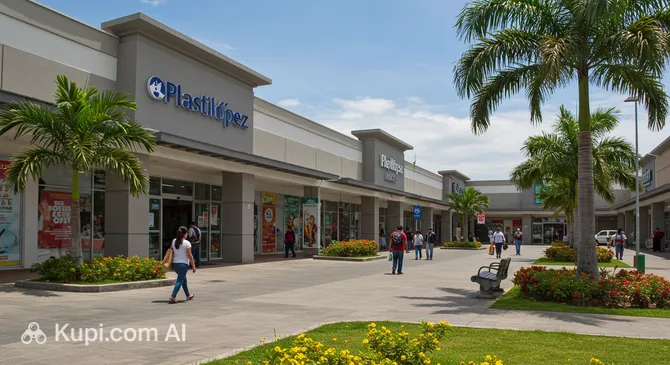
A slightly smaller but equally convenient option is Plastilópez Mall. While it may not have the expansive footprint of the larger centers, it provides a curated selection of shops and services that cater to both residents and visitors. These malls are not just places to buy goods but also serve as social gathering points where you can enjoy a coffee or a meal after a day of browsing.
Plastilópez Mall. Illustration.
Source: Kupi.com AI
Traveler photos:
If you prefer a more authentic and bustling atmosphere, the commercial zones in the Tarqui district are the place to go. Following the reconstruction efforts after the 2016 earthquake, the "Nuevo Tarqui" commercial area has become a vibrant center of trade. Here, you can wander through rows of stalls selling everything from affordable clothing and shoes to fresh local produce. It is a great place to practice your Spanish and interact with friendly local vendors who are the heartbeat of the city's commerce.
When searching for the perfect keepsake, Manta is an ideal location to purchase the world-renowned Panama hat (sombrero de paja toquilla). Although named after Panama, these fine straw hats originate from this region, specifically the nearby town of Montecristi. You can find high-quality, hand-woven hats in specialty boutiques throughout the city or at artisan markets. Other popular souvenirs include jewelry made from Tagua nut (often called vegetable ivory), coffee from the Manabí hills, and intricate handicrafts made from seashells.
Most shopping malls and major stores in Manta operate from approximately 10:00 AM to 8:00 PM or 9:00 PM, seven days a week. Smaller independent shops may close for a lunch break between 1:00 PM and 3:00 PM, though this is less common in the main tourist areas. The US Dollar is the official currency; while credit cards are widely accepted in malls, hotels, and supermarkets, it is essential to carry cash—preferably in small denominations—when shopping in markets or smaller boutiques.
Tourists should also be aware that Ecuador offers a VAT refund system (Devolución del IVA) for foreign visitors on purchases of locally produced industrial goods. Look for stores displaying the "Tax-Free" signage. To claim the refund at the airport upon departure, you will need to present your passport and the electronic invoices for your purchases, so be sure to ask for an official receipt (factura) when buying higher-value items.