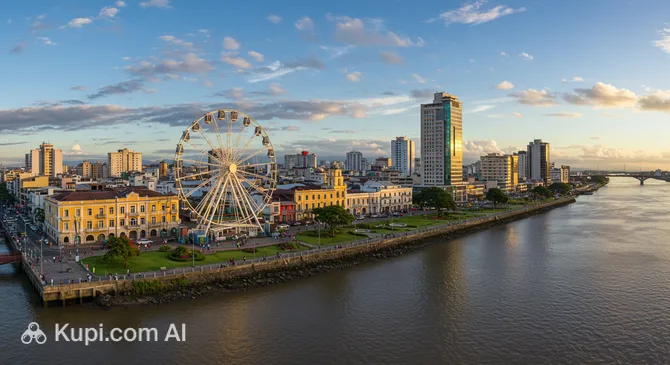
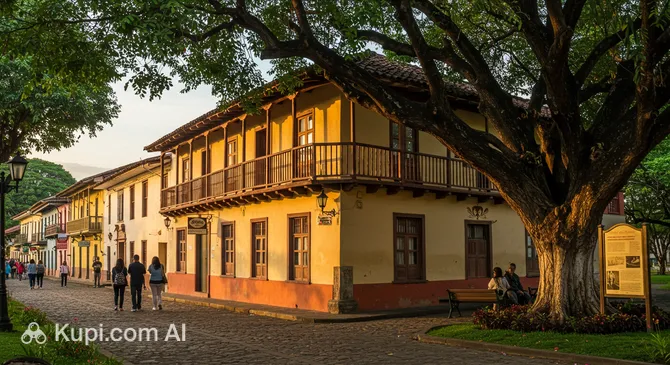
As the largest city and principal port of Ecuador, Guayaquil pulses with a vibrant energy that sets it apart from the Andean highlands. Known as the "Pearl of the Pacific," this bustling metropolis in the Guayas province serves as the nation's commercial heart. With a population exceeding 2.7 million residents, it offers a dynamic mix of modern urban life and traditional coastal culture, characterized by a warm, tropical climate that invites exploration year-round.
Guayaquil. Illustration.
Source: Kupi.com AI
Visitors are often drawn to the city's remarkable transformation, which is deeply rooted in the history of Guayaquil. The city seamlessly blends the old with the new, visible in the colorful, historic neighborhood of Las Peñas, where cobblestone streets lead up to the lighthouse for panoramic views. Another highlight is the sprawling Malecón 2000, a riverside boardwalk that offers gardens, shopping, and scenic vistas of the Guayas River. For a truly unique experience, travelers should not miss Parque Seminario, famous for the friendly land iguanas that roam freely among the visitors.
Whether you are passing through on your way to the Galápagos Islands or planning a dedicated stay, Guayaquil offers a rich tapestry of experiences. From its lively gastronomy to its welcoming atmosphere, this coastal gem is a destination that promises to surprise and delight every traveler.
Weather Overview
Guayaquil is known for its warm, tropical climate, offering travelers consistent heat throughout the year. Visitors can expect average temperatures to range steadily between 24.6°C and 26.6°C, making it a destination where light summer clothing is appropriate at any time. The days are generally hot, with maximums frequently reaching around 29°C to 30°C, while nights remain mild, rarely dropping below 21°C even in the cooler months of July and August.
When planning your activities, it is helpful to consider the seasonal variations in precipitation frequency. The first half of the year, particularly from January through May, is characterized by a high number of wet days—peaking at 29 days in March—although the recorded rainfall volume remains relatively low. Conversely, the latter part of the year tends to be drier, with November seeing as few as 9 wet days. For a comprehensive forecast and monthly breakdown, you can consult the detailed guide to the weather in Guayaquil to help schedule your trip.
Average monthly temperature
Average monthly precipitation
Interesting Facts
Here are some fascinating facts about Guayaquil to help you get to know the city better:
The Pearl of the Pacific: This is the city's enduring nickname, reflecting its status as Ecuador's most important commercial port and its stunning waterfront location along the Guayas River.
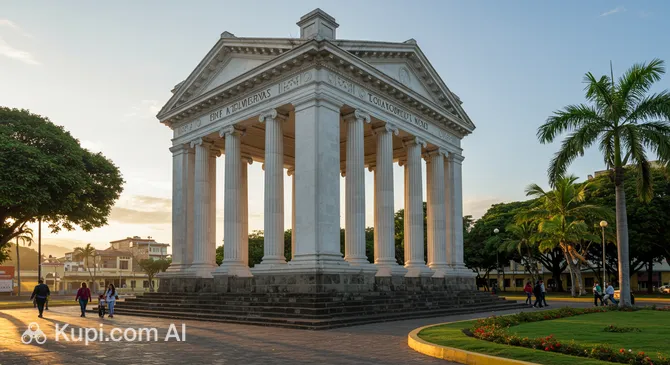
A Historic Handshake: The La Rotonda Hemicycle commemorates the pivotal "Guayaquil Conference" of 1822. It was here that the two great liberators of South America, Simón Bolívar and José de San Martín, met to discuss the future of the continent.
Chocolate Heritage: As a key export hub, the city has played a major role in the global cocoa trade. Visitors can explore the rich history of Ecuadorian chocolate at the Cacao Museum.
Nature and History Combined: For a glimpse into the past and local wildlife, the Guayaquil Historical Park offers a unique mix of restored colonial architecture and a sanctuary for native species, distinct from the urban hustle.
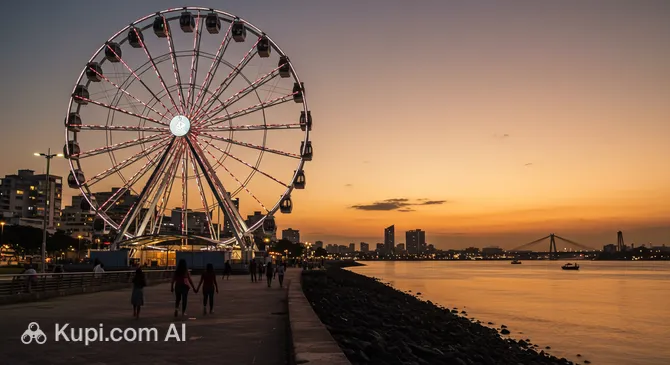
Soaring Views: Standing 57 meters tall, La Perla Ferris Wheel is one of the highest observation wheels in South America, providing panoramic views of the city and the river currents.
La Rotonda Hemicycle. Illustration.
Source: Kupi.com AI
Traveler photos:
How to Get There
Reaching the vibrant port city of Guayaquil is convenient for international and domestic travelers alike, thanks to its well-connected infrastructure. As the commercial hub of Ecuador, the city serves as a primary entry point for many visitors. For a complete guide on transportation options, you can read more about how to get to Guayaquil to plan your journey effectively.
The most direct way to arrive is via Jose Joaquin de Olmedo Airport (IATA: GYE), a major international hub located within Guayaquil itself. Situated just 3.6 km from the city center, it is incredibly convenient for travelers. A taxi or bus ride to the downtown area typically takes approximately 25 minutes, making it a quick transfer after your flight. This facility handles a large volume of passengers annually, connecting the city with destinations across the Americas and Europe.
Alternatively, if you are touring the southern Andes, you might fly into Mariscal Lamar International Airport (IATA: CUE) in the city of Cuenca. Although it is not in Guayaquil, it serves as a regional option located about 127 km away. Travelers arriving here can expect a ground transfer of approximately 210 minutes to reach Guayaquil. Another possibility is Manta Airport (IATA: MEC) in Manta, roughly 163 km from the city, with a travel time of around 265 minutes by road.
For clarity, here is a summary of the main airports:
Guayaquil boasts a diverse array of attractions that cater to history buffs, nature lovers, and urban explorers alike. The city's urban regeneration has created safe, beautiful public spaces that highlight its tropical charm and cultural heritage, offering visitors a variety of engaging experiences.
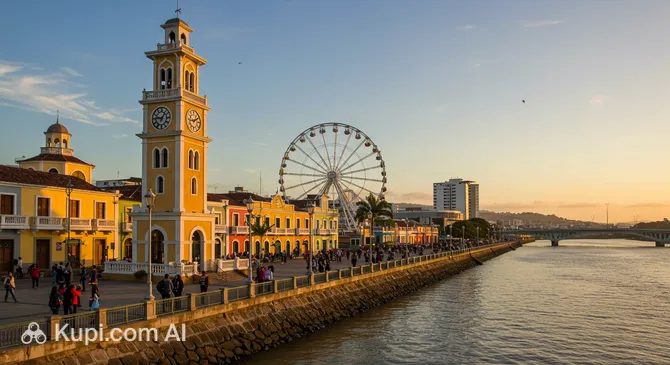
One of the most iconic spots is the Malecon 2000. This extensive boardwalk stretches for 2.5 kilometers along the banks of the Guayas River, serving as a social hub for locals and tourists. It is a microcosm of the city, featuring lush gardens, shopping areas, restaurants, and historical monuments. Visitors can enjoy a leisurely stroll, take a boat ride on the river, or simply admire the sunset over the water, making it a perfect starting point for any tour.
Malecon 2000. Illustration.
Source: Kupi.com AI
Traveler photos:
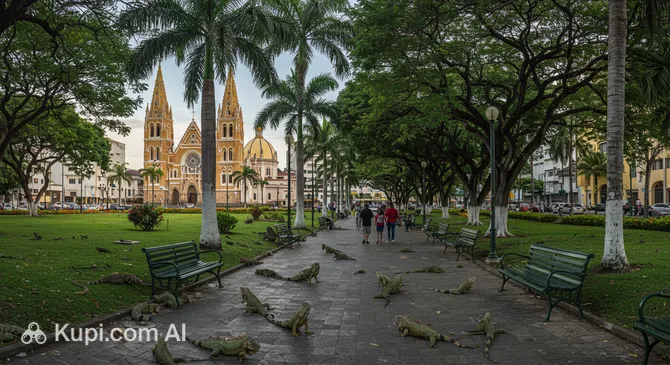
For a truly unique encounter with nature in the heart of the city, Seminario Park is a must-visit. Often referred to as "Iguana Park," this small, ornate plaza located in front of the Metropolitan Cathedral of Guayaquil is famous for the dozens of land iguanas that roam freely among the benches and trees. Tourists are fascinated by the chance to observe these prehistoric-looking reptiles up close in such an unexpected urban setting.
Seminario Park. Illustration.
Source: Kupi.com AI
Traveler photos:
Those interested in the region's past and biodiversity should explore the Guayaquil Historical Park. Located just outside the city center, this sprawling complex is divided into three zones: wildlife, traditions, and urban architecture. It offers a peaceful escape where you can walk through a mangrove forest, see native animals like tapirs and parrots, and admire restored colonial houses that transport you back to the cocoa boom era.
Guayaquil Historical Park. Illustration.
Source: Kupi.com AI
Traveler photos:
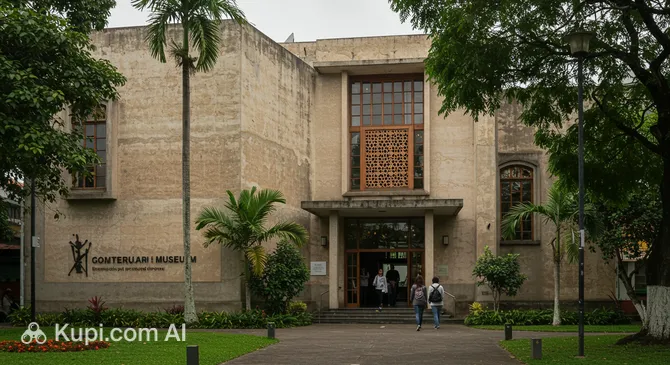
Finally, art and history enthusiasts will appreciate the Anthropology and Contemporary Art Museum (MAAC). Situated at the northern end of the Malecon, this modern facility houses an impressive collection of pre-Columbian artifacts and contemporary Ecuadorian art. It provides deep insight into the cultures that inhabited the coast for thousands of years, offering a rich educational experience to complement the city's scenic beauty.
Anthropology and Contemporary Art Museum. Illustration.
Source: Kupi.com AI
Traveler photos:
Local Cuisine
The culinary scene in Guayaquil is a vibrant reflection of its coastal location, offering some of the most flavorful and distinct dishes in Ecuador. As the country's main port, the city is a paradise for seafood lovers, but the local gastronomy extends far beyond just fish. The absolute star of the local table is Encebollado. Often regarded as Ecuador's national dish, this hearty soup is made with fresh tuna (albacore), yuca (cassava), and red onion, typically garnished with cilantro and served with banana chips (chifles) or bread. It is traditionally eaten for breakfast or as a mid-morning pick-me-up.
Another culinary ritual in Guayaquil revolves around the Cangrejo Rojo (red mangrove crab). "Cangrejadas" are social gatherings where friends and families sit down to feast on piles of whole crabs seasoned with a secret blend of spices, beer, and herbs. For those who prefer meat, Arroz con Menestra y Carne is a staple comfort food. This plate features a generous serving of rice accompanied by a savory lentil or bean stew (menestra) and a piece of grilled beef or pork chop, showcasing the hearty nature of Guayaquil's everyday dining.
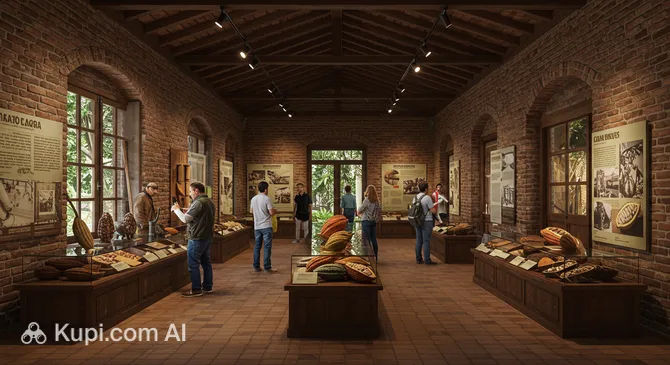
When it comes to drinks and snacks, the city has unique traditions. A very popular local custom is enjoying a cold, smoothie-style drinking yogurt paired with warm, cheesy Pan de Yuca (cassava bread). This combination is widely available at specialized shops throughout the city. Additionally, given the region's agricultural history, chocolate plays a significant role in the local palate. You can dive deeper into this sweet heritage by visiting the Cacao Museum, which celebrates the "Golden Bean" that shaped the city's economy.
Cacao Museum. Illustration.
Source: Kupi.com AI
Traveler photos:
The food culture in Guayaquil is best experienced in its "huecas"—small, unpretentious traditional eateries that specialize in specific dishes and have often been run by the same families for generations. While there are modern restaurants and food courts in places like shopping malls, the true flavor of the city is found in these local spots and the bustling markets. Whether you are grabbing a quick Bolón de Verde (green plantain dumpling) for breakfast or sitting down for a seafood feast, the city's cuisine is sure to be a highlight of your trip.
Travel Tips
Visiting Guayaquil is an exciting experience full of coastal energy, but like any bustling metropolis, it rewards those who come prepared. To help you navigate the city comfortably and make the most of your stay in the "Pearl of the Pacific," here are some essential practical tips.
Dress for the Tropics: The climate in Guayaquil is hot and humid year-round. Pack lightweight, breathable fabrics like cotton or linen to stay cool. Essential accessories include a wide-brimmed hat, sunglasses, and high-SPF sunscreen. Since you will likely be walking along the Malecon or climbing the steps of Las Peñas, bring comfortable walking shoes. If you plan to visit churches, remember to dress modestly, covering your shoulders and knees.
Smart Transportation: The city has an efficient bus rapid transit system called the Metrovía, which is affordable and covers main routes. However, for greater comfort and safety, especially at night, it is recommended to use registered taxis (yellow with orange license plates and cameras) or ride-hailing apps like Uber or Cabify. Avoid hailing unmarked cars on the street. Car rental is generally unnecessary for staying within the city due to traffic.
Managing Your Money: Ecuador uses the US Dollar as its official currency. While credit cards are widely accepted in hotels, malls, and larger restaurants, cash is king for small businesses, taxis, and street food. It is crucial to carry small bills (specifically $1, $5, $10, and $20 notes), as many vendors cannot make change for $50 or $100 bills. ATMs are plentiful in shopping centers and banks.
Health and Safety Precautions: Stick to well-populated, tourist-friendly zones like the Malecon 2000, Las Peñas, and Plaza Lagos, where security is high. Avoid walking alone in unlit or peripheral areas, particularly at night. Pharmacies such as Fybeca or Cruz Azul are easy to find and often open late. Always drink bottled water rather than tap water to avoid stomach issues.
Communication Essentials: Spanish is the official language. While staff at high-end hotels may speak English, it is not widely spoken by the general public or taxi drivers. Learning a few basic phrases like "Buenos días" (Good morning) and "¿Cuánto cuesta?" (How much?) is very helpful. You can easily purchase a prepaid SIM card from providers like Claro or Movistar at the airport or shopping malls to stay connected.
Local Etiquette: Guayaquileños are known for being warm and outgoing. A handshake is standard, though a light kiss on the cheek is common among women or close acquaintances. It is polite to say "Buen provecho" (enjoy your meal) to fellow diners when entering or leaving a restaurant. Dress casually but neatly; swimwear is strictly for the pool or beach, not for walking around the city center.
What to Avoid: Do not display expensive electronics, jewelry, or large amounts of cash openly in public spaces. It is best to keep your phone in your pocket when walking on the street. Also, avoid discussing sensitive political topics; it is better to focus your conversations on the city's beauty, food, and culture.
Timing Your Visits: The midday sun can be intense. A great local "hack" is to plan your outdoor activities, such as climbing the 444 steps to the lighthouse in Las Peñas, for the late afternoon. This allows you to avoid the peak heat and rewards you with a stunning sunset view over the city and river.
By keeping these practical points in mind, you can focus on enjoying the vibrant culture and delicious gastronomy that Guayaquil has to offer. Whether you are marveling at the iguanas in the park or enjoying a breeze by the Guayas River, a little preparation ensures a safe and memorable trip.
Entertainment & Nightlife
As the sun sets over the Guayas River, Guayaquil transforms into a vibrant hub of entertainment, shedding its business demeanor for a lively, tropical atmosphere. The city's nightlife is diverse, catering to those seeking sophisticated cocktails with a view as well as those looking to dance until dawn. The warm evenings allow for an open-air culture where terraces and boardwalks remain bustling well into the night.
One of the most popular and upscale destinations for an evening out is Puerto Santa Ana. Located at the end of the Malecon 2000, this modern development features a string of restaurants and bars along the riverfront. It is the perfect spot to enjoy a drink while admiring the illuminated city skyline. The atmosphere here is chic and relaxed, attracting a mix of locals and tourists who appreciate fine dining and craft cocktails in a safe, well-guarded environment.
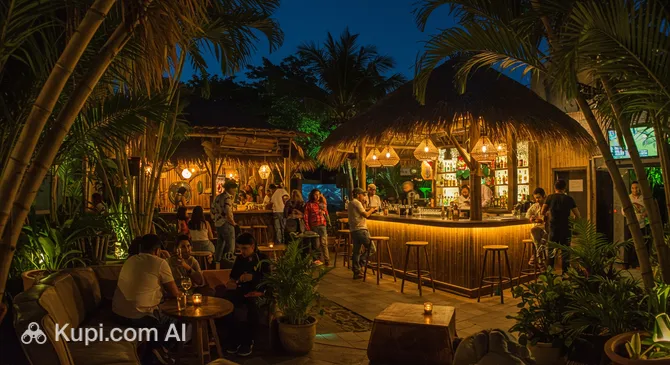
For a more bohemian and local experience, the Urdesa district is a favorite among residents. Centered around the Victor Emilio Estrada avenue, this neighborhood is packed with an eclectic mix of venues. Here, you can find Mongos Urdesa, a staple in the local scene known for its relaxed vibe, good music, and hearty food, making it a great place to start the night. If you are a fan of artisanal beer, the Cherusker German Craft Brewery offers a lively setting to sample a variety of brews in a friendly, pub-style atmosphere.
Mongos Urdesa. Illustration.
Source: Kupi.com AI
Traveler photos:
Those looking for high-energy partying typically head to the Zona Rosa, located near the waterfront in the city center. This area is famous for its density of dance clubs and discos playing everything from salsa and merengue to reggaeton and electronic music. The dress code in Guayaquil's nightlife varies; while Puerto Santa Ana leans towards smart casual (long pants and closed shoes for men), places in Urdesa can be more laid-back. However, for nightclubs, it is always best to dress to impress.
Safety is an important consideration when enjoying the nightlife. It is highly recommended to use ride-hailing apps or radio taxis rather than hailing cabs off the street at night. Areas like Puerto Santa Ana and the commercial centers of Samborondón (like Plaza Lagos) are very safe for walking, but in other districts, door-to-door transport is the wisest choice. Prices are generally affordable compared to North American or European standards, with beers often costing between $3 and $5, and cocktails around $6 to $10.
Beyond the nightlife, Guayaquil offers plenty of daytime entertainment options for families and thrill-seekers. The La Perla Ferris Wheel, located on the Malecon 2000, provides a gentle ride with spectacular views and is a fantastic way to see the city from above. For those traveling with children, the Joy Amusement Park Los Ceibos offers a variety of rides and games to keep the little ones entertained.
La Perla Ferris Wheel. Illustration.
Source: Kupi.com AI
Traveler photos:
Parks & Museums
Beyond its bustling commercial avenues and riverfront boardwalks, Guayaquil offers a wealth of green spaces and cultural institutions that provide a deeper look into the city's soul. Whether you are looking to escape the tropical heat under the shade of a tree or dive into the region's rich history, the city's parks and museums are essential stops on your itinerary.
For those seeking outdoor recreation, Samanes Park is a standout destination. As one of the largest urban parks in the world, it serves as a massive ecological lung for the city. This sprawling recreational area features extensive sports facilities, walking trails, and playgrounds, making it a favorite spot for families and athletes alike. It is the perfect place to enjoy a morning jog or a relaxing picnic surrounded by nature.
In the heart of the downtown district lies Centennial Park (Parque Centenario), one of the largest and most significant plazas in the city. Dominating the center is the impressive Column of the Oct 9th, which honors the heroes of Guayaquil's independence. The park is adorned with beautiful statuary and lush gardens, offering a peaceful respite amidst the urban activity.
Another scenic waterfront option is the Malecón del Salado. Located on the banks of the saline estuary, this boardwalk is famous for its "dancing fountains," rowing boats, and vibrant atmosphere. It is an excellent location to watch the sunset and enjoy the local culinary delights sold at nearby kiosks.
Guayaquil's museums are equally captivating, preserving the memories of its resilient past. The Guayaquil Municipal Museum is a treasure trove of history, guiding visitors through eras ranging from pre-Columbian civilizations to the colonial period and the republic. Its exhibits provide a comprehensive narrative of how the city evolved into the metropolis it is today.
Given the city's history with major fires, the Firefighters Museum "Jefe Felix Luque Plata" is a particularly poignant attraction. Housed in an old water pumping station, it pays tribute to the "Casacas Rojas" (Red Jackets) and displays vintage fire engines and equipment, celebrating the bravery of the local fire corps.
Finally, for sports enthusiasts, the Astillero Teams Museum is a must-visit. It celebrates the intense rivalry and history of the city's two most popular football clubs, Barcelona and Emelec, which is an integral part of Guayaquil's modern identity.
Getting Around
Navigating Guayaquil is relatively straightforward thanks to a public transport system that combines modern infrastructure with traditional options. The backbone of the city's transit network is the Metrovía, a Bus Rapid Transit (BRT) system. This network consists of large buses running on dedicated lanes, which allows them to bypass much of the city's traffic. It is organized into several main "troncales" (trunk lines) that connect the north, center, and south of the city, stopping at designated, elevated stations. For tourists, this is the most efficient and easiest way to travel between major districts.
A unique and scenic addition to the transport network is the Aerovía, a modern cable car system. While it primarily serves commuters traveling between Guayaquil and the neighboring town of Durán, crossing the Guayas River, it has become a popular attraction for visitors. The ride offers spectacular aerial views of the river, the Malecon, and the city skyline. It is a fantastic way to see the city from a different perspective while avoiding the traffic on the bridges.
To use the Metrovía or Aerovía, you need a rechargeable smart card. Cash is generally not accepted directly at the turnstiles for these systems. You can purchase and top up these cards at the ticket booths located at any main station. The cost of a ride is very affordable: the standard fare for the Metrovía is $0.45, while a trip on the Aerovía costs $0.74. It is advisable to buy a card upon your first arrival at a major station and load enough credit for a few trips to save time later.
For those who prefer more direct comfort or are traveling late at night, taxis and ride-sharing apps are widely available and highly recommended. Official taxis are yellow and must have orange license plates and a security camera kit inside; always ensure the meter (taxímetro) is running. Alternatively, apps like Uber and Cabify operate extensively in the city. Many tourists find these apps preferable as they offer price transparency, GPS tracking, and the convenience of paying via credit card without needing to carry small change.
Public transport generally operates from early morning, around 5:30 AM, until approximately 11:30 PM, though hours may vary slightly on weekends and holidays. If you choose to use the Metrovía, be aware that it can get extremely crowded during peak rush hours (7:00 AM to 9:00 AM and 5:00 PM to 7:00 PM). During these times, keep a close watch on your belongings and carry your backpack on your front. For short distances within tourist zones like Puerto Santa Ana or the Malecon, walking is safe and enjoyable, but for longer crosstown journeys, the Metrovía or a taxi is your best bet.
Accommodation
Where to Stay:
Accommodation in Guayaquil caters to a wide spectrum of travelers, ranging from economical backpacker hostels to high-end luxury hotels. As a major business and tourism hub, the city is well-equipped with lodging options that suit various budgets and preferences. Visitors can find modern international chains offering full amenities, charming boutique hotels situated in restored historic buildings, and practical guesthouses perfect for those passing through on their way to the Galápagos Islands or the beaches.
Choosing the right neighborhood is key to enjoying your stay. For those who want to be in the heart of the action, the Downtown area near the Malecon 2000 is ideal, placing you within walking distance of major historical sites and the riverfront. Travelers looking for a safer, more residential vibe with excellent dining and nightlife often prefer the districts of Urdesa or Kennedy. Meanwhile, the upscale area of Samborondón offers luxury stays and modern shopping centers, though it is further from the city center. For passengers with early flights or short layovers, there is a cluster of reliable hotels located conveniently close to the airport.
Among the options available in the greater metropolitan area, you might consider the Hotel Soloy Duran. Establishments like this provide comfortable amenities for travelers exploring the region.
When planning your trip, it is advisable to book your accommodation in advance, especially if you are visiting during local holidays or the peak season (July and August). Prices are generally reasonable compared to North American standards; budget travelers can find beds for as little as $15-$25 per night, while mid-range hotels typically charge between $40 and $80. Luxury stays can range upwards of $100. Most properties can be easily booked through major online platforms, which often offer the best rates and flexibility.
Nearby Cities
For those looking to explore the surroundings, Guayaquil serves as an excellent base for day trips to several interesting nearby locations:
Just across the river lies Samborondon, a modern and upscale canton that feels like an extension of the city itself. It is home to the popular Plaza Lagos, a beautiful complex of restaurants and shops set around artificial lakes, perfect for a relaxing afternoon or evening. This area also hosts the Guayaquil Historical Park, blending nature and colonial architecture in a serene setting.
A short drive inland takes you to Milagro, affectionately known as the "City of Pineapples." As an agricultural hub, it offers visitors a glimpse into the fertile countryside of the Guayas province. It is famous for its sweet produce and vibrant plant nurseries, making it a refreshing stop for nature lovers and those interested in agrotourism.
For travelers willing to venture a bit further towards the coast, La Libertad serves as a key commercial center on the Santa Elena Peninsula. While it is a bustling city in its own right, it acts as a gateway to the Pacific Ocean. It is located very close to the famous resort town of Salinas, allowing visitors to combine a look at local commerce with a trip to the beach.
City
Population
Distance
Samborondon
42 637
11 km
Yaguachi
17 806
24 km
Milagro
133 508
33 km
Daule
65 145
37 km
Lomas de Sargentillo
13 775
41 km
These nearby destinations offer a glimpse into the diverse culture and landscapes of the region.
Shopping & Souvenirs
Shopping:
As the commercial heart of Ecuador, Guayaquil offers a dynamic shopping scene that caters to every taste and budget. The city seamlessly blends the convenience of massive, modern shopping centers with the charm of traditional markets. Whether you are looking for high-end international fashion, the latest electronics, or authentic local handicrafts, the "Pearl of the Pacific" provides ample opportunities for retail therapy.
The city is famous for its extensive network of modern malls, which also serve as popular social hubs and cool retreats from the tropical heat. Mall del Sol, located near the airport, is a sprawling complex known for its wide variety of stores and entertainment options. For a more exclusive experience, San Marino Shopping features luxury boutiques and a stylish atmosphere. Residents and visitors in the Ceibos district often frequent Riocentro Ceibos, a comprehensive center that combines department stores, supermarkets, and cinemas in a comfortable, family-friendly setting.
For those willing to venture just across the bridge to the upscale Samborondón area, Plaza Navona offers a unique lifestyle experience. Unlike the enclosed malls, this open-air complex boasts beautiful colonial-style architecture and landscaped walkways. It is an excellent destination not just for shopping, but also for enjoying a relaxed evening at one of its many gourmet restaurants or cafes.
Travelers seeking authentic souvenirs should head directly to the Mercado Artesanal (Artisan Market) on Loja Street. This is the premier spot in the city to find Ecuadorian handicrafts in a safe and organized environment. Stalls here are piled high with colorful textiles, leather goods, ceramics, and jewelry made from tagua (vegetable ivory). It is also one of the best places to purchase a genuine Panama Hat. Despite their name, these famous straw hats are woven in Ecuador, and you can find high-quality examples here at a fraction of the price you would pay abroad.
For a more intense local experience, the district known as La Bahía offers a labyrinth of thousands of small stalls selling clothing, shoes, and electronics at bargain prices. It is a bustling, chaotic, and vibrant part of the city where bargaining is the norm. Additionally, do not leave without buying some premium Ecuadorian chocolate. As the nation's primary cocoa port, Guayaquil's supermarkets and specialty shops offer some of the finest dark chocolate bars in the world, often made with the renowned "Arriba" cacao bean.