Support

Quito

About

Welcome to Quito, the stunning capital of Ecuador nestled high in the Andes Mountains. Known for its dramatic setting on the slopes of the Pichincha volcano, this city offers a unique blend of indigenous culture, colonial charm, and modern vitality. With a population of over 2 million people, it serves as the vibrant heart of the Pichincha Province and stands as the second-highest capital city in the world.
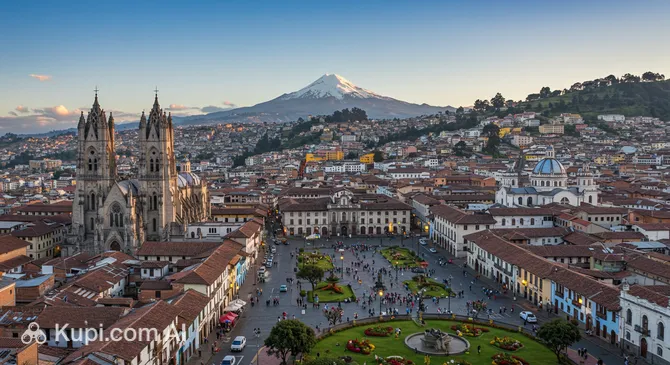
Quito. Source: Kupi.Binoculars

Geographically, Quito is fascinating because of its proximity to the equator, yet its high altitude of 2,850 meters ensures a pleasant, spring-like climate year-round. The city is perhaps most famous for its Old Town, which is one of the largest and best-preserved historic centers in the Americas. As you delve into the history of Quito, you will understand why it was among the very first locations to be designated a UNESCO World Heritage Site. The streets here are a living museum, filled with ornate churches, grand plazas, and cobblestone alleyways.

Travelers are drawn to iconic landmarks such as the breathtaking La Compañía de Jesús church, renowned for its intricate gold-leaf interior. For those seeking adventure and spectacular views, the Teleférico cable car offers a ride up the mountain slopes to see the city from above. Additionally, a short trip north allows you to visit the Mitad del Mundo, where you can straddle the equator line and stand in two hemispheres at once.

Whether you are exploring its rich architectural heritage or enjoying the mountain scenery, Quito invites you to discover its magic. It is the perfect starting point for any Andean adventure and a destination that promises unforgettable memories.
Weather Overview

Due to its high altitude and unique location right on the equator, the climate in this Andean capital is often described as an "eternal spring." The weather remains remarkably consistent throughout the year, avoiding extreme heat or severe cold. For a more detailed breakdown of what to pack and when to go, you can check the specific forecast and historical data for the weather in Quito before your trip.

Based on typical patterns, you can expect average temperatures to hover around 15°C regardless of the month. Daily highs usually reach a pleasant 18°C, while nights cool down to approximately 11°C to 12°C. Precipitation is a very frequent occurrence here, with data suggesting that rain or mist can be expected on most days of the year, though often in small amounts. It is advisable to dress in layers and always carry a rain jacket, as the weather can change quickly from sunny mornings to rainy afternoons.

Interesting Facts

Beyond the main attractions, Quito holds many fascinating secrets and unique distinctions that surprise even the most seasoned travelers. Here are some intriguing facts about this high-altitude capital that set it apart from any other city in the world.

  • Quito was one of the very first cities to be declared a UNESCO World Heritage Site in 1978. The Quito Historic Center was recognized alongside Krakow, Poland, for having the best-preserved and least altered historic center in Latin America.

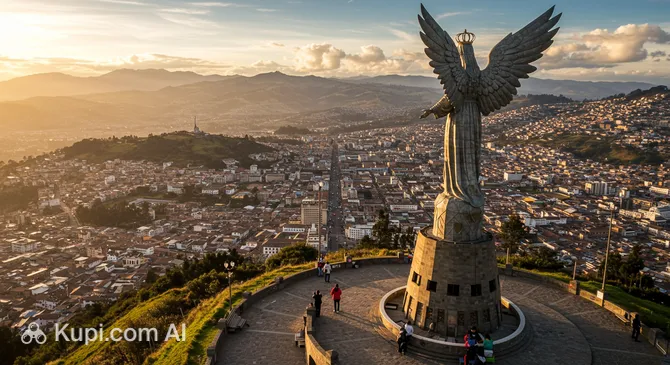
  • The city is home to the only winged Virgin Mary statue in the world. The Virgin of El Panecillo stands guard over the city and is made of 7,000 pieces of aluminum, making it a unique masterpiece of modern engineering and art.

  • Local legends say that the Church and Convent of St. Francis houses one of the oldest breweries in South America. The Franciscan friars began brewing beer here shortly after the city's foundation in the 16th century, a tradition that is being revived today.

  • The breathtaking Church of the Society of Jesus took 160 years to complete. Its interior is so lavishly decorated that it is reputed to contain seven tons of gold leaf, covering almost every centimeter of its walls and ceilings.

Virgin of El Panecillo. Source: Kupi.Binoculars

How to Get There

Reaching the Andean capital involves navigating its unique high-altitude geography, with air travel being the most convenient method for international and distant domestic arrivals. Whether you are flying in from abroad or connecting from another part of the country, planning your arrival is straightforward. You can find more about how to get to Quito and detailed transport tips on our dedicated page.

The primary gateway for the vast majority of visitors is Mariscal Sucre International Airport (UIO). Located in the Tababela parish, this modern facility is the busiest in the country, handling millions of passengers annually. It is situated approximately 21 km from the center of Quito. The journey to the main city districts typically takes around 52 minutes by taxi or shuttle bus, though this can vary with traffic. As a major international hub, it offers a wide range of services and connections.

While Quito is well-served by its main airport, travelers exploring the wider region might encounter other transport hubs, although they are significantly further away. San Luis Airport (IPI) is located in the city of Ipiales, about 152 km from Quito. Due to the distance and mountain roads, the transfer time is approximately 250 minutes. Another regional option is Coca Airport (OCC), situated in the city of Coca, roughly 172 km away. Reaching the capital from there involves a journey of about 280 minutes. These smaller airports primarily serve local traffic and are much less frequented by tourists heading directly to the capital.

For clarity, here is a summary of the main airports:

Airport Name City Passenger Traffic Km from City
Mariscal Sucre International Airport Quito Large 21.1
San Luis Airport Ipiales Small 152.3
Coca Airport Coca Small 172.1
Esmeraldas Airport Esmeraldas Small 181.3
Cano Airport Pasto Medium 224.9

Main Attractions

Quito is a city where history and nature converge, offering visitors a diverse range of experiences from colonial architecture to high-altitude adventures. Exploring the capital involves navigating between its well-preserved past and its dynamic present, with landmarks that cater to every type of traveler.

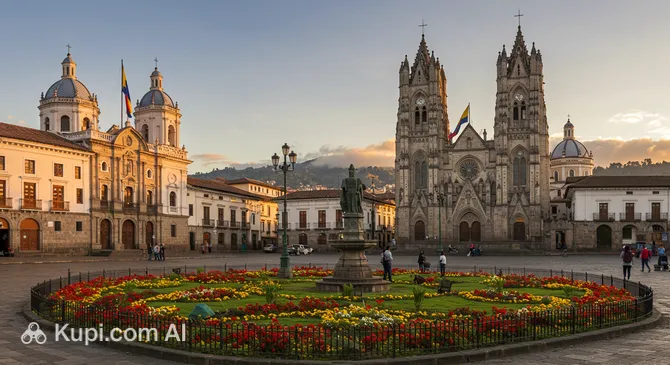
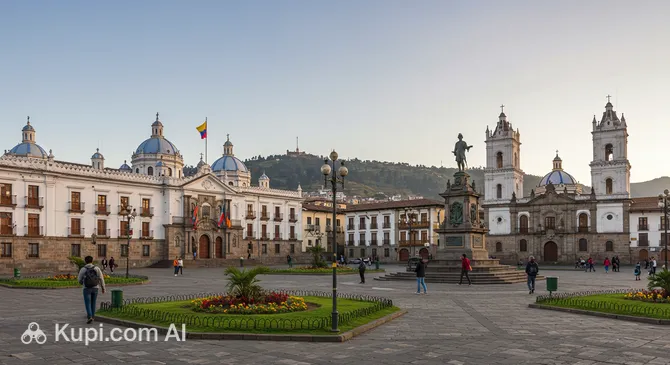
The beating heart of the historic center is the Plaza de la Independencia, often referred to by locals as Plaza Grande. This bustling square is surrounded by some of the most important buildings in the country, including the Carondelet Palace, the Metropolitan Cathedral, and the Archbishop's Palace. It is a perfect spot to observe local life, admire the colonial architecture, and soak in the atmosphere of the Old Town.

Plaza de la Independencia. Source: Kupi.Binoculars

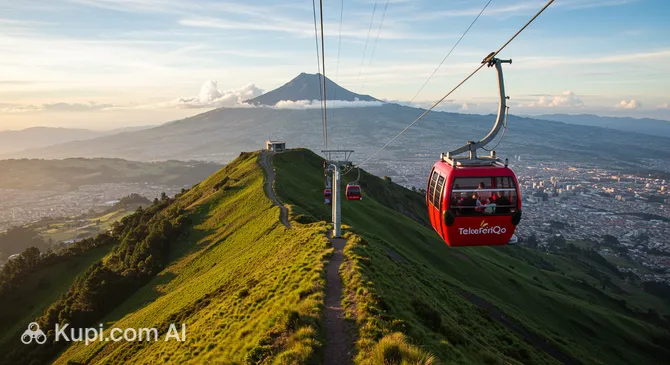
For those seeking breathtaking panoramic views, a ride on the TelefériQo Cable Car is an absolute must. This aerial lift takes passengers from the city edge up the slopes of the Pichincha Volcano to an altitude of nearly 4,000 meters. At the top, you can enjoy sweeping vistas of the city and the surrounding Avenue of Volcanoes, or go for a hike in the paramo ecosystem.

TelefériQo Cable Car. Source: Kupi.Binoculars

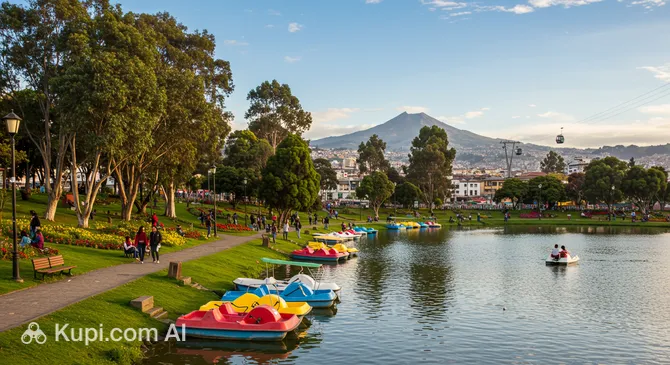
In the midst of the modern city lies La Carolina Park, a massive urban green space that serves as a recreational hub for Quiteños. The park is filled with sports fields, running tracks, and a lagoon for paddle boating. Within its grounds, you can also find the Quito Botanical Garden, which showcases the country's incredible biodiversity, including a stunning collection of orchids and Andean plants.

La Carolina Park. Source: Kupi.Binoculars

Art enthusiasts should make time to visit the Chapel of Man (Capilla del Hombre), a moving cultural center and art museum designed by the famous Ecuadorian artist Oswaldo Guayasamín. This monumental structure is dedicated to the people of Latin America, documenting their struggles and resilience through powerful paintings and sculptures. It offers a profound insight into the region's history and human rights issues.

Local Cuisine

The culinary landscape of Quito is a delicious reflection of its Andean heritage, blending indigenous ingredients with Spanish influences to create hearty, warming meals. Due to the high altitude, soups play a central role in the local diet. The most iconic dish you must try is Locro de Papa, a thick and creamy potato soup served with cheese, avocado, and a side of toasted corn or popcorn. It is the quintessential comfort food of the capital and can be found in everything from humble market stalls to upscale dining establishments.

For a taste of the city's vibrant street food culture, look for Llapingachos, savory fried potato patties stuffed with cheese and cooked on a griddle until golden brown. They are typically served with peanut sauce, chorizo, a fried egg, and a fresh beet salad. Another favorite among locals is Fritada, chunks of pork cooked in a brass pan with spices until crispy, usually accompanied by mote (hominy) and sweet plantains. Exploring the food markets is a great way to experience these authentic flavors at an affordable price.

When the sun sets and the mountain air cools down, the traditional drink of choice is Canelazo. This hot, spiced beverage is made from water, cinnamon, sugar, and aguardiente (sugar cane alcohol), often mixed with the juice of the naranjilla fruit. It is particularly popular in the historic district, such as along La Ronda street. For a non-alcoholic treat, try morocho, a warm, spiced corn pudding drink, or sample the incredible variety of fresh fruit juices made from exotic local produce like taxo and tree tomato.

Ecuador is also famous worldwide for its fine aroma cacao, making the capital a paradise for chocolate lovers. To dive deeper into this sweet heritage, you can visit the Paccari Experience House, where you can taste award-winning organic chocolates and learn about the production process. Whether you are enjoying a simple set lunch known as an "almuerzo" or indulging in modern gastronomic creations, Quito offers a unique and memorable feast for the senses.

Paccari Experience House. Source: Kupi.Binoculars

Travel Tips

To help you navigate the unique geography and culture of this high-altitude capital, we have compiled a list of essential practical advice. These tips will ensure your visit to Quito is as smooth, safe, and enjoyable as possible, allowing you to focus on the breathtaking sights.

  1. Pack for Four Seasons in One Day. The weather in Quito is unpredictable; it can be sunny in the morning and rainy by the afternoon. Bring layers—a t-shirt, a warm sweater, and a waterproof jacket are essential. Since the city is on the equator and at high altitude, the UV radiation is extremely high, so a hat, sunglasses, and high-SPF sunscreen are mandatory even on cloudy days. Comfortable walking shoes are a must for the cobblestone streets of the Old Town.
  2. Choose the Right Transport. The city recently inaugurated the Metro de Quito, which is the fastest way to move between north and south. The Trolebús and Ecovía are affordable surface options but can get very crowded. For safety and convenience, especially at night, use ride-hailing apps like Uber or Cabify rather than hailing taxis on the street. If you do take a yellow taxi, ensure it has orange license plates and a functioning taximeter (taxímetro).
  3. Cash is King for Small Purchases. Ecuador uses the US Dollar. While credit cards are accepted in major hotels, restaurants, and malls, cash is necessary for small shops, taxis, and street markets. It is crucial to carry small bills ($1, $5, $10, and $20); many vendors cannot break $50 or $100 bills. ATMs are widely available, but try to use those located inside banks or shopping centers for security.
  4. Acclimatize and Stay Hydrated. Quito sits at 2,850 meters (9,350 feet), so altitude sickness (soroche) can affect travelers. Take it easy on your first day, avoid heavy meals or excessive alcohol, and drink plenty of water. Tap water is generally not recommended for drinking; stick to bottled or filtered water. Pharmacies like Fybeca are common and often have locations open 24/7 for basic medical needs.
  5. Language and Connectivity. Spanish is the official language. While staff in high-end tourism sectors speak English, it is not widely spoken by taxi drivers or shopkeepers. Learning a few basic phrases or having a translation app is very helpful. You can easily buy a prepaid SIM card from providers like Claro or Movistar at the airport or convenience stores to stay connected.
  6. Practice Polite Greetings. Ecuadorians are generally polite and formal. It is customary to say "Buenos días" (good morning), "Buenas tardes" (good afternoon), or "Buenas noches" (good evening) when entering a shop or getting into a taxi. A handshake is common, and close acquaintances may greet with a kiss on the cheek. When entering a restaurant, it is polite to say "Buen provecho" to other diners.
  7. Safety Precautions. While the main tourist areas are patrolled, it is best to avoid walking alone in the Historic Center or major parks (like La Carolina and El Ejido) after dark. Stick to well-lit areas and use taxis for evening transport. Be mindful of your belongings in crowded places like the Trolebús stations or busy markets to avoid pickpocketing.
  8. Sunday is for Cyclists. If you are in town on a Sunday, take advantage of the Ciclopaseo. Major roads are closed to cars from morning until early afternoon, creating a 30-kilometer route for cyclists, runners, and walkers. It is a fantastic and safe way to see the city from a different perspective alongside the locals.

By keeping these practical tips in mind, you will be well-prepared to embrace the vibrant rhythm of life in Quito. Enjoy the warmth of the locals, the stunning Andean views, and the rich history that awaits you around every corner!

Entertainment & Nightlife

The nightlife in Quito is distinctively divided into zones, each with its own personality. The most famous district for partying is La Mariscal, specifically the area around Plaza Foch, often referred to as "La Zona." This area is the epicenter of tourist nightlife, packed with bars, karaoke spots, and dance floors that stay open late. It draws a mix of backpackers and locals, creating a lively and sometimes chaotic atmosphere. For those seeking a high-energy reggaeton experience in this area, Safaera Quito is a popular nightclub where you can dance until the early morning hours.

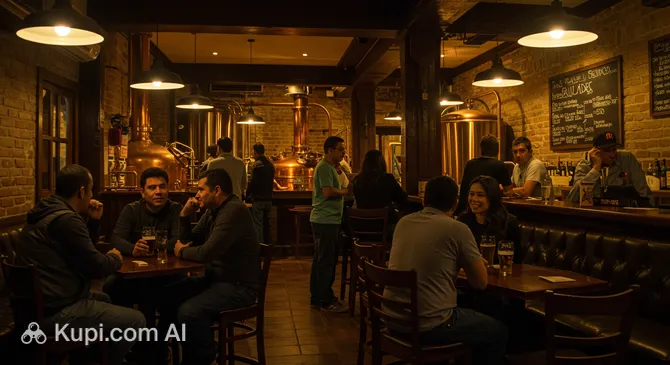
For a more romantic and traditional evening, head to the Historic Center, particularly the charming street of La Ronda. This pedestrian-only cobblestone alley comes alive at night with live acoustic music, artisan shops, and cozy cafes serving the famous "canelazo" (a hot spiced cinnamon drink). It offers a bohemian vibe that contrasts sharply with the loud beats of the modern city. Here, you can find unique spots like Sinners Microbrewery – Historic Center, which combines the colonial setting with excellent local craft beers, perfect for a relaxed evening of conversation.

Sinners Microbrewery – Historic Center. Source: Kupi.Binoculars

Another prominent nightlife hub is the Avenida de los Shyris, located near La Carolina Park. This area tends to attract a more upscale, local crowd compared to La Mariscal. It is lined with trendy bars, gastropubs, and clubs where Quiteños go to socialize and be seen. If you are looking for a place with a great atmosphere to enjoy drinks and music in this district, Mongos Shyris is a well-known staple that offers a fun environment for groups.

While the nights are for partying, Quito also boasts excellent daytime entertainment options. Families and thrill-seekers should visit Vulqano Park, an amusement park located at the base of the Pichincha volcano, offering rides with spectacular views of the city. For culture lovers, the House of Ecuadorian Culture is a major institution hosting theaters, museums, and cinemas that showcase the country's artistic heritage.

Practical Tips for Nightlife:

  • Timing: The party scene typically heats up on Thursday, Friday, and Saturday nights. Bars usually close around 2:00 AM or 3:00 AM.
  • Dress Code: In La Mariscal, the vibe is casual; jeans and t-shirts are fine. However, venues on Avenida de los Shyris or upscale clubs may require a "smart casual" look (no shorts or flip-flops).
  • Safety: This is crucial in Quito. While the specific entertainment districts are bustling, the streets connecting them can be empty and unsafe at night. Never walk alone between venues or back to your hotel after dark. Always use a ride-hailing app like Uber or Cabify, or ask the venue to call a radio taxi for you. Avoid hailing random taxis on the street at night.
  • Prices: Nightlife is generally affordable. A beer might cost $3-$5, and cocktails $6-$10. Many places in Plaza Foch offer "Happy Hour" specials early in the evening.

Parks & Museums

Quito is a city that seamlessly blends urban energy with breathtaking nature and profound history. Beyond its famous colonial streets, the capital offers a wealth of green spaces that provide respite from the bustling avenues, as well as world-class museums that safeguard the country's artistic and ancestral heritage.

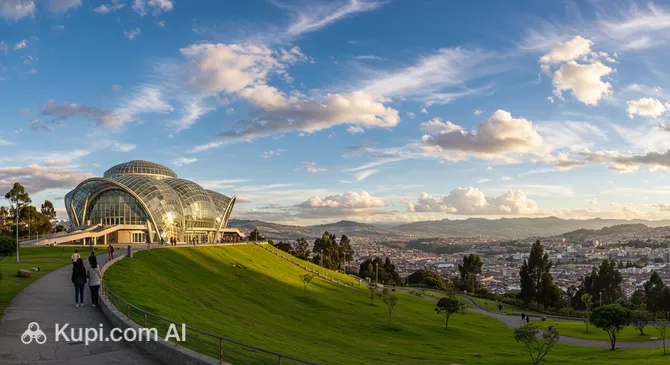
For one of the most spectacular views in the city, travelers should head to Itchimbía Park. Perched on a hill on the eastern side of the historic center, this park is famous for its panoramic vistas of the Old Town and the Pichincha volcano. Its crowning jewel is the Crystal Palace (Palacio de Cristal), an impressive iron and glass structure imported from Hamburg in the early 20th century, which now serves as a cultural center for exhibitions and events.

Itchimbía Park. Source: Kupi.Binoculars

Another beloved green space is El Ejido Park, located at the junction between the historic center and the modern city. This park is known for its traditional archway, "La Puerta de La Circasiana," and its vibrant atmosphere on weekends. It is a favorite spot for local artists to display their paintings and for families to enjoy traditional games like "coco" or volleyball. Just a short walk away, you can also find La Alameda Park, the oldest in the city, home to a historic astronomical observatory and a serene boating lake.

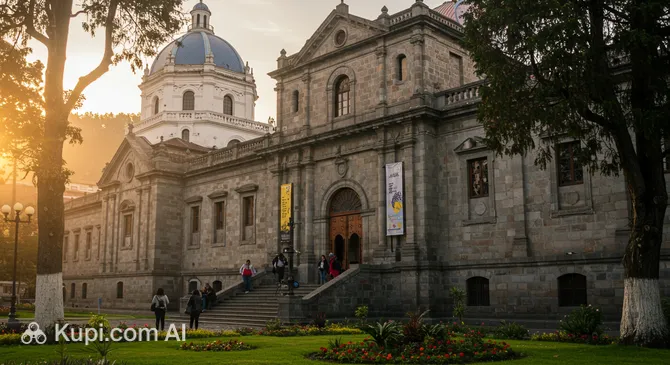
To dive deep into the country's history, a visit to the National Museum of Ecuador (MuNa) is essential. This institution holds the country's most significant collection of ancestral art, including the famous golden masks and ceramic figures that tell the story of Ecuador's pre-Hispanic civilizations. It offers a comprehensive overview that helps visitors understand the diverse cultures that have shaped the nation over thousands of years.

National Museum of Ecuador. Source: Kupi.Binoculars

For a more intimate and spiritually resonant experience, the Casa del Alabado Pre-Columbian Art Museum is a true gem. Housed in a beautifully restored 17th-century colonial mansion near San Francisco Plaza, this museum displays pre-Columbian artifacts arranged by themes of the Andean worldview rather than chronologically. The lighting and layout create a mystical atmosphere that highlights the artistic mastery of ancient indigenous peoples.

History enthusiasts will also appreciate the Museum of the City, located in the former San Juan de Dios Hospital, which operated from 1565 until 1974. The museum chronicles the daily life of Quiteños through the centuries, offering a fascinating look at social changes, trade, and traditions. Nearby, you can explore La Casona de la Ronda, a cultural center that often hosts workshops and exhibitions in one of the city's most emblematic heritage houses.

For a unique insider experience, consider visiting the Yaku Water Museum. Located on the slopes of the El Placer neighborhood, this interactive museum focuses on the importance of water socially and ecologically. It is an excellent spot for families and offers one of the best, yet lesser-known, viewpoints overlooking the rooftops of the historic center, perfect for a quiet sunset.

Getting Around

Getting around Quito is an adventure in itself, with a public transport system that is both extensive and incredibly affordable. The city stretches long and narrow from north to south, and its transport network is designed to follow this geography. The newest and most efficient way to travel is the Metro de Quito, the first underground subway system in the region. It connects the southern districts to the north in a fraction of the time it takes by road, offering a modern, clean, and fast alternative for visitors.

Before the arrival of the subway, the backbone of the city's transit was the Bus Rapid Transit (BRT) system, which runs on exclusive lanes to bypass traffic. This network consists of three main lines: the Trolebús (trolleybus), which runs through the historic and modern centers; the Ecovía, which serves the eastern side; and the Metrobus, covering the western corridor. These lines are complemented by a vast fleet of conventional blue buses that navigate the winding streets of the neighborhoods. While the BRT system is very convenient for reaching major landmarks, be aware that it can get extremely crowded during rush hours.

Paying for transport is straightforward but requires some preparation. For the BRT and standard buses, the fare is very low, typically around $0.35. Payment is almost exclusively in cash, and turnstiles or drivers rarely have change for large bills. It is essential to carry a supply of coins (nickels, dimes, and quarters) to pass through the turnstiles or pay the driver directly. The Metro has a slightly different system; a ride costs roughly $0.45. You can buy single-trip tickets with cash at station vending machines or ticket windows. While there is a digital "City Account" (Cuenta Ciudad) app for locals, buying physical tickets at the station is usually the most practical option for short-term tourists.

Public transport generally operates from early morning, around 5:30 AM, until approximately 10:00 PM or 11:00 PM, depending on the line and day of the week. Tourists should be mindful that service frequency drops significantly later in the evening. When using the Trolebús or Ecovía, you validate your payment by inserting coins into the turnstile at the station entrance before boarding. A key piece of advice for travelers is to keep a close watch on your belongings, as crowded stations and buses can be hotspots for pickpockets; wearing a backpack on your front is a common local practice for safety.

If you prefer a more private or direct mode of travel, yellow taxis are abundant and relatively inexpensive. Official taxis are easily recognized by their orange license plates and video camera kits inside. They are required to use a taximeter (taxímetro) during the day; if a driver refuses to turn it on, it is best to find another. For added convenience and security, especially at night or if you do not speak Spanish, ride-sharing apps like Uber and Cabify are widely available, reliable, and allow you to pay via credit card without negotiating fares.

Finally, no discussion of the city's transport is complete without mentioning the TelefériQo. While primarily a tourist attraction, this cable car serves as a spectacular mode of vertical transport, whisking passengers from the city edge up the slopes of the Pichincha Volcano to an altitude of nearly 4,000 meters. It offers a unique perspective of the city's layout and is a memorable experience that combines travel with sightseeing.

Accommodation

Finding the perfect place to stay in Quito is a delightful experience, thanks to a wide range of options that cater to every budget and travel style. Whether you are looking for a charming colonial mansion, a lively backpacker hostel, or a sleek modern hotel with all the amenities, the Ecuadorian capital has it all. The city's accommodation landscape is generally divided into three main zones, each offering a distinct atmosphere.

The most atmospheric place to base yourself is undoubtedly the Quito Historic Center. Staying here allows you to wake up amidst centuries-old churches and plazas, often in beautifully restored heritage buildings that have been converted into character-filled boutique hotels. This area is ideal for those who want to be within walking distance of the main cultural attractions and enjoy the romance of the Old Town after the day-trippers have left.

Quito Historic Center. Source: Kupi.Binoculars

For travelers seeking a more vibrant social scene, the neighborhood of La Mariscal is the traditional hub for backpackers and younger tourists. Here, you will find a high concentration of budget-friendly hostels, guesthouses, and mid-range hotels, all surrounded by an array of restaurants and nightlife options. Alternatively, if you prefer modern luxury and quiet comfort, the northern districts around the financial center and La Carolina Park offer international chain hotels and upscale apartments, providing excellent security and connectivity to the rest of the city.

When it comes to costs, the city is generally very affordable. A bed in a dormitory can cost as little as $10 to $15 per night, while comfortable private rooms in mid-range hotels typically range from $40 to $80. Luxury stays and high-end boutique hotels usually start around $120. While you can often find a room on arrival, it is highly recommended to book your accommodation in advance, especially if you plan to visit during the peak dry season (June to August) or during major holidays like the Fiestas de Quito in December.

Nearby Cities

For those looking to explore the surroundings, Quito serves as an excellent base for day trips to several interesting nearby locations:

Just a short drive from the capital lies Sangolquí, a vibrant town located in the Chillos Valley. It is famous among locals for its gastronomy, particularly the delicious roasted pork dish known as hornado. Beyond the food, it serves as a gateway to natural attractions like waterfalls and the majestic Cotopaxi Volcano, making it a perfect spot for a quick and rewarding excursion.

For a slightly longer journey north, Ibarra offers a delightful change of pace. Known as the "White City" due to its well-preserved colonial architecture and white-washed buildings, it sits at the foot of the Imbabura Volcano. Visitors can stroll through its historic parks, enjoy the famous fruit ice creams (helados de paila), or relax by the scenic Yahuarcocha Lake.

City Population Distance (km)
Santo Domingo 270,875 74
Ambato 165,185 115
Ibarra 131,856 76
Sangolqui 75,080 14
Pelileo 66,836 122

These nearby destinations offer a glimpse into the diverse culture and landscapes of the region.

Shopping & Souvenirs

Shopping in Quito offers a delightful mix of traditional Andean culture and modern convenience. The city is a treasure trove for those seeking authentic handicrafts, high-quality textiles, and unique local products. From bustling colorful markets filled with indigenous artisans to contemporary shopping centers housing international brands, the capital provides a diverse retail experience that caters to every taste and budget.

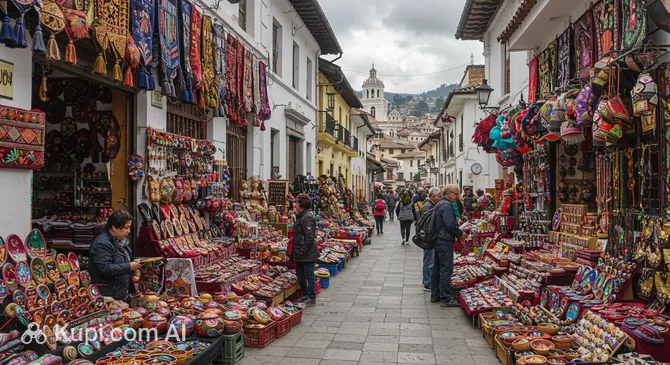
For visitors looking to take a piece of Ecuador home, the most significant shopping destination is the La Mariscal Artisan Market. Located in the vibrant Mariscal district, this sprawling market is a one-stop shop for souvenirs. Here, you can wander through dozens of stalls displaying colorful tapestries, hand-painted art, musical instruments, and leather goods. It is a friendly environment where bargaining is expected and interacting with the vendors adds to the charm of the experience.

La Mariscal Artisan Market. Source: Kupi.Binoculars

When searching for the perfect souvenir, there are a few iconic items to keep in mind. Ecuador is the true birthplace of the famous Panama hat (sombrero de paja toquilla), and you can find exquisite, hand-woven examples throughout the city. Alpaca wool products, such as sweaters, scarves, and ponchos, are also incredibly popular for their warmth and softness. Additionally, look for jewelry made from Tagua nut, often called "vegetable ivory," which is a sustainable and beautiful material native to the region.

If you prefer a more modern shopping experience, the city boasts several large malls that offer a wide range of fashion, electronics, and dining options. El Jardín Mall is one of the most upscale centers in the city, located in the financial district. It features a curated selection of international and high-end national brands in a sophisticated setting. For a different atmosphere, Plaza Las Américas offers an open-air layout with a variety of shops, restaurants, and cinemas, making it a pleasant place to stroll and shop in the afternoon sun.

El Jardín Mall. Source: Kupi.Binoculars

Most shopping malls and department stores operate from 10:00 AM to 8:00 PM, seven days a week. Traditional markets and smaller independent shops generally open around 9:00 AM and may close earlier, around 6:00 PM or 7:00 PM. While credit cards are widely accepted in malls and larger stores, cash (the US Dollar) is essential when visiting artisan markets or buying from street vendors, as many do not have card terminals.

Tourists visiting Ecuador may be eligible for a refund of the Value Added Tax (IVA) on purchases of locally produced goods. To qualify, you must buy from affiliated stores that issue a specific invoice for tax refund purposes, and the purchase amount usually needs to exceed $50. The refund process is typically handled at the international airport before departure, so be sure to keep all your receipts and ask store staff about the "devolución de IVA" if you plan to claim it.

Reached the end of the page?

That means the route is fully explored