Support

Tumbes

About

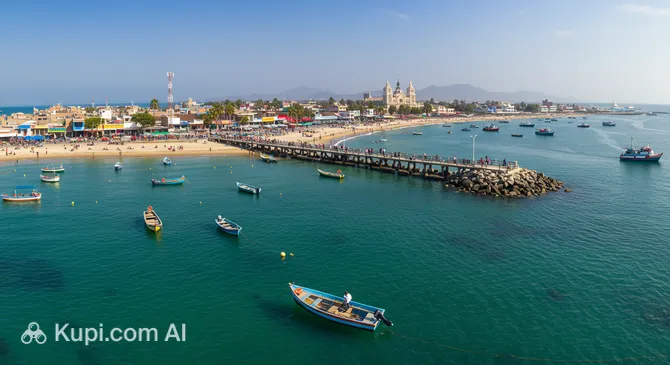
Tumbes is a vibrant and bustling city located in the far northwest of Peru, situated near the border with Ecuador. As the capital of the Tumbes Region, it serves as an important commercial and transport hub, offering a unique blend of coastal charm and urban energy. With a population of approximately 96,000 residents, the city is known for its warm hospitality and its position as a gateway to some of the country's most spectacular northern beaches and natural reserves.

Tumbes. Source: Kupi.Binoculars

The city sits on the banks of the Tumbes River, surrounded by a tropical landscape that distinguishes it from the arid deserts found further south. The climate here is generally warm and semi-humid throughout the year, creating a perfect atmosphere for outdoor activities. Those curious about the region's past can delve into the history of Tumbes, which includes its significance as a settlement for ancient cultures like the Tumpis and its pivotal role as one of the first landing points for the Spanish in the 16th century.

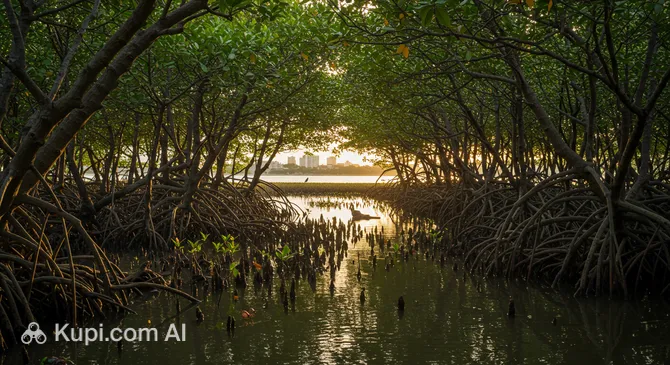
Travelers are often drawn to Tumbes for its proximity to unique natural wonders, most notably the Mangroves of Tumbes National Sanctuary near Puerto Pizarro, where visitors can take boat tours through the intricate root systems. Within the city itself, the Plaza de Armas is a central gathering spot featuring a distinctive acoustic shell decorated with colorful mosaics depicting local scenes. Whether you are exploring the nearby ecosystems or enjoying the local northern cuisine, Tumbes offers an inviting start to any Peruvian adventure.

Weather Overview

The climate in this northern region is generally warm and semi-arid, offering comfortable conditions for travel throughout the year. For a detailed forecast and monthly averages to help plan your trip, you can consult the guide to the weather in Tumbes. The city typically avoids extreme cold, maintaining a tropical atmosphere that appeals to beachgoers and nature enthusiasts alike.

Temperatures remain relatively stable, with the warmest period occurring from January to April, where averages sit around 27°C and daily highs often reach 30°C. This season also brings the most moisture, with March seeing up to 21 wet days, though precipitation volume is generally low. From June through November, the weather becomes drier and slightly cooler, with average temperatures dipping to approximately 24.5°C and rainfall becoming virtually non-existent.

Interesting Facts

Beyond the main attractions, Tumbes holds many fascinating secrets that reveal its unique ecological and historical significance. These lesser-known details offer a deeper appreciation for this vibrant northern city.
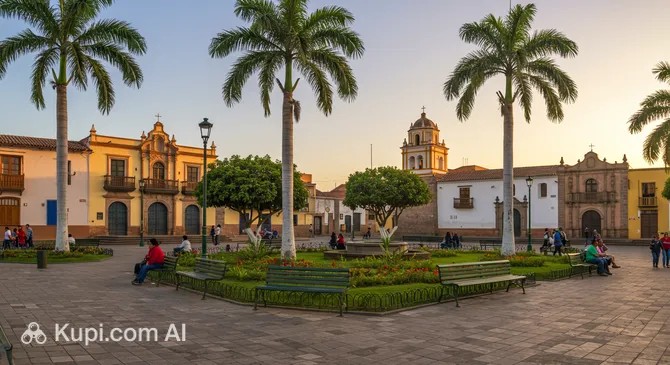
Plaza de Armas of Tumbes. Source: Kupi.Binoculars
  • The city is home to a distinct architectural landmark within the Plaza de Armas of Tumbes known as the "Concha Acústica" or Acoustic Shell. This striking structure is adorned with colorful mosaics that narrate the region's history and biodiversity, making it a visual centerpiece unlike typical colonial squares found elsewhere in Peru.

  • Tumbes possesses the only mangrove ecosystem in the entire country. These forests are the exclusive habitat for "conchas negras" (black shells), a delicacy harvested from the mud which is the star ingredient of the region's signature ceviche, widely believed by locals to have aphrodisiac properties.

  • The Tumbes River is one of the very few habitats in Peru for the American crocodile, often referred to locally as the Tumbes crocodile. While these reptiles are endangered and rarely seen in the wild, their presence highlights the region's tropical biodiversity, which contrasts sharply with the arid desert climate of the southern Peruvian coast.

How to Get There

Reaching this northern Peruvian city is relatively straightforward, thanks to its own airport and proximity to major transport hubs across the border. Whether you are arriving from within Peru or from neighboring Ecuador, there are several convenient routes available. For a detailed breakdown of all transport modes, you can read more about how to get to Tumbes.

The most direct way to arrive is via the local Capitan FAP Pedro Canga Rodriguez Airport (IATA: TBP). This facility is located just 8.1 km from the city center, making it incredibly convenient for domestic travelers. It handles a medium volume of annual traffic, primarily connecting with the capital, Lima. A transfer by taxi or bus from the terminal to the downtown area is quick, typically taking around 32 minutes.

For international travelers, a common alternative is flying into Jose Joaquin de Olmedo Airport (IATA: GYE) in the city of Guayaquil, Ecuador. This is a large international airport situated approximately 167.6 km from Tumbes. While it offers more flight connections, the journey to Tumbes involves a border crossing and takes about 4.5 hours by road. Another regional option within Peru is the Captain FAP Victor Montes Arias Airport (IATA: TYL) in Talara, located about 143.3 km away. The drive from Talara takes approximately 4 hours.

For clarity, here is a summary of the main airports in the region:

Airport Name City Passenger Traffic Km from City
Jose Joaquin de Olmedo Airport Guayaquil Large 167.6
Mariscal Lamar International Airport Cuenca Medium 179.4
Captain FAP Victor Montes Arias Airport Talara Medium 143.3
Capitan FAP Pedro Canga Rodriguez Airport Tumbes Medium 8.1
Ciudad de Catamayo Airport Loja Small 130.2

There are no major railway stations serving Tumbes or the immediate surrounding area. Most overland travel is conducted via the Pan-American Highway, which connects the city efficiently to destinations in both Peru and Ecuador. Visitors typically rely on interprovincial buses, shuttles, or private taxis to navigate the region.

Main Attractions

The heart of the city is undoubtedly the Plaza de Armas of Tumbes. Unlike many other colonial squares in Peru, this plaza is defined by a modern and vibrant aesthetic, featuring the iconic "Concha Acústica" (Acoustic Shell). This architectural highlight is adorned with colorful mosaics that depict the region's rich flora, fauna, and history, making it a perfect spot for photography and a relaxing evening stroll among the locals.

For those looking to enjoy some leisure time or shopping, the Costa del Sol Plaza serves as a key commercial hub in the city. It offers a modern contrast to the surrounding natural landscapes, providing visitors with a variety of retail stores, entertainment options, and a place to cool off from the tropical heat. It is a convenient stop for travelers needing to resupply or simply looking to experience the contemporary side of Tumbes.

Costa del Sol Plaza. Source: Kupi.Binoculars

No visit to this northern region is complete without exploring its renowned culinary scene, and Eduardo El Brujo is a gastronomic landmark in its own right. This famous restaurant is celebrated for serving traditional northern Peruvian dishes, particularly those featuring fresh seafood. It is an excellent place to try the local specialty, ceviche de conchas negras (black shell ceviche), offering tourists an authentic taste of the region's unique coastal flavors.

Eduardo El Brujo. Source: Kupi.Binoculars

While not located in the immediate city center, the Mangroves of Tumbes National Sanctuary (Santuario Nacional Los Manglares de Tumbes) is the region's premier natural attraction and is easily accessible from the city. Visitors can take boat excursions through the winding channels of this unique ecosystem, observing diverse wildlife such as frigatebirds, crabs, and the rare American crocodile. It represents the meeting point of the river and the ocean, creating a landscape found nowhere else in Peru.

Local Cuisine

The culinary scene in Tumbes is distinct from the rest of the Peruvian coast, largely due to the region's unique mangrove ecosystem. This tropical environment provides ingredients that are found nowhere else in the country, making the local gastronomy a highlight for any visitor. The undisputed king of Tumbes cuisine is the Ceviche de Conchas Negras (black shell ceviche). Harvested from the mud of the mangroves, these shells have a strong, intense flavor and are believed by locals to possess aphrodisiac properties. Served with lime juice, chili, red onion, and toasted corn, it is a must-try dish that defines the region's identity.

Beyond ceviche, the abundance of seafood allows for other rich and hearty dishes. Majarisco is a local favorite, consisting of mashed fried green plantains (similar to a tacacho) topped with a savory sauce made from shellfish, squid, and prawns. Another signature dish is the Chupe de Cangrejo, a flavorful crab chowder that utilizes the famous Tumbes mangrove crabs. For those who prefer non-seafood options, the Seco de Cabrito (braised young goat) is also popular in the northern regions, typically served with beans and rice.

To accompany these meals, locals often turn to refreshing drinks that combat the tropical heat. Fresh coconut water, known locally as "pipa," is sold by street vendors throughout the city and is the perfect way to hydrate. For something stronger, you might encounter Chicha de Jora, a traditional fermented corn beer that has been consumed since pre-Incan times. In the evenings, cocktails made with pisco or regional fruits are common companions to a relaxed dinner.

The dining culture in Tumbes ranges from rustic open-air eateries near Puerto Pizarro to more formal establishments in the city center. Visitors looking for an authentic and high-quality experience often head to Eduardo El Brujo, a renowned spot that specializes in traditional northern recipes and fresh seafood. Whether you are eating at a market stall or a sit-down restaurant, the food in Tumbes is characterized by its freshness and the generous use of local spices.

Travel Tips

Welcome to Tumbes, where the eternal summer and vibrant border atmosphere create a unique travel experience in northern Peru. To help you navigate this tropical city with ease and make the most of your visit to the mangroves and beaches, here are some practical tips designed for a smooth journey.

  1. Clothing and Gear: Due to the tropical, semi-humid climate, lightweight and breathable fabrics like cotton or linen are essential. Pack comfortable walking sandals and a hat to protect against the strong equatorial sun. Since Tumbes is famous for its mangroves, carrying a strong insect repellent is crucial to avoid mosquito bites, especially during the evenings or nature excursions.
  2. Transportation: Within the city, mototaxis (motorized rickshaws) are the most popular and convenient way to get around for short distances. They are abundant and affordable, but always agree on the fare before hopping in. For longer trips or travel to the airport, standard taxis are available; it is safer to ask your hotel or restaurant to call a reputable company for you rather than hailing one on the street.
  3. Finances: The local currency is the Peruvian Sol (PEN). While major hotels and restaurants like those in the city center accept credit cards (Visa and Mastercard), cash is king for smaller purchases, mototaxis, and street food. ATMs are available around the Plaza de Armas, but it is wise to carry small denominations, as vendors often struggle to make change for large bills.
  4. Health and Safety: Pharmacies (known as boticas) are widely available in the downtown area, and major chains usually have extended hours. As in much of Peru, stick to drinking bottled water to avoid stomach issues. regarding safety, Tumbes is a busy border city; stay vigilant with your belongings in crowded markets and avoid walking alone in poorly lit areas or on the outskirts of the city at night.
  5. Communication: Spanish is the primary language, and English is not widely spoken outside of high-end tourism establishments. Learning a few basic phrases like "¿Cuánto cuesta?" (How much does it cost?) and "Por favor" (Please) will go a long way. You can easily purchase a prepaid SIM card from providers like Claro or Movistar in local shops to stay connected with maps and translation apps.
  6. Local Etiquette: Northern Peruvians are known for their warmth and hospitality. It is polite to greet people with a "Buenos días" or "Buenas tardes" when entering a shop or boarding a taxi. Life moves at a more relaxed pace here due to the heat, so patience is appreciated during service interactions.
  7. What to Avoid: Do not drink tap water under any circumstances, including ice cubes in drinks from street vendors, unless you are sure they are made from purified water. Also, avoid exchanging money with informal street changers near the border crossing; it is much safer to use official exchange houses (casas de cambio) or banks to avoid scams or counterfeit currency.
  8. Stay Hydrated: The heat in Tumbes can be intense. Take a cue from the locals and stop frequently for a cold pipa (fresh coconut water) sold by street vendors. It is an inexpensive, delicious, and safe way to rehydrate while exploring the city streets.

By keeping these practicalities in mind, you will be well-prepared to embrace the lively spirit and natural beauty of Tumbes. Whether you are passing through on your way to the beaches or staying to explore the mangroves, a little preparation ensures your adventure is both safe and unforgettable.

Entertainment & Nightlife

Nightlife in Tumbes reflects the city's tropical, "eternal summer" spirit. While it may not have the massive club scene of a capital city, the evenings here are lively, warm, and centered around socializing outdoors. The action typically begins around the Plaza de Armas, where locals gather to enjoy the cooler night air. As the sun sets, the streets fill with music ranging from salsa and cumbia to modern reggaeton, creating a festive atmosphere that often spills out onto the sidewalks.

For those looking to start the night with a relaxed dinner or a few drinks, the city center is the best place to be. A great starting point is Plaza de Armas of Tumbes, which serves as the social heart of the city. From here, you can easily walk to nearby pedestrian streets like Paseo de la Concordia, where you will find a variety of smaller bars, soda fountains, and eateries. If you prefer a more modern setting for your evening entertainment, the Costa del Sol Plaza offers a safe and comfortable environment with cinemas, shops, and cafes that stay open late, making it a popular choice for families and couples.

When it comes to dining and experiencing the local flavor, Eduardo El Brujo is a standout venue. Although primarily a restaurant famous for its seafood, it is an excellent spot to enjoy a long, leisurely dinner with cocktails before heading out to dance. For those seeking a more energetic night out, Tumbes has several discos and video pubs scattered near the center and along the Pan-American Highway. Venues like El Nautilus Disco Bar or SeaLand are known locally for their vibrant parties where you can dance until dawn.

The dress code in Tumbes is generally casual due to the heat. You will feel comfortable in light clothing, though some of the more enclosed nightclubs might expect a slightly smarter look (no flip-flops). Prices are very affordable compared to Lima; a beer or a cocktail will cost significantly less here. The best time to experience the nightlife is on Friday and Saturday nights, as Sunday evenings tend to be much quieter.

Getting around at night is best done via mototaxi for short distances within the city center. However, for safety, especially late at night, it is recommended to use official taxis or have your venue call one for you. While the central areas are generally safe for walking in the early evening, it is advisable to avoid unlit streets on the outskirts or near the riverbanks after dark. Always keep an eye on your belongings in crowded bars.

Beyond the bars and clubs, daytime and early evening entertainment in Tumbes is often nature-focused, but within the city, you can enjoy local theaters or cultural events that occasionally take place in the main square. The riverfront boardwalk, or Malecón Benavides, is another pleasant area for a sunset walk, offering a view of the Tumbes River as the city lights begin to twinkle.

Parks & Museums

While Tumbes is primarily known as a gateway to beaches and mangroves, the city itself offers several inviting green spaces and cultural landmarks that reflect its tropical identity and history. Visitors will find that the local parks are not just places to relax, but active social hubs where art, religion, and nature intertwine. Although the city center is compact, it provides a pleasant atmosphere for walking and discovering the region's heritage through its public spaces and nearby archaeological sites.

The most iconic green space is undoubtedly the Plaza de Armas of Tumbes. Far from being a standard colonial square, it is famous for its "Concha Acústica" (Acoustic Shell), a vibrant architectural feature adorned with mosaics. These colorful artworks depict the diverse flora and fauna of the region, as well as scenes from local history, effectively turning the park into an open-air gallery. It is the perfect spot to sit under the shade of native trees and observe the daily life of the Tumbesinos.

Another unique public space is the Paseo Jerusalén, a thematic park that draws visitors for its religious artistry. Located just a few blocks from the main square, this pedestrian area features a series of large sculptures depicting biblical scenes, culminating in an impressive 15-meter statue of the Ascension of Christ. It is a favorite destination for families and offers a distinct cultural experience, showcasing the deep religious traditions of the local community in a beautifully landscaped setting.

For those who enjoy waterfront views, the Malecón Benavides creates a scenic corridor along the banks of the Tumbes River. This boardwalk is an excellent place to experience the city's tropical geography, offering views of the river as it winds towards the ocean. It is particularly pleasant in the late afternoon when the heat subsides, providing a breezy route for a leisurely stroll while enjoying the lush vegetation that lines the riverbanks.

In terms of museums and historical depth, the region's premier cultural attraction is the Museo de Sitio de Cabeza de Vaca (Cabeza de Vaca Site Museum), located in the nearby district of Corrales, just a short drive from the city center. This archaeological complex preserves the remains of a major administrative center of the Inca Empire and the earlier Chimú culture. The site museum displays ceramics, tools, and artifacts uncovered during excavations, offering crucial insight into the ancient "Tumpis" civilization that greeted the Spanish upon their arrival.

Back in the city center, the San Nicolás de Tolentino Church stands as a key historical landmark. Built in the 17th century by Augustinian priests, this church on the main plaza is a testament to the city's colonial past. Its baroque architecture and historical significance make it a point of interest for those appreciating religious heritage, serving as a quiet sanctuary amidst the bustling commercial activity of the downtown area.

For a truly authentic experience, take a moment to closely examine the mosaics on the Acoustic Shell in the main plaza. They are not just decoration but a visual storytelling of the Tumbes region, illustrating the unique transition from dry desert to lush mangrove forest. It is a detail often overlooked by passersby but provides a beautiful summary of the ecological richness you are about to explore.

Getting Around

Navigating Tumbes is a distinct experience compared to larger metropolises, as the city does not possess a formal metro, tram, or large-scale municipal bus system. Instead, the public transport network is informal, flexible, and dominated by smaller vehicles adapted to the local climate and narrow streets. The most ubiquitous mode of transport is the mototaxi, a motorized rickshaw that serves as the primary way for locals and tourists to travel short distances within the city limits. These three-wheeled vehicles are everywhere, offering a breezy and inexpensive way to get around the hot, tropical streets.

For travel to the outskirts or nearby districts such as Puerto Pizarro, Corrales, or the border town of Zarumilla, combis (minivans) and colectivos (shared taxis) are the standard options. These vehicles operate on fixed routes but rarely have designated bus stops; you simply flag them down from the side of the road and shout your destination. They are generally faster than mototaxis for longer distances and are a vital link for reaching the region's beaches and mangroves without hiring a private driver.

The payment system in Tumbes is entirely cash-based. There are no travel cards, passes, or mobile ticketing apps for local public transport. You must pay the driver directly in the local currency, the Peruvian Sol (PEN). It is crucial to carry small coins and low-denomination bills, as drivers often do not have change for large banknotes. For combis and colectivos, the fare is usually a fixed low rate, while for mototaxis and private taxis, the fare is not metered and must be negotiated.

A key piece of advice for tourists using mototaxis or taxis is to agree on the price before entering the vehicle. Since there are no meters, clarifying the cost upfront prevents misunderstandings upon arrival. Fares within the city center are typically very affordable. While transport operates throughout the day, the frequency of combis drops significantly after sunset. If you are traveling late at night, it is safer and more reliable to use a standard taxi rather than a mototaxi or shared van.

Standard taxis are available and are recommended for trips to the airport or if you are carrying heavy luggage. Unlike the open-air mototaxis, standard taxis offer a more secure and enclosed environment, which is preferable for evening travel. Ride-sharing apps are not widely established or reliable in Tumbes compared to the capital, so relying on official taxi companies recommended by your hotel or flagged down at authorized stands is the best practice. Walking is also a viable option for exploring the immediate downtown area around the main plaza, though the intense heat often makes a quick mototaxi ride a welcome alternative.

Accommodation

Accommodation in Tumbes is designed primarily to cater to travelers passing through the border or those using the city as a base to explore the nearby mangroves and beaches. The selection largely consists of practical and functional options rather than ultra-luxury stays. Visitors will find a solid range of budget hostels, comfortable mid-range business hotels, and guesthouses. While the city center focuses on convenience and urban amenities, those seeking resort-style experiences often look towards the nearby coastal areas, though there are comfortable establishments within the city limits that offer pools and air conditioning—a must in the tropical heat.

The most convenient area to stay is undoubtedly the Downtown (El Centro), specifically the blocks surrounding the Plaza de Armas. Staying here places you within walking distance of the main banks, pharmacies, and restaurants, as well as the transport hubs for colectivos heading to the border or the beaches. This area is bustling during the day and well-lit in the evening, making it a strategic choice for logistics. Another option is the area near Puerto Pizarro, located a short drive from the city center; this is ideal for travelers who prefer a quieter environment closer to the mangrove sanctuary, although dining and shopping options are more limited there compared to the downtown core.

Since Tumbes is a major commercial hub and a border city, it is home to several reliable hotel chains and independent establishments that cater to both business travelers and tourists. While specific hotel listings are not provided here, you can typically expect to find the highest quality accommodation near the main square, often integrated with or adjacent to commercial centers like the Costa del Sol Plaza. These central hotels usually offer modern amenities, including Wi-Fi, breakfast buffets, and swimming pools, providing a relaxing refuge from the busy streets.

Booking Tip: Tumbes is a transit point between Peru and Ecuador, meaning occupancy can fluctuate based on border traffic and holidays. It is highly recommended to book your accommodation in advance, especially if you are arriving late at night or during the peak summer months (January to April). Securing a room beforehand ensures you have a safe and confirmed destination upon arrival.

In terms of pricing, Tumbes is generally affordable. Budget travelers can find basic hostels and guesthouses for very low rates, often paid in cash upon arrival. Mid-range hotels are reasonably priced by international standards and offer excellent value for money. While many of the larger hotels are listed on major online booking platforms, smaller local hostels may only accept direct bookings via phone or WhatsApp. Regardless of where you stay, ensure your room has a fan or air conditioning, as the northern nights can remain quite warm.

Nearby Cities

For those looking to explore the surroundings, Tumbes serves as an excellent base for day trips to several interesting nearby locations. The region is famous for its stunning coastline, and a short journey south reveals some of the most beautiful beaches in Peru. Just a quick drive from the city lies the town of Zorritos, known for its relaxed atmosphere and warm waters. It offers a quieter alternative to the bustling city center and is historically significant as the site where the first oil well in South America was drilled.

Further down the Pan-American Highway, travelers can visit Punta Sal, often cited as possessing one of the finest beaches on the northern coast. With its white sands and calm, turquoise waters, it is a favorite resort destination for those seeking sun and relaxation. For a more vibrant experience, the famous surf town of Mancora is accessible for a longer day trip. Although it is in the neighboring Piura region, its lively beach culture, excellent seafood restaurants, and year-round sunshine make it a popular excursion for visitors staying in Tumbes.

City Population Distance (km)
Chiclayo 552508 361
Piura 473025 180
Paita 179346 184
Sullana 162434 151
San Ignacio 127523 238

These nearby destinations offer a glimpse into the diverse culture and landscapes of the region, ranging from coastal resorts to major commercial hubs further inland.

Shopping & Souvenirs

Shopping in Tumbes offers a unique blend of bustling border commerce and modern retail convenience. As a key transit point between Peru and Ecuador, the city has a lively commercial atmosphere where travelers can find everything from daily necessities to distinct regional handicrafts. While it is not a massive fashion capital, the shopping scene here provides an authentic glimpse into the daily life of northern Peru, characterized by vibrant markets and friendly, informal trade.

The primary hub for shopping activity is located in the downtown area, specifically along the pedestrian street known as Paseo de la Concordia. Situated just off the main square, this walkway is lined with a variety of small boutiques, shoe stores, and electronics shops. It is a popular place for locals to stroll and shop, offering a safe and relaxed environment away from the traffic. The streets immediately surrounding the Plaza de Armas also feature numerous pharmacies, banks, and souvenir stands catering to tourists.

For a more contemporary shopping experience, visitors should head to Costa del Sol Plaza. This is the city's main modern commercial center, providing a comfortable, air-conditioned escape from the tropical heat. Inside, you will find a selection of well-known clothing brands, a supermarket for restocking supplies, and entertainment options. It serves as a convenient one-stop destination for travelers looking for familiar products or a reliable place to purchase electronics and accessories.

To truly experience the local culture, a visit to the Mercado Modelo is essential. This traditional market is the beating heart of the city's commerce, overflowing with fresh tropical fruits like mangoes and bananas, as well as the region's famous seafood. It is a sensory experience where you can see the daily catch from the mangroves. While primarily a food market, you can also find stalls selling affordable clothing, household goods, and local trinkets in the surrounding blocks.

When looking for souvenirs to take home, Tumbes offers unique handicrafts that reflect its coastal identity. Artisans in the region are known for creating beautiful jewelry and decorative items made from marine shells and mollusk valves, a tribute to the nearby ocean and mangroves. Additionally, food items make excellent gifts; look for bags of chifles (crispy fried plantain chips) or sweets made from local bananas, which are a specialty of the Tumbes region.

Most shops in the city center open around 9:00 AM or 10:00 AM and stay open until approximately 9:00 PM. The large supermarket and the mall may have extended hours. While the modern stores in the shopping plaza accept major credit cards like Visa and Mastercard, cash is absolute king in the markets and smaller street stalls. It is highly recommended to carry the local currency, the Peruvian Sol (PEN), in smaller denominations to make transactions smoother.

Regarding tax refunds, Peru does have a system for tourists to claim a sales tax (IGV) refund on purchases made at authorized "Tax Free" stores. However, this system is most prevalent in major tourist hubs like Lima and Cusco. In Tumbes, finding affiliated stores may be more difficult, so it is best to check for the "Tax Free" logo at the entrance of larger retailers if you plan on making significant purchases.
Reached the end of the page?

That means the route is fully explored