Support

Chiclayo

About

Chiclayo, known affectionately as the "City of Friendship," is a vibrant metropolis located in the northern coastal region of Peru. As the capital of the Lambayeque region and one of the country's most populous cities, it serves as a bustling commercial hub with a distinctively energetic atmosphere. Unlike many other Peruvian cities defined by colonial architecture, Chiclayo grew into prominence during the republican era, offering a lively and modern urban experience that acts as the perfect gateway to the archaeological wonders of the north.

Geographically, the city is situated just inland from the Pacific Ocean, enjoying a warm and sunny climate for most of the year. With a population exceeding 550,000 inhabitants, it is a dynamic center of trade and culture. While the urban landscape is relatively contemporary, the region is deeply rooted in the past. Visitors exploring the history of Chiclayo will discover that the city sits at the heart of the ancient Moche and Lambayeque civilizations, making it a premier destination for archaeology enthusiasts.
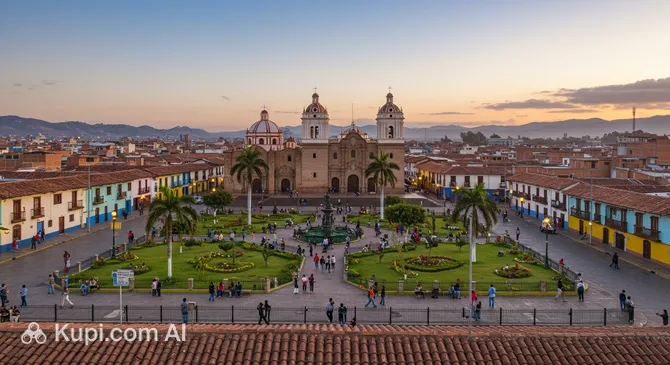
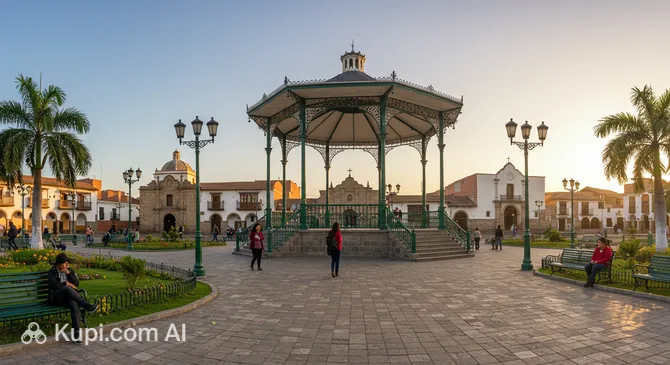
Chiclayo. Source: Kupi.Binoculars

The city is strategically located near some of the most significant archaeological sites in South America. A major highlight for tourists is the proximity to the Royal Tombs of Sipán, often compared to the discovery of Tutankhamun's tomb due to the wealth of gold and artifacts found there. Within the city itself, the Mercado Modelo offers a unique cultural experience, particularly its "Witches' Market" section, where local shamans and herbalists sell traditional remedies. Additionally, the neoclassical Cathedral on the Plaza de Armas stands as a beautiful architectural landmark in the city center.

Whether you are drawn by the allure of ancient pyramids, the renowned northern cuisine, or the warm hospitality of its people, Chiclayo provides a fascinating stop on any Peruvian itinerary. It is a place where modern Peruvian life blends seamlessly with a rich ancestral heritage, inviting travelers to explore and connect.
Weather Overview

Chiclayo enjoys a subtropical desert climate, characterized by warm temperatures and very limited rainfall throughout the year. This arid setting ensures that the city remains generally sunny and dry, making it a reliable destination for travel in almost any season. Before packing, it is helpful to review the detailed weather in Chiclayo to understand the subtle seasonal shifts, though the conditions are rarely extreme.

The warmest period occurs from January through March, with February seeing average temperatures of 26.1°C and daily highs reaching nearly 30°C. In contrast, the cooler months from June to October bring milder conditions, with August averages dropping to around 19.8°C and nightly lows dipping to 16.5°C. Expect warm, arid summers and mild winters with almost no precipitation, as even the "rainiest" months like March receive only a negligible 2mm of rain.

Interesting Facts

Beyond the main plazas and bustling markets, Chiclayo holds many fascinating secrets that reveal the unique character of northern Peru. This city blends ancient mythology with modern quirks, offering stories and sights that go far beyond the typical tourist trail.
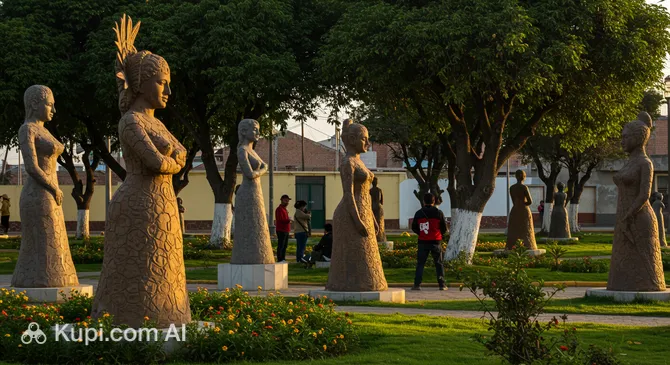
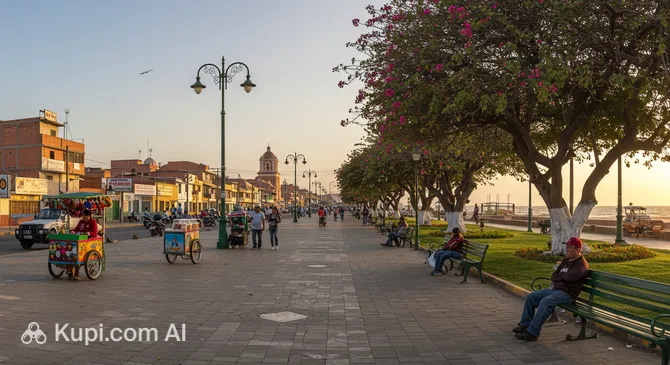
Yortuque Promenade. Source: Kupi.Binoculars
  • The city is home to the Yortuque Promenade, which serves as a massive open-air museum rather than just a simple walkway. This avenue is lined with over 60 dramatic sculptures and vibrant murals that depict the myths and daily life of the ancient Mochica and Lambayeque cultures, including representations of anthropomorphic crab gods and ancient warriors.

  • Chiclayo is the commercial heartland for the famous Peruvian dessert known as "King Kong." This towering sweet, made of layers of cookie, manjar blanco (dulce de leche), and fruit jams, was named after the classic cinema monster in the 1930s because its immense size and rectangular shape were considered truly colossal compared to traditional alfajores.

  • Unlike many historic Peruvian cities founded by Spanish conquistadors with a formal act of foundation, Chiclayo began as a humble rural village and Franciscan convent. It earned its status as a city and the title of "Heroic City" in the 19th century specifically for the patriotism of its citizens during the fight for independence, rather than through colonial decree.

  • Visitors are often surprised to find a touch of classical Greece at Las Musas Park. This popular recreational space breaks from local architectural styles by featuring large statues of the nine Greek muses arranged around a central monument, creating a distinctively European atmosphere in the middle of the city.

How to Get There

Reaching the "City of Friendship" is relatively straightforward, as it serves as a major commercial and transport hub for northern Peru. While many visitors choose to arrive by bus from Lima or other coastal cities, flying is the fastest option. For a detailed breakdown of all transport methods, routes, and tips, you can read more about how to get to Chiclayo.

The most convenient entry point is Cornel Ruiz Airport (CIX), which is located directly in Chiclayo. Unlike many airports that are far from the urban core, this terminal is situated just 2.5 km from the city center. This proximity means that a taxi ride to your hotel is very quick, typically taking only about 15 to 20 minutes depending on traffic. It is a busy regional hub that connects the city primarily with the capital, Lima.

If you are planning a multi-stop itinerary along the northern coast, you might also consider airports in neighboring cities. Trujillo Airport (TRU) is located in the city of Trujillo, approximately 166 km south of Chiclayo. The overland journey from there takes roughly 4.5 hours by bus or taxi. Alternatively, Cap. FAP Guillermo Concha Iberico International Airport (PIU) serves the city of Piura, about 193 km to the north. Traveling from Piura to Chiclayo by road usually takes around 5 hours.

For clarity, here is a summary of the main airports in the region:

Airport Name City Passenger Traffic Km from City
Cap. FAP Guillermo Concha Iberico International Airport Piura Large 193.0
Trujillo Airport Trujillo Large 166.1
Cornel Ruiz Airport Chiclayo Medium 2.5
Cajamarca Airport Cajamarca Medium 155.2
Shumba Airport Jaen Small 176.0

Main Attractions

Chiclayo offers a delightful mix of colonial history, religious architecture, and lively public spaces that reflect the city's welcoming spirit. While it is often used as a base for exploring nearby archaeological sites, the city center itself contains several landmarks worth visiting to understand the local culture and daily life of the "Capital of Friendship."

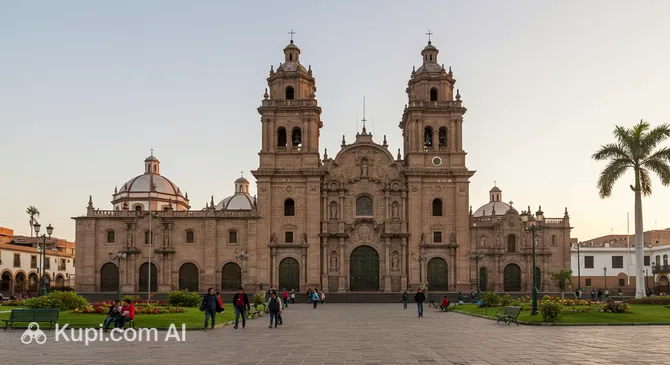
Dominating the city's main square is the majestic Chiclayo Cathedral. This neoclassical masterpiece, constructed in the late 19th century, is one of the most recognizable icons of the city. Unlike many other colonial churches in Peru, it features a distinct design often attributed to the influence of Gustave Eiffel's architectural style, characterized by its twin bell towers and a beautiful facade. Inside, visitors can admire the modest yet elegant altar and the religious art that holds deep significance for the local Catholic community.

Chiclayo Cathedral. Source: Kupi.Binoculars

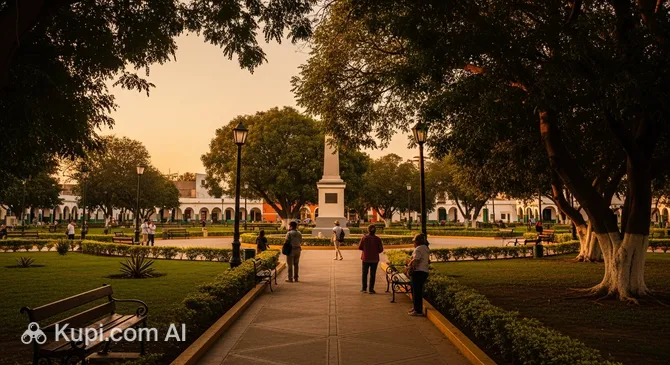
A short walk from the main plaza leads to Elías Aguirre Square, a historic and bustling public space. This plaza is named after a Peruvian naval hero and features a prominent statue in his honor at its center, surrounded by trees and benches. It was historically the first point of entry for travelers arriving by train and remains a popular gathering spot where locals meet to chat, shoe shiners ply their trade, and tourists can soak in the authentic urban atmosphere away from the busier commercial streets.

Elías Aguirre Square. Source: Kupi.Binoculars

For those interested in religious heritage, the Basilica of Saint Anthony of Padua is another significant site. Known locally as San Antonio, this church is managed by the Franciscan order and stands out for its simple but imposing architecture. It offers a peaceful retreat from the city's noise and is a testament to the enduring faith of the region's inhabitants.

Another green oasis in the urban landscape is the Gran Almirante Miguel Grau Seminario Park. Dedicated to Peru's most revered naval hero, the "Knight of the Seas," this park serves as a tribute to his legacy. It provides a pleasant space for a leisurely stroll, allowing visitors to observe local life and enjoy a moment of relaxation amidst the city's energetic pace.

Local Cuisine

Local Cuisine:

Chiclayo is widely celebrated as one of the gastronomic capitals of Peru, rivaling Lima with its distinctive northern flavors. The local cuisine is a delicious testament to the region's Moche heritage, characterized by the use of indigenous ingredients like loche squash, cilantro, and chili peppers. Food here is not just sustenance; it is a central part of the "City of Friendship's" social life, with portions that are notoriously generous and flavors that are bold and hearty.

One dish you absolutely must try is Arroz con Pato a la Chiclayana (Duck with Rice). Unlike other variations, the Chiclayo version is famous for its green rice, colored with cilantro and spinach, and cooked with dark beer to give it a deep, rich flavor. Another staple is Seco de Cabrito, a tender goat stew marinated in chicha de jora (corn beer) and served with savory beans and rice. For seafood lovers, the Chinguirito offers a unique twist on classic ceviche, made with dried and salted guitarfish, which provides a chewy texture and intense taste that pairs perfectly with a cold beer.

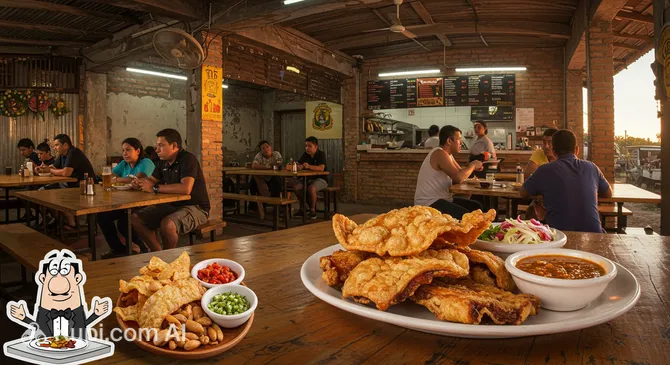
Chicharronería Don Shalo - Los Parques. Source: Kupi.Binoculars

The dining culture in Chiclayo ranges from humble market stalls serving "Monday soup" (known as Espesado) to established local favorites. Sunday breakfasts are a serious affair, often featuring crispy pork. A popular spot to experience this tradition is Chicharronería Don Shalo - Los Parques, where locals gather for their morning fill of chicharron, sweet potatoes, and tamales in a lively atmosphere.

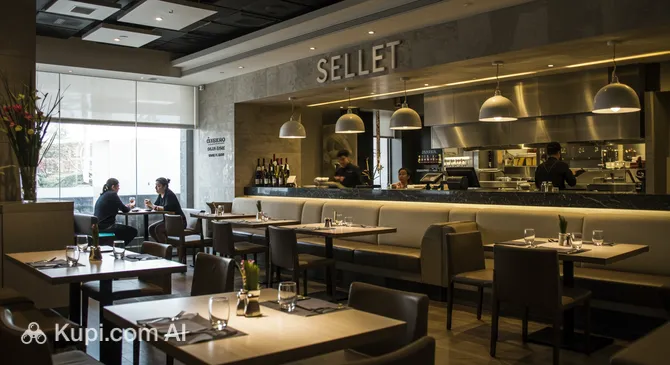
For a more comprehensive dining experience that covers various local specialties, you might visit Select Restaurant Chiclayo. It is a well-regarded establishment where visitors can sample the breadth of Lambayeque's culinary repertoire in a comfortable setting, making it a reliable choice for newcomers to the region's food scene.

Select Restaurant Chiclayo. Source: Kupi.Binoculars

To wash down these rich meals, the traditional drink of choice is Chicha de Jora, a fermented corn beverage that has been consumed in the Andes and on the coast for millennia. If you prefer a modern atmosphere for an evening drink or a cocktail, the city has a growing nightlife scene. Places like 900 Café Bar offer a relaxed environment to enjoy a pisco sour and unwind after a day of exploring archaeological sites.

Travel Tips

Welcome to the "City of Friendship"! While Chiclayo is renowned for its warm hospitality and incredible food, navigating a bustling northern Peruvian city can be a bit overwhelming for first-time visitors. To help you make the most of your stay and explore with confidence, here is a list of practical tips to keep in mind.

  1. Clothing and Gear: Since Chiclayo has a subtropical desert climate, pack light, breathable clothing like cotton or linen to stay cool during the day. A wide-brimmed hat, sunglasses, and high-SPF sunscreen are essential to protect against the strong equatorial sun. However, bring a light jacket or windbreaker for the evenings, which can feel surprisingly breezy. Comfortable, closed-toe walking shoes are a must for exploring dusty archaeological sites like Sipán.
  2. Transportation: For short distances within the city, mototaxis (motorized rickshaws) are the most popular and affordable option. They are a fun way to get around, but strictly for short hops. For longer distances or airport transfers, use official yellow taxis. Important: Most taxis lack meters, so you must agree on the fare with the driver before getting into the vehicle to avoid disputes later. Ride-hailing apps are available but less reliable than in Lima, so asking your hotel to call a taxi is often the safest bet.
  3. Finances: The local currency is the Peruvian Sol (PEN). While credit cards are accepted in hotels, malls, and upscale restaurants, cash is king in local markets, smaller eateries, and for transport. Always carry small bills (10 and 20 soles notes) and coins, as taxi drivers and vendors often struggle to make change for large banknotes. ATMs are widely available around the Plaza de Armas and in shopping centers.
  4. Health and Safety: Never drink tap water in Chiclayo; always buy sealed bottled water for drinking and brushing your teeth to avoid stomach illness. Regarding safety, the city center is generally safe during the day, but remain vigilant against pickpockets, especially in crowded places like the Mercado Modelo. Avoid walking alone in quiet or unlit areas on the outskirts of the city at night. Pharmacies (look for "Boticas" or chains like Inkafarma) are common and well-stocked.
  5. Communication: Spanish is the primary language, and English is not widely spoken outside of major hotels and tour agencies. It is highly recommended to learn a few basic phrases or download an offline translation app. Locals are very communicative and often use WhatsApp for business; you can even book tours or order food delivery via the app, so getting a local SIM card (Claro or Movistar) is very useful.
  6. Local Etiquette: Peruvians are polite and formal in their greetings. A simple "Buenos días" (Good morning) or "Buenas tardes" (Good afternoon) when entering a shop or taxi is expected and appreciated. When dining, it is polite to say "Buen provecho" (Enjoy your meal) to others if you make eye contact while they are eating.
  7. What to Avoid: Be extremely respectful in the "Witches' Market" section of the Mercado Modelo. Do not take photos of the shamans, healers, or their wares without explicitly asking for permission first. Many consider their work sacred and private, and snapping unauthorized pictures can be seen as offensive or bad luck.
  8. Shopping Tip: If you want to bring a taste of Chiclayo home, the famous "King Kong" dessert is the ultimate souvenir. For travel-ready packaging that will survive your flight, buy them from established brands like San Roque or Lambayeque rather than loose from street vendors. They make for a heavy but delicious gift!

By keeping these practicalities in mind, you will be well-prepared to dive into the vibrant culture of northern Peru. Chiclayo is a city that rewards the curious traveler, so embrace the energy, taste the incredible food, and enjoy your journey through the land of the Moche!

Entertainment & Nightlife

The nightlife in Chiclayo reflects the city's warm and energetic character. As the sun sets, the "City of Friendship" transitions from a bustling commercial hub into a lively center for entertainment. The atmosphere is generally relaxed and unpretentious, with a mix of university students, locals, and travelers filling the venues. While it may not have the sheer volume of options found in the capital, the city offers a concentrated and vibrant scene where it is easy to meet people and enjoy the local rhythms.

The heart of the action is often found in the Santa Victoria district. This upscale neighborhood is lined with trendy bars, karaoke spots, and restaurants that stay open late. It is the preferred area for a safe and fun night out, offering a cleaner and more organized environment than the busy city center. Another hub of activity centers around the major shopping malls, which serve as popular meeting points before locals head out to late-night venues.

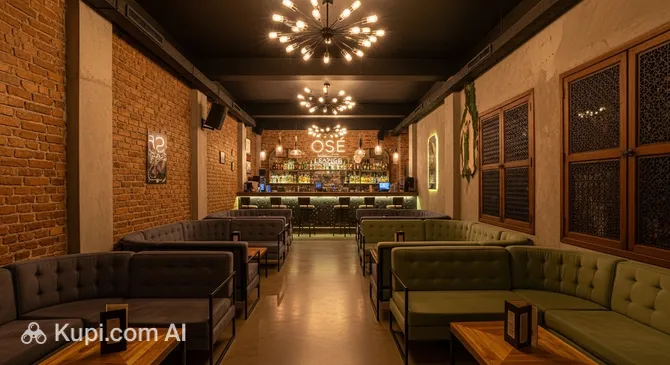
For those looking to start the evening with a cocktail and conversation, Osé Creative Lounge is a popular choice. It offers a modern setting perfect for enjoying pisco-based drinks or a cold beer in a more sophisticated environment. The bar scene in Chiclayo is diverse, ranging from quiet pubs to livelier spots where music sets the tone for the night ahead.

Osé Creative Lounge. Source: Kupi.Binoculars

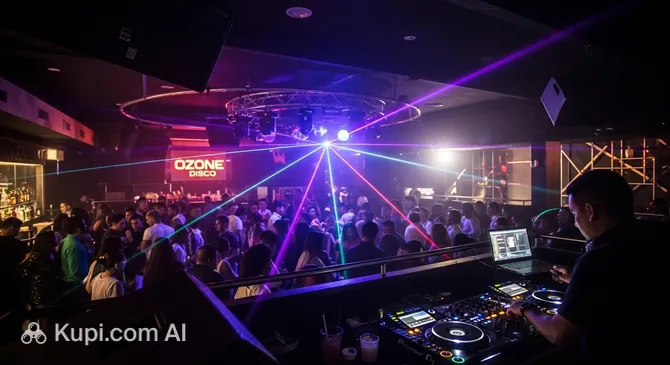
If you are in the mood for dancing, the city has several nightclubs that play a mix of reggaeton, salsa, and electronic music. Ozone Disco is a well-known venue where the party often continues until dawn. It attracts a spirited crowd ready to dance the night away. Similarly, Aventura Disco provides a high-energy atmosphere with DJs spinning current hits, making it a staple of the local weekend circuit.

Ozone Disco. Source: Kupi.Binoculars

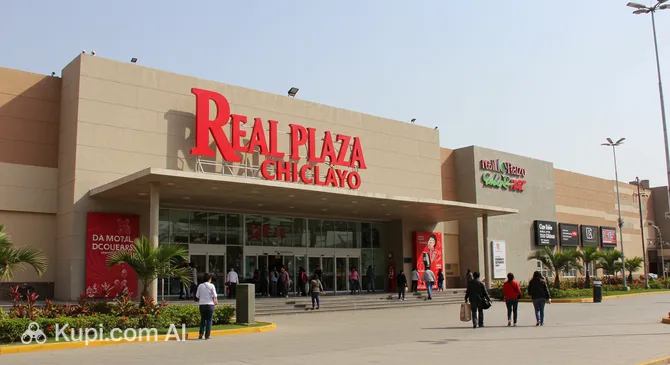
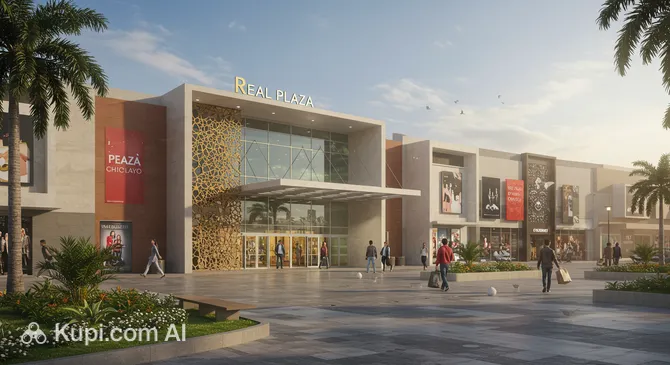
For a more low-key evening, or for family-friendly entertainment, Real Plaza Chiclayo is the place to be. This large shopping mall is not just for retail; it houses a modern cinema complex, a food court, and various casual dining restaurants. It is a bustling spot in the evenings where locals go to catch the latest movies or enjoy a late dinner in a secure environment.

Real Plaza Chiclayo. Source: Kupi.Binoculars

When enjoying the nightlife, safety should be a priority. It is highly recommended to use official taxis to move between venues, especially late at night. Using a ride-hailing app or asking the venue to call a radio taxi is safer than hailing one on the street. The dress code is generally smart casual; while not overly strict, avoiding beachwear is a good idea for entering clubs. Prices are quite affordable, making a night out in Chiclayo excellent value for money.

During the day, entertainment shifts towards culture and recreation. While the city is famous for its proximity to world-class archaeological museums, you can also enjoy local theaters or visit family amusement centers often located within the mall precincts. The city’s parks also offer a pleasant space for daytime relaxation before the evening festivities begin.

Parks & Museums

While Chiclayo is primarily a bustling commercial center, it offers several charming green spaces and serves as the undisputed gateway to some of the most important archaeological museums in South America. The city's urban planning incorporates themed parks that provide a welcome respite from the busy streets, while the surrounding region holds the keys to understanding the ancient Moche and Lambayeque civilizations.

One of the most beloved public spaces in the city is Las Musas Park. This landscaped garden is a favorite among locals for evening strolls and photography, distinguished by its classical design inspired by Greek mythology. The park features a central gazebo surrounded by elegant marble statues representing the nine Muses of the arts and sciences. The well-maintained flower beds and the artistic atmosphere make it a romantic and peaceful spot in the heart of the Santa Victoria district.

Las Musas Park. Source: Kupi.Binoculars

For aviation enthusiasts and families, the FAP Provincial Park (Air Force Park) offers a unique experience. Dedicated to the Peruvian Air Force, this recreational area displays real decommissioned aircraft mounted on pedestals, allowing visitors to see historic planes up close. It is a spacious area with playgrounds and green zones, making it an excellent location for a family outing or a relaxed afternoon learning about the country's aviation history.

FAP Provincial Park. Source: Kupi.Binoculars

Although technically located just a short drive away in the neighboring town of Lambayeque (approximately 15-20 minutes from downtown Chiclayo), the Royal Tombs of Sipán Museum is the cultural crown jewel of the area and an absolute must-visit. Often cited as one of the best museums in South America, its striking red pyramid architecture houses the incredible treasures discovered in the tomb of the Lord of Sipán. Visitors can marvel at the exquisite gold, silver, and turquoise jewelry that rivals the artifacts of Ancient Egypt.

Another essential cultural stop nearby is the Brüning National Archaeological Museum. As one of the oldest museums in the region, it offers a comprehensive overview of the northern cultures that flourished long before the Incas. The collection includes thousands of ceramic pieces, textiles, and metalworks that narrate the evolution of the Moche, Vicús, and Lambayeque peoples. Together with the open-air cultural exhibits along the Paseo Yortuque within the city limits, these venues provide a deep dive into the rich ancestral heritage of northern Peru.

Getting Around

Public transportation in Chiclayo is vibrant, informal, and distinctly different from the structured systems found in many European or North American cities. There is no metro, tram, or large municipal bus network. Instead, the city relies on a decentralized mix of privately owned vehicles that cover every corner of the urban area. For a visitor, navigating this system can be an adventure in itself, offering a genuine look at local daily life.

The most iconic and ubiquitous form of transport for short distances is the mototaxi. These three-wheeled motorized rickshaws are the kings of the side streets and residential neighborhoods. They are open-air, agile, and often colorfully decorated. While they are not allowed on major avenues or in the strict historic center to reduce congestion, they are the go-to option for quick hops between districts or from a bus stop to your final destination. They are essentially the "last mile" solution for locals and tourists alike.

For longer distances across the city or to reach nearby towns, the primary mode of public transport is the combi. These are small vans or minibuses that run along fixed routes. You can identify their destination by the colorful text stickers plastered on the windshields or by listening to the cobrador (conductor) hanging out the side door shouting the route's major stops. Another popular option is the colectivo, which acts as a shared taxi. These are standard sedans that drive a specific fixed route, picking up and dropping off passengers along the way. They are slightly more expensive than combis but are faster and more comfortable.

The payment system is entirely cash-based and manual; there are no travel cards, apps, or turnstiles. When riding a combi, you typically pay the conductor either when you board or just before you get off. For mototaxis and colectivos, you pay the driver directly at the end of the ride. Fares are very affordable, usually ranging from 1 to 3 soles depending on the distance. It is crucial to carry small change (coins), as drivers often do not have change for large banknotes.

Operating hours are not strictly fixed, but transport is generally available from as early as 5:00 AM until around 10:00 PM or 11:00 PM. Frequency is high during the day, with vehicles passing every few minutes, but it drops significantly late at night. There are no official timetables or designated bus stops in many areas; to catch a combi, you simply stand on the side of the road and wave your hand. To get off, you shout "Baja!" (getting down) or "Esquina!" (corner) to signal the driver to stop.

If you prefer a more private alternative, taxis are abundant. Unlike the mototaxis, standard yellow taxis can enter the city center and main plazas. Ride-hailing apps like Uber or InDrive operate in the city and are often recommended for tourists as they provide a fixed price and a digital record of the trip. However, traditional street taxis remain common; just remember that they do not use meters, so you must negotiate and agree on the fare before entering the vehicle.

A specific note for tourists planning to visit the famous museums in Lambayeque is that public transport terminals are somewhat decentralized. While there is no single central bus station, specific paraderos (stops) for combis and colectivos heading to Lambayeque are well-known. These usually depart from areas near the city center, offering a very cheap and authentic way to reach the archaeological sites if you are not on an organized tour.

Accommodation

Accommodation options in Chiclayo are functional, varied, and generally very affordable, catering to a mix of business travelers, archaeologists, and tourists. The city provides a broad spectrum of places to stay, ranging from budget-friendly hostels and family-run guesthouses to modern mid-range hotels. While the city does not feature ultra-luxury resorts, visitors will find several comfortable 3-star and 4-star establishments that offer excellent amenities, including air conditioning, Wi-Fi, and on-site dining, ensuring a pleasant stay.

When selecting a location, most travelers choose between two distinct areas. The City Center (Downtown) is the most convenient option for those who want to be close to the action. Staying near the Plaza de Armas puts you within walking distance of the cathedral, major banks, and the bustling markets. It is a vibrant area with easy access to public transport, though it can be somewhat noisy due to the lively street activity and traffic.

For those seeking a quieter and more upscale atmosphere, the Santa Victoria district is the preferred choice. Located just a short taxi ride from the downtown core, this residential neighborhood is known for its safety, modern infrastructure, and tree-lined streets. It is home to many of the city's best restaurants and cafes, making it an ideal base for families or travelers who appreciate a peaceful environment after a long day of exploring nearby archaeological sites.

In terms of pricing, Chiclayo offers great value compared to other major Peruvian destinations like Lima or Cusco. Budget accommodations are plentiful and cheap, while mid-range hotels provide high-quality service at moderate rates. Booking is generally straightforward via major online platforms. However, a helpful tip is to book your room in advance if you plan to visit during national holidays or regional festivals, as the best hotels in the popular Santa Victoria district can fill up quickly.

Nearby Cities

For those looking to explore the surroundings, Chiclayo serves as an excellent base for day trips to several interesting nearby locations. The region is rich in archaeological history and coastal charm, offering travelers a chance to see more of northern Peru without venturing too far from the city comforts.

Just a short drive away lies the historic city of Lambayeque. It is renowned for its well-preserved colonial architecture and is an essential stop for history buffs. The city houses the world-famous Royal Tombs of Sipán Museum, which displays the magnificent treasures of the Moche rulers. Its proximity makes it the easiest and most culturally rewarding excursion from Chiclayo.

For a relaxing day by the sea, the district of Pimentel is a favorite local getaway located roughly 12 kilometers from the city center. This seaside resort features a long, iconic pier and is one of the best places to observe fishermen using traditional caballitos de totora (reed watercraft), a practice that dates back thousands of years. It offers a perfect mix of beach leisure and cultural heritage.

Another fascinating destination is Zaña, known as the "Ghost City." Once a wealthy colonial metropolis that rivaled Trujillo, it was destroyed by pirate raids and devastating floods in the 18th century. Today, visitors can wander among the hauntingly beautiful ruins of massive convents and churches that stand as silent witnesses to its former glory.

City Population Distance (km)
Trujillo 919,899 174
Cajamarca 201,329 153
Jaen 93,631 165
Victor Larco Herrera 68,506 175
Lambayeque 58,276 10

These nearby destinations offer a glimpse into the diverse culture and landscapes of the region, ranging from the arid coast to the foothills of the Andes.

Shopping & Souvenirs

As the commercial hub of northern Peru, Chiclayo is a bustling city where trade is a way of life. The shopping scene here offers a fascinating contrast between modern retail experiences and deeply traditional commerce. Visitors can spend the morning browsing air-conditioned boutiques with international brands and the afternoon exploring chaotic, colorful markets that have operated for decades. Whether you are looking for high-end fashion or unique artisanal goods, the city provides a vibrant atmosphere for shoppers.

The heart of the city's commercial activity beats along its main avenues, particularly Avenida José Balta and Calle Elías Aguirre. These streets are lined with a multitude of shops selling footwear, clothing, and electronics. Walking down these busy thoroughfares offers a glimpse into the daily hustle of the locals. It is a great area to find leather goods, particularly shoes, for which the region is well-regarded, often at very competitive prices compared to the capital.

For a contemporary shopping experience, the city features large, modern complexes that serve as social gathering points. Real Plaza Chiclayo is the most prominent mall, housing major department stores, a supermarket, and a wide variety of fashion retailers. It is a convenient one-stop destination for travelers needing to resupply on essentials or looking for familiar global brands. Another key location is Aventura Mall Chiclayo, which offers a modern environment with diverse dining and retail options, reflecting the city's economic growth.

Aventura Mall Chiclayo. Source: Kupi.Binoculars

However, no shopping trip to Chiclayo is complete without visiting the famous Mercado Modelo. This sprawling market is one of the most interesting in Peru, renowned for its dedicated section known as the Mercado de Brujos (Witches' Market). Here, local shamans and healers purchase supplies ranging from medicinal herbs and San Pedro cactus to whale bones and amulets. It is an incredible place to observe the living traditions of northern mysticism, though visitors should look but generally not touch or photograph without permission.

When it comes to souvenirs, the undisputed king of Chiclayo is the sweet treat literally named King Kong. This massive alfajor, made of layers of cookie, manjar blanco (dulce de leche), and fruit jams, is the city's signature export. The best quality ones come from established brands like San Roque. Additionally, look for handicrafts from the nearby town of Monsefú, including delicate straw weaving, embroidery, and wood carvings, which can often be found in artisan shops within the city center.

Store hours in Chiclayo vary by type. Shopping malls and supermarkets typically open from 10:00 AM to 10:00 PM daily. Traditional markets start much earlier, often bustling by 7:00 AM, and wind down in the late afternoon. Regarding payment, major malls, hotels, and upscale restaurants accept credit and debit cards (Visa and Mastercard are most common). However, for markets, street vendors, and taxis, cash is essential. It is advisable to carry Peruvian Soles in smaller denominations to make transactions smoother.

While Peru has a tax-free shopping system for tourists, it is primarily operational in Lima and Cusco at affiliated "authorized" stores. In Chiclayo, this service is not widely available or advertised. Travelers should generally expect to pay the listed price, which includes the sales tax (IGV), but can take comfort in the fact that the cost of living and goods in northern Peru is generally lower than in the capital.

Reached the end of the page?

That means the route is fully explored