Support

Trujillo

About

Welcome to Trujillo, a vibrant metropolis situated on the northwestern coast of Peru. Often celebrated as the "City of Everlasting Spring" due to its pleasant and stable climate year-round, this destination offers a fascinating blend of colonial charm and ancient mystique. As the capital of the La Libertad Region, it stands as a major hub for culture and commerce, drawing visitors with its welcoming atmosphere and lively streets.

With a population of approximately 920,000 residents, Trujillo is one of the largest and most significant cities in the country. Its geographical setting near the Pacific Ocean provides a refreshing coastal breeze, while the surrounding fertile valleys have supported human settlement for millennia. The city center is renowned for its colorful colonial architecture, characterized by distinctive wrought-iron window grilles and vibrant facades that line the historic avenues.
Trujillo. Source: Kupi.Binoculars

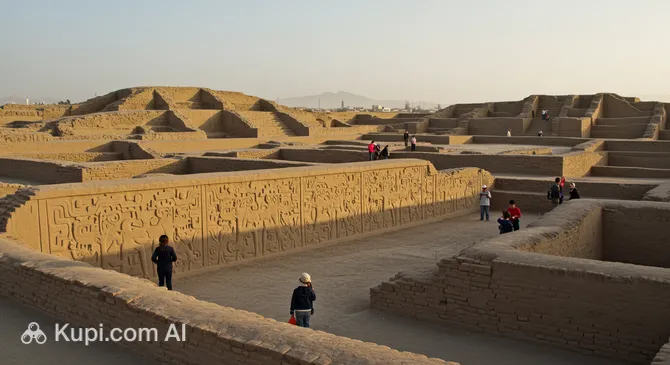
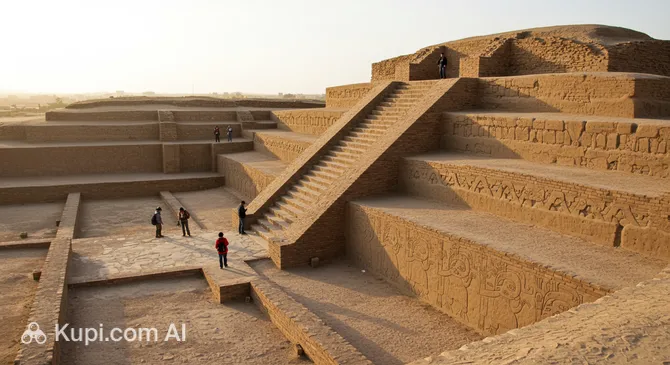
For those interested in the past, the history of Trujillo is deeply intertwined with the great civilizations that preceded the Incas. The region is home to the awe-inspiring Chan Chan, the largest adobe city in the Americas and a UNESCO World Heritage site. Visitors can also explore the imposing Huacas del Sol y de la Luna, ancient pyramids built by the Moche culture that stand as a testament to the area's rich archaeological heritage.

Beyond its ruins, the city is famous for its cultural vitality. It is widely regarded as the "Capital of the Marinera," a traditional and elegant coastal dance, and hosts a prestigious annual festival dedicated to this art form. Whether you are wandering through the grand Plaza de Armas or enjoying the local northern cuisine, Trujillo invites travelers to experience the warmth of its people and the depth of its traditions.
Weather Overview

Trujillo enjoys a mild and arid climate that remains relatively consistent, justifying its reputation as a place of eternal spring. The weather in Trujillo is characterized by moderate temperatures and very low precipitation levels. Throughout the year, average temperatures generally fluctuate between 17.8°C and 22.7°C, ensuring a comfortable atmosphere for sightseeing regardless of the season.

The warmest months are typically February and March, seeing highs reaching up to 25.0°C. This period coincides with a slight increase in atmospheric moisture, peaking in March with about 12 days recording some precipitation, though the actual accumulation is negligible at roughly 2mm. The cooler season, centered around August and September, brings lows of approximately 15.0°C and dry conditions, with months like June through August often recording 0mm of rainfall. Expect warm, pleasant days with minimal rain throughout the year, making it an ideal destination for outdoor activities.

Interesting Facts

Beyond the main attractions, Trujillo holds many fascinating secrets that reveal its deep historical roots and unique cultural identity. From its pivotal role in the nation's liberation to ancient architectural marvels, the city offers curious travelers plenty of surprises.

  • Trujillo was the first major Peruvian city to declare independence from Spain on December 29, 1820. This bold historic act occurred in the main square, long before the declaration in Lima, earning the city the prestigious title of "Meritorious City and Faithful to the Fatherland."

  • In the 17th century, the city was heavily fortified to protect its wealth from pirate attacks. Remnants of the Trujillo City Walls still stand today, outlining the historic center's original oval shape, a defensive design that was unique among Peruvian colonial cities.

  • The region is famous for the Peruvian Paso horse, a breed renowned for its exceptionally smooth gait. These elegant animals are often trained to "dance" the local Marinera, performing intricate steps alongside human dancers in a spectacle that is emblematic of the local culture.

  • The ancient Moche civilization created structures with incredible artistic detail that has survived for centuries. At Huaca de la Luna, archaeologists have uncovered walls adorned with multicolored high-relief friezes depicting the deity Ai Apaec, which still retain their original vibrant pigments after more than a thousand years.

Huaca de la Luna. Source: Kupi.Binoculars

How to Get There

Reaching this northern Peruvian destination is straightforward, with air travel being the most efficient method for international and domestic visitors alike. For a comprehensive overview of all transport options, including buses and driving routes, you can read more about how to get to Trujillo.

The most convenient entry point is Trujillo Airport (TRU), also known as Captain FAP Carlos Martínez de Pinillos International Airport. Located directly in Trujillo, it sits approximately 9.9 km from the city center. This hub handles a high volume of regional traffic, offering frequent connections to Lima. The transfer from the terminal to the downtown area is quick, typically taking around 35 minutes by taxi or private shuttle.

Another option for travelers exploring the wider region is Cornel Ruiz Airport (CIX), located in the city of Chiclayo. While it is situated about 171.6 km away from Trujillo, it serves as a significant alternative gateway for the northern coast. Visitors arriving here can continue their journey to Trujillo by bus or taxi, a trip that generally takes between 4 to 5 hours along the Pan-American Highway.

For clarity, here is a summary of the main airports in the vicinity:

Airport Name City Passenger Traffic Km from City
Trujillo Airport Trujillo High 9.9
Cornel Ruiz Airport Chiclayo Medium 171.6
Cajamarca Airport Cajamarca Medium 123.2
Anta Anta Small 207.9
Chachapoyas Chachapoyas Small 248.0

Main Attractions

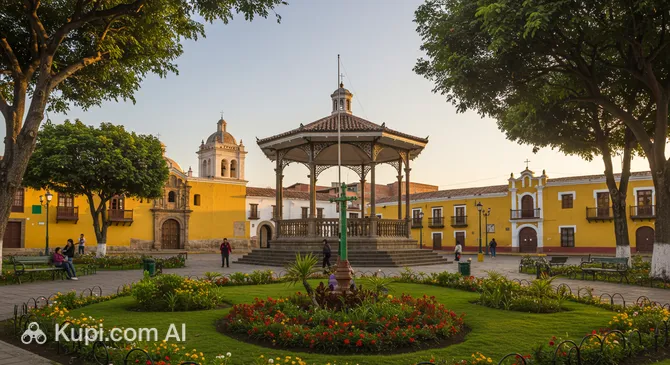
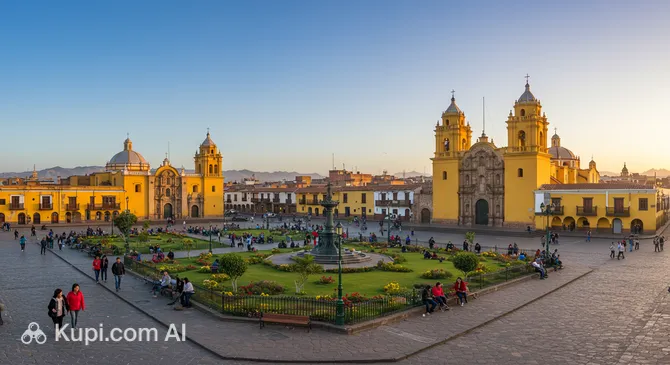
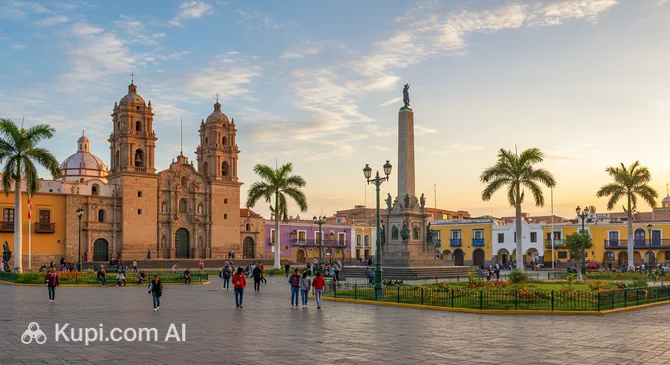
The heart of the city beats at the Plaza de Armas of Trujillo, a vast and elegant square that serves as the perfect starting point for any tour. Surrounded by colorful colonial mansions and palm trees, it is dominated by the majestic Freedom Monument, a sculpture that commemorates the country's independence. This vibrant public space is not only a hub for history but also a favorite gathering spot for locals, making it an excellent place to observe daily life and enjoy the city's welcoming atmosphere.

Plaza de Armas of Trujillo. Source: Kupi.Binoculars

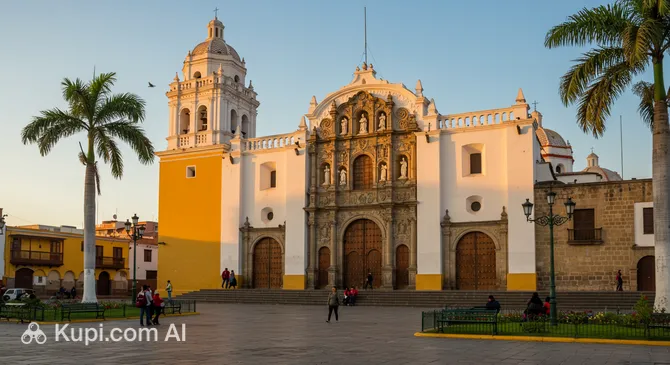
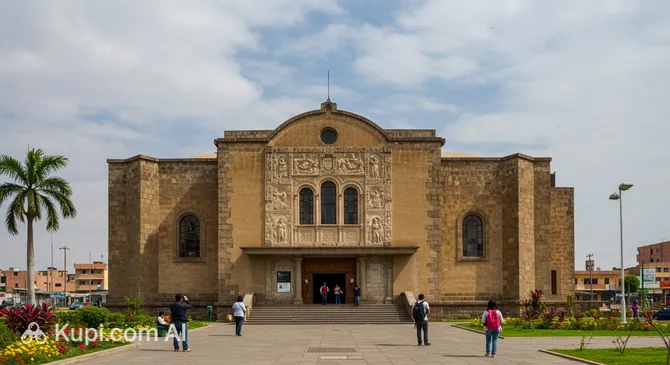
Overlooking the main square stands the impressive Trujillo Cathedral Basilica. Painted in a distinctive bright yellow, this religious landmark dates back to the mid-17th century and showcases a modest yet beautiful exterior. Inside, visitors can admire valuable colonial religious art, including altarpieces and canvases from the Cusco School. Its central location and historical significance make it an essential stop for those exploring the downtown area.

Trujillo Cathedral Basilica. Source: Kupi.Binoculars

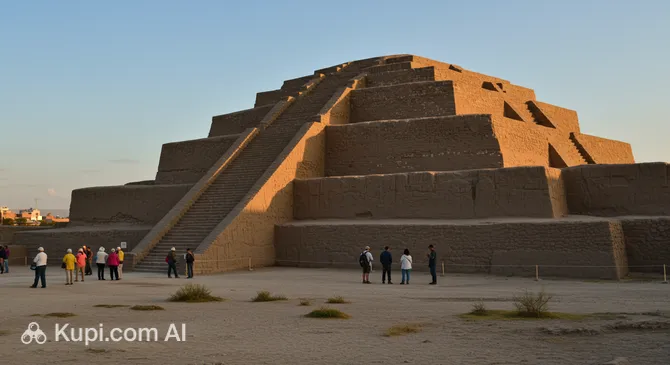
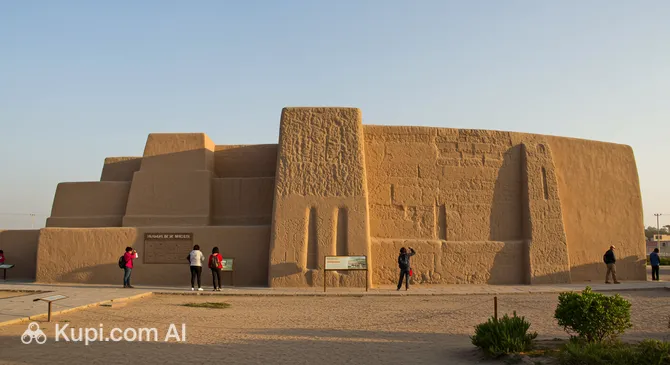
For a deeper dive into the region's ancient past, the Huaca del Sol is a must-visit archaeological wonder. Located just south of the city, this massive adobe pyramid was once the political and administrative center of the Moche culture. Although it has suffered erosion over centuries, its sheer scale remains awe-inspiring. Standing before this colossal structure offers a tangible connection to the powerful civilizations that thrived in this valley long before the arrival of the Spanish.

Huaca del Sol. Source: Kupi.Binoculars

To fully appreciate the magnitude of the Chimu civilization, a visit to the Chan Chan Site Museum is highly recommended. While the ruins of the city itself are expansive, this museum provides the necessary context with a collection of artifacts found during excavations. Displays include ceramics, textiles, and idols that help explain the daily life and beliefs of the people who built the largest mud-brick city in the Americas. It is an educational complement that enriches the experience of visiting the nearby archaeological sites.

Chan Chan Site Museum. Source: Kupi.Binoculars

Another fascinating site located within the urban area is Huaca Esmeralda. This archaeological complex, attributed to the Chimu culture, is believed to have been a ceremonial center or a palace for a local lord. Its proximity to the city center makes it easily accessible for a quick excursion. The site features two platforms with ramps and walls decorated with geometric reliefs, offering a quiet and intriguing glimpse into pre-Columbian architecture right in the middle of a modern neighborhood.

Local Cuisine

Trujillo is widely considered one of the gastronomic capitals of Peru, offering a culinary scene that perfectly blends ancient Moche traditions with Spanish influences. The city's location on the coast ensures a steady supply of fresh seafood, while the fertile valleys nearby provide high-quality ingredients. Food here is hearty, flavorful, and deeply rooted in local customs, making every meal an exploration of the region's history.

One of the most iconic dishes you must try is Shambar, a thick and nutritious soup that is traditionally served only on Mondays. This robust stew is made from wheat grains, beans, peas, and various meats such as pork skin and smoked ham, all seasoned with local herbs like hierbabuena. Another staple of the northern table is Seco de Cabrito, a tender goat stew cooked in a cilantro-based sauce and typically accompanied by rice and savory beans. For seafood lovers, the Ceviche Trujillano is distinct for being served with zarandaja (a type of local bean) and yuca, offering a unique twist on the national classic.

To accompany these rich flavors, locals often enjoy Chicha de Jora, a fermented corn beer that has been consumed in the Andes for millennia and holds ceremonial significance. For a non-alcoholic option, Chicha Morada, made from purple corn, pineapple, cinnamon, and cloves, provides a sweet and refreshing counterpoint to the spicy food. In the evenings, you might find residents enjoying a cold beer or a Pisco Sour in the lively city center.

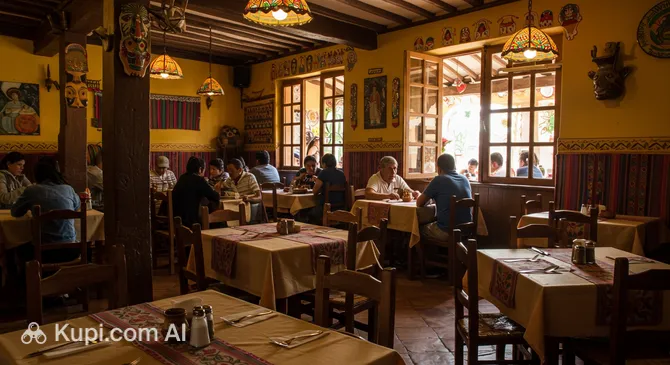
The dining culture in Trujillo ranges from humble "huariques" (small, family-run eateries) to elegant dining establishments. For a taste of traditional criollo cuisine in a welcoming atmosphere, you can visit the Romano Rincón Criollo Restaurant. Whether you choose to eat in a bustling market or a sit-down restaurant, the generous portions and warm hospitality are constant features of the local dining experience.

Romano Rincón Criollo Restaurant. Source: Kupi.Binoculars

For those interested in historical gastronomy, look for Sopa Teóloga, often called "Theologian's Soup." This traditional dish, which dates back to colonial convents, is a dense soup made with turkey or chicken, soaked bread, and cheese, often garnished with hard-boiled eggs and olives. It serves as a delicious testament to the city's colonial heritage and is a favorite at family gatherings and festivals.

Travel Tips

To help you navigate the "City of Everlasting Spring" with ease and confidence, we have compiled a set of essential travel guidelines. These practical insights will ensure you focus less on logistics and more on enjoying Trujillo's rich history and vibrant culture.

  1. Clothing and Gear: Since the climate is mild and arid year-round, pack light, breathable clothing for the day and a light jacket or sweater for the cooler evenings. A wide-brimmed hat, sunglasses, and high-SPF sunscreen are non-negotiable, as the sun can be strong even on cloudy days. You will definitely need sturdy, comfortable walking shoes (preferably closed-toe) for exploring the dusty, sandy paths of archaeological sites like Chan Chan and the Huacas.
  2. Transportation: The most convenient way to get around Trujillo is by taxi. It is safer and more reliable to use official radio taxis or ride-hailing apps like Uber or InDriver rather than hailing random cars on the street. Public buses and minivans (combis) are very cheap but can be chaotic and confusing for first-time visitors. Always agree on the taxi fare before getting in, as most cabs do not use meters.
  3. Finances: The local currency is the Peruvian Sol (PEN). While major hotels, supermarkets, and upscale restaurants accept credit cards (Visa and Mastercard are most common), cash is king for taxis, entry fees to some ruins, and local markets. ATMs are widely available around the Plaza de Armas. It is wise to carry small bills and coins, as breaking large notes can be difficult in smaller establishments.
  4. Health and Safety: Trujillo is generally safe for tourists in the main historic center and tourist zones, but you should exercise caution in the outskirts and avoid walking alone on beaches or near ruins after dark. Keep your valuables secure and be mindful of pickpockets in crowded markets. Pharmacies like Inkafarma or Mifarma are easy to find and often open late. Do not drink tap water; always opt for sealed bottled water to avoid stomach issues.
  5. Communication: Spanish is the primary language, and English is not widely spoken outside of high-end hotels and tour agencies. Learning a few basic phrases like "Buenos días" (Good morning) and "¿Cuánto cuesta?" (How much?) will be very helpful. For internet access, you can purchase a local SIM card from providers like Claro or Movistar at the airport or shopping malls; carrying a portable charger is also a good idea for long days out.
  6. Local Etiquette: Peruvians are generally polite and welcoming. A handshake is a standard greeting, while close acquaintances may greet with a kiss on the cheek. It is customary to say a polite "hello" or "good afternoon" when entering a shop or taxi. When visiting churches, such as the Cathedral, remove your hat and speak softly to show respect.
  7. What to Avoid: Avoid taking photos of locals, especially in traditional markets, without asking for permission first, as some may find it intrusive. Also, refrain from relying solely on high-denomination banknotes (like 100 or 200 soles) for small purchases, as vendors often do not have enough change.
  8. Local Tip: If you are in Trujillo on a Monday, do not miss the chance to try Shambar for lunch. As mentioned in the cuisine section, this hearty soup is a weekly tradition, and you will see "Shambar" signs outside almost every local restaurant on this specific day. It is a delicious way to participate in a genuine local custom.

Armed with these tips, you are ready to explore the ancient adobe cities and colonial streets of Trujillo smoothly and safely. Enjoy the warmth of the northern coast and the incredible heritage that makes this Peruvian destination so unforgettable.

Entertainment & Nightlife

Entertainment and Nightlife:

When the sun sets over the arid coast, Trujillo transforms from a historical hub into a lively center of entertainment. The city offers a vibrant nightlife scene that caters to diverse tastes, ranging from relaxed bohemian bars in the colonial center to sophisticated nightclubs in the more modern districts. Whether you are looking to enjoy a quiet cocktail, dance to Latin beats until dawn, or experience traditional Peruvian folklore, the "City of Everlasting Spring" has plenty to offer after dark.

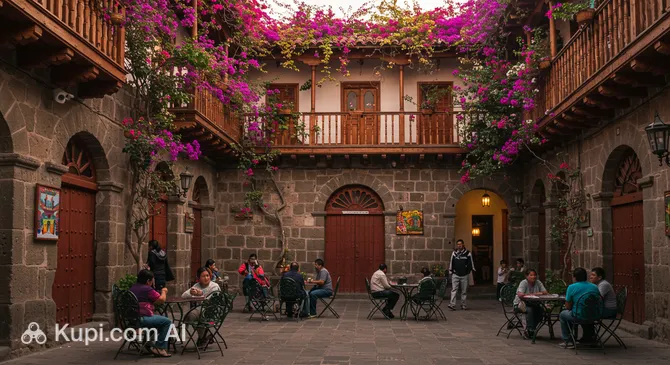
The heart of the action is often found near the Plaza de Armas and the surrounding streets of the historic center. Here, you can find a variety of pubs and restobars housed in beautifully restored colonial buildings. A popular spot for locals and tourists alike is Que Bonita Vecindad. This themed bar is known for its fun atmosphere and creative decor, making it a great place to start the night with friends and enjoy some local drinks.

Que Bonita Vecindad. Source: Kupi.Binoculars

For those seeking a more specialized mixology experience, Boticario Bar is another excellent choice in the downtown area. It stands out for its unique "apothecary" style and an impressive menu of signature cocktails. The atmosphere here tends to be more intimate and conversational, perfect for unwinding after a day of sightseeing. If you prefer a more energetic vibe, the district of California and the area around Avenida Larco feature upscale venues where the city's trendy crowd gathers.

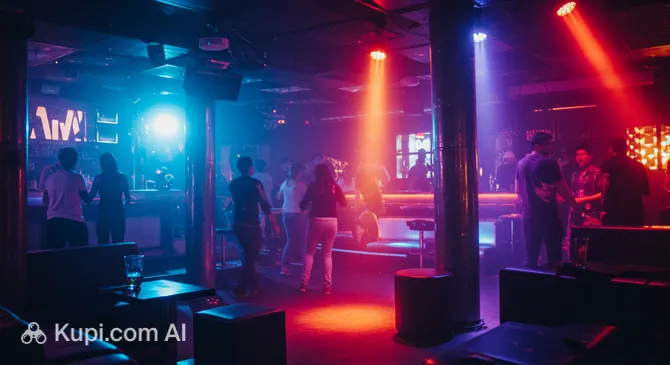
Travelers looking to dance the night away will find several high-energy options. AMA Disco Lounge is a well-known nightclub that frequently hosts DJs and themed parties. The music policy generally covers a mix of reggaeton, salsa, and electronic hits, drawing a younger, energetic crowd. For a more traditional experience, you might visit El Estribo Internacional, which often combines dining with live entertainment, offering a glimpse into the local festive culture.

AMA Disco Lounge. Source: Kupi.Binoculars

Nightlife in Trujillo typically kicks off late. Bars start filling up around 9:00 PM or 10:00 PM, while nightclubs do not get busy until well after midnight. The dress code is generally smart-casual; while some bars are very relaxed, nightclubs in the California district may expect a slightly more polished look. Prices are generally affordable compared to the capital, Lima, with beers and cocktails offering good value for money.

Regarding safety and logistics, it is highly recommended to use taxi apps or ask your hotel or restaurant to call a secure taxi for you, especially late at night. While the main nightlife areas are bustling, walking between distant venues or in quiet streets after dark is not advised. Always keep an eye on your belongings in crowded clubs. The safest way to get around is to take a taxi directly from door to door.

Before the sun goes down, the city also offers charming daytime entertainment options. Apart from the archaeological sites, you can explore unique cultural venues like the Trujillo Toy Museum, located in a colonial casona, which displays a fascinating private collection of toys from different eras. For a breath of fresh air within the city limits, the Ecological Park of Sciences and Arts provides a green space for leisurely walks before the evening festivities begin.

Parks & Museums

Beyond its ancient ruins and colonial center, Trujillo offers a variety of green spaces and cultural institutions that provide a deeper understanding of the city's heritage and daily life. Visitors looking to take a break from the bustling streets or dive into the region's rich history will find several parks and museums worth exploring.

One of the most emblematic public spaces in the city is El Recreo Square. Located at the end of the pedestrianized Pizarro Street, this historic plaza is a peaceful oasis shaded by tall ficus trees. It is historically significant for housing the ancient water distribution system that supplied the city in the colonial era. The centerpiece is a marble fountain originally designed for the Plaza de Armas, making it a perfect spot for a relaxing afternoon walk while admiring the surrounding architecture.

El Recreo Square. Source: Kupi.Binoculars

For those seeking a more extensive connection with nature, the Ecological Park of Sciences and Arts is a favorite destination for families and nature enthusiasts. This large green area serves as the "lungs" of the city, offering landscaped gardens, recreational areas, and spaces dedicated to environmental education. Another lovely spot for a stroll is Los Cañones Park, known for its well-maintained grounds and quiet atmosphere, ideal for travelers wanting to escape the urban noise.

Trujillo's museums are essential for piecing together the complex puzzle of Peru's northern civilizations. The Archaeological Museum of the National University of Trujillo is a must-visit, housed in the beautiful colonial "Casona Risco." Its collection spans the entire history of the region, from the first hunter-gatherers to the Inca conquest, featuring exquisite ceramics, textiles, and metalwork that showcase the artistic mastery of pre-Columbian cultures.

Archaeological Museum of the National University of Trujillo. Source: Kupi.Binoculars

To complement a visit to the nearby pyramids, the Huacas de Moche Museum offers a modern and comprehensive look at the Moche civilization. Located just a short distance from the archaeological site, this museum displays artifacts uncovered during excavations, including musical instruments and intricate pottery. The exhibits provide crucial context about the religious and social structures of the people who built the massive adobe temples nearby.

Huacas de Moche Museum. Source: Kupi.Binoculars

In terms of architectural heritage, the city is dotted with historic religious buildings. The Mansiche Church stands out as one of the oldest in the region. Situated near the entrance to the historic center, its simple yet imposing facade reflects the early colonial style and offers a glimpse into the spiritual history of Trujillo following the Spanish arrival.

For a truly authentic experience, try visiting the smaller squares like El Recreo in the late afternoon when locals gather to chat and relax. It is a wonderful way to soak up the "City of Everlasting Spring's" social atmosphere while enjoying the cooling coastal breeze.

Getting Around

Navigating Trujillo is an authentic experience that relies heavily on a vast, informal network of road-based transport rather than a modern metro or tram system. The city does not have a subway or train lines for passengers; instead, the streets are filled with a mix of large buses, smaller buses known as micros, and ubiquitous minivans called combis. These vehicles connect the historic center with the suburbs and surrounding districts, including the beach town of Huanchaco and the archaeological sites.

For the uninitiated, the bus system can seem chaotic, but it is surprisingly efficient once understood. Routes are not identified by numbers alone but by the colorful designs of the bus companies and the list of major destinations painted on the sides of the vehicles. To catch a bus, you simply wave your hand from the curb; there are designated stops in the city center, but in outlying areas, they often stop wherever it is safe. A conductor, or cobrador, usually hangs out of the open door, shouting the route's destination to potential passengers.

Payment on public transport is strictly cash-based. There are no travel cards, passes, or mobile payment apps for the bus system. You pay the fare directly to the cobrador or the driver upon boarding or before getting off. Fares are very affordable, typically ranging from 1.50 to 2.50 soles depending on the distance. It is essential to carry small coins, known locally as sencillo, as drivers often struggle to change large banknotes.

Taxis are a popular and convenient alternative for tourists who prefer more comfort. The city is teeming with yellow taxis, and they are generally inexpensive compared to other major urban centers. However, most taxis do not use meters. It is standard practice to flag one down and negotiate the fare with the driver before getting in. A trip within the city center is usually quite cheap, while rides to the airport or the Chan Chan ruins will cost more. For those uncomfortable with haggling, ride-sharing apps like Uber and InDriver are active in the city and offer fixed pricing.

Walking is the best way to explore the Historic Centre (Centro Histórico), where many streets are pedestrian-friendly and attractions are close together. However, to reach the Huacas or the beach, motorized transport is necessary. Public transport generally operates from very early in the morning, around 5:00 AM, until about 10:00 PM or 11:00 PM. After these hours, the frequency of buses drops significantly, and it is safer and more reliable to use a radio taxi or a ride-hailing app to get around.

Accommodation

Trujillo provides a welcoming variety of accommodation choices that cater to different travel styles and budgets. Whether you are a backpacker looking for a social atmosphere, a family seeking convenience, or a traveler desiring luxury, you will find suitable options. The city features everything from charming guesthouses housed in restored colonial mansions to modern hotels equipped with all the expected amenities.

For those who want to be in the heart of the action, staying in the Historic Centre is the most convenient choice. This area places you within walking distance of the main square, museums, and major colonial churches, making it perfect for travelers who wish to soak up the city's traditional atmosphere. Alternatively, the districts of California and El Golf are known for being quieter, more residential, and modern, often hosting higher-end hotels and business accommodations.

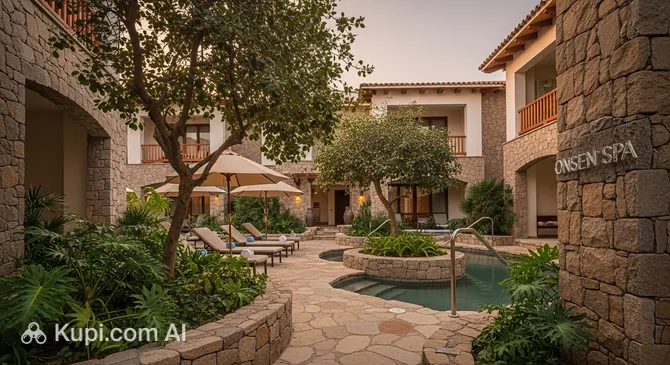
Visitors looking for a specific type of stay that combines lodging with wellness might consider Onsen Spa. Establishments in this category often provide a retreat from the city's hustle, offering services that allow guests to relax and rejuvenate after a long day of exploring archaeological sites.

Onsen Spa. Source: Kupi.Binoculars

Regarding costs, Trujillo is generally more affordable than the capital, Lima. Budget travelers can find economical hostels and simple guesthouses, while mid-range hotels offer excellent value for money with comfortable facilities. Luxury options are available but are more limited compared to larger metropolises. Most reputable hotels and hostels can be booked via major online platforms, which is the recommended method to secure the best rates and check recent guest reviews.

Booking Tip: While accommodation is usually easy to find year-round, the city fills up remarkably quickly during the National Marinera Festival in late January. If you plan to visit during this vibrant cultural celebration or other major holidays, it is highly advisable to book your room several weeks or even months in advance to guarantee availability.

Nearby Cities

For those looking to explore the surroundings, Trujillo serves as an excellent base for day trips to several interesting nearby locations:

City Population Distance (km)
Chimbote 497,875 115
Cajamarca 201,329 120
Victor Larco Herrera 68,506 2
Chepen 45,897 108
Huamachuco 39,806 113

Located practically adjacent to the city center, Victor Larco Herrera is a coastal district that offers the quickest escape from the urban bustle. It is home to the Buenos Aires beach resort, where visitors can enjoy the sea breeze and a relaxed atmosphere just minutes away from downtown. This area is perfect for those who want to experience the Pacific coast without embarking on a long journey.

For travelers willing to venture further for a short visit, Cajamarca presents a striking contrast to the coastal desert. Situated in the northern highlands, this city is steeped in history, famous for being the place where the Inca Empire met its turning point with the capture of Atahualpa. It is renowned for its thermal baths, known as Baños del Inca, and its beautiful colonial architecture, making it well worth the trip into the Andes.

Another fascinating destination is Huamachuco, which serves as the gateway to the impressive archaeological site of Marcahuamachuco. Often compared to Machu Picchu due to its grandeur and mountaintop location, this pre-Inca complex offers breathtaking views and a deep dive into the region's ancient civilizations. It is an ideal spot for history enthusiasts looking to explore monumental ruins off the beaten path.

These nearby destinations offer a glimpse into the diverse culture and landscapes of the region.

Shopping & Souvenirs

Shopping in Trujillo offers a delightful mix of modern convenience and traditional charm, reflecting the city's status as a major commercial hub in northern Peru. Known across the country as the "Capital of Footwear," the city is particularly famous for its high-quality leather goods. Visitors can expect to find everything from upscale international brands in contemporary shopping centers to unique artisanal handicrafts in bustling local markets.

The heart of the city's commercial life beats along Jirón Pizarro, the main pedestrian street in the Historic Centre. This lively thoroughfare is lined with a variety of boutiques, shoe stores, and souvenir shops, all housed within beautiful colonial buildings. Strolling down this street allows you to window shop for clothes and accessories while enjoying the vibrant atmosphere of downtown Trujillo. The area surrounding the Plaza de Armas also features several handicraft stores where you can find high-quality gifts.

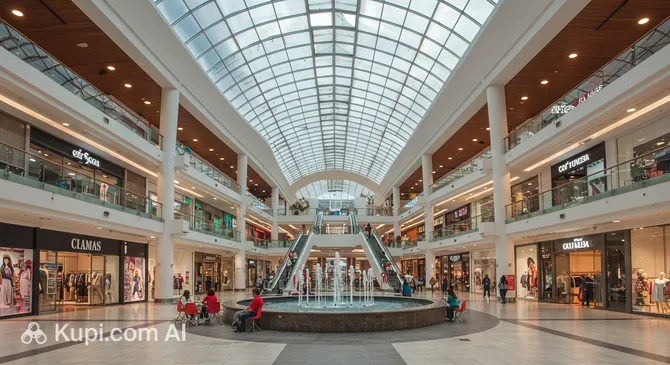
For a modern retail experience, the city boasts comprehensive shopping centers. Real Plaza Trujillo is one of the most popular destinations, offering a wide range of department stores, supermarkets, a cinema, and a food court. It is a one-stop location for fashion, electronics, and entertainment. Another option for visitors is Trujillo Mall, which provides a variety of retail outlets and services in a convenient location.

Real Plaza Trujillo. Source: Kupi.Binoculars

To experience the local culture, a visit to the Mercado Central is essential. This traditional market is a sensory explosion of fresh produce, meats, and local snacks. While primarily a food market, it is an excellent place to observe daily life. For those specifically looking for the city's famous footwear, the commercial galleries along Avenida España are legendary. Here, you will find dozens of stands and small shops selling locally made leather shoes at very competitive prices, often allowing for bargaining.

When it comes to souvenirs, leather shoes and bags are undoubtedly the top purchase in Trujillo due to their quality and craftsmanship. Beyond leather, look for replicas of Moche and Chimu ceramics, which make for fascinating decorative pieces. Alpaca wool clothing, silver jewelry, and carved wooden items are also popular keepsakes that reflect the rich artisanal heritage of the region.

Most shopping malls and large department stores operate daily from approximately 10:00 AM to 10:00 PM. Smaller independent shops in the city center typically open around 9:00 AM or 10:00 AM and may close for a lunch break (siesta) between 1:00 PM and 4:00 PM, reopening until about 8:00 PM. While major retailers and malls accept credit and debit cards (Visa and Mastercard), cash in Peruvian Soles is preferred and often necessary in traditional markets, smaller boutiques, and taxis.

Regarding taxes, Peru has a system that allows foreign tourists to claim a refund on the General Sales Tax (IGV) for purchases of goods made at "Authorized Establishments." To qualify, you must look for stores displaying the "Tax Free" sign and request a "Tax Free" invoice (Factura) at the time of purchase. The refund is typically processed at the airport upon departure, provided you meet specific criteria regarding the purchase amount and duration of stay.

Reached the end of the page?

That means the route is fully explored