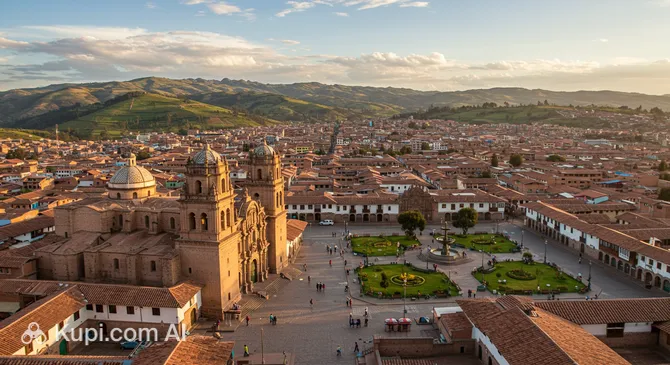
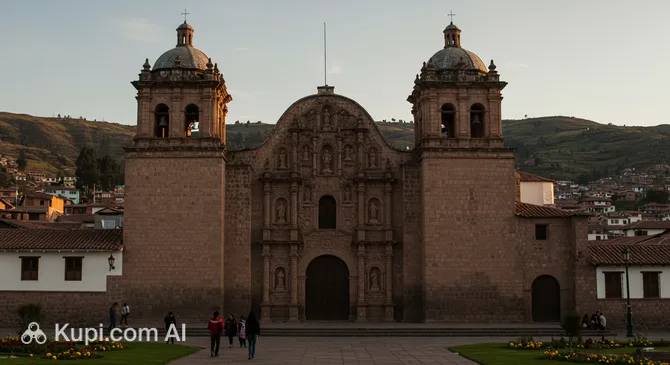
Cajamarca is a captivating city located in the northern highlands of Peru. Known for its pivotal role in the fall of the Inca Empire, this destination offers a unique blend of indigenous roots and Spanish colonial influence. With a population of approximately 201,000 inhabitants, it serves as a bustling commercial and cultural hub for the region, situated at an altitude of about 2,750 meters above sea level, which gifts it with a mild, temperate climate year-round.
Visitors are often drawn to the deep and dramatic history of Cajamarca. It was here that the Inca Emperor Atahualpa was captured, an event that changed the course of South American history forever. The city's architecture reflects this rich past, featuring baroque stone churches and intricate facades that line the historic Plaza de Armas, making it a delight for architecture enthusiasts.
Cajamarca. Illustration.
Source: Kupi.com AI
Among the must-see attractions is the famous Cuarto del Rescate (Ransom Room), the only remaining Inca structure in the city proper. Just a short distance away, travelers can relax in the Baños del Inca, natural thermal springs that were once favored by royalty for their healing properties. Whether you are a history buff or a nature lover, Cajamarca provides an unforgettable experience filled with cultural treasures and scenic Andean landscapes.
Weather Overview
Cajamarca is known for its pleasant, semi-arid highland climate, often referred to as a "land of eternal spring." Because of its altitude, the city avoids extreme heat, maintaining comfortable average temperatures of about 12°C to 13°C throughout the year. For a more precise forecast during your travel dates, it is helpful to consult the current weather in Cajamarca before packing.
While temperatures are stable, precipitation patterns vary significantly by season. Expect mild days with highs reaching up to 18°C and cool evenings where temperatures drop to around 8°C. The months of June through August are generally the driest, with fewer rainy days, whereas the period from January to April is characterized by frequent showers, with rain recorded on up to 29 days per month.
Average monthly temperature
Average monthly precipitation
Interesting Facts
Beyond its well-known historical sites, Cajamarca holds many fascinating secrets and cultural traditions that often surprise visitors. Here are some unique facts that highlight the city's rich heritage and local character.
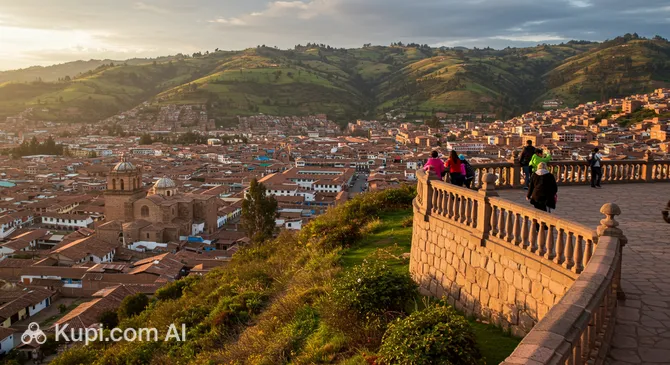
Santa Apolonia Viewpoint. Illustration.
Source: Kupi.com AI
Traveler photos:
Cajamarca is officially recognized as the "Capital of the Peruvian Carnival." During February, the city comes alive with one of the most exuberant festivals in the country, featuring elaborate parades, traditional dances, and playful water fights that involve the entire community.
The Ransom Room is the only Inca building still standing within the modern city center. While most Inca structures were dismantled to build colonial churches, this specific room was preserved, reportedly bearing the line on the wall that marked the height of the gold treasure promised for Emperor Atahualpa's release.
At the summit of the Santa Apolonia Viewpoint, you can find the "Silla del Inca" (Seat of the Inca). This ancient stone seat carved into volcanic rock is said to be the spot where the Inca ruler would sit to review his troops and survey the valley.
The Plaza de Armas of Cajamarca holds a somber historical distinction as the site of the Battle of Cajamarca. Unlike other squares built over Inca palaces, this plaza is the actual ground where the Inca Empire's fate was sealed with the capture of Atahualpa.
The region is famous throughout Peru for its dairy products, specifically "manjar blanco." This sweet, caramel-like spread is a local specialty, and visitors will find countless shops dedicated entirely to selling different varieties of cheese, butter, and this beloved treat.
How to Get There
Reaching this historic city in the northern Andes is an adventure in itself, with air travel being the most efficient option for most visitors. For a comprehensive guide on all available transport methods and routes, you can read more about how to get to Cajamarca to plan your journey effectively.
The most convenient gateway is Cajamarca Airport (CJA), located directly in Cajamarca, just 3.6 km from the city center. It is a regional hub that handles a significant number of daily flights, primarily from Lima. The transfer from the terminal to the downtown area is quick, typically taking around 25 minutes by taxi or shuttle.
Alternatively, travelers exploring the northern coast might fly into Trujillo Airport (TRU) in the city of Trujillo. Although the airport is approximately 121 km away in a straight line, the overland journey involves navigating winding mountain roads, which extends the travel time to about 6 to 7 hours. Another option is Cornel Ruiz Airport (CIX) in Chiclayo, located roughly 151 km away in a straight line. Similar to the route from Trujillo, the drive from Chiclayo to Cajamarca ascends through the Andes and typically takes around 6 to 7 hours.
For clarity, here is a summary of the main airports (distances shown are straight-line):
Currently, there are no passenger railway services connecting to Cajamarca. Visitors who do not fly typically arrive by long-distance bus. The city is well-connected by road to major coastal destinations, offering scenic routes through the Andean highlands. However, due to the mountainous terrain, travel times can be lengthy, so it is advisable to check with local transport operators for the most up-to-date bus schedules and comfort options.
Main Attractions
Cajamarca is a city where history feels alive on every corner, offering visitors a chance to walk through the pages of the past. From ancient Inca ruins to grand colonial plazas, the city's landmarks tell the story of two worlds colliding.
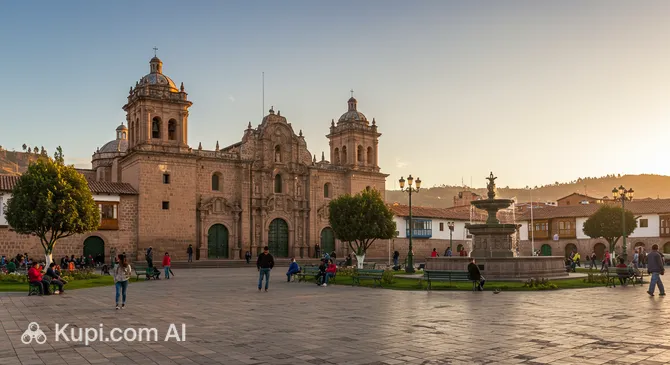
The beating heart of the city is the Plaza de Armas of Cajamarca. Unlike many other main squares in Peru, this one is historically significant as the site where the Inca Empire effectively came to an end. Today, it is a beautiful, well-kept space featuring a central fountain and manicured gardens, surrounded by stunning colonial architecture, including the city's cathedral and the San Francisco Church. It is the perfect spot to sit, acclimatize to the altitude, and soak in the local atmosphere.
Plaza de Armas of Cajamarca. Illustration.
Source: Kupi.com AI
Traveler photos:
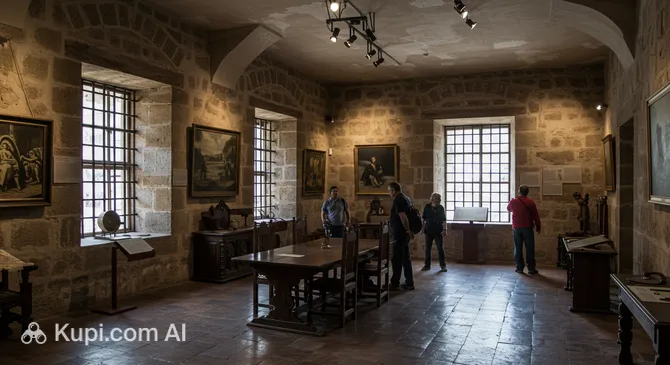
Just a short walk from the main square lies the Ransom Room (Cuarto del Rescate), arguably the most famous historical site in the region. This modest stone structure is the only Inca building still standing in the city center and is famous for being the place where Emperor Atahualpa was held prisoner. Visitors can see the legendary line on the wall that supposedly marked the level to which the room was to be filled with gold and silver in exchange for his freedom, a poignant reminder of the Spanish conquest.
Ransom Room. Illustration.
Source: Kupi.com AI
Traveler photos:
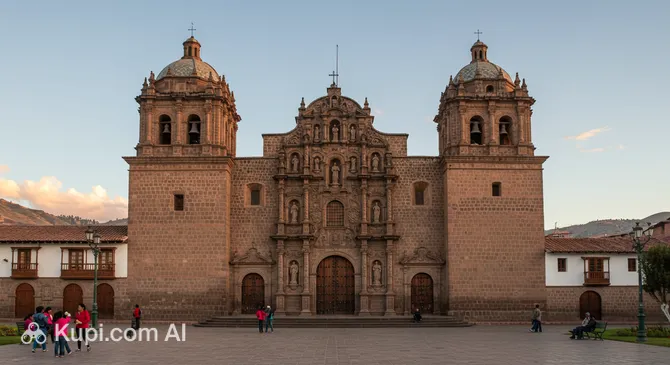
For those interested in religious art and architecture, the La Recoleta Church and Convent is a must-visit destination. Located in the popular San Sebastián neighborhood, this 17th-century complex is known for its austere yet elegant façade carved from volcanic stone. Inside, the convent houses a museum with religious artifacts and paintings, while the peaceful courtyards offer a quiet escape from the bustle of the city streets.
La Recoleta Church and Convent. Illustration.
Source: Kupi.com AI
Traveler photos:
To experience a tribute to the region's indigenous heritage, head to the Alameda de los Incas. This scenic boulevard is lined with statues representing the 14 rulers of the Inca Empire, providing a unique cultural lesson as you stroll. It is located near the thermal baths district and serves as a fantastic location for photography, allowing tourists to appreciate the scale and history of the civilization that once ruled these highlands.
Local Cuisine
Cajamarca is widely known as the dairy capital of Peru, a title that heavily influences its rich and comforting gastronomy. The abundance of cattle in the region means that fresh milk, butter, and cheese are central to the local diet. Visitors will find that queso cajamarquino (local cheese) is a staple, often served simply with corn or bread as a popular appetizer before the main meal.
One of the most emblematic dishes to try is Caldo Verde, a green potato soup that is cherished by locals. Its distinctive color and flavor come from a blend of aromatic herbs, such as paico and rue, mixed with beaten eggs and cubes of fresh cheese. It is a warming, nutritious dish often enjoyed for breakfast or dinner to ward off the Andean chill. Another culinary highlight is Picante de Cuy (spicy guinea pig), where the meat is fried until crispy and served with a seasoned potato stew and a sauce made from chili peppers and peanuts.
For those with a sweet tooth, the city is famous for its manjar blanco, a sweet, caramel-like spread made from slow-cooked milk and sugar. It is traditionally sold in small wooden containers and is the perfect souvenir to take home. This delicacy is often eaten with rosquitas, crunchy butter cookies that are sold on nearly every street corner in the city center.
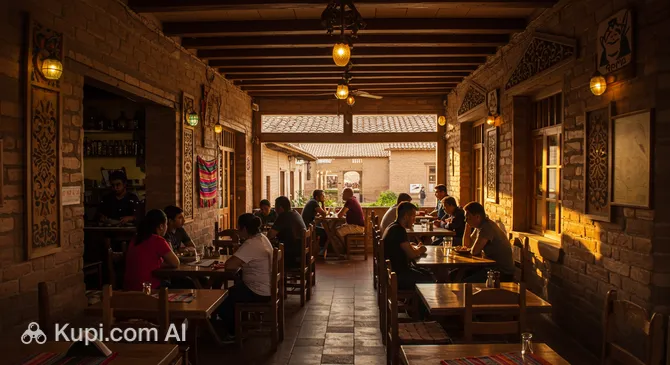
To accompany these meals, the traditional drink of choice is chicha de jora, a fermented corn beer that has been consumed in the Andes for centuries. The food culture here is a mix of rustic tradition and modern comfort. You can enjoy authentic flavors in local markets or visit established venues like Hotel Tartar, which offers restaurant services where travelers can sample regional cuisine in a relaxed setting.
Hotel Tartar. Illustration.
Source: Kupi.com AI
Traveler photos:
Travel Tips
Welcome to Cajamarca, a city where the legacy of the Incas meets the charm of the Spanish colonial era in the heart of the northern Andes. To help you navigate this historic highland destination with ease and make the most of your adventure, we have compiled a list of essential travel tips.
Clothing and Gear: Since Cajamarca sits at an altitude of about 2,750 meters, the weather can change quickly. It is best to dress in layers; days can be warm and sunny, but temperatures drop significantly once the sun goes down. Bring a waterproof jacket or poncho, especially if you visit during the rainy season (January to April), and pack comfortable walking shoes or hiking boots for the cobblestone streets and archaeological sites. Don't forget high-SPF sunscreen and a hat, as the high-altitude sun is strong.
Transportation: The historic center is compact and best explored on foot, allowing you to appreciate the architecture up close. For longer distances, such as to the Baños del Inca, local minibuses (combis) are a cheap and authentic way to travel. Within the city, mototaxis (three-wheeled motorized rickshaws) are a popular and affordable option for short trips, though standard taxis are also readily available and safer for night travel. Ride-hailing apps operate but may have fewer drivers than in Lima, so carrying cash for traditional taxis is wise.
Finances: The local currency is the Peruvian Sol (PEN). While major hotels and upscale restaurants near the Plaza de Armas accept credit cards (Visa and Mastercard are most common), cash is king in smaller shops, local markets, and for transport. ATMs are widely available around the main square. It is recommended to carry small bills and coins, as breaking large notes can be difficult in small establishments.
Health and Safety: To prevent altitude sickness (soroche), take it easy on your first day, stay hydrated, and try drinking coca tea, a local remedy offered in many hotels. Pharmacies are plentiful in the city center for basic needs. Cajamarca is generally safe for tourists, but standard precautions apply: keep an eye on your belongings in crowded markets and avoid walking alone in unlit areas on the outskirts late at night.
Communication: The primary language is Spanish. English is spoken in high-end hotels and by tour guides, but it is less common among local shopkeepers and taxi drivers. Learning a few basic phrases like "¿Cuánto cuesta?" (How much?) and "Gracias" (Thank you) will go a long way. For mobile data, you can easily buy a prepaid SIM card from providers like Claro or Movistar in the city center to stay connected.
Local Etiquette: Peruvians are generally warm and polite. It is customary to greet people with a "Buenos días" or "Buenas tardes" when entering a shop or boarding a taxi. If you wish to take photos of locals, especially women in traditional Andean dress, always ask for permission first ("¿Puedo tomar una foto?"); some may ask for a small tip in exchange, which is a common practice.
What to Avoid: Do not drink tap water, as it is not potable for tourists and can cause stomach issues. Always opt for bottled or purified water. Additionally, avoid aggressive bargaining in markets; while a little negotiation is acceptable for handicrafts, prices for food and small goods are usually fixed and fair.
Don't Miss the Dairy: Cajamarca is famous for its dairy products. Do not leave without visiting a local shop to try manjar blanco (a sweet milk spread) or fresh cheese/butter. It is not just food; it is a huge part of the local identity and makes for a delicious, affordable snack.
With these practical tips in hand, you are ready to immerse yourself in the rich culture and stunning landscapes of Cajamarca. Enjoy the warmth of the locals, the delicious food, and the incredible history that awaits you in this unique corner of Peru.
Entertainment & Nightlife
While Cajamarca is renowned for its history and daytime tranquility, the city transforms as the sun sets, offering a vibrant yet approachable nightlife scene. The entertainment here is less about massive superclubs and more about lively bars, energetic discotheques, and cozy peñas where locals and visitors mingle. The heart of the action is concentrated around the historic center, particularly the streets radiating from the Plaza de Armas, where the colonial architecture provides a stunning backdrop for an evening out.
For those looking to dance late into the night, the city offers several popular spots. One of the well-known venues is the Arlekin Discotheque. This club is a staple of the local nightlife, drawing a crowd ready to enjoy a mix of Latin hits, reggaeton, and electronic music. It typically gets busy after midnight, so don't be surprised if the party starts a bit later than you might expect.
Arlekin Discotheque. Illustration.
Source: Kupi.com AI
Traveler photos:
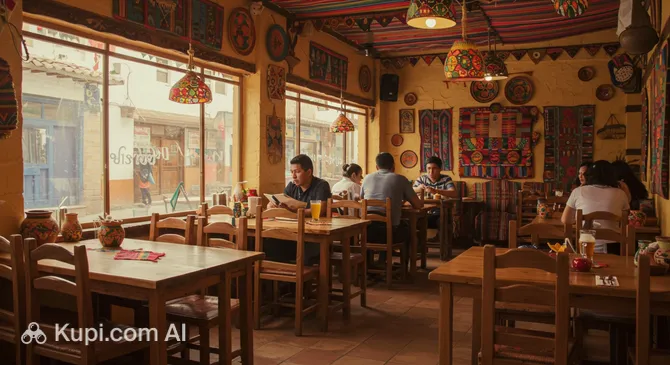
If you prefer a more relaxed atmosphere focused on dining and drinks, there are excellent options to enjoy a night out with friends. El Pez Loco is a great choice for those who want to combine a lively ambiance with delicious food and refreshing beverages. Places like this often serve as a perfect warm-up before hitting the dance floor or as a destination in themselves for a spirited dinner.
El Pez Loco. Illustration.
Source: Kupi.com AI
Traveler photos:
Beyond the bars and clubs, Cajamarca offers other forms of entertainment. For a more low-key evening or daytime leisure, the Cajamarca Shopping Center provides a modern contrast to the historic streets. Here, you can find cinema screens, food courts, and shops, making it a popular hub for families and younger crowds looking for entertainment before the night truly begins. During the day, the city's cultural offerings take center stage, with various museums and theaters providing insight into the region's rich heritage.
When enjoying the nightlife, it is important to keep a few practical tips in mind. The dress code in most venues is casual to smart-casual; you rarely need to dress up formally. Prices are generally affordable compared to Lima, with beers and cocktails costing significantly less. For safety, stick to the well-lit areas of the city center and always use official radio taxis or ride-hailing apps to return to your accommodation, especially late at night. Avoid walking alone in the outskirts or unlit streets after dark.
Parks & Museums
For travelers looking to delve deeper into the region's cultural and natural heritage, Cajamarca offers a variety of museums and scenic areas. A standout destination is the Belén Square, home to the monumental Belén Complex. This 18th-century architectural masterpiece is not just a visual treat with its intricate baroque façade; it also houses fascinating museums. Inside, visitors can explore the Archaeological and Ethnographic Museum, as well as a unique Medical Museum located in the former colonial hospital, featuring the original stone alcoves where patients were once treated.
Belén Square. Illustration.
Source: Kupi.com AI
Traveler photos:
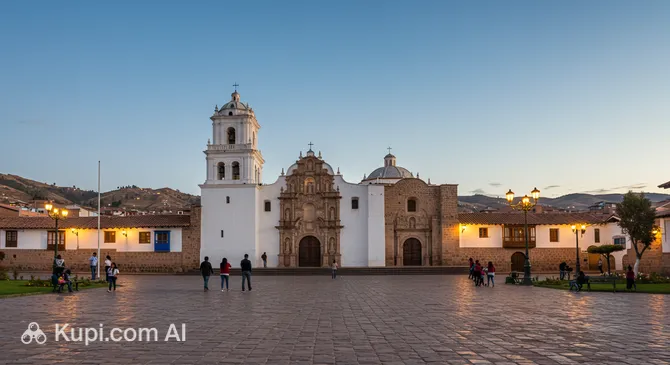
Rising above the city center is the historic hill of Santa Apolonia, a serene park that offers panoramic views of the valley. After climbing the stone steps through beautifully maintained gardens, you will reach the Santa Apolonia Church. This small, whitewashed chapel sits at the summit and serves as a peaceful retreat. The surrounding area is perfect for a leisurely walk, allowing you to admire ancient pre-Inca rock carvings known as the "Seat of the Inca" while enjoying the fresh Andean air.
Santa Apolonia Church. Illustration.
Source: Kupi.com AI
Traveler photos:
Nature enthusiasts should not miss the opportunity to visit Cumbemayo, located about 20 kilometers from the city. Often described as a "stone forest," this geological wonder features massive volcanic rock formations that create a surreal landscape. It is also an important archaeological site, famous for its pre-Columbian aqueduct—a remarkable feat of ancient engineering carved directly into the rock that is still visible today. It is an ideal spot for hiking and connecting with the mystical energy of the Andes.
Getting Around
The public transport system in Cajamarca is primarily road-based and operates quite differently from the structured networks found in major global metropolises. There is no metro, tram, or light rail service in the city. Instead, the backbone of local mobility consists of combis (minibuses) and larger buses that traverse the city and connect the center with outlying districts. These vehicles follow fixed routes, often identified by colorful placards in the windshield listing major landmarks and street names.
For short distances within the city, the most iconic and popular mode of transport is the mototaxi. These three-wheeled, motorized rickshaws are nimble and can navigate the narrow streets with ease. They are an essential part of the local experience, offering a breezy and inexpensive way to get from one neighborhood to another. However, tourists should note that regulations often restrict them from entering the immediate perimeter of the main square to reduce congestion, so you may need to walk a block or two to find one.
Another common option is the colectivo, or shared taxi. These look like standard sedans but operate on specific routes, similar to a bus line. They are particularly useful for reaching popular nearby destinations, such as the thermal baths, faster than a combi would. They depart from designated terminals or street corners once the vehicle is full, offering a balance between the speed of a taxi and the affordability of a bus.
The payment system across all forms of public transport is exclusively cash-based. There are no electronic travel cards, transport apps, or pre-paid passes. Fares are extremely affordable, typically costing just a few coins for a ride across town. It is essential to carry small change (coins and small bills), as drivers and assistants often struggle to break large banknotes. You simply pay the fare directly to the driver or the "cobrador" (door assistant) either upon boarding or when you reach your destination.
Standard taxis are widely available and are generally recommended for travel at night or for carrying luggage. A crucial detail for visitors is that taxis in the city do not use meters. You must negotiate and agree on the price with the driver before getting into the car. While some ride-hailing apps exist, they are not as reliable or widespread as in the capital, so flagging down an official taxi or asking your hotel to call a "radio taxi" is often the safest and most efficient method.
Public transport generally operates from early morning, around 6:00 AM, until approximately 10:00 PM. Frequency decreases significantly later in the evening. Bus stops can be informal; while there are designated stops, locals often flag down combis by simply raising a hand as the vehicle approaches. To get off, you just alert the driver or assistant a block in advance.
Accommodation
Finding a place to stay in Cajamarca is generally a pleasant and affordable experience, with options ranging from rustic backpacker hostels to charming boutique hotels housed in restored colonial mansions. The city does not typically feature massive international hotel chains; instead, the accommodation landscape is dominated by locally run establishments that offer a warm, personalized welcome. Visitors can choose between staying in the heart of the historic center to be close to the main attractions or opting for the outskirts for a more tranquil, nature-oriented retreat.
For most tourists, the Historic Center is the most convenient area to base themselves. Staying within a few blocks of the Plaza de Armas allows for easy walking access to major sites like the Ransom Room and the various colonial churches. Many hotels here are located in old casonas (large houses) featuring beautiful central courtyards and traditional architecture, adding to the cultural immersion of the trip. Alternatively, the district of Baños del Inca, located about 6 kilometers from the city center, is a popular choice for those seeking relaxation. This area is famous for its thermal springs and offers accommodations that often include access to private hot stone pools and spa services.
Booking Tips: While it is usually easy to find a room upon arrival during most of the year, booking in advance is absolutely critical if you plan to visit during February. This is when the famous Cajamarca Carnival takes place, drawing thousands of visitors from across Peru and abroad. During this peak season, hotels are often fully booked weeks or even months ahead, and prices can double or triple.
The price range for accommodation in Cajamarca is generally lower than in Lima or Cusco. Budget travelers can find comfortable hostels or guesthouses for very reasonable rates, while mid-range options offer excellent value with modern amenities like Wi-Fi and hot water—an essential feature in the cool Andean climate. Reservations can easily be made through major online booking platforms, though many smaller, family-run establishments also accept direct bookings via phone or messaging apps.
Nearby Cities
For those looking to explore the surroundings, Cajamarca serves as an excellent base for day trips to several interesting nearby locations:
One of the most popular excursions is to Granja Porcón, located about 30 kilometers from the city. This thriving evangelical cooperative is a unique example of sustainable agrotourism in the Andes. Visitors can explore vast pine forests that were planted to reforest the highlands, visit a small zoo featuring local fauna like vicuñas and spectacled bears, and learn about the community's traditional dairy production and weaving workshops.
Another charming destination is the town of Namora, situated roughly 45 minutes away by road. Famous for its guitar-making tradition, this quaint town is filled with workshops where artisans craft instruments from local wood. Nearby, travelers can visit the San Nicolás Lagoon to enjoy a peaceful boat ride among the totora reeds, making it a perfect spot for a relaxing afternoon surrounded by nature and local folklore.
For those interested in religious art, a visit to the village of Polloc is highly recommended. It is home to a stunning church adorned with intricate mosaics that cover almost every inch of its interior and exterior. These beautiful works of art, depicting biblical scenes and local motifs, are created by the children and youth of the Don Bosco educational project, showcasing the incredible talent and dedication of the local community.
City
Population
Distance
San Juan Aposento
—
14 km
Celendin
26 925
52 km
Chota
54 611
68 km
Cajabamba
13 486
72 km
Otuzco
25 134
82 km
These nearby destinations offer a glimpse into the diverse culture and landscapes of the region.
Shopping & Souvenirs
Shopping:
Shopping in Cajamarca offers a delightful mix of traditional Andean culture and modern convenience. While you will not find rows of high-end luxury boutiques, the city is a treasure trove for those seeking authentic local craftsmanship and regional delicacies. The experience is less about fashion trends and more about discovering the unique heritage of the northern highlands through its products, particularly its famous dairy goods and textiles.
The best place to start your shopping journey is in the Historic Center. The streets surrounding the Plaza de Armas and the nearby pedestrian walkways are lined with small, independent shops. Here, you can browse for high-quality alpaca wool sweaters, silver jewelry, and leather goods while admiring the colonial architecture. It is a relaxed environment where you can take your time exploring the various handicraft stores that showcase the skills of local artisans.
For a more contemporary retail experience, the city features the Cajamarca Shopping Center. This modern complex provides a stark contrast to the colonial streets, offering a wide range of well-known clothing brands, electronics, and department stores. It is a convenient stop if you need to purchase travel essentials, buy a new memory card for your camera, or simply enjoy a familiar shopping atmosphere with a food court and cinema.
Cajamarca Shopping Center. Illustration.
Source: Kupi.com AI
Traveler photos:
To immerse yourself in the daily life of the locals, a visit to the Central Market is a must. This bustling hub is where the city comes alive with colors and smells. It is the ideal place to purchase fresh fruits, local grains, and, most importantly, the region's renowned dairy products. You will see rows of vendors selling large rounds of fresh cheese (*queso mantecoso*), which is a staple of the local diet and a popular purchase for visitors.
When it comes to souvenirs, edible gifts are the top choice in Cajamarca. The city is famous across Peru for its manjar blanco (a sweet, caramel-like milk spread) and butter cookies (*rosquitas*). You will find specialized shops solely dedicated to these treats. For non-edible keepsakes, look for traditional ceramic pottery, woven baskets, and mirrors framed with intricate wood carvings or painted glass, which are typical of the region's folk art.
Opening hours generally run from 9:00 AM or 10:00 AM until 8:00 PM. However, it is common for smaller, family-run shops in the center to close for a lunch break (siesta) between 1:00 PM and 3:00 PM, so plan your visits accordingly. The shopping mall stays open later and does not close for lunch. Regarding payment, while the shopping center and tourist-oriented souvenir shops accept major credit cards, cash (Peruvian Soles) is absolutely essential for the markets and smaller street vendors.
Regarding tax-free shopping, while Peru does have a system for reclaiming sales tax (IGV) on goods for international tourists, participating stores are primarily located in Lima and Cusco. In Cajamarca, finding shops that are affiliated with the tax-free refund system is rare, so it is best not to rely on this benefit for your purchases in the city.