Support

Tarapoto

About

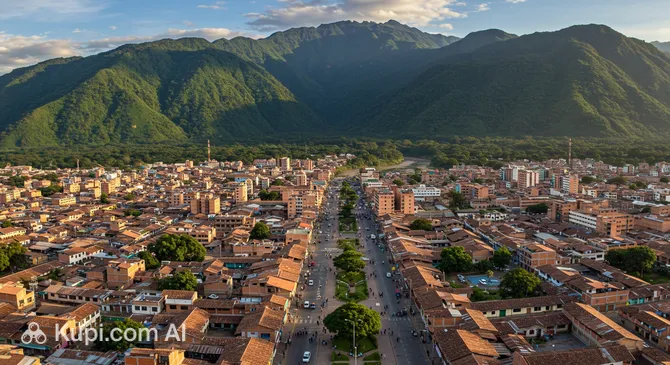
Tarapoto, often affectionately called the "City of Palms", is a vibrant and welcoming destination located in the San Martín Region of northern Peru. Serving as a vital commercial hub and a gateway to the vast Amazon rainforest, this city offers a unique blend of urban energy and breathtaking natural beauty. With a population of approximately 240,000 inhabitants, it is one of the largest and most dynamic cities in the Peruvian Amazon, situated in the "high jungle" zone where the Andean foothills meet the tropical lowlands.

Tarapoto. Source: Kupi.Binoculars

The climate here is tropical and humid, creating a lush environment that stays warm throughout the year. While the city is a modern bustling center today, the history of Tarapoto dates back to its foundation in 1782, evolving from a small settlement into a major connecting point for trade and tourism. Visitors are often captivated by the surrounding landscapes, which are rich in biodiversity and offer countless opportunities for adventure.

Travelers flock to Tarapoto to explore its stunning natural attractions. The majestic Ahuashiyacu Waterfall is just a short drive away and provides a refreshing escape into the jungle. Another highlight is the enchanting Blue Lagoon (Laguna Azul) in the nearby district of Sauce, perfect for boating and relaxation. Whether you are looking to explore the nearby folklore capital of Lamas or simply enjoy the local cuisine, Tarapoto is an unmissable stop for anyone wishing to experience the magic of the Amazon.

Weather Overview

Tarapoto enjoys a tropical climate characterized by consistent warmth and significant humidity throughout the year. The weather is generally pleasant for travel, though visitors should be prepared for frequent showers typical of the Amazon region. For a more detailed breakdown of seasonal trends and forecasts, you can consult the guide to weather in Tarapoto.

Temperatures remain fairly stable, with average daily highs ranging from 27°C to 30°C and comfortable lows between 18°C and 20°C. September tends to be the warmest month, reaching peaks around 30.2°C. Rainfall is a constant companion here; months like January and March can see up to 27 to 29 wet days, meaning rain is an almost daily occurrence. However, the period around August offers a drier window, with the number of wet days dropping to approximately 11, making it an excellent time for outdoor exploration.

Interesting Facts

Beyond the main attractions, Tarapoto holds many fascinating secrets and local quirks that define its unique character. This bustling jungle metropolis is far more than just a transit point, offering cultural oddities and hidden histories that surprise many visitors.

  • Motocar Culture: One of the first things travelers notice is the scarcity of standard taxis. Tarapoto has one of the highest densities of motorized tricycles, locally known as "motocars," in the entire country. These agile vehicles are the lifeblood of the city's transportation, swarming the streets in a chaotic yet functional ballet that defines the urban rhythm.

  • Ancient Jungle Mysteries: Just a few kilometers from the city center lie the Polish Petroglyphs (Petroglifos de Polish). These ancient rock carvings depict plants, animals, and possible celestial maps, but their exact origins and the civilization that created them remain a subject of debate among archaeologists, adding an air of mystery to the region's history.

  • A Culinary Delicacy with Legs: For the adventurous eater, Tarapoto offers a unique seasonal treat known as Siquisapa. These are giant leaf-cutter ants that are harvested during the rainy season, roasted, and eaten as a crunchy, savory snack. They are considered a delicacy and are highly prized for their distinctive flavor.

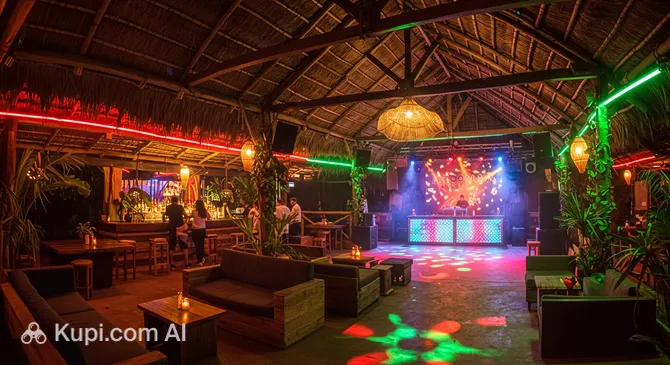
  • Unexpected Nightlife: Unlike many sleepy Amazonian towns, Tarapoto is famous for its high-energy nightlife that rivals larger coastal cities. The "City of Palms" comes alive after dark with open-air clubs and bars where the party often lasts until dawn. Iconic spots like Anaconda Discoteca are testaments to this vibrant culture, mixing tropical heat with modern beats.

Anaconda Discoteca. Source: Kupi.Binoculars

How to Get There

Reaching Tarapoto is most convenient by air, as the city serves as a major transport hub for the San Martín Region, connecting the Amazon rainforest with the rest of the country. For a complete guide on travel options and routes, you can read more about how to get to Tarapoto.

The primary gateway for visitors is Cad. FAP Guillermo del Castillo Paredes Airport (IATA: TPP), located directly in the city of Tarapoto. Situated just 2.9 km from the center, it is incredibly accessible and serves as a key regional terminal with an annual passenger traffic of over a million. It offers frequent connections to Lima and other major destinations. You can find more specific details on the page for Cad. FAP Guillermo del Castillo Paredes Airport.

If flights to Tarapoto are unavailable, travelers might consider Chachapoyas (IATA: CHH) or Cajamarca Airport (IATA: CJA) as alternatives, though they are significantly further away. Chachapoyas is located approximately 167 km from Tarapoto, while Cajamarca Airport is about 245 km away. It is important to note that despite the seemingly moderate distances, the journey from these airports involves navigating winding roads through the Andes and mountainous terrain, resulting in a very long overland trip compared to flying directly.

For clarity, here is a summary of the main airports in the wider region:

Airport Name City Passenger Traffic Km from City
Cad. FAP Guillermo del Castillo Paredes Airport Tarapoto High 2.9
Cajamarca Airport Cajamarca Medium 245.0
Capitan Rolden Airport Pucallpa Medium 288.7
Shumba Airport Jaen Small 283.3
Chachapoyas Chachapoyas Small 167.0

Main Attractions

While the natural wonders of the San Martín Region are the primary draw for many visitors, the city of Tarapoto itself boasts a variety of attractions that cater to leisure and entertainment. The urban center is a lively complement to the jungle excursions, offering a selection of dining and nightlife options that reflect the city's energetic spirit.

Food enthusiasts will find plenty to explore within the city limits. For a genuine taste of regional cuisine, El Chachapoyano Restaurante is a recommended stop. It serves as an excellent venue to sample traditional dishes and immerse oneself in the local flavors that define this part of the Amazon.

El Chachapoyano Restaurante. Source: Kupi.Binoculars

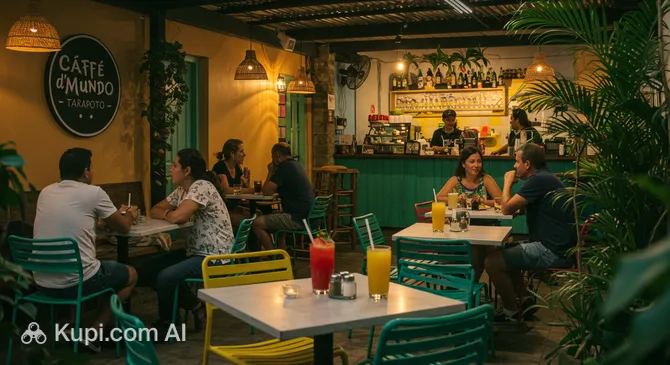
For a more casual atmosphere, Café d' Mundo offers a delightful retreat. Whether you are looking for a rich cup of coffee or a place to relax and plan your next adventure, this spot is a favorite among travelers for its welcoming vibe and central location.

Café d' Mundo. Source: Kupi.Binoculars

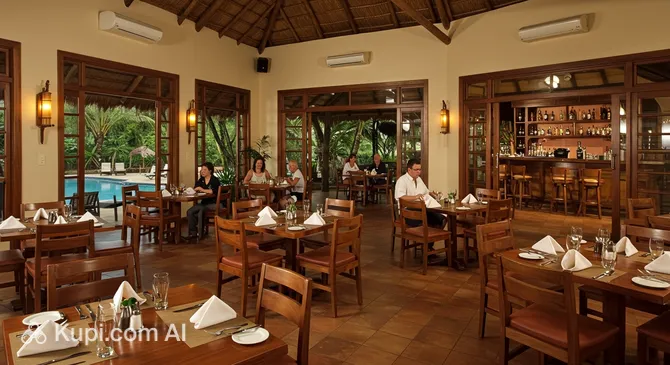
Those seeking a refined dining experience can visit the Tucan Suites Restaurant. Situated within a well-known hotel complex, this restaurant provides a comfortable setting and a diverse menu, making it a perfect choice for a relaxing evening meal.

Tucan Suites Restaurant. Source: Kupi.Binoculars

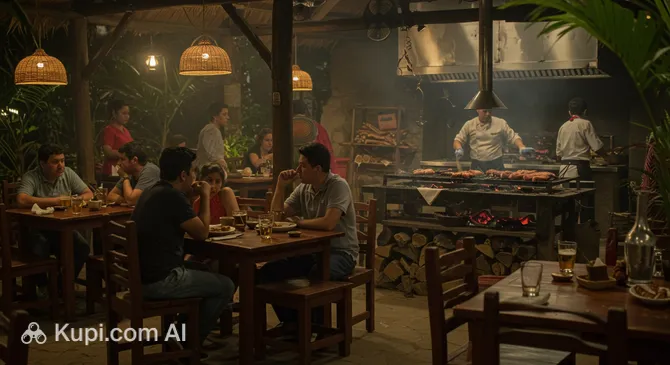
When the sun goes down, the city's nightlife takes center stage. The famous Anaconda Discoteca invites party-goers to experience the vibrant rhythm of the jungle metropolis. It stands out as a premier destination for entertainment, drawing crowds with its lively music and tropical ambiance.

Local Cuisine

The culinary scene in Tarapoto is a vibrant celebration of Amazonian flavors, offering visitors a chance to taste ingredients found nowhere else on Earth. The local gastronomy, known as "comida de la selva," is characterized by the use of fresh river fish, exotic fruits, and distinct preparations that have been passed down through generations. Dining here is not just about sustenance; it is an immersion into the culture of the San Martín region.

One dish that stands as the undisputed icon of the region is the Juane. Traditionally prepared for the Feast of St. John in June but available year-round, it consists of seasoned rice, chicken, olives, and hard-boiled eggs, all wrapped tightly in bijao leaves and boiled. The leaves impart a unique aroma and flavor to the rice, creating a savory parcel that is the perfect travel companion for jungle excursions.

Another must-try staple is Tacacho con Cecina, a hearty meal often enjoyed for breakfast or lunch. The "tacacho" is made from roasted/fried green plantains mashed with lard and bits of pork, formed into balls. It is served alongside "cecina," which is thin, salted, and smoked pork that has a delicious, savory intensity. For those who prefer fish, Patarashca offers a lighter option, featuring river fish seasoned with local herbs like "sacha culantro," wrapped in leaves, and grilled over charcoal.

To quench your thirst, the city offers an incredible variety of beverages derived from tropical fruits. Aguajina, made from the aguaje palm fruit, is a refreshing and popular choice, as is juice made from Cocona or Camu Camu. On the stronger side, Tarapoto is famous for its "tragos exóticos" or medicinal roots and barks macerated in aguardiente (cane liquor). You will often see bottles filled with roots and colorful labels bearing names like "7 Raíces" (Seven Roots) or "Uvachado" (macerated grapes), which are locally renowned for their supposed health benefits and aphrodisiac qualities.

The food culture in Tarapoto is laid-back and accessible. While there are modern restaurants like Tucan Suites Restaurant that offer refined versions of these classics, many locals prefer the bustling atmosphere of the city's markets. Here, you can watch fresh plantains being roasted and smell the smoke of the cecina grills, providing an authentic and affordable way to experience the true taste of the Peruvian Amazon.

Travel Tips

Welcome to Tarapoto! To help you navigate the vibrant energy of the "City of Palms" and make the most of your Amazonian adventure, we have compiled a list of essential practical tips. These suggestions will ensure your trip is as smooth and enjoyable as possible, letting you focus on the stunning nature and delicious food.

  1. Clothing and Gear: Due to the tropical heat and humidity, pack lightweight, breathable clothing made of cotton or linen. However, don't forget a waterproof poncho or a sturdy umbrella, as heavy rain showers can occur suddenly, even during the "dry" season. Comfortable, closed-toe walking shoes are a must for jungle treks to avoid insect bites and navigate muddy trails.
  2. Transportation: The most common and convenient way to get around the city is by motocar (motorized rickshaw). They are everywhere and very affordable. Important: These vehicles do not have meters, so you must agree on the fare with the driver before you get in to avoid misunderstandings later. Taxis are available but less common; car rental is generally not necessary unless you plan extensive independent travel to remote areas.
  3. Finances: The local currency is the Peruvian Sol (PEN). While major hotels and upscale restaurants accept credit cards, cash is king in Tarapoto. You will need small bills and coins for motocars, street food, and local markets. ATMs are widely available around the Plaza de Armas, but it is wise to withdraw money during the day in secure locations.
  4. Health and Safety: Tap water is generally not safe to drink; always opt for sealed bottled water. Since this is a tropical region, insect repellent containing DEET is essential to protect against mosquitoes, especially at dawn and dusk. Pharmacies (often called "Boticas") are plentiful in the city center for basic medical supplies, and some are open 24 hours.
  5. Communication: Spanish is the primary language, and English is not widely spoken outside of tour agencies and major hotels. Learning a few basic phrases like "¿Cuánto cuesta?" (How much?) and "Gracias" (Thank you) will go a long way. It is highly recommended to buy a local SIM card (Claro and Movistar have good coverage) or download offline maps and translation apps before you arrive.
  6. Local Etiquette: People in Tarapoto are generally warm and friendly. It is polite to greet shopkeepers and drivers with a simple "Buenos días" or "Buenas tardes." When entering a restaurant or passing a table where people are eating, it is customary to say "Buen provecho" (Enjoy your meal).
  7. What to Avoid: Avoid taking photos of locals, especially children or indigenous people in nearby communities, without asking for permission first. It is considered disrespectful. Also, try to avoid booking jungle tours with unregistered guides on the street; always use reputable agencies to ensure safety and environmental responsibility.
  8. Local Insight: Embrace the "siesta" rhythm. The midday heat between 1:00 PM and 3:00 PM can be intense. Many locals take a break during these hours, and the streets may be quieter. Plan your most active excursions for the early morning or late afternoon to enjoy the coolest parts of the day.

Tarapoto is a city that rewards those who embrace its laid-back tropical rhythm and vibrant street life. By keeping these practical tips in mind, you are all set to explore the waterfalls, taste the exotic fruits, and enjoy the warm hospitality of the Peruvian jungle with confidence!

Entertainment & Nightlife

When the tropical sun sets, Tarapoto transforms into one of the most energetic cities in the Peruvian Amazon. The nightlife here is surprisingly vibrant, rivaling that of much larger metropolises. Due to the daytime heat, locals often prefer to socialize late into the evening, creating a bustling atmosphere that combines the laid-back rhythm of the jungle with a modern party spirit. Whether you are looking for a quiet craft beer, a live rock band, or a thumping dance floor, the "City of Palms" has something to offer.

The epicenter of the city's social life is undoubtedly the "Calle de las Piedras" (Street of Stones), located on Jirón Lamas near the main square. This pedestrian-friendly strip is lined with an eclectic mix of bars, pubs, and lounges. It is the perfect place to start the night, hopping from one venue to another while enjoying exotic cocktails made from regional roots and fruits. The vibe here is casual and welcoming, with music spilling out onto the street and crowds gathering to enjoy the cooler night air.

For those seeking a more intense party experience, the district of Morales is known for its large open-air nightclubs. A legendary name in the local scene is Anaconda Discoteca. This massive venue is an institution in Tarapoto, famous for its tropical decor, multiple dance floors, and a mix of music ranging from cumbia and salsa to reggaeton and electronic beats. It is a must-visit for anyone wanting to see how the locals dance until dawn.

If you prefer a more relaxed evening focused on conversation and flavor, the city offers excellent dining spots that transition seamlessly into night hangouts. El Chachapoyano Restaurante is a great choice to enjoy a hearty meal accompanied by local drinks in a traditional setting. Alternatively, for a cozy start to your evening, Café d' Mundo provides a laid-back atmosphere where you can enjoy coffee or a light evening snack before heading out to the livelier districts.

Practical advice for enjoying Tarapoto at night is simple: dress lightly and stay safe. The dress code is almost universally casual; shorts, t-shirts, and sandals are the norm due to the humidity. Motocars are the primary mode of transport at night. They are abundant and cheap, usually costing between 3 to 5 soles for trips within the city. However, for safety, it is recommended to use vehicles associated with a registered company or ask your hotel or restaurant to call one for you, especially late at night. The main nightlife areas are generally safe and well-populated, but standard precautions apply.

While the night belongs to music and dance, daytime entertainment in Tarapoto offers a different pace. The city has several recreational centers and small museums that showcase the region's history and biodiversity. Visitors can explore local art galleries or visit recreational parks with swimming pools, which are popular weekend hangouts for families looking to beat the heat. Although it lacks large amusement parks, the natural surroundings serve as the city's greatest playground.

Parks & Museums

While Tarapoto is famous for its natural surroundings, the city and its immediate vicinity offer a compelling mix of cultural heritage and accessible green spaces. Visitors can easily transition from the bustling streets to serene natural areas or educational venues that provide deep insights into the Amazonian way of life and the history of the San Martín region.

The most significant natural area influencing the city is the Cordillera Escalera Regional Conservation Area. Although it is a vast protected zone rather than a manicured city park, it serves as the "green lung" of Tarapoto. Just minutes from the city center, this area offers accessible trails, diverse flora, and the chance to see wildlife in its natural habitat. Within the urban center itself, the Plaza de Armas acts as the main public gathering space. True to the city's nickname, "City of Palms," the square is adorned with tall palm trees and vibrant gardens, providing a shaded retreat where locals and tourists alike relax and socialize.

For those interested in the cultural history of the area, the Museo Regional de la Universidad Nacional de San Martín is a key institution. This museum houses an intriguing collection of archaeological artifacts, including ceramics, tools, and even mummies from pre-Hispanic cultures that inhabited the high jungle. It offers a valuable context for understanding the indigenous roots of the region before the arrival of the Spanish.

Another unique venue is Urku Centro de Estudios y Biodiversidad. While technically a rescue and research center, it functions as a living museum dedicated to the Amazon's biodiversity. Visitors can learn about local species, such as monkeys and sloths, and understand the importance of conservation through interactive exhibits and guided walks. It provides an educational experience that bridges the gap between a traditional museum and a zoological park.

In terms of historical and architectural landmarks, the Petroglifos de Polish (Polish Petroglyphs) are a standout feature located just outside the city. These ancient stone carvings date back centuries and offer a glimpse into the mysterious civilizations that once thrived here. Additionally, many travelers take a short trip to the nearby town of Lamas to see the Castillo de Lamas, a surprising medieval-style castle built in the middle of the jungle, which stands as a quirky architectural marvel contrasting with the traditional mud-brick surroundings.

For a truly authentic experience, consider visiting the Tabalosos district or looking for small artisan workshops in the Huayco neighborhood. Here, you might find local potters and weavers practicing traditional crafts that have been passed down for generations, offering a more intimate look at the living culture of Tarapoto away from the main tourist trail.

Getting Around

Navigating Tarapoto is a distinct experience compared to many other major cities, as the public transport system is informal, decentralized, and uniquely adapted to the tropical environment. Visitors will not find a metro system, trams, or a scheduled municipal bus network operating within the city limits. Instead, the streets are dominated by smaller, more agile vehicles that keep the city moving at a vibrant pace.

The undisputed king of transport in Tarapoto is the motocar (motorized rickshaw). These three-wheeled vehicles, consisting of a motorcycle front attached to a rear carriage with a bench seat, are omnipresent and serve as the primary mode of transit for locals and tourists alike. They are abundant, easy to hail on any street corner, and capable of navigating both paved avenues and smaller side streets. For trips to nearby towns or the outskirts, such as Lamas or the port of Yurimaguas, travelers rely on colectivos (shared taxis or minivans). These depart from specific terminals or "paraderos" and usually leave only when they are full.

The payment system is straightforward and strictly cash-based. There are no travel cards, passes, or mobile ticketing apps for the local transport network. The currency used is the local cash (Soles), and it is essential to carry small bills and coins. Fares for motocars are not metered; instead, they are based on a flat rate for distances within the city. A typical ride within the central districts usually costs between 3 to 5 soles, though this can increase at night, during heavy rain, or for longer distances.

For tourists, the most critical piece of advice is to negotiate and agree on the fare before entering the vehicle. Since there are no meters, stopping a motocar involves signaling the driver, stating your destination, and confirming the price immediately. If the price seems too high, it is acceptable to decline and hail the next one. While service is available 24 hours a day, the frequency of empty vehicles drops late at night, and prices tend to rise slightly after dark.

Alternatives to the ubiquitous motocar do exist but are less common. Standard automobile taxis are available and are generally recommended for trips to and from the airport, or if you require air conditioning and more security for luggage. They are significantly more expensive than motocars. Car-sharing apps are not widely established for local hops, so relying on street hailing or asking a hotel to call a trusted driver is standard practice. Additionally, the city center is relatively compact and flat, making walking a viable and pleasant option for short distances, allowing you to soak in the local atmosphere at a slower pace.

Accommodation

Where to Stay:

Finding the perfect place to stay in Tarapoto is generally a hassle-free experience, as the city offers a wide spectrum of accommodation options to suit every budget and travel style. From backpacker-friendly hostels and family-run guesthouses to upscale resorts with lush gardens, the "City of Palms" is well-equipped for tourism. Given the tropical climate, many mid-range and luxury accommodations feature swimming pools, which are highly recommended for cooling off after a day of jungle exploration.

When choosing a location, travelers typically decide between the vibrant city center and the quieter outskirts. Staying near the Plaza de Armas places you in the heart of the action, within walking distance of banks, restaurants, and the bustling nightlife of the "Calle de las Piedras." This area is ideal for those who want convenience and easy access to transport. Alternatively, the districts of Morales and La Banda de Shilcayo offer a more relaxed atmosphere. These areas are slightly removed from the downtown noise and often host larger "resort-style" hotels that provide a sense of immersion in nature while still being just a short motocar ride away from the center.

In terms of pricing, Tarapoto is generally very affordable compared to Lima or Cusco. Budget travelers can find comfortable hostels and basic rooms for very reasonable rates, often including breakfast. Mid-range options usually offer air conditioning, private bathrooms, and pools, providing excellent value for money. There are also a few high-end jungle lodges and boutique hotels that offer a touch of luxury with spa services and gourmet dining.

Booking accommodation is straightforward, with most established hotels and hostels listed on major online platforms. However, for smaller, family-run establishments, it is sometimes cheaper to book directly or even walk in, though this carries a risk during high season. A crucial tip for visitors is to plan well ahead if traveling in late June during the Festival of San Juan. This is the region's biggest celebration, and the city fills up quickly, causing prices to rise and availability to plummet.

Nearby Cities

For those looking to explore the surroundings, Tarapoto serves as an excellent base for day trips to several interesting nearby locations:

City Population Distance (km)
Cajamarca 201329 248
Jaen 93631 282
Yurimaguas 62903 71
Moyobamba 56452 82
Chota 54611 252

Among the most accessible and rewarding destinations for a day trip is Moyobamba. Known as the "City of Orchids," it is the capital of the San Martín region and sits just a short drive from Tarapoto. Visitors are drawn here to admire thousands of orchid varieties at local botanical gardens and to relax in the restorative waters of the San Mateo Thermal Baths. The city offers a slightly cooler climate and a rich history, being the first city founded by the Spanish in the Peruvian jungle.

Another fascinating option is Yurimaguas, often called the "Pearl of the Huallaga." Located approximately 71 km away, this vibrant port city serves as a vital connection point between the Andes and the Amazon basin. A visit here offers a glimpse into the bustling river commerce of the region. Travelers can stroll along the busy waterfront, watch boats depart for Iquitos, and visit the lively markets where fresh jungle produce and local crafts are sold daily.

These nearby destinations offer a glimpse into the diverse culture and landscapes of the region.

Shopping & Souvenirs

Shopping:

Shopping in Tarapoto is a vibrant experience that reflects the city's role as a commercial hub of the San Martín region. While you will not find massive luxury shopping centers or international high-fashion brands, the city offers a delightful array of local products, artisan crafts, and authentic jungle markets. The shopping scene here is less about glamour and more about discovering the unique flavors and materials of the Amazon, making it a paradise for those seeking genuine souvenirs and organic goods.

The main commercial activity is concentrated in the downtown area, particularly around the Plaza de Armas and along the busy avenue of Jirón Jiménez Pimentel. This central district is lined with a variety of shops selling everything from clothing and shoes to electronics and local handicrafts. Walking these streets provides a lively atmosphere where modern commerce mixes with traditional street vendors, offering a true slice of daily life in the city.

For a more modern retail experience, options are somewhat limited compared to the capital, but there are conveniences available. The city features a few commercial centers such as the area around Cinerama Plaza, which includes a cinema and several smaller stores. Additionally, modern supermarkets like Plaza Vea provide a familiar shopping environment where you can purchase groceries, toiletries, and sometimes even local chocolates and coffees in a more organized setting.

The true soul of Tarapoto's commerce, however, lies in its markets. The most famous and interesting one for visitors is the Mercado No. 2, often referred to as the Mercado de Huayco. This bustling market is a sensory explosion of colors and smells. Here, you can find exotic fruits like camu camu and aguaje, fresh river fish, and medicinal plants used by locals for generations. It is also an excellent place to see the raw ingredients of Amazonian cuisine before they reach the restaurant plates.

When it comes to souvenirs, Tarapoto is known for its high-quality agricultural products. The San Martín region is a premier producer of cacao and chocolate, so buying locally made chocolate bars (such as the famous Orquidea brand) is a must. Coffee from the nearby highlands is another excellent buy. For something truly unique, look for the region's exotic liquors, such as "7 Raíces" (Seven Roots) or Uvachado (macerated grapes), which are often sold in decorative bottles. Traditional ceramics from the nearby town of Lamas and hand-rolled cigars are also popular keepsakes.

Store opening hours in Tarapoto typically follow a split schedule due to the tropical heat. Many smaller shops open around 9:00 AM, close for a "siesta" break between 1:00 PM and 4:00 PM, and then reopen until 8:00 PM or 9:00 PM. Large supermarkets and chain stores usually remain open throughout the day. regarding payment, cash (Peruvian Soles) is essential, especially in markets and smaller boutiques. While major supermarkets and some tourist shops accept credit cards, carrying small bills is highly recommended for most transactions.

Regarding tax-free shopping, Peru does have a system allowing foreign tourists to claim a refund on the general sales tax (IGV) for purchases made at authorized stores. However, this system is primarily found in large international retailers in Lima and Cusco. In Tarapoto, finding stores that participate in the "Tax Free" program is very rare, so visitors should plan their budget assuming the listed price is final.
Reached the end of the page?

That means the route is fully explored