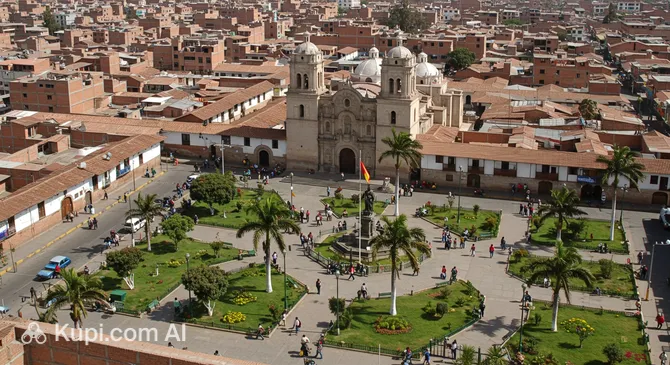
Welcome to Piura, a vibrant metropolis located in the northwestern part of Peru. Known for its year-round sunshine and the warm hospitality of its inhabitants, this city serves as the capital of the Piura Region. With a population of approximately 473,000 people, it is an important economic and cultural hub that perfectly blends urban energy with traditional charm.
Often referred to as the "City of Eternal Heat" due to its hot, desert-like climate, Piura offers a unique atmosphere where the sun almost always shines. The city acts as a gateway to the famous northern beaches and the Sechura Desert, making it a strategic stop for travelers exploring the diverse landscapes of the region.
Piura. Illustration.
Source: Kupi.com AI
As the first Spanish city founded in the country, the history of Piura is rich and fascinating. Visitors can sense this heritage while strolling through the Plaza de Armas, which is surrounded by tamarind trees and significant buildings like the splendid Cathedral of Piura. The city is also renowned for its gastronomy; it is the perfect place to try authentic ceviche or the local snack known as chifles (fried plantain chips).
Whether you are interested in colonial architecture, eager to taste exceptional northern Peruvian cuisine, or looking for a starting point to reach the nearby coastal resorts like Máncora or Colán, Piura is a destination that promises a memorable experience. Come and discover the warmth and lively spirit of this northern gem.
Weather Overview
True to its reputation, the city enjoys a hot and desert-like climate, characterized by sunny days and very little rain. To help plan your activities, it is useful to consult the detailed guide to the weather in Piura. Generally, you can expect hot temperatures year-round with arid conditions dominating the forecast, making it an ideal destination for sun-seekers.
The heat peaks between January and April, with average temperatures ranging from 27°C to 28.5°C and maximums climbing up to 33.8°C in February. The coolest period occurs from June to September, yet it remains comfortable with averages near 22°C and minimums rarely dipping below 16.9°C. Precipitation is minimal throughout the year, usually ranging from 0mm to 2mm per month, so you can look forward to dry skies regardless of when you visit.
Average monthly temperature
Average monthly precipitation
Interesting Facts
Beyond the well-known sunny beaches and colonial architecture, Piura holds fascinating stories that define its unique identity. From its restless origins to its deep literary connections, the city offers curious travelers a wealth of hidden details to discover.
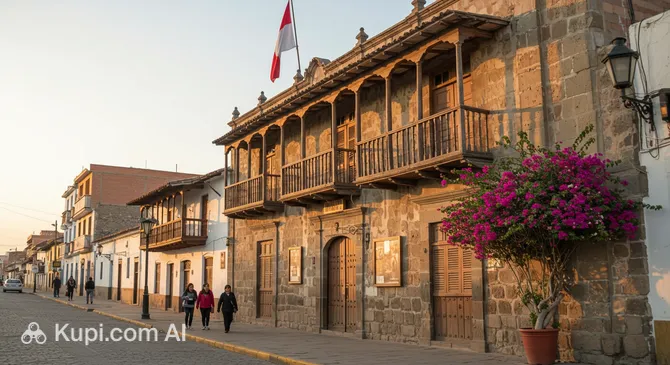
Piura is often called the "wandering city" because it did not always stand in its current location. Following its original foundation as San Miguel by Francisco Pizarro in 1532, the city was relocated three times to escape pirate attacks, poor climate, and mosquitoes before finally settling at its present site.
The city is the proud birthplace of Miguel Grau, Peru's most revered naval hero, known as the "Gentleman of the Seas." Visitors can explore his legacy at the Admiral Grau House Museum, which is preserved in the very dwelling where he spent his childhood years.
Nobel Prize laureate Mario Vargas Llosa lived in Piura during his youth, and the city serves as the setting for his celebrated novel, The Green House. The story was inspired by a legendary brothel that actually existed on the outskirts of the city, turning a local urban legend into a piece of world literature.
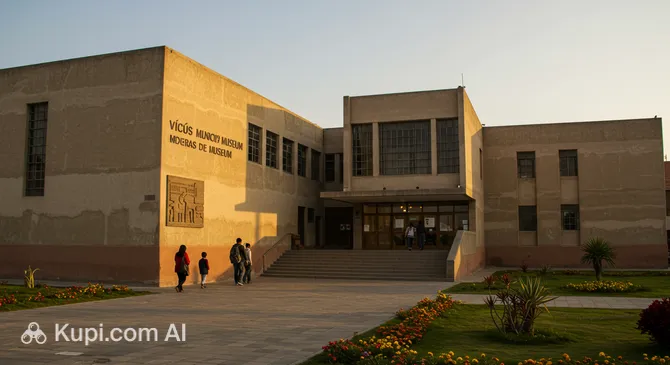
Long before the Spanish arrived, the region was home to the Vicús culture, a civilization renowned for its mastery of metallurgy and "whistling" pottery. You can view their intricate artifacts and learn about their mysterious burial customs at the Vicús Municipal Museum located in the city center.
Admiral Grau House Museum. Illustration.
Source: Kupi.com AI
Traveler photos:
How to Get There
Reaching this northern metropolis is quite convenient thanks to its connectivity with the rest of the country. Whether you are arriving from Lima or neighboring regions, you have several options. For a complete overview of routes and transport modes, you can read more about how to get to Piura in our detailed guide.
The most direct way to arrive is by flying into Cap. FAP Guillermo Concha Iberico International Airport (PIU). Located within the city of Piura itself, it sits just 5.2 km from the city center, making the transfer very quick—usually taking around 15 to 20 minutes by taxi. This is a significant transport hub with high passenger traffic, offering regular connections to the capital and other destinations.
If flights to Piura are unavailable, a viable alternative is Captain FAP Victor Montes Arias Airport (TYL) in the city of Talara, located approximately 94 km away. The journey from Talara to Piura by road takes roughly 2.5 to 3 hours. Another option is Cornel Ruiz Airport (CIX) in Chiclayo, though it is further out at about 200 km, requiring a travel time of around 5 to 6 hours by bus or taxi.
For clarity, here is a summary of the main airports:
Regarding rail transport, Piura does not currently have a functioning passenger railway station connecting it to other major cities. Travelers who prefer ground transportation typically rely on the extensive network of interprovincial buses, which offer comfortable and frequent services from Lima and other northern cities along the Pan-American Highway.
Main Attractions
Exploring Piura offers a delightful journey through colonial history, religious architecture, and ancient cultures. The city's center is compact and walkable, allowing visitors to easily navigate between its most significant landmarks. Here are some of the main attractions you should not miss during your visit.
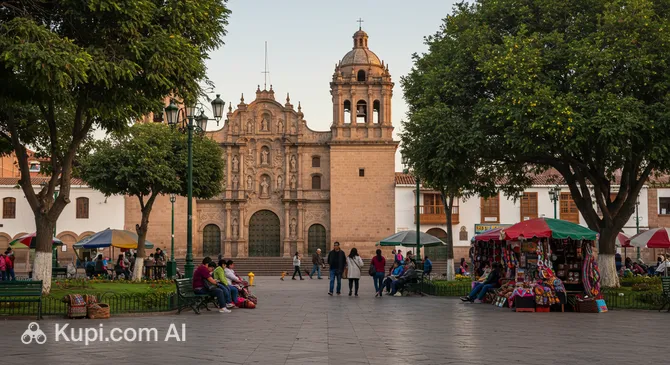
The heart of the city is the Plaza Mayor of Piura, one of the oldest squares in the country. It is a lush, inviting space shaded by tamarind trees, providing a cool refuge from the northern heat. In the center stands the "Pola," a marble statue representing liberty, which is a beloved icon for locals. It is the perfect spot to sit, relax, and observe the daily life of the Piuranos.
Plaza Mayor of Piura. Illustration.
Source: Kupi.com AI
Traveler photos:
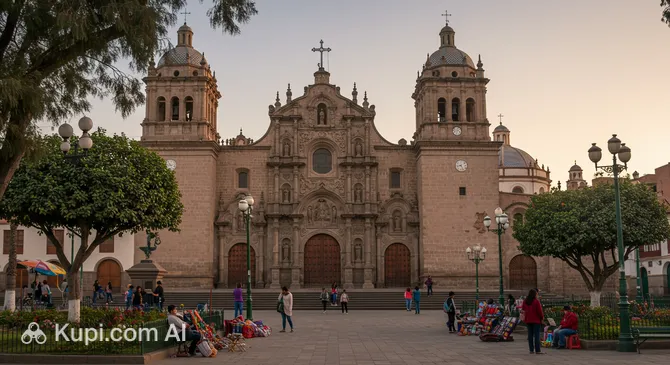
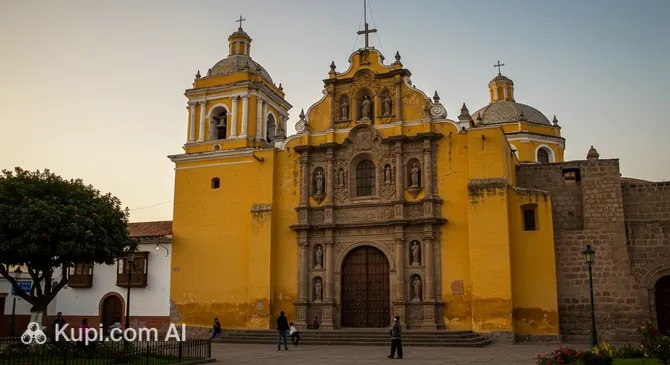
Overlooking the main square is the impressive St. Michael the Archangel Cathedral. This architectural gem dates back to the colonial era and has undergone several reconstructions to preserve its grandeur. Inside, visitors can admire the intricate Retable of the Virgin of Fatima and several oil paintings by local artists. Its historical significance and artistic value make it a must-visit for anyone interested in religious art and history.
For a deep dive into the region's ancient past, the Vicús Municipal Museum is an essential stop. The museum houses a fascinating collection of artifacts from the Vicús culture, which flourished in this area centuries before the Incas. The highlight is the Gold Room (Sala de Oro), displaying exquisite jewelry and metalwork that demonstrate the advanced craftsmanship of this civilization. You will also find their distinctive "whistling bottles" and other ceramic treasures.
Vicús Municipal Museum. Illustration.
Source: Kupi.com AI
Traveler photos:
Another significant landmark is the Grau Oval, a monument dedicated to the city's most famous son, Admiral Miguel Grau. Located at a busy intersection, this well-maintained monument features a statue of the naval hero and serves as a point of pride for the city. It is a great place to snap a photo and pay respects to the "Gentleman of the Seas" while exploring the urban layout of modern Piura.
Local Cuisine
The cuisine of Piura is widely considered among the best in Peru, celebrated for its bold flavors, fresh ingredients, and unique regional specialties. Due to its coastal location and warm climate, the local gastronomy relies heavily on fresh seafood, nutritious legumes, and the versatile plantain. A culinary tour here is an adventure in itself, offering dishes that you will struggle to find anywhere else in the country with the same authentic taste.
No visit to Piura is complete without trying the local version of Ceviche. Unlike in Lima, the Piuran style often uses stronger fish like mackerel (caballa) or grouper (mero), marinated briefly in the region's potent lemons. It is traditionally served with zarandaja (a type of butter bean) and crunchy chifles (fried plantain chips) instead of the usual corn or sweet potato. Another must-try is Seco de Chavelo, a hearty dish consisting of mashed green plantains mixed with sun-dried meat (cecina), onions, and spices, representing the perfect fusion of Spanish and indigenous influences.
When it comes to drinks, the city offers refreshing and potent options to combat the desert heat. The most iconic beverage is the Algarrobina cocktail, made from the syrup of the carob tree (algarrobo) which grows abundantly in the region. It is creamy, sweet, and typically mixed with pisco, milk, and egg. For a more traditional experience, try Chicha de Jora, a fermented corn beer that has been consumed since pre-Inca times. In Piura, you will often find Clarito, a younger and sweeter variety of chicha served in large gourds.
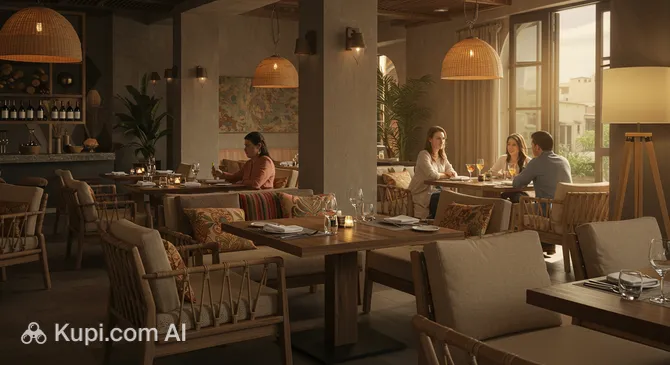
The food culture in Piura is vibrant and diverse, ranging from rustic, traditional spots to modern dining venues. Locals love to eat at picanterías, traditional lunch halls often identified by a white flag hanging outside. These are the best places to find authentic, home-style cooking. However, the city also boasts contemporary restaurants that blend local ingredients with international standards.
Casa Andina Premium Restaurant. Illustration.
Source: Kupi.com AI
Traveler photos:
For those seeking a refined atmosphere to enjoy local and international dishes, the Casa Andina Premium Restaurant is a notable choice, offering a comfortable setting to sample the region's flavors. Alternatively, given the immense popularity of Chinese-Peruvian fusion throughout the country, you might enjoy a meal at Chifa Canton, where the wok-fried dishes are a favorite among local families.
If you are looking to unwind after dinner, the city's nightlife offers several spots to enjoy a drink. Places like Festa Restobar provide a lively environment to try local cocktails and socialize with residents. Whether you are snacking on street food or dining in an elegant restaurant, the flavors of Piura are sure to leave a lasting impression.
Travel Tips
To ensure your trip to the "City of Eternal Heat" is as smooth and enjoyable as possible, we have compiled a list of essential practical tips. These recommendations will help you navigate the local customs, handle the warm climate, and make the most of your stay in northern Peru.
Clothing and Gear: Given the arid desert climate, pack lightweight, breathable clothing made of cotton or linen to stay cool. A wide-brimmed hat, high-quality sunglasses, and strong sunscreen are absolute necessities to protect against the intense equatorial sun, while comfortable walking sandals are ideal for exploring the city streets.
Transportation: For short distances, mototaxis (three-wheeled motorized rickshaws) are the most common and affordable way to get around, offering a breezy ride through the city. For longer trips or travel at night, it is safer to use registered taxis or ride-hailing apps; if you hail a taxi on the street, always agree on the fare before entering, as most do not use meters.
Finances: The official currency is the Peruvian Sol (PEN). While supermarkets and modern restaurants accept credit cards, cash is king for mototaxis, street food, and local markets. It is advisable to carry coins and small bills, as drivers and small vendors often struggle to make change for large banknotes.
Health and Safety: To avoid stomach illness, drink only bottled or purified water and avoid consuming tap water or ice cubes of unknown origin. As Piura is in a tropical zone, carrying insect repellent is crucial to protect against mosquitoes, especially during the evenings or if you visit nearby rural areas.
Communication: Spanish is the primary language, and English is not widely spoken outside of major hotels or tourist agencies. Downloading an offline translation app or learning basic phrases will be very helpful; for connectivity, you can easily buy a prepaid SIM card from providers like Claro or Movistar at local shopping malls.
Local Etiquette:Piuranos are known for their hospitality and friendliness. It is polite to greet shopkeepers and drivers with a "Buenos días" or "Buenas tardes." When dining, wishing others "Buen provecho" (enjoy your meal) is a common and appreciated gesture in restaurants.
What to Avoid: Avoid wearing flashy jewelry or displaying expensive electronics openly in crowded public spaces or markets. It is also best to avoid walking alone in poorly lit or peripheral areas of the city late at night; stick to the city center and well-populated zones.
Siesta and Schedule: Due to the sweltering midday heat, many smaller businesses and shops may close for a break between 1:00 PM and 4:00 PM. Plan your errands for the morning or late afternoon, and use the hottest hours of the day to relax in the shade or enjoy a long, leisurely lunch just like the locals do.
By keeping these practical tips in mind, you will be well-prepared to embrace the sunny disposition of Piura without any hassles. Enjoy the delicious food, the friendly locals, and the unique rhythm of life in this captivating northern city.
Entertainment & Nightlife
When the sun sets and the desert heat subsides, Piura transforms into a lively hub of activity. The nightlife here is fueled by the sociable nature of the locals, who love to gather with friends to enjoy music, dancing, and good conversation. While it may not have the sheer volume of venues found in Lima, the city offers a vibrant selection of bars, lounges, and nightclubs that cater to a mix of energetic youth and professionals looking to unwind.
Much of the evening entertainment is concentrated in the modern urbanizations such as Santa Isabel and along major thoroughfares like Avenida Grau. In these areas, you will find a variety of establishments ranging from relaxed restobars to energetic dance clubs. The atmosphere is generally casual and welcoming, though some of the more upscale clubs may expect a "smart casual" dress code—avoiding beachwear like flip-flops is a good rule of thumb.
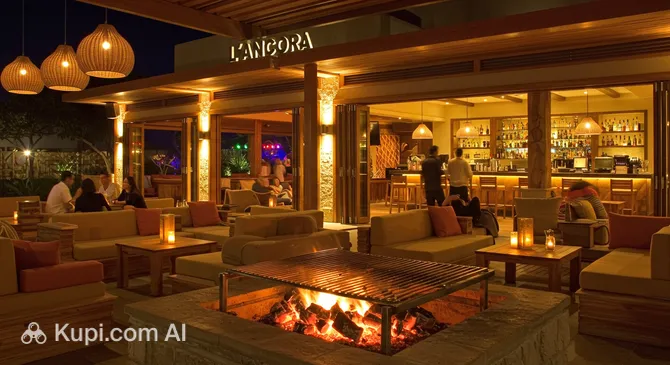
For those looking to experience the local party scene, L'Ancora Grill & Lounge is a popular destination. It combines the vibe of a restaurant with a spirited nightlife atmosphere, making it a great spot to start the evening with dinner and transition into drinks and music. It attracts a stylish crowd and often features DJ sets that keep the energy high well into the night.
L'Ancora Grill & Lounge. Illustration.
Source: Kupi.com AI
Traveler photos:
If you prefer a place that specializes in hearty food accompanied by excellent drinks, Beef House is another excellent option. Known for its grill, it also functions as a bar where you can enjoy a relaxed evening with friends. For a more traditional social setting, the city is home to the historic Club Grau, which serves as a significant social institution in Piura. While it is often a members' club hosting private events and sports activities, it remains a landmark of the city's social life.
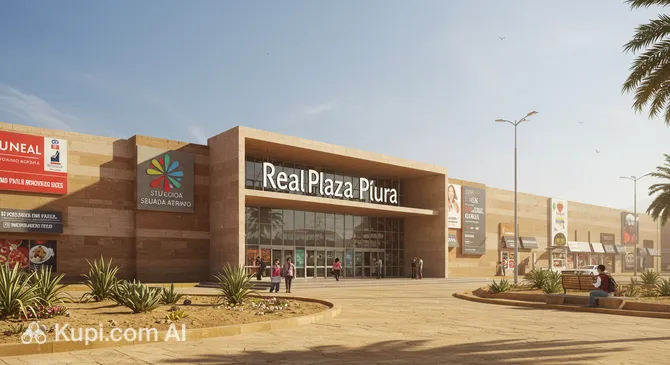
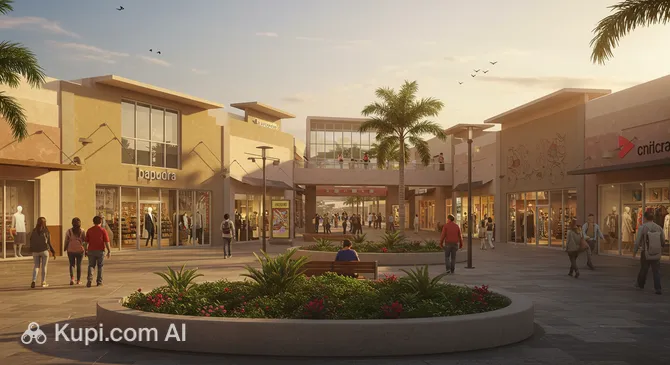
During the daytime, entertainment in Piura often revolves around escaping the midday sun. The modern shopping malls, such as Real Plaza Piura and Open Plaza Piura, are not just for shopping; they are major entertainment complexes. Locals flock here to enjoy air-conditioned cinemas, family-friendly game zones, and a wide array of dining options, making them perfect for a leisurely afternoon before the nightlife begins.
Real Plaza Piura. Illustration.
Source: Kupi.com AI
Traveler photos:
When planning a night out, keep in mind that the party starts relatively late. Bars begin to fill up around 9:00 PM, while nightclubs typically hit their peak after midnight. Prices are generally affordable compared to the capital, with beers and cocktails being reasonably priced.
Regarding safety, it is important to remain vigilant at night. Always stick to well-lit, busy areas and avoid walking alone on empty streets. The safest way to get around is by calling a registered taxi or using a ride-hailing app rather than flagging down mototaxis late at night. By taking these simple precautions, you can fully enjoy the warmth and rhythm of Piura's nightlife.
Parks & Museums
While Piura is often defined by its desert surroundings, the city itself balances its urban energy with refreshing green spaces and a deep commitment to preserving its heritage. For travelers, exploring its parks and museums offers a window into both the daily life of modern Piuranos and the rich historical tapestry that dates back to pre-Columbian times.
The most iconic green space in the city is the Plaza Mayor of Piura. More than just a central square, it functions as a botanical garden of sorts, shaded by ancient tamarind trees that were brought from Madagascar centuries ago. It is a vital social hub where locals come to escape the sun, making it a perfect spot for tourists to observe the city's relaxed rhythm. Another significant landscaped area is the Grau Oval, a manicured roundabout featuring a tribute to Miguel Grau, surrounded by well-tended gardens that add a splash of color to the cityscape.
For those seeking a more extensive encounter with nature, the Kurt Beer Ecological Park is the city's main "green lung." Located in the southern sector of Piura, this expansive recreational area covers over 75 hectares. It features botanical gardens, a mini-zoo with regional fauna, and sports facilities, offering a family-friendly environment to learn about the local ecosystem away from the traffic of the center.
Piura's cultural institutions are small but significant, reflecting the region's importance in Peruvian history. The Vicús Municipal Museum is the primary destination for archaeology enthusiasts. Its galleries showcase the intricate pottery and metallurgy of the Vicús civilization, including the famous "Frías Venus" and various gold ornaments that highlight the advanced skills of these ancient artisans.
History buffs will also appreciate the Admiral Grau House Museum. This well-preserved colonial residence is not only a monument to Peru's greatest naval hero but also an excellent example of 19th-century architecture. Walking through its rooms provides a tangible sense of the domestic life and traditions of Piura's upper class during the early republican era.
St. Michael the Archangel Cathedral. Illustration.
Source: Kupi.com AI
Traveler photos:
The city's religious architecture also serves as a living museum of art and history. The St. Michael the Archangel Cathedral is a must-see, housing a valuable collection of colonial paintings and an impressive altar covered in gold leaf. Just a short distance away stands the San Sebastian Church, located on the corner of Tacna and Moquegua streets. Established in 1911 on the site of an earlier chapel, it is one of the city's most traditional places of worship and features a distinct architectural style that contrasts with the colonial Baroque found elsewhere.
San Sebastian Church. Illustration.
Source: Kupi.com AI
Traveler photos:
For a truly authentic cultural experience, consider taking a short trip just 12 kilometers south to the town of Catacaos. While technically a separate district, it is culturally integrated with Piura and is famous for its artisan markets. Here, you can watch masters at work creating delicate gold and silver filigree jewelry, a craft that has been passed down through generations and serves as a living testament to the region's artistic heritage.
Getting Around
Navigating Piura is a unique experience that differs significantly from larger capitals with extensive rail networks. The city does not have a metro, tram, or train system for urban commuting. Instead, the public transport network relies entirely on road-based vehicles, offering a mix of formal and informal options. The most iconic and ubiquitous mode of transport here is the mototaxi, a motorized three-wheeled rickshaw that zips through the streets. These are perfect for short trips and offer a breezy way to handle the desert heat, though they are generally restricted from entering the immediate perimeter of the main square.
For longer distances or travel between districts, such as crossing from Piura to Castilla, locals rely on combis (minibuses) and larger buses. These vehicles follow specific routes displayed on their windshields but do not operate on a strict timetable. They are the most economical way to travel, often costing just a few soles. While they can be crowded and noisy, they provide an authentic glimpse into daily local life.
The payment system in Piura is strictly cash-based. There are no travel cards, passes, or mobile payment terminals for public buses or mototaxis. You simply pay the fare directly to the driver or the assistant (known as the cobrador) upon boarding or when you reach your destination. Fares are very affordable, typically ranging from 1 to 3 PEN depending on the distance. It is essential to carry small coins and banknotes, as drivers often do not have change for large bills.
Taxis are widely available and are a safer alternative for traveling at night or with luggage. Standard street taxis do not use meters, so it is crucial to negotiate and agree on the fare before getting into the car. For tourists who prefer fixed pricing and added security, mobile apps like Uber or InDriver are operational in the city. These apps save you the hassle of bargaining and allow you to pay via credit card through your phone.
Regarding alternatives, walking is a viable option within the compact historic center, where many attractions are close to one another. However, due to the intense daytime heat, walking long distances is not recommended. Bicycle rentals are not a common part of the urban transport landscape, primarily due to the high temperatures and chaotic traffic conditions. Most visitors find that a combination of walking for the center and taxis or mototaxis for other areas is the most efficient way to get around.
Accommodation
Hotels:
As a major commercial hub and the gateway to northern Peru, Piura offers a wide range of accommodation options suited to various types of travelers. Whether you are visiting for business, passing through on your way to the beaches, or exploring the city's history, you will find lodging that fits your needs. The hospitality sector here is well-developed, ranging from modern high-rise hotels with business amenities to modest, family-run hostels.
For those who want to be close to the main historical sights and the bustling energy of the city, staying near the Plaza Mayor of Piura is the best choice. This central area allows you to walk to the cathedral, museums, and many restaurants. However, the city center can be noisy and chaotic during the day. Travelers seeking a quieter, more upscale environment often prefer the Santa Isabel neighborhood or the area towards Los Ejidos. These residential districts offer a more relaxed atmosphere, tree-lined streets, and are home to some of the city's more exclusive hotels.
Given Piura's reputation as the "City of Eternal Heat," choosing a hotel with the right amenities is crucial for a comfortable stay. It is highly recommended to book a room with air conditioning, as temperatures remain high even at night during the summer months. Additionally, many mid-range and luxury hotels feature swimming pools, which provide a welcome respite from the midday sun and are a standard feature in the city's better establishments.
It is important to note that while Piura is the capital of the region, it is an inland city. Visitors planning a beach vacation should be aware that the famous coastal resorts like Máncora, Vichayito, and Colán are located one to three hours away by road. Many tourists choose to stay in Piura for a night or two to enjoy the local cuisine and culture before transferring to the coast, making the city a convenient and strategic stopover.
Nearby Cities
For those looking to explore the surroundings, Piura serves as an excellent base for day trips to several interesting nearby locations:
City
Population
Distance
Catacaos
75 870
10 km
Sullana
162 434
31 km
Sechura
50 000
46 km
Paita
179 346
50 km
Chulucanas
82 521
56 km
One of the most accessible destinations is Paita, located just an hour west of the city. As one of the most important ports in northern Peru, it offers a fascinating mix of maritime history and colonial architecture. Visitors can admire the old wooden balconies of historic buildings and visit the sanctuary of the Virgen de las Mercedes. Paita also serves as the gateway to the popular beach resort of Colán, making it a perfect spot for those seeking sea and sun.
Situated in the fertile valley of the Chira River, Sullana is known as the "Pearl of the Chira." It provides a lush contrast to the surrounding desert landscape and is a major agricultural hub. A visit here offers a chance to see the impressive Poechos Reservoir and enjoy the riverside scenery. The city is also famous for its local sweets, particularly the coconut-based cocadas, which are a must-try for any visitor.
For travelers interested in archaeology and willing to venture a bit further, Chiclayo is a significant cultural center. Although the distance makes for a longer trip, it is the home of the renowned Lord of Sipán. The city offers world-class museums and archaeological sites that provide deep insight into the Moche civilization, complementing the historical narrative found in Piura.
These nearby destinations offer a glimpse into the diverse culture and landscapes of the region.
Shopping & Souvenirs
Shopping
Shopping in Piura offers a delightful mix of modern convenience and traditional charm. As the primary commercial hub of northern Peru, the city provides everything from air-conditioned shopping centers featuring international brands to bustling local markets brimming with regional produce. Whether you are looking for high-end fashion or unique artisanal crafts, the city caters to a variety of tastes and budgets.
The city's commercial life revolves largely around Avenida Grau, the main thoroughfare that cuts through the downtown area. This bustling street and its intersecting lanes are lined with a multitude of shops selling clothing, shoes, electronics, and household goods. Walking down this avenue offers a glimpse into the daily rhythm of the locals, with street vendors and small boutiques competing for attention in a lively atmosphere.
For a modern shopping experience, the city boasts large malls that serve as popular meeting points, especially given their climate-controlled environments. Open Plaza Piura is one of the favorite destinations, located on the banks of the Piura River. It features a wide range of department stores, a supermarket, and entertainment options, providing a comfortable space to shop away from the desert heat.
Open Plaza Piura. Illustration.
Source: Kupi.com AI
Traveler photos:
Another significant shopping complex is Real Plaza Piura, situated in the western part of the city. This mall offers a comprehensive selection of retail chains, a cinema, and a food court, making it a convenient one-stop destination for travelers needing to resupply or simply enjoy a window-shopping stroll.
To experience the authentic local trade, a visit to the Mercado Central (Central Market) is essential. Here, the colors and smells of the region come alive. It is the best place to find fresh tropical fruits, local spices, and traditional snacks. While it can be chaotic, it offers a genuine slice of Piuran life that you won't find in the modern malls.
When it comes to souvenirs, Piura is famous for its culinary treats and handicrafts. The most iconic item to bring back is a bag of chifles, thinly sliced fried plantain chips that are a regional staple. You should also look for natilla (a sweet, caramel-like treat made from goat's milk) and algarrobina, a syrup derived from the carob tree. For non-edible gifts, the region is world-renowned for its exquisite gold and silver filigree jewelry and distinctive ceramics, particularly from the nearby artisan town of Catacaos.
Store opening hours in Piura generally run from 10:00 AM to 10:00 PM for major shopping malls and supermarkets. However, smaller independent shops and traditional businesses often close for a "siesta" break during the hottest part of the day, typically between 1:00 PM and 4:00 PM. It is advisable to plan your visits to smaller stores for the morning or late afternoon.
Regarding payment, major retailers, malls, and restaurants readily accept credit and debit cards (Visa and Mastercard are most common). However, if you plan to shop at the Central Market, buy from street vendors, or take a taxi, carrying cash in Peruvian Soles is necessary. Small denominations are recommended as change can sometimes be scarce.
Finally, regarding taxes, while Peru has a system for Tax-Free shopping (IGV refund) for foreign tourists, it is primarily operational in major international chains and specific authorized stores. Look for the "Tax-Free" signage in shop windows, though this service is less commonly found here compared to tourist hubs like Lima or Cusco.