Support

Quibdo

About

Quibdo is a city pulsating with life and rhythm, serving as the capital of the Chocó department in western Colombia. Located on the banks of the majestic Atrato River, this city offers a unique window into the country's Pacific region. With a population of approximately 130,000 inhabitants, it is a bustling hub where nature and culture intertwine seamlessly, offering an experience distinct from the Andean interior.
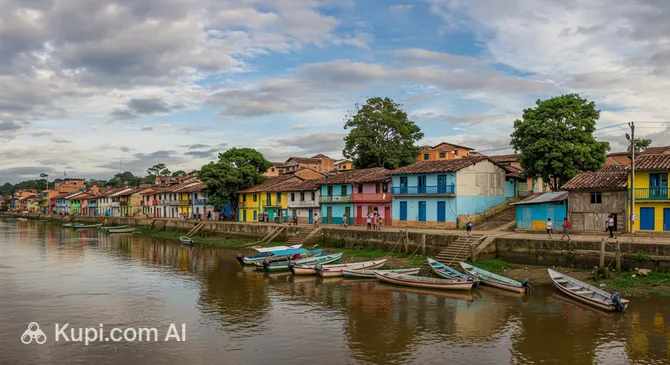
Quibdo. Source: Kupi.Binoculars

One of the most defining characteristics of Quibdo is its climate; it is widely known as one of the wettest places on Earth. This abundant rainfall feeds the incredibly biodiverse rainforests that surround the urban area, creating a lush, green backdrop that is truly breathtaking. While exploring the history of Quibdo, visitors will discover how this deep connection to the river and the jungle has shaped the local identity, economy, and traditions over the centuries.

Travelers are drawn to the city's vibrant atmosphere, best experienced at the San Francisco de Asís Cathedral, a striking architectural landmark that overlooks the river. The city is also the heart of the famous San Pacho Festival, a UNESCO-recognized celebration that fills the streets with music, dance, and joy, showcasing the rich Afro-Colombian heritage. A walk along the Malecón offers peaceful views of the Atrato River and a chance to witness the daily life of the locals as boats transport goods and people.

Whether you are an eco-tourist looking to explore the nearby jungles or a culture enthusiast eager to experience authentic Pacific rhythms, Quibdo welcomes you with open arms. It is a destination that promises an unforgettable adventure off the beaten path, inviting you to immerse yourself in its warmth and biodiversity.

Weather Overview

Travelers planning a trip to this region should be prepared for a consistently warm and humid tropical rainforest climate. The temperatures in the city remain remarkably stable throughout the year, with average daily values hovering around 26°C to 27°C. Daytime highs typically reach up to 30°C or 31°C, while nights offer a mild cool-down to approximately 23°C, ensuring a tropical feel regardless of when you visit.

Rainfall is the most defining feature of the local climate, occurring with high frequency across all seasons. Expect rain almost every day, as the data indicates between 24 and 30 wet days per month year-round. Because of this, checking the weather in Quibdo is less about finding a dry season and more about preparing for the inevitable showers that sustain the lush biodiversity of the Chocó region.

Interesting Facts

Beyond the main attractions and the dense rainforests, Quibdo holds many fascinating secrets that define its unique identity. These lesser-known details offer a deeper insight into the history and culture of this isolated Pacific capital.
  • The River Highway: Unlike most modern cities, Quibdo relies more on water than asphalt. The Atrato River functions as the region's main highway, transporting everything from food to furniture, as the roads connecting the city to the rest of Colombia are often unpaved and difficult to traverse.

  • Home of Chirimía: The city is the epicenter of a unique musical genre called Chirimía. Distinct from the marimba-based music of the southern Pacific coast, this style features brass and woodwind instruments like clarinets and euphoniums, a legacy of European influence blended with African percussion.

  • A Platinum Past: Historically, the Chocó region was one of the world's primary sources of platinum. In colonial times, this precious metal was so abundant here that the Spanish initially considered it a nuisance impurity in gold mining before its true value was recognized.

  • Indigenous Roots: The name "Quibdó" pays homage to the area's pre-Hispanic history. It is derived from Cacique Quibdó, an indigenous chief who ruled these lands, serving as a reminder of the enduring presence of the Emberá and Wounaan communities.

How to Get There

Reaching the capital of Chocó is an adventure that usually begins by air, given the dense geography of the region. For a complete guide on planning your journey and navigating the available routes, you can read more about how to get to Quibdo.

The most convenient and practical gateway to the city is El Carano Airport (IATA: UIB). Located just 1.1 km from the city center, it serves as the primary connection point for travelers. Since it is situated directly in Quibdo, the transfer to your accommodation is very quick, typically taking just a few minutes by taxi or local transport. Due to the challenging nature of overland travel in the region, this regional airport acts as the main lifeline for the city, connecting it with major Colombian hubs.

Travelers might notice Enrique Olaya Herrera Airport (IATA: EOH) in Medellín on the map, situated approximately 130.8 km away in a straight line. However, it is important to note that ground access from Medellín to Quibdo is difficult. The road winds through dense rainforest and mountainous terrain, making the journey significantly longer and more arduous than the short distance suggests. Most visitors prefer to fly directly from Medellín to Quibdo rather than attempting the overland route.

Another regional option is Matecana International Airport (IATA: PEI) in Pereira, located about 140.4 km from Quibdo. While it is a busy terminal serving the Coffee Cultural Landscape, similar cautions apply regarding ground transport. The road connection is challenging and unpredictable, so this airport is best utilized as a transit point for a connecting flight into Quibdo rather than a starting point for a drive.

For clarity, here is a summary of the main airports in the wider vicinity:

Airport Name City Passenger Traffic Km from City
Matecana International Airport Pereira High 140.4
Enrique Olaya Herrera Airport Medellín Medium 130.8
El Carano Airport Quibdo Medium 1.1
Nuquí Nuqui Small 67.9
Bahia Solano Bahia Solano Small 99.7

Main Attractions

Quibdo offers a unique travel experience where the attractions are deeply rooted in the region's biodiversity and vibrant Afro-Colombian culture. Unlike traditional tourist destinations filled with monuments, the city's charm lies in its relationship with the river and the surrounding rainforest. Visitors here will find that the most compelling sites are those that connect them to the rhythms of daily life and the spiritual heart of the Chocó department.

The most iconic landmark in the city is the San Francisco de Asís Cathedral. Dominating the skyline near the riverbank, this cathedral is not just an architectural feat but the soul of the community. It serves as the epicenter of the famous San Pacho Festival, a UNESCO Intangible Cultural Heritage event. Its striking design and open layout are adapted to the tropical climate, making it a must-visit for anyone interested in the religious and cultural history of the Pacific region.

Stretching along the waterfront is the Malecón de Quibdó, a bustling boardwalk that offers the best views in town. This is the social heart of the city, where locals and tourists alike gather to watch the sunset over the water. A walk here allows you to observe the busy river traffic, enjoy a refreshing breeze, and see the statues and monuments that pay tribute to local history. It is the perfect place to relax in the late afternoon and soak up the lively atmosphere.

The Atrato River itself is arguably the city's greatest attraction. As the main artery of the department, it is much more than a body of water; it is a highway, a food source, and a gateway to the jungle. Travelers can arrange boat trips to explore the river's winding path, witnessing the lush rainforest pressing in from both sides. These excursions often lead to nearby communities and natural spots where the immense biodiversity of the Chocó region comes to life.

For a taste of local commerce and flavor, the Quibdo Market is a vibrant stop. Located near the river, it is a sensory explosion of exotic fruits, fresh fish from the Atrato, and traditional herbs used in local medicine and cuisine. Wandering through the stalls offers a genuine glimpse into the daily lives of the inhabitants and is an excellent opportunity to try unique local products that are difficult to find elsewhere in the country.

Local Cuisine

The local cuisine of Quibdo is a vibrant expression of the Chocó region's rich biodiversity and strong Afro-Colombian heritage. Gastronomy here revolves heavily around the Atrato River and the surrounding jungle, resulting in dishes that are fresh, hearty, and packed with unique flavors. Coconut milk, exotic herbs like cilantro cimarrón, and plantains are essential ingredients that form the base of many traditional recipes, creating a culinary identity that is distinct from the rest of the country.

When it comes to main dishes, the Pastel Chocoano is an absolute must-try. Unlike tamales found in other parts of Colombia, this version is made with seasoned rice, pork, chicken, and vegetables, all wrapped in bijao leaves and slow-cooked to perfection. Another staple is fresh river fish, particularly the Bocachico, which is often prepared either fried (frito) or in a savory stew known as tapao. This stew typically features layers of fish, green plantains, and local herbs, offering a comforting taste of home cooking.

To accompany these meals, visitors should explore the region's exotic beverages. The most famous non-alcoholic drink is juice made from Borojó, a fruit native to the rainforests of western Colombia. Known for its high energy content and reputed aphrodisiac properties, it is usually blended with milk or water and sugar. For a taste of local tradition on the alcoholic side, Viche is an ancestral spirit distilled from sugar cane. Historically brewed by women in the community, it has become a symbol of Pacific culture and is often enjoyed during celebrations or as an aperitif.

The food culture in Quibdo is best experienced in informal settings where the connection to the source is undeniable. The local market is the heart of the culinary scene, where you can sit at modest stalls and enjoy freshly caught fish served minutes after arriving from the river. In the evenings, the area around the Malecón comes alive with street food vendors selling fried snacks like empanadas and aborrajados (fried plantains filled with cheese), allowing you to snack while soaking in the lively riverside atmosphere.

Travel Tips

Welcome to Quibdo, a destination where the rhythm of the Pacific meets the vibrancy of the rainforest. To help you navigate this unique city and fully enjoy its warm hospitality and lush environment, here are some essential practical tips for your journey.

  1. Clothing and Gear: Given that this is one of the wettest cities in the world, waterproof gear is non-negotiable. Pack a sturdy umbrella or a high-quality rain poncho. Due to the high humidity and heat, bring lightweight, breathable clothing made of quick-drying fabrics. Comfortable, water-resistant sandals or rubber boots are better than canvas sneakers, which may not dry out during your stay.
  2. Transportation: Inside the city, motorcycle taxis (mototaxis) are the most popular and agile way to get around the bustling streets. Standard taxis are also available but less frequent. For exploring the surrounding areas, the primary mode of transport is the boat (lancha) along the Atrato River; always ensure you wear the life vest provided by the boat operators.
  3. Finances: While some hotels and larger supermarkets accept credit cards, cash is king in Quibdo. Many small shops, market vendors, and transport providers only take Colombian Pesos. There are ATMs in the city center, but they can occasionally run out of cash or experience technical issues, so it is wise to carry enough cash for your daily needs.
  4. Health and Safety: The tropical climate means insects are common, so carrying a strong insect repellent is crucial to prevent bites. It is highly recommended to drink only bottled or purified water to avoid stomach issues. As in many cities, stick to well-lit, populated areas like the Malecón and the city center, especially at night, and ask your hotel staff for advice on which neighborhoods to avoid.
  5. Communication: The primary language is Spanish, and English is not widely spoken outside of specific tour agencies. Learning a few basic phrases or having an offline translation app will be incredibly helpful. For mobile connectivity, purchasing a local SIM card (Claro and Movistar usually have decent coverage) is recommended, as Wi-Fi can sometimes be intermittent.
  6. Local Etiquette: The people of Chocó are known for their warmth and friendliness. It is polite to greet people with a "Buenos días" or "Buenas tardes" when entering shops or boarding boats. Music is a central part of life here; expect loud music in public spaces and view it as an expression of the local joy rather than a disturbance.
  7. What to Avoid: Avoid taking photos of locals without permission, especially in the market or indigenous communities; always ask first with a smile. Also, refrain from displaying expensive jewelry or electronics openly on the street to avoid attracting unwanted attention.
  8. Local Insight: If you visit in late September or early October, you will encounter the San Pacho Festival. Be prepared for the city to be in full celebration mode with parades and dancing. If you prefer a quiet trip, check the festival dates beforehand, but joining in is a once-in-a-lifetime cultural experience.

By keeping these tips in mind, you will be well-prepared to embrace the magic of Quibdo. Whether you are navigating the lively markets or cruising down the Atrato River, a little preparation ensures your adventure in this fascinating corner of Colombia is both safe and unforgettable.

Entertainment & Nightlife

As the sun sets over the Atrato River, Quibdo transforms into a vibrant hub of music and dance, reflecting the joyful spirit of the Chocó region. The nightlife here is not just about drinking; it is a cultural expression where the sounds of Salsa, Vallenato, Reggaeton, and the traditional Chirimía fill the humid tropical air. The atmosphere is incredibly energetic, loud, and welcoming, with locals gathering in groups to share bottles of Aguardiente or Viche (a local ancestral spirit) around tables that often spill out onto the streets.

The epicenter of social life in the evening is undoubtedly the Malecón Jairo Varela. This riverside boardwalk is bustling with activity from late afternoon until late at night. It is the perfect place to start your evening with a cool breeze and a view of the river traffic. While the Malecón itself is more about socializing, walking, and enjoying street snacks, the streets immediately parallel to it, particularly Carrera 1a and Calle 31, are where you will find a concentration of bars and discotheques. This area acts as the city's unofficial "Zona Rosa," where the party goes on until the early morning hours.

For those looking to dance the night away, Dolce Club is one of the premier spots in the city. Located on the second floor near the commercial center, it offers a more modern clubbing experience with air conditioning, a dress-to-impress crowd, and a mix of crossover music ranging from electronic beats to current Latin hits. Another legendary venue is Discoteca Jinny Lao. Known as the original location of this famous brand before it expanded to other Colombian cities, it is a staple of Quibdo's nightlife, offering an authentic experience where the focus is strictly on dancing and enjoying the rhythms of the Pacific.

Practical advice is essential for enjoying a night out in Quibdo. The dress code is generally casual for bars but tends to be smarter for clubs like Dolce. Cash is absolutely necessary, as very few night venues accept credit cards. Prices are generally lower than in major cities like Medellín or Bogotá, but it is polite to buy a bottle for the table rather than individual drinks if you are in a group. For transportation, mototaxis are the most common way to get around, but at night, it is safer and more comfortable to ask your venue to call a standard yellow taxi for you.

Safety should be a priority. While the main nightlife districts along the river and the city center are generally safe due to the presence of police and crowds, it is important not to wander into unlit or residential neighborhoods on the outskirts. Stick to the busy areas where the music is playing and the streets are well-lit. Avoid walking alone late at night; always take a taxi back to your accommodation.

Before the party starts, daytime entertainment in Quibdo offers a slower pace focused on nature and culture. While the city lacks large amusement parks or theater complexes, the Atrato River itself serves as the main stage for adventure. You can take boat tours to nearby communities to see the rainforest firsthand. Back in the city, the Cathedral of San Francisco de Asís is a cultural landmark worth visiting, and the surrounding streets often host impromptu markets where you can observe the daily hustle of this unique river port.

Parks & Museums

Quibdo is a city where the boundary between the urban environment and the wild rainforest is delightfully blurred. While it may not boast the manicured botanical gardens found in larger metropolises, its green spaces are raw, vibrant, and deeply connected to the surrounding jungle and river ecosystems, offering visitors a chance to engage with nature in its most authentic form.

For a refreshing escape from the city heat, the Balneario de Pacurita is a favorite local retreat located a short distance from the urban center. This natural recreational area features the crystal-clear waters of the Pacurita River, where visitors can swim and relax surrounded by dense vegetation. It is a perfect spot for tourists who want to experience the region's hydrography safely, enjoying a traditional "paseo de olla" (river picnic) atmosphere that is central to Colombian family culture.

In the heart of the city, Parque Centenario serves as the main urban gathering point. Situated near the iconic cathedral, this plaza is less about extensive gardens and more about social connection. It is the place where the community comes together to talk, trade, and rest under the shade of trees. For a visitor, sitting here offers a prime opportunity to people-watch and soak in the daily rhythms of Quibdo, witnessing the relaxed and friendly nature of its inhabitants.

When it comes to understanding the soul of the Chocó region, the Muntú Bantú (Center for Afrodiasporic Memory) is an essential stop. This unique museum and cultural center is dedicated to preserving and telling the history of the African diaspora in the region. Through its exhibits on traditional medicine, oral history, and social struggles, it offers a profound insight into the identity and resilience of the Afro-Colombian people. It is arguably the most meaningful cultural experience in the city for those wishing to go beyond the surface.

Another key cultural venue is the Casa de la Cultura del Chocó. This institution functions as a hub for the arts, often hosting workshops, dance rehearsals, and temporary exhibitions that showcase local talent. While it may not have a permanent collection comparable to national museums, it is a vibrant space where the artistic expressions of the Pacific—from painting to traditional dance—are kept alive and passed down to younger generations.

Architecturally, the city is dominated by the San Francisco de Asís Cathedral, but visitors should also look out for the Palacio Municipal. This building features a distinct republican style that contrasts with the more modest local structures, serving as a reminder of the city's administrative history. Walking between these landmarks provides a glimpse into the colonial and republican influences that have touched this remote river port.

For a truly authentic experience, ask locals about the Azoteas. These are traditional raised gardens found in many backyards and rooftops, where women cultivate medicinal herbs and spices like basil and cilantro cimarrón. While not public parks, some community projects allow visitors to see these gardens, offering a fascinating look at how the people of Quibdo maintain their ancestral connection to the land and its flavors within the city limits.

Getting Around

Navigating Quibdo offers a very different experience compared to larger metropolises, as the city does not possess a formal mass transit system like a metro, tram, or extensive municipal bus network. Instead, the public transport landscape is characterized by informal, agile, and community-driven options that are perfectly adapted to the local geography and the bustling rhythm of the streets. For tourists, understanding this informal network is key to moving around efficiently.

The primary mode of transportation in the city is the mototaxi. You will see thousands of these motorcycles zooming through the streets, serving as the most popular and convenient way for locals to get from point A to point B. They are abundant, inexpensive, and can navigate traffic much faster than larger vehicles. To use one, simply wave at a passing rider who slows down or honks; they will usually provide a helmet, which you are required to wear for safety.

For those who prefer four wheels, traditional yellow taxis are available, though they are less numerous than motorcycles. They are a better option if you are traveling with luggage, it is raining, or you simply prefer more protection from the elements. Unlike in some capital cities, taxis here rarely use meters. It is standard practice to agree on a fare with the driver before you start your journey to avoid any misunderstandings upon arrival.

Small collective buses and vans, often referred to as colectivos, operate on specific routes, primarily connecting the city center with outlying neighborhoods and the airport. These do not have fixed timetables and usually depart only when they are full. While they are the most economical option, they can be slower due to frequent stops and are generally used more by residents for their daily commute than by tourists exploring the sights.

A unique and essential feature of the local transport system is the river transport. Given the city's location on the banks of the Atrato River, boats function as a vital extension of the transit network. At the waterfront, you will find pangas (small motorboats) and larger lanchas that ferry passengers to nearby communities and settlements inaccessible by road. For a visitor, a short trip on the river is not just a way to travel but an attraction in itself, offering a perspective of the city from the water.

Payment for all forms of transport is exclusively in cash. There are no travel cards, digital passes, or tap-to-pay systems. It is highly recommended to carry small denominations of the local currency, as drivers often do not have change for large bills. Fares are generally very affordable; a short mototaxi ride within the city typically costs a few thousand pesos, while taxi rides are slightly higher but still reasonable by international standards.

Ride-sharing apps like Uber or Cabify are not widely used or reliable in this region. Visitors should rely on hailing transport on the street or asking their hotel reception to call a trusted taxi driver. Operating hours are flexible; mototaxis start very early in the morning and run late into the night, though availability decreases after dark. For safety, it is advisable to use yellow taxis rather than motorcycles during the late evening hours.

Accommodation

Accommodation in Quibdo primarily reflects the city's character as a commercial and administrative hub rather than a mass tourism destination. Visitors should not expect sprawling all-inclusive resorts or international luxury hotel chains. Instead, the city offers a range of functional and modest options, including budget-friendly hostels, "residencias" (guesthouses), and mid-range independent hotels. These establishments are generally geared towards business travelers, government officials, and eco-tourists, providing clean and comfortable amenities such as air conditioning—a necessity in the tropical heat—and private bathrooms.

The most convenient area for tourists to stay is undoubtedly the City Center (El Centro). Staying in this zone places you within walking distance of the main landmarks, such as the San Francisco de Asís Cathedral and the bustling Malecón along the Atrato River. This area is not only the most vibrant part of town, offering easy access to shops, restaurants, and transport, but it is also generally considered the safest and most illuminated area for visitors to navigate, especially in the evenings.

A crucial tip for booking accommodation in Quibdo concerns the San Pacho Festival. If you plan to visit during late September or early October when this massive celebration takes place, booking months in advance is mandatory. During these weeks, the city's population swells, and every available room—from hotels to private home rentals—is often fully occupied. Outside of this peak season, finding a room is usually straightforward and does not require extensive lead time.

Regarding costs and payments, Quibdo is generally an affordable destination. Prices typically range from budget to mid-range, with very few options reaching the high-end price bracket found in major Colombian cities. While some of the larger, more modern hotels have begun to appear on major online booking platforms, many smaller establishments still rely on direct bookings via phone or WhatsApp. It is also important to note that while larger hotels accept credit cards, smaller guesthouses may prefer or strictly require cash payments, so keeping some Colombian Pesos on hand is always a wise strategy.

Nearby Cities

For those looking to explore the surroundings, Quibdo serves as an excellent base for day trips to several interesting nearby locations:

City Population Distance (km)
Urrao 47,128 89
Andes 43,269 85
Pie de Pato 40,733 41
Istmina 25,981 60
Belén de Umbría 21,450 102

One of the most significant nearby destinations is Istmina, located approximately 60 kilometers south of the capital. As the second-largest urban center in the Chocó department, it sits strategically on the banks of the San Juan River. A visit here offers a deeper understanding of the region's economic history, particularly its legacy of gold and platinum mining. The journey itself provides a window into the lush landscapes that define this part of the country, connecting the Atrato and San Juan river basins.

Closer to Quibdo, travelers can explore the municipality of Alto Baudó, where the town of Pie de Pato serves as a central hub. Situated about 41 kilometers away, this area is a gateway to the Serranía del Baudó mountain range and offers a more remote, nature-focused experience. It is an excellent spot for those interested in river navigation and observing the traditional lifestyles of the communities that thrive along the intricate waterways of the Pacific rainforest.

Although not listed as a major city, the nearby corregimiento of Tutunendo is widely considered the premier day-trip destination for locals and tourists alike. Located just a short drive from Quibdo, it is famous for its crystal-clear rivers and the Sal de Frutas waterfall. Known as one of the wettest places on Earth, it is a biodiversity hotspot where visitors can swim in refreshing waters and enjoy the pristine natural environment that characterizes the Chocó biogeographic region.

These nearby destinations offer a glimpse into the diverse culture and landscapes of the region.

Shopping & Souvenirs

Shopping in Quibdo is an experience defined by authenticity rather than luxury retail. Instead of sprawling shopping centers, the city offers bustling street stalls and local markets where the cultural heritage of the Chocó region is on full display. For travelers, this is an opportunity to purchase goods that are directly linked to the land and its people, making every transaction a personal exchange.

The highlight of shopping here is undoubtedly the indigenous craftsmanship. The Emberá and Wounaan communities are renowned for their exquisite Werregue baskets. Woven from the fibers of the Werregue palm, these vessels are not only durable but also feature intricate geometric designs that tell stories of the forest. Alongside these, you can find vibrant beaded accessories known as chaquiras, ranging from bracelets to elaborate necklaces, which make for colorful and meaningful souvenirs.

For a taste of local life, the central market area near the Atrato River is the place to be. It is a chaotic but fascinating labyrinth of sights and smells. Here, you can buy exotic fruits native to the rainforest, such as the energy-boosting borojó or the savory chontaduro. It is also the best spot to find traditional herbs and spices used in Pacific cuisine, allowing you to take a piece of Quibdo's flavor home with you.

Another unique aspect of the local trade is the region's connection to precious metals. As a historic mining center, Quibdo has a tradition of gold and platinum smithing. Visitors can find small jewelry workshops offering delicate filigree pieces. Additionally, look out for bottles of Viche, an ancestral artisanal spirit made from sugar cane, which has become a symbol of Pacific identity and is increasingly popular as a cultural memento from Colombia.

Reached the end of the page?

That means the route is fully explored