Support

Barrancabermeja

Attractions

About

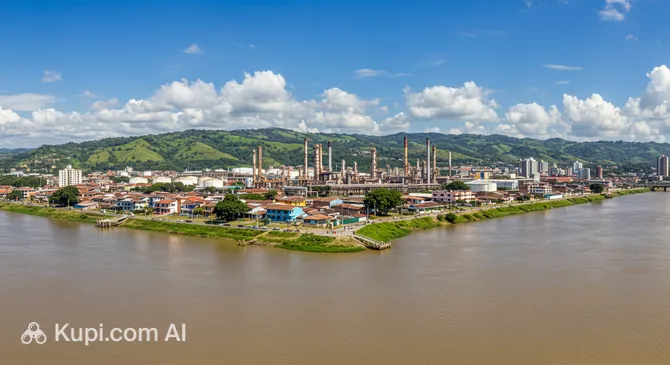
Barrancabermeja is a dynamic city located in the Santander department of Colombia. Often referred to as the "Oil Capital" due to its significant industrial role, the city offers a unique blend of urban energy and riverine culture. Situated on the banks of the majestic Magdalena River, it serves as a vital port and a commercial hub that pulses with activity and local charm.

The city is home to a population of approximately 210,000 inhabitants and is well-known for its warm, tropical climate. This heat is a defining characteristic of the region, influencing the lively lifestyle of its people and the open-air social atmosphere found in its plazas and boardwalks. The surrounding geography features a mix of river landscapes and wetlands, creating a distinct natural setting.

Barrancabermeja. Source: Kupi.Binoculars

While it is a modern industrial center today, the history of Barrancabermeja is deeply intertwined with the river and the discovery of oil, which transformed it from a small port into a bustling city. Visitors can explore this heritage or immerse themselves in nature at the Ciénaga San Silvestre, a large wetland area perfect for observing local flora and fauna. Another iconic landmark is the Cristo Petrolero, a statue that stands as a symbol of the city's identity.

Barrancabermeja invites travelers to experience its authentic riverside culture, taste delicious local fish dishes like bocachico, and enjoy the stunning sunsets over the Magdalena River. It is a destination that promises a warm welcome and a glimpse into the industrious heart of the country.

Weather Overview

Barrancabermeja is known for its tropical climate, maintaining high temperatures and humidity year-round. The city experiences consistent warmth, with average temperatures generally ranging from 26.8°C to 29.3°C. The hottest period typically occurs in February, where maximum temperatures can climb to 33.6°C, while the coolest nights rarely drop below 23.6°C.

Precipitation patterns vary significantly across the seasons. The beginning of the year, particularly January and February, marks the driest period with as few as 7 to 10 wet days per month. Conversely, the months of April, May, October, and November are much wetter, often seeing rain on more than 25 days per month. Travelers should be prepared for frequent showers during these times.

For those planning a trip, checking the weather in Barrancabermeja is recommended to choose the best time for outdoor exploration. Expect hot and sunny conditions during the dry season, with a shift towards frequent rainfall and persistent humidity during the rest of the year.

Interesting Facts

Beyond its industrial reputation, Barrancabermeja holds fascinating secrets that reveal its rich cultural and historical depth. From the origins of its distinctive name to its connection with one of Colombia's most famous songs, there is much to discover about this riverside city.

  • The "Red Cliffs" Origin: The city's name is historically descriptive. When the Spanish conquistador Gonzalo Jiménez de Quesada arrived in 1536, he observed the reddish hue of the earth along the riverbanks. He named the area "Barrancas Bermejas," which translates to "Reddish Cliffs," a name that eventually evolved into the modern Barrancabermeja.

  • Birthplace of a Cumbia Anthem: Barrancabermeja is the cradle of one of Colombia's most iconic songs, La Pollera Colorá. This cumbia masterpiece, often considered a second national anthem, was composed and first performed at the legendary Grill Hawaii in the city, cementing Barrancabermeja's importance in the country's musical heritage.

  • Sanctuary for the Manatee: While the wetlands are known for their beauty, they are also a critical habitat for the Antillean manatee. The local waters, particularly around the Ciénaga San Silvestre, serve as a refuge for this endangered gentle giant, highlighting the region's unexpected ecological significance amidst its industrial development.

  • The National Oil Museum: As the heart of the country's oil industry, the city hosts the Museo Nacional del Petróleo. This unique museum is one of the few of its kind in South America, offering an in-depth look at the history of "black gold" exploration and its transformative impact on the nation's economy and society.

How to Get There

Reaching this riverside city is part of the adventure, offering travelers a chance to see the diverse landscapes of Santander. For a complete guide on transport options, including bus routes and driving directions, you can read more about how to get to Barrancabermeja on our detailed page.

While Barrancabermeja is a key industrial hub, many visitors choose to fly into major airports in neighboring cities to access the region. One of the closest significant hubs is Palonegro International Airport (BGA), located in the city of Bucaramanga. It is situated approximately 74 km from Barrancabermeja. Upon arrival, a taxi or shuttle service to the city typically takes around 2 hours and 10 minutes. This airport handles a medium volume of traffic and offers good connectivity within Colombia.

For those arriving from further afield, Jose Maria Cordova International Airport (MDE) is a primary gateway. Situated in Medellín, this large international airport serves millions of passengers annually. It is located about 200 km from Barrancabermeja. Due to the distance and winding Andean roads, the ground transfer by taxi or bus is longer, taking approximately 5 hours and 20 minutes. This route is often chosen by travelers looking for more extensive international flight connections.

For clarity, here is a summary of the main airports in the wider region:

Airport Name City Passenger Traffic Km from City
Jose Maria Cordova International Airport Medellín Large 200.1
Palonegro International Airport Bucaramanga Medium 74.0
Camilo Daza International Airport Cúcuta Medium 176.2
Enrique Olaya Herrera Airport Medellín Medium 213.6
San Antonio San Antonio del Tachira Small 178.1

Main Attractions

Barrancabermeja offers a variety of unique spots that reflect its industrial heritage and natural beauty. From landmarks celebrating its oil history to tranquil escapes into nature, the city provides travelers with diverse experiences. Here are some of the main places to visit during your stay.

One of the most iconic symbols of the city is the Cristo Petrolero. Standing majestically on the edge of the Ciénaga Miramar, this massive metal sculpture of the Risen Christ pays homage to the region's oil industry. It is a favorite spot for both locals and tourists to watch the sunset, as the structure is beautifully illuminated at night. The surrounding boardwalk allows for a pleasant stroll where you can often spot iguanas and enjoy views of the refinery lights reflecting on the water.

For those interested in understanding the economic engine of the region, the National Oil Museum (Museo Nacional del Petróleo) is a must-visit. It is one of the few museums in South America dedicated entirely to the history of oil exploration and production. Visitors can explore outdoor exhibits featuring real drilling rigs, pumps, and heavy machinery used in the industry. Inside, interactive displays explain the science and history of "black gold" in Colombia, making it an educational stop for families and history buffs.

A short drive from the city center lies the charming corregimiento of El Llanito, a traditional fishing village located on the banks of the Ciénaga San Silvestre. It is widely regarded as the best place to savor the local cuisine, particularly the famous bocachico frito sudado (fried and stewed fish). Beyond the food, El Llanito is a hub for water sports and boat tours, offering a lively atmosphere on weekends where visitors can immerse themselves in the authentic river culture.

Back in the city, the Magdalena River Boardwalk (Paseo del Río) serves as the social heart of Barrancabermeja. This bustling promenade runs along the mighty Magdalena River and offers excellent views of the bridge and passing boats. It is a vibrant area filled with vendors, music, and fresh breezes, making it the perfect location to experience the warmth of the local people and the magnitude of Colombia's most important river.

Local Cuisine

The local cuisine of Barrancabermeja is inextricably linked to the mighty Magdalena River, which provides the region with its most essential ingredient: fresh freshwater fish. The city's gastronomy is hearty, flavorful, and unpretentious, reflecting the working-class roots and the tropical heat of the Santander region. For any visitor, sitting down to a meal here is an immersion into the riverine culture that defines daily life.

The undisputed star of the local table is the Bocachico. This fish is prepared in various ways, but the most beloved renditions are Bocachico Frito (fried to a crisp) and Bocachico Sudado (stewed in a rich tomato and onion sauce). These dishes are typically served with generous portions of steamed cassava (yuca), fried green plantains (patacones), and rice. Another must-try dish is the Viuda de Pescado, a traditional preparation where the fish is cooked simply with vegetables, allowing the natural flavors to shine. For those who enjoy soups, a steaming bowl of Sancocho de Bagre (catfish stew) is a comforting, albeit hot, favorite.

Given the city's consistently high temperatures, staying hydrated is a priority, and the local drinking culture reflects this. Refajo is a very popular beverage choice among locals; it is a refreshing mix of beer and Colombiana (a champagne cola soda), often shared from a pitcher during lunch. Ice-cold beers are ubiquitous and considered essential for cooling down. For non-alcoholic options, the abundance of tropical fruits ensures that fresh juices made from mango, passion fruit, or soursop are readily available and delicious.

The food culture in Barrancabermeja is best experienced in open-air settings. While there are modern restaurants in the city center, the most authentic dining happens along the riverfront promenades and in the bustling market areas. Here, "kiosks" and informal eateries serve food straight from the pot to the plate. The atmosphere is lively and loud, often accompanied by music, making every meal feel like a communal celebration of the river's bounty.

Travel Tips

Preparing for a trip to Barrancabermeja requires a bit of local know-how, especially given its intense tropical climate and industrial nature. These practical tips will help you navigate the city comfortably and enjoy its warm hospitality to the fullest.

  1. Dress for the Heat. The humidity and temperatures here are high year-round. Pack lightweight, breathable clothing like cotton or moisture-wicking fabrics to stay cool. A wide-brimmed hat, sunglasses, and high-SPF sunscreen are non-negotiable essentials for any outdoor activity.

  2. Getting Around. Yellow taxis are the safest and most convenient option for tourists; always check that the meter is running or agree on a price beforehand. While mototaxis are extremely common among locals, they are generally not recommended for visitors due to safety and traffic concerns.

  3. Cash and Currency. The local currency is the Colombian Peso (COP). While major hotels, supermarkets, and modern restaurants usually accept credit cards, cash is absolute king for street food, taxis, and smaller shops. ATMs are widely available in the city center and shopping malls.

  4. Health and Hydration. Due to the extreme heat, dehydration is a real risk for travelers not used to the climate. Carry a water bottle at all times and drink plenty of fluids. Pharmacies, known as droguerías, are easy to find for basic medical supplies, and major chains often operate late or 24/7.

  5. Language Barrier. Spanish is the primary language, and English proficiency is quite limited outside of high-end establishments. Downloading an offline translation app and learning basic phrases like ¿Cuánto cuesta? (How much is it?) will be very helpful for daily interactions.

  6. Social Etiquette. Locals in Santander are known for being direct but very friendly. It is customary to greet people with a handshake and a "Buenos días" or "Buenas tardes" when entering a shop or meeting someone. Politeness is highly valued, so always remember to say "por favor" (please) and "gracias" (thank you).

  7. Safety Precautions. As in many busy cities, it is wise to avoid displaying expensive jewelry, cameras, or large amounts of cash in public spaces. Stick to well-populated areas like the boardwalk and commercial zones, especially after dark, and keep a close eye on your belongings in crowded places.

  8. Respect the Midday Sun. Life in Barrancabermeja often slows down during the hottest hours of the day (around noon to 2:00 PM). Plan your outdoor sightseeing for the early morning or late afternoon to avoid the peak heat, following the example of the locals who seek shade during these times.

Barrancabermeja is a city of warmth, both in its weather and its people. By keeping these simple tips in mind, you can focus on exploring the river views, tasting the local fish, and soaking up the vibrant atmosphere of this Santander gem.

Entertainment & Nightlife

Barrancabermeja's energy doesn't stop when the sun goes down; in fact, the city often comes more alive as the evening breeze rolls in off the river. The entertainment scene here is driven by the locals' love for music, dance, and social gatherings, creating a welcoming atmosphere for visitors to this vibrant part of Colombia. Whether you prefer a quiet evening by the water or a lively night of dancing, the city offers distinct experiences rooted in its riverine culture.

Nightlife in the city is vibrant and heavily influenced by Caribbean rhythms, a testament to its connection with the Magdalena River. The Zona Rosa is the primary hub for bars, clubs, and discos where the sounds of vallenato, salsa, and cumbia fill the air until the early morning. For a more laid-back experience, the Paseo del Río (River Boardwalk) transforms at night into a bustling social meeting point. Here, locals gather to enjoy cold drinks and conversation while watching the lights of the refinery reflect upon the water, creating a unique urban backdrop.

For those looking to enjoy some retail therapy or simply escape the tropical heat, Barrancabermeja boasts modern shopping facilities. The San Silvestre Shopping Center (Centro Comercial San Silvestre) is the largest and most prominent mall in the city. It features a wide range of national and international brands, a food court, and a modern cinema, making it a popular destination for families and teenagers. Centro Comercial Iwaná is another key spot for shopping and leisure, offering varied commercial options in a comfortable, air-conditioned environment.

The city's calendar is punctuated by lively events that celebrate its unique industrial and cultural identity. The most significant celebration is the National Oil Festival (Festival Nacional del Petróleo), typically held annually. This event honors the city's heritage as the "Oil Capital" with beauty pageants, large concerts, and cultural parades that take over the streets. It is the perfect time for tourists to witness the local pride and the festive spirit that defines the people of Santander.

Parks & Museums

While Barrancabermeja is primarily known for its industrial prowess, the city surprises visitors with its commitment to preserving green spaces and celebrating its unique heritage. Beyond the refineries and bustling commercial streets, travelers can find tranquil areas dedicated to nature and cultural venues that tell the story of the region's transformation. Exploring these spots offers a well-rounded perspective of this dynamic destination in Colombia.

For nature lovers, the Ciénaga San Silvestre is the crown jewel of the city's natural offerings. This expansive wetland is not just a critical water source but a vibrant ecosystem teeming with biodiversity. Visitors can take boat tours to observe local wildlife, including various bird species and the elusive manatee. Closer to the urban center, the Parque de la Vida serves as a green lung for the community. It is a popular spot for families and fitness enthusiasts, offering walking paths, sports facilities, and shaded areas perfect for escaping the midday heat.

The cultural landscape is dominated by the National Oil Museum (Museo Nacional del Petróleo), a venue that is virtually unique in the country. Located a short distance from the city center, this museum provides a fascinating look into the industry that built Barrancabermeja. It features impressive outdoor exhibits of historical drilling rigs, pumps, and heavy machinery, allowing visitors to grasp the scale of oil production. Inside, interactive displays detail the geological and social history of "black gold" in the region, making it an educational experience for all ages.

In terms of architectural landmarks, the Catedral de la Inmaculada stands out with its distinct modern design. Located near the central plaza, its structure features high ceilings and stained glass that create a serene atmosphere, offering a quiet retreat from the city's noise. The plaza in front of the cathedral is often a gathering place for locals, providing a glimpse into the daily spiritual and social life of the Barranqueños.

For a truly authentic local experience, keep an eye out for the city's unofficial mascots: the iguanas. These reptiles are frequently seen roaming freely in parks and along the riverbanks, coexisting peacefully with the residents. A quiet walk along the Ciénaga Miramar boardwalk at dusk not only offers a chance to spot these creatures but also provides one of the best vantage points for watching the sun dip below the horizon, silhouetting the industrial skyline against the tropical sky.

Getting Around

The public transport system in Barrancabermeja is relatively informal compared to larger metropolises, relying primarily on a network of buses and a vast fleet of taxis. There is no metro, tram, or train service within the urban area. For most visitors, navigating the city is straightforward, as the central districts are compact, but the intense tropical heat often makes motorized transport a necessity rather than a luxury.

Public buses, locally known as busetas, serve as the backbone of mass transit for residents. These are typically small to medium-sized vehicles that follow specific routes covering major neighborhoods and commercial areas. Unlike systems with strictly designated stops, buses here can often be flagged down from the side of the road with a simple hand signal. Routes and key destinations are usually displayed on colorful placards in the front windshield, so it is helpful to know the name of your destination neighborhood or landmark before boarding.

Payment for bus fares is done exclusively in cash directly to the driver upon entering. There are no electronic travel cards, transit apps, or pre-purchased tickets for local buses. Fares are very affordable, generally costing a few thousand pesos. It is highly recommended to carry small bills and coins, as drivers may not have change for large denominations. Buses typically operate from early morning until the evening, with frequency dropping significantly after dark.

For tourists, yellow taxis are often the most convenient and comfortable option, largely because they offer air conditioning—a welcome relief from the midday sun. Taxis can be hailed on the street or booked via telephone dispatch, which is generally safer, especially at night. While taxis should have meters, it is not uncommon for fares to be negotiated or based on informal zones. To avoid misunderstandings, it is advisable to ask the driver for the price to your destination before getting in or to confirm that the meter will be used.

A unique aspect of transport in Barrancabermeja is its connection to the water. The River Terminal (Terminal Fluvial) acts as a hub for water taxis and motorized canoes known as chalupas. These vessels provide essential connectivity to communities along the riverbanks and are the primary way to reach popular nearby leisure spots like the village of El Llanito. For travelers, a trip on a chalupa serves as both a practical commute and a scenic tour of the river landscape.

Regarding alternatives, motorcycle taxis (mototaxis) are an extremely common sight and a popular mode of transport for locals due to their speed and low cost. However, they are generally informal and often lack safety standards for passengers. Visitors are usually advised to stick to official yellow taxis for safety reasons. Ride-sharing apps are not as dominant or reliable here as in capital cities, so relying on traditional taxis and cash payments remains the best strategy for getting around.

Accommodation

Accommodation in Barrancabermeja is primarily designed to cater to business travelers and industry professionals, reflecting the city's status as a commercial hub. However, tourists will find a decent selection of options ranging from modern mid-range hotels to simple, budget-friendly guesthouses. While the city does not feature sprawling luxury resorts, many hotels offer high standards of comfort, amenities like swimming pools, and essential services for a pleasant stay.

The most convenient area for visitors is the City Center (El Centro) and the surrounding commercial sector. Staying here offers easy access to the Magdalena River Boardwalk, banks, and the main shopping districts, making it simple to explore the city on foot. For those who prioritize dining and entertainment, the neighborhoods near the Zona Rosa are ideal, as they are close to the best restaurants and nightlife, though travelers should be prepared for a livelier and potentially noisier atmosphere in the evenings.

Booking Tip: Due to the city's intense tropical climate, checking for air conditioning is the single most important step when choosing accommodation. It is considered a necessity rather than a luxury here. Additionally, because business travel drives demand, hotels can sometimes be busier during the workweek (Monday to Thursday) than on weekends.

In terms of pricing, Barrancabermeja is generally affordable compared to Colombia's major tourist destinations. Travelers can find comfortable, modern rooms at very reasonable rates. While major hotels can be booked via international online platforms, smaller local establishments often accept direct bookings or walk-ins. It is advisable to have cash on hand if staying at smaller, family-run lodgings.

Nearby Cities

For those looking to explore the surroundings, Barrancabermeja serves as an excellent base for day trips to several interesting nearby locations:

One of the most prominent destinations is Bucaramanga, the capital of the Santander department. Known as the "City of Parks," it offers a pleasant climate and a mix of modern urban amenities with abundant green spaces. Visitors can enjoy its shopping districts, diverse restaurants, and vibrant cultural life. Just a short distance from the capital lies the historic town of Girón. Famous for its well-preserved colonial architecture, cobblestone streets, and white-washed buildings, it is a designated National Monument that offers a charming glimpse into the region's past.

Another interesting stop is Floridablanca, often visited for its famous sweets, particularly the obleas (large wafers filled with caramel). It is also home to the Cerro del Santísimo, an eco-park featuring a massive statue that provides panoramic views of the metropolitan area. These towns are part of the greater metropolitan area of Bucaramanga and are accessible via a scenic drive through the Santander landscape.

City Population Distance (km)
Bucaramanga 870,752 81
Floridablanca 267,170 82
Girón 160,403 75
Piedecuesta 117,364 89
Cimitarra 49,593 78

These nearby destinations offer a glimpse into the diverse culture and landscapes of the region.

Shopping & Souvenirs

Shopping in Barrancabermeja offers a practical blend of modern retail experiences and traditional commercial vibrancy. While the city is primarily an industrial hub rather than a fashion capital, visitors will find everything from well-known clothing brands to local necessities. The shopping scene is heavily influenced by the tropical climate, with air-conditioned malls serving as popular sanctuaries from the heat, while bustling street markets provide a more authentic glimpse into daily life in Santander.

The heartbeat of the city's commerce is located in El Centro (Downtown). This area, particularly the streets surrounding the central park and leading towards the river, is packed with independent boutiques, shoe stores, and electronics shops. Walking through these busy thoroughfares allows tourists to experience the energetic atmosphere of the city, where vendors sell fresh fruit, mobile accessories, and affordable clothing right on the sidewalks.

For a more comfortable shopping experience, the city features modern shopping centers that meet international standards. San Silvestre Shopping Center is the largest and most prominent mall in the city. It houses a variety of national fashion chains, a supermarket, and technology stores, making it a one-stop destination for travelers needing supplies or new outfits. Another key location is Centro Comercial Iwaná, which offers a good selection of stores and services in a climate-controlled environment, perfect for spending the hottest hours of the day.

To engage with the local culture, a visit to the Central Market (Plaza de Mercado) near the river terminal is essential. This is not a tourist market but a functional hub where locals buy fresh fish from the Magdalena River, exotic fruits, and vegetables. It is a colorful and aromatic place where you can find ingredients unique to the region. While it focuses on food, you can often find small stalls selling simple household goods and traditional items used by the river communities.

When looking for souvenirs, the best items to bring back from Barrancabermeja are often culinary. The Santander region is famous for its sweets, particularly Bocadillo Veleño (guava paste wrapped in dry leaves) and cortados (milk candy). For the adventurous, toasted Hormigas Culonas (large-bottomed ants) are a regional delicacy and a famous conversation starter. You may also find handcrafted jewelry or woven items in small boutiques within the shopping malls or at local fairs.

Store opening hours generally run from 9:00 AM to 8:00 PM. Street shops in the downtown area may close earlier, around 6:00 PM or 7:00 PM, and some smaller independent businesses might close briefly for lunch between 12:00 PM and 2:00 PM. Shopping malls typically stay open later, until 9:00 PM or 10:00 PM. In terms of payment, major supermarkets and stores in shopping malls accept credit and debit cards. However, cash is absolutely necessary for street vendors, the central market, and smaller local shops.

International tourists in Colombia may be eligible for a VAT (Value Added Tax) refund on certain purchases. This applies to goods such as clothing, footwear, perfumes, and crafts bought in stores that issue electronic invoices authorized for tax refunds. It is advisable to ask the merchant if they participate in the tax-free program and to keep all original receipts to present at the customs office at the international airport upon departure.
Reached the end of the page?

That means the route is fully explored