Support

Cúcuta

About

Cúcuta, officially known as San José de Cúcuta, is a dynamic and historically significant city located in northeastern Colombia. As the capital of the Norte de Santander department, it serves as an important commercial hub and a bustling urban center. With a population of approximately 750,000 inhabitants, the city is widely recognized for its abundance of trees and lush vegetation, often earning it the nickname "The Green City." Its strategic location and lively atmosphere make it a unique destination for travelers exploring this part of the country.
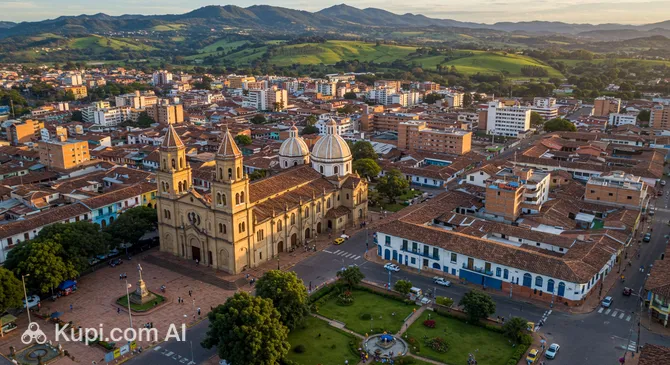
Cúcuta. Source: Kupi.Binoculars

The city enjoys a warm, tropical savanna climate, which encourages an active outdoor lifestyle year-round. Beyond its modern vibrancy, the region holds deep roots in the nation's past; it was here that the Constitution of Cúcuta was signed, establishing Greater Colombia. Visitors interested in the events that shaped the republic can delve deeper into the fascinating history of Cúcuta. Despite natural challenges, such as the earthquake of 1875, the city has rebuilt itself into a resilient and thriving metropolis.

Tourists will find several engaging attractions within the city limits. The Malecón, a scenic promenade along the Pamplonita River, is one of the most popular spots for leisure, offering a variety of restaurants and nightlife options. In the heart of the city lies Parque Santander, a central gathering place surrounded by key landmarks like the Cathedral of San José and the City Hall. The city's wide avenues and friendly locals contribute to a welcoming environment that invites exploration.

Whether you are passing through or planning a dedicated visit, Cúcuta offers a blend of historical heritage and modern Colombian culture. Its distinctive character and warm hospitality make it a noteworthy stop on any journey through the region.
Weather Overview

Cúcuta is known for its consistently warm tropical climate, offering travelers steady temperatures year-round. The city generally experiences average temperatures between 24°C and 26°C, with daytime highs often climbing to 29°C or even 31.5°C during the warmer months of August and September. Nights remain comfortable, with minimum temperatures typically staying around 19°C to 21°C.

Precipitation is a common feature of the local climate, characterized by a high number of wet days. The months of October and November are notably the wettest, with rain occurring on up to 22 days of the month, while January and December are somewhat drier with about 12 wet days. For those planning a trip, checking the current weather in Cúcuta is recommended to pack appropriately.

Expect warm days with frequent opportunities for rain throughout the year. Travelers should prepare for a pattern of warm summers and mild winters, with a high likelihood of scattered showers regardless of the season.

Interesting Facts

Beyond the main attractions, Cúcuta holds many fascinating secrets and historical milestones that define its unique character. The city's rich past and distinct urban features offer curious travelers a deeper look into the region's heritage.
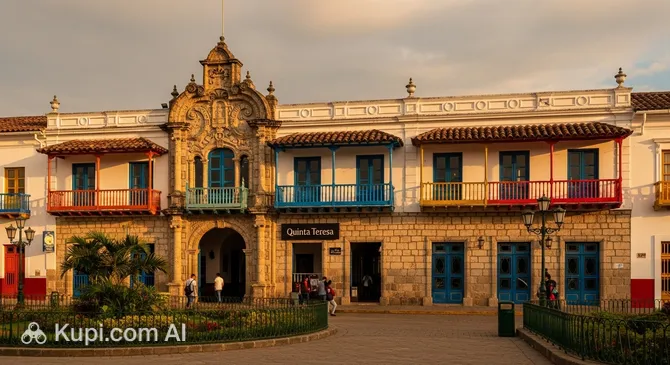
Quinta Teresa. Source: Kupi.Binoculars
  • The city's modern layout is a direct result of a major catastrophe. After the devastating "Earthquake of the Andes" in 1875 destroyed the settlement, Cúcuta was rebuilt with significantly wider avenues and a more organized grid than most colonial Colombian cities, a feature that distinguishes it to this day.

  • Architectural enthusiasts will find a treasure in the Quinta Teresa. This beautifully preserved colonial building has lived many lives, serving as a German trading house, a prestigious school, and now a cultural center, standing as a testament to the city's resilience and history.

  • Cúcuta was home to one of the country's pioneering railway systems. The historical Cúcuta Railway was instrumental in the 19th century for exporting coffee to the world via Lake Maracaibo, positioning the city as a crucial economic player long before modern highways existed.

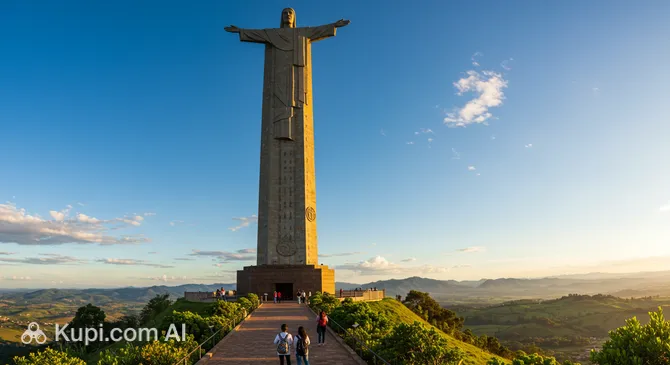
  • Overlooking the urban landscape is the Cristo Rey Monument, which was inaugurated in 1947. Standing roughly 40 meters tall, this statue is a major religious landmark and offers one of the best panoramic views of the entire valley.

  • The region honors its indigenous roots with the Monument to the Motilón Indian. This statue pays homage to the Barí people, the original inhabitants of the Catatumbo region, symbolizing their strength and cultural legacy within the department.

How to Get There

Reaching this bustling border city is relatively straightforward, with air travel being the most efficient method for the majority of visitors. For a comprehensive overview of travel options, including road routes, you can read more about how to get to Cúcuta. The city is well-connected to Colombia's major hubs, facilitating easy access for tourists.

The primary gateway for travelers is Camilo Daza International Airport (CUC). Conveniently located within Cúcuta itself, it is only about 4.6 km from the city center. This proximity allows for a quick transfer; a taxi ride typically takes around 25 to 30 minutes depending on traffic. As a key transport hub serving over a million passengers annually, it offers frequent connections to Bogotá and other major cities.

Another option for those exploring the wider region is Palonegro International Airport (BGA), located in the city of Bucaramanga. However, it is important to note that this airport is approximately 113.5 km away from Cúcuta. While it is a major facility, the overland journey from Bucaramanga to Cúcuta involves navigating mountainous terrain and can take roughly 3 to 4 hours by taxi or bus.

For clarity, here is a summary of the main airports in the vicinity:

Airport Name City Passenger Traffic Km from City
Palonegro International Airport Bucaramanga Large 113.5
Camilo Daza International Airport Cúcuta Large 4.6
El Yopal Airport Yopal Medium 284.5
San Antonio San Antonio del Tachira Small 8.2
Los Colonizadores Saravena 125.1

Currently, there are no passenger railway services operating to Cúcuta. Travelers who prefer not to fly typically arrive by bus or private vehicle via the national highway network. The road trip offers scenic views of the Andean landscapes, though travel times can vary significantly depending on the point of departure.

Main Attractions

Cúcuta offers a diverse array of attractions that blend historical significance, religious heritage, and modern recreational spaces. Visitors can explore the city's vibrant streets to discover landmarks that tell the story of the region while enjoying contemporary amenities perfect for relaxation and entertainment.

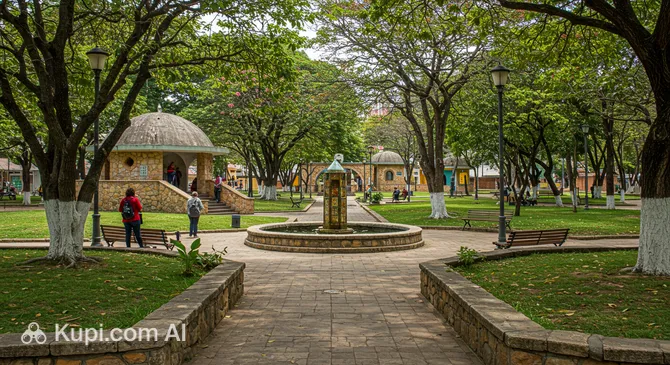
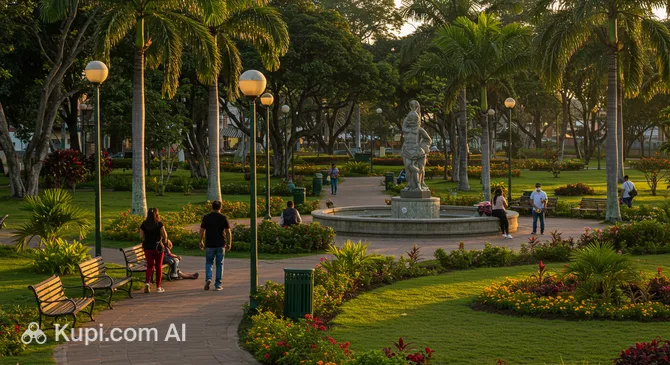
At the heart of the city lies Santander Park, the main plaza and a focal point for local social life. This bustling square is historically significant, as it was the site of important events in the city's past. Today, it serves as a gathering place for residents and tourists alike, surrounded by key government buildings and the Cathedral. It is an excellent spot to sit under the shade of trees, watch the pigeons, and observe the daily rhythm of the city.

Santander Park. Source: Kupi.Binoculars

For those interested in religious architecture, the Minor Basilica of Our Lady of the Rosary of Chiquinquirá is a stunning example of faith and design. This church is not only a place of worship but also a beautifully preserved structure that stands out in the urban landscape. Its intricate details and peaceful atmosphere make it a worthwhile stop for anyone appreciating culture and history.

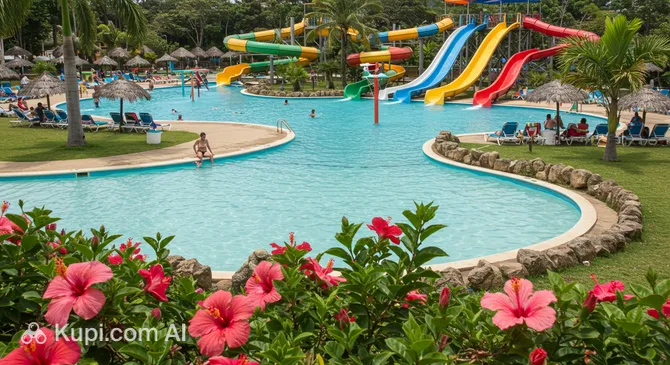
Travelers looking for fun and relaxation should visit Parque del Agua. This modern recreational complex is a favorite among families, offering pools, water slides, and beautifully landscaped areas. It is particularly popular in the evenings when the park is illuminated, creating a magical atmosphere for a leisurely walk or a refreshing dip to escape the tropical heat.

Parque del Agua. Source: Kupi.Binoculars

To experience the modern commercial side of Cúcuta, a trip to the Ventura Plaza Shopping Center is highly recommended. As one of the premier shopping destinations in the region, it offers a wide variety of international and local brands, a large food court, and cinema facilities. It is a perfect place to enjoy air-conditioned comfort, grab a meal, or pick up souvenirs.

Another green oasis in the city is Simón Bolívar Park, a tribute to the liberator of the nation. This well-maintained space provides a serene environment with ample shade, making it an ideal location for a quiet afternoon stroll. The park often hosts cultural events and is a testament to the city's respect for its independence heroes.

Local Cuisine

The culinary scene in Cúcuta is a delightful reflection of the Norte de Santander region, characterized by hearty ingredients and flavors that blend Andean traditions with the vibrant culture of the border. Visitors will find that food here is not just sustenance but a social ritual, with generous portions and distinct seasonings that set it apart from other parts of the country.

Undoubtedly, the most iconic dish you must try is the Mute Cucuteño. This thick, rich soup is a gastronomic symbol of the city, typically prepared with beef ribs, pork, tripe, corn, chickpeas, and potatoes. It is traditionally enjoyed on Sundays and is often served with a side of rice, avocado, and pasteles. Another local favorite for breakfast or a mid-afternoon snack is the Pastel de Garbanzo, a savory turnover filled with seasoned chickpeas that is unique to this area.

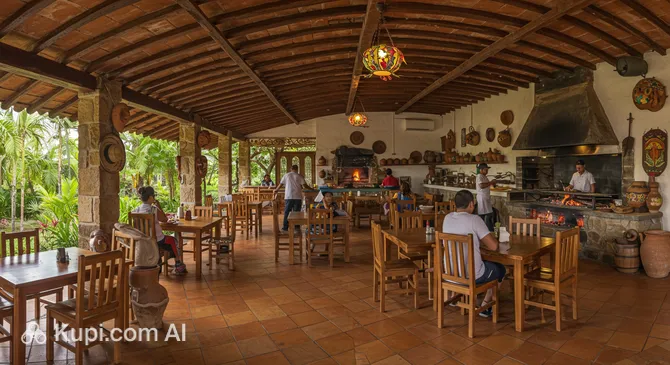
For those seeking a substantial meal, goat meat, or Cabrito, is a regional specialty. It is usually roasted or stewed in a wine sauce and served with Pepitoria, a seasoned rice dish made with goat juices and viscera. To experience traditional grilled meats and local seasoning in a rustic atmosphere, you can visit Rancho y Leña, a spot well-regarded for its authentic preparations.

Rancho y Leña. Source: Kupi.Binoculars

The city also takes pride in its corn-based delicacies. The Arepa Ocañera, though originally from a nearby town, is a staple here. Unlike the thick arepas found elsewhere in Colombia, these are thin, crispy, and often filled with cheese or butter. For a taste of these regional corn cakes, possibly with a lively evening atmosphere, you might check out El Arepaso Ocañero.

To accompany these meals, locals often drink Masato, a fermented rice drink that is sweet, slightly tangy, and refreshing in the tropical heat. Coffee culture is also strong, as the region produces excellent beans. A relaxing place to enjoy a cup of high-quality local coffee or a refreshing fruit drink is Coffee Blessed Fruit, which offers a cozy break from sightseeing.

Whether you are dining in a family-run restaurant or grabbing a quick bite from a street vendor, the food in Cúcuta is prepared with warmth and hospitality. The blend of savory soups, crispy pastries, and refreshing drinks ensures that every traveler finds something to satisfy their palate.

Travel Tips

Visiting Cúcuta is an exciting opportunity to experience the warmth of the "Pearl of the North," but a little preparation goes a long way in this vibrant border city. To help you navigate the tropical climate and local customs with ease, here is a collection of practical tips designed to make your stay as smooth and enjoyable as possible.

  1. Clothing and Gear: Due to the tropical savanna climate, the heat can be intense. Pack lightweight, breathable fabrics like cotton or linen to stay cool. Since Cúcuta is known as "The Green City" and rain can be frequent, especially in October and November, bringing a compact umbrella or a light rain poncho is essential. Comfortable walking shoes are a must for exploring the Malecón or the city center. Don't forget a hat and sunglasses for sun protection.

  2. Transportation: The most convenient way to get around is by using the ubiquitous yellow taxis. They are generally safe, affordable, and easy to hail on the street. While ride-hailing apps exist, they operate in a regulatory grey area, so official taxis are often the more reliable choice for tourists. Local buses (busetas) cover most routes but can be confusing for first-time visitors; if you choose to use them, ask the driver to confirm your destination.

  3. Finances: The local currency is the Colombian Peso (COP). While major shopping centers like Ventura Plaza and large hotels accept credit cards, cash is king in smaller shops, restaurants, and for transport. ATMs are widely available in malls and supermarkets. It is advisable to carry small bills for taxi fares and street snacks, as drivers and vendors often struggle to make change for large denominations.

  4. Health and Safety: Stay hydrated and protect yourself from the sun, as UV levels can be high. Pharmacies (droguerías) are common and well-stocked; chains like La Rebaja are reliable. regarding safety, stick to well-lit, populated areas such as the city center and Caobos neighborhood. Avoid exploring the immediate border crossings or remote areas at night, and always keep an eye on your belongings in crowded public spaces.

  5. Communication: Spanish is the primary language, and English is not widely spoken outside of high-end hotels and business circles. Learning a few basic phrases will be greatly appreciated by locals. You can buy a SIM card from major providers like Claro, Tigo, or Movistar at shopping malls; you will likely need your passport to register the line. WhatsApp is the standard method of communication for everything from restaurant reservations to contacting tour guides.

  6. Local Etiquette: People in Colombia, and particularly in this region, are warm and polite. Always greet people with a "Buenos días" or "Buenas tardes" when entering a shop or boarding a taxi. In Cúcuta, you might hear the term "Mano" (short for hermano/brother) used frequently among locals; it’s a friendly colloquialism typical of the Santander region.

  7. What to Avoid: Do not drink tap water; always opt for bottled or purified water to avoid stomach issues. Additionally, avoid hailing motorcycle taxis (mototaxis) on the street. While they are a common sight, they are often unregulated and can be unsafe for tourists unfamiliar with the local traffic dynamics.

  8. Beat the Midday Heat: The temperatures in Cúcuta often peak around noon and early afternoon. Take a cue from the locals and plan your outdoor activities for the morning or late afternoon. Use the hottest part of the day to enjoy an air-conditioned lunch, visit a museum, or relax in the shade of the trees at Santander Park.

By keeping these practicalities in mind, you will be well-equipped to embrace the lively spirit and hospitality of Cúcuta. Whether you are enjoying the local cuisine or strolling through its leafy parks, a little local know-how ensures your adventure remains memorable for all the right reasons.

Entertainment & Nightlife

Entertainment and Nightlife:

As the sun sets over the Norte de Santander department, Cúcuta transforms into a lively hub of music, dancing, and social gatherings. The city's nightlife is fueled by a warm tropical breeze and a culture that loves to celebrate, making it an exciting destination for night owls. The atmosphere is generally relaxed yet energetic, with a mix of open-air terraces and air-conditioned clubs playing everything from Vallenato and Salsa to Reggaeton and electronic beats.

The epicenter of nightlife in Cúcuta is undoubtedly the Malecón (Avenida Libertadores). This sprawling riverside promenade is lined with restaurants, bars, and discos, offering something for everyone. It is the perfect place to start the evening with a cold beer or a cocktail while enjoying the fresh air. Another trendy district is Caobos, known for its upscale bars, gastropubs, and chic cafes, attracting a younger and more fashionable crowd.

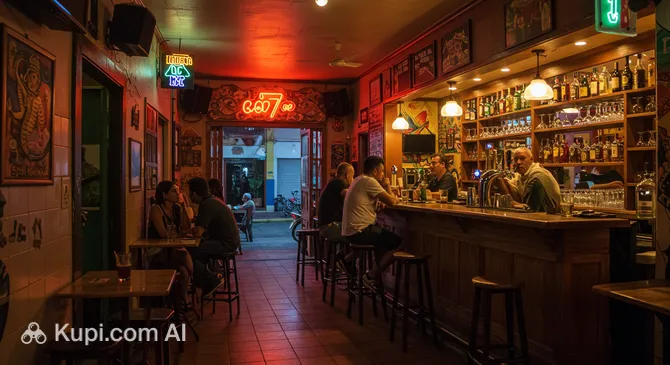
For those looking to experience the local party scene, La Nota Calle 17 is a popular spot. It offers a vibrant setting where locals gather to enjoy music and drinks in a friendly environment. It is a great place to immerse yourself in the authentic Cucuteño spirit before heading out to a dance floor.

La Nota Calle 17. Source: Kupi.Binoculars

If you are in the mood for dancing or showcasing your singing skills, Space Karaoke Discotheque provides a high-energy atmosphere. These types of venues are very popular in the city, allowing groups of friends to rent private spaces or perform for the crowd. For a more laid-back evening with good conversation and signature drinks, Casa Central is another excellent choice, often praised for its ambiance and service.

Space Karaoke Discotheque. Source: Kupi.Binoculars

Practical Advice for Nightlife:

  • Timing: Bars typically start filling up around 8:00 PM, while nightclubs (discotecas) get busy after 11:00 PM and stay open until 3:00 AM or 4:00 AM.
  • Dress Code: The style is generally "tropical chic." While casual wear is acceptable in many open-air bars, nightclubs often prefer a smarter look—long pants and closed shoes for men are recommended.
  • Prices: Nightlife here is affordable compared to Bogotá or Medellín. A beer might cost between 5,000 to 10,000 COP, and cover charges for clubs are reasonable.
  • Safety: The nightlife zones like the Malecón and Caobos are generally safe and well-policed. However, always use official taxis or ride-hailing apps to get back to your hotel; avoid walking long distances alone late at night on quiet streets.

Beyond the nightlife, Cúcuta offers entertaining options for the daytime as well. Families and groups of friends can visit Circus Pop, a unique entertainment venue that combines food with fun themes. It is a lively spot to enjoy a casual meal and soak up a colorful atmosphere.

Circus Pop. Source: Kupi.Binoculars

For outdoor fun, the Iguana Park Amusement Park and the Comfanorte Water Park are fantastic options to beat the heat. These parks offer a variety of attractions, from pools to mechanical rides, providing a refreshing break from the city's bustling commercial rhythm.

Parks & Museums

Known affectionately as the "Green City" of Colombia, Cúcuta boasts an impressive array of parks and tree-lined avenues that define its urban landscape. The city's commitment to preserving nature within the metropolitan area provides locals and visitors with numerous spaces to relax, exercise, and connect with the region's cultural heritage.

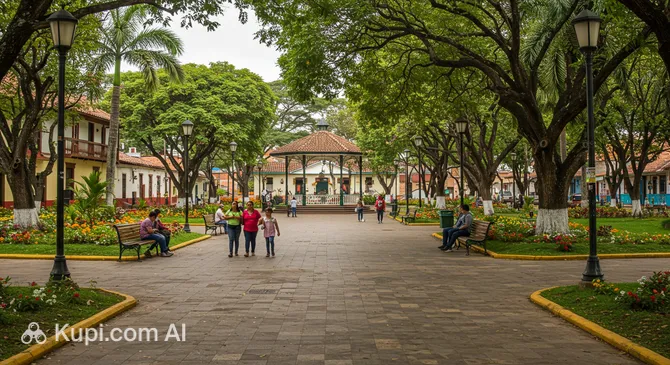
One of the most traditional and beloved green spaces is La Victoria Park, also commonly referred to as Parque Colón. This historic square is characterized by its lush vegetation and the towering Victory Column, which commemorates the Battle of Cúcuta. It is a peaceful spot where families gather in the afternoons, offering a glimpse into the daily life of the Cucuteños amidst a setting that honors the independence era.

La Victoria Park. Source: Kupi.Binoculars

For those seeking a more immersive nature experience, the Comfanorte Water Park (often called the Ecoparque) is a standout destination. Located along the river, this expansive recreational area combines ecological preservation with family fun. It features walking trails, sports facilities, and aquatic attractions, making it an excellent choice for travelers who want to enjoy the region's tropical environment in a safe and well-maintained setting.

Comfanorte Water Park. Source: Kupi.Binoculars

While Cúcuta is widely known for its commerce, it also possesses significant cultural venues. The crown jewel of local architecture is Quinta Teresa. This beautifully restored colonial house serves as a vibrant cultural center, hosting art exhibitions, concerts, and academic events. Its elegant façade and interior courtyards offer a tangible link to the city's prosperous past, making it a key stop for those interested in history and design.

The city's monuments also function as open-air museums, telling the story of the region. The Cristo Rey Monument is not only a religious icon but also a historical lookout point. Climbing the stairs to the statue rewards visitors with a sweeping panoramic view of the Cúcuta valley, providing a unique perspective on the city's geography and growth.

Cristo Rey Monument. Source: Kupi.Binoculars

Another site of civic pride is the Plaza de Banderas. Often the venue for major public events and gatherings, this spacious plaza is surrounded by lush greenery and stands as a symbol of the city's patriotic spirit. It is an impressive open space that highlights the importance of the Norte de Santander department in the national narrative.

For a deeper understanding of the local identity, look for the Monument to the Motilón Indian. This striking statue honors the indigenous Barí people, the original inhabitants of the Catatumbo region, and serves as a powerful reminder of the ancestral roots that underpin the modern culture of this border city.

Getting Around

The public transport system in Cúcuta relies entirely on road-based vehicles, as there is no metro, tram, or train service currently operating within the city. The primary means of getting around for locals and visitors alike are buses, locally known as busetas, and a vast fleet of yellow taxis. This network covers the entire metropolitan area, including connections to nearby municipalities like Villa del Rosario and Los Patios, making it relatively easy to navigate the city once you understand the basics.

The collective bus system consists of small to medium-sized vehicles that follow specific routes. Unlike systems in larger capitals, there are no designated bus lanes or large transfer terminals within the city center. Instead, routes are identified by colorful placards displayed in the front windshield, listing the main neighborhoods and landmarks the bus passes. To catch a bus, you simply wait at a designated stop or, in many residential areas, wave your hand to signal the driver to pull over.

Payment for public transport is straightforward and exclusively cash-based. There are no travel cards, digital passes, or ticket machines. When you board a bus, you pay the fare directly to the driver or an assistant. The fare is a fixed flat rate, regardless of the distance traveled, and is generally very affordable. It is highly recommended to carry small denominations of the local currency, as drivers may not have enough change for large bills.

For those seeking a more direct and comfortable option, yellow taxis are ubiquitous and considered the most convenient way to travel. They can be hailed on the street, found at designated ranks near shopping malls and the airport, or booked via telephone. While many taxis are equipped with taximeters, it is common practice to confirm the approximate fare with the driver before starting the journey, especially for longer distances or trips to the outskirts. Mobile applications for ride-sharing and taxi services are also available and widely used, offering an alternative with upfront pricing.

Public transport typically operates from the early hours of the morning, around 5:00 AM, until approximately 9:00 PM or 10:00 PM. After these hours, bus frequency drops significantly, and it is safer and more reliable to use a taxi. When using the bus, keep in mind that stops are not always announced; it is helpful to follow your route on a map app or ask the driver to let you know when you reach your destination. To get off, you usually press a button near the rear door or verbally alert the driver.

Accommodation

Where to Stay:

Finding the right place to stay in Cúcuta is relatively easy, as the city offers a hospitality sector that caters to a diverse range of travelers. Accommodation options span from well-appointed business hotels and modern resorts to budget-friendly hostels and family-run guesthouses. Whether you are visiting for commerce, transit, or leisure, you will find establishments that provide comfort and good value for money.

For most tourists, the best areas to stay are located within the city center (Centro) and the nearby neighborhoods of Caobos and La Riviera. Staying in the downtown area places you within walking distance of major banks, government buildings, and the main commercial streets. However, for a quieter experience with easy access to the city's best dining and nightlife, the Caobos district is highly recommended. This area is known for its leafy streets, upscale atmosphere, and proximity to shopping hubs like the Ventura Plaza.

If you are looking for a comfortable stay with comprehensive amenities, the Hotel Arizona Suites is a notable option. As a resort-style hotel, it typically offers facilities such as a swimming pool and on-site dining, making it a relaxing oasis in the middle of the warm city. It serves as a great example of the higher-end accommodation available in the region, suitable for families and business travelers alike.

Hotel Arizona Suites. Source: Kupi.Binoculars

In terms of pricing, Cúcuta is generally more affordable than Colombia's larger tourist capitals like Cartagena or Bogotá. Budget travelers can find clean and safe rooms for very reasonable rates, while mid-range and luxury options remain accessible to most budgets. While it is possible to find accommodation upon arrival, it is advisable to book in advance, especially if you plan to visit during local holidays or major commercial events when occupancy can be high.

Most established hotels can be booked through major online travel platforms, which offer the convenience of reading reviews and comparing prices. However, for smaller guesthouses or hostels, contacting the property directly or paying in cash upon arrival is still a common practice. Regardless of where you choose to stay, you will likely encounter the warm and attentive service that characterizes the people of Norte de Santander.

Nearby Cities

The strategic location of Cúcuta makes it an excellent base for exploring the wider Norte de Santander department. Travelers can easily reach several fascinating destinations that offer a mix of history, culture, and cooler mountain climates. From the historic significance of the metropolitan area to the academic atmosphere of the Andean towns, the surrounding municipalities provide a diverse array of experiences just a short trip away.

Here is a list of nearby cities and towns that are well worth a visit:

City Population Distance (km)
Villa del Rosario 69,833 6
Los Patios 80,235 6
Pamplona 58,975 59
Abrego 38,627 83
Ocana 90,037 103

Villa del Rosario is practically a neighbor, located just minutes from the city center. It is historically renowned as the birthplace of the nation's constitution and the home of General Francisco de Paula Santander. Further afield, Pamplona offers a complete change of pace; known as the "Student City," it features well-preserved colonial architecture and a misty, cool climate that contrasts sharply with the tropical heat of the valley. For those willing to venture further, Ocana serves as a gateway to unique natural landscapes and holds its own distinct cultural charm.

Shopping & Souvenirs

Shopping in Cúcuta is a vibrant experience that reflects its status as a major commercial hub in northeastern Colombia. Due to its strategic location near the border, the city has long been a center for trade, offering a wide variety of goods ranging from fashion and electronics to local handicrafts. Visitors will find that the city is particularly renowned for its textile and footwear industries, often referred to as the "Shoe Capital of Colombia," where high-quality leather goods can be purchased at very competitive prices.

The heart of the local commerce beats in the City Center (El Centro). This bustling downtown area, particularly along Avenida 5 and Avenida 6, transforms into a massive open-air market during the day. Here, hundreds of stores and street vendors compete for attention, selling everything from jeans and sportswear to household items. It is a loud, energetic, and colorful district where bargaining is common, and the sheer variety of products can be overwhelming in the best possible way.

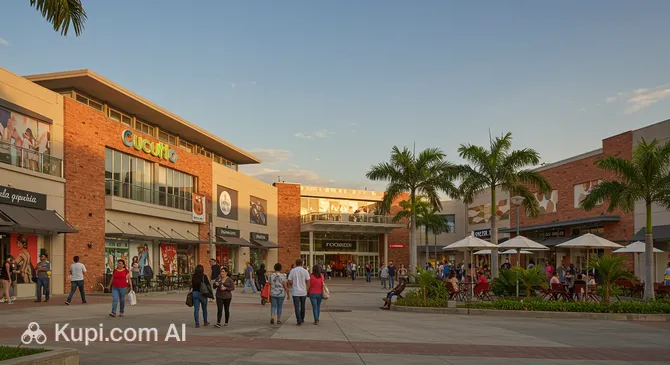
For those who prefer a modern and air-conditioned environment, the city boasts excellent shopping malls that meet international standards. The most prominent is the Ventura Plaza Shopping Center, located centrally and serving as a major social meeting point. It houses a mix of Colombian brands and global retailers, along with a large food court and cinema. It is an ideal place to escape the midday heat while browsing for fashion or enjoying a coffee.

Ventura Plaza Shopping Center. Source: Kupi.Binoculars

Another distinct option is the Jardin Plaza Shopping Mall. This newer development features a unique open-air architectural design that takes advantage of the tropical breeze while providing shade and comfort. With its wide walkways, gardens, and relaxed atmosphere, it offers a more leisurely shopping experience compared to the frenetic energy of the downtown streets.

When looking for souvenirs, the best items to take home are undoubtedly leather shoes and bags. The local craftsmanship is exceptional, and you can find unique designs that are not available elsewhere. Additionally, look for regional treats such as Cortados de Leche de Cabra (goat milk sweets) or bags of coffee produced in the nearby mountains of Norte de Santander, which make for delicious and authentic gifts.

Opening Hours and Payment: Most shopping malls open daily from 10:00 AM to 8:00 PM or 9:00 PM. Street shops in the city center typically operate from 9:00 AM to 7:00 PM, though many smaller businesses may close for a lunch break between 12:00 PM and 2:00 PM. While credit and debit cards are widely accepted in malls and larger stores, cash is essential for street vendors and smaller boutiques in the downtown area.

Foreign tourists should also be aware of the VAT (IVA) refund system. Colombia offers a sales tax refund for non-resident visitors on purchases of certain goods, such as clothing, footwear, and jewelry, provided the purchase is made with a foreign credit card and meets a minimum value threshold. Be sure to ask for an electronic invoice (factura electrónica) at participating stores to claim this benefit at the airport upon departure.

Reached the end of the page?

That means the route is fully explored