Support

Saravena

About

Welcome to Saravena, a vibrant and strategically important city located in the Arauca Department of Colombia. Often referred to as the "Commercial Capital of the Sarare Region," this bustling municipality serves as a vital connecting point between the Andean foothills and the vast eastern plains. Its unique atmosphere is defined by a dynamic blend of commercial activity and the warm hospitality characteristic of the Colombian Llanos.

Geographically, Saravena enjoys a privileged position in the Piedemonte Llanero, a transition zone where the mountain ranges descend into the Orinoquía region. This location blesses the area with a diverse climate and lush vegetation. With a population of approximately 47,000 residents, it is a significant urban center in the department, offering travelers a chance to experience the authentic lifestyle of this part of the country.
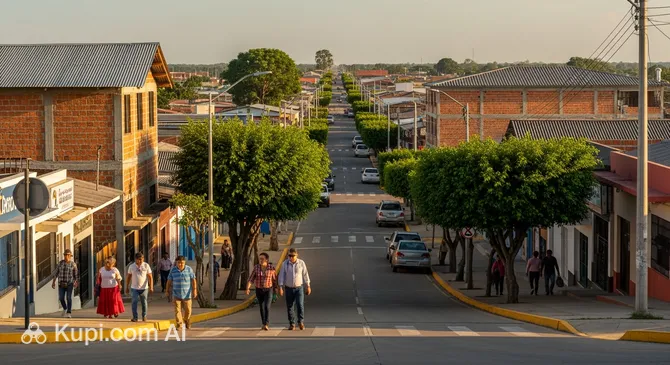
Saravena. Source: Kupi.Binoculars

The history of Saravena is a testament to the resilience and determination of settlers who established this community in the mid-20th century. What began as a colonization front in the Sarare jungle has rapidly evolved into a modern municipality with a strong identity. Today, the city stands as a hub for the surrounding agricultural and livestock industries.

For visitors, the appeal of Saravena lies in its surrounding natural beauty and local culture. The region is crisscrossed by rivers and streams, offering scenic spots for those who appreciate nature. The city itself is a great place to sample traditional Llanero cuisine, particularly the famous roasted meat (carne a la llanera), and to witness the day-to-day commerce that drives the local economy.

Whether you are interested in exploring the landscapes of the Orinoquía or simply looking to discover a less-traveled corner of the nation, Saravena welcomes you with open arms. It is an intriguing destination for those wishing to see the industrious spirit and natural charm of eastern Colombia.

Weather Overview

The climate in this region is typically tropical, characterized by consistent warmth and distinct seasonal variations in rainfall. Visitors can expect average temperatures to hover comfortably between 23°C and 25°C year-round, with daytime highs occasionally reaching up to 28°C. To ensure you pack appropriately for your trip, it is helpful to review the current weather in Saravena before your departure.

Precipitation patterns play a major role in the local weather dynamics. The months from December to March constitute the dry season, where rainfall is minimal (often around 1-3mm) and rainy days are few, offering the sunniest conditions for travel. Conversely, the period from May to October sees a significant increase in moisture; while temperatures remain warm, travelers should be prepared for frequent showers, as the number of wet days can reach up to 29 per month during this time.

Interesting Facts

Beyond the main attractions, Saravena holds many fascinating secrets that highlight its rapid development and cultural diversity. Here are some interesting facts about this dynamic city in the Arauca department:

  • A Young Foundation: Unlike many cities in Colombia that date back to the Spanish colonial era, Saravena is a relatively young municipality. It was established in the mid-20th century, specifically around the 1960s, as part of a major colonization project known as the "Sarare Colonization," driven by settlers seeking new opportunities.

  • Capital of the Sarare: The city is widely recognized as the "Commercial Capital of the Sarare Region." This nickname reflects its status as the primary economic hub for this specific zone, serving as a vital center for trade and services for the surrounding agricultural communities.

  • Ecological Transition Zone: Saravena sits in a privileged geographic location known as the Piedemonte Llanero. This area acts as a bridge where the biodiversity of the Andean mountain ranges merges with the vast ecosystems of the Eastern Plains, creating a rich and unique natural environment.

  • A Cultural Melting Pot: Due to its origins as a settlement destination for families from various parts of the country, the local culture is a distinct blend. It fuses the traditions and customs of the Andean interior with the folklore and lifestyle of the Llanos, resulting in a diverse and welcoming community identity.

How to Get There

Reaching the city of Saravena is an adventure into the heart of the Colombian plains. While the region is becoming increasingly connected, planning your journey in advance is essential for a smooth experience. Travelers can choose from direct flights to the local airport or land routes from major regional hubs. For a complete guide on all available transport options, you can read more about how to get to Saravena to help organize your trip.

The most convenient way to arrive is by flying directly into Los Colonizadores (RVE), which serves the city. Located just 1.6 km from the center of Saravena, this regional airport offers the quickest access to the municipality. Once you land, the transfer to the city center is very brief, taking approximately 5 to 10 minutes by taxi or shuttle, allowing you to start your visit almost immediately.

Alternatively, travelers often fly into major airports in neighboring departments and continue their journey by ground transport. Camilo Daza International Airport (CUC) in Cúcuta is a significant hub located about 128.5 km away. However, the overland trip from Cúcuta to Saravena is a long journey due to the complex geography of the region. Another option is Palonegro International Airport (BGA) in Bucaramanga, situated approximately 146.2 km from Saravena; the drive from there typically involves navigating the scenic Andean foothills and requires a significant amount of travel time.

For clarity, here is a summary of the main airports serving the region:

Airport Name City Passenger Traffic Km from City
Palonegro International Airport Bucaramanga Large 146.2
Camilo Daza International Airport Cúcuta Large 128.5
El Yopal Airport Yopal Medium 189.7
San Antonio San Antonio del Tachira Small 116.2
Los Colonizadores Saravena Local 1.6

Main Attractions

Visitors to Saravena will find a destination that balances commercial vitality with the serene atmosphere of the plains. While the city is known primarily as a business hub, it possesses distinct spaces where travelers can connect with the local culture and enjoy the outdoors.

The heartbeat of social life in the city is the Parque Principal. As the central square, it serves as the primary gathering place where the community comes together, especially in the late afternoons. It is an ideal spot for visitors to sit back, enjoy the open air, and witness the friendly dynamics of the town as families and friends meet for leisure and conversation.

To truly understand the rhythm of the city, a stop at the Plaza de Mercado is essential. This bustling market is the epicenter of daily trade, where farmers from the surrounding region arrive to sell fresh produce. It is the perfect spot to observe local life, discover exotic fruits grown in the fertile soils of the department, and experience the authentic commercial spirit of the community.

Beyond the city limits, the landscape itself is a major attraction. Situated in the Piedemonte Llanero, the region features a stunning transition from the Andean foothills to the vast eastern plains. Nature enthusiasts can explore the scenic surroundings, with local rivers such as the Río Bojabá offering popular settings for recreation and a chance to appreciate the rich biodiversity of this part of Colombia.

Local Cuisine

The local cuisine in Saravena is a proud reflection of its location in the Colombian Llanos (Eastern Plains), offering a gastronomic experience that is hearty, flavorful, and deeply rooted in cowboy traditions. The food culture here revolves around the grill, where fresh ingredients and time-honored cooking methods come together to create meals that are meant to be shared.

The undisputed star of the table is Carne a la Llanera (Llanero-style beef), also known as mamona. This signature dish consists of tender cuts of veal seasoned simply with salt and roasted slowly over a wood fire on vertical skewers. The smoky flavor and succulent texture make it a must-try for any visitor. It is traditionally served with boiled yuca (cassava), potatoes, and topocho, a variety of savory plantain that is a staple in the diet of the Arauca department.

Due to its proximity to the Venezuelan border, you will also find a strong presence of Hayacas. Similar to tamales but with a distinct dough and filling, these are wrapped in banana leaves and often enjoyed for breakfast or during special celebrations. Another local comfort food is picillo, a shredded meat soup that is perfect for starting the day with energy, often accompanied by arepas.

When it comes to beverages, the region's climate calls for refreshing options like guarapo (sugar cane juice) or cold lemonade made with panela. However, Saravena is also situated in a region famous for producing some of the world's finest cacao. Visitors should not miss the opportunity to taste a cup of rich, locally grown hot chocolate, often served with cheese and bread, highlighting the area's agricultural excellence.

Dining in Saravena is typically a casual and social affair. The best places to eat are often the open-air asaderos (grill houses) scattered throughout the city and along the roadsides, where the aroma of roasting meat invites passersby. For a more rustic experience, the local market offers stands selling fresh fruit juices and traditional snacks, providing an authentic taste of daily life in this vibrant commercial hub.

Travel Tips

Traveling to Saravena offers a genuine glimpse into the life of the Colombian Eastern Plains, away from the typical tourist trail. To ensure your journey is smooth and enjoyable, here are some practical tips to help you navigate local customs and logistics with ease.

  1. Clothing and Gear: Given the tropical climate, lightweight and breathable fabrics like cotton or linen are your best friends here. The weather is generally warm and humid, so pack comfortable summer clothes. However, if you are visiting during the rainy season (May to October), a sturdy umbrella or a waterproof poncho is essential. Don't forget comfortable walking shoes and a universal power adapter (Type A/B) for your electronics.

  2. Transportation: Getting around Saravena is quite informal. While there are standard taxis, the most common and agile way locals move around is by mototaxi (motorcycle taxi). They are affordable and readily available, but always agree on the fare before hopping on. For short distances within the city center, walking is perfectly feasible, though it is best done in the early morning or late afternoon to avoid the midday heat.

  3. Finances: The official currency is the Colombian Peso (COP). While some larger hotels and supermarkets may accept credit cards, cash is definitely king in Saravena. Smaller shops, local restaurants, and transport providers will likely only take cash. There are ATMs in the city center, but it is wise to withdraw enough money during banking hours and carry small denominations for easier transactions.

  4. Health and Safety: Pharmacies, known as droguerías, are easy to find in the town center for basic supplies, but carry any specific prescription medication you need. Due to the tropical environment, insect repellent is a must to protect against mosquitoes. As for safety, exercise standard precautions: keep your valuables secure, avoid poorly lit areas at night, and always follow the advice of your hotel staff or local hosts regarding where to go.

  5. Communication: Spanish is the primary language spoken in Saravena, and English is not widely understood outside of specific professional circles. It is highly recommended to learn a few basic phrases or download an offline translation app to communicate with locals. A simple "Buenos días" (Good morning) or "¿Cuánto cuesta?" (How much?) goes a long way.

  6. Local Etiquette: The people of the Llanos are known for their hospitality and politeness. It is customary to greet people when entering a shop or passing them on the street. Handshakes are common when being introduced. If you are invited to a local's home, it is polite to accept a drink (often coffee or juice) as a sign of friendship.

  7. What to Avoid: Avoid taking photographs of people or private property without asking for permission first, as some locals may be private. Additionally, it is best to avoid discussing sensitive political topics or the region's complex history with strangers; focus instead on the culture, food, and natural beauty of the area.

  8. Early Risers: Life in the plains often starts very early to make the most of the cooler morning hours. Don't be surprised to see shops opening and streets bustling shortly after sunrise. If you want to experience the freshest produce at the market or enjoy a cool walk, try to start your day by 6:00 or 7:00 AM.

By keeping these practical tips in mind, you will be well-prepared to embrace the unique rhythm of Saravena. Enjoy the warmth of the people, the delicious local flavors, and the distinct charm of the Colombian plains!

Entertainment & Nightlife

Nightlife in Saravena is a vibrant reflection of the warm and sociable nature of its people. While it may not have the massive club scene of a metropolis, the city offers a lively and authentic atmosphere where locals gather to unwind, dance, and enjoy good music. The evening entertainment here is centered around camaraderie, with a mix of open-air establishments, dance clubs, and relaxed pubs that come alive as the sun sets over the plains.

The heart of the action can typically be found in the downtown area (El Centro), particularly along the bustling corridors of Carrera 16 and Calle 28. These streets form a commercial spine that transforms at night into a social hub. Here, you will find a variety of venues ranging from "estancos"—liquor stores with seating areas that are very popular in the region—to more formal bars and discotheques. The vibe is decidedly casual and welcoming, with music playing a central role in the experience.

For those looking to hit the dance floor, Weekend DiscoTK is a well-known venue in the city. It is a favorite among locals for its energetic atmosphere and "crossover" music policy, playing a mix of salsa, merengue, vallenato, and reggaeton that keeps the crowd moving until late. If you prefer a slightly more laid-back setting to start your evening or enjoy a conversation, B&LISS COFFEE PUB offers a modern and comfortable environment, serving a variety of drinks and cocktails that appeal to a diverse crowd.

Another popular spot to experience the local drinking culture is Dubai Liquor Bar. Venues like this are perfect for experiencing the authentic Llanero spirit, where groups of friends share a bottle of aguardiente or cold beers while listening to loud, cheerful music. The dress code across most establishments is informal and comfortable, suitable for the warm tropical nights, though people often dress up a bit for the dance clubs on weekends.

Practical Advice and Safety: The best time to experience the nightlife is on Friday and Saturday nights when the town is most active. Prices in Saravena are generally very affordable compared to larger Colombian cities. When it comes to safety, it is advisable to stay within the well-lit, populated commercial zones mentioned above. Avoid walking alone in quiet or unlit streets late at night. For transportation, while motorcycle taxis are common during the day, it is safer and more convenient to ask the venue to call a trusted taxi or car service for your return trip to your accommodation.

During the daylight hours, entertainment in Saravena takes on a different pace. Visitors can enjoy a relaxing stroll through the Parque Principal, which serves as the city's living room, or explore the natural beauty surrounding the municipality. The nearby Río Bojabá is a popular spot for locals to cool off and enjoy nature, offering a peaceful contrast to the energetic rhythm of the city's nightlife.

Parks & Museums

While Saravena is primarily a commercial hub and a gateway to the plains, it offers visitors a selection of welcoming green spaces and cultural venues that reflect the spirit of its people. The city does not boast large-scale national museums; instead, its cultural wealth is found in community centers, public squares, and the living traditions of the Llanos. Exploring these areas provides a genuine insight into the daily life and history of this resilient municipality in Colombia.

The most prominent urban green space is the Parque Principal. Located in the heart of the city, this square is much more than just a park; it is the social living room of Saravena. Shaded by large trees that offer relief from the tropical heat, it features well-maintained pathways and seating areas where locals gather to converse and relax. For tourists, it is an excellent spot to observe the town's dynamics, enjoy a local snack from nearby vendors, and witness the community's friendly atmosphere, especially during the cooler evening hours.

For those seeking a connection with the region's exuberant nature, the areas surrounding the Río Bojabá serve as a natural playground. Although not a manicured city park, the riverbanks are a favorite destination for recreation. Residents and visitors alike visit these spots to cool off in the fresh waters, enjoy traditional "paseos de olla" (riverside picnics), and admire the biodiversity of the Piedemonte Llanero. The lush vegetation and the sound of the flowing water create a serene escape just a short distance from the bustling city center.

In terms of culture, the Casa de la Cultura is the focal point of artistic expression in Saravena. This venue is dedicated to preserving and promoting the rich folklore of the Arauca department. Rather than static exhibits, visitors here are more likely to encounter vibrant workshops on Joropo dance, traditional harp music classes, and local art displays. It stands as a testament to the region's strong Llanero identity and offers a chance to see the next generation keeping these colorful traditions alive.

The city also pays homage to its origins through various public monuments, most notably tributes to the Colonizadores (Settlers). These structures and artistic representations scattered around the city honor the brave families who arrived in the mid-20th century to build a life in the Sarare region. They serve as open-air history lessons, reminding passersby of the determination and hard work that transformed the jungle into the thriving municipality seen today.

Insider Tip: For a unique perspective, try to visit the outskirts of the city near the foothills at sunset. The transition zone between the Andes and the plains creates spectacular skies, painting the horizon in deep oranges and purples—a perfect moment for photography enthusiasts and nature lovers.

Getting Around

Navigating Saravena is a straightforward experience, distinct from the complex transit networks found in larger metropolitan areas. The city does not possess a metro, tram, or extensive public bus system. Instead, the local transport dynamic is informal, agile, and dominated by light vehicles that are well-suited to the tropical climate and the relatively compact size of the urban area.

The most ubiquitous form of public transport is the mototaxi (motorcycle taxi). You will see these everywhere; they are the primary way residents move from one neighborhood to another. They are fast, plentiful, and offer a breeze that is welcome in the heat. While they are an efficient way to get around, they operate informally. Drivers often wear vests or have specific markings, but they can generally be hailed on almost any street corner.

For those who prefer a more traditional and sheltered ride, standard yellow taxis are available. They are particularly recommended if you are traveling with luggage, moving in a group, or heading out after dark. Unlike in big cities where you might use an app, here taxis are typically found at designated stands (such as near the main park or the market) or flagged down on the street. You can also ask your hotel or a restaurant to call a trusted driver for you.

Regarding payment, cash is the absolute rule for all local transport. There are no travel cards, electronic passes, or mobile payment systems for transit in the city. You must carry small denominations of the local currency. Fares are generally quite low and fixed by custom rather than by taximeters. For a mototaxi ride within the city limits, the price is usually a standard flat rate, while taxi fares can vary slightly depending on the distance.

A crucial piece of advice for tourists is to always agree on the fare before starting your journey. This is especially important for mototaxis and taxis that do not use meters. Simply ask, "How much to [destination]?" ("¿Cuánto vale hasta...?") to avoid any misunderstandings upon arrival. Operating hours are flexible, but transport is most abundant during daylight hours. Late at night, availability drops significantly, so it is wise to pre-arrange a ride if you plan to be out late.

Walking is a viable and pleasant alternative for getting around the downtown area (El Centro). The city is laid out in a grid, making it easy to orient yourself, and many key spots like commercial streets, the main square, and restaurants are within walking distance of each other. Ride-sharing apps and formal bike rental schemes are not currently present in the city, so relying on walking, taxis, or mototaxis remains the standard for visitors.

Accommodation

Accommodation in Saravena is primarily designed to cater to the needs of business travelers, traders, and visitors connecting to the Colombian plains. As a bustling commercial hub rather than a traditional mass tourism destination, the city does not feature large international luxury chains or sprawling all-inclusive resorts. Instead, travelers will find a solid selection of mid-range hotels and budget-friendly guesthouses that offer practical, comfortable, and safe environments for a short or medium-term stay.

The majority of lodging options are concentrated in the City Center (El Centro). Staying in this area is highly recommended for tourists, as it places you within walking distance of the Parque Principal, major restaurants, banks, and the commercial districts. Being in the center also makes it easier to access transport options like taxis and mototaxis. This proximity is particularly convenient given the warm climate, minimizing the need for long treks in the heat.

Most hotels in Saravena focus on providing essential amenities such as private bathrooms, Wi-Fi, and, most importantly, air conditioning or powerful fans. Given the tropical weather of the Arauca department, ensuring your room has climate control is the most critical factor for a comfortable night's sleep. Some of the better-established local hotels may also offer on-site restaurants or breakfast services, catering to the early-rising culture of the region.

Booking Tip: While it is often possible to find a room upon arrival, booking in advance is advisable if you are visiting during local festivities or trade fairs, when occupancy rates spike. It is also worth noting that not all local establishments are listed on major international booking platforms. In many cases, contacting hotels directly via phone or WhatsApp is the most effective way to secure a reservation and confirm current rates.

Regarding costs, accommodation in Saravena is generally very affordable compared to Colombia's major tourist cities. Prices typically range from budget to mid-range, offering excellent value for money. While larger hotels accept credit cards, smaller "residencias" or family-run hostels may prefer or require cash payments, so it is wise to have Colombian Pesos on hand when checking in.

Nearby Cities

For those looking to explore the surroundings, Saravena serves as an excellent base for day trips to several interesting nearby locations.

One of the most culturally significant destinations in the region is Arauca, the capital of the department. Located to the east, it offers a deep dive into the authentic Llanero lifestyle. Visitors here can enjoy the stunning sunsets over the Arauca River, listen to traditional harp music, and taste the region's renowned gastronomy. It is a place where the cowboy spirit is palpable in every street corner, making it a perfect spot to understand the heritage of the eastern plains.

To the west, across the Andean foothills, lies the bustling city of Cúcuta. Known as the "Pearl of the North," it is a major commercial hub with a rich history and leafy streets. Just a short distance from Cúcuta is Villa del Rosario, a town of immense historical importance where the constitution of Greater Colombia was signed. Exploring these areas offers a contrast to the plains, presenting a more urban environment filled with parks, monuments, and shopping opportunities.

City Population Distance (km)
Cúcuta 750,000 124
Piedecuesta 117,364 131
Arauca 96,814 129
Los Patios 80,235 119
Villa del Rosario 69,833 118

These nearby destinations offer a glimpse into the diverse culture and landscapes of the region, ranging from the flat, expansive plains to the historic centers of the Andean borderlands.

Shopping & Souvenirs

Shopping in Saravena reflects its reputation as the "Commercial Capital of the Sarare Region." Unlike the high-end retail experiences found in Colombia's major metropolises, the shopping scene here is authentic, bustling, and deeply connected to the daily needs of the local population and the surrounding agricultural communities. Visitors will find a vibrant commercial atmosphere where trade is conducted with a handshake and a smile, offering everything from essential goods and farming supplies to local fashion and technology.

The heart of the city's commerce beats in El Centro (Downtown). The most active commercial corridors are found along Carrera 16 and the streets surrounding the main park. This area is a dense grid of independent shops, pharmacies, hardware stores, and clothing boutiques. Walking down these streets offers a sensory overload of music, motorcycle traffic, and merchants displaying their wares on the sidewalks, creating a lively environment that defines the urban experience in the plains.

Travelers looking for large, modern shopping complexes might be surprised to find that Saravena does not rely on massive malls. Instead, the city features smaller commercial galleries and arcades. These multi-story buildings host a variety of small businesses under one roof, ranging from beauty salons and repair shops to stores selling mobile phones and accessories. It is a more personalized style of retail where shop owners often manage the counters themselves.

For a truly local experience, the Plaza de Mercado (Market Square) is an unmissable destination. This is where the region's agricultural wealth is on full display. Early in the morning, the market is teeming with activity as farmers sell fresh plantains, yuca, exotic fruits, and local meats. It is not just a place to buy food; it is a cultural hub where you can find stalls selling traditional herbal remedies and affordable household items, providing a glimpse into the domestic life of the Llaneros.

When it comes to souvenirs, the best items to bring home are those that represent the region's rich natural resources and cowboy culture. The Department of Arauca is famous for producing some of the world's finest cacao, so buying locally processed chocolate or cocoa beans is highly recommended. Additionally, look for traditional Llanero items such as leather goods, cotizas (woven sandals), or the iconic hats worn by the plainsmen, which make for practical and culturally significant gifts.

Opening hours in Saravena generally follow a traditional schedule. Most shops open early, around 8:00 AM, and stay open until 6:00 PM or 7:00 PM. Some smaller businesses may close for a couple of hours during lunch (noon to 2:00 PM) to avoid the midday heat, although larger stores and supermarkets often remain open. Sundays are typically quieter, with many shops closing by the early afternoon.

Regarding payment methods, cash is the undisputed king of commerce in Saravena. While some larger supermarkets, hotels, and established electronics stores may accept credit or debit cards, the vast majority of small vendors, market stalls, and independent boutiques operate solely with Colombian Pesos (COP). It is essential to carry sufficient cash, preferably in smaller denominations, to ensure smooth transactions throughout your shopping excursions.

Tax-Free shopping (VAT refund) is a benefit available to foreign tourists in Colombia for certain purchases made at authorized stores. However, this system is primarily found in large international brands and major shopping malls in cities like Bogotá or Medellín. In a smaller, regionally focused municipality like Saravena, finding stores that participate in the tax refund scheme is extremely unlikely, so visitors should not plan their shopping budget around this possibility.

Reached the end of the page?

That means the route is fully explored