Support

Tame

About

Welcome to Tame, a captivating destination located in the Arauca department that offers a unique window into the heart of the "Llanos" (plains) culture. Known for its warm hospitality and strategic location, this city serves as a fascinating transition point where the foothills of the Eastern Cordillera meet the vast savannas of Colombia. With a population of approximately 53,000 inhabitants, Tame combines the charm of a growing town with the breathtaking natural surroundings of the Orinoquía region.

The city holds a prestigious title as the "Cradle of Freedom" due to its pivotal role in the nation's independence. Visitors interested in the past can explore the deep history of Tame, which marks the spot where General Simón Bolívar and General Francisco de Paula Santander met to launch the campaign that would eventually liberate the country. This rich heritage is celebrated throughout the city, adding a layer of historical depth to its scenic beauty.
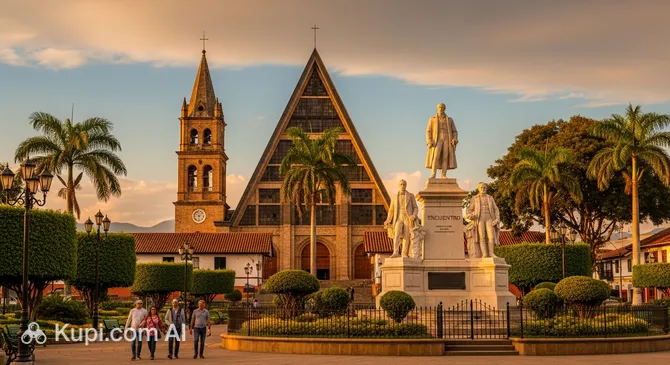
Tame. Source: Kupi.Binoculars

For nature lovers and adventurers, Tame is a paradise waiting to be discovered. The region is renowned for its ecotourism potential, offering opportunities to explore the Tame River and nearby natural reserves that teem with biodiversity. The landscape is perfect for hiking, birdwatching, and experiencing the authentic Llanero lifestyle, complete with traditional music and gastronomy. Whether you are watching a stunning sunset over the plains or learning about its heroic past, Tame invites you to experience a truly authentic side of the country.

Weather Overview

Travelers to Tame can look forward to a tropical climate characterized by consistent warmth and distinct seasonal rainfall. The city experiences average temperatures that generally hover between 24°C and 26°C throughout the year, with March often recording the highest peaks. This steady warmth makes the region inviting, though it is wise to prepare for varying levels of humidity depending on when you visit.

The year is typically divided into a dry season and a wet season, which heavily influences the best time for outdoor exploration. Expect a drier period from December to March, where rainfall is scarce and sunny days are frequent. Conversely, the months from April through November bring the rainy season, characterized by a high frequency of wet days, particularly in June and July. For those finalizing their itinerary, consulting the weather in Tame can provide specific forecasts to help you pack the right gear.

Interesting Facts

Beyond the main attractions, Tame holds many fascinating secrets that define the spirit of the Colombian plains. This historic city is not just a gateway to the vast savannas but a place where the destiny of an entire nation was once decided.

  • The Cradle of Freedom: Tame is proudly known as the "Cuna de la Libertad" (Cradle of Freedom). It was here, on June 12, 1819, that two of South America's greatest liberators, Simón Bolívar and Francisco de Paula Santander, met for the very first time. This pivotal encounter united their armies, launching the military campaign that would eventually lead to the independence of Colombia.

  • Home of the Brave Lancers: The city has a deep connection to the famous "Lanceros" who turned the tide at the Battle of Pantano de Vargas. It is a point of immense local pride that four of the fourteen heroic lancers were born in Tame, including the courageous Inocencio Chincá, who joined the army as a teenager and became a legend for his bravery in combat.

  • Ancient Indigenous Roots: Long before the arrival of the Spanish, the territory was inhabited by the Girara people. The name "Tame" is believed to trace back to these indigenous origins, and the city still honors this heritage with monuments like "El Girara," which pays tribute to the region's first inhabitants and their enduring legacy.

  • A Geographical Marvel: Tame sits at a unique ecological crossroads where the Andes Mountains dramatically meet the Orinoquía plains. This location creates a rare biodiversity hotspot, allowing visitors to see high-mountain ecosystems and tropical savannas within the same municipality, a feature that distinguishes it from other towns in the Arauca department.

How to Get There

Reaching this destination in the Arauca department involves traveling through the scenic plains of Colombia. While the city is remote, it is accessible via regional connections and road travel from neighboring transport hubs. For a complete guide on travel options and routes, you can read more about how to get to Tame.

The city of Tame does not have a major international airport within its immediate vicinity, so travelers typically fly into neighboring cities and complete the journey by road. One of the closest options is Los Colonizadores (IATA: RVE), located in Saravena, approximately 56.5 km away. A taxi or bus ride from there generally takes about 1 hour and 45 minutes.

For more flight connections, you can choose El Yopal Airport (IATA: EYP) in the city of Yopal. It is situated about 145.1 km from Tame, with a ground transfer time of roughly 4 hours. Alternatively, for those arriving from further afield, Palonegro International Airport (IATA: BGA) in Bucaramanga is a significant hub. Although it is 176.5 km away in a straight line, the route involves traversing the Andes mountains, which extends the travel time to approximately 9 to 10 hours by road. Despite the long journey, it serves a large volume of passengers and offers extensive domestic links.

For clarity, here is a summary of the main airports:

Airport Name City Passenger Traffic Km from City
Palonegro International Airport Bucaramanga Large 176.5
Camilo Daza International Airport Cúcuta Large 183.7
El Yopal Airport Yopal Medium 145.1
San Antonio San Antonio del Tachira Medium 171.5
Los Colonizadores Saravena Small 56.5

Main Attractions

Visitors to Tame will find a destination where history and nature converge, offering a variety of meaningful sites that reflect the region's identity as the "Cradle of Freedom." From monuments celebrating the independence of Colombia to biodiverse parks, the city provides a distinct itinerary for travelers exploring the Arauca department.

One of the most historically significant sites is the Plaza del Encuentro (Meeting Square). This landmark commemorates the pivotal moment on June 12, 1819, when General Simón Bolívar and General Francisco de Paula Santander joined forces to launch the campaign that would liberate the nation. The square features imposing statues of the two leaders and serves as a reminder of the city's strategic importance in South American history, making it a must-visit for culture and history enthusiasts.

For those seeking a connection with the local environment, the Bioparque Los Libertadores is an excellent choice. This ecological park is designed to showcase the rich biodiversity of the Orinoquía region, offering walking trails and designated areas for birdwatching. It serves as a green lung for the city and a peaceful retreat where tourists can observe native flora and fauna while learning about the environmental wealth of the Colombian plains.

The Rio Tame (Tame River) is another key attraction, particularly for those who enjoy outdoor recreation. The river's banks are popular spots for locals and visitors to gather for traditional picnics and refreshing swims, especially during the warmer months. The scenic surroundings provide a perfect backdrop for relaxing and experiencing the authentic "Llanero" lifestyle, where nature plays a central role in daily leisure.

In the heart of the town lies the Parque General Santander, the main square that acts as the social hub of Tame. Surrounded by local businesses and the city's main church, this park is a lively place to observe daily life, enjoy a quiet afternoon, or attend local events. It features tributes to the region's heroes and offers a welcoming atmosphere for travelers looking to engage with the friendly local community.

Local Cuisine

The culinary scene in Tame is a flavorful reflection of the vast "Llanos Orientales" (Eastern Plains), characterized by hearty ingredients, wood-fire cooking, and a deep connection to the land. The local diet is famously meat-centric, celebrating the region's cattle-ranching heritage with dishes that are robust, savory, and perfect for sharing.

The undisputed star of the table is Carne a la Llanera, often referred to as "Mamona." This iconic dish consists of tender cuts of veal seasoned simply with salt and roasted slowly on large metal skewers over a wood fire. The result is a smoky, juicy meat that is traditionally served with yuca (cassava), potatoes, and topochos—a variety of plantain that is smaller and denser than the common banana. Watching the meat cook in the open air at local smokehouses is as much a part of the experience as eating it.

Beyond the famous roast, visitors should try the Hallaca. While similar to a tamale, the Llanero version is distinct, featuring a rectangular shape and a dough made from seasoned corn, filled with a stew of beef, pork, or chicken, and wrapped in fresh banana leaves. Another traditional preparation is Pisillo, a dish made from sun-dried meat or fish that is shredded and fried with onions, garlic, and local spices. It is often eaten for breakfast or lunch, accompanied by Casabe, a crispy, unleavened flatbread made from yuca that has been a staple in the region for centuries.

When it comes to beverages, Tame offers unique local flavors. A must-try is Majule, a traditional drink made from ripe plantains that are cooked, mashed, and mixed with water or milk, creating a sweet and thick refreshment. For something lighter, Masato (a fermented rice drink) is widely available. Coffee lovers should ask for a Café Cerrero—a strong, black coffee served without sugar, traditionally drunk by the cowboys of the plains to start their day.

The food culture in Tame is informal and communal. The best places to eat are often rustic asaderos (steakhouses) located along the roadsides or near the town center, where the smell of wood smoke invites passersby. These venues are family-friendly and lively, often featuring traditional "Joropo" music in the background. For a quick snack, look for vendors selling Tungos de arroz, delicious rice-dough wraps steamed in leaves, which are perfect for eating on the go.

Travel Tips

Visiting Tame is an immersion into the authentic culture of the Colombian plains, and a few practical preparations will go a long way in making your journey enjoyable. These guidelines are designed to help you pack the right gear and navigate the local customs with ease.

  1. Clothing and Gear: Due to the tropical climate, lightweight and breathable fabrics like cotton or linen are your best friends here. However, since Tame is surrounded by nature, it is essential to pack long-sleeved shirts and long trousers to protect against mosquitoes, especially during dawn and dusk. A wide-brimmed hat and sturdy walking shoes are necessary for exploring the Bioparque Los Libertadores or nearby reserves. If you visit during the rainy season (April to November), a durable raincoat or poncho is indispensable.

  2. Transportation: The city center is relatively small and can be easily explored on foot. For longer distances, the most common and economical way to get around is by mototaxi (motorcycle taxi), which is a standard mode of transport in the region. Traditional yellow taxis are also available but may need to be called in advance. Car rental is not strictly necessary unless you plan to explore the wider Arauca department independently.

  3. Finances: The official currency is the Colombian Peso (COP). While some larger hotels and supermarkets may accept credit cards, cash is king in Tame, especially at local asaderos (steakhouses) and small shops. It is advisable to withdraw sufficient cash from ATMs, which are mostly located around the main square (Parque General Santander), before heading out on excursions.

  4. Health and Safety: As Tame is located in a tropical zone, carrying a strong insect repellent is crucial to prevent bug bites. It is also highly recommended to have your Yellow Fever vaccination certificate handy, as it is often required for travel to the Orinoquía region. For general health, stick to bottled or purified water rather than drinking from the tap. Pharmacies, known as droguerías, are available in the town center for basic medical supplies.

  5. Communication: Spanish is the primary language, and English is not widely spoken outside of specific tourist services. Learning a few basic phrases or downloading an offline translation app will be very helpful. For internet access, purchasing a local SIM card (Claro usually offers good coverage in this area) is recommended, as Wi-Fi may be intermittent in remote accommodations.

  6. Local Etiquette: The people of the plains, or Llaneros, are known for their friendliness and hospitality. It is polite to greet shopkeepers, drivers, and passersby with a simple "Buenos días" or "Buenas." When invited to share a meal, especially the traditional mamona, accept it graciously, as sharing food is a significant part of the local social bonding.

  7. What to Avoid: Avoid discussing sensitive political topics or the region's history of conflict with strangers; while the area is welcoming to tourists, locals prefer to focus on the positive present and future. Additionally, refrain from photographing residents without asking for permission first, particularly in rural areas.

  8. Early Riser Advantage: Embrace the local rhythm by starting your day early. The "Llanos" are most beautiful at sunrise, which is also the best time for birdwatching and enjoying the cool morning air before the midday heat sets in. Many local activities and markets start operating shortly after dawn.

By keeping these tips in mind, you will be well-equipped to enjoy the warmth and vibrancy of Tame. Whether you are trekking through the green savannas or enjoying a local coffee in the square, a little preparation ensures a memorable and hassle-free experience.

Entertainment & Nightlife

Entertainment in Tame offers a vibrant mix of authentic "Llanero" culture and modern leisure, providing visitors with a genuine taste of the nightlife in the Arauca department. While it may not have the massive club scene of a metropolis, the city comes alive after sunset with a warm, welcoming atmosphere. The nightlife here is centered around socializing, music, and enjoying the cool evening breeze after a hot day on the plains. The action is primarily concentrated in the downtown area, particularly around the Parque General Santander (Main Park) and the surrounding commercial streets, where locals gather to unwind.

For those looking to enjoy a drink and good music, the city offers several popular spots. Pietra Gastropub is a favorite among both locals and visitors, known for its relaxed ambiance, varied menu, and selection of beverages, making it a perfect place to start the evening. If you prefer a livelier setting with a strong local vibe, Toretos Parrilla Bar is highly recommended. It combines the region's love for grilled meats with a festive bar atmosphere, often playing a mix of crossover music that keeps the energy high. For a more traditional night out involving dancing, La Tameñita VIP is a well-known venue where you can experience the local party spirit until late.

The atmosphere in Tame's nightlife is distinctly casual and unpretentious. You will find a crowd that is friendly and eager to share their culture, with music ranging from the latest Latin hits (salsa, vallenato, reggaeton) to traditional Joropo—the soul-stirring folk music of the plains. There is generally no strict dress code; jeans and a nice shirt are perfectly acceptable for almost any venue. Friday and Saturday nights are naturally the busiest, with places usually staying open until around 2:00 AM or 3:00 AM. Prices are very affordable compared to larger Colombian cities, allowing you to enjoy a full night out without breaking the bank.

When it comes to safety and logistics, Tame is a small and navigable city, but it is always wise to take standard precautions. The central areas near the main park are generally safe for walking in the early evening, but as the night progresses, it is best to use a taxi to get back to your accommodation. Mototaxis are a very common mode of transport during the day, but for night travel, especially if you are in a group, a standard yellow taxi is the recommended option. Always carry cash, as many smaller bars and late-night food vendors may not accept cards.

While the nights are for socializing, the daytime offers its own array of cultural entertainment. Visitors can explore the Mausoleo de los Lanceros, a monument dedicated to the brave soldiers of the independence war, or spend a relaxing afternoon at the Bioparque Los Libertadores. These sites provide a peaceful contrast to the evening's activities and offer a deeper understanding of the history and nature that define this unique corner of Colombia.

Parks & Museums

Tame is a city where history is written in bronze and stone, surrounded by the lush, untamed beauty of the Colombian plains. For visitors, the experience of exploring the city is a journey through open-air galleries and verdant sanctuaries. While it may not boast large metropolitan museums, the city itself serves as a living exhibition of the "Llanero" culture and the independence saga, complemented by parks that showcase the region's rich biodiversity.

Bioparque Los Libertadores stands out as the premier green space in the city, offering a refreshing escape into nature without leaving the urban area. This ecological park is designed to protect and display the native flora of the Arauca department. Visitors can walk along shaded paths surrounded by towering trees and observe local wildlife, particularly the diverse bird species that inhabit the canopy. It is an ideal spot for a morning jog, a family walk, or simply sitting quietly to appreciate the sounds of the tropical dry forest.

For a more social atmosphere, Parque General Santander is the beating heart of Tame. Located in the center of town, this park is more than just a plaza; it is a gathering place where the community comes together under the shade of large trees. It features manicured gardens and monuments that pay homage to local history. It is the perfect place to observe daily life, enjoy a local snack from a nearby vendor, and soak in the warm, welcoming vibe of the city.

In terms of cultural heritage, the Mausoleo de los Lanceros is the most significant historical landmark, functioning as a solemn monument to the region's bravery. This site honors the fourteen "Lanceros" who played a crucial role in the Battle of Pantano de Vargas during the war for independence. Four of these heroes were natives of Tame, and the mausoleum stands as a proud testament to their sacrifice. It offers tourists a profound connection to Colombia's past, serving as a focal point for historical reflection.

Another key cultural site is the Plaza del Encuentro, which acts as an open-air historical gallery. This iconic square commemorates the historic meeting between Generals Simón Bolívar and Francisco de Paula Santander in 1819. The plaza is dominated by imposing statues of the two liberators, marking the exact location where they united their armies. For history buffs, visiting this square is essential to understanding Tame's nickname, the "Cradle of Freedom."

For a truly authentic experience, venture just outside the city limits to the banks of the Tame River. While not a formal park, this natural area functions as a recreational hub where locals go to swim and relax on weekends. It offers a raw, unfiltered connection to the "Llanos" landscape. A visit here provides a glimpse into the traditional way of life, where the river is central to leisure and community bonding.

Getting Around

Navigating Tame is a straightforward and authentic experience, quite different from the bustling transit systems of larger metropolises. Due to its relatively small population and compact urban layout, the city does not have a metro, tram, or extensive public bus network. Instead, the local transport system relies heavily on informal and flexible options that allow visitors to move around quickly and affordably.

The most ubiquitous form of transport in the city is the mototaxi. You will see these motorcycle taxis everywhere, and they are the preferred way for locals to travel short distances. They are fast, economical, and offer a breezy way to get from one neighborhood to another in the tropical heat. While they are convenient, they operate informally. It is standard practice to wave one down on the street, but always ensure the driver provides a helmet for your safety.

For those who prefer four wheels, traditional yellow taxis are available and are the recommended option for groups, travelers with luggage, or movement after dark. Unlike in big capital cities where you might hail them easily on any corner, in Tame, they often congregate at specific points like the main square (Parque General Santander) or the bus terminal. It is common to ask your hotel or a restaurant to call a radio taxi for you to ensure a prompt pickup.

The payment system across all modes of transport is exclusively cash. There are no travel cards, digital passes, or tap-to-pay systems for transport here. Fares are generally very low compared to major cities. For mototaxis, there is usually a set standard rate for rides within the urban perimeter, but it is wise to confirm the price with the driver before hopping on. Taxis may not always use meters for short in-town trips, so agreeing on the fare in advance is a good habit to avoid misunderstandings.

Walking is a viable and pleasant alternative for exploring the downtown area. Most of the key commercial zones, restaurants, and the main park are within easy walking distance of each other. However, given the warm climate, early morning or late afternoon are the best times for a stroll. If you are planning to visit attractions on the outskirts, such as the river or ecological parks, you will definitely need to hire a vehicle.

Ride-sharing apps like Uber or Cabify generally do not operate in this area due to the size of the market. Therefore, relying on local taxis and mototaxis is necessary. Transport services typically run frequently during the day, but availability drops significantly late at night. If you plan to be out late, arrange your return transport ahead of time or keep the number of a reliable taxi dispatch service handy.

Accommodation

Finding accommodation in Tame is a straightforward experience, with options that reflect the modest and welcoming nature of the city. The hospitality sector here is primarily focused on practical and comfortable lodging rather than high-end luxury. Travelers will mostly find mid-range hotels and budget-friendly hostels run by local families, ensuring a warm and personalized stay. For those seeking a more immersive experience in the "Llanos" landscape, there are also rural accommodations and eco-lodges located on the outskirts, offering a closer connection to nature and the region's ranching culture.

The most convenient area to stay is undoubtedly the city center (El Centro), particularly the blocks surrounding the Parque General Santander. Staying here places you within walking distance of the main commercial streets, restaurants, and historical landmarks like the Plaza del Encuentro. This central location makes it easy to access transport for day trips while enjoying the vibrant local atmosphere in the evenings. Alternatively, visitors looking for tranquility might prefer the lodgings situated near the exit roads towards Saravena or Yopal, which often offer more spacious grounds and greenery.

When it comes to costs, Tame is a very affordable destination. The price range typically spans from budget to mid-range, with very few expensive options. While some of the larger hotels have begun to appear on major online booking platforms, many smaller establishments still rely on direct booking via phone or messaging apps. It is a good travel tip to carry sufficient cash, as smaller inns may not accept credit cards. Additionally, if you plan to visit during local festivities or the dry season (December to March), booking your room in advance is highly recommended to secure the best spots.

Nearby Cities

For those looking to explore the surroundings, Tame serves as an excellent base for day trips to several interesting nearby locations:

City Population Distance (km)
Yopal 143619 143
Arauca 96814 132
Pamplona 58975 143
Saravena 47203 57
Arauquita 41309 72

Saravena is the closest significant town to Tame, located just a short drive away. Known as the commercial hub of the region, it offers a lively atmosphere and serves as an important transit point. Travelers often visit Saravena to experience its bustling markets or to access the "Los Colonizadores" airport, which connects the area to other parts of the country. The town is also a gateway to the Piedemonte Llanero, offering lush landscapes where the mountains meet the plains.

Further east lies Arauca, the capital of the department. Situated on the banks of the Arauca River, right on the border with Venezuela, this city is the cultural heart of the region. It is an ideal destination for those wishing to dive deeper into the "Llanero" identity, famous for its Joropo music festivals and international cattle fairs. The city's riverfront, known as the Malecón Ecoturístico, is a popular spot for walking and enjoying the sunset over the water.

For a complete change of scenery, Pamplona offers a stark contrast to the tropical plains. Located in the Norte de Santander department, this historic city is nestled in the Andes mountains and is known for its cool climate and colonial architecture. Often referred to as the "Museum City," Pamplona is famous for its university atmosphere, well-preserved religious heritage, and vibrant Holy Week celebrations, making it a fascinating destination for history and culture enthusiasts.

These nearby destinations offer a glimpse into the diverse culture and landscapes of the region.

Shopping & Souvenirs

Shopping in Tame offers a delightful opportunity to take a piece of the "Llanos" culture home with you. While you will not find sprawling shopping malls or international luxury brands in this municipality, the city provides an authentic retail experience focused on local craftsmanship and traditional goods. The commercial scene here is modest, personal, and deeply connected to the region's identity as a cattle-ranching hub of Colombia.

The most sought-after souvenirs are undoubtedly related to the area's cowboy heritage. Visitors should look for the iconic sombrero llanero (plains hat), which is not only a stylish keepsake but a practical accessory for the tropical sun. Another cultural staple is the cotiza, a traditional sandal made from woven fabric or leather, worn by locals for generations. These items can typically be found in small specialized shops and stalls located around the city center.

Leather goods are another highlight, reflecting the Arauca department's strong ranching tradition. Skilled local artisans produce high-quality belts, wallets, and equestrian gear that are renowned for their durability. For those looking for something unique for the home, a chinchorro (a traditional woven hammock) is a perfect purchase. Unlike standard hammocks, these are often hand-woven with intricate designs and are spacious enough to sleep in comfortably, just as the llaneros do.

Most commercial activity is concentrated in the streets surrounding the Parque General Santander. Here, small boutiques and family-run stores sell clothing, footwear, and household items. Travelers should be aware that cash is the preferred payment method in most of these smaller establishments and market stalls. While some larger stores may accept cards, it is always advisable to carry sufficient Colombian Pesos when heading out to shop.

Reached the end of the page?

That means the route is fully explored