Support

Arauca

About

Welcome to Arauca, a captivating city that serves as the gateway to the vast Eastern Plains of Colombia. Situated on the southern bank of the Arauca River, which marks the natural border with Venezuela, this city is the capital of the Arauca Department. With a population of approximately 96,000 inhabitants, it is a bustling hub where the endless horizon of the savannas meets a vibrant urban spirit.

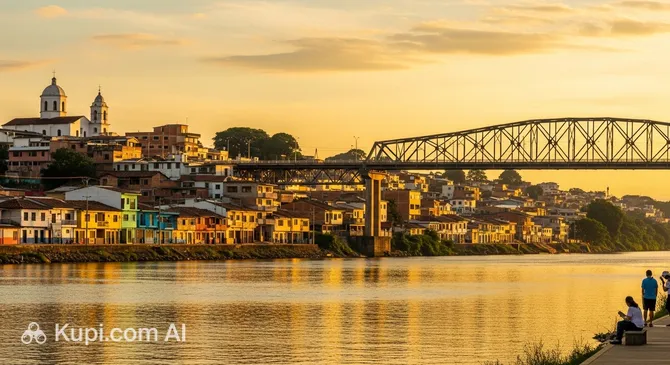
Arauca. Source: Kupi.Binoculars

The city is renowned for its warm, tropical climate and its deep-rooted "Llanero" culture. Exploring the history of Arauca offers a glimpse into a past defined by cattle ranching, river navigation, and the resilience of the plains people. This heritage is proudly preserved in the daily life of the locals, who celebrate their identity through the fast-paced rhythms of Joropo music and the soulful sounds of the harp.

Travelers visiting Arauca can enjoy a variety of unique experiences. The Malecón Ecoturístico is a favorite spot for locals and tourists alike, offering a scenic walkway along the river that is perfect for watching spectacular sunsets. The region is also a paradise for nature lovers, providing excellent opportunities for birdwatching and spotting native wildlife like capybaras and red howler monkeys in the surrounding wetlands.

Whether you are eager to taste the traditional carne a la llanera (roasted meat), witness a local rodeo, or simply admire the sweeping landscapes of the Orinoquía region, Arauca promises an unforgettable adventure. It is an ideal destination for those looking to discover the authentic heart and hospitality of the Colombian plains.

Weather Overview

Arauca experiences a tropical climate characterized by consistently warm to hot temperatures throughout the year. The weather is generally humid, with average monthly temperatures fluctuating between roughly 26°C and 30°C. The hottest time of the year typically occurs in March, where average temperatures reach 29.6°C and daily highs can climb to 34.1°C.

The year is divided into two distinct seasons based on precipitation. The dry season runs from December through March, offering sunny skies and very few wet days; February, for instance, sees almost no rain. In contrast, the wet season spans from April to November, with rainfall becoming quite frequent. During the peak of this season in June, you might encounter up to 27 wet days in a single month, although the temperatures remain pleasant, averaging around 26.1°C.

Overall, you can expect warm conditions year-round with a clear shift between dry winters and rainy summers. For a more detailed breakdown of seasonal patterns and what to pack, you can consult the full guide to the weather in Arauca.

Interesting Facts

Beyond the main attractions and the bustling riverfront, Arauca holds fascinating secrets that reveal the deep cultural soul of the Eastern Plains. This city is not just a geographical point on the map but a place where legends and traditions are woven into the daily lives of its inhabitants.

  • The Legend of the Bocachico: A popular local saying warns visitors about the region's enchanting power. It is believed that if you eat the head of a bocachico, a fish native to the river, you will fall in love with Arauca and stay forever, or at the very least, be destined to return one day.

  • A City of Harps: While many places in Colombia enjoy traditional music, Arauca is considered one of the purest cradles of the Joropo. The harp is not just an instrument here but a cultural symbol, and it is common to find children mastering complex melodies on this stringed instrument from a very young age.

  • The Infinite Horizon: The topography around the city is so flat that locals often claim you can see the curvature of the earth. This unique geography allows for some of the most spectacular sunrises and sunsets in the country, where the sun appears to rise and set directly from the grassy plains rather than behind mountains.

  • Indigenous Roots: The city derives its name from the Arauca people, an indigenous tribe that originally inhabited the savannas near the river. This name serves as a lasting tribute to the native populations that thrived in the Orinoquía region long before modern borders were drawn.

How to Get There

Reaching this destination in the Eastern Plains requires some planning, as it is located in a remote region near the Venezuelan border. The primary and most convenient way to access the city is via Santiago Pérez Quiroz Airport (AUC), located directly within the municipality. This local airport connects the region with major Colombian hubs, offering the fastest route for visitors. For a comprehensive look at all available routes and transport methods, you can read more about how to get to Arauca.

Travelers unable to fly directly into the city often use airports in neighboring departments, though this involves significant ground travel. The closest alternative is Los Colonizadores in Saravena, situated approximately 127 km away. For those seeking more flight connections, Camilo Daza International Airport in Cúcuta and Palonegro International Airport in Bucaramanga are major options. However, these are located roughly 220 km and 273 km away respectively, requiring drives of 6 to 7 hours or more. Another possibility is El Yopal Airport in Casanare, located about 268 km to the south.

For clarity, here is a summary of the main airports in the vicinity:

Airport Name City Distance (km)
Los Colonizadores Saravena 127.5
San Antonio San Antonio del Tachira 208.8
Camilo Daza International Airport Cúcuta 220.0
El Yopal Airport Yopal 268.5
Palonegro International Airport Bucaramanga 273.4

Currently, there are no railway stations serving Arauca or the immediate surrounding area. The region relies primarily on air and road transport. Travelers are advised to check bus schedules or arrange private transfers if arriving at one of the alternative airports to reach the city comfortably.

Main Attractions

Arauca offers a variety of fascinating spots that reflect its rich "Llanero" heritage and its unique position on the border of Colombia and Venezuela. The city’s attractions blend historical significance with natural beauty, providing visitors with an authentic taste of life in the Eastern Plains.

Catedral Santa Bárbara is the spiritual heart of the city and a must-visit for history enthusiasts. Located on the very site where the city was founded, this cathedral is dedicated to the patron saint of Arauca. Its architecture, which was significantly reconstructed in the early 20th century, stands as a testament to the region's religious devotion. The interior features beautiful stained glass and a peaceful atmosphere, making it a perfect place for quiet reflection amidst the bustling city center.

For those who love nature and scenic views, the Malecón Ecoturístico is the city's most vibrant gathering place. Stretching along the banks of the Arauca River, this riverside walkway offers spectacular views of the sunset over the plains and the neighboring country of Venezuela. It is an excellent spot for a leisurely stroll, where you can admire local monuments such as the tribute to the Capybara and the Iguana, or simply enjoy the refreshing river breeze. If you are lucky, you might even spot "toninas" (freshwater dolphins) in the river waters.

Fórum de los Libertadores serves as the cultural epicenter of Arauca, hosting major events and artistic performances throughout the year. This acoustic shell and park area is a tribute to the heroes of independence and a venue where the community comes together to celebrate their folklore. It is a fantastic place to experience the local culture firsthand, especially during festivals when the sounds of harp, cuatro, and maracas fill the air.

Another key landmark is Parque Simón Bolívar, the city's main square. Surrounded by important government buildings and shaded by large trees, it is a hub of daily life in Arauca. The park features a statue of the Liberator and offers a relaxing environment where tourists can sit and observe the local pace of life. It is often the starting point for exploring the surrounding streets, which are lined with shops and cafes serving traditional local snacks.

Local Cuisine

The local cuisine of Arauca is a proud reflection of the Llanero (plainsman) lifestyle, characterized by hearty, rustic flavors and a deep connection to cattle ranching. The food here is designed to fuel long days of work on the savannas, with beef and river fish taking center stage. For any visitor, dining in this region is not just about sustenance; it is a cultural immersion into the traditions of the Orinoquía.

The undisputed king of the local table is Carne a la Llanera, also known as mamona. This traditional dish consists of veal cuts seasoned simply with salt and slow-roasted over a wood fire on long metal skewers. The result is smoky, tender meat that is typically served with boiled cassava (yuca) and savory plantains. Another staple dish is the Picillo, a rich soup made from sun-dried beef (carne seca) that has been shredded and cooked with pumpkin, green plantains, and spices, offering a unique taste of the region's preservation techniques.

Given the city's location on the banks of a major river, freshwater fish is also a significant part of the diet. Local species such as bagre (catfish), bocachico, and cachama are freshly caught and prepared in various ways, often fried or stewed in a tomato and onion sauce known as sudado. These meals are frequently accompanied by topocho, a variety of small plantain that is boiled or fried and serves as the region's bread.

To quench your thirst in the tropical heat, you must try the traditional beverages of Arauca. Majule is a thick, sweet drink made from ripe cooked plantains, often mixed with milk or water and curd. For something more refreshing, look for Vinete, a fermented drink derived from the sap of the wine palm, which has a distinct flavor profile beloved by locals.

The food culture in Arauca is communal and relaxed. The best places to eat are often open-air asaderos (grill houses) where the smell of roasting meat fills the air. For a scenic dining experience, the area along the river offers spots where you can enjoy fresh fish while watching the water flow by. Whether you are eating at a bustling market stall or a family-run restaurant, the portions are generous, and the hospitality is warm.

Travel Tips

Visiting Arauca offers a unique glimpse into the soul of the Colombian plains, but like any off-the-beaten-path destination, it requires a bit of specific preparation to ensure a comfortable trip. These practical tips will help you navigate the local climate, logistics, and customs, allowing you to focus on the region's natural beauty and cultural richness.

  1. Clothing and Gear: Given the tropical heat and humidity, prioritize lightweight, breathable fabrics like cotton or linen. A wide-brimmed hat, good sunglasses, and high-SPF sunscreen are essential to protect against the strong equatorial sun. Since the region is surrounded by wetlands and rivers, packing a strong insect repellent is crucial, and long-sleeved shirts are recommended for the evenings to ward off mosquitoes.

  2. Transportation: Within the city, the most common and agile way to get around is by taxi or the ubiquitous motorcycle taxis (mototaxis) used by locals for short distances. While the city center is walkable, the heat often makes motorized transport preferable. If you plan to explore the outskirts, it is best to hire a trusted taxi service or arrange transport through your hotel rather than renting a car yourself.

  3. Finances: The official currency is the Colombian Peso (COP). While some larger hotels and supermarkets in the city center accept credit cards, cash is king in Arauca, especially for smaller restaurants, transport, and street vendors. ATMs from major banks like Bancolombia and Banco de Bogotá are available in the downtown area, so it is wise to withdraw sufficient cash there before heading to more remote spots.

  4. Health and Safety: Pharmacies (droguerías) are readily available in the city center for basic needs. As a precaution, drink only bottled or purified water to avoid stomach issues. Regarding safety, stick to populated, well-lit areas and established tourist zones like the Malecón. It is advisable to avoid traveling on rural roads after dark and to always carry a copy of your identification, as checkpoints are common in border regions.

  5. Communication: The primary language is Spanish, and English is not widely spoken outside of major hotels. Learning a few basic phrases or downloading an offline translation app will be very helpful. For connectivity, purchasing a local SIM card (Claro, Movistar, or Tigo) is recommended, as Wi-Fi can be intermittent in public spaces, though most hotels provide decent connections.

  6. Local Etiquette: The people of the plains, or Llaneros, are known for their hospitality and directness. It is polite to greet people with a friendly "Buenos días" or "Buenas" when entering a shop or boarding transport. If you are offered food or coffee, accepting it is seen as a gesture of respect and friendship.

  7. What to Avoid: Avoid taking photographs of military or police personnel and government buildings without permission, as security protocols can be strict in this border area. Additionally, do not cross the international bridge to Venezuela unless you have the proper documentation and a specific reason, as border regulations can change frequently.

  8. Midday Break: Be aware that due to the intense midday heat, many local businesses and smaller shops may close for a "siesta" between 12:00 PM and 2:00 PM. Plan your shopping or errands for the morning or late afternoon when the city comes back to life and the temperature is more pleasant.

By keeping these practicalities in mind, you will be well-equipped to enjoy the authentic charm of Arauca. Embrace the slow pace of the plains, savor the local gastronomy, and let the legendary sunsets provide the perfect backdrop to your adventure.

Entertainment & Nightlife

As the sun sets over the vast plains, the heat of the day gives way to a vibrant and energetic atmosphere in Arauca. The nightlife here is a lively reflection of the local culture, where the traditional sounds of the harp and maracas often blend with modern Caribbean rhythms and crossover hits. For tourists, the evening typically begins with a refreshing breeze along the river and evolves into a night of music, dancing, and socializing in the city's bustling centers.

The heart of the action can often be found along the central avenues and the area surrounding the Malecón Ecoturístico. While the Malecón is perfect for an early evening walk to enjoy street food and open-air refreshments, the later nightlife scene shifts towards specific entertainment districts. The streets near Carrera 24 and Avenida Ciudad de Arauca are known for hosting a variety of establishments, ranging from relaxed gastro-pubs to energetic dance halls.

For those looking to experience the local party scene, IBIZA Disco Club is a well-known venue where locals and visitors alike gather to dance the night away. It offers a high-energy environment with a mix of salsa, vallenato, and reggaeton. If you prefer a place that combines culture with a trendy atmosphere, La Caporala is an excellent choice. Often described as a "fashionable" spot in the capital, it blends art, gastronomy, and drinks, making it a perfect setting for starting the night with friends in a slightly more sophisticated setting.

Another popular option for a relaxed drink is El Gibbor GastroBar, where you can enjoy a variety of beverages and snacks in a welcoming environment. The dress code in most of these venues is "tropical casual"—light, comfortable clothing is the norm, though people tend to dress up a bit more for the clubs. Prices are generally quite affordable compared to larger Colombian metropolises, allowing you to enjoy a full night out without breaking the bank.

When enjoying the nightlife, safety and logistics are important. The best time to head out is around 9:00 PM, though clubs typically fill up later. For transportation, it is highly recommended to use official taxis rather than walking long distances at night, even within the city center. Most venues can easily call a cab for you. While the main tourist zones are generally safe for evening activities, it is wise to stay in well-lit, populated areas and avoid the outskirts of the city after dark.

Before the nightlife kicks in, Arauca offers pleasant daytime entertainment options. Families and thrill-seekers can visit Acuaparque Las Toninas, a water park that provides a fun escape from the midday heat with its pools and slides. Additionally, the city frequently hosts cultural events at the Fórum de los Libertadores, where you might catch a daytime rehearsal or a folklore presentation, offering a deeper connection to the region's artistic heritage.

Parks & Museums

While the riverside boardwalk and central plazas are well-known, Arauca hides other gems that offer a deeper dive into the region's biodiversity and artistic soul. Travelers venturing into this part of Colombia will find that the city's commitment to preserving its heritage and environment extends to specialized venues dedicated to education and conservation.

For a truly immersive nature experience, the Parque Ecológico del Llano is an essential stop. Unlike the landscaped urban parks, this ecological reserve is designed to bring visitors face-to-face with the native flora and fauna of the wetlands. It serves as a sanctuary where the transition between the city and the wild savanna is blurred, offering trails that allow for quiet observation of local bird species and the lush vegetation typical of the Orinoquía. It is a peaceful retreat, ideal for those seeking a break from the tropical heat amidst the authentic sounds of nature.

On the cultural front, the Casa de la Cultura stands as the guardian of the Llanero identity. While other venues in the city host large festivals, this institution is where the traditions are cultivated daily. It acts as a vibrant school and exhibition center where the sounds of the harp, cuatro, and maracas resonate through the halls. Visitors can often witness workshops on traditional dance and music, gaining an appreciation for the skill required to master the fast-paced Joropo. It is the best place to understand the artistic roots that define the people of the plains.

Getting Around

The public transport system in Arauca is straightforward and informal, reflecting the city's size and the laid-back culture of the plains. Unlike larger metropolises, there is no metro, tram, or extensive train network here. Instead, the city relies on a mix of road-based options that allow locals and visitors to navigate the urban area and its surroundings efficiently.

The most popular and distinctive way to get around is by mototaxi. These motorcycle taxis are ubiquitous in the region and offer a quick, breezy way to travel through the warm streets. They are ideal for short trips and for solo travelers who want to move like a local. However, they operate informally, so there are no tickets or passes; you simply hail one on the street and hop on.

For those seeking more comfort and air conditioning—a significant plus given the tropical heat—yellow taxis are the best alternative. They are readily available throughout the city, especially near the airport, the bus terminal, and the main square. While some may use meters, it is common practice in smaller cities to have fixed rates for specific zones or "carreras." It is always advisable to confirm the fare with the driver before starting your journey to avoid misunderstandings.

Small collective buses, often referred to as busetas or colectivos, cover specific routes along the main avenues. These are the most economical option for getting around, though schedules can be flexible. There is no digital payment system or travel card for these buses; payment is made exclusively in cash directly to the driver or an assistant upon boarding. Fares are low, usually amounting to a few thousand pesos.

Regarding payment, cash is king for all forms of transport in Arauca. Tourists should always carry small denominations of the local currency, as drivers of taxis, mototaxis, and buses often struggle to make change for large bills. Ride-sharing apps are not widely established or reliable in this area compared to the capital, so relying on traditional hailing methods or asking your hotel to call a vehicle is the standard procedure.

Given the flat topography of the city, walking is a viable option for short distances within the city center, particularly in the early morning or late afternoon. However, due to the intense midday sun, most visitors prefer motorized transport during peak heat hours. Bicycle rentals are not a major organized industry, but the flat terrain makes cycling an easy way to move around if you can secure a bike from a local accommodation.

Finally, a unique aspect of transport here is the use of small boats or canoas on the river. While primarily used for cross-border movement, they are also a part of the local landscape. If you choose to use river transport for sightseeing along the banks, ensure you use authorized operators at the designated docks to ensure safety and compliance with local regulations.

Accommodation

Accommodation in Arauca is primarily designed to cater to business travelers and visitors attending local cultural festivities, rather than mass tourism. Consequently, you will not find sprawling luxury resorts or international all-inclusive chains here. Instead, the city offers a range of practical and comfortable options, including mid-range hotels, family-run guesthouses, and budget-friendly hostels. The hospitality sector is growing, focusing on providing clean, safe, and functional environments for a good night's rest.

The most convenient area to stay is undoubtedly the city center (El Centro). Choosing a hotel in this district places you within walking distance of key landmarks such as the Catedral Santa Bárbara and the bustling Parque Simón Bolívar. Staying centrally also means easy access to banks, restaurants, and the scenic Malecón Ecoturístico along the river, allowing you to explore the city's main attractions on foot without relying constantly on transport.

Given the region's tropical climate, the most important amenity to look for when booking is air conditioning. While evenings can be breezy near the river, the daytime heat and humidity can be intense, making a cool room essential for comfort. Most reputable hotels in the mid-range category also provide Wi-Fi and private bathrooms, though hot water showers are not always standard—nor are they usually missed in such warm weather.

Regarding costs, accommodation in Arauca is generally very affordable compared to Colombia's major tourist hubs like Cartagena or Medellín. Prices typically fall into the budget to mid-range categories. While some of the larger, more established hotels appear on major international booking platforms, many smaller hospedajes and hostels still operate offline. For these, it is often best to book directly by phone or via messaging apps. If you plan to visit during the Fiestas Patronales de Santa Bárbara in December, it is highly recommended to secure your room well in advance, as the city fills up quickly with visitors from across the plains.

Nearby Cities

Arauca is situated in a vast and relatively remote region of the Eastern Plains, where the distance between urban settlements can be significant. The city acts as a primary hub for the department, but travelers looking to explore beyond its immediate surroundings will find that the nearest major towns and cities require a journey across the savannas or towards the foothills of the Andes.

The closest significant municipality in the vicinity is Tame, located approximately 132 km away within the same department. Known for its historical importance to Colombian independence, it serves as a key connecting point in the region. Further west, crossing into the mountainous terrain of Norte de Santander, lies the major metropolitan area of Cúcuta. Along with its neighboring municipalities of Villa del Rosario and Los Patios, this cluster of cities is located roughly 215 km away and offers a bustling urban contrast to the quiet of the plains.

For those planning a road trip or looking for the next stop on their itinerary, here is a list of nearby cities, their populations, and their approximate distances from Arauca:

City Distance (km) Population
Tame 132 53,266
Villa del Rosario 212 69,833
Los Patios 215 80,235
Pamplona 217 58,975
Cúcuta 217 750,000

Travelers should keep in mind that while the distances might seem moderate, travel times in the Orinoquía region can vary depending on road conditions and the season. The route towards Pamplona and Cúcuta involves a transition from the flat plains to the winding roads of the Eastern Cordillera, offering a scenic change in landscape but requiring careful driving.

Shopping & Souvenirs

Shopping in Arauca offers a distinct experience that reflects its status as a bustling border city and the capital of the department. Unlike the high-end luxury retail found in Colombia's larger metropolises, the commercial scene here is driven by practical local needs and the vibrant trade typical of the region. Visitors will find a mix of imported goods, affordable clothing, and, most importantly, authentic items that represent the rich Llanero culture.

The primary commercial activity is concentrated in the downtown area, known locally as El Centro. The most active shopping zones are found along the main thoroughfares such as Carrera 19 and Carrera 20. These bustling streets are lined with a wide variety of small shops, pharmacies, shoe stores, and boutiques. It is a walkable district where the energy of the city is palpable, and you can find everything from electronics to everyday essentials while soaking in the local atmosphere.

Travelers looking for large, modern shopping malls might be surprised to find that Arauca relies more on smaller commercial galleries and shopping arcades. While you won't find sprawling complexes with international chain stores, there are several shopping centers (centros comerciales) in the central district that house collections of independent vendors. These spots are excellent for finding clothing, accessories, and technology at competitive prices, often offering a more air-conditioned respite from the outdoor heat.

For a taste of local life, the Plaza de Mercado (Central Market) is an essential stop. This is where the city's agricultural heart beats, offering an explosion of colors and smells. Here, you can see the bounty of the region, from fresh tropical fruits to the daily catch of fish from the Arauca River. While it is primarily a food market, it is also a great place to observe the daily interactions of the locals and perhaps find small household items or traditional snacks.

When it comes to souvenirs, Arauca is the perfect place to purchase authentic Llanero handicrafts. The most iconic item to bring home is the Sombrero Llanero, a hat distinct from those in other parts of the country, traditionally used by cattle herders. Another must-buy is a pair of cotizas, the traditional woven sandals of the plains. Additionally, the region is famous for its chinchorros (artisanal hammocks), which are incredibly durable and comfortable, as well as high-quality leather goods like belts and wallets resulting from the area's strong cattle industry.

Store opening hours in Arauca typically follow a split schedule due to the tropical climate. Most shops open early, around 8:00 AM or 9:00 AM, and close for a midday break (siesta) between 12:00 PM and 2:00 PM to avoid the peak heat. Business resumes in the afternoon until roughly 7:00 PM. Regarding payment, cash is the preferred method for most transactions, especially in smaller shops and markets. While some larger establishments in the city center may accept credit cards, it is highly advisable to carry sufficient Colombian Pesos.

Regarding tax-free shopping, Colombia does have a VAT refund system for foreign tourists on certain purchases. However, this is generally applicable in large chain stores and international brands that can issue the specific electronic invoices required for the refund. In a smaller city like Arauca, finding participating merchants may be difficult, so it is best not to rely on this benefit for your local shopping.
Reached the end of the page?

That means the route is fully explored