Support

La Fria

About

La Fría is a vibrant and bustling city located in the northern part of the Táchira state in Venezuela. Serving as a vital commercial hub and a strategic crossroads, this city offers a unique glimpse into the daily life and energy of the region. With a population of approximately 120,000 inhabitants, it acts as an important gateway connecting the Venezuelan Andes with the Lake Maracaibo basin and the border areas.

Despite its name, which translates to "The Cold One," the city is known for its warm, tropical climate and lush surroundings. It is geographically situated in a fertile valley, making it a key center for agriculture and livestock in the state. Travelers interested in the history of La Fría will find that its development has been closely tied to its position along major trade routes and the establishment of transport infrastructure that links various parts of the country.

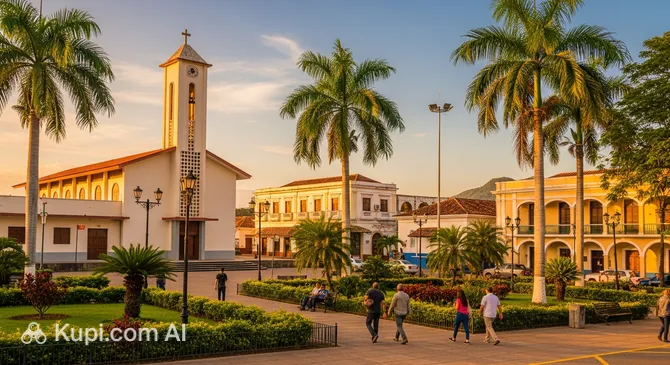
La Fria. Source: Kupi.Binoculars

While often viewed as a transit point, La Fría has its own charm and distinct features that attract visitors. It is an excellent starting point for exploring the majestic Venezuelan Andes, offering easy access to nearby mountain towns and natural landscapes. Within the city, the local atmosphere is characterized by lively markets and streets filled with trade, where visitors can experience authentic local culture and try traditional Andean cuisine blended with tropical flavors.

Whether you are passing through on your way to the mountains or stopping to experience the local commerce, La Fría welcomes you with open arms. It is a place where the warmth of the people matches the tropical weather, inviting you to discover a dynamic side of the Táchira region.

Weather Overview

La Fría experiences a tropical climate that remains consistently warm throughout the year, standing in contrast to its name. Visitors can expect average temperatures to hover comfortably between 24.9°C and 26.4°C. The days are generally hot, with maximum temperatures frequently reaching up to 31.0°C in September, while the evenings offer a mild respite with minimums settling around 20°C to 22°C.

When planning your trip, it is important to consider the local precipitation patterns. The detailed weather in La Fria shows that rainfall is a common occurrence, with a high number of wet days recorded every month. The period from May to October is particularly active, often seeing rain on nearly every day of the month, although the actual volume of precipitation remains relatively moderate. Expect warm, humid conditions year-round with frequent showers that contribute to the region's lush greenery.

Interesting Facts

Beyond the main attractions and commercial activity, La Fría holds fascinating secrets and historical details that reveal the city's unique character.
  • The city's existence is deeply rooted in the history of the Great Táchira Railway (Gran Ferrocarril del Táchira). In the late 19th and early 20th centuries, La Fría developed rapidly as a crucial terminal for this railway line, which was designed to transport coffee from the high Andean mountains to Lake Maracaibo for international export, effectively putting the region on the global trade map.

  • There is a popular local legend regarding the origin of the city's name, which translates to "The Cold One." It is believed to be named after the Quebrada La Fría, a specific creek where historical travelers and muleteers would stop to bathe and cool off. The water was refreshingly cold, providing a stark and memorable contrast to the sweltering tropical heat of the surrounding valley.

  • Unlike most cities in the Andean region, which are nestled in narrow valleys with difficult terrain, La Fría sits on a flat plain. This unique geography allows its airport, Francisco García de Hevia, to accommodate larger aircraft that cannot land in the mountainous capital of San Cristóbal, making it a strategic, albeit unexpected, gateway to the Venezuelan Andes.

How to Get There

Planning a trip to this bustling commercial hub in Táchira requires some logistical preparation. To help you organize your journey efficiently, you can read more about how to get to La Fria and choose the route that best suits your itinerary.

One of the most convenient regional gateways is the Camilo Daza International Airport (CUC) located in Cúcuta. It is situated approximately 42.8 km from La Fria. The transfer by taxi or bus typically takes around 1 hour and 25 minutes, making it a popular choice due to its proximity and medium passenger traffic.

Another close option is the San Antonio airport (SVZ) in San Antonio del Tachira. Located roughly 46.2 km away, the journey by road usually takes about 1 hour and 30 minutes. This facility serves as a key access point for those traveling within the border region.

For those seeking a major international hub with extensive connections, La Chinita Airport (MAR) in Maracaibo is a significant alternative. Although it is located 265.5 km away, requiring a longer transfer time of approximately 7 hours, it handles high passenger traffic and offers a wider range of flights.

For clarity, here is a summary of the main airports in the wider region:

Airport Name City Passenger Traffic Km from City
Camilo Daza International Airport Cúcuta Medium 42.8
San Antonio San Antonio del Tachira Small 46.2
Los Colonizadores Saravena - 145.9
Palonegro International Airport Bucaramanga High 158.4
La Chinita Airport Maracaibo High 265.5

Main Attractions

While La Fría is primarily known as a commercial crossroads and a transit hub, it possesses a distinct local charm that invites travelers to pause and explore. The city may not be famous for monumental tourist sites, but its vibrant daily life and specific landmarks offer a genuine taste of the Táchira region's culture and atmosphere.

The heart of the city beats at the Plaza Bolívar. Like in many Venezuelan towns, this square serves as the main social gathering point for locals and visitors alike. Shaded by large trees that offer respite from the tropical heat, it is an excellent spot to observe the local lifestyle, enjoy a quiet moment, or simply watch the world go by. The plaza is well-maintained and features the traditional statue of Simón Bolívar, making it a central landmark for orientation and relaxation.

Just a short distance from the main square stands the Iglesia Sagrado Corazón de Jesús. This church is not only the spiritual center of the community but also a significant architectural reference in the city. Visitors can appreciate its peaceful interior and the devotion of the local parishioners. It stands as a testament to the town's growth and history, having evolved from humble beginnings to become the primary parish for the residents of La Fría.

Given the city's warm tropical climate, one of the most popular activities for both locals and tourists is visiting the nearby natural river spots. The region is crisscrossed by waterways such as the Río Grita and the Quebrada La Fría. These "balnearios" or bathing spots are favorite weekend destinations where families gather to cool off, cook traditional soups, and enjoy the lush vegetation that surrounds the water, offering a refreshing break from the high temperatures.

For those interested in local recreation, the Parque Bolivariano, also locally known as Parque Los Monos, is a key green space in the city. It is a hub for sports and exercise, where residents come to jog, walk, or engage in outdoor activities. It provides a glimpse into the active side of the community and offers a pleasant environment for a morning or afternoon stroll amidst the bustle of the city.

Local Cuisine

The local cuisine in La Fría offers a fascinating blend of traditional Andean flavors and the hearty, rustic dishes typical of the Venezuelan tropics. As a major livestock and agricultural center, the city is an excellent place to enjoy high-quality fresh ingredients, particularly beef and dairy products, which form the backbone of many local meals.

One of the must-try specialties in the region is Carne en Vara. Given the city's role in the cattle industry, you will find numerous roadside restaurants and steakhouses serving this delicious dish, where cuts of beef are seasoned simply with salt and slow-roasted on wooden sticks over an open wood fire. It is typically served with boiled yuca, guasacaca (a savory avocado sauce), and fresh cheese. Another regional favorite is the Andean pastelito, a round, deep-fried pastry made from wheat flour and filled with a mixture of ground meat, rice, and vegetables, often eaten for breakfast or as an afternoon snack.

Despite the tropical heat, the culinary traditions of the Táchira state are strong here. You will likely encounter the famous Arepa Andina, which distinguishes itself from the rest of the country by being made of wheat flour rather than corn. Locals often enjoy these with "natilla" (a type of sour cream) and soft white cheese. For breakfast, the brave might try Pisca Andina, a coriander and potato soup with milk and cheese, traditionally eaten to warm up in the Andes, but beloved throughout the state regardless of the temperature.

When it comes to drinks, the local culture offers both refreshing and potent options. To beat the daily heat, locals rely on Papelón con Limón, a revitalizing drink made from hardened sugar cane juice and lime. On the spirited side, the region is famous for Miche Andino, a strong fennel-flavored aguardiente (liquor). It is often artisanal and can be found in various flavors, known as "cocteles," mixed with passion fruit or blackberries.

The food scene in La Fría is casual and unpretentious. Most tourists and locals eat at open-air markets or family-run establishments known as "taguaras," where the portions are generous and the atmosphere is welcoming. The Mercado Municipal is a hub of activity where you can see the fresh produce arriving from the countryside and sample authentic street food prepared right in front of you.

Travel Tips

Visiting La Fría offers a unique opportunity to experience the bustling energy of the Venezuelan border region, but a smooth trip requires some practical preparation. To help you navigate the local customs and logistics with ease, here are some essential tips for your stay.

  1. Dress for the Tropical Heat: Despite the name "The Cold One," the city is hot and humid year-round. Pack lightweight, breathable clothing made of cotton or linen to stay comfortable. Since rain showers are frequent, especially in the afternoons, carrying a compact umbrella or a light rain poncho is highly recommended.

  2. Navigating the City: Public transportation consists mainly of buses and shared vans ("busetas"), which are affordable but can be crowded. For short distances, mototaxis are a very common and fast way to get around, though you should always ask for a helmet. Standard taxis are available; since they rarely use meters, negotiate and agree on the fare before getting into the vehicle.

  3. Currency and Cash: While the official currency is the Venezuelan Bolívar (VES), the Colombian Peso (COP) is widely used and accepted in Táchira state due to its proximity to the border. US Dollars (USD) are also common. It is crucial to carry cash in small denominations, as electronic payments and international cards may not work in smaller shops or during power outages.

  4. Health and Hydration: Due to the tropical climate, staying hydrated is vital, but you should avoid drinking tap water. Always opt for sealed bottled water. Additionally, carry insect repellent to protect yourself from mosquitoes, especially if you plan to visit the nearby rivers or spend time outdoors in the evening.

  5. Communication Essentials: Spanish is the primary language, and English is not widely spoken outside of major hotels. It is helpful to learn basic phrases or download an offline translation app. For mobile connectivity, purchasing a local SIM card (Movistar or Digitel) is recommended, as Wi-Fi can be intermittent.

  6. Local Etiquette: Venezuelans are generally warm and polite. It is customary to greet people with a "Buenos días" (Good morning) or "Buenas tardes" (Good afternoon) when entering a shop or boarding a taxi. A handshake is standard for new acquaintances, while a cheek kiss is common among friends.

  7. What to Avoid: refrain from taking photographs of military personnel, police checkpoints, or government buildings. As a border region with a strategic airport, security can be strict, and unauthorized photography may lead to unnecessary questioning or confiscation of your device.

  8. Be Prepared for Power Cuts: Electrical fluctuations can occur in the region. It is a smart "life hack" to bring a high-capacity power bank to keep your phone charged, and perhaps a small flashlight, ensuring you are never left in the dark during a temporary outage.

By keeping these practical tips in mind, you will be well-equipped to handle the local dynamics and focus on enjoying your visit. La Fría is a place of movement and commerce, and with a little preparation, you can navigate it like a seasoned traveler.

Entertainment & Nightlife

Nightlife in La Fría reflects the city's energetic and commercial character, offering a vibrant yet distinctly local experience. As the sun sets and the tropical heat begins to subside, the streets come alive with music and social activity. The atmosphere is casual and unpretentious, dominated by the rhythms of vallenato, salsa, and merengue, which spill out from open-air venues. Due to the proximity to the Colombian border, the cultural influence is strong, and nights here are often defined by lively gatherings where dancing and socializing take precedence over high-end glamour.

The entertainment scene is primarily centered around "tascas"—establishments that function as a hybrid between a restaurant, a bar, and a dance hall. These venues are popular among locals for enjoying a cold beer or "polar" while sharing platters of food. Another unique feature of the local nightlife is the culture of licorerías (liquor stores). Unlike in many other countries, it is common here for people to buy drinks and socialize right outside the shop or in designated seating areas, creating a spontaneous street party vibe that is welcoming to visitors.

Most of the evening activity is concentrated along the main commercial avenues and near the Plaza Bolívar. While there isn't a single designated "nightlife district," the areas surrounding the major hotels and the Pan-American highway often host the busiest spots. Travelers looking for a more relaxed evening might prefer the bars located within the city's larger hotels, which offer a quieter environment suitable for conversation and enjoying a glass of local rum or Miche Andino.

For those planning a night out, practical preparation is key. The best time to head out is after 8:00 PM, when the temperature drops. The dress code is almost exclusively casual; light fabrics and comfortable shoes are the norm. Prices are generally affordable, but it is essential to carry cash in small denominations—either US Dollars or Colombian Pesos—as card terminals can be unreliable late at night. For safety, it is highly recommended to use trusted taxi services arranged by your hotel rather than hailing cabs on the street, and to avoid walking alone in poorly lit areas after dark.

During the day, entertainment options in La Fría are more modest compared to larger metropolises. You won't find large opera houses or extensive museum complexes here. Instead, daytime leisure is often family-oriented, revolving around local social clubs with swimming pools or the nearby natural river spots mentioned earlier. For a taste of local culture, the bustling markets serve as a living museum of trade and daily life, offering an immersive experience that replaces the need for traditional tourist attractions.

Parks & Museums

While La Fría is predominantly a commercial and transit hub, the city offers several refreshing green spaces and cultural corners where visitors can escape the tropical heat and connect with the local heritage. The town's approach to leisure is deeply intertwined with the outdoors, and its cultural expressions are often found in community centers and architectural landmarks rather than traditional museum halls.

Parque Bolivariano, affectionately known by locals as Parque Los Monos, stands as the city's primary recreational lung. This urban park is characterized by its tall, leafy trees which provide essential shade, making it a favorite refuge during the hottest hours of the day. It is designed to accommodate families and fitness enthusiasts alike, featuring walkways and open areas where children play and residents gather for social events. The park's greenery offers a pleasant contrast to the busy streets, creating a peaceful environment for relaxation.

Another significant green area is the central Plaza Bolívar. More than just a civic square, it functions as a carefully maintained garden in the heart of the city. The plaza is surrounded by native vegetation and ornamental plants that thrive in the humid climate. It serves as a natural meeting point where the community interacts, surrounded by the sights and sounds of the local birdlife that inhabits the canopy above.

For a true immersion in nature, visitors often look beyond the city limits to the surrounding natural riverbanks. The lush vegetation along the Río Grita and other local waterways acts as a natural park system. These areas are rich in tropical flora and offer a raw, unmanicured experience of the region's biodiversity. The river corridors are excellent for observing local plant species and enjoying the scenic beauty of the Táchira lowlands.

In terms of museums, La Fría does not boast large formal institutions or art galleries. Instead, the cultural pulse of the city is maintained through the Casa de la Cultura. This community venue typically hosts local art exhibitions, music workshops, and theatrical performances. It serves as the guardian of local traditions, offering a space where the unique Andean-tropical identity of the residents is expressed and preserved.

The history of the city is best observed through its architectural and industrial legacy. The Iglesia Sagrado Corazón de Jesús remains the most prominent architectural landmark, reflecting the religious devotion that shapes the local culture. Additionally, history enthusiasts can trace the remnants of the Great Táchira Railway era. Although the trains no longer run, the layout of the city and certain older structures whisper stories of the time when La Fría was a booming coffee export terminal, serving as an open-air testament to its industrial past.

For an authentic experience, ask locals about the nearest "pozo" or swimming hole along the creeks. These hidden spots, often tucked away down dirt paths, are where the true spirit of the region comes alive, offering a pristine natural setting far removed from the commercial hustle of the town center.

Getting Around

The public transport system in La Fría is straightforward and relies heavily on road-based vehicles. Unlike larger metropolises, the city does not have a metro, tram, or trolleybus network. Instead, the local mobility infrastructure is built around a network of buses, minibuses, and motorcycles that navigate the relatively flat terrain of the city. For a tourist, the system might seem informal compared to European or North American standards, but it is functional and covers most residential and commercial areas efficiently.

The backbone of public transportation consists of busetas (minibuses or vans) and larger buses. These vehicles operate on fixed routes that typically run along the main avenues and connect the city center with outlying neighborhoods. There are no digital maps or official apps to track arrival times; instead, routes are usually displayed on a cardboard sign in the windshield indicating the destination. Stops are often flexible; while there are designated "paradas," drivers will frequently stop to let passengers on or off if signaled from the roadside.

One of the most characteristic features of transport in La Fría, and indeed throughout the region, is the widespread use of mototaxis (motorcycle taxis). These are an extremely popular alternative for short distances, offering a fast and breezy way to cut through traffic in the tropical heat. Riders usually wear identifying vests (chalecos) associated with a specific cooperative or "línea." While they are convenient and inexpensive, it is essential for safety to request a helmet and hold on tight, as the driving style can be spirited.

Regarding payment, the system operates exclusively on cash. There are no travel cards, electronic passes, or tap-to-pay systems for public transit here. Fares are generally low, but due to the local economic dynamic, it is common to pay in foreign currency, particularly Colombian Pesos (COP) or small denominations of US Dollars, alongside the local Venezuelan Bolívar. You typically pay the driver or the assistant (known as the "colector") directly upon boarding or when you reach your destination. It is highly advisable to carry small bills and coins, as drivers often struggle to make change for larger banknotes.

For those seeking a more private mode of transport, traditional taxis are available, usually congregating at specific stands known as "líneas" near the Plaza Bolívar, the main market, or the airport. These taxis do not use meters. Therefore, the standard procedure is to negotiate and agree upon the fare with the driver before entering the vehicle. Ride-sharing apps and car-sharing services are not widely established or reliable in La Fría, so relying on established taxi lines or asking your hotel to call a trusted driver is the best practice.

The city is also home to a central hub, the Terminal de Pasajeros, which serves as the focal point for regional travel. While primarily used for intercity buses connecting to San Cristóbal or the border, it is also a good reference point for finding local transport options. Public transport generally operates from early morning, around 6:00 AM, until sunset. Service frequency drops significantly after dark, so if you plan to be out late, it is recommended to arrange private transportation in advance rather than relying on catching a bus or mototaxi on the street.

Accommodation

Accommodation in La Fría is primarily designed to serve the needs of business travelers, traders, and those passing through the region on their way to the Andes or the Colombian border. Consequently, the hospitality landscape focuses on functionality and convenience rather than luxury tourism. Visitors will generally find a range of mid-range hotels and modest guesthouses, known locally as "posadas," which offer essential amenities for a comfortable overnight stay.

The most convenient areas to stay are typically located along the Pan-American Highway (Troncal 1) and the main commercial avenues near the city center. Staying in these zones provides easy access to restaurants, shops, and transport terminals. For travelers with early flights or late arrivals, hotels situated near the Francisco García de Hevia Airport are particularly practical, allowing for quick transfers to and from the terminal.

When choosing a place to stay, it is highly recommended to prioritize facilities that offer air conditioning, as the tropical heat in La Fría can be intense even at night. Additionally, given the regional infrastructure challenges, asking whether the hotel has an electric power generator ("planta eléctrica") is a crucial booking tip. This ensures that your stay remains comfortable and that essential services like lighting and cooling continue to function during temporary power outages.

Regarding costs and booking, the price range in La Fría is generally budget-friendly to moderate. While some larger hotels may appear on international booking platforms, many local establishments operate offline. It is often more effective to book by finding the hotel's contact number and calling directly or sending a message via WhatsApp. Payment is typically expected in cash—either US Dollars or Colombian Pesos—upon arrival, as international credit cards are rarely accepted.

Nearby Cities

For those looking to explore the surroundings, La Fria serves as an excellent base for day trips to several interesting nearby locations.

The closest major destination is San Cristóbal, the capital of Táchira state. Known as the "Cordial City," it is situated just a short drive into the mountains, offering a pleasant change in climate and scenery. Visitors can explore its historic cathedral, vibrant commercial districts, and experience the rich cultural traditions of the Venezuelan Andes without traveling far from La Fría.

For those willing to travel a bit further, the city of Mérida is a highlight of the region. Famous for being a university town surrounded by the highest peaks in the country, it offers breathtaking landscapes and a distinct colonial charm. It is the premier destination for nature lovers and those wishing to see the majestic scenery of the Sierra Nevada.

Another accessible option is El Vigía, a bustling commercial hub located in the neighboring state. While similar in its energetic pace to La Fría, it serves as a gateway to the "Sur del Lago" region, known for its rich agricultural production, particularly plantains and dairy, offering a different taste of local life and cuisine.

City Population Distance (km)
Barinas 816,264 227
Mérida 300,000 124
San Cristobal 285,872 49
Valera 191,167 219
El Vigia 143,000 79

These nearby destinations offer a glimpse into the diverse culture and landscapes of the region.

Shopping & Souvenirs

Shopping in La Fría is a reflection of its status as a busy commercial crossroads connecting the Venezuelan Andes with the border region. The city offers a functional and energetic shopping experience rather than a luxury one. Visitors will find that commerce here is driven by practicality and trade, with a wide variety of shops selling clothing, electronics, and household goods at competitive prices. Due to its proximity to the border, the city is often well-stocked with imported goods, making it a bustling hub for locals and travelers looking for affordable items.

The main commercial activity is concentrated in the Downtown area (El Centro). The streets surrounding the Plaza Bolívar and the main avenues are lined with small independent stores, pharmacies, and hardware shops. This district is always teeming with activity, filled with pedestrians and merchants. Walking through these streets offers a genuine look at the local economy, where music blares from storefronts and vendors display their wares on the sidewalks, creating a lively and somewhat chaotic atmosphere typical of Venezuelan trade towns.

Unlike larger metropolitan areas, La Fría does not feature massive modern shopping malls with international brand franchises. Instead, the retail scene is organized around smaller commercial galleries and shopping arcades. These multi-story buildings house various boutiques and service centers under one roof, offering a cooler, air-conditioned environment to escape the midday sun while browsing for clothes, shoes, or mobile accessories.

For a truly authentic experience, a visit to the Mercado Municipal (Municipal Market) is essential. This is the beating heart of the city's food trade. Given the region's strong agricultural and livestock background, the market is the best place to find fresh local produce. Here, you can see the daily arrival of fruits, vegetables, and meats. It is particularly famous for its beef and dairy sections, reflecting the area's reputation as a major cattle producer.

When it comes to souvenirs, La Fría is best known for its edible goods rather than handicrafts. The most prized local purchases are Andean cheeses, such as the salty "queso blanco" or the smoked "queso ahumado." Another popular item to bring back is chimó, a traditional tobacco paste, though it is an acquired taste. For those looking for something sweet, look for "dulces abrillantados" (glazed sweets) or artisanal guava jams, which are staples of the Táchira state.

Store opening hours in La Fría generally follow a schedule from 8:00 AM to 6:00 PM, Monday through Saturday. Some smaller shops may close for a lunch break between 12:00 PM and 2:00 PM, although this is less common in the busier commercial districts. On Sundays, most formal shops are closed, but the market and some food vendors remain active in the morning.

Regarding payment, cash is the preferred method. Due to the proximity to Colombia, the Colombian Peso (COP) is the most widely accepted currency for daily transactions, often used more frequently than the local Bolívar. US Dollars are also accepted in most establishments. Electronic payments and credit cards can be used in larger stores, but connectivity issues can sometimes occur, so carrying cash in small denominations is highly recommended.

Tourists should be aware that tax-free shopping or VAT refund schemes are not available in La Fría. The prices you see are generally final, although bargaining is acceptable and often expected in informal markets and street stalls.
Reached the end of the page?

That means the route is fully explored