Support

Valledupar

About

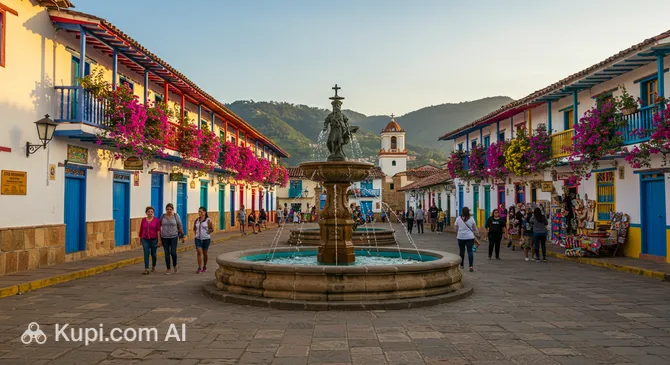
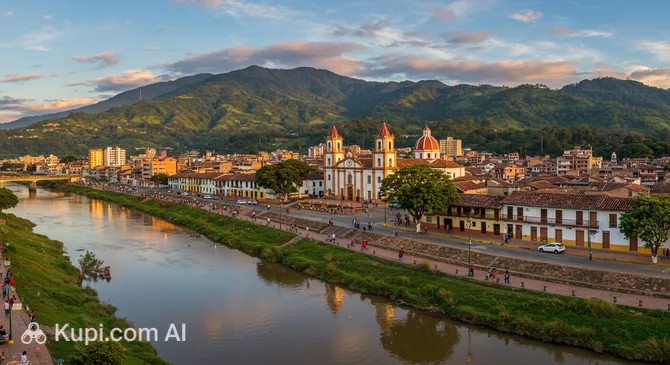
Welcome to Valledupar, a vibrant and culturally rich city located in the northeastern part of Colombia. Serving as the capital of the Cesar Department, this city is renowned not only for its lush green landscapes but also as the legendary birthplace of Vallenato, one of the country's most cherished musical genres. With a warm tropical climate and a population of over 540,000 inhabitants, Valledupar offers a lively atmosphere where tradition and modernity blend seamlessly under the shade of ubiquitous mango trees.

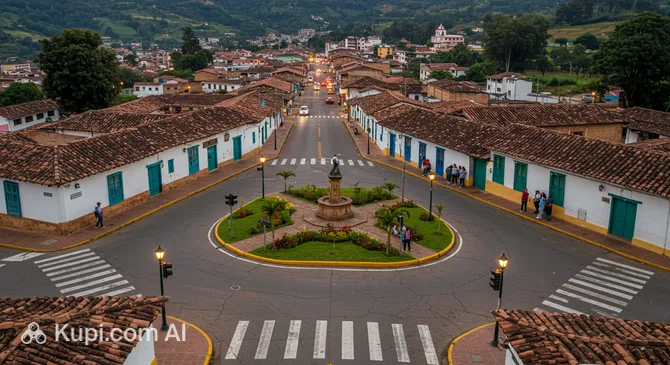
Valledupar. Source: Kupi.Binoculars

Geographically, the city is nestled in the picturesque Upar Valley, flanked by the imposing Sierra Nevada de Santa Marta and the Serranía del Perijá. This unique location provides a stunning natural backdrop and influences the region's biodiversity. Exploring the history of Valledupar reveals a fascinating journey from its indigenous roots and Spanish colonial foundation to its current status as a UNESCO Creative City of Music. The city comes alive particularly during the Vallenato Legend Festival, attracting thousands of visitors eager to experience the accordion melodies that define the local soul.

Travelers should not miss the chance to visit the iconic Plaza Alfonso López, the historic heart of the city where many musical legends began. Another essential experience is a trip to the Guatapurí River, famous for its refreshing waters and the golden statue of the Siren of Hurtado. Whether you are looking to immerse yourself in folklore, enjoy the local cuisine, or simply relax by the river, Valledupar invites you to discover the warmth and rhythm of the Colombian Caribbean coast.

Weather Overview

Valledupar experiences a warm and consistent tropical climate year-round, making it a pleasant destination for visitors. Temperatures remain stable across the seasons, with average daily values ranging from 23.0°C in January to roughly 24.9°C in August. During the day, you can generally expect maximum temperatures to reach between 26°C and 28°C, while nights are milder, cooling down to around 19°C to 21°C.

Rainfall patterns vary significantly throughout the year, dividing the calendar into drier and wetter periods. The months of December through March are typically the driest, with January seeing as few as 8 wet days. Conversely, the season from April to November is characterized by frequent showers, with October experiencing rain on approximately 29 days. To help you pack appropriately for your trip, we recommend consulting the detailed guide to the weather in Valledupar before your departure.

Interesting Facts

Beyond the famous rhythms of Vallenato and the scenic riverbanks, Valledupar holds many fascinating secrets and cultural nuances that often escape the casual eye. Uncover the deeper character of this Colombian city with these intriguing insights.

  • City of Mangoes: Valledupar is widely known as an urban orchard because of the thousands of mango trees lining its streets. These trees not only provide essential shade from the tropical heat but also offer an abundance of fruit that is considered a communal treasure during harvest season.

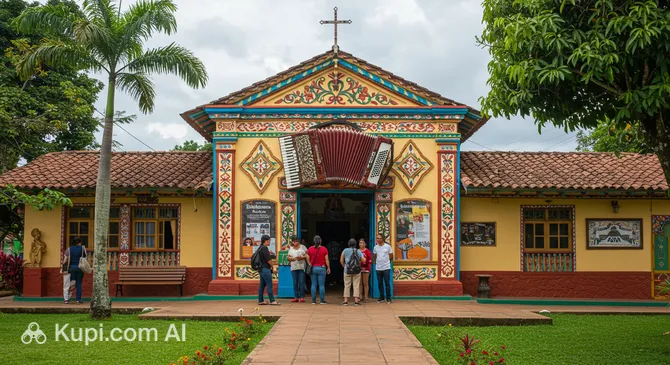
  • German Roots of Local Music: Although Vallenato is a distinctly Colombian genre, its primary instrument, the accordion, arrived from Germany in the late 19th century. Visitors can explore this unlikely musical marriage at the Accordion Museum, which displays the evolution of the instrument in local culture.

  • A Mythical Transformation: Local folklore is deeply woven into the city's identity, particularly the story of the Siren of Hurtado. Legend has it that a girl turned into a mermaid after swimming in the river on Good Friday, a tale that adds a mystical aura to the popular bathing spots.

  • A Venue for Legends: The city boasts a dedicated space for its massive cultural celebrations known as Legend Park. This ecological and cultural complex is designed to preserve the oral traditions and musical contests that define the region's heritage.

Accordion Museum. Source: Kupi.Binoculars

How to Get There

Reaching this musical city is relatively straightforward, with several options available depending on your starting point. Whether you prefer the speed of air travel or a scenic drive through the Colombian countryside, you can find all ways to reach the city in our detailed guide. The most convenient method for most travelers is flying directly, though overland routes from the coast are also popular.

The most direct entry point is the local Valledupar Airport (IATA: VUP), also known as Alfonso López Pumarejo Airport. Located just 4.4 km from the city center, it offers a quick and easy connection, with a taxi ride taking approximately 25 to 30 minutes. While it is a regional hub with moderate traffic, it receives regular domestic flights from major Colombian cities, making it the best choice for those looking to save time.

For international travelers or those seeking more flight connections, the Simón Bolívar International Airport (IATA: SMR) in Santa Marta is a significant alternative. Although the city of Valledupar does not have its own major international hub, you can fly into this airport in the city of Santa Marta, which is about 129.4 km away. From there, the journey by road typically takes around 3.5 hours by taxi or bus. Another option is the E Cortissoz Airport (IATA: BAQ) in Barranquilla, located approximately 174.3 km from Valledupar. This larger airport handles substantial passenger traffic and offers a wider range of international routes, with a subsequent ground transfer taking about 4.5 to 5 hours.

For clarity, here is a summary of the main airports:

Airport Name City Passenger Traffic Km from City
Simón Bolívar International AirportSanta MartaLarge129.4
E Cortissoz AirportBarranquillaLarge174.3
La Chinita AirportMaracaiboMedium166.2
Riohacha AirportRiohachaMedium121.4
Valledupar AirportValleduparMedium4.4

Regarding rail transport, Valledupar does not currently have a passenger railway station connecting it to other major cities. The region's transport infrastructure is primarily focused on road networks. Visitors typically rely on interdepartmental buses or private car services to travel between Valledupar and the coastal cities or the interior of the country. The bus terminal is well-connected, offering frequent departures to destinations like Santa Marta, Barranquilla, and Bogotá.

Main Attractions

Valledupar is a city where culture, music, and nature intertwine to create a unique travel experience. While the rhythm of Vallenato fills the air, the city's landmarks tell stories of indigenous heritage, colonial history, and musical legends. Visitors will find a variety of engaging spots, from historic plazas to tributes honoring the region's artistic giants.

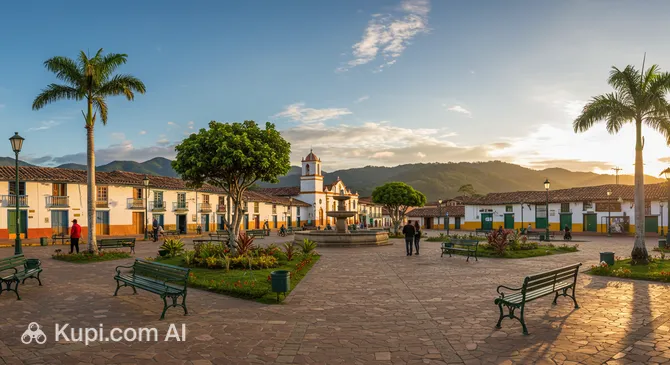
The beating heart of the city is undoubtedly Alfonso López Square. This historic plaza is much more than a central meeting point; it is the cradle of the Vallenato Legend Festival and a place of deep cultural significance. Surrounded by colonial architecture and the iconic "Palo de Mango" tree, the square offers a perfect setting to soak in the local atmosphere. Tourists flock here to see the "Revolution of March" monument and to experience the space where many of the region's greatest musical contests have taken place.

Alfonso López Square. Source: Kupi.Binoculars

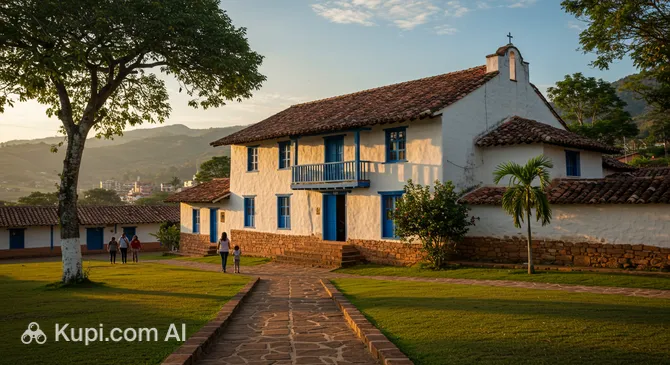
For those interested in the deep roots of Vallenato music, the House of Diomedes Díaz's Mother has become a pilgrimage site for fans. This modest museum offers an intimate look into the life of "El Cacique de la Junta," one of Colombia's most famous singers. Visitors can see personal memorabilia, photographs, and artifacts that celebrate his legacy. It is a place filled with nostalgia and is essential for understanding the emotional connection the people of Valledupar have with their musical idols.

House of Diomedes Díaz's Mother. Source: Kupi.Binoculars

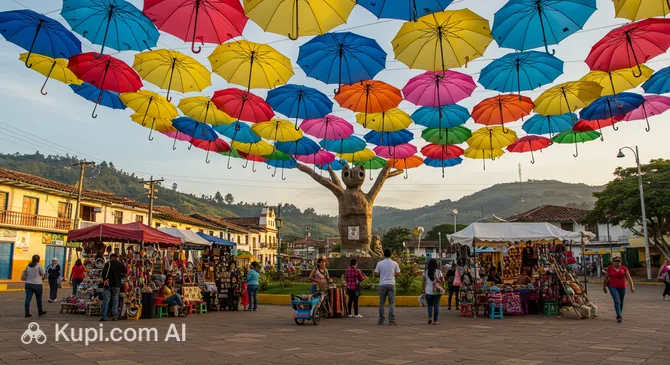
Another striking landmark that captures the city's identity is the monument known as Los Poporos. Located near the coliseum, this impressive sculpture pays homage to the indigenous cultures of the Sierra Nevada de Santa Marta—the Arhuaco, Kogui, and Wiwa peoples. The monument depicts the "poporo," a traditional device used for chewing coca leaves, symbolizing wisdom and maturity. It serves as a powerful reminder of the ancestral heritage that existed long before the city's modern expansion.

Los Poporos. Source: Kupi.Binoculars

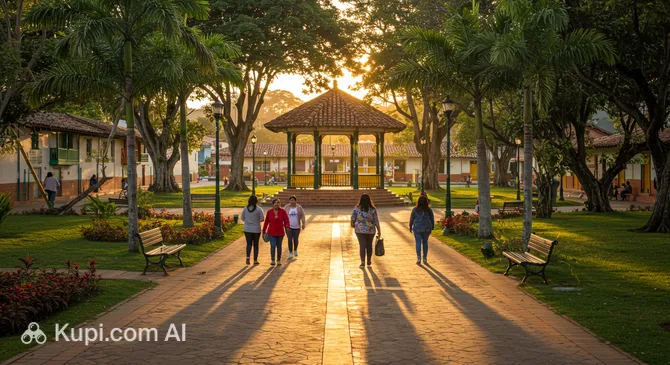
If you are looking for a place to relax and enjoy the outdoors, Algarrobillos Park is a favorite among locals and tourists alike. This extensive green space is perfect for a leisurely afternoon walk, offering playgrounds, sports facilities, and shaded areas to escape the midday sun. It is a great spot to observe local daily life, enjoy a snack from a nearby vendor, and appreciate the city's commitment to providing recreational spaces for its community.

Local Cuisine

Local Cuisine:

The culinary landscape of Valledupar is a delicious reflection of its geographical position, blending the rustic flavors of the cattle-ranching plains with the vibrancy of the Caribbean coast. Food here is hearty, flavorful, and deeply connected to the region's agricultural roots. A staple on every table is the famous Vallenato cheese (Queso Vallenato), a salty, semi-hard cheese that pairs perfectly with corn arepas or yuca. Visitors will also find a strong preference for grilled meats, particularly beef and goat, which are often prepared during traditional family gatherings and musical celebrations.

One of the most iconic dishes you must try is Chivo (goat), which is typically served roasted or as Friche, a rich dish made from the animal's offal and meat, fried to perfection. For soup lovers, the local Sancocho is a must-have—a thick, nourishing stew often made with beef ribs, plantains, and cassava. To accompany these meals, locals enjoy refreshing beverages like Agua de Panela with lemon or fresh fruit juices made from mangoes, corozo, or tamarind, which are abundant in the city's fertile surroundings.

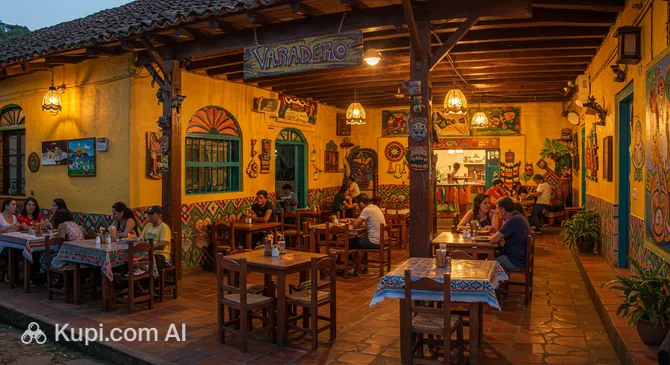
For a dining experience that combines excellent food with a lively atmosphere, Varadero is a standout choice. This restaurant is well-regarded for its ability to bring Caribbean flair to the table, offering a menu that highlights seafood and grilled specialties. It is a popular spot for both locals and tourists looking to enjoy a sophisticated yet relaxed meal in the heart of the city.

Varadero. Source: Kupi.Binoculars

If you are looking for a more casual and authentically local dining spot, Chonchoniel y Pollocarlos offers a true taste of Valledupar's daily life. This establishment is a favorite for its unpretentious vibe and generous portions, specializing in grilled chicken and traditional sides. It is the perfect place to sit back, enjoy a hearty meal, and observe the hustle and bustle of the city.

Chonchoniel y Pollocarlos. Source: Kupi.Binoculars

After a delicious dinner, the nightlife in Valledupar invites you to relax and socialize. La Bodeguita is a well-known establishment where friends gather to enjoy cold drinks and good conversation. Whether you want to listen to some background Vallenato music or simply cool off with a beverage after a warm day, this spot captures the friendly and welcoming spirit of the locals.

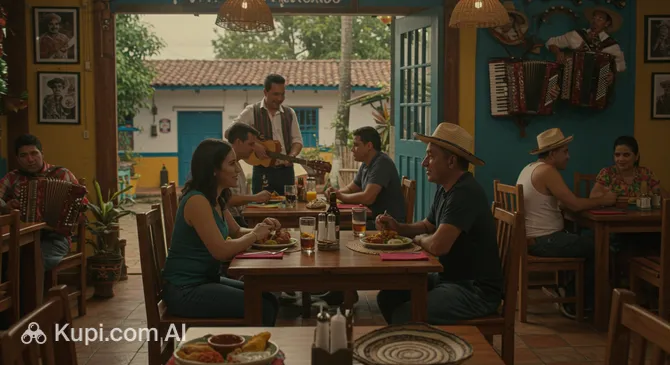
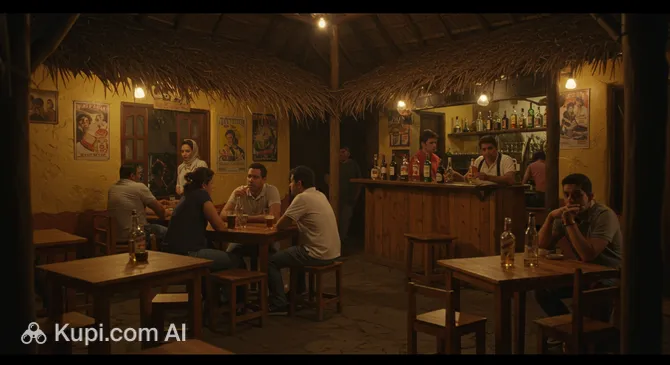
La Bodeguita. Source: Kupi.Binoculars

Travel Tips

Planning a trip to the cradle of Vallenato requires a bit of preparation to fully enjoy its tropical rhythm and warmth. Here are some practical tips to ensure your visit to Valledupar is smooth, safe, and unforgettable.

  1. Clothing and Gear: Given the city's consistent tropical heat, lightweight and breathable fabrics like cotton or linen are your best friends. Pack comfortable walking shoes for exploring the plazas and sandals for relaxation. Don't forget a wide-brimmed hat, high-SPF sunscreen, and sunglasses to protect against the strong Caribbean sun. If you plan to visit religious sites like the Cathedral of Our Lady of the Rosary, remember to dress modestly, covering shoulders and knees.

  2. Transportation: The most convenient way to get around Valledupar is by using the ubiquitous yellow taxis. While many are metered, it is often customary to agree on a fare before starting your journey, especially for longer distances. Ride-hailing apps are available but less dominant than in larger capitals like Bogotá. Public buses cover most routes but can be confusing for first-time visitors; renting a car is only recommended if you plan to explore the surrounding Sierra Nevada region independently.

  3. Finances: The local currency is the Colombian Peso (COP). While major hotels, supermarkets, and restaurants like Varadero accept credit cards, cash is essential for buying street food, handicrafts, or paying for small taxi rides. ATMs are widely available in shopping malls (centers comerciales) and around Plaza Alfonso López. Tipping around 10% is standard in sit-down restaurants if the service charge is not already included.

  4. Health and Safety: Pharmacies (known as droguerías) are plentiful, and major chains often have 24-hour branches. Due to the tropical climate, carrying insect repellent is highly recommended to prevent mosquito-borne issues. As in many Colombian cities, it is wise to stick to well-lit, populated areas at night and keep an eye on your belongings. Tap water is generally treated, but tourists with sensitive stomachs should stick to bottled water.

  5. Communication: Spanish is the primary language, and English is not widely spoken outside of major hotels or tourist agencies. Learning a few basic phrases like "¿Cuánto cuesta?" (How much is it?) and "Buenas" (a general greeting) will go a long way. You can easily purchase a prepaid SIM card from providers like Claro or Tigo at any local mall to stay connected, as Wi-Fi is standard in most cafes and hotels.

  6. Local Etiquette: People in Valledupar, known as Vallenatos, are incredibly warm and hospitable. It is polite to greet shopkeepers and drivers with a friendly "Buenos días" or "Buenas tardes." Music is central to life here; you will hear Vallenato playing loudly in many public spaces. This is a cultural expression, not a disturbance, so showing appreciation for the music is a great way to bond with locals.

  7. What to Avoid: Avoid "giving papaya" (dar papaya), a local expression meaning don't make yourself an easy target by flashing expensive jewelry, cameras, or phones in crowded public streets. Also, try not to reject an offer to share a drink or a story if invited by a friendly local in a social setting, as social connection is highly valued here.

  8. River Culture: A unique aspect of Valledupar is the tradition of bathing in the Guatapurí River. Do as the locals do: head to the riverbanks, particularly the Hurtado resort area, to cool off during the hottest part of the day. It is a safe and socially active spot where families gather to eat, swim, and relax.

By keeping these tips in mind, you will be well-equipped to navigate the city's sunny streets and immerse yourself in its rich musical heritage. Valledupar is a place that welcomes visitors with open arms, ready to share its stories, flavors, and melodies with anyone willing to listen.

Entertainment & Nightlife

Entertainment in Valledupar is deeply intertwined with its musical identity. When the sun sets, the city does not simply go to sleep; it transitions into a festive atmosphere fueled by the rhythms of Vallenato. The nightlife here is less about thumping electronic clubs and more about social gatherings, storytelling, and enjoying live music in open-air venues known as estaderos or on breezy terraces. The warm tropical nights make it perfect for outdoor socializing, where sharing a bottle of "Old Parr" whisky or cold beers with friends is the local custom.

For a genuine taste of the local party spirit, La Bodeguita is a quintessential stop. This venue is a favorite among locals for its authentic vibe, offering a space where the music is always playing, and the conversation flows freely. It represents the traditional "parranda" culture, where the focus is on community and celebration. Another spot that resonates with local history is Cinco Esquinas. While it serves as a historical landmark and a famous intersection often mentioned in Vallenato songs, the surrounding area buzzes with neighborhood energy, offering a glimpse into the true soul of the city.

Cinco Esquinas. Source: Kupi.Binoculars

If you prefer a more modern entertainment experience, the Guatapuri Shopping Center is the city's main commercial and leisure hub. Located in the northern part of the city, it is a bustling meeting point in the evenings. Here, you can catch the latest movies at the cinema, enjoy a variety of dining options in the food court, or simply stroll through the shops in air-conditioned comfort. It is particularly popular with families and young groups looking for a safe and lively environment.

Guatapuri Shopping Center. Source: Kupi.Binoculars

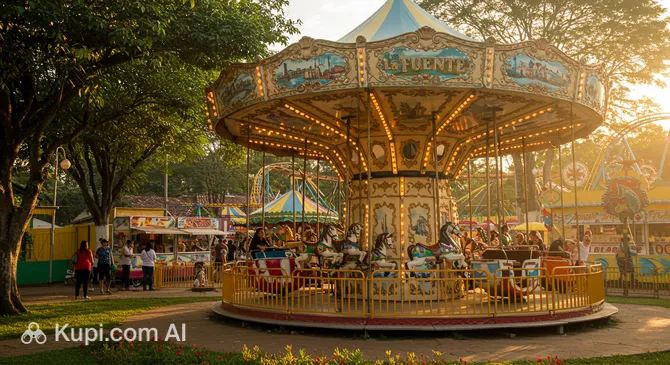
For those seeking fun and recreation, La Fuente is another notable location. Classified as an amusement destination, it adds to the variety of evening activities available in the city. Alternatively, if you are looking for a quieter evening plan, a walk through Los Cortijos Park offers a relaxing escape. The park is well-lit and provides a pleasant setting for a night walk under the trees, allowing you to enjoy the cooling breeze after a hot day.

La Fuente. Source: Kupi.Binoculars

While the nightlife is vibrant, daytime entertainment in Valledupar also has its charm. Beyond the musical museums and river bathing spots, the city offers various parks and cultural centers where you can learn about the region's folklore. However, the true magic of Valledupar is best experienced when the heat subsides, and the accordions start to play.

Practical Nightlife Tips:

  • Safety: Valledupar is generally welcoming, but it is advisable to stick to popular and well-lit areas like the "Zona Rosa" or the malls at night. Avoid walking alone in desolate streets.
  • Transportation: The safest way to get around after dark is by taxi. It is recommended to call a dispatched yellow taxi or use a trusted ride-hailing app rather than flagging one down on the street.
  • Dress Code: The style is "tropical chic." Locals like to dress up for a night out, but fabrics should remain light and breathable due to the warmth. Jeans and a nice shirt are standard for men, while women often wear stylish summer dresses.
  • Timing: The nightlife peaks on weekends, particularly Friday and Saturday nights. Venues typically stay open until around 2:00 AM or 3:00 AM.

Parks & Museums

Valledupar is a city that prides itself on its harmonious blend of urban greenery and deep-rooted cultural heritage. Known as one of the greenest cities in Colombia, it offers visitors a refreshing array of parks and ecological spaces that complement its vibrant museum scene, where the history of Vallenato music and local traditions are preserved with great care.

One of the most significant green spaces in the city is Legend Park (Parque de la Leyenda Vallenata). This expansive ecological and cultural complex is the main venue for the famous Vallenato Legend Festival. Beyond its massive event stage, the park features a beautiful artificial lake and walking paths surrounded by native vegetation. It is a perfect spot to appreciate the scale of the city's musical culture while enjoying a peaceful natural setting.

Legend Park. Source: Kupi.Binoculars

For a quieter experience closer to residential areas, Los Cortijos Park offers a serene escape. It is a favorite among locals for morning jogs or evening strolls under the canopy of large trees. The park is well-maintained and provides a safe, family-friendly environment where you can observe the relaxed pace of daily life in Valledupar away from the busier commercial districts.

Los Cortijos Park. Source: Kupi.Binoculars

When it comes to museums, the city is undeniably the world capital of Vallenato history. The Accordion Museum is a must-visit institution dedicated to the instrument that defines the region's soul. Here, visitors can explore a fascinating collection of accordions that traces the evolution of the instrument from its German origins to its adoption as the voice of the Colombian Caribbean. The exhibits offer technical insights and tell the stories of the "Juglares" (minstrels) who made the music famous.

Another culturally significant site is the House of Diomedes Díaz's Mother. While intimate in scale, this museum holds immense sentimental value for fans of Vallenato. It serves as a tribute to the "Cacique de la Junta," Diomedes Díaz, displaying personal belongings, photographs, and gold records that narrate the rise of one of Colombia's most legendary singers. It provides a unique window into the personal side of the stardom that characterizes the city's history.

In terms of historical landmarks, the city center around Alfonso López Square remains the architectural jewel of Valledupar. The surrounding colonial buildings and the imposing Church of the Immaculate Conception reflect the Spanish influence of the past. Nearby, the Los Poporos monument stands as a modern yet deeply symbolic tribute to the indigenous ancestors, linking the city's present with its pre-Columbian roots.

For an authentic insider experience, take a walk along the linear parks near the Guatapurí River in the late afternoon. While the main bathing areas are popular, the shaded paths nearby offer a great chance to see wild iguanas and enjoy the "golden hour" light filtering through the mango trees, a simple pleasure that defines the magic of this valley.

Getting Around

Navigating Valledupar is relatively straightforward, as the city is compact and lacks the complex congestion found in larger metropolises. The primary mode of public transportation is the Strategic Public Transport System (SETP), managed by an entity known as SIVA. These modern buses are easily recognizable by their distinct green and white branding. A significant advantage for travelers is that the majority of the SIVA fleet is equipped with air conditioning, providing a much-needed respite from the region's tropical heat while moving between neighborhoods.

To access the bus system, passengers have modern payment options designed to reduce the use of cash. You can purchase a rechargeable smart card, known as the SIVA Card, at authorized sales points like SuperGIROS or specific kiosks. Additionally, the system now supports the 'SIVAlliu' app, allowing users to manage fares digitally, which adds a layer of convenience for tech-savvy travelers. The fare is affordable, currently set at 2,900 COP per ride, making it an economical way to explore areas beyond the city center.

For those seeking more comfort or direct routes, yellow taxis are the most popular alternative. They are ubiquitous and can be easily hailed on the street or found at designated stands near shopping malls and the main plaza. Unlike in some capital cities, taxis in Valledupar do not typically use taximeters; instead, fares are often based on zones or fixed rates. It is highly recommended to confirm the price with the driver before getting in to avoid misunderstandings. The standard minimum fare is approximately 8,300 COP.

Regarding ride-hailing apps, platforms like InDrive operate in the city and are widely used by locals for their convenience and the ability to negotiate fares upfront. While informal motorcycle taxis (mototaxis) are a very common sight and part of the local daily rhythm, tourists are generally advised to stick to official taxis or buses for safety and insurance reasons. If you prefer active transport, the city's flat terrain makes it suitable for walking, especially within the historic center around Plaza Alfonso López, though the midday sun can be intense.

Public transport generally operates from approximately 5:00 AM to 9:00 PM. If you plan to enjoy the nightlife or stay out late at the local estaderos, be prepared to rely on taxis, as bus services will likely have ceased for the night. Always ensure you have small denominations of cash (bills of 2,000, 5,000, or 10,000 pesos) when taking taxis, as drivers may not always have change for larger banknotes.

Accommodation

Where to Stay:

Accommodation in Valledupar is characterized by its hospitality and functional comfort, catering largely to cultural tourists and business travelers. While the city does not feature the ultra-luxury resorts found in Colombia's major coastal destinations, it offers a solid range of reliable mid-range hotels, charming local guesthouses, and budget-friendly hostels. The atmosphere in most establishments is relaxed and family-oriented, reflecting the warm nature of the region's people.

When choosing where to stay, location is a key factor. Visitors interested in history and culture often prefer the Downtown area (El Centro), specifically near the main plaza. Staying here places you within walking distance of colonial landmarks and the traditional heart of the city. Alternatively, travelers seeking modern amenities, larger rooms, and quieter surroundings often opt for the northern part of the city or the areas along Avenida Simón Bolívar. These districts are well-connected and often feature hotels with pools, which are a welcome treat in the tropical heat.

For those who prioritize convenience and access to services, the neighborhoods surrounding major commercial hubs are excellent choices. The area around the Mayales Plaza Shopping Center is a practical option, offering easy access to supermarkets, cinemas, and a variety of dining options right on your doorstep. This district provides a modern urban experience and is well-serviced by local transport.

Mayales Plaza Shopping Center. Source: Kupi.Binoculars

Important Booking Tip: If your visit coincides with the famous Vallenato Legend Festival (typically held in late April), booking your accommodation months in advance is absolutely essential. During this week, the city's population swells, and hotels reach 100% capacity very quickly. Prices during the festival can also be significantly higher than the rest of the year, so early planning is the best way to secure a reasonable rate and a good location.

In terms of pricing, Valledupar is generally affordable. Budget travelers can find comfortable hostels or small economy hotels for approximately $20 to $40 USD per night. Mid-range hotels, which often include air conditioning, breakfast, and Wi-Fi, typically range from $50 to $90 USD. Booking can be done easily through major online travel platforms, though some smaller, family-run posadas may prefer direct contact via phone or messaging apps.

Nearby Cities

For those looking to explore the surroundings, Valledupar serves as an excellent base for day trips to several interesting nearby locations.

One of the most culturally significant destinations in the region is Aracataca, located approximately 104 km away. This town is world-famous as the birthplace of Nobel laureate Gabriel García Márquez and serves as the real-life inspiration for the fictional village of Macondo in his masterpiece, "One Hundred Years of Solitude." Visitors can tour the author's childhood home, which has been converted into a museum, and walk the streets that sparked the genre of magical realism.

For a closer excursion, travelers can visit Agustín Codazzi, situated just 49 km from Valledupar near the Serranía del Perijá mountain range. This town offers a different perspective on the region's geography, transitioning from the valley plains to the foothills. It is known for its agricultural importance, particularly in coffee and cotton production, and provides a quieter, more rural atmosphere for those wishing to see the countryside of the Cesar Department.

City Population Distance (km)
Fundacion9051468
Agustín Codazzi8000049
La Jagua de Ibirico46722101
Aracataca40400104
Bosconia3971690

These nearby destinations offer a glimpse into the diverse culture and landscapes of the region, ranging from literary history to scenic agricultural vistas.

Shopping & Souvenirs

Shopping in Valledupar offers a delightful mix of modern convenience and traditional cultural expression. While the city may not be a massive international retail hub, it provides a satisfying experience for visitors looking to purchase everything from high-end fashion to authentic local craftsmanship. The commercial scene here is a reflection of the city's identity, blending the air-conditioned comfort of contemporary shopping centers with the colorful, bustling atmosphere of street markets where the region's heritage comes to life.

The main commercial activity is concentrated in the Downtown area (El Centro), particularly along the busy streets near the central plaza. Here, the sidewalks are lined with a variety of independent stores, boutiques, and vendors selling clothing, footwear, and electronics. Walking through these streets gives tourists a chance to feel the pulse of the city's daily commerce. It is a great place to find affordable goods and observe the local hustle, though it can get quite crowded during the day.

For a more modern and relaxed shopping experience, the city boasts several large malls that serve as major social and commercial gathering points. The most prominent is the Guatapuri Shopping Center, located in the northern part of the city. As one of the largest complexes in the region, it features a wide range of national and international brands, a cinema, and a food court, making it a favorite destination for families. Another key location is the Mayales Plaza Shopping Center, which offers a similar variety of retail stores, supermarkets, and entertainment options, providing a cool escape from the tropical heat.

To experience the authentic flavors and colors of the region, a visit to the Mercado Público de Valledupar (Public Market) is essential. This is where the locals shop for fresh produce, and it is a sensory explosion of exotic fruits, vegetables, and regional snacks. While it is primarily a food market, it is the best place to see the agricultural bounty of the Cesar department. Visitors can try local fruits like corozo or níspero and buy blocks of the famous Vallenato cheese directly from producers.

When it comes to souvenirs, Valledupar offers unique items that are deeply connected to its indigenous and musical roots. The most prized purchases are the Mochilas Arhuacas, hand-woven bags made by the indigenous people of the nearby Sierra Nevada. These bags are not just accessories but cultural symbols woven with natural fibers and intricate patterns. Additionally, items related to Vallenato culture, such as miniature accordions or the traditional Sombrero Vueltiao (a woven hat typical of the Colombian Caribbean), make for perfect gifts to remember your trip.

Store opening hours in Valledupar generally follow standard Colombian schedules. Major shopping malls like Guatapuri and Mayales are typically open from 10:00 AM to 8:00 PM or 9:00 PM, with supermarkets opening earlier. Street shops in the downtown area usually operate from 9:00 AM to 7:00 PM, often closing on Sundays or having reduced hours. Regarding payment, major malls and supermarkets widely accept credit and debit cards (Visa and Mastercard). However, if you are shopping in smaller boutiques, the public market, or buying handicrafts from street artisans, carrying cash (Colombian Pesos) is necessary.

Foreign tourists visiting Colombia may be eligible for a VAT (IVA) refund on certain physical goods purchased in authorized stores that issue electronic invoices. This generally applies to purchases like clothing, footwear, perfumes, and handicrafts. To claim this, you must shop at participating retailers that display the "Tax Free" signage and present your passport. The refund process is typically handled at the international airport upon your departure from the country, so be sure to keep all your receipts and checking the specific current requirements is advisable.
Reached the end of the page?

That means the route is fully explored