Support

Maracaibo

About

Welcome to Maracaibo, a vibrant metropolis often affectionately known as "The Beloved Land of the Sun" (La Tierra del Sol Amada). As the second-largest city in Venezuela and the capital of the Zulia state, it serves as a major economic hub with a distinct cultural identity. The city is renowned for its energetic atmosphere, friendly locals, and a unique blend of modern development and traditional charm.

Maracaibo. Source: Kupi.Binoculars

Geographically, Maracaibo holds a strategic position on the western shore of the strait that connects Lake Maracaibo to the Gulf of Venezuela. The city is famous for its tropical climate and sunny weather, which shapes the daily life of its more than 2.6 million inhabitants. While exploring the history of Maracaibo, visitors will discover how this port city evolved from a colonial settlement into an oil-producing powerhouse, all while maintaining its rich folklore and regional pride.

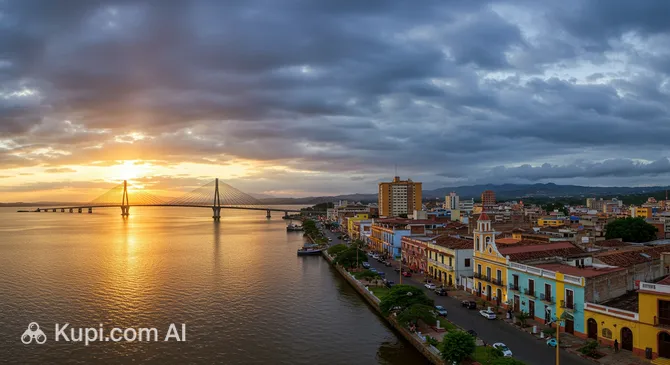
Travelers are often drawn to the iconic General Rafael Urdaneta Bridge, a stunning engineering marvel that spans the lake and dominates the horizon. Another must-visit landmark is the Basilica of Our Lady of Chiquinquirá, a deeply spiritual site dedicated to the city's patron saint, affectionately called "La Chinita." For those seeking leisure, the Vereda del Lago park offers expansive green spaces and beautiful views of the water. Maracaibo invites you to experience its warmth, music, and vibrant colors firsthand.

Weather Overview

Maracaibo is famous for its consistently hot tropical climate, staying true to its nickname as the "Beloved Land of the Sun." The city experiences high temperatures year-round, with monthly averages hovering steadily between 28°C and 30°C. Visitors should be prepared for warm days regardless of when they arrive, as maximum temperatures frequently reach up to 33°C, particularly in the months of February and March.

When planning your activities, it is important to consider the distinct seasonal patterns detailed in the guide to weather in Maracaibo. The year typically begins with a dry season from January through March, characterized by almost zero precipitation and very few wet days. In contrast, the period from May to October brings a shift, with the number of wet days increasing significantly—peaking in October with rain occurring on most days—although the temperatures remain warm and humid throughout.

Nights offer only mild relief from the daytime heat, with minimum temperatures rarely dropping below 24°C. Whether you visit during the drier start of the year or the wetter months of late summer and autumn, lightweight and breathable clothing is essential for comfort in this energetic city.

Interesting Facts

Beyond its bustling avenues and industrial heritage, Maracaibo holds fascinating secrets and natural wonders that often surprise visitors. This city is not only a center of commerce but also a place of unique geological phenomena and deep-rooted cultural traditions.
  • The Lightning Capital of the World: The area where the Catatumbo River feeds into Lake Maracaibo is officially recognized by Guinness World Records for having the highest concentration of lightning on Earth. This atmospheric phenomenon, known as the Catatumbo Lightning, can occur up to 300 nights a year and is so bright it has historically served as a natural lighthouse for sailors.

  • An Ancient Geological Wonder: Lake Maracaibo is considered by many geologists to be the second oldest lake on the planet, with an estimated age of 20 to 36 million years. Interestingly, it acts more like a tidal bay since it connects directly to the Caribbean Sea, making its water brackish rather than fresh.

  • Birthplace of Christmas Rhythms: Maracaibo is the cradle of Gaita Zuliana, a spirited folk music genre that originated here. While it started as regional traditional music, it has evolved to become the definitive soundtrack for Christmas celebrations across the entire country.

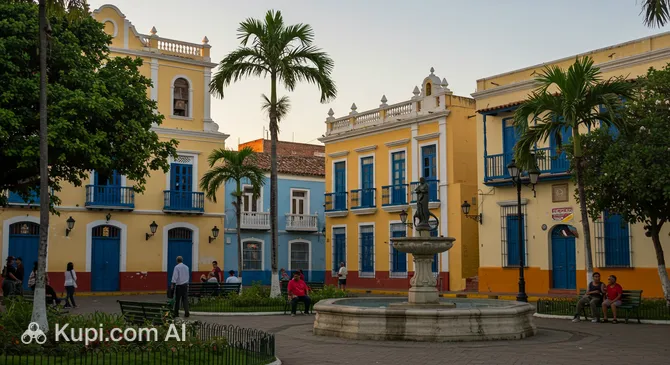
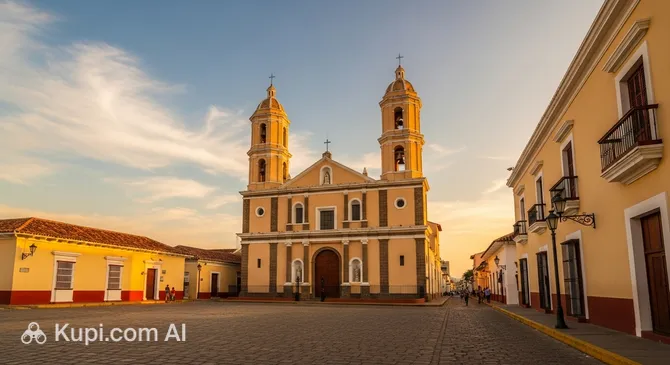
  • A Colonial Time Capsule: The neighborhood surrounding the Church of Santa Lucia feels like a world apart from the modern city. This district has meticulously preserved its colonial architecture, featuring narrow streets lined with vibrant, brightly painted houses that reflect the city's historical charm.

Church of Santa Lucia. Source: Kupi.Binoculars

How to Get There

Reaching the vibrant city of Maracaibo is most conveniently done by air, as it serves as a major hub for the region. Travelers planning their trip can find more about how to get to Maracaibo and the various transport options available in our detailed guide. While the road network connects the city to other parts of the country, flying remains the fastest and most popular choice for international and distant domestic visitors.

The primary entry point is La Chinita Airport (MAR), which is conveniently situated within the metropolitan area. It is a significant international airport handling millions of passengers, making it the main gateway for the state of Zulia. Located just 16 km from the city center, the journey to downtown typically takes about 45 minutes by taxi or shuttle. La Chinita Airport offers a range of services and is the most direct option for reaching the city.

For those considering alternative routes, there are other airports in the broader region, though they are significantly farther away and located in neighboring cities. For instance, you can fly into Riohacha Airport (RCH) in the city of Riohacha, which is approximately 174 km from Maracaibo. The ground transfer from there would take roughly 4 hours and 40 minutes. Another possibility is Valledupar Airport (VUP) in Valledupar, located about 181 km away, with a travel time of around 5 hours. These airports are smaller regional hubs compared to La Chinita.

For clarity, here is a summary of the main airports:

Airport Name City Passenger Traffic Km from City
La Chinita Airport Maracaibo Large 16.1
Riohacha Airport Riohacha Medium 174.2
Valledupar Airport Valledupar Medium 181.2
Josefa Camejo Airport Las Piedras Small 202.9
Barquisimeto Airport Barquisimeto Small 255.0

Since Maracaibo does not have a major intercity railway station connected to a national rail network, visitors who do not fly typically arrive by bus or private vehicle. The city is well-connected by the General Rafael Urdaneta Bridge and major highways, making road travel a common alternative for those coming from other Venezuelan states.

Main Attractions

Maracaibo offers a diverse array of sights that reflect its deep religious traditions, love for outdoor leisure, and vibrant social life. From sacred architectural landmarks to expansive waterfront parks, the city provides visitors with numerous ways to connect with local culture and enjoy the year-round sunshine.

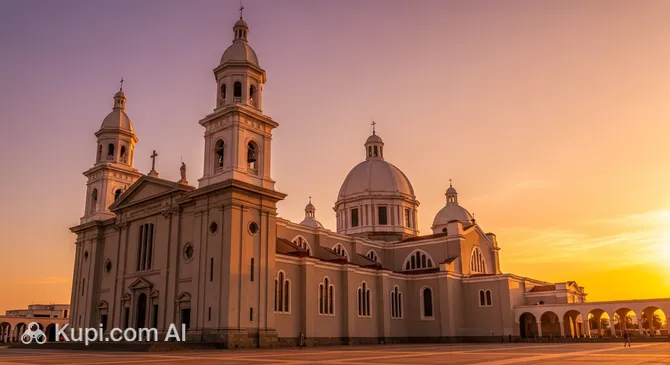
A visit to the city would be incomplete without seeing the Basilica of Our Lady of Chiquinquirá. This stunning temple is the spiritual heart of the region and is dedicated to the Virgin of Chiquinquirá, the patron saint of Zulia. Pilgrims and tourists alike are drawn to its impressive architecture and the fervent devotion visible here, especially during the annual fair in November. Inside, the atmosphere is one of peace and reverence, offering a profound insight into the local faith and history.

Basilica of Our Lady of Chiquinquirá. Source: Kupi.Binoculars

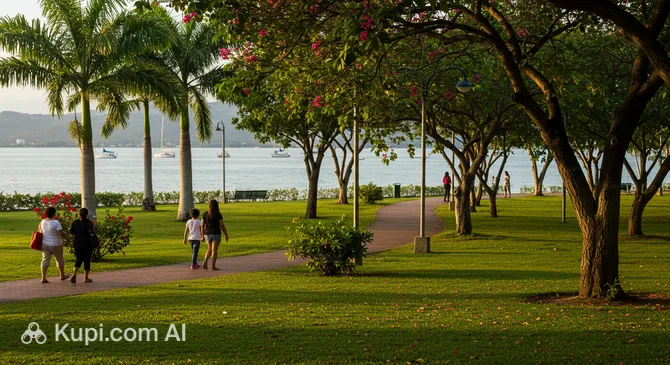
For those looking to enjoy the outdoors, Vereda del Lago Park is the premier destination. Located along the shores of Lake Maracaibo, this expansive green space is perfect for jogging, walking, or simply relaxing by the water. It is particularly famous for offering some of the best panoramic views of the General Rafael Urdaneta Bridge. Families often gather here to enjoy the playgrounds, sports facilities, and the refreshing breeze coming off the lake.

Vereda del Lago Park. Source: Kupi.Binoculars

Another iconic landmark is the Plaza de la República, easily instantly recognizable by its towering obelisk. This square serves as a central meeting point for locals and a venue for various cultural and civic events. Surrounded by lively streets, it is a great place to experience the urban pulse of Maracaibo, take photographs of the monument, and enjoy a leisurely evening stroll in a well-maintained setting.

Plaza de la República. Source: Kupi.Binoculars

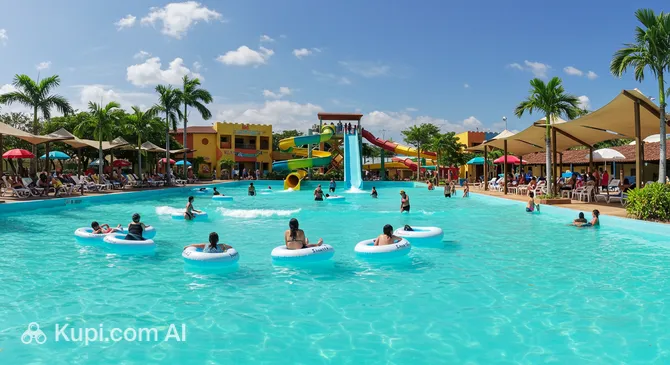
Given the city's tropical heat, a trip to Aquatica Water Park is an excellent choice for families and thrill-seekers. This attraction offers a refreshing escape with its variety of pools, water slides, and recreational areas. It provides a fun-filled environment where visitors of all ages can cool off and enjoy a day of aquatic entertainment, making it a popular spot for weekend relaxation.

Aquatica Water Park. Source: Kupi.Binoculars

Local Cuisine

The culinary scene in Maracaibo is as bold and vibrant as the city itself, offering a distinct gastronomy that sets it apart from the rest of Venezuela. Known as "Zulian cuisine," the local food culture is characterized by its generous portions, rich flavors, and the creative use of plantains, coconut, and locally sourced meats. Dining here is a hearty affair, often featuring savory fried dishes that perfectly complement the region's tropical climate.

A visit to Maracaibo would be incomplete without trying the legendary Patacón Zuliano. Unlike the simple fried plantain side dish found elsewhere, the patacón here serves as a sandwich where two thin, crispy slices of fried green or ripe plantain replace the bread. It is typically stuffed with shredded beef, chicken, ham, cheese, lettuce, and sauces. Another breakfast staple is the Mandoca, a deep-fried ring made from cornmeal, ripe plantain, and unrefined cane sugar (papelón), usually served with a slice of salty white cheese to balance the sweetness.

For a taste of the region's coastal influence, look for dishes prepared "en coco" (in coconut). Mojito en Coco is a delicious shredded fish dish cooked in coconut milk with peppers and spices, offering a creamy and savory experience. Arepa lovers must try the Tumbarrancho, a unique local variety where the corn cake is battered, deep-fried, and filled with bologna, cheese, and cabbage. It is a flavorful indulgence that defines the city's street food culture.

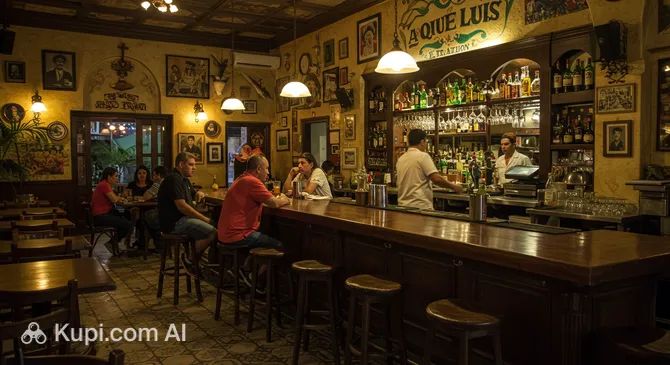
To beat the sweltering heat, locals often enjoy Cepillados, a popular shaved ice dessert topped with condensed milk and fruit syrups like cola, tamarind, or pineapple. Alcohol consumption is also a social ritual here, with residents favoring ice-cold regional beers. For a venue steeped in tradition and bohemian atmosphere, you might visit A Que Luis, By Tradition, a classic bar known for its cultural significance and connection to the city's musical heritage.

A Que Luis, By Tradition. Source: Kupi.Binoculars

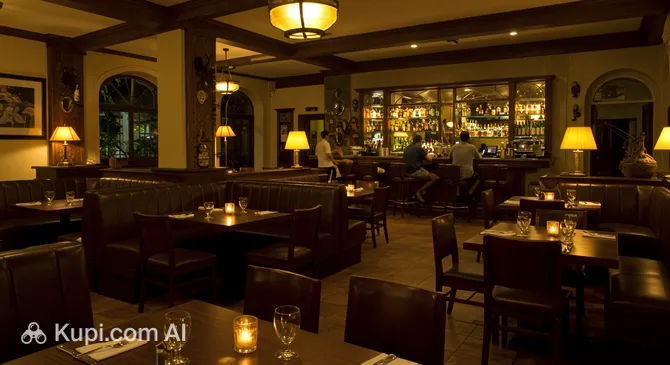
Dining in Maracaibo ranges from the bustling street corners known as "Calles del Hambre" (Hunger Streets) to upscale establishments. Meat lovers will appreciate the city's steakhouses, such as Mi Vaquita Steak House & Bar, which offers high-quality cuts in a lively setting. Whether you are grabbing a quick fried snack at a roadside stall or enjoying a long dinner, the food in Maracaibo is guaranteed to be a memorable part of your trip.

Mi Vaquita Steak House & Bar. Source: Kupi.Binoculars

Travel Tips

Preparing for a trip to Maracaibo involves knowing a bit about the local rhythm and logistics to ensure a smooth experience. Here are some practical tips to help you navigate the "Beloved Land of the Sun" with ease and confidence.

  1. Clothing and Gear: Given the intense tropical heat, pack lightweight, breathable fabrics like cotton or linen. A good hat, sunglasses, and high-SPF sunscreen are essential for walking outdoors. However, carry a light jacket or sweater, as indoor venues like shopping malls and cinemas often keep their air conditioning at very low temperatures.

  2. Transportation: While the Metro de Maracaibo exists, its coverage is limited for sightseeing purposes. For tourists, the safest and most convenient option is to use reliable taxi lines recommended by your hotel or established ride-hailing services. Avoid hailing random taxis on the street, and if you do, agree on the fare before starting the journey.

  3. Finances: The official currency is the Venezuelan Bolívar, but US dollars in cash are widely accepted and often preferred for many transactions. It is highly advisable to bring small bills ($1, $5, $10), as finding exact change can be difficult. International credit cards may not work in all establishments, so carrying a sufficient cash reserve is smart.

  4. Health and Safety: To prevent health issues, always drink bottled or purified water and avoid tap water. Pharmacies, such as the popular Farmatodo chain, are widespread and often open 24 hours for basic medical needs. As in any large city, remain vigilant: keep expensive electronics out of sight and avoid walking alone in unfamiliar areas after dark.

  5. Communication: Spanish is the dominant language, and English is not widely spoken outside of major hotels and business centers. downloading an offline translation app or learning basic phrases will go a long way. You can purchase a local SIM card from providers like Movistar or Digitel to ensure you have mobile data access for maps and communication.

  6. Local Etiquette: Locals, known as Maracuchos, are famous for their extroverted, loud, and joking nature. Do not mistake their high volume or directness for aggression; it is simply their way of being friendly. A polite greeting like "Buenos días" is expected when entering a shop or elevator.

  7. What to Avoid: Refrain from taking photographs of military personnel, police checkpoints, or government buildings, as this is strictly prohibited and can lead to questioning. Additionally, avoid discussing sensitive political topics with strangers to ensure your interactions remain neutral and pleasant.

  8. Local Insight: Be prepared to hear the pronoun "vos" instead of "tú," as Maracaibo has a distinct dialect compared to the rest of the country. If you need to buy groceries or snacks, local supermarkets are well-stocked, but remember that many shops may close for a break during the hottest part of the afternoon.

By keeping these practical suggestions in mind, you will be well-equipped to enjoy the vibrant culture and warmth of Maracaibo. Embrace the local energy, stay hydrated, and get ready for a memorable adventure in this unique Venezuelan city.

Entertainment & Nightlife

Beyond its historical landmarks and culinary delights, Maracaibo offers a dynamic range of entertainment options that cater to night owls, shoppers, and sports enthusiasts alike. The city's energetic spirit is perhaps best experienced after sunset, when the heat subsides and the locals head out to enjoy music, dancing, and socializing.

The nightlife scene in Maracaibo is legendary, reflecting the joyful nature of its people. For a unique blend of history and entertainment, Caribe Concert is a must-visit destination. Housed in a beautifully restored colonial building, this venue combines live music, dining, and a vibrant atmosphere, making it a cultural staple of the city. Those seeking a more modern clubbing experience might prefer Mykonos Concept, a popular spot known for its contemporary design and lively parties.

For visitors interested in retail therapy, the city boasts several modern commercial centers that serve as entertainment hubs for the whole family. Camoruco Shopping Center is a well-known location offering a variety of stores, services, and dining options. Similarly, Delicias Square Mall provides a comfortable environment to shop for local and international brands, catch a movie, or simply enjoy an air-conditioned break from the afternoon sun.

Sports play a significant role in the local culture, with a particularly strong passion for football and baseball. The José Encarnación Romero Stadium, often referred to as "Pachencho" Romero, is the city's premier venue for football matches. Attending a game here offers a thrilling glimpse into the competitive spirit and dedication of Venezuelan sports fans.

If you prefer a more relaxed form of leisure, La Marina Park is an excellent choice for an evening outing. Located near the lake, it features the "El Mirador" tower, which offers stunning panoramic views of the city and the iconic bridge. It is a peaceful spot to walk, enjoy the breeze, and watch the city lights reflect over the water.

Parks & Museums

Maracaibo offers a surprising variety of cultural and natural spaces that serve as a respite from its bustling urban energy. The city takes pride in its green areas and institutions that preserve the artistic and historical heritage of the Zulia region, inviting visitors to explore beyond the main avenues.

While the lakeside parks are well-known, the city also boasts the Maracaibo Botanical Garden, a significant ecological sanctuary. This restored space is a haven for nature lovers, featuring an impressive collection of native flora, including the iconic Baobab trees and intricate majestic gardens. It is an ideal spot for birdwatching and enjoying a quiet afternoon surrounded by the region's biodiversity.

Within the city limits, smaller squares provide insight into local life and history. Plaza de Las Madres is a cherished public space dedicated to honoring mothers. It serves as a peaceful meeting point for residents, characterized by its well-kept walkways and the central monument that pays tribute to maternal figures, making it a pleasant stop for a casual stroll.

Another historically significant spot is Cacique Mara Square. This location is named after the legendary indigenous chief Mara, a symbol of resistance and local identity. The square features a prominent statue and is often used for civic gatherings, reminding visitors of the deep indigenous roots that influence the culture of Zulia state.

For art enthusiasts, the Museo de Arte Contemporáneo del Zulia (MACZUL) is a cultural powerhouse. It is one of the largest museums in Latin America dedicated to modern art, hosting a dynamic range of permanent and temporary exhibitions. The museum plays a crucial role in promoting local and national artists, offering a sophisticated environment where architecture and creativity intersect.

A visit to the cultural heart of the city must include the Centro de Arte de Maracaibo Lía Bermúdez (CAMLB). Housed in the historic former municipal market—a striking iron building that dates back to the 1920s—this center is now a vibrant venue for concerts, theater, and visual arts. Its open, airy structure and location near the lake make it a favorite destination for both its architectural beauty and its cultural programming.

Architectural history buffs should not miss the Teatro Baralt, a gem of the city center. Famous for its stunning Art Nouveau interiors and Art Deco façade, this theater holds the distinction of being the place where the first film was screened in Venezuela. Finally, for a truly authentic experience, a walk down Calle Carabobo offers a vibrant explosion of color, where brightly painted colonial houses have been preserved to showcase the traditional "Maracaibero" style of yesteryear.

Getting Around

Navigating Maracaibo offers a mix of modern infrastructure and traditional methods that are unique to this region. The backbone of the organized public transit is the Metro de Maracaibo. Although it currently consists of a single line serving six stations, it connects the southwestern outskirts of the city (Altos de La Vanega) to the downtown area (Libertador). It is a clean and economical way to travel between these specific points, though its coverage is limited for tourists wishing to explore the wider metropolitan area.

A truly iconic feature of Maracaibo's transport network is the "Por Puesto" system. Unlike standard taxis, these are shared passenger vehicles—often vintage American sedans from the 1970s and 80s—that run along fixed routes much like buses. Passengers pay for a seat rather than the whole car, and the vehicle stops to pick up or drop off people along the way. Riding a por puesto is a quintessential local experience, offering a glimpse into the city's daily rhythm, although the routes can be confusing for first-time visitors without local guidance.

Supplementing the metro and shared cars is a network of buses and minibuses known as busetas. These vehicles cover a vast array of routes that the metro does not reach, connecting residential neighborhoods with commercial districts. Destination signs are usually displayed in the front window. While they are a budget-friendly option, they can be crowded and often lack air conditioning, which is a consideration given the city's high temperatures.

Regarding payment, the system is predominantly cash-based, especially for buses and por puestos. Fares are generally very low. For the Metro de Maracaibo, an electronic payment card system is used, which can be purchased and recharged at station ticket booths. However, for all other forms of street-level transit, it is essential to carry small denomination bills in the local currency. Drivers typically do not have change for large notes, and electronic payments are rarely accepted on board.

For tourists prioritizing comfort and convenience, taxis and ride-hailing apps are the recommended alternatives. Traditional taxi lines operate from hotels and shopping centers and are considered safer than hailing a car on the street. In recent years, mobile applications for ridesharing have become increasingly popular, offering the advantage of fixed upfront pricing and the ability to pay digitally, which avoids the hassle of carrying cash.

Operating hours for public transport vary. The metro typically runs from early morning, around 6:00 AM, until early evening, approximately 7:00 PM or 8:00 PM. Bus and por puesto services also tend to wind down after sunset. Consequently, if you plan to be out late enjoying the nightlife, securing a private taxi or using a trusted ride app is the most practical and secure way to return to your accommodation.

Accommodation

Finding a place to stay in Maracaibo is generally a straightforward process, as the city is well-equipped to host both business travelers and tourists. The accommodation landscape ranges from large, full-service international hotel chains to smaller, budget-friendly inns. Visitors can expect to find modern facilities with air conditioning—a non-negotiable amenity given the city's tropical heat—as well as swimming pools and on-site dining in the mid-range and luxury categories.

When choosing a location, the most convenient areas for travelers are typically found along the city's major avenues. The district surrounding Avenida El Milagro is particularly popular because of its proximity to Lake Maracaibo and attractions like Vereda del Lago Park. Staying here often offers scenic water views and easy access to recreational spaces. Alternatively, the commercial heart of the city, near Avenida Bella Vista and Avenida 5 de Julio, places you close to shopping centers, banks, and a variety of restaurants, making it a strategic base for getting around.

For those planning a trip, it is highly recommended to book accommodation in advance, especially if your visit coincides with the Fair of La Chinita in November. During this religious and cultural festival, the city receives a massive influx of pilgrims and tourists, causing hotels to fill up quickly. Checking availability a few weeks ahead ensures you secure a comfortable spot during the festivities.

In terms of pricing, Maracaibo offers options for every wallet. Budget travelers can find economical guesthouses, while those seeking more comfort can opt for upscale hotels that provide extensive security and generator backups, which are practical considerations in the region. While some major hotels accept international credit cards and online bookings, it is often a good practice to contact the property directly to confirm current rates and accepted payment methods before arrival.

Nearby Cities

For those looking to explore the surroundings, Maracaibo serves as an excellent base for day trips to several interesting nearby locations:

City Population Distance (km)
Cabimas 351,735 32
Mérida 300,000 234
Punto Fijo 287,558 196
Coro 284,266 226
Las Piedras 250,000 193

Just across the lake lies Cabimas, the closest major city to Maracaibo. Reachable by crossing the iconic General Rafael Urdaneta Bridge, it offers a distinct perspective of the region's oil heritage. While it is primarily an industrial hub, visitors often travel here to enjoy the view of the bridge from the eastern shore and to experience the local atmosphere of the "Costa Oriental del Lago."

For a dive into history, Coro is a remarkable destination worth the journey. As a UNESCO World Heritage site, it boasts some of the best-preserved colonial architecture in the Caribbean, featuring cobblestone streets and colorful earthen buildings. Just outside the city, the famous Médanos de Coro National Park offers a surreal landscape of massive sand dunes that makes for an unforgettable photo opportunity.

Heading north towards the Paraguaná Peninsula, travelers will find Punto Fijo. This city is a popular draw for those interested in shopping, as it is located within a duty-free zone. Beyond commerce, it serves as the gateway to some of the region's most beautiful beaches, where strong winds attract windsurfers and kitesurfers from around the world.

These nearby destinations offer a glimpse into the diverse culture and landscapes of the region.

Shopping & Souvenirs

Shopping in Maracaibo is a diverse experience that reflects the city's status as a major commercial hub. Visitors can choose between modern, air-conditioned shopping centers that offer a respite from the tropical heat and vibrant street markets pulsating with local culture. Whether you are looking for high-end fashion, the latest electronics, or traditional handicrafts, the city provides a wide array of options to satisfy every type of shopper.

For those seeking a comfortable and contemporary retail environment, the city's malls are the most popular destinations. Delicias Square Mall is a favorite among locals and tourists alike, featuring a mix of international brands, chic boutiques, and entertainment options under one roof. Another excellent spot is the Camoruco Shopping Center, known for its convenient location and variety of stores ranging from clothing to technology. These malls not only serve as shopping venues but also as social gathering points where you can enjoy a coffee or a meal in a cool setting.

If you prefer to explore open-air commercial districts, the city's main avenues are lined with numerous shops and businesses. Avenida 5 de Julio and Avenida Bella Vista act as the commercial arteries of Maracaibo, hosting everything from banks and pharmacies to specialized fashion stores. A walk along Calle 72 is also recommended for those looking for trendy boutiques, renowned jewelers, and some of the city's best dining spots, making it a lively area to explore during the late afternoon.

To experience the authentic soul of the region, a visit to the local markets is essential. The Mercado de las Pulgas (Flea Market) in the city center is legendary for its chaotic energy and immense size, selling everything from fresh produce to household goods. However, for a more tourist-friendly experience focused on crafts, look for the artisan markets dedicated to indigenous art. Here, you can find the true treasures of Zulia: the colorful creations of the Wayuu people.

When it comes to souvenirs, the craftsmanship of the Wayuu tribe is unmatched. The most iconic item to bring home is a Wayuu Mochila, a brightly colored, hand-woven bag featuring intricate geometric patterns that tell stories of the weaver's life. Other popular keepsakes include Chinchorros (traditional woven hammocks), Mantas Guajiras (long, flowing dresses), and religious figurines carved from wood. These items are not just beautiful gifts but also support the local indigenous communities.

Most shopping malls and major stores typically open from 10:00 AM to 8:00 PM, although street shops may close earlier, around 6:00 PM. Regarding payment, while the local currency is the Bolívar, US dollars in cash are the most widely accepted and practical method of payment for tourists. It is advisable to carry small bills ($1, $5, $10) as change is often scarce. International credit cards are not always reliable due to terminal compatibility issues, so having a cash reserve is highly recommended.
Reached the end of the page?

That means the route is fully explored