Support

Oranjestad

About

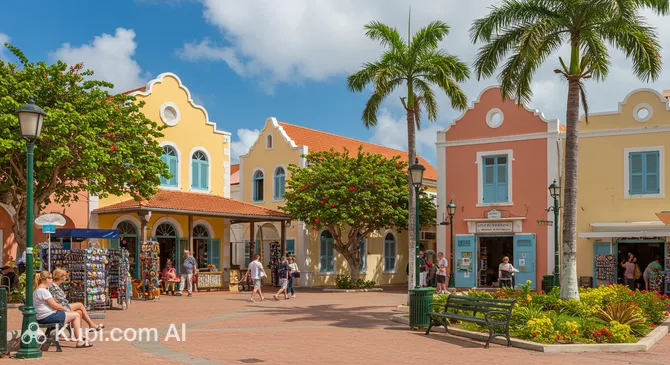
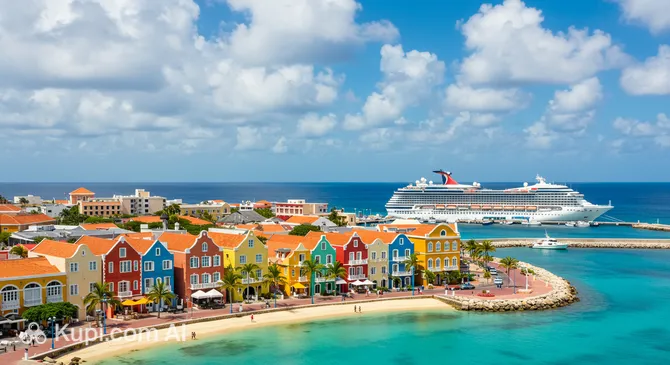
Welcome to Oranjestad, the vibrant capital and largest city of Aruba. This charming destination perfectly blends Dutch colonial heritage with a laid-back Caribbean atmosphere, making it a fascinating starting point for any island adventure. With its pastel-colored buildings, bustling harbor, and friendly locals, the city offers a unique visual and cultural experience that captivates visitors from the moment they arrive.

Located on the southern coast of the island, Oranjestad serves as the primary port for cruise ships and a central hub for commerce and tourism. The city is home to approximately 35,000 residents, contributing to its lively yet manageable pace. The warm, sunny climate invites travelers to explore the streets on foot or by taking a ride on the famous open-air trolley that loops through the downtown area.

Oranjestad. Source: Kupi.Binoculars

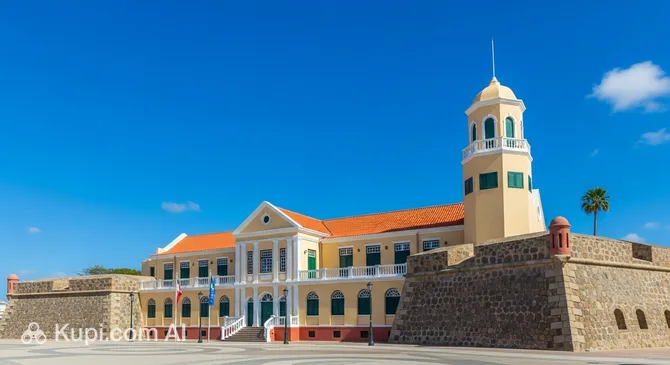
The architectural landscape is one of the city's most distinctive features. The history of Oranjestad is vividly preserved in its well-maintained landmarks, such as the iconic Fort Zoutman and the Willem III Tower. These structures stand as testaments to the island's past, contrasting beautifully with the modern luxury boutiques and jewelry stores that line the main streets. The unique "Dutch Caribbean" style, characterized by ornate facades and bright colors, provides endless photo opportunities.

Beyond its historical allure, Oranjestad is a paradise for shoppers and foodies. Visitors can wander through the Renaissance Marketplace, enjoy fresh seafood at waterfront restaurants, or relax in Wilhelmina Park, a serene green space often blooming with tropical flowers. Whether you are looking to shop for international brands, delve into local culture, or simply soak up the sun by the marina, Oranjestad promises a memorable and colorful escape.

Weather Overview

Travelers can expect a consistently warm and inviting climate when visiting this Caribbean capital. The weather in Oranjestad is characterized by steady tropical temperatures and plenty of sunshine, making it an ideal year-round destination. Whether you plan your trip for the beginning of the year or the height of summer, the atmosphere remains pleasant and suitable for outdoor activities.

Temperatures show remarkably little variation, typically hovering between 26°C in February and rising to an average of 29°C in September. While rainfall volume is exceptionally low throughout the year, often measuring just a few millimeters, the frequency of wet days increases slightly from October through December. Expect warm, sunny conditions for the majority of your stay, with precipitation usually occurring as brief, passing showers rather than prolonged downpours.

Interesting Facts

Beyond the main attractions, Oranjestad holds many fascinating secrets that reveal its rich heritage and modern ingenuity. From its equestrian roots to its cutting-edge eco-transport, the city offers a surprising depth of history and innovation waiting to be discovered.
  • The City of Horses: Long before it was named Oranjestad, the harbor area was known as Paardenbaai, or "Bay of Horses." In the 17th and 18th centuries, the town was a major hub for trading horses between the island and the mainland. Today, you can find blue horse sculptures scattered around the city center, serving as an artistic tribute to this unique chapter of its past.

  • A Lighthouse in a Fortress: The Aruba Historical Museum is housed within Fort Zoutman, the oldest surviving structure on the island, built in 1798. Attached to it is the Willem III Tower, which served a triple purpose: it was a lighthouse to guide ships, a clock tower for the town, and a vantage point to watch for pirates.

  • Green Energy on Rails: The colorful, retro-style trolley that loops through Main Street is a marvel of modern engineering. It is the first streetcar system in the Caribbean to be powered by hydrogen fuel cells, using energy generated from the island's abundant wind and solar resources, making your ride completely emission-free.

  • The Healing Plant Capital: In the early 20th century, Aruba was the world's largest exporter of aloe, with fields covering two-thirds of the island. You can explore this enduring legacy at the Aloe Factory Museum and Store, where the city's connection to this "island gold" is still celebrated.

  • Land from the Sea: Much of the waterfront area, including the popular Renaissance Marketplace and Queen Wilhelmina Park, sits on reclaimed land. This expansion was created to accommodate the city's growth, transforming what was once open water into vibrant spaces for dining, shopping, and leisure.

Aruba Historical Museum. Source: Kupi.Binoculars

How to Get There

Reaching this Caribbean paradise is relatively straightforward, as the island is well-connected to major international hubs. For a detailed overview of all travel options and routes, you can read more about how to get to Oranjestad.

The most convenient and common way to arrive is via Reina Beatrix International Airport (AUA), which serves as the main gateway to the country. Located directly in Oranjestad, it is an exceptionally accessible transport hub, situated just 3.6 km from the city center. Travelers landing here will find themselves very close to their final destination; a taxi ride to the downtown area typically takes around 10-15 minutes, depending on traffic. This facility handles a significant volume of passengers annually, ensuring a wide range of services and connections.

For those exploring the wider region, Curacao International Airport (CUR) in Willemstad is another significant hub, located approximately 122 km away on the neighboring island of Curacao. While it does not offer ground transport directly to Oranjestad due to the separation by sea, it frequently serves as a connecting point for regional travelers. Similarly, Flamingo International Airport (BON) in Kralendijk, about 197 km away, connects the nearby island of Bonaire to the international network.

For clarity, here is a summary of the main airports:

Airport Name City Passenger Traffic Km from City
Reina Beatrix International AirportOranjestadHigh3.6
Curacao International AirportWillemstadHigh122.7
Flamingo International AirportKralendijkMedium197.0
Barquisimeto AirportBarquisimetoMedium284.1
Josefa Camejo AirportLas PiedrasSmall83.0

Oranjestad does not have a railway station for intercity or international arrivals, as Aruba does not operate a passenger railway system for long-distance travel. Visitors rely primarily on air travel to reach the island and use taxis, rental cars, or public buses to navigate between the airport and the city.

Main Attractions

Oranjestad is not just a hub for shopping and dining; it is also the gateway to some of the most spectacular sights in the Caribbean. From pristine coastlines to fascinating cultural institutions, the city and its surroundings offer a diverse range of experiences. Whether you are seeking relaxation on soft sands or a deep dive into the island's heritage, there are several must-visit spots that capture the essence of Aruba.

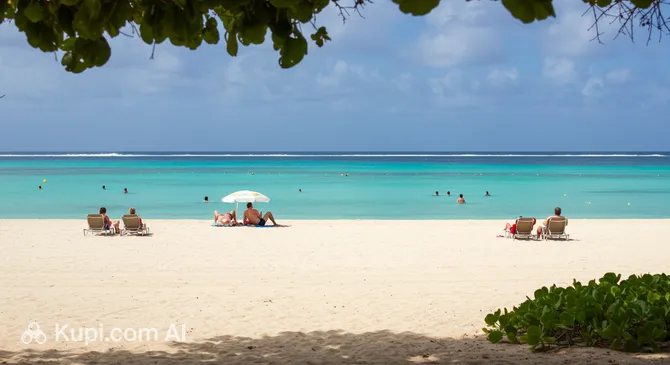
Widely considered one of the most beautiful coastlines in the world, Eagle Beach is an absolute must for any visitor. Located just a short distance from the city center, this expansive stretch of powdery white sand and turquoise water is famous for its iconic, twisted Fofoti trees. It offers a more tranquil atmosphere compared to other busy beaches, making it perfect for sunbathing, swimming, or watching the sunset. It is also a known nesting ground for sea turtles, adding a touch of natural wonder to its scenic beauty.

Eagle Beach. Source: Kupi.Binoculars

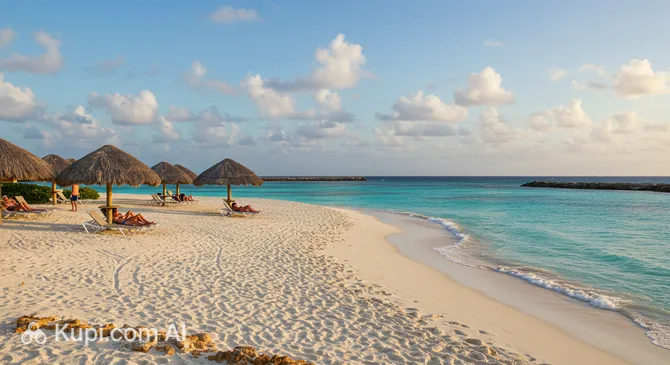
For a unique and exclusive experience, a trip to Renaissance Island offers a slice of tropical paradise. This private barrier island is renowned for its resident pink flamingos that roam freely on the beach, creating one of the most famous photo opportunities in Aruba. While it is part of a resort, day passes are sometimes available, allowing visitors to enjoy the secluded coves, luxury cabanas, and calm waters perfect for snorkeling.

Renaissance Island. Source: Kupi.Binoculars

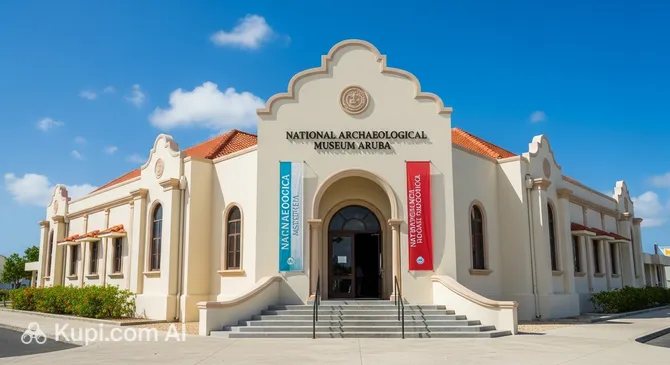
Culture enthusiasts should not miss the National Archaeological Museum Aruba. Housed in the beautifully restored historic Ecury complex in downtown Oranjestad, this modern museum preserves the island's Amerindian cultural heritage. The exhibits showcase a vast collection of artifacts dating back to 2500 BC, including pottery, shell tools, and stone ornaments. It provides a fascinating insight into the lives of the Caquetío Indians and the early history of the region before European arrival.

National Archaeological Museum Aruba. Source: Kupi.Binoculars

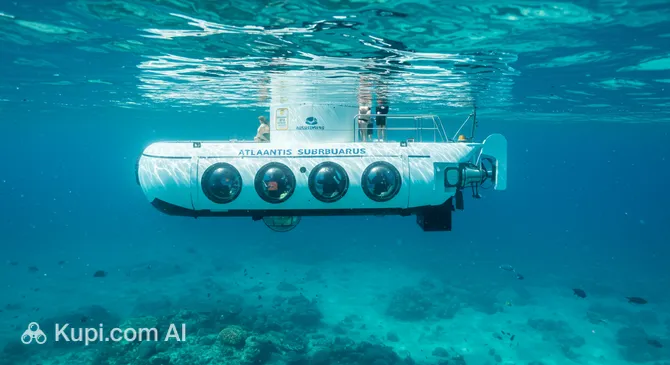
If you are looking for an adventure beneath the waves without getting wet, the Atlantis Submarine Aruba tour is an unforgettable excursion. Departing from the harbor, this U.S. Coast Guard-certified submarine takes passengers to depths of up to 130 feet. The tour offers spectacular views of the Barcadera Reef, colorful marine life, and even mysterious shipwrecks, making it an exciting activity for families and anyone curious about the underwater world.

Atlantis Submarine Aruba. Source: Kupi.Binoculars

Local Cuisine

The culinary landscape of Oranjestad is a vibrant reflection of Aruba's multicultural heritage, blending Caribbean flavors with Dutch traditions and South American influences. Food lovers will find themselves in a gastronomic paradise where fresh seafood, hearty stews, and international fusion cuisine coexist. The city's dining scene ranges from upscale waterfront restaurants to charming local eateries, offering something to satisfy every palate.

One dish that every visitor must try is Keshi Yena, widely considered the national dish of Aruba. It consists of a hollowed-out round of Edam or Gouda cheese stuffed with a savory mixture of spiced meat (chicken or beef), raisins, olives, and capers, then baked until melted and gooey. For a lighter option or a quick snack on the go, look for Pastechi, a fried crescent-shaped pastry filled with cheese, meat, or fish, which is a staple of the local breakfast culture.

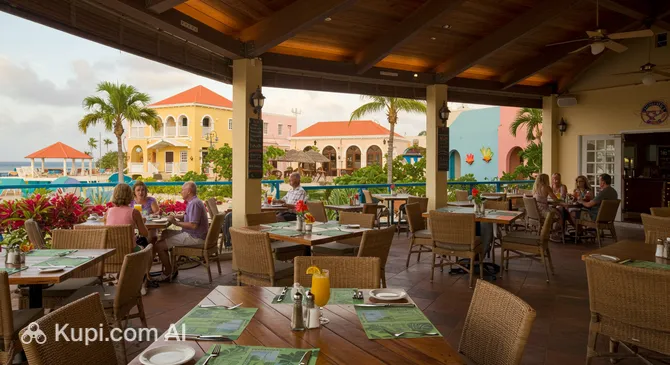
Given the island's Dutch ties, pancakes are a serious affair here. Travelers can indulge in both sweet and savory varieties, which are typically larger and thinner than their American counterparts. A perfect place to experience this tradition is The Dutch Pancakehouse, where you can enjoy an extensive menu of these treats in a lively atmosphere.

The Dutch Pancakehouse. Source: Kupi.Binoculars

When it comes to beverages, the island has its own signature refreshments. Beer enthusiasts should try Balashi, the local pilsner brewed right on the island using Aruba's renowned desalinated water. For a cocktail with a kick, order an Aruba Ariba. This famous red drink is made with vodka, rum, fruit juices, and Coecoei, a sweet local liquor derived from the agave plant that is unique to Aruba and rarely exported.

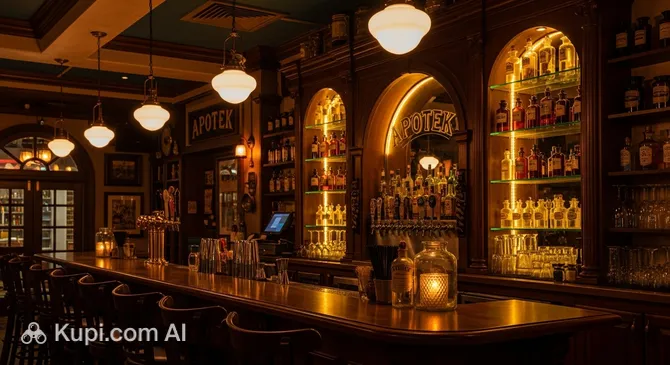
The city's nightlife and bar scene also offer unique experiences for those looking to unwind. Venues like Apotek Speakeasy provide a creative twist on the traditional bar, serving "prescriptions" of craft cocktails in a pharmacy-themed setting. It is an excellent spot to mingle with locals and fellow travelers while enjoying expertly mixed drinks.

Apotek Speakeasy. Source: Kupi.Binoculars

Dining in Oranjestad is as much about the atmosphere as it is about the food. You can start your day at cozy spots like Dushi Delicious Breakfast Cafe, which captures the friendly island vibe. For dinner, the marina area comes alive with options ranging from fresh catch-of-the-day specials to sophisticated international cuisine. Modern establishments such as Lima Bistro showcase the city's evolving culinary identity, bringing explosive Peruvian flavors to the Caribbean table.

Travel Tips

To ensure your visit to this sunny Caribbean capital is as smooth and enjoyable as possible, we have compiled a list of essential travel advice. These practical tips will help you navigate local customs, manage your budget, and explore Oranjestad with the confidence of a seasoned traveler.

  1. Clothing and Gear: Given the tropical climate, pack lightweight, breathable fabrics like cotton and linen to stay cool. Since Aruba is famous for its trade winds, ladies should consider bringing a clip for their hats and avoiding short, flowy skirts that might blow around easily. While beachwear is perfect for the coast, remember to cover up with a sarong or sundress when walking through the city center or entering shops. Don't forget reef-safe sunscreen to protect both your skin and the marine life.

  2. Transportation: The downtown area is very walkable, but you can also hop on the free open-air trolley that loops through Main Street, connecting the cruise terminal to the city center. Public buses (Arubus) are reliable and affordable for reaching nearby beaches. Note that ride-hailing apps like Uber or Lyft do not operate here; instead, use official taxis, which are readily available. Since taxis do not have meters, always confirm the fixed rate for your destination with the driver before getting in.

  3. Finances: The official currency is the Aruban Florin (AWG), but US Dollars are widely accepted almost everywhere in Oranjestad. Prices are often listed in both currencies. Major credit cards are welcomed in most hotels, restaurants, and stores, though carrying some cash is useful for small vendors. ATMs are easy to find. Tipping is customary; check your bill first, as a service charge may already be included, otherwise, a tip of 15-20% is standard for good service.

  4. Health and Safety: One of the best things about visiting Oranjestad is that you can drink the tap water! The island's desalinated water is pure, refreshing, and meets the highest standards, so bring a reusable bottle to stay hydrated. The city is generally very safe for tourists, but standard precautions like keeping an eye on your belongings apply. Pharmacies, known locally as boticas, are well-stocked, and there is usually one on duty for after-hours needs.

  5. Communication: You will have no trouble communicating, as most locals are multilingual. While Dutch and Papiamento are the official languages, English and Spanish are fluently spoken by nearly everyone in the tourism industry. It is always appreciated if you learn a few words of Papiamento, such as Bon bini (Welcome) or Danki (Thank you). Wi-Fi is widely available in hotels, cafes, and public areas.

  6. Local Etiquette: Arubans are known for their friendliness and hospitality. It is polite to greet people with a "Good morning" or "Good afternoon" when entering a shop or boarding a bus. The pace of life here is relaxed, often referred to as "island time," so try to be patient with service and enjoy the laid-back atmosphere rather than rushing.

  7. What to Avoid: Do not walk around the city center or enter supermarkets in just your swimsuit. While acceptable on the beach, it is considered disrespectful to wear only swimwear in public streets and establishments. Always throw on a shirt, shorts, or a cover-up when leaving the sand.

  8. Shopping Insight: Be aware that many shops and boutiques in downtown Oranjestad are closed on Sundays. If you plan to do some serious shopping for souvenirs or luxury goods, schedule this for a weekday or Saturday. However, restaurants and some tourist-oriented kiosks usually remain open to serve visitors.

Armed with these tips, you are ready to embrace the warmth and charm of Oranjestad without a worry. Whether you are strolling past colorful colonial buildings or enjoying the local cuisine, a little preparation ensures your island getaway will be nothing short of perfect.

Entertainment & Nightlife

Entertainment and Nightlife:

When the sun dips below the horizon, Oranjestad shifts from a bustling cruise port to a lively hub of Caribbean nightlife. While the city maintains a relaxed and safe atmosphere, it offers plenty of options for those seeking evening entertainment. The nightlife here is centered largely around the marina and the downtown waterfront areas, particularly near the Renaissance Marketplace and L.G. Smith Boulevard. The vibe is typically "resort casual," where flip-flops are often as acceptable as dancing shoes, though some upscale venues appreciate a slightly dressier effort.

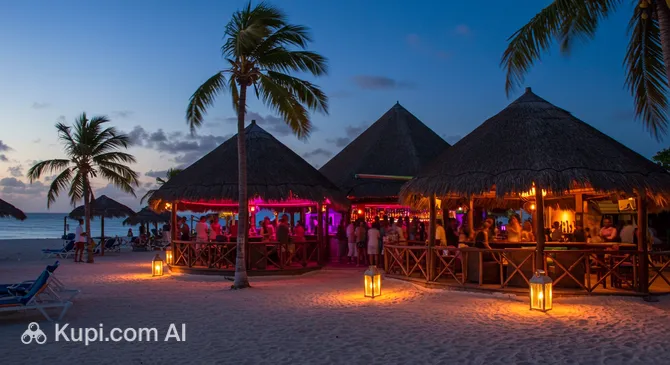
For those looking to combine dining, drinks, and a party atmosphere by the water, Reflexions Beach Bar & Restaurant is a standout choice. Located just a short distance from the city center, this venue serves as a chic lounge during the day and transforms into a vibrant club-style spot at night. It is known for its energetic music, often featuring DJs or live entertainment, making it a favorite for visitors wanting to dance under the stars with a cocktail in hand.

Reflexions Beach Bar & Restaurant. Source: Kupi.Binoculars

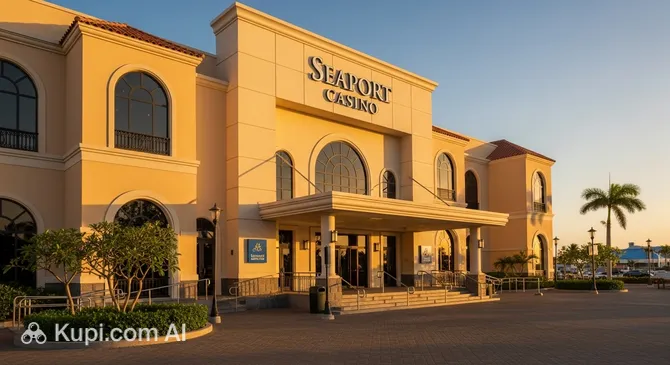
Gaming is a significant part of Aruba's nightlife culture, and Oranjestad is home to several casinos that stay open until the early morning hours. The Seaport Casino is one of the most popular, situated conveniently in the heart of the harbor area. It offers a wide array of slot machines and table games in a spirited environment. Even if you don't gamble, the surrounding area is bustling with activity, often featuring live bands and a crowd of happy vacationers enjoying the cool evening breeze.

Seaport Casino. Source: Kupi.Binoculars

Safety in Oranjestad is generally very good, making it comfortable for tourists to walk around the main well-lit districts at night. However, standard precautions apply; stay in populated areas and avoid unlit backstreets. Taxis are the most reliable way to get around after dark. They are readily available at major hotels, casinos, and taxi stands. Fares are fixed, so it is wise to confirm the price with the driver before hopping in. Ride-sharing apps are not available, so keeping a local taxi number handy or asking a venue to call one for you is good practice.

Before the nightlife kicks in, the city offers various daytime leisure activities. Shoppers can explore the upscale Renaissance Mall, home to luxury brands and designer boutiques. For a more relaxed afternoon, a stroll through Plaza Turismo near the linear park provides beautiful ocean views and a perfect spot to watch the sunset before heading out for dinner. Whether you are seeking a high-energy party or a quiet evening promenade, Oranjestad caters to every pace.

Plaza Turismo. Source: Kupi.Binoculars

Parks & Museums

Beyond its famous beaches and shopping districts, the capital offers a variety of green spaces and cultural institutions that showcase the island's heritage. Visitors interested in exploring the city's history or enjoying a quiet moment in nature will find several distinct locations within easy reach of the downtown area.

A short distance from the city center stands the Aloe Factory Museum and Store, a site dedicated to the plant that played a crucial role in Aruba's economic history. Guests can take a tour of the facility to observe the production process, from the harvesting of leaves in the adjacent fields to the creation of skincare lotions. The museum provides insight into the medicinal properties of aloe vera and the industry's 160-year legacy on the island.

For a relaxing break by the waterfront, Wilhelmina Park serves as a scenic urban retreat. Dedicated to Queen Wilhelmina of the Netherlands, this seaside promenade features a marble statue of the monarch and offers well-maintained gardens. It is a favored location for sunset walks, where visitors can often spot large iguanas roaming freely among the tropical foliage.

In the heart of the city, the I Love Aruba Sign provides a colorful backdrop for photos. Located near the cruise terminal and surrounded by open lawns, it is a popular gathering spot for families. Just steps away, the cultural district invites exploration with the Aruba Historical Museum situated inside the fortified walls of Fort Zoutman, and the National Archaeological Museum Aruba, which houses an extensive collection of Amerindian artifacts in the restored Ecury complex.

Getting Around

Navigating Oranjestad is delightfully simple, thanks to its compact size and tourist-friendly infrastructure. One of the most unique and convenient ways to move around the downtown area is the Oranjestad Streetcar. This free, open-air trolley is a favorite among visitors, running on a loop that connects the cruise ship terminal to the main shopping thoroughfare. It is a double-decker vehicle powered by hydrogen fuel cells, making it an eco-friendly ride that offers excellent views of the colonial architecture from the top deck. The trolley stops at key landmarks and museums, running at regular intervals throughout the day until the early evening.

For travel beyond the immediate city center, such as reaching the hotel strips or nearby beaches, the public bus system operated by Arubus is the primary mode of transport. The central bus station is conveniently located just outside the cruise port and serves as the main hub for routes across the island. The buses are large, colorful, and air-conditioned, providing a comfortable and reliable service. They run frequently, usually every 15 to 20 minutes during the day, with reduced schedules in the evening and on Sundays.

The payment system is designed with tourists in mind. On public buses, you can pay the driver directly using cash. US Dollars are widely accepted alongside the local currency, but it is highly recommended to carry small bills or exact change to ensure a smooth boarding process. For those planning to use the bus frequently, day passes or reloadable Smartcards can be purchased at the main bus station booth. These passes often offer better value than buying single tickets for every ride.

Taxis are another popular alternative and are readily available at the airport, cruise terminal, and major hotels. It is crucial to note that taxis in the city do not use meters. Instead, fares are based on fixed government rates determined by destination zones. You should always confirm the total price with the driver before entering the vehicle to avoid misunderstandings. Travelers should also be aware that international ride-sharing apps like Uber or Lyft do not operate here, so you will need to rely on official taxis, which can be identified by the "TX" on their license plates.

For those who prefer more independence, renting a car is a common choice, although parking in the downtown area can be limited and is often metered. Alternatively, the city is quite flat and conducive to cycling, with several shops offering bike or electric scooter rentals. However, given the pedestrian-friendly layout of the main commercial and historic districts, walking remains one of the best ways to explore the vibrant streets and waterfront promenades at your own pace.

Accommodation

Accommodation in Oranjestad caters to a wide variety of preferences, ranging from upscale beachfront properties to convenient city-center apartments. While the capital itself is known for its colonial charm and vibrant shopping districts, many visitors choose to stay just on the outskirts where the famous low-rise hotel district begins. The downtown area is particularly convenient for those who want easy access to the harbor, museums, and the main bus terminal, while the nearby coastal stretches offer direct access to the pristine sand and sea.

For travelers seeking a luxurious and tranquil escape, the coastline near the city features some of the island's top-rated accommodations. Bucuti & Tara Beach Resort is a renowned adults-only sanctuary located on Eagle Beach, offering an intimate atmosphere perfect for couples and honeymooners. Just a stone's throw away, Manchebo Beach Resort & Spa provides a wellness-focused retreat with yoga pavilions and spa facilities set against a backdrop of white sand and turquoise waters.

Booking your stay well in advance is highly recommended, especially if you plan to visit during the peak season from mid-December to mid-April. During these months, the most popular resorts and boutique hotels tend to fill up quickly. Prices generally reflect the island's status as a premium Caribbean destination, with oceanfront rooms commanding the highest rates, though more budget-friendly guesthouses and vacation rentals can often be found closer to the town center. Most accommodations can be easily secured through major online booking platforms or directly via their official websites.

Nearby Cities

For those looking to explore the surroundings, Oranjestad serves as an excellent base for day trips to several interesting nearby locations:

City Population Distance (km)
Tanki Leendert 21495 3

Tanki Leendert is located just a few kilometers inland from the capital, effectively merging with the outskirts of Oranjestad. It offers a glimpse into the authentic, residential side of the island, away from the bustling cruise terminals and resort strips. Visitors can admire the local architecture, including the historic Tanki Leendert Church, and enjoy a quieter atmosphere that reflects the daily life of Aruban residents.

Another fascinating destination for a day trip is San Nicolas, often referred to as "Sunrise City." Located at the southeastern tip of the island, it is Aruba's second-largest city and its cultural capital. San Nicolas has transformed into a vibrant open-air gallery, with colorful murals adorning the streets of its Art District. It is also the gateway to Baby Beach, a shallow, calm lagoon perfect for snorkeling and relaxation.

For nature enthusiasts, the town of Santa Cruz serves as the central gateway to the rugged wilderness of Arikok National Park. Situated in the heart of the island, this area contrasts sharply with the coastal cities, offering access to desert landscapes, ancient caves, and dramatic rock formations. It is an ideal starting point for hikers and those looking to explore the untamed beauty of Aruba's interior.

These nearby destinations offer a glimpse into the diverse culture and landscapes of the region.

Shopping & Souvenirs

Shopping in Oranjestad is a delightful experience that combines the charm of Dutch Caribbean architecture with a diverse array of retail options. As a major cruise port and a duty-free hub, the city attracts visitors from all over the world looking for everything from high-end luxury goods to unique local crafts. Whether you are strolling through colorful open-air plazas or cooling off in air-conditioned malls, the capital offers a vibrant atmosphere where browsing is as enjoyable as buying.

The heart of the city's retail scene is Main Street (Caya G.F. Betico Croes), a pedestrian-friendly thoroughfare lined with pastel-colored buildings and swaying palm trees. This bustling avenue has been revitalized to offer a scenic shopping experience, complete with the free eco-trolley that allows you to hop on and off as you please. Here, you will find a mix of international brands, apparel stores, and perfumeries, all set against a backdrop of historic facades that make for perfect photo opportunities.

For those seeking luxury and upscale brands, the Renaissance Mall is the premier destination. Located conveniently near the harbor, this indoor shopping center houses world-renowned fashion houses, fine jewelry stores, and exclusive boutiques. It is the ideal place to find designer handbags, Swiss watches, and high-quality cosmetics at duty-free prices.

Just across the street lies the Renaissance Marketplace, which offers a more relaxed and open-air environment. This lively complex features a variety of shops selling beachwear, souvenirs, and accessories, interspersed with restaurants, a movie theater, and live entertainment stages. It is a great spot to enjoy the evening breeze while browsing for gifts or enjoying a casual meal after a day of retail therapy.

If you are looking for authentic local treasures, be sure to visit the outdoor markets near the wharf and the cruise terminal. These stalls are perfect for finding handmade crafts, Caribbean art, and classic souvenirs like license plates and t-shirts. For a truly Aruban keepsake, look for products made from the island's "green gold" at shops stocking goods from the Aloe Factory Museum and Store. Aloe-based lotions, soaps, and sunscreens are among the most popular items to bring home, renowned for their high quality and healing properties.

Food items also make excellent souvenirs. Given the island's Dutch heritage, you can find authentic Gouda and Edam cheeses at local supermarkets or specialty shops. Another favorite is the spicy pica di papaya hot sauce, a local condiment that adds a Caribbean kick to any dish. Don't forget to look for stroopwafels (syrup waffles), a sweet Dutch treat that pairs perfectly with coffee.

Most stores in Oranjestad operate from 9:00 AM to 6:00 PM, Monday through Saturday. While some shops in the malls and the marketplace may stay open later, especially when cruise ships are in port, many downtown businesses close on Sundays. US Dollars are accepted virtually everywhere, and major credit cards are widely used, making transactions smooth and convenient for travelers. Prices are often fixed, but friendly bargaining is sometimes acceptable at outdoor flea market stalls.

One of the biggest draws for shoppers is the duty-free status on many luxury goods. Tourists can often purchase jewelry, watches, fragrances, and electronics at prices significantly lower than in the United States or Europe. Be sure to bring your passport and travel documents if you plan to make significant duty-free purchases, as some stores may require them to process the tax exemption.
Reached the end of the page?

That means the route is fully explored