Support

Aruba

Cities in the country

About the Country

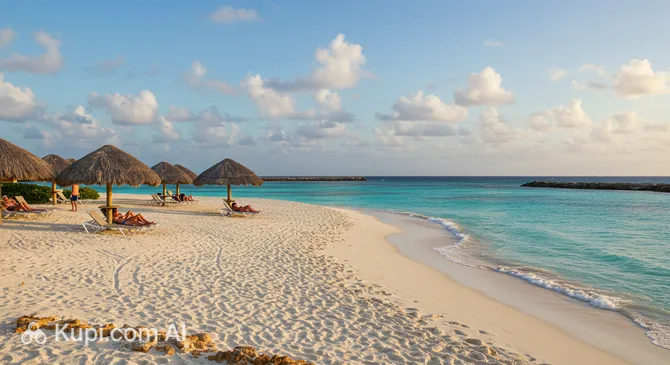
Aruba is a charming island in the southern Caribbean Sea, known as 'One Happy Island'. This small yet vibrant corner of the globe, part of the Kingdom of the Netherlands, attracts tourists with its white sandy beaches, crystal-clear turquoise waters, and a unique blend of Dutch and Caribbean cultures. The island offers an atmosphere of carefree relaxation and warm hospitality.
Oranjestad. Source: Kupi.com Binoculars

Aruba's nature is astonishing: besides world-renowned beaches like the famous Eagle Beach, the island boasts arid landscapes with cacti and its characteristic divi-divi trees, bent by the trade winds. The climate is tropical marine, with constant sunshine and refreshing breezes, making Aruba an ideal year-round holiday destination.

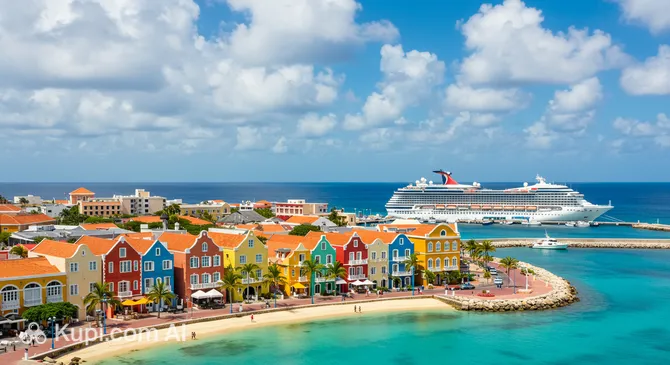
The island's capital, Oranjestad, charms visitors with its colourful Dutch colonial architecture, cosy streets, shops, and a variety of restaurants. While halal food options are emerging, travellers can find some dedicated establishments, such as Middle Eastern restaurants in the capital. For prayer, a mosque is located in Sabana Basora. In Oranjestad, you can feel the pulse of island life, take a stroll along the waterfront, or visit interesting museums. For an unforgettable experience, a trip to Renaissance Island is a must, where you can meet the friendly pink flamingos. Aruba offers the perfect combination of beach relaxation, water sports, and an introduction to a unique culture.
Currency

The official currency of Aruba is the Aruban florin (AWG). Florin banknotes and coins often feature vibrant designs with images of the island's local flora, fauna, and cultural symbols. The Aruban florin is pegged to the US dollar at a fixed rate, which provides stability for travellers from the UAE, as the dirham also has a fixed peg to the USD.

While US dollars are widely accepted in many tourist establishments, particularly in hotels and large shops, it is advisable to carry some local currency for smaller purchases, visiting local markets, or for paying in small cafés where florins may be preferred or a less favourable exchange rate offered for dollars. It is best to exchange currency for Aruban florins at banks or official exchange offices, which can be found at the airport and in major towns such as Oranjestad. Avoid exchanging money with private individuals or in untrustworthy places. Credit cards (Visa, MasterCard, American Express, and others) are widely used and accepted in most hotels, restaurants, and shops aimed at tourists. However, it is always useful to confirm the possibility of card payment in advance and to have some cash on hand for unforeseen expenses or for places where cards are not accepted.

Visa Requirements

When planning a trip to Aruba, it is important to clarify the visa requirements in advance. For citizens of the United Arab Emirates, a visa is not required for tourist trips to Aruba for a stay of up to 90 days. However, all travellers must hold a valid passport. It is recommended that your passport has a validity of at least six months beyond your intended period of stay.

For residents of the UAE holding other nationalities that do require a visa, applications are processed through the embassies or consulates of the Kingdom of the Netherlands, which represent Aruba's interests. Even for visa-exempt travellers, authorities upon entry may request supporting documents such as a return ticket, proof of accommodation, and evidence of sufficient funds or travel insurance. As visa regulations can change, it is strongly recommended that all travellers verify the most current information with the official diplomatic missions of the Kingdom of the Netherlands in the UAE well before their travel date.

We'll tell you if you need a visa

Specify where you are going, or
Your citizenship
Destination

Time Zones

When planning a trip to Aruba, you will not need to worry about changing time zones within the country. The entire island operates on a single time zone – Atlantic Standard Time (AST), which is UTC-4. For travellers from the UAE, this means Aruba is 8 hours behind Gulf Standard Time (UTC+4). The time is the same across all parts of Aruba, including its capital, Oranjestad.

How to Get There

The easiest way to reach sunny Aruba is by air. The island's main gateway is Queen Beatrix International Airport (AUA), a major hub located near the capital city, Oranjestad. For travellers from the UAE, there are no direct flights, but several convenient one-stop options are available. Common routes include flying with KLM via Amsterdam or with major US carriers like United Airlines via American hubs such as New York. The airport also receives regular direct and connecting flights from many other large cities in North and South America, as well as from Europe. Additionally, there are convenient air routes connecting Aruba with other Caribbean islands.

Many travellers also discover Aruba while on Caribbean cruises. Numerous cruise liners include Aruba in their itineraries, giving passengers a chance to enjoy the island's white sandy beaches, turquoise sea, and unique culture. This is an excellent way to get a first impression of Aruba if you are already travelling in the region.

Regardless of how you choose to get to Aruba, it is highly recommended to book flights and accommodation well in advance. This is particularly important if your trip is planned for the peak tourist season, which traditionally runs through the winter months (from December to April). Early planning will not only help you find better deals but also ensure a smooth and relaxing experience for your unforgettable holiday on this paradise island.

For clarity, here is a summary of the main airport:

Airport Name City Passenger Traffic
Queen Beatrix AirportOranjestadMajor

Aruba, the pearl of the Caribbean, attracts tourists with its idyllic beaches, unique culture, and welcoming atmosphere. The island offers a variety of holiday options, from lively urban centres to secluded resort areas. Every corner of Aruba has its own charm and is ready to offer unforgettable experiences.

Oranjestad. Source: Kupi.com Binoculars

The heart of the island is its colourful capital, Oranjestad. This city is famous for its colonial architecture with Dutch influences, vibrant building facades, numerous duty-free shops, and cosy restaurants. Here you can stroll along the waterfront, visit historical museums, and, of course, enjoy relaxing on the nearby beaches. Another interesting place to get to know the island is Tanki Leendert. This area offers a more tranquil atmosphere, allowing you to immerse yourself deeper into the local life and culture while being conveniently close to Aruba's main attractions.

Top Attractions

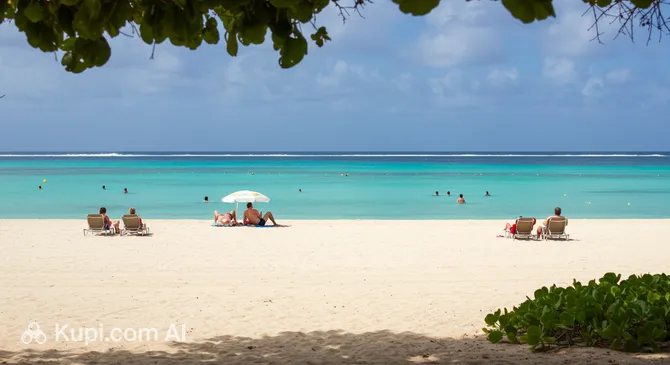
One of Aruba's signature sights is undoubtedly Eagle Beach. This beach is regularly ranked among the best in the world, thanks to its incredibly soft white sand and crystal-clear turquoise water. Here, you can not only enjoy the sun and the ocean but also see the famous Divi-Divi (or Fofoti) trees, whose wind-bent silhouettes have become a symbol of the island.

Eagle Beach. Source: Kupi.com Binoculars

Dreaming of meeting pink flamingos in their natural habitat? Then head to Renaissance Island. This private island offers a unique opportunity to interact with these graceful birds, which roam freely along one of its beaches. Besides the flamingos, the island will delight you with its secluded coves and beautiful views, creating the atmosphere of a true tropical paradise.

Renaissance Island. Source: Kupi.com Binoculars

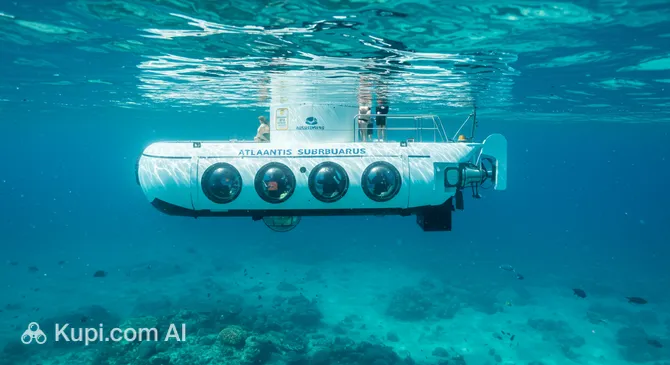
For those who wish to explore the fascinating underwater world of the Caribbean Sea without wearing scuba gear, a tour on the Atlantis Submarine is the perfect choice. This exciting dive in a comfortable, air-conditioned vessel allows you to see shipwrecks, colourful coral reefs, and the diverse marine life of Aruba through large portholes.

Atlantis Submarine Aruba. Source: Kupi.com Binoculars

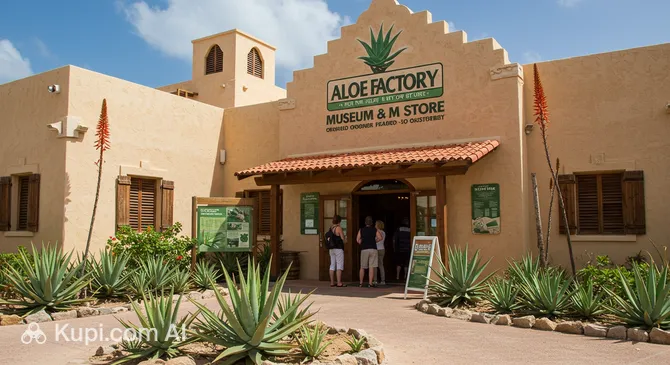
Aruba is famous for its aloe, and the best way to learn more about this valuable plant is to visit the Aruba Aloe Museum and Factory. Here, you will not only discover the centuries-old history of aloe production on the island but also see the manufacturing process. Of course, you can also purchase high-quality cosmetics and therapeutic products based on this miracle plant.

Aloe Factory Museum and Store. Source: Kupi.com Binoculars

Best Time to Visit

Aruba is an island of eternal summer, where the sun shines almost year-round, and the air and water temperatures are perfect for a beach holiday. Thanks to its location outside the main hurricane belt, the island enjoys stable weather conditions, making it an appealing destination throughout the year. However, like any holiday destination, there are nuances related to the seasons that are worth considering when planning your trip.

High Season on Aruba traditionally runs from mid-December to mid-April. During this time, the weather is considered ideal: plenty of sunshine, refreshing trade winds, and a minimal chance of rain. This is an excellent period for all kinds of water sports, diving, snorkelling, and, of course, relaxing on the famous beaches. The main advantage is the guaranteed excellent weather. The downsides are the large number of tourists and, consequently, higher prices for accommodation and flights. This period, typically in January and February, also hosts the famous Aruba Carnival – a vibrant, large-scale event that makes the island even livelier, but can also affect the cost and availability of accommodation.

Low Season, or the shoulder season, covers the period from mid-April to mid-December. During this time, Aruba remains warm and sunny, although the air temperature can be slightly higher and the humidity a little more noticeable. Short tropical showers are possible, especially between September and November, but they usually pass quickly without disrupting your holiday. The main advantages of this season are significantly fewer holidaymakers and more attractive prices for hotels and services. This is an excellent time for those seeking a more peaceful holiday and good value, provided they are comfortable with slightly hotter and more humid weather.

Traditions

Arubans are famous for their warmth and openness. When greeting local people, do not hesitate to smile and say hello; a simple handshake is the accepted norm. Although many people in Aruba speak English and Dutch, knowing a few phrases in Papiamento, such as "bon dia" (good morning), "bon tardi" (good afternoon) or "danki" (thank you), will be met with a particularly warm response from the islanders. Hospitality is highly valued here, and if you are invited into someone's home, a small token gift, such as flowers or sweets, would be appropriate, but the most important thing is your friendly and respectful attitude.

A relaxed style of dress prevails in daily life on the island, especially in resort areas. However, when visiting churches or certain official establishments, it is advisable to opt for more modest attire that covers the shoulders and knees. There are no particularly strict rules for table manners; standard European etiquette is generally followed. To immerse yourself more deeply in the spirit of Aruba, try to attend one of the main festivals: the spectacular Carnival, which usually takes place in January and February, or Flag and Anthem Day on 18 March, when vibrant celebrations are held across the country, including in the capital, Oranjestad. In conversation, try to be polite, avoid being overly loud, and remember that Arubans value a measured pace of life, known as "poco poco" (slowly, slowly).

Entertainment

Aruba offers its guests an impressive variety of entertainment to suit every taste. This Caribbean island is a true paradise for fans of active recreation, especially water sports. The crystal-clear turquoise waters are ideal for diving and snorkelling, allowing you to explore colourful coral reefs and mysterious shipwrecks. Thanks to the constant trade winds, Aruba is renowned as one of the best places in the world for windsurfing and kitesurfing. On land, travellers will find opportunities for hiking through Arikok National Park with its unique landscapes, or exciting quad bike and jeep tours across the island's rugged terrain.

The cultural programme in Aruba allows you to discover the local heritage by visiting small museums, art galleries, and artisan workshops. In the evening, the island transforms: the vibrant evening entertainment is mainly centred around the Palm Beach area and in the capital, Oranjestad. Here you will find numerous casinos, stylish bars with live music, beach clubs, and restaurants offering both local and international cuisine. Visitors seeking halal options are advised to enquire with restaurants directly. For shopping enthusiasts, Aruba offers excellent opportunities: from duty-free shops with jewellery and perfumes to local souvenirs. Aloe products are particularly popular and can be purchased, for example, at the Aruba Aloe Museum and Factory, along with Dutch cheeses and delicacies. Major shopping centres, such as the Renaissance Marketplace, offer a wide range of goods.

Families with children will also find plenty of exciting activities in Aruba. Besides the famous white-sand beaches with calm waters, such as Eagle Beach, the island offers unique attractions. For example, you can embark on a thrilling underwater journey on the Atlantis Submarine, visit an ostrich farm, or a butterfly farm. Many hotels and resorts are family-oriented and provide kids' clubs, playgrounds, and special entertainment programmes to ensure that young travellers also have an unforgettable trip.

Currency rates

Planning a trip? Excellent! To avoid any financial surprises during your travels, it's important to remember that currency exchange rates are constantly changing. We therefore strongly advise monitoring the latest rates, both before you depart and throughout your journey. You can use the data provided below for this; we monitor exchange rates 24/7 to provide the most up-to-date information.

Reached the end of the page?

That means the route is fully explored