Support

Cuba

About the Country

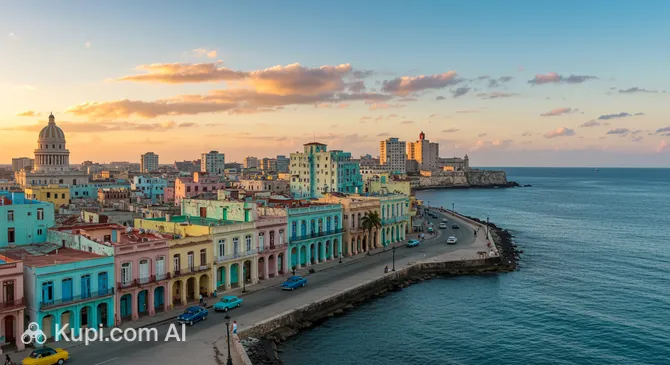
Cuba is not just an island nation in the Caribbean Sea; it is a true kaleidoscope of vivid impressions, where time seems to flow by its own rules. The "Island of Freedom" entices travellers with its unique atmosphere, the fiery rhythms of salsa and rumba, the aroma of authentic tobacco, and, of course, the legendary retro cars that still adorn the streets. The country's capital, the colourful Havana, is the heart of Cuban culture, impressing with its historical architecture and unceasing energy.

Havana. Source: Kupi.com Binoculars

Cuba is famous for its stunning natural beauty: from the world-renowned white sandy beaches of the Varadero resort to picturesque valleys like Viñales, with its unique limestone hills, known as 'mogotes', and tobacco plantations. The climate is tropical and influenced by trade winds, making the island an attractive year-round holiday destination. In addition to beach holidays, the country offers a rich historical heritage, reflected in the colonial architecture of its cities and numerous monuments that tell the story of the island's eventful history.

A trip to Cuba is an opportunity to immerse yourself in a completely different world, full of contrast and authenticity. It is a country with an open soul, where the hospitality of the local people, music playing everywhere, and the unique Caribbean flavour create truly unforgettable experiences for every tourist.

Currency

The national currency of Cuba is the Cuban Peso (CUP). Following a monetary unification in 2021, it is the only official currency in circulation on the island. Cuban Peso banknotes are adorned with portraits of prominent figures from Cuban history and images of iconic locations, giving them a special character.

It is recommended to exchange foreign currency for Cuban Pesos exclusively at official exchange offices, known as CADECA (Casas de Cambio), or at banks. For travellers from the UAE, it is best to carry a major international currency like Euros (EUR) for exchange, as UAE Dirhams (AED) are not typically exchanged, and other currencies like the US Dollar may incur less favourable rates. You should avoid exchanging money with individuals on the street to prevent scams or receiving a poor rate. As for credit cards, they are not widely accepted, and cash is essential for most transactions. In large hotels and some tourist-focused restaurants and shops, payment by card may be possible, but typically only with Visa or Mastercard issued by non-American banks. Cards issued by US banks or their affiliates are generally not accepted due to international sanctions. Therefore, for daily expenses, shopping at markets, and dining in smaller establishments, it is strongly advised to carry a sufficient amount of cash.

Visa Requirements

For tourist travel to Cuba, citizens of the United Arab Emirates do not require a traditional visa for stays of up to 90 days. However, travellers are required to obtain a 'tourist card' (tarjeta del turista) before their trip. This card can be acquired through the Cuban consulate, authorised travel agencies, or sometimes from airlines operating flights to the island.

In addition to the tourist card, you will need a passport valid for at least six months from your date of entry into Cuba, return or onward flight tickets, and proof of accommodation for your entire stay. It is also mandatory to have a medical insurance policy that covers potential medical expenses in Cuba. As visa and entry requirements can change, it is highly recommended that you verify the most current information on the official website of the Cuban embassy or consulate in the UAE before planning your journey.

We'll tell you if you need a visa

Specify where you are going, or
Your citizenship
Destination

Time Zones

When planning a trip to Cuba, you will not need to worry about changing time zones within the country. The entire island of Cuba operates on a single, nationwide time zone. Cuba Standard Time (CST) is UTC-5. However, it is important to remember that Cuba observes Daylight Saving Time (CDT), which is UTC-4. This typically runs from March to November, though the exact dates can vary each year. Before your trip, it is advisable to check the current local time to help plan your calls back home to the UAE and schedule your international flights accordingly.

How to Get There

The primary way to get to Cuba is, without a doubt, by air. While there are no direct flights from the UAE, travellers can find convenient one-stop connections to the island. The most popular routes from Dubai and Abu Dhabi involve a layover in major European or Turkish hubs, with airlines like Turkish Airlines, Air France, and KLM being common choices. The country has several international airports, with the main gateway being José Martí International Airport (HAV), which serves the capital city of Havana and its surrounding areas.

As Cuba is an island, there is no land access from other countries. However, for those who enjoy sea travel, it is worth noting that some cruise liners include Cuban ports in their itineraries, offering a unique opportunity to arrive at the 'Island of Freedom' by water. Regardless of your chosen method of travel, it is highly recommended to book your tickets in advance, especially if your trip falls within the peak tourist season, to secure the best prices and availability.

For your reference, here is a summary of the main international airports in Cuba:

Airport Name City Passenger Traffic
José Martí International AirportHavanaMajor
Jardines del Rey AirportCayo CocoMedium
Juan Gualberto Gómez AirportVaraderoMedium
Frank País AirportHolguínMinor

Cuba is not only a country with a rich history and unique culture, but also a place where everyone can find their perfect spot. From bustling city streets to serene beaches, Cuba offers a diverse range of experiences. The heart of the country is, without a doubt, its capital – Havana. This city captivates with its colonial architecture, vintage cars and lively salsa rhythms, inviting guests to immerse themselves in the unique atmosphere of the 'Island of Freedom'.

Havana. Source: Kupi.com Binoculars

For lovers of beach holidays, Cuba is a true paradise. The famous resort of Varadero beckons with its white-sand beaches and turquoise Atlantic waters, offering first-class service and a host of water sports. If you are seeking more secluded and picturesque spots, the island of Cayo Coco, with its unspoilt nature and populations of pink flamingos, is the ideal choice for a tranquil getaway and diving.

Beyond the capital and beach resorts, Cuba is rich with characterful cities. Trinidad is a genuine open-air museum and a UNESCO World Heritage site, where time appears to have stood still amidst its cobbled streets and colourful colonial mansions. The Viñales Valley, also a UNESCO site, will astound you with its unique landscapes featuring 'mogotes'—distinctive limestone hills—and famous tobacco plantations, where you can learn all about the production of Cuban cigars. Every corner of Cuba is ready to offer unforgettable experiences and reveal its treasures to the inquisitive traveller.

Top Attractions

Cuba is not only a destination of endless beaches and lively salsa rhythms, but also a country with a rich history and unique culture, reflected in its many attractions. A journey to the "Island of Freedom" will give you unforgettable memories as you discover its iconic sites.

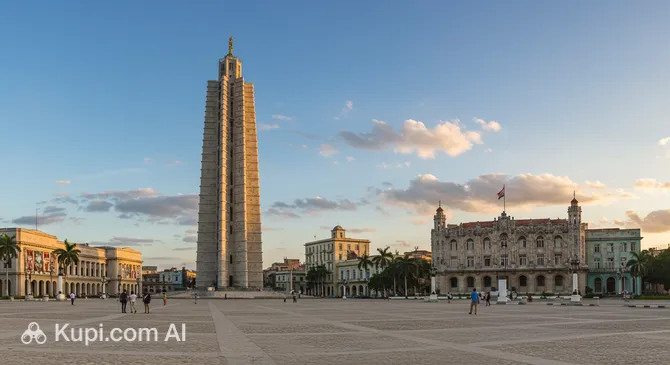
One of the most famous symbols of the Cuban capital, Havana, is Revolution Square (Plaza de la Revolución). This vast space has witnessed numerous historical events and is the venue for major state functions. It is home to the José Martí Memorial and the famous portraits of Che Guevara and Camilo Cienfuegos on the ministry buildings.

Revolution Square. Source: Kupi.com Binoculars

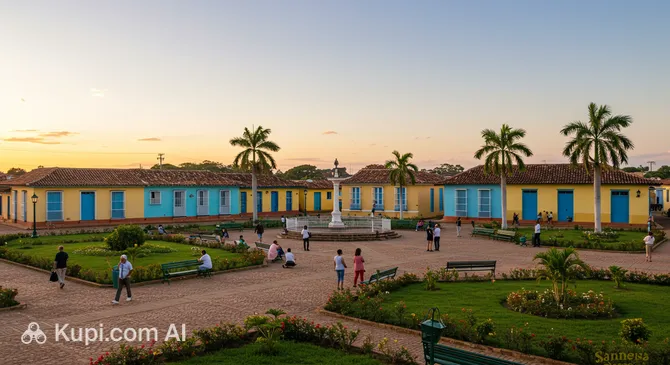
In the colonial city of Trinidad, a visit to Plaza Mayor is a must. This charming square, surrounded by beautifully preserved pastel-coloured mansions, is the heart of the historic centre, which is a UNESCO World Heritage site. Here, you can soak up the atmosphere of the past while strolling along the cobbled streets and admiring the architecture.

Plaza Mayor. Source: Kupi.com Binoculars

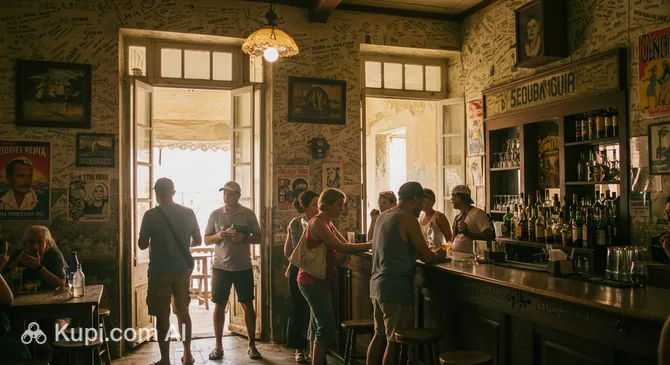
You cannot visit Havana without stopping by the legendary bar, La Bodeguita del Medio. This iconic establishment, its walls covered in the signatures of famous visitors, including Ernest Hemingway, is renowned for its unique bohemian atmosphere. Here you can enjoy a refreshing beverage and soak up the spirit of old Havana.

La Bodeguita del Medio. Source: Kupi.com Binoculars

For those interested in Cuba's revolutionary history, a significant site is the Armoured Train Memorial (Monumento a la Toma del Tren Blindado) in Santa Clara. This monument is dedicated to a key event in the Cuban Revolution: the capture of a government troop train by Che Guevara's squadron, which determined the outcome of the struggle. The exhibit includes the actual carriages from the train and artefacts related to this battle.

Monumento al Tren Blindado. Source: Kupi.com Binoculars

Best Time to Visit

Cuba attracts tourists all year round with its warm tropical climate, but choosing the best time to visit depends on your plans and preferences. For travellers from the UAE, it's worth noting that there are no direct flights, and total travel time with connections can be 20 hours or more. Holders of a UAE passport can enter Cuba visa-free for up to 90 days.

The high season on the 'Island of Freedom' traditionally lasts from November to April. During this period, the weather is most favourable: there are plenty of sunny days, low humidity, and comfortable air temperatures, making it ideal for both relaxing on the famous beaches of Varadero or Cayo Coco, and for fascinating strolls through the colonial streets of Havana or Trinidad. The downsides of this period can be higher prices for accommodation and flights, as well as larger crowds at popular resorts.

The low season, also known as the rainy season, covers the months from May to October. During this time, Cuba becomes hotter with a significant increase in humidity, and short, intense tropical downpours are possible, usually in the afternoon. The period from August to October is also considered the hurricane season, though the risk of a major storm directly impacting your trip is not always high. The main advantages of travelling in the low season are a significant reduction in prices for tours and accommodation and fewer crowds, allowing for a more peaceful holiday. Despite the weather, some vibrant events take place in the summer, such as the famous carnival in Santiago de Cuba (typically in July) and the carnival in Havana (in August). Also noteworthy are the International Jazz Festival in Havana, usually held in January, and the Habanos Festival of Cuban cigars (February-March), which attract enthusiasts from all over the world.

For Muslim travellers, it is important to note that while Cuba is becoming more accommodating, facilities are limited. Halal food is scarce but can be found in major cities like Havana at a few dedicated restaurants. Seafood and vegetarian dishes are widely available reliable alternatives. The primary prayer facility is the Abdallah Mosque in Old Havana, which holds daily and Friday prayers. Some hotels, particularly in tourist areas like Varadero and Cayo Guillermo, may offer halal food options or prayer spaces, but it is essential to confirm this in advance.

Overall, for a beach holiday and active tourism without weather surprises, it is best to choose the dry season from November to April. If you are looking for a more budget-friendly option and are prepared for potential weather changes in exchange for fewer tourists and lively festivals, then the low season can also be an excellent choice. Regardless of the time of year, Cuba, with its unique atmosphere, music, and hospitality, will leave you with unforgettable memories.
Traditions

Cubans are renowned for their warmth, openness, and love for life, which is reflected in their cultural traditions. Greetings are typically warm and direct: a handshake accompanied by a smile and direct eye contact is the norm. Do not be surprised if locals quickly adopt an informal and friendly tone with you (using the familiar "tú" in Spanish) – this is a common practice that highlights their casual and welcoming style of communication. Cubans are very expressive, so loud speech and active gesturing during a conversation are commonplace. Hospitality holds a special place in Cuban culture. An invitation to a local's home is considered a sign of great respect. While not obligatory, a small token of appreciation or a souvenir from your home country (such as stationery, chocolates, or soap) will be received with genuine gratitude.

In daily life in Cuba, a relaxed style of dress prevails, especially in tourist areas and on beaches. However, when visiting churches, official buildings, or certain restaurants, it is advisable to opt for more modest attire that covers the shoulders and knees. At the dining table, there are few strict rules of etiquette; the main thing is to enjoy the food in good company. It is considered polite to try everything you are offered, and refusing a dish might be taken as an offence. To ensure your interactions with locals are pleasant, try to avoid discussing political topics, especially with people you do not know well. Always ask for permission before taking someone's photograph, and be prepared for many matters to be handled at a leisurely pace – the famous "mañana" (tomorrow) attitude reflects a more relaxed approach to time. An understanding of the country's history is deepened during national holidays, such as the Day of Liberation (1st January), which marks the anniversary of the Cuban Revolution, and the Day of National Rebellion (26th July), both of which are celebrated with great enthusiasm and scale.

Entertainment

Cuba offers tourists a unique combination of relaxing beach holidays and vibrant cultural experiences. Fans of active recreation will appreciate the opportunities for diving and snorkelling in the crystal-clear waters of the Caribbean Sea, especially near the coral reefs. Sea excursions and fishing are also popular. Although Cuba is not famous for classic mountain hiking, walks through picturesque valleys, such as Viñales, will bring great pleasure to nature lovers.

The island's cultural life is incredibly rich. In the cities, particularly in Havana and Santiago de Cuba, you can visit numerous museums dedicated to history and art, as well as art galleries. In the evening, the streets are filled with the sounds of music – from traditional salsa and rumba to jazz improvisations. Attending a live music performance or a dance show is a must-do for many tourists. And let's not forget the colonial architecture, which is an attraction in itself in many cities, for example, in Trinidad.

Nightlife in Cuba is, above all, about music, dancing, and socialising. Numerous bars and clubs, especially in tourist centres like Varadero and Havana, offer an opportunity to immerse yourself in a fun atmosphere with lively Cuban rhythms. As for shopping, the main souvenirs that people bring back from Cuba are traditionally local rum and cigars. Products by local artisans, paintings, and musical instruments are also popular. Specialised shops and markets can be found in most tourist cities.

For a family holiday, Cuba offers calm beaches with a gentle entry into the sea, which is ideal for young children. Although there are no huge theme parks here, the atmosphere of hospitality and the chance to get acquainted with exotic nature and culture can be an exciting adventure for the whole family. Many hotels offer entertainment programmes and kids' clubs.

For travellers from the UAE, it is worth noting that while Cuba is a welcoming country, finding certified Halal food can be a challenge outside of major cities. In Havana, a few restaurants offer Halal options, and some larger hotels may be able to accommodate dietary requests if notified in advance. Seafood and vegetarian dishes are widely available and can be a reliable choice. There are very few dedicated mosques in the country, though prayer facilities can be found in some locations in Havana. It is advisable to plan for these aspects before your trip.

Currency rates

Planning a trip? Wonderful! To ensure the financial side of your journey doesn't come as a surprise, it's important to remember that currency exchange rates are constantly changing. Therefore, we strongly advise you to monitor the current rates both before your departure and throughout your trip. To do this, you can use the data provided below — we monitor currency rates 24/7 and strive to provide the most up-to-date information.

Reached the end of the page?

That means the route is fully explored